
Quick Take
- Harry Potter made owl ownership look magical, but the legal reality in most countries is something else entirely. See the legal reality →
- Owning an owl means handling dead animals every single day, and that is not even the hardest part. See the daily feeding demands →
- Most people don't realize an owl could outlive their mortgage, a fact that changes the commitment calculus completely. See how long owls live →
- Skipping daily flight time doesn't just make your owl grumpy. It triggers something far more dangerous. See the risks of skipping exercise →
Do owls make good pets? It’s a question a lot of bird lovers find themselves asking. After all, Harry Potter experienced a lovely relationship with his beautiful and loyal snowy owl, Hedwig. However, is it wise to own an owl in the muggle world? Follow along as we discover the truth about whether it is legal to have an owl as a pet and what it would be like to own one of these birds.
Is it Legal to Own Owls as Pets?
In the United States, keeping native owls is strictly illegal without a permit due to the Migratory Bird Treaty Act. Only licensed educational facilities, falconers, or wildlife rehabilitation centers that care for injured, non-releasable birds can get a permit. The same holds for most other countries.
Breaking these laws can result in heavy fines and possibly even jail time. So, unfortunately, private citizens cannot have an owl as a pet. However, even if it were not illegal, owls do not make good pets due to care and behavior challenges.
What Would Having a Pet Owl Be Like?
What if owning an owl was allowed? Human-imprinted owls behave differently than wild owls. Once they bond with their handler, it’s possible that they might show some type of affection, but owls aren’t naturally affectionate towards people. So owls don’t make cute and cuddly pets. Instead, they’re a lot of work, time, and money. Take an in-depth look at the challenges of owning an owl in the sections below.
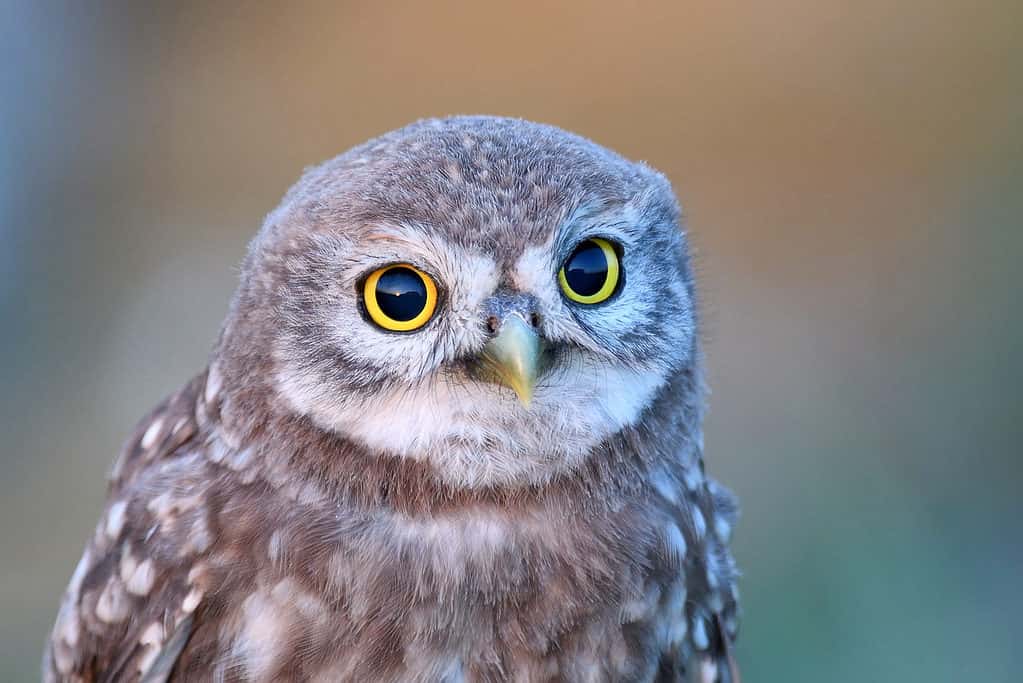
Owls aren’t naturally affectionate towards people, so they don’t make cute and cuddly pets.
©WildlifeWorld/Shutterstock.com
Human Imprinted Owls Are a Lot of Work
Owning an owl is a full-time job. These birds are high maintenance and require daily attention, cleaning, and feeding. In the wild, owls might be self-sufficient. However, when one of these birds lives in captivity, they need a lot of human help.
Constant Food Prep with Dead Animals
Your pet owl will rely on you every day to bring it food. However, it’s not like you can go to the local pet store to get a bag of owl food. You’ll have to do all of the food prep yourself. Owls are carnivores, and they need to ingest whole animals to stay healthy. Rehabilitation centers have freezers filled with mice, rats, and rabbits to keep their owls happy. Owning a pet owl means having to thaw and slice dead animals every single night.
Owls Require Daily Exercise
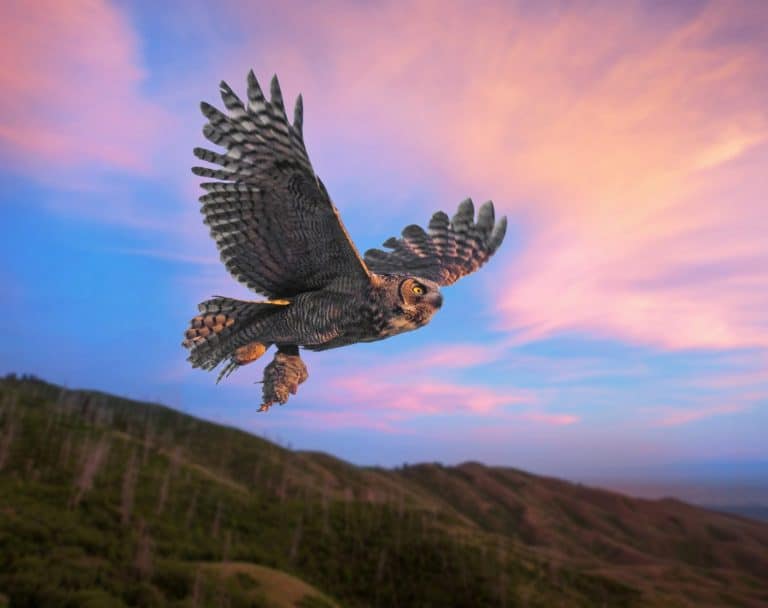
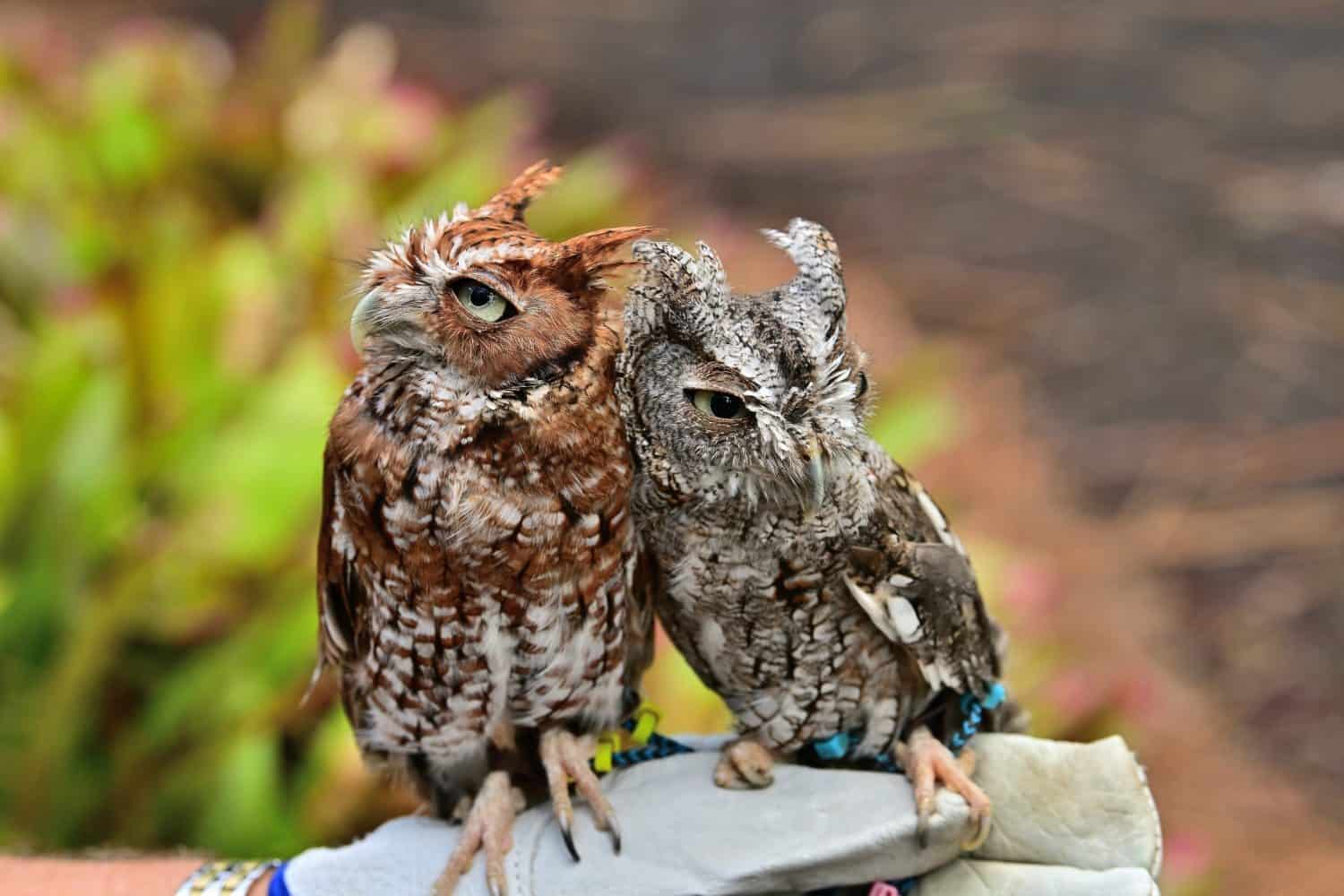
Human-imprinted owls also need to fly regularly. If they don’t get enough exercise, they’ll become cranky and possibly ill. If an owl does get cranky, you’ll know right away. They have sharp beaks and talons that they’re not afraid to use.

Captive owls still need to fly regularly.
©FSTOPdotCOM/Shutterstock.com
Dealing with Messy, Destructive Behavior
Even when they’re not cranky, owls are destructive birds. Their natural killing instinct drives them to tear apart anything you might put in their cage. Stuffed animals, clothing, pillows, and blankets are all fair game for destruction in an owl’s world.
Lots of Feathers and Poop
When you’re not cleaning up after your owl’s destructive outbursts, you’ll be picking up feathers, plus a lot of poop. Owls molt thousands of feathers yearly. These majestic birds also hack up pellets of bones and fur. So in addition to stinky droppings, owls regurgitate the contents of their intestines once a day. Cleaning the foul-smelling, pudding-like feces and regurgitated pellets will become a daily part of your life.
Extremely Long-Term Commitment
A pet owl is a long-term commitment, too. This could mean decades of intense bird care. A well-cared-for owl could live for 30 years. Large owl species like the great horned owl typically live into their 20s or early 30s in captivity, while smaller species tend to live around 10 years or even longer.
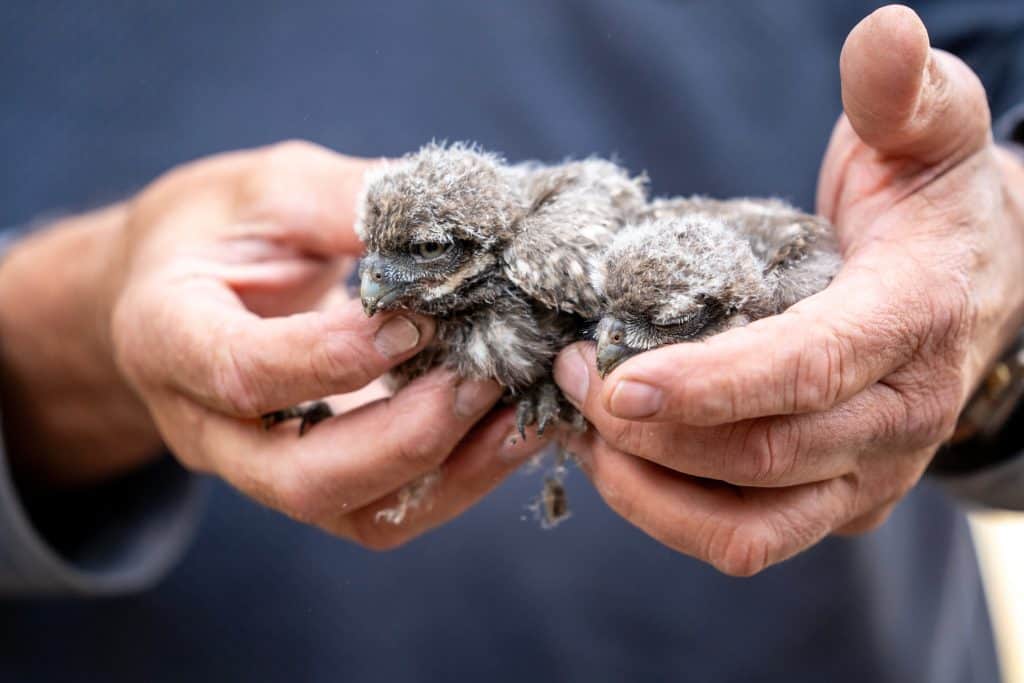
Some owls can live up to 30 years or even longer.
©PIC Femke Ketelaar/Shutterstock.com
Mating Season Brings Noise Complaints
Owning an owl as a pet also means dealing with noise complaints. When the mating season rolls around, there will be a lot of hooting. If the owl imprints on you, he’ll expect you to hoot along with him regularly. What a fun Saturday night that would be! Research shows human imprinted owls have the same vocalizations they do in the wild, as vocalizations are inherited, not learned. An owl’s natural sounds are usually very loud. Not only will you be tired in the morning, but the all-night hooting sessions won’t make your neighbors very happy.
Owls Require Expensive Specialized Care
Another downside to owning an owl as a pet is that they’re expensive. These birds need specialized care that most veterinarians can’t provide. You’ll also need quite a bit of knowledge about owl health to monitor their daily behavior. There’s a lot to learn about owls, and without the proper training, your pet would likely suffer.
So, Do Owls Actually Make Good Pets?
The answer couldn’t be clearer: owls do not make good pets. It’s illegal to own owls, and for good reasons, too. These amazing birds belong in the wild. When they’re living in their natural habitat, owls are solitary creatures. However, the moment you put an owl into captivity, its life strategies change.
Human imprinted owls are needy, destructive, messy, and often mean. It’s not the owl’s fault, though! These birds are wild animals and they just aren’t naturally affectionate towards people. The only people who should be handling owls are animal experts with proper licensing and permits.