P
Species Profile

Pennsylvania Wood Cockroach

Parcoblatta pennsylvanica

Forest recycler, not a house invader
Melinda Fawver/Shutterstock.com

Pennsylvania Wood Cockroach Distribution

Click a location to explore more animals from that region

Loading map...
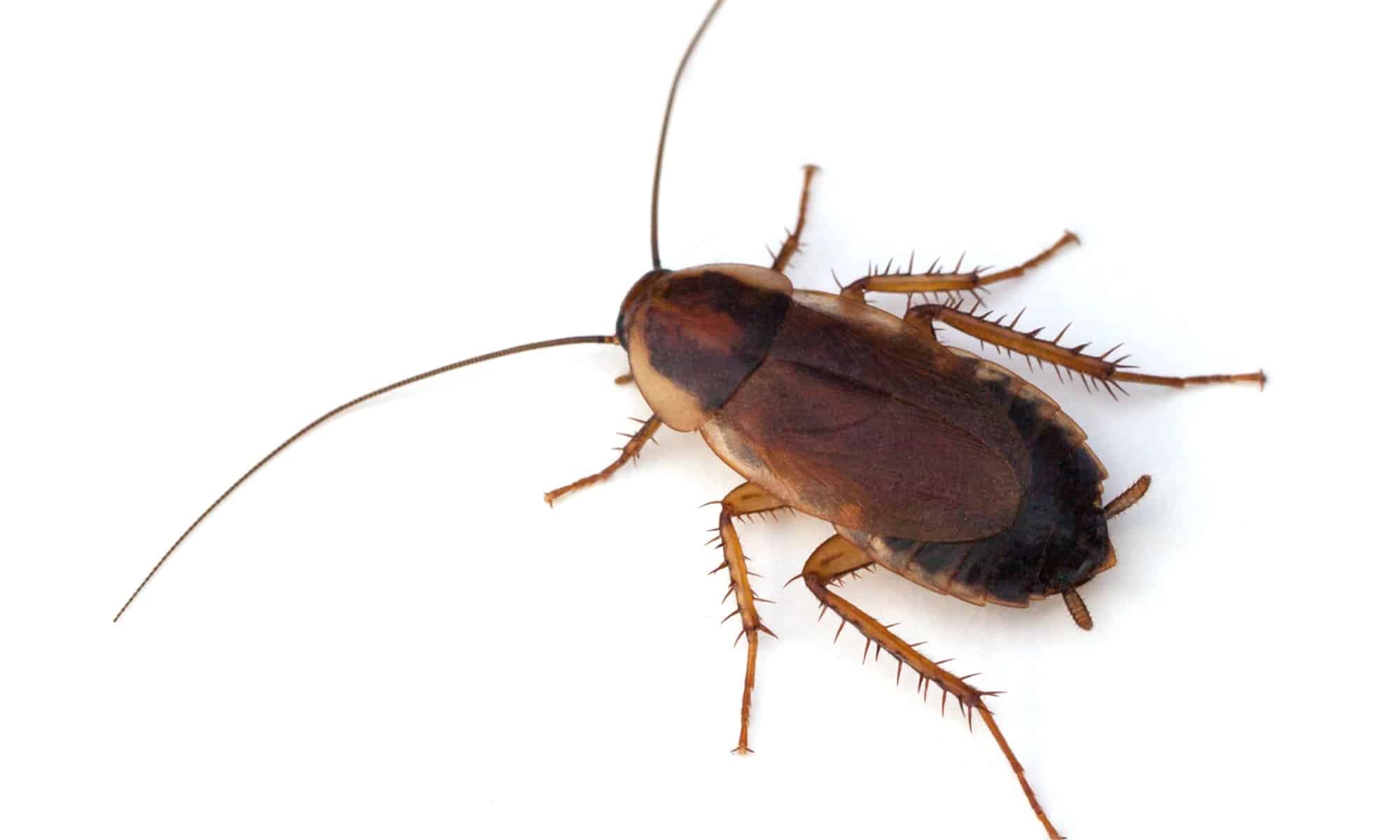
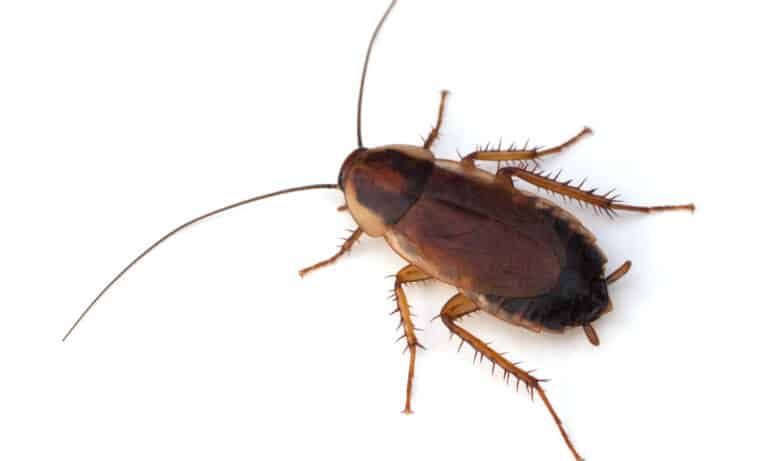
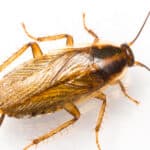
Pennsylvania Wood cockroach is light, yellowish brown in colour with pale colouration along the wing margin.

At a Glance

Wild Species
Also Known As wood cockroach, wood roach, woodroach, Pennsylvania wood roach
Diet Scavenger
Activity Nocturnal+
Lifespan 12 years
Weight 0.00025 lbs
Status Not Evaluated
Did You Know?

Adult males are fully winged and can fly; females have short wings and do not fly (strong sexual dimorphism).

Scientific Classification

A native North American wood cockroach typically associated with forests and decaying wood/leaf litter; adults may wander indoors but it is not considered a persistent household pest like German or American cockroaches.

Kingdom
Animalia
Phylum
Arthropoda
Class
Insecta
Order
Blattodea
Family
Ectobiidae
Genus
Parcoblatta
Species
Parcoblatta pennsylvanica

Distinguishing Features

  • Native 'wood cockroach' (genus Parcoblatta) rather than a typical indoor pest species
  • Often encountered outdoors; may come to porch lights at night
  • Frequently associated with decaying wood and bark rather than kitchens/bathrooms
  • Males in Parcoblatta are typically more capable fliers than females (general genus trait), aiding dispersal to lights

Physical Measurements

Males and females differ in size

Length
♂ 1 in (1 in – 1 in)
♀ 1 in (1 in – 1 in)
Weight
♂ 0 lbs (0 lbs – 0 lbs)

Appearance

Primary Colors
Secondary Colors
Skin Type Hard, glossy chitinous exoskeleton; leathery forewings (tegmina) in adults, especially males.
Distinctive Features
  • Adult male typically ~20-25 mm body length; female typically ~14-18 mm (smaller, broader).
  • Body flattened-oval with long filiform antennae; spiny legs adapted for running.
  • Pronotum often shows a darker central area against a lighter brown/tan background.
  • Male macropterous: long tegmina and hindwings usually extend to/beyond abdomen tip.
  • Female brachypterous: short wing pads/short tegmina leave much of abdomen exposed.
  • Cerci present at abdomen tip; coloration generally woodland-camouflage brown.
  • Primarily nocturnal; adults frequently fly to lights in summer, explaining indoor wanderers.
  • Woodland species in rotting logs, under bark, and leaf litter; scavenger/decomposer, not a persistent indoor pest like German or American cockroaches.

Sexual Dimorphism

Males are typically larger and fully winged, with wings extending to or beyond the abdomen and capable of flight. Females are smaller-bodied and short-winged (brachypterous), appearing more robust and less capable of sustained flight.

♂
  • Macropterous; long tegmina and hindwings extending to/beyond abdomen.
  • More slender body profile; better flight ability; more often attracted to lights.
♀
  • Brachypterous; short wings/wing pads with abdomen largely exposed.
  • Broader, more robust abdomen; limited flight (often non-flying).

Did You Know?

Adult males are fully winged and can fly; females have short wings and do not fly (strong sexual dimorphism).

Typical adult body length reported is ~15-23 mm (often cited from field ID sources like BugGuide and extension keys).

Adults are most often encountered outdoors in late spring-summer; indoor sightings commonly happen when flying males are attracted to porch lights at night.

Unlike German cockroaches, this species is not adapted to reproduce indoors; it needs woodland shelter (bark, logs, leaf litter) and outdoor humidity/food sources.

As a scavenger/detritivore, it helps recycle nutrients by feeding on decaying plant material and other organic debris in forests (a shared role across many Parcoblatta).

It's part of Ectobiidae ("wood cockroaches"), a mostly outdoor family-very different ecologically from the indoor pest species in Blattidae (e.g., American cockroach).

Unique Adaptations

  • Wing dimorphism tuned to ecology: flying males disperse to find mates; brachypterous (short-winged) females remain protected in log/leaf-litter refuges-reducing predation risk and desiccation.
  • Cryptic coloration (tan to dark brown with mottling) blends with bark/leaf litter, improving concealment on tree trunks and dead wood.
  • Flattened body and flexible exoskeleton allow access to very thin refuges under bark-key for survival in drying/variable forest microclimates.
  • Cockroach-typical gut symbionts/microbiome enable efficient use of low-quality detrital foods (documented generally for Blattodea in scientific literature such as Bell, Roth & Nalepa's cockroach biology syntheses).
  • Ootheca (egg case) protects eggs from mechanical damage and desiccation in variable forest-floor conditions; females place oothecae in protected crevices rather than exposed surfaces (general ectobiid strategy reported in cockroach life-history literature).

Interesting Behaviors

  • Nocturnal foraging in leaf litter and under loose bark; hides by day in cracks of logs and beneath bark plates.
  • Male dispersal flights on warm nights; individuals commonly come to UV/white lights, which explains many 'mystery roach' indoor encounters.
  • Startle response: rapid sprinting into crevices; flattened body allows quick wedging under bark and into log fissures.
  • Scavenging diet: feeds opportunistically on decaying leaves/wood fragments, fungi, and other organic matter found in moist forest microhabitats (reported broadly for Parcoblatta/wood roaches in cockroach ecology texts).
  • Seasonal appearance: nymphs persist in sheltered forest debris; adults peak in the warmer months, so nuisance sightings are typically seasonal rather than year-round household presence (extension reports).

Cultural Significance

Because people notice indoor pest roaches more, the Pennsylvania wood cockroach (Parcoblatta pennsylvanica) is used in nature lessons to show many roaches are native woodland decomposers, not house pests; named for Pennsylvania, it appears in field guides and BugGuide as a porch-light roach often mistaken for German cockroaches.

Myths & Legends

Because this exact woodland species has little direct folklore, it's most often tied to naming history rather than legend: "pennsylvanica" is a geographic epithet used by early naturalists to mark an American origin/association with Pennsylvania.

In North American rural folklore, a 'roach at the light' means changing weather or summer nights, linked to seasonal, light‑attracted flights of male Pennsylvania wood cockroaches (Parcoblatta pennsylvanica), not a formal myth.

In many cultures, sudden cockroach sightings are seen as omens of visitors or news because they pop out from cracks. This belief is applied to many species, including the Pennsylvania wood cockroach (Parcoblatta pennsylvanica).

Conservation Status

NE Not Evaluated

Has not yet been evaluated against the criteria.

Population Unknown

Life Cycle

Birth 32 nymphs
Lifespan 12 years

Lifespan

In the Wild
9–15 years
In Captivity
10–24 years

Reproduction

Mating System Promiscuity
Social Structure Aggregation Group
Breeding Pattern Transient
Fertilization Internal Fertilization
Birth Type Internal_fertilization

In leaf-litter aggregations, males court females via wing-raising and pheromones; mating involves internal copulation and spermatophore transfer. No pair bond; both sexes can mate multiple times. Females (about 1.8-2.3 cm adults) deposit an ootheca in sheltered wood/leaf litter; no parental care.

Behavior & Ecology

Social Aggregation Group: 6
Activity Nocturnal, Crepuscular
Diet Scavenger fungus-softened decaying leaf litter and punky wood (highly decomposed, microbe-rich plant detritus)
Seasonal Hibernates

Temperament

Photonegative and reclusive; hides under loose bark/rotting wood by day (Bell et al., 2007).
Adult size reported around males 1.6-1.9 cm and females 1.3-1.5 cm total length (Hebard, 1917).
Non-aggressive detritivore/scavenger; startled individuals rapidly run; males commonly fly, females often short-winged (Bell et al., 2007).
Seasonal, typically one generation per year in temperate populations; nymphs overwinter in protected wood/leaf litter (Bell et al., 2007).
HUBS: Across Parcoblatta wood-roaches, sociality is mainly gregarious harborage-choice; aggregation strength varies with moisture, temperature, and shelter availability (Bell et al., 2007).

Communication

None documented; does not use audible calls for social communication Bell et al., 2007
Sex pheromones for mate-finding; males orient to female chemical cues Bell et al., 2007
Contact chemoreception via antennae and palps during courtship and recognition Bell et al., 2007
Cuticular hydrocarbon cues likely mediate species/sex recognition at close range Bell et al., 2007
Harborage/aggregation cues from feces and substrate odors are common in cockroaches; species-specific data not quantified for P. pennsylvanica Bell et al., 2007
Substrate-borne vibrations and tactile antennal interactions during encounters and courtship Bell et al., 2007

Habitat

Biomes:
Temperate Forest
Terrain:
Hilly Mountainous Plains Valley Riverine
Elevation: Up to 5249 ft 4 in

Ecological Role

detritus-processor/scavenger in temperate forest floor food webs; contributes to decomposition pathways and serves as prey for insectivores.

mechanical fragmentation of leaf litter and rotting wood (increases surface area for microbial decomposition) nutrient mineralization and recycling via digestion and fecal production (frass) supports soil/leaf-litter microfood webs by redistributing microbe-rich organic matter prey base for predators (e.g., spiders, ground beetles, amphibians, reptiles, insectivorous birds and small mammals)

Diet Details

Main Prey:
Dead insects and other arthropod carrion Conspecific carcasses
Other Foods:
leaf litter Decaying wood Bark-associated organic films and micro-detritus Fungal hyphae, spores, and fruiting-body fragments Lichen and algal biofilms Plant-derived detritus Plant sap and exudates +1

Human Interaction

Domestication Status

Wild

Parcoblatta pennsylvanica (Pennsylvania wood cockroach) is a wild North American forest roach, not domesticated. Humans meet it by chance—males fly to lights and sometimes wander indoors. Nymphs grow in leaf litter and rotting wood and often spend the winter there. Adults are seasonal (spring–summer). They help break down dead leaves and wood and rarely live indoors.

Danger Level

Low
  • Nuisance presence indoors (typically seasonal/accidental; not a persistent household pest like Blattella germanica).
  • Potential allergen exposure if individuals are repeatedly present indoors (general cockroach allergen risk exists, but exposure likelihood is usually much lower than with domiciliary pest species).
  • Low/atypical pathogen vector concern compared with domestic pest roaches because this species primarily lives outdoors in leaf litter/rotting wood and does not commonly infest kitchens/bathrooms.

As a Pet

Not Suitable as Pet

Legality: Usually legal to keep in the U.S. as a native, non-regulated insect. But collecting on protected lands may be banned, and moving live insects across state lines can be regulated. Check state farm rules and park rules first.

Care Level: Moderate

Purchase Cost: Up to $25
Lifetime Cost: $20 - $120

Economic Value

Uses:
Ecosystem services (decomposition/nutrient cycling) Wildlife food-web support (prey item) Incidental nuisance (seasonal indoor wanderer) Education/natural history interest Limited use as feeder insect
Products:
  • No standard commercial products; occasionally collected/sold informally as live feeder insects or classroom specimens.

Relationships

Related Species 7

Virginia wood cockroach Parcoblatta virginica Shared Genus
American wood cockroach Parcoblatta americana Shared Genus
Broad wood cockroach Parcoblatta lata Shared Genus
Southern wood cockroach Parcoblatta fulvescens Shared Genus
German cockroach
German cockroach Blattella germanica Shared Family
Oriental cockroach
Oriental cockroach Blatta orientalis Shared Order
Brown-banded cockroach
Brown-banded cockroach Supella longipalpa Shared Family

Ecological Equivalents 4

Animals that fill a similar ecological role in their ecosystem

Smokybrown cockroach
Smokybrown cockroach Periplaneta fuliginosa Similar outdoor-to-indoor wanderer: mainly lives outdoors in leaf litter, woodpiles, and wet debris, but is more often found near buildings than Parcoblatta pennsylvanica, which may enter homes but rarely stays.
Eastern subsocial wood roach Cryptocercus punctulatus Both are native woodland cockroaches that live in decaying wood and use microbes to digest it. Cryptocercus punctulatus depends on logs and is subsocial; Parcoblatta pennsylvanica uses leaf litter and shelter under bark and disperses seasonally.
German cockroach
German cockroach Blattella germanica Both are small cockroaches that can be found indoors. Blattella germanica breeds and lives indoors, causing lasting infestations, whereas Parcoblatta pennsylvanica is a forest species whose adults may wander inside but do not establish populations.
Isopods Oniscidea Occupy a similar decomposer/scavenger niche in moist leaf litter and rotting wood and are often found under the same cover objects (logs, bark, leaf packs). They are not closely related taxonomically but are ecological relatives due to shared microhabitat and detritivore function.

“Out of all North American cockroaches, the Pennsylvania wood cockroach is the most likely to be found in firewood.”

For many, even the mention of a cockroach is enough to bring about looks of disgust and feelings of revulsion. Roaches are one of the oldest species on the planet; they’ve been around since the early Carboniferous period, about 350 million years ago. Today’s cockroaches look almost exactly the same as their ancient ancestors. The key to their longevity has been the generalization and simplification of their bodies.

Out of the nearly 5,000 cockroach species on the planet, only about 30 are known to be pests to humans. Out of those 30, only four species (American, German, Oriental, and brown-banded roaches) represent most home and business infestations. Though the Pennsylvania wood roach is often mistaken for an American or German cockroach, it’s actually not considered a pest species. Pennsylvania wood cockroaches are also known simply as wood roaches—but don’t worry, there’s no difference between a Pennsylvania wood cockroach and a wood roach.

4 Incredible Pennsylvania Wood Cockroach Facts!

  • Male wood roaches have body length wings and are capable of flight
  • Female wood roaches have shorter wings and can’t fly
  • Wood roaches can live up to 18 months
  • Their favorite food is decaying plant matter

Pennsylvania Wood Cockroach Species, Types, and Scientific Name

As their name suggests, the Pennsylvania wood roach is commonly found in Pennsylvania. However, they’re not restricted to only one state; wood roaches can be found throughout the eastern United States, from Florida in the south, to southern Canada in the north. They’re not generally known in the western United States, roughly from the Rocky Mountains to the west coast. 

The wood roach’s scientific name is Parcoblatta pennsylvanica, named for the state in which they are most commonly found. Outside Pennsylvania, they are often called simply ‘wood roaches’. If you live anywhere in the eastern United States, and you find a cockroach hiding in your firewood, there’s a good bet it’s a Pennsylvania wood roach.

Appearance: How to Identify Pennsylvania Wood Cockroaches

Wood roaches exhibit a high degree of sexual dimorphism, meaning that males and females look very different. Both males and females have six long, segmented legs, two lengthy antennae, and segmented bodies. Like many cockroaches, the wood roach’s antennae exceed the length of the body; they use them to sniff out good things to eat, like rotting leaves and wood.

Wood roach legs are covered in thick spikes that give them traction when climbing even the smoothest of surfaces. The spikes may look intimidating, but don’t worry—they’re just for getting around, not for hurting people. The front pair of legs are the smallest, with the hind legs being the longest and strongest.

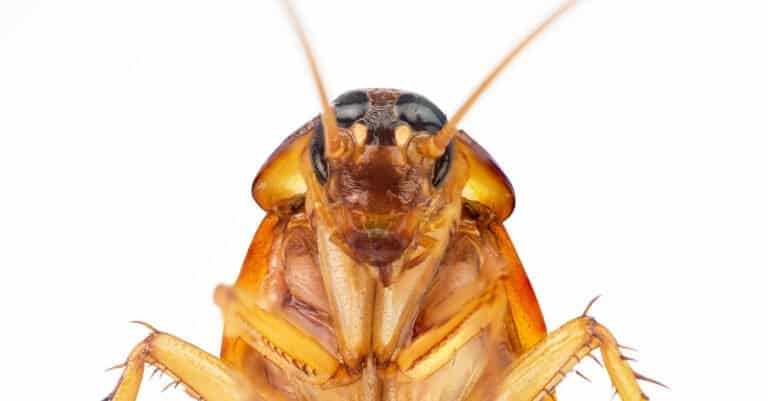
Cockroach bodies are divided into three sections; the head, thorax, and abdomen. The head is covered by a hard shield called a pronotum; when you look down at a cockroach, this is what you see instead of the head. The wings and first pair of legs are attached to the thorax, and the second and third pairs of legs are attached to the abdomen.

Male wood roaches have body length, functional wings—they can easily fly through open windows into homes in search of food. Females meanwhile have wings only about half the length of their bodies. Their abdomens are also thicker than the male’s abdomen; females can’t fly or even glide.
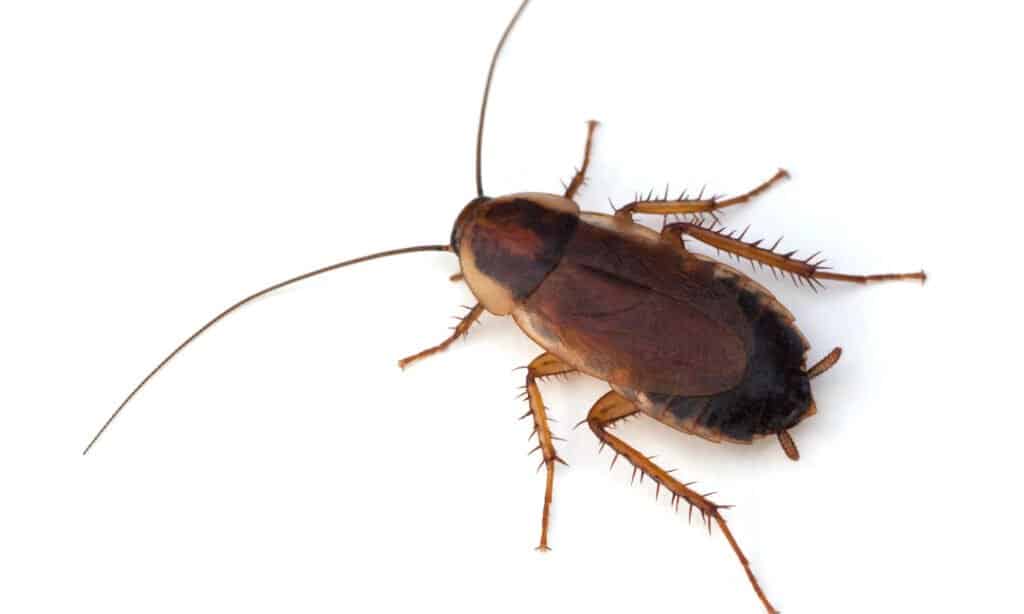
Pennsylvania Wood cockroach is light, yellowish brown in colour with pale colouration along the wing margin.

Pennsylvania Wood cockroach is light, yellowish-brown in color with pale coloration along the wing margin.

Life Cycle: How to Identify Pennsylvania Wood Cockroach Eggs

Wood roaches start out life as eggs encased in egg cases called ootheca. Each egg case contains around 32 eggs; they take around 34 days to incubate. Females birth the egg case whole and deposit it beneath loose bark, or inside of rotting trees for safety. 

On hatching, the larval wood roaches are pure white and soft-shelled. As they grow, they both darken in color and grow harder exoskeletons. They’ll stay in the nymph stage for 10-12 months on average, though it may last up to two years. During this stage, the nymphs repeatedly shed and regrow their exoskeleton in a process called molting.

After the final molt, the nymphs become sexually mature adults. Unfortunately for the wood roach, the adult lifespan typically lasts only a few months. Adults are dark brown in color, while nymphs are closer to mahogany brown. Adult males have body length, tan wings that make them look very different from adult females.

Habitat: Where to Find Pennsylvania Wood Cockroaches

Unlike pestilential species of cockroach (like the German roach), Pennsylvania wood cockroaches don’t actually like the indoors. They’re a forest-loving species, and most spend their lives in the woods munching on greens and rotting wood. 

However, they have a soft spot for firewood and often make their homes in stacks of cut wood. This can cause problems if people stack firewood against their houses, or even store the wood in their homes. Wood roaches most often make their way inside via firewood, though males will also fly through open windows and doors in search of light sources.

Wood roaches are truly a wood-loving species, which means they’re not a problem if you live in the city, or in a forest-free urban setting. They can, however, become nuisances to people living in or near woodlands, especially if those people employ wood-burning stoves.

Diet: What do Pennsylvania Wood Cockroaches Eat?

All cockroaches are omnivores, but each has a particular preference for one food or another. Some feed almost exclusively on leaves, while others prefer fruit. Still more rely almost entirely on human leavings like leftover food, waste, and garbage. 

The Pennsylvania wood roach isn’t a fan of garbage though—it prefers to munch on rotting vegetation. Wood roaches can be found anywhere there are forest detritus to feed on; fallen trees, pine needles, leaves, and bark all make a welcome meal for the wood roach.

What Eats the Pennsylvania Wood Cockroach?

Unlike many other species of roach, the Pennsylvania wood roach has no problem with the light. In fact, they often feed on the forest floor during the daytime. This behavior opens them up to a whole host of predators. These include amphibians like frogs and salamanders, reptiles like snakes, small mammals like mice and rats, and birds.

Prevention and Extermination: How to Get Rid of Pennsylvania Wood Cockroaches

If you’re an urban dweller with a house full of roaches, you’re probably facing a species other than the Pennsylvania wood roach. If, however, you live in or near forested areas of the Eastern half of the United States, you may be dealing with a wood roach.

Wood roaches come inside via firewood, open windows, or open doors. The best way to tell if you have wood roaches is by location; are they located near your firewood or fireplace? If so, they’re probably wood roaches. You don’t have to worry too much about an infestation though, wood roaches don’t easily survive indoors, and would rather go back outside.

The big concern, when it comes to wood roaches, is when they decide to snack on your wood siding or wood shingles. They’re not terribly picky when it comes to easily digestible wood and leaf litter, but you do want to keep them from munching on your home. If you suspect a wood roach problem, you may want to employ roach traps or even insecticide spray. But, for the most part, Pennsylvania wood roaches don’t pose a threat to humans.

View all 246 animals that start with P

Sources

  1. University of Pennsylvania / Accessed March 1, 2022
  2. University of Nebraska / Accessed March 1, 2022
Brandi Allred

About the Author

Brandi Allred

Brandi is a professional writer by day and a fiction writer by night. Her nonfiction work focuses on animals, nature, and conservation. She holds degrees in English and Anthropology, and spends her free time writing horror, scifi, and fantasy stories.

Thank you for reading! Have some feedback for us?