



Quick Take
- Raggles are called hypoallergenic, though there is a catch that most owners don't find out until after they bring one home. Check the allergy catch →
- This dog's intelligence is actually what makes it so hard to train, and fixing it requires one counterintuitive adjustment. See the training fix →
- Raggles can be great with kids but terrible with other dogs, and that difference comes down to one critical window in their puppyhood. Explore socialization details →
- Before you decide where a Raggle fits in your home, there's a lifestyle requirement this breed has that most small-dog owners overlook. See the exercise requirement →
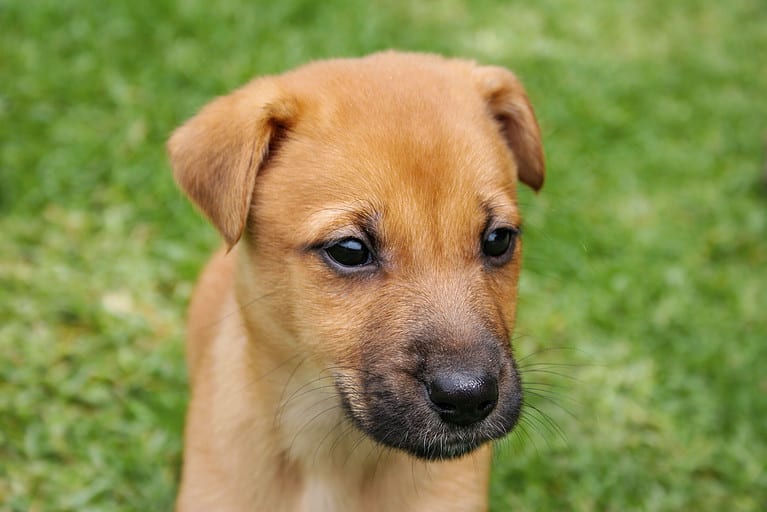
If you breed a Rat Terrier with a Beagle, you get a Raggle. A Raggle is one of many so-called designer dogs. Two popular breeds are combined to produce a puppy that possesses the best qualities of each. Raggles are energetic, alert, and friendly. It’s not clear when the Raggle came on the scene, but it belongs to a growing group of dogs known as hybrids.
Raggles are good watchdogs because they are alert and will bark if they spot someone on the property. Raggles that are socialized as puppies are good with kids, but many don’t get along well with other dogs.

3 Pros And Cons Of Owning A Raggle
| Pros! | Cons! |
|---|---|
| Good with kids A socialized Raggle has a friendly temperament and is good with children in a family. | Very energetic Breed a lively Beagle with a Rat Terrier, and you have a very energetic Raggle that needs at least 60 minutes of daily exercise. |
| An alert watchdog These hybrid dogs are alert to their surroundings and will bark if someone approaches the house. | Tough to train Though intelligent, this dog is easily distracted by all the scents and sights around it. So, obedience training can be challenging. |
| An easy grooming routine An easy, quick grooming routine can keep this dog’s coat looking its best! | May bark a lot A Raggle that has not been socialized since puppyhood may bark an inordinate amount. But this can be helped with extra training. |
History Of The Breed
The raggle is a comparatively new breed, and while it is not entirely known when or why they were started, it is believed that they originated in the southern U.S. where they were intended to be a larger and more sturdy version of the rat terrier, which, along with the beagle, is one of its parent breeds.
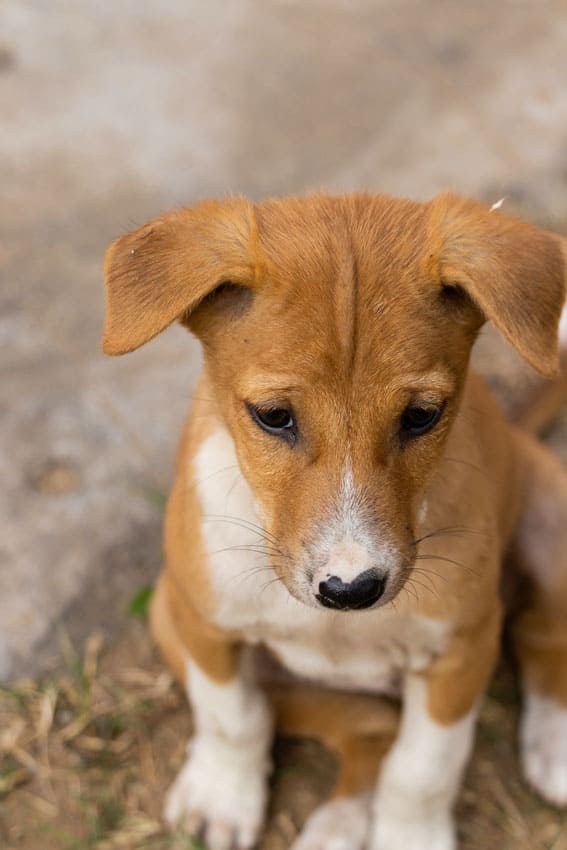
Raggle (Beagle Rat Terrier mix) puppy playing outside.
©iStock.com/Soumen Hazra
Size And Weight
An adult male Raggle can grow to be 12 inches tall from head to toe. A female Raggle grows as tall as 11 inches. In terms of weight, a male Raggle can weigh as much as 20 pounds, while a female can weigh as little as 19 pounds, fully grown. Raggle puppies at 9 weeks old weigh around 7 pounds and are fully grown at 18 months old.
Common Health Issues
Raggles have some common health issues, such as Patellar luxation. Patellar luxation is a dislocated kneecap. A dog with this condition limps or hops, especially while trying to run. Changes in diet, supplements, or surgery are all treatments for this condition. Elbow dysplasia is another common health issue of this hybrid pooch. Essentially, this condition happens when the elbow joint is out of place. It’s genetic but can be treated with surgery. Intervertebral disc disease is another health concern for a Raggle. This is when a disc in a dog’s spine ruptures. The treatment for this condition depends on how severe it is. Sometimes medication can help, or surgery may be needed.
Temperament And Behavior
One of a Raggle’s most significant traits is intelligence. This is easy to believe, knowing that its Beagle and Rat Terrier parents are both intelligent dogs. This hybrid has an energetic temperament and enjoys exploring its environment as well as playing games with its owner.
A socialized Raggle has a friendly personality and gets along with both children and adults. However, one thing to keep in mind is that this dog has been known to show aggression to other dogs in a family. Therefore, introducing a new Raggle to a household with other dogs should be done with care.
How To Take Care Of A Raggle
Taking care of a pet Raggle is much easier when an owner knows all about its dietary, grooming, exercise, and healthcare needs. All of these considerations should be factored into the overall care of a puppy or adult Raggle. Check out some specifics to keep in mind.
The Best Dog Food For Raggles
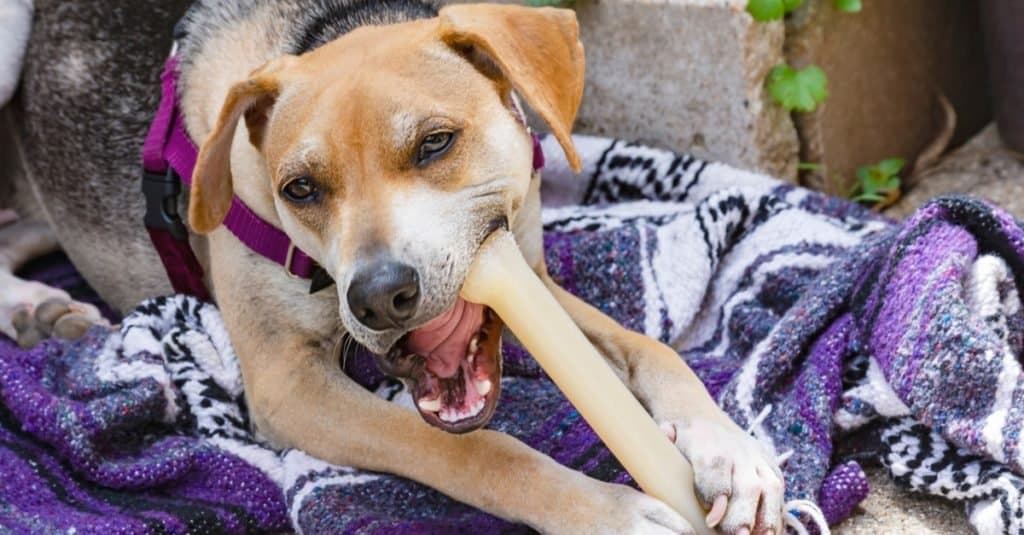
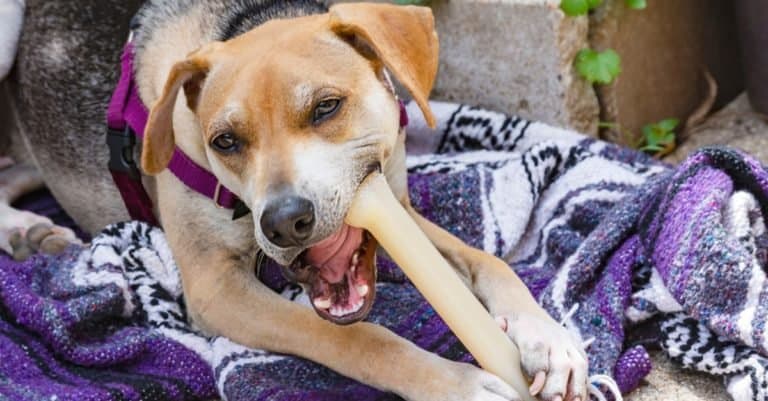
A Raggle will need a balanced diet to keep it healthy.
©Jennifer Tepp/Shutterstock.com
Raggle adult dogs and puppies need a balanced diet to keep them healthy. Here are some of the nutrients important in their diets:
Puppy food: A nutrient called DHA supports the eye, brain, and bone health of a Raggle puppy. Protein helps to build strong muscles, joints, and cartilage. An adequate amount of protein can help guard against Patellar luxation. Fat provides energy to this active hybrid. Vitamin C and E serve as antioxidants and build up a Raggle puppy’s immune system. Fatty acids give a puppy a healthy coat and contribute to a strong nervous system.
Adult dog food: Fiber in an adult Raggle’s diet helps with proper digestion. Protein supports the growth of new tissue and repairs damaged tissue. Calcium, along with vitamin D, supports healthy bones, which are especially beneficial in a dog prone to Patellar luxation and elbow dysplasia. A limited amount of fat in its diet keeps this dog full of energy without adding needless weight. Vitamin A supports healthy eyes and vision in an adult dog, while vitamin C acts as an antioxidant, guarding against illness.
Maintenance And Grooming
How much do these dogs shed? These hybrid dogs are sometimes called hypoallergenic. But they aren’t strictly hypoallergenic because they do shed a small amount of hair.
Their grooming routine is fairly low-maintenance. They have short, straight coats. They should be brushed once a week to remove dead or loose hair. A slicker brush is a useful grooming tool because its pin bristles cover every area of a dog’s coat. Be sure the slicker brush has a coating on the tips of its bristles. This protects the dog’s skin as it’s being brushed. In addition, grooming this dog with a brush featuring boar hair bristles can also bring natural oils out, making its coat shine! As a bonus, the boar hair bristles feel good as they move over this dog’s coat.
It’s important to include a Raggle’s ears in its grooming routine. Carefully clean the underside of each ear using a soft cloth and a cleaning solution designed for this purpose. This gentle cleaning removes dust, dirt, wax, and other material that could lead to an ear infection.
Some of these dogs suffer from environmental allergies to pollen, dust, or other airborne debris. Brushing this dog once a week can help an owner to be aware of any signs of these allergies. Red or dry patches of skin can signal an environmental allergy. A qualified veterinarian can prescribe a topical ointment or other treatment for this type of allergy.
Training
Raggles are intelligent, strong-willed dogs. This combination can sometimes result in challenges during obedience training. In addition, this dog can be distracted by birds, squirrels, and other animals in the area. After all, its Rat Terrier and Beagle parents are both prey-driven. So, it’s a good idea to keep the training sessions short and conduct them in an area with as few distractions as possible. Some Raggle owners train their dogs in a room in their home or take obedience training classes held inside a building. Treats and verbal praise also help this smart dog to learn all of its lessons.
Exercise
These dogs have an energetic temperament. They need at least 60 minutes of exercise each day to stay healthy both physically and emotionally. Walking on a trail in the woods, playing fetch at a local park, or running around in a game of chase in the backyard are all great ways to exercise a Raggle. An area of open space, such as a field or a wooded lot with plenty of scents, is ideal for exercising this dog.
This dog is not a good choice for someone who lives in an apartment. Its active nature makes it better for someone with a home and a fenced-in yard.
Puppies
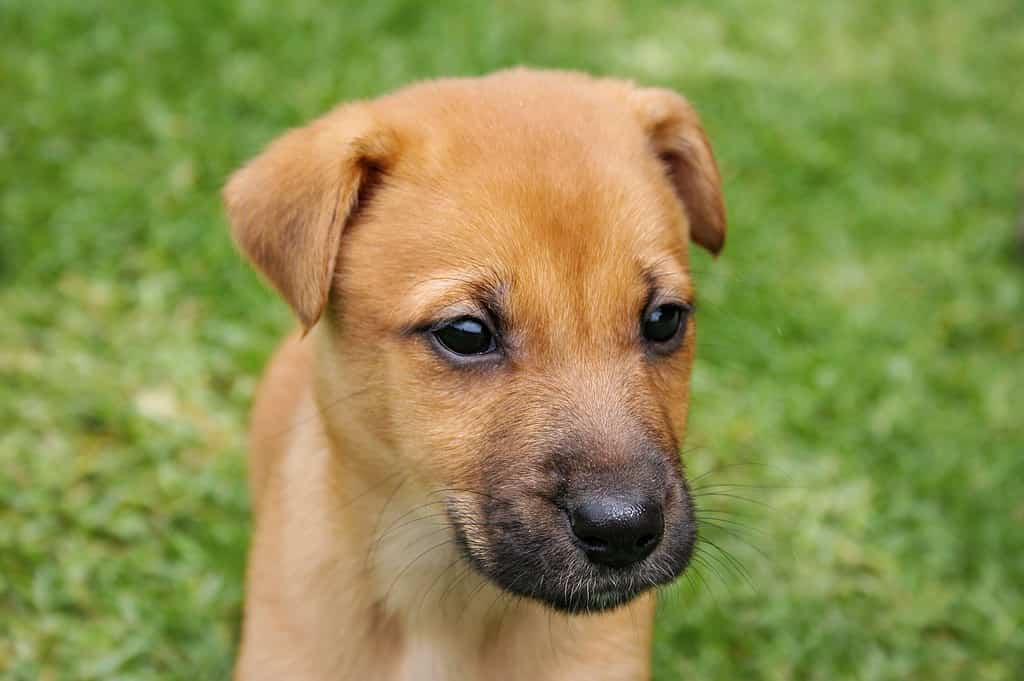
Close-up of Raggle puppy.
©iStock.com/suemack
Believe it or not, Raggle puppies are sometimes even more active than adults! So, when dealing with puppies, make sure they have a safe place where they can explore and take in all the smells around them. Remember, these dogs have a tendency to take off after small animals, so a fenced-in area is best.
Raggles And Children
Socialized Raggles are good with children. If the dog has been around kids since puppyhood, then it should do very well in a family with kids of all ages.
Dogs Similar To Raggles
Other dogs similar to Raggles include the Smooth Fox Terrier, Poogle, and Yorkshire Terrier.
- Smooth Fox Terrier – Smooth Fox Terriers and Raggles are about the same weight, and both have an energetic temperament. But Smooth Fox Terriers are a little taller than Raggles.
- Poogle – Poogles and Raggles share the same colors in their coat, and both are intelligent. However, Raggles are a little heavier than Poogles.
- Yorkshire Terrier – Yorkies and Raggles both have a high prey drive and the same lifespan. But Raggles are heavier and taller than Yorkshire Terriers.
Raggle Pictures
View all of our Raggle pictures in the gallery.

Jennifer Tepp/Shutterstock.com