














S
Species Profile

Smooth Fox Terrier

Canis lupus familiaris

Sleek coat, big terrier courage.
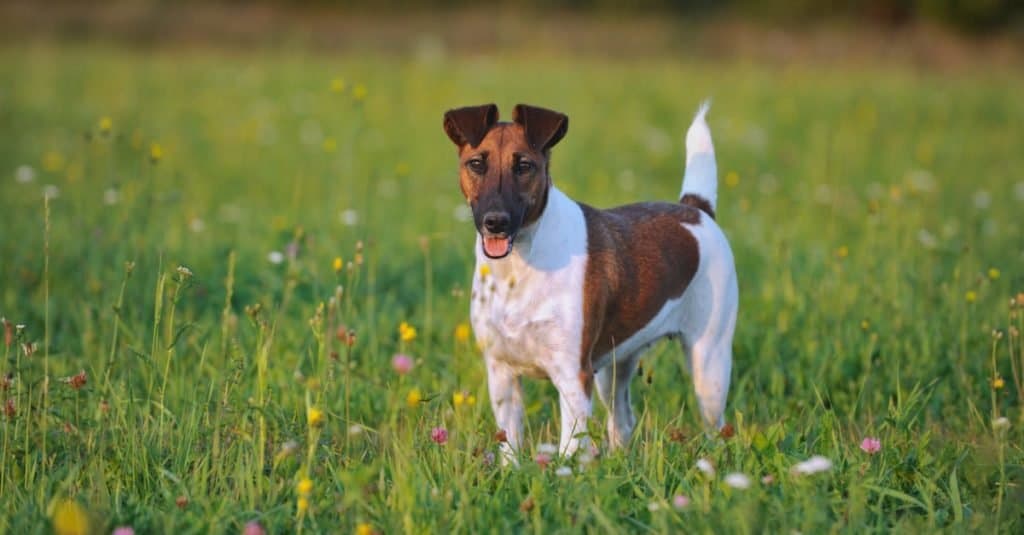
oasisamuel/Shutterstock.com

Smooth Fox Terrier Distribution

Click a location to explore more animals from that region

Origin Location

This map shows the native origin of the Smooth Fox Terrier. As a domesticated species, they are now found worldwide.

Loading map...

Found in 1 country

Size Comparison

Human 5'8"
Smooth Fox Terrier 1 ft 3 in

Smooth Fox Terrier stands at 21% of average human height.

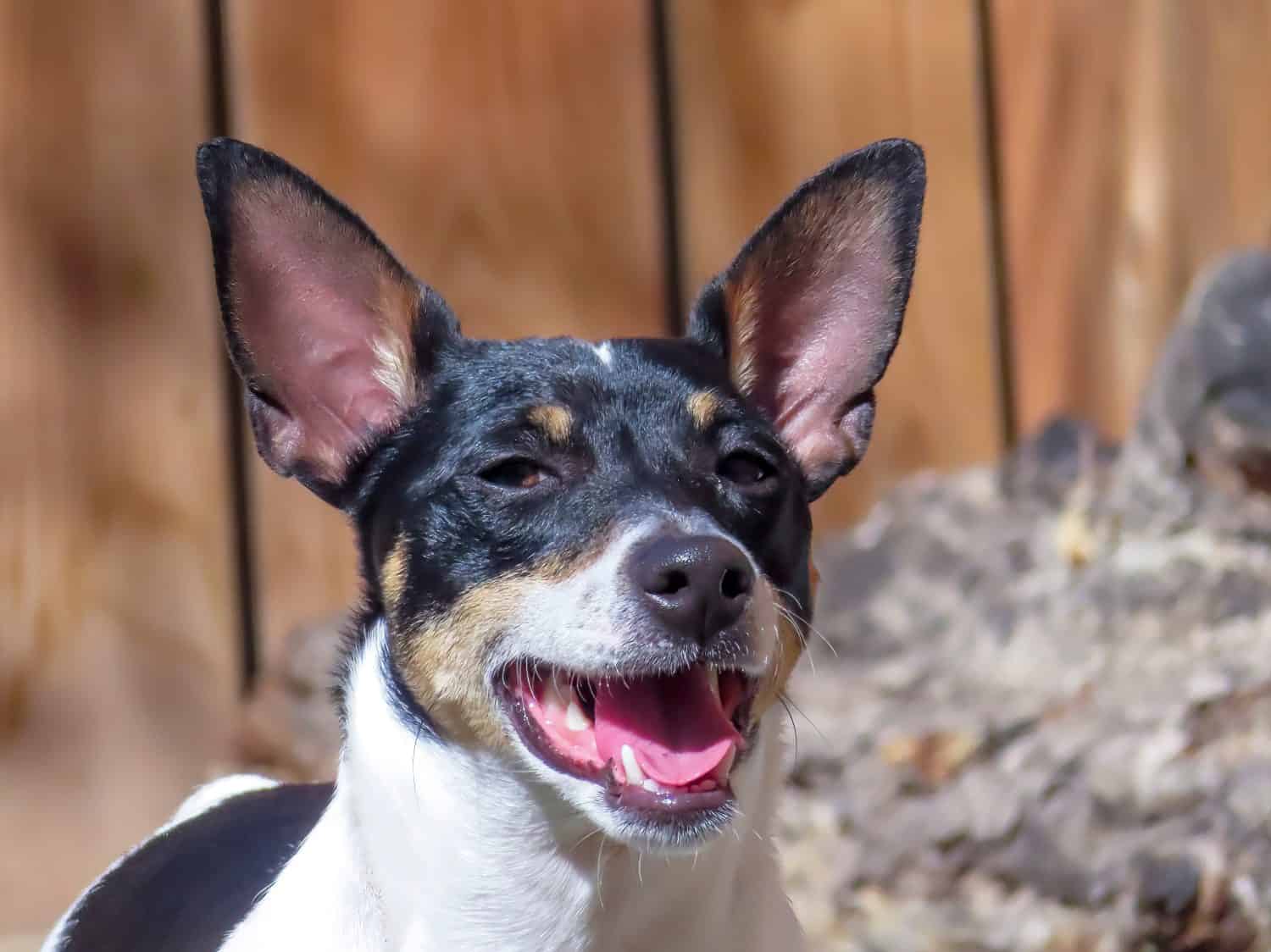
Close up to a Toy Fox Terrier dog head enjoy hot weather. Small dogs with a muscular and athletic appearance.

At a Glance

Domesticated
Also Known As Fox Terrier, English Fox Terrier
Diet Omnivore
Activity Diurnal+
Lifespan 13 years
Weight 9 lbs
Status Not Evaluated
Did You Know?

The Smooth Fox Terrier and Wire Fox Terrier were long treated as one breed; they're now separate breeds mainly distinguished by coat type.

Scientific Classification

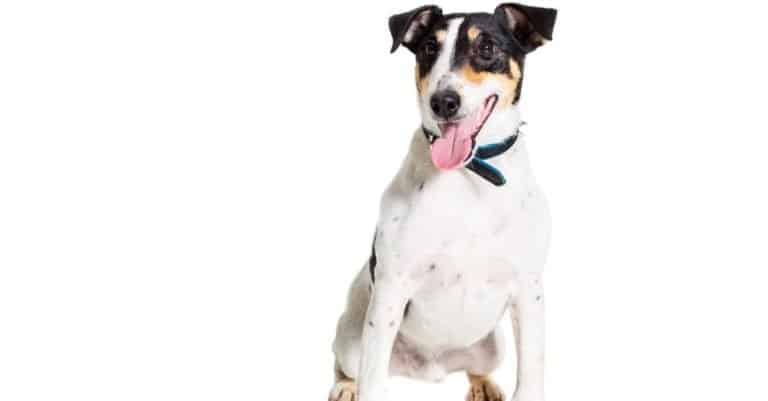
The Smooth Fox Terrier is a small, athletic terrier breed developed in Britain for fox bolting and general vermin control. It is characterized by a short, flat, dense coat and a lively, alert temperament typical of working terriers.

Kingdom
Animalia
Phylum
Chordata
Class
Mammalia
Order
Carnivora
Family
Canidae
Genus
Canis
Species
lupus

Distinguishing Features

  • Short, smooth, flat-lying coat (contrasts with the Wire Fox Terrier’s wiry coat)
  • Compact, square/athletic build; high energy and agility
  • Terrier head with alert expression; traditionally carried tail (often natural in many jurisdictions)
  • Commonly white-based coat with black and/or tan markings
  • Bred for boldness and tenacity typical of working terriers

Physical Measurements

Males and females differ in size

Height
1 ft 3 in (1 ft 3 in – 1 ft 4 in)
1 ft 2 in (1 ft 1 in – 1 ft 3 in)
Length
1 ft 8 in (1 ft 6 in – 1 ft 10 in)
Weight
18 lbs (15 lbs – 20 lbs)
16 lbs (13 lbs – 18 lbs)
Tail Length
10 in (8 in – 12 in)
6 in (5 in – 7 in)
Top Speed
25 mph
running

Appearance

Primary Colors
Secondary Colors
Skin Type Short, flat, dense smooth coat over tight skin; low feathering, minimal undercoat.
Distinctive Features
  • Domestic dog breed (Canis lupus familiaris) selectively bred in Britain for fox bolting and vermin control.
  • Compact, athletic terrier build with deep chest, straight forelegs, and balanced proportions.
  • Key identifier vs Wire Fox Terrier: sleek, short, flat coat with no wiry texture or furnishings.
  • Often predominantly white for visibility in the field; bold head markings common.
  • Wedge-shaped head with folded V-shaped ears carried forward; dark, alert eyes.
  • High-set tail historically docked in some regions; carried upright when moving.
  • Temperament context: lively, bold, highly alert; strong prey drive and quick reactions typical of working terriers.
  • Care: regular brushing to remove loose hair; occasional bathing; routine nail/ear/dental care.
  • Care: needs daily exercise and mental work; secure fencing and leash reliability due to chasing instinct.
  • General health considerations: may be prone to patellar luxation, deafness (especially in very white dogs), and some eye/skin allergies; regular vet screening recommended.

Sexual Dimorphism

Males are typically slightly larger, heavier-boned, and more muscular through neck and shoulders. Females are often a bit finer and lighter-framed, while maintaining the same overall proportions and coat pattern.

  • Slightly taller and heavier on average.
  • More pronounced neck/shoulder muscle and broader head.
  • Often carries a more robust, squared outline.
  • Slightly smaller, finer-boned frame.
  • Narrower head and lighter neck/shoulder muscling.
  • Often appears more streamlined while still athletic.

Did You Know?

The Smooth Fox Terrier and Wire Fox Terrier were long treated as one breed; they're now separate breeds mainly distinguished by coat type.

Its classic job was "bolting" foxes-rushing into dens to drive foxes out toward hounds rather than fighting underground.

Despite the name, it's a domestic dog (Canis lupus familiaris), not a fox; "fox" refers to its traditional quarry.

The smooth coat is short, flat, and dense-easy to keep clean after fieldwork compared with harsher, longer wire coats.

Fox Terriers helped shape many modern terriers; they were influential in breeding programs for other working terrier lines.

The breed became a recognizable symbol of British sporting life in the late 19th-early 20th centuries (shows, hunt imagery, and popular illustrations).

Unique Adaptations

  • Compact, athletic build for squeezing into narrow earths and moving fast over uneven ground.
  • Short, dense smooth coat that sheds dirt and dries relatively quickly-practical for wet British fields.
  • Strong prey drive and rapid reaction time-selected for vermin control and quick bursts of speed.
  • High endurance for a small dog; mentally and physically geared for sustained activity rather than lounging.
  • Alert expression and keen senses typical of working terriers-bred to notice and respond instantly.
  • Distinct breed identity within "Fox Terrier types": smoother coat and slightly different grooming needs than the Wire; far larger and more work-oriented than Toy Fox Terriers.

Interesting Behaviors

  • Bolt-and-investigate behavior: intense interest in burrows, holes, and tight spaces-an echo of den work.
  • High "terrier focus": quick visual tracking and rapid pivots when something moves (toys, squirrels, rustling).
  • Digging and "excavation" play, especially in sand/soil-often instinctive without specific training.
  • Vocal alerting: sharp, confident barking to announce novelty or movement in their territory.
  • Object-carrying and shake: grabbing toys and giving a brisk shake, mirroring vermin-dispatch motor patterns.
  • Playful challenge style: may test boundaries with other dogs; benefits from early socialization and structured play.
  • "Busy" household participation: tends to patrol rooms and follow activity, thriving on interactive games and tasks.

Cultural Significance

The Smooth Fox Terrier (Canis lupus familiaris) is a British working terrier for fox bolting and farm vermin control, and a late Victorian/Edwardian sporting and show icon. Breeding favored bold, tenacious, fast, denning traits, making it different from wolves (Canis lupus) and fit for people.

Myths & Legends

British hunting-country lore often casts the fox terrier as the "little dog with the big heart," celebrated in local tales for going to ground fearlessly and "speaking" (barking) to guide handlers to the spot.

A well-known cultural story-thread in English literature and popular retellings is the clever fox pursued by hounds and aided (or opposed) by small terriers-echoing the historical role of fox terriers in traditional hunts.

In the broader British "ratting" and stable-yard tradition, terriers are staples of anecdotal pub tales in which a single small dog clears barns of vermin overnight-stories that elevated terriers as working-class heroes of the yard.

Naming-origin anecdotes: "fox terrier" is commonly explained in sporting circles as a dog 'for fox work' rather than fox-like-an oft-repeated traditional explanation passed through generations of breeders and hunters.

Conservation Status

NE Not Evaluated

Has not yet been evaluated against the criteria.

Population Stable

Life Cycle

Birth 5 pups
Lifespan 13 years

Lifespan

In the Wild
12–15 years
In Captivity
10–18 years

Reproduction

Mating System Polygynandry
Social Structure Managed Domestic
Breeding Pattern Serial
Fertilization Managed Selective
Birth Type Internal_fertilization

Behavior & Ecology

Social Pack Group: 4
Activity Diurnal, Crepuscular, Cathemeral
Diet Omnivore High-quality animal protein (e.g., cooked lean poultry or meat-based complete dog food)

Temperament

Lively, bold, highly alert; quick to investigate movement and novel sounds.
Strong prey drive from fox-bolting/verminting; prone to chase small animals and run.
Confident, sometimes scrappy with other dogs; best with early, ongoing socialization.
Highly trainable but independent; responds best to short sessions and reward variety.
HUBS (terrier group): high-arousal play, chase/grab games, vocal alerting; intensity varies by line.
Distinguishes from base species: smaller, faster-reacting, more persistent digging/chasing than typical dogs.
Care: needs daily vigorous exercise plus puzzle/obedience work to prevent nuisance behaviors.
Care: secure fencing and leash reliability important; bolting instinct can override recall.
Care: coat is short/dense; weekly brushing, regular nail/dental care, weather protection in cold.
Health concerns: patellar luxation, Legg-Calvé-Perthes, primary lens luxation, allergies.
Health concerns: congenital deafness (especially in predominantly white dogs); eye checks recommended.

Communication

Sharp repetitive alert barking Watchdog-style
High-pitched yips during excitement or pursuit
Growls/snorts during possession or boundary disputes
Whines for attention, anticipation, or frustration
Intense staring and forward-leaning posture to initiate chase or pressure
Play bows, bouncing, and rapid feints; quick escalation during rough play
Tail carriage high and wagging in short arcs; stiff tail indicates arousal
Ear position changes (pricked/forward vs back) signal curiosity vs uncertainty
Scent marking on walks; ground-scratching and digging as arousal/outlet behaviors
Muzzle licks, pawing, and body-blocking to solicit interaction from humans

Habitat

Biomes:
Temperate Forest Temperate Grassland Mediterranean Boreal Forest (Taiga) Tundra Alpine Desert Hot Desert Cold Savanna Tropical Dry Forest Wetland Freshwater Marine +7
Terrain:
Plains Hilly Valley Coastal Island
Elevation: Up to 16404 ft 3 in

Ecological Role

Domesticated omnivorous canid; companion animal with a working-terrier legacy as a small-game/vermint control specialist rather than a self-sustaining wild predator.

rodent/vermint control around homes, farms, and stables (historical and occasional modern role) human companionship and social support participation in working/sport roles (earthdog trials, agility) that channel prey drive acts as a human-associated consumer that can influence local small-animal populations if allowed to roam (managed through responsible ownership)

Diet Details

Main Prey:
Rodents Rabbits and small lagomorphs Squirrels and other small mammals Ground-nesting birds Invertebrates
Other Foods:
Fruits Vegetables Grains and starches Edible plant matter and grasses

Human Interaction

Domestication Status

Domesticated

Canis lupus familiaris: Dogs came from gray wolves by human selection. The Smooth Fox Terrier, bred in Britain for fox bolting and vermin control, is a small athletic terrier with strong prey drive, high alertness, vocal tendencies, an agile build, and a short dense coat. They are companions, sport and show dogs and need training, play, and prey management.

Danger Level

Low
  • Mouthiness or defensive/reactive biting if poorly socialized, mishandled, or in pain (common risk pathway for many small, high-energy terriers)
  • High chase/prey drive can lead to nipping during overaroused play without training
  • Potential for dog-dog conflict if not well managed/socialized; human injury risk is typically indirect (breaking up fights)
  • Nuisance barking/guarding behaviors may create neighborhood conflict rather than physical danger

As a Pet

Suitable as Pet

Legality: Generally legal as a domestic dog breed in most jurisdictions. Restrictions, when they occur, are usually general dog-control laws (licensing, leash, nuisance barking) or rare local breed-specific rules; verify municipal regulations and housing/insurance policies.

Care Level: Moderate

Purchase Cost: $800 - $2,500
Lifetime Cost: $15,000 - $35,000

Economic Value

Uses:
Companion animal (pet households) Working vermin control/ratting (historical and niche modern use) Dog sports and performance events (agility, obedience, earthdog/barn hunt) Conformation showing and breeding programs Pet industry spending (food, veterinary care, grooming, training, boarding)
Products:
  • Puppy sales from registered breeders
  • Training services (obedience, sport training)
  • Veterinary services (preventive care, dental care, treatment of breed-linked conditions)
  • Pet supplies (food, leashes, crates, toys-often high-durability due to terrier drive)
  • Boarding/daycare and grooming (minimal coat grooming but routine nail/ear/dental)

Relationships

Smooth Fox Terriers are lively dogs with a friendly temperament. This breed dates back to England in the mid-1800s. They accompanied British royalty on foxhunts. These dogs were experts at driving foxes out of their holes. The Smooth Fox Terrier belongs to the Terrier group.

These sleek terriers are smart, brave, and full of energy. A socialized Smooth Fox Terrier is a loyal family dog that loves to play.

3 Pros and Cons of Owning a Smooth Fox Terrier

ProsCons
Extremely playful
Smooth Fox Terriers love to run around with kids and other family members, playing fetch, hide and seek, and more.
High-energy canines
These dogs love to run and need at least 60 minutes of exercise each day.
Good watchdogs
These alert canines make good watchdogs. They’ll alert the family when someone is at the door.
Not compatible with small pets
Owning a Smooth Fox Terrier means keeping them away from small pets like gerbils and hamsters due to their strong urge to chase rodents.
Easy grooming routine
Smooth Fox Terriers have an easy grooming routine. They should be brushed once per week.
Separation anxiety
Smooth Fox Terriers love to be around family. So, they experience separation anxiety when left alone for long periods. In fact, these dogs may chew or otherwise destroy household items if left alone.
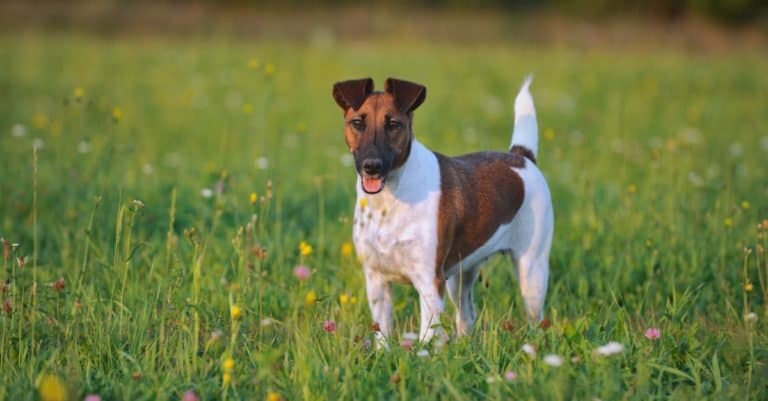
young Smooth Fox Terrier in the meadow

Smooth Fox Terriers have an easy grooming routine, but should be brushed at least once a week to get rid of loose hair.

Smooth Fox Terrier Size and Weight

Smooth Fox Terriers are small to medium-sized dogs. Males can reach a height of 15 ½ inches, while females reach a height of 14 inches. Males weigh up to 18 pounds while females weigh up to 17 pounds fully grown. Smooth Fox Terriers weigh 7 pounds at about 9 weeks old. They are full-grown at 12 months old.

Smooth Fox Terrier Common Health Issues

Smooth Fox Terriers have some common health issues like other dogs. One of those is known as Patellar luxation. This is when the dog’s kneecap slips out of place. Sudden limping or hopping can both be signs of this condition. The treatment may be medication or surgery, depending on how severe the issue is. A second common health issue is heart disease. A Smooth Fox Terrier with heart disease has weakened heart valves and may have a heart murmur. This is most common in older terriers. (These dogs have a lifespan of 10 to 13 years.) Medication or surgery can be treatments for this condition. A third common health issue is kidney stones. A Smooth Fox Terrier that is having trouble urinating or has blood in its urine may have kidney stones and should be taken to the vet right away.

Smooth Fox Terrier Temperament and Behavior

Smooth Fox Terriers have a friendly temperament and are always ready for a high-energy game of fetch, chase, or hide and seek. Bravery is one of their most notable traits. These dogs were bred to pursue foxes and other prey without hesitation. So, if a Smooth Fox Terrier sees a squirrel in the yard, it’s likely to take off after it without a second thought.

These dogs love to be with kids and adults. When it comes to their family, they exhibit loyal behavior. Smooth Fox Terriers are great for families looking for a sweet, playful dog.

How to Take Care of a Smooth Fox Terrier

Learning about the dietary, grooming, exercise, and healthcare needs of a Smooth Fox Terrier puppy or adult dog can help an owner to give it the proper care. The more an owner knows about the unique needs of this pet (before visiting a breeder), the more confident they can be when planning its care.

The Best Dog Food for Smooth Fox Terriers

This breed sometimes tends towards heart disease. Owners should always make regular vet appointments to check up on their dogs’ health, but also educate themselves on the potential connection between heart failure in dogs and dog food with legumes. Prioritize finding a legume-free food. Your vet may also point you toward a low-phosphorus diet if your Smooth Fox Terrier has kidney stones.

Smooth Fox Terrier puppy food: Protein supports the healthy growth of a puppy’s nails, coat, and skin. It also supports muscle and tendon growth. Fat gives this energetic puppy the fuel it needs to explore its environment. Fat also has Omega-3 and 6 fatty acids that contribute to a healthy nervous system and regulate body temperature. Vitamins C and E are antioxidants for a puppy’s growing body. Calcium is an important ingredient for both bones and teeth. This is important, especially for a breed prone to patellar luxation. Giving a puppy access to clean, fresh water can help prevent kidney stones from forming.

Smooth Fox Terrier adult dog food: Lean protein supports healthy muscles, tendons, and joints in an adult dog. Fat in an adult dog’s diet is necessary to give it energy. But the amount should be limited so the dog doesn’t take on excess weight. Keeping a dog at a healthy weight can help prevent Patellar luxation. Also, a dog that maintains a healthy weight is less likely to develop heart disease. Vitamin A supports healthy vision, while vitamin C is an antioxidant.

Smooth Fox Terrier Maintenance and Grooming

How much does a Smooth Fox Terrier shed? Smooth Fox Terriers shed a moderate amount of hair.

A grooming glove is a useful tool for this dog’s short-haired, flat coat. A brush with soft, boar’s hair bristles is also good for going over the sleek coat of this canine.

These dogs are prone to eczema, especially on their bellies. A rash, redness, or bumps are all signs of eczema. A veterinarian can prescribe a topical salve to help with this condition.

Smooth Fox Terrier Training

Smooth Fox Terriers are easy to train because they are intelligent and alert. Though some of these dogs have an independent streak, they can be motivated using treats. Like all dogs, words of praise go a long way to making sure obedience lessons are absorbed.

Smooth Fox Terrier Exercise

Smooth Fox Terriers are high-energy dogs that need at least 60 minutes of exercise each day. This is important for both their physical and emotional health. Playing fetch, running in a field or park, or taking a long walk in the woods are all great ways to exercise a Smooth Fox Terrier. It’s important to exercise these dogs in a safe place so if they do take off after a bird or other animal, they won’t wander into the road or another dangerous area.

These dogs are small to medium in size, so they are suited to apartment living. So long as the dog receives exercise each day, it should be happy in a smaller living environment.

Smooth Fox Terrier Puppies

As puppies, Smooth Fox Terriers need an enclosed yard or another area where they can stretch their legs while enjoying a safe place to explore.
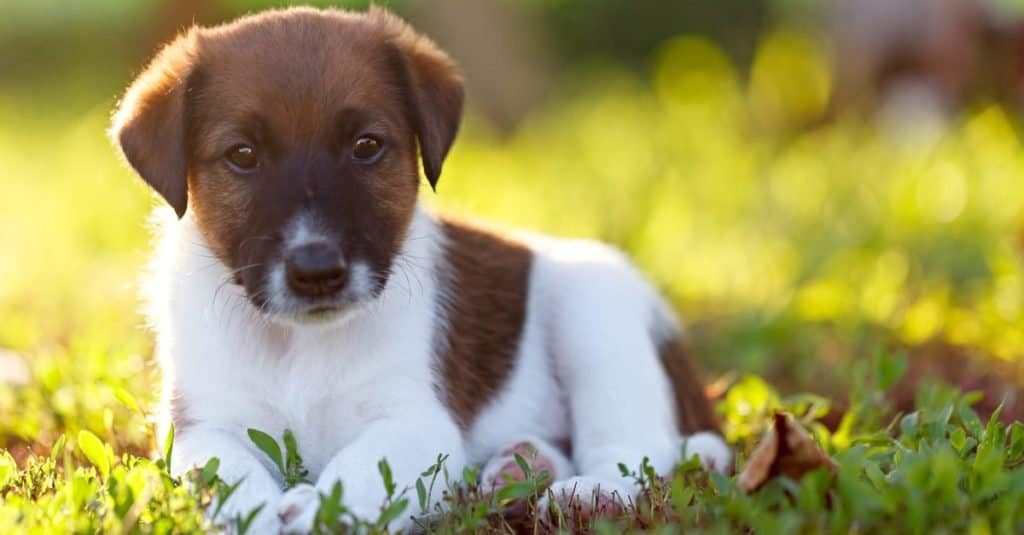
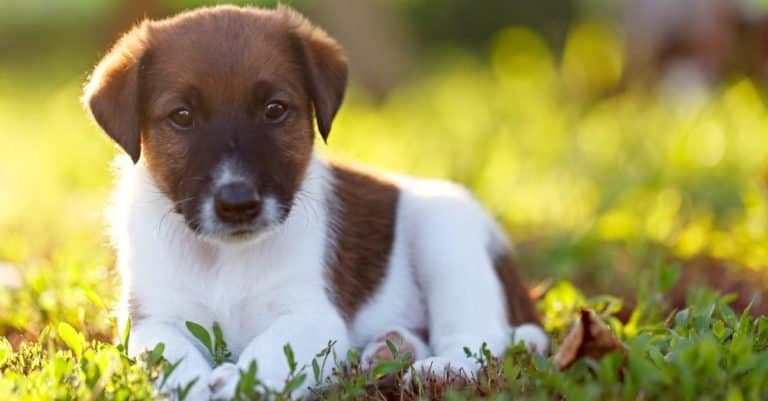
Purebred puppy, smooth fox terrier is resting on a walk in the park outdoors, on the green grass.

Puppies should start their training early to get a well-behaved adult dog later.

Smooth Fox Terriers and Children

A Smooth Fox Terrier that’s been socialized from puppyhood is likely to interact well with children of all ages. They are affectionate dogs with a sweet temperament.

Dogs Similar to Smooth Fox Terriers

Dogs that are similar to Smooth Fox Terriers include Brazilian Terriers, Norfolk Terriers, and Jack Russell Terriers.

  • Brazilian Terrier: Brazilian Terriers have a brown, black, and white coat like Smooth Fox Terriers. In fact, they look a whole lot alike! But Brazilian Terriers can weigh as much as 22 pounds, which is heavier than a Smooth Fox Terrier.
  • Norfolk Terrier: Norfolk Terriers and Smooth Fox Terriers are both intelligent dogs with a playful side. But a Norfolk Terrier is usually solid brown in color, while a Smooth Fox Terrier is generally a mix of black, white, and brown.
  • Jack Russell: Jack Russell Terriers and Smooth Fox Terriers both have a smart, courageous temperament. They have a coat with a mix of colors. But, Smooth Fox Terriers are larger in size.

Famous Smooth Fox Terriers

These dogs have been around since the mid-19th century, so it should come as no surprise that they’re a favorite breed among well-known personalities.

  • Scientist Charles Darwin owned at least five of these terriers. He took some or all of them on regular hunting trips.
  • Author Thomas Hardy owned a fox terrier named Wessex. He wrote a couple of poems about the dog.
View all 391 animals that start with S

Sources

  1. Your Pure Bred Puppy / Accessed March 24, 2021
  2. Wikipedia / Accessed March 24, 2021

A-Z Animals Staff

About the Author

A-Z Animals Staff

AZ Animals is a growing team of animals experts, researchers, farmers, conservationists, writers, editors, and -- of course -- pet owners who have come together to help you better understand the animal kingdom and how we interact.
Connect:

Thank you for reading! Have some feedback for us?


Smooth Fox Terrier FAQs (Frequently Asked Questions)

A Smooth Fox Terrier is a small to medium size dog with a short, flat coat that’s usually a mix of brown, black and white. This dog is known for its intelligence and high level of energy. It was bred in England to accompany British royalty on fox hunts. This dog’s task was to drive a fox from its hole so hunters could see it. Today, they’re playful dogs owned by many families. They have a lifespan of 10 to 13 years.