


S
Species Profile

Shiranian

Canis lupus familiaris

Tiny lion-heart, giant cuddle energy
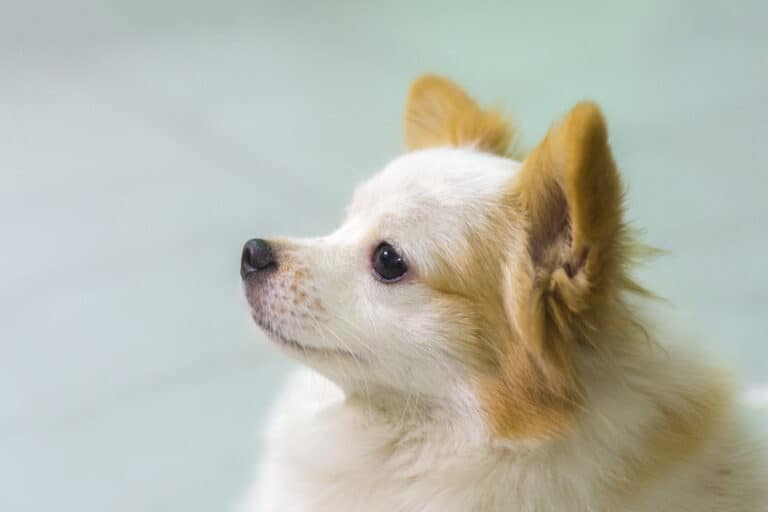
Timeless Flash/Shutterstock.com

Shiranian Distribution

Click a location to explore more animals from that region

Origin Location

This map shows the native origin of the Shiranian. As a domesticated species, they are now found worldwide.

Loading map...

Found in 1 country

Size Comparison

Human 5'8"
Shiranian 9 in

Shiranian stands at 13% of average human height.

Shiranian

At a Glance

Domesticated
Also Known As Shih-Pom, Shihpom, Shih Tzu Pom mix, Pomeranian Shih Tzu mix, Pom-Shi, Pomshi
Diet Omnivore
Activity Diurnal+
Lifespan 14 years
Weight 7 lbs
Status Not Evaluated
Did You Know?

As the domestic dog, it differs from wild wolves by extreme miniaturization, neotenous behavior, and human-directed sociability.

Scientific Classification

The Shiranian is a small companion-dog crossbreed produced by mixing Shih Tzu and Pomeranian. As a “designer mix,” it is not a formally standardized breed in major kennel-club taxonomies, but it is taxonomically a domestic dog (Canis lupus familiaris).

Kingdom
Animalia
Phylum
Chordata
Class
Mammalia
Order
Carnivora
Family
Canidae
Genus
Canis
Species
lupus

Distinguishing Features

  • Small toy-sized companion dog
  • Coat often fluffy to long, variable texture
  • Short to moderate muzzle; face varies by lineage
  • High variability in color and ear set

Physical Measurements

Males and females differ in size

Height
9 in (8 in – 11 in)
9 in (7 in – 10 in)
Length
1 ft 5 in (1 ft 1 in – 1 ft 8 in)
1 ft 4 in (1 ft 2 in – 1 ft 6 in)
Weight
11 lbs (7 lbs – 15 lbs)
9 lbs (6 lbs – 12 lbs)
Tail Length
6 in (4 in – 7 in)
5 in (4 in – 6 in)
Top Speed
15 mph
running

Appearance

Primary Colors
Secondary Colors
Skin Type Double coat
Distinctive Features
  • Toy-sized domestic dog; far smaller and shorter-faced than wild Canis lupus.
  • Variable Shih Tzu-Pomeranian mix; appearance and coat texture are non-standardized.
  • Dense undercoat with long outer coat; often fluffy "teddy bear" silhouette.
  • Short muzzle and large round eyes; may show brachycephalic breathing sensitivity.
  • Plumed tail commonly curls over back; inherited from spitz-type parentage.
  • Frequent grooming needs: daily brushing, regular de-matting, and sanitary trims.
  • Heat and humidity intolerance; needs cool environment and moderate exercise.
  • Common concerns: patellar luxation and tracheal collapse in small companion dogs.
  • Dental crowding risk; requires routine tooth brushing and professional cleanings.
  • Eye issues possible (tear staining, corneal irritation); keep facial hair trimmed.

Sexual Dimorphism

Sexual dimorphism is mild: males are usually slightly larger with a broader head and heavier coat, while females tend to be a bit lighter-boned. Temperament differences are individual and training-dependent.

  • Slightly broader skull and chest; may look more "bear-like."
  • Often carries a fuller neck ruff and heavier feathering.
  • Slightly finer muzzle and bone structure; overall lighter frame.
  • Coat may appear less bulky, especially around the ruff and shoulders.

Did You Know?

As the domestic dog, it differs from wild wolves by extreme miniaturization, neotenous behavior, and human-directed sociability.

Not a standardized kennel-club breed; littermates can vary widely in muzzle length, coat texture, and ear carriage.

Typical adult size is toy-small, often 1.8-5.4 kg, making safe handling and fall-prevention especially important.

Coats may be double (Pomeranian-like) or longer/silkier (Shih Tzu-like), so grooming needs range from moderate to intensive.

Common health watch-outs include patellar luxation, dental crowding, and airway issues, especially if the muzzle is short.

Many inherit a big-dog attitude: alert barking and watchdog tendencies despite being primarily lap companions.

Short, positive-training sessions work best; like many toy breeds, they can be sensitive to harsh corrections.

Unique Adaptations

  • Compact body and companion temperament suit apartment life far more than the ancestral wolf's endurance roaming ecology.
  • Dense coat options provide insulation, but also increase heat-stress risk; shade, hydration, and summer trims help.
  • Small jaws and crowded teeth make daily brushing and professional dental care especially important.
  • High social attunement to humans supports therapy-style companionship, but also raises separation-anxiety risk without training.
  • Adaptable exercise needs: several short walks and indoor games can meet requirements without long-distance running.

Interesting Behaviors

  • Often forms a strong one-person bond, following a favorite human room-to-room like a shadow.
  • Alert barking at door sounds is common; early quiet cues and desensitization help prevent nuisance vocalizing.
  • Play bursts alternate with long cuddle periods, reflecting companion-breed selection for indoor living.
  • May show toy-breed bravado, approaching larger dogs confidently; supervised socialization reduces risky overconfidence.
  • Some develop selective hearing; food rewards and consistent routines improve recall and cooperation.

Cultural Significance

As a modern designer mix, the Shiranian reflects contemporary companion-dog culture, combining Shih Tzu imperial lion dog heritage with Pomeranian court popularity into a pet focused on closeness to people.

Myths & Legends

Tibetan and Chinese traditions describe Shih Tzu lion dogs as living echoes of sacred lions, prized in temples and imperial courts.

A popular historical anecdote credits Queen Victoria's fondness for small Pomeranians with sparking their fashion across European society.

In Greek myth, Cerberus - the multi-headed hound - guards the Underworld's gate, reflecting dogs as boundary-keepers in human imagination.

In ancient Egypt, Anubis (a jackal-like canid deity) guides souls, showing long-standing spiritual roles assigned to canids.

Conservation Status

NE Not Evaluated

Has not yet been evaluated against the criteria.

Population Stable

Life Cycle

Birth 2 pups
Lifespan 14 years

Lifespan

In the Wild
10–18 years
In Captivity
10–18 years

Reproduction

Mating System Promiscuity
Social Structure Managed Domestic
Breeding Season Year-round; females cycle about twice yearly
Breeding Pattern Transient
Fertilization Managed Selective
Birth Type Internal_fertilization

As a domestic dog mix, Shiranian breeding is usually human-managed. There is no stable pair bond; females accept multiple males when in estrus, and mating occurs only during the heat period.

Behavior & Ecology

Social Pack Group: 3
Activity Diurnal, Crepuscular
Diet Omnivore Chicken

Temperament

Affectionate
People-oriented
Playful
Alert
Curious
Bark-prone
Wary with strangers
Sometimes stubborn
Sensitive
Gentle

Communication

high-pitched barks
alert yaps
whines
growls
grumbles/snorts
tail and ear signals
face licking
pawing for attention
following/shadowing
scent marking
play bows

Habitat

Biomes:
Temperate Forest Boreal Forest (Taiga) Tundra Temperate Grassland Savanna Mediterranean Desert Hot Desert Cold Tropical Dry Forest Tropical Rainforest Freshwater Wetland +6
Terrain:
Plains Hilly Valley Coastal Mountainous Plateau Island +1
Elevation: Up to 18044 ft 8 in

Ecological Role

Human-associated companion omnivore, derived from wolf ancestry

companionship pest alerting minor rodent control human well-being support

Diet Details

Other Foods:
Rice Oats Pumpkin Sweet potato Carrots Blueberries Apple +1

Human Interaction

Domestication Status

Domesticated

Domestic dogs were domesticated from gray wolves in Eurasia ~15,000-30,000+ years ago for companionship and work. The Shiranian is a modern U.S./global "designer mix" (Shih Tzu × Pomeranian) bred mainly as a small companion.

Danger Level

Low
  • defensive nipping when mishandled
  • fear-biting if poorly socialized
  • resource guarding in some dogs

As a Pet

Suitable as Pet

Legality: Generally legal; subject to local dog ordinances.

Care Level: Moderate

Purchase Cost: $200 - $2,000
Lifetime Cost: $15,000 - $35,000

Economic Value

Uses:
Companionship Breeding Services Therapy Media
Products:
  • pet sales
  • grooming
  • training

The Pomeranian and Shih Tzu make an adorable mix called the Shiranian. This small breed is friendly and lively. They are fantastic companion dogs that thrive in family settings and with seniors.

However, because they crave constant attention, they suffer from separation anxiety. So, they would not be an ideal breed for people who work a lot or are barely home. But, they are perfect for owners who can give them the attention they need and will fit right in with their cheerful and playful nature.

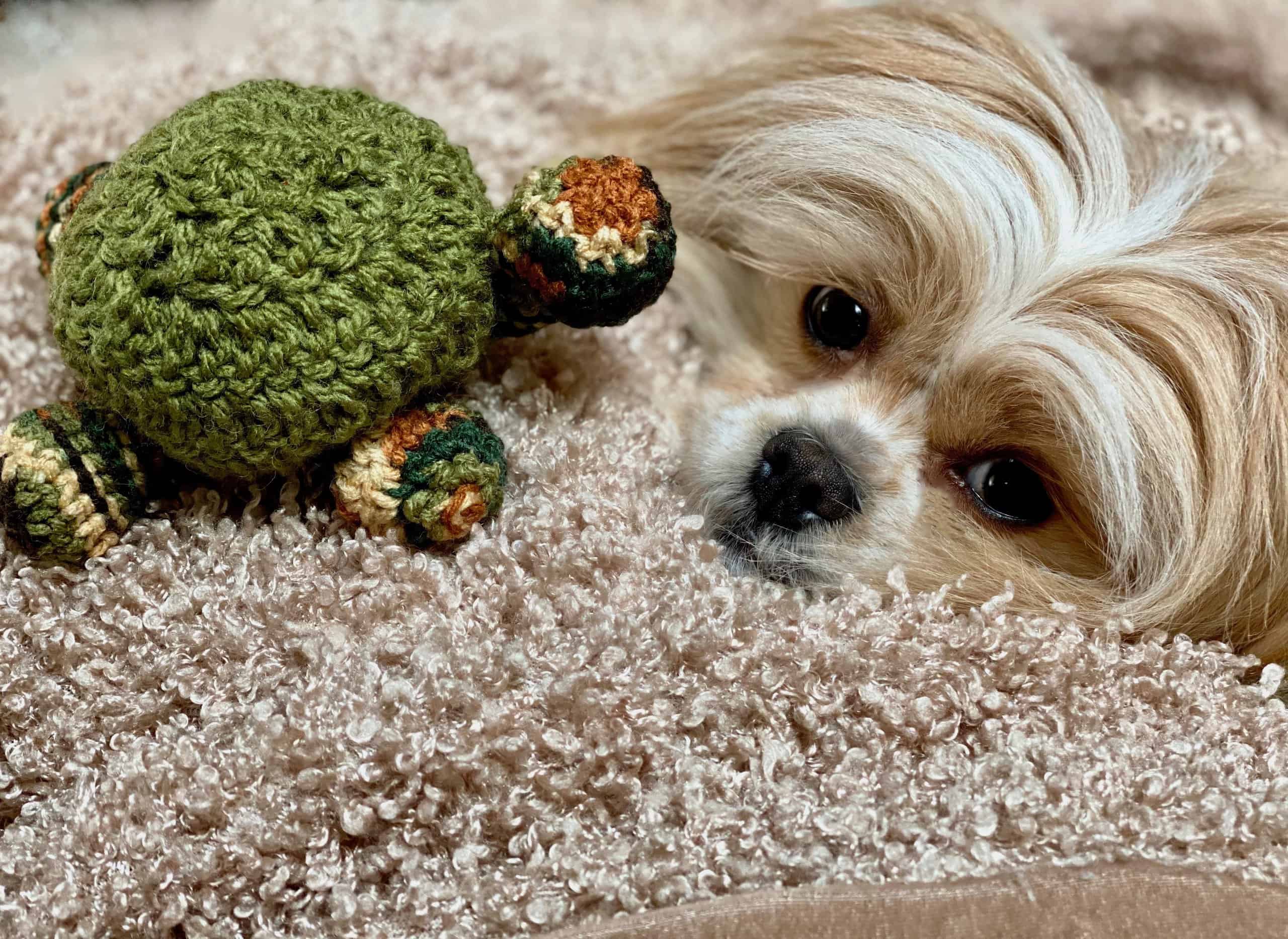
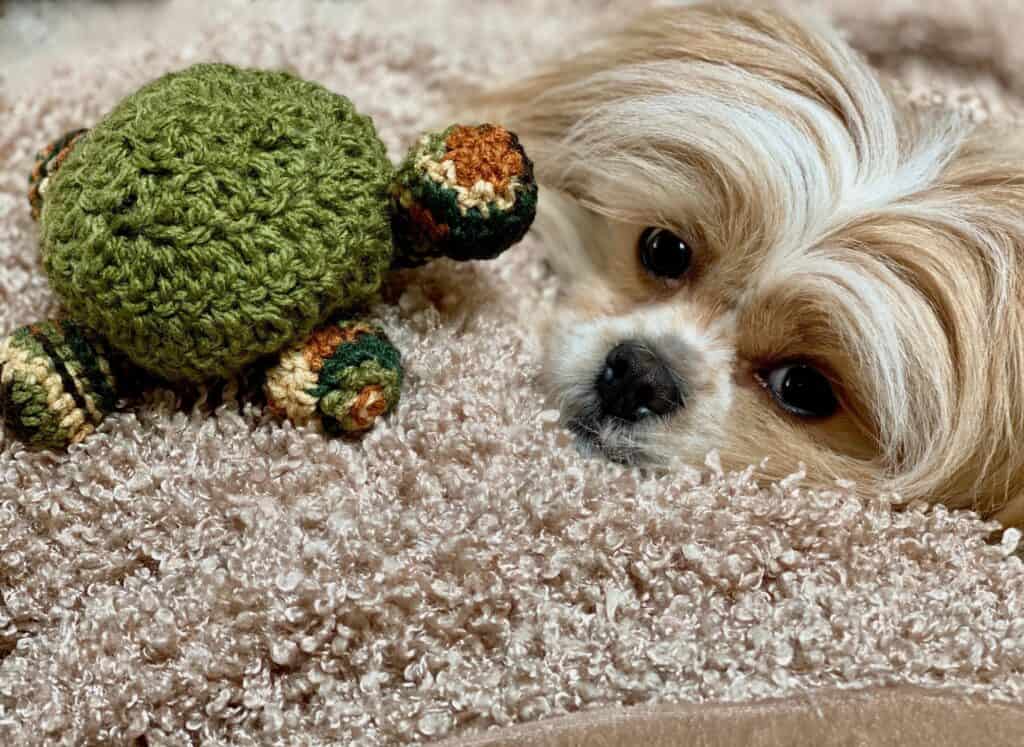
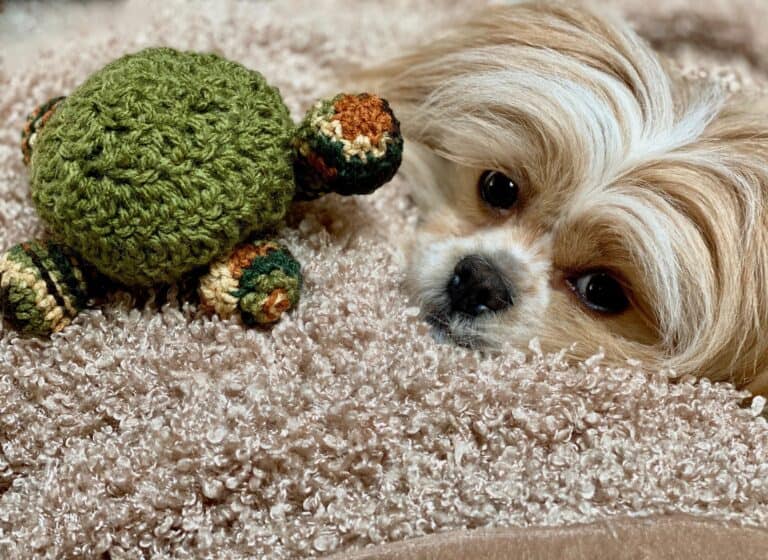
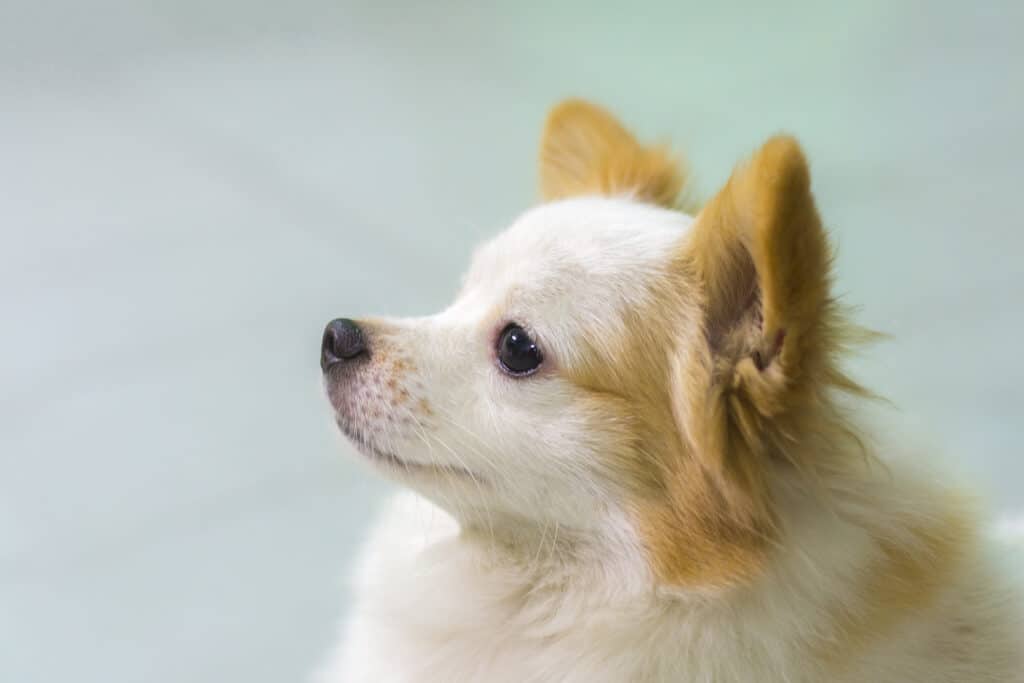
The Shiranian has a long, silky coat that may be wavy or straight and requires frequent grooming. Their coloration varies; they come in several colors, like black, red, gold, orange, sable, chocolate, and brindle.

Pros and Cons of Owning a Shiranian

Owning a Shiranian comes with its pros and cons, which include:

ProsCons
Shiranians are intelligent and easy to trainAlthough they don’t shed a lot, they still require a lot of grooming
They are great dogs to have in an apartmentThey don’t make good watchdogs
This breed does not shed a lotShiranians suffer from separation anxiety and will need an owner who is basically always home

Shiranian Size and Weight

Shiranian males are bigger than females and can weigh between 6 to 16 pounds, and measure 9 to 12 inches tall. Females only weigh  4 to 13 pounds and measure 7 to 10 inches tall.

Shiranian Common Health Issues

The Shiranian generally does not suffer from many health issues, but as with all mixed breeds, they are susceptible to health problems that plague their parents. For the Shiranian, this includes:

But so far, these dogs have managed to dodge these genetic issues and have proven tough little things. However, they should frequently be taken to the vet for checkups, especially as they get older, to root out any potential health problems and treat them quickly.

Shiranians can live long and healthy lives if cared for properly; their lifespan ranges from 13 to 15 years.

Shiranian Temperament

The Shiranian is an affectionate, loving, and social dog, but requires continuous human companionship to stay well-adjusted and happy.

In addition, they are loving, outgoing, and energetic, and will need a lot of exercise and playtime. If they do not receive enough mental and physical stimulation, they will have destructive ways to take out their frustration. Shiranians are excellent with other pets, especially if they have been raised together.

How to Take Care of a Shiranian
Shiranian

Their coloration varies; they come in several colors, like black, red, gold, orange, sable, chocolate, and brindle.

Taking care of a Shiranian is time-consuming and requires consistency.

The Best Dog Food for a Shiranian

Because the Shiranian is a small dog, they need a high-quality diet specifically formulated for small breeds. In addition, kibble is the best choice for this breed because they suffer from dental issues.

As with all other dogs, feeding them nutritious dog food developed for the various stages of their lives is also beneficial. For example, Puppy food when they are young, adult food when they mature, and senior dog food once they are older.

Grooming

Shiranians generally have long coats and are low-shedding, but they are not considered hypoallergenic. People with allergies should spend time with a Shiranian before adopting one to see if they react. However, because of the length of their fur, they need a good brush daily.

These dogs have natural oils that keep their skin healthy and moisturized, so they only need a bath when absolutely necessary.

Their ears need to be examined daily to ensure no debris or gunk is stuck in the folds, as they are prone to ear infections. In addition, owners must have their nails trimmed as soon as they begin touching the ground, roughly every 3 months.

Because Shiranians suffer from dental issues, maintaining their oral hygiene is essential. Brushing their teeth daily with toothpaste specially formulated for dogs will ensure healthy gums and strong teeth.

Training

If the Shiranian is trained from a young age, they can pick up commands quickly because they are so intelligent. However, they are stubborn and can behave willfully, so they are moderately easy to train. But persistence and patience will yield good results.

In addition, they can be pretty dominant and may suffer from “little dog syndrome.” That’s why owners need to establish dominance when they are still puppies.

Exercise

Shiranians are incredibly adaptable and do well in apartments, but they thrive in homes with a backyard where they can explore and breathe fresh air. However, if you live in an apartment, taking these little furballs to the park or for walks every day will also work.

In addition, they suffer from separation anxiety, so owners must have a lot of toys and stimulation for them if they leave them alone.

Puppies

Female Shiranians give birth to a litter of 2 to 5 pups. These adorable pups need training and socialization from a young age to curb their behavioral problems, like being destructive if left alone.

Shiranians cost approximately $250 to $1,300, depending on location, pedigree, and the breeder’s reputation.
Shiranian

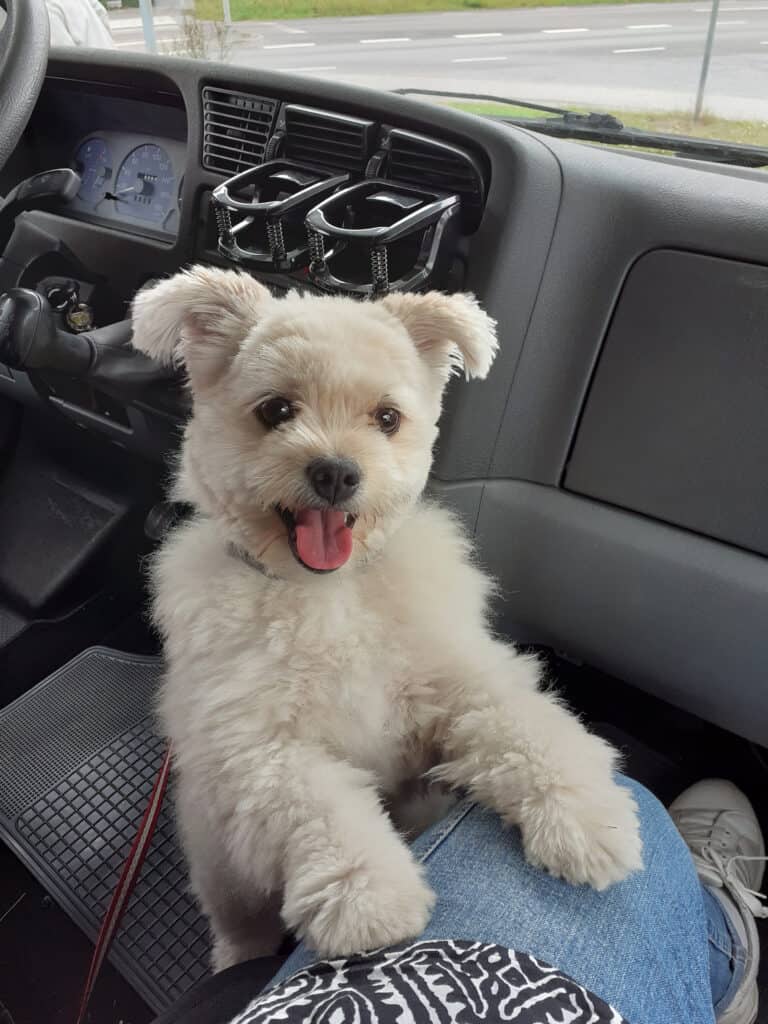
The Shiranian is an affectionate, loving, and social dog, but requires continuous human companionship to stay well-adjusted and happy.

Shiranians and Children

Shiranians are best suited for families without young children, as they are really small, and inexperienced kids can accidentally cause harm to their fragile bodies.

But they are great companions for older children who know how to play gently with dogs. In addition, they get along with other family pets if trained and socialized as soon as possible.

Dogs Similar to the Shiranian

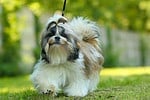
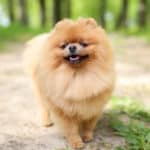
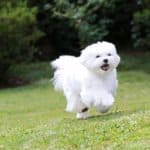
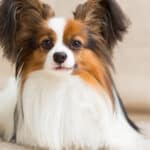
Many breeds are similar to the Shiranian in both size and behavior; they include:

View all 391 animals that start with S

Sources

  1. Dog Time / Accessed October 10, 2022
  2. Wag Walking / Accessed October 10, 2022
  3. Pet Guide / Accessed October 10, 2022

Chanel Coetzee

About the Author

Chanel Coetzee

Chanel Coetzee is a writer at A-Z Animals, primarily focusing on big cats, dogs, and travel. Chanel has been writing and researching about animals for over 10 years. She has also worked closely with big cats like lions, cheetahs, leopards, and tigers at a rescue and rehabilitation center in South Africa since 2009. As a resident of Cape Town, South Africa, Chanel enjoys beach walks with her Stafford bull terrier and traveling off the beaten path.
Connect:

Thank you for reading! Have some feedback for us?


Shiranian FAQs (Frequently Asked Questions)

If the Shiranian is trained from a young age, they can pick up commands quickly because they are so intelligent. However, they are stubborn and can behave willfully, so they are moderately easy to train. But persistence and patience will yield good results.