
Quick Take
- One warm, tropical destination is completely snake-free, and the reason has nothing to do with the weather but is instead far more surprising and legal in nature. Cape Verde's surprising secret →
- A place called "Snake Island" actually exists, and it is the last destination on Earth a snake-hater should accidentally visit. Snake Island explained →
- Iceland has its own "sand snakes," though they are not what anyone thinks. Iceland's sand snakes →
- Climate change may soon erase one region's snake-free status entirely, and that region is closer to home than you'd expect. Alaska's changing snake status →
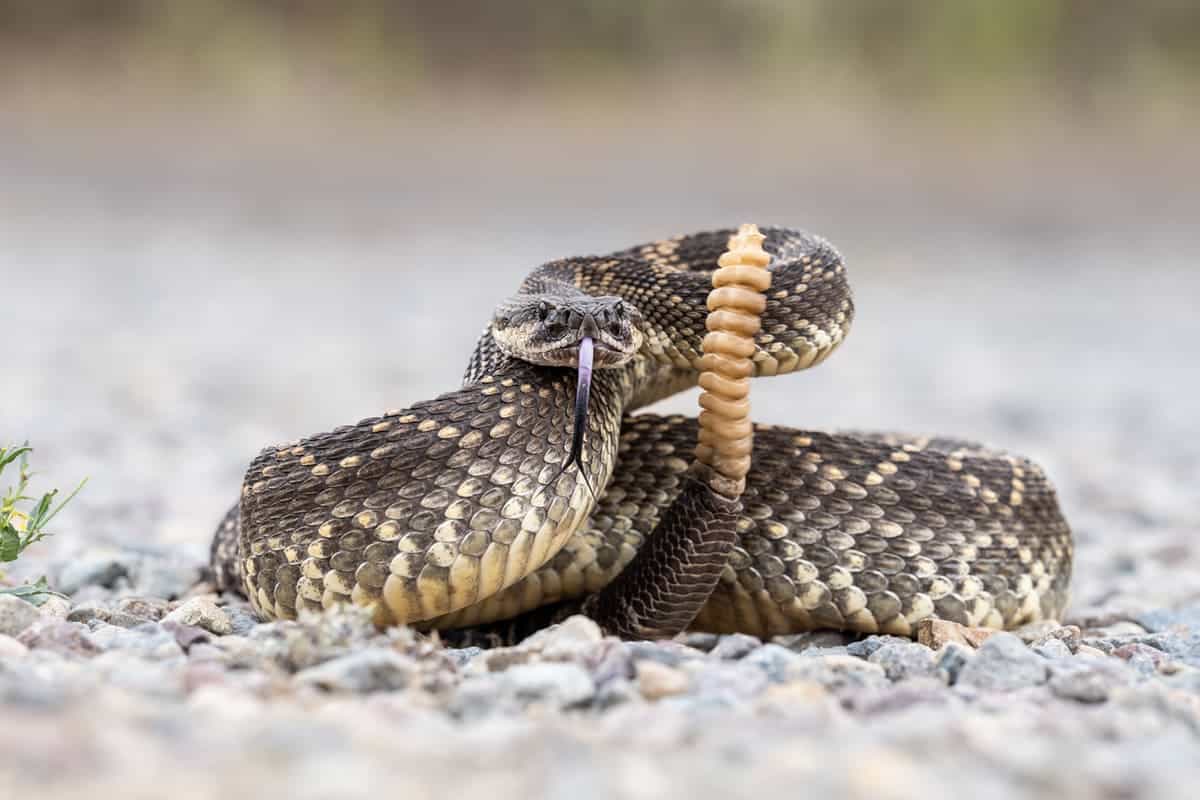
There are more than 4,000 species of snakes in the world today, with diverse habitats and a wide distribution across the globe. Snakes are found on every continent except Antarctica. Yet, there are a few unique places where snakes simply don’t exist. Let’s explore these snake-free regions and uncover the reasons behind their absence.
1. Antarctica and the Arctic
As we noted above, Antarctica is the only continent with no snakes at all. There are also no snakes in the Arctic region, which includes the northernmost points of the U.S., Canada, Russia, Norway, Sweden, and Finland, as well as the countries of Greenland and Iceland, which will be discussed below. Snakes are ectotherms, which means they depend on the outside environment to regulate their body temperatures. They need the sun and warm air to heat their bodies, but Antarctica and the Arctic are just too cold to sustain any snake species.
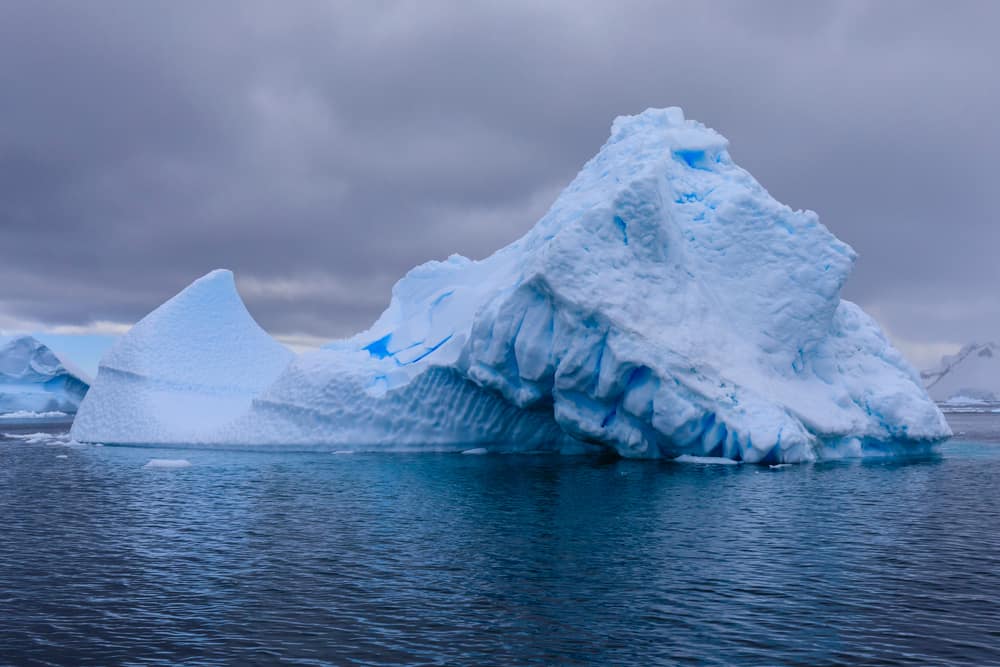
Antarctica has no native snake populations because it is too cold.
©Eleanor Scriven/Shutterstock.com
2. Alaska
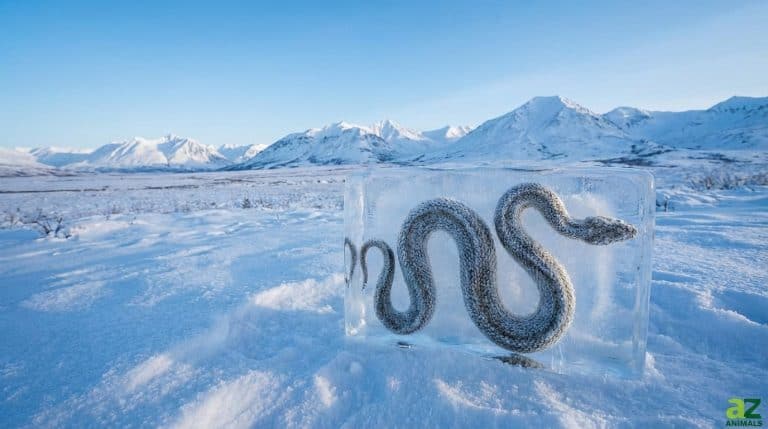
Alaska has been confirmed as a snake-free zone. Parts of Alaska are in the Arctic region, but the rest of the state is also too cold to support snakes. The ground is frozen for most of the year, so snakes cannot burrow to escape the extreme cold. Summers are also too short for snakes to breed and hatch eggs. However, warmer winters due to climate change may mean reptiles will be able to survive in the southern parts of the state in the near future. Not surprisingly, there are almost no reptiles at all in Alaska, aside from the occasional sea turtle sighting.
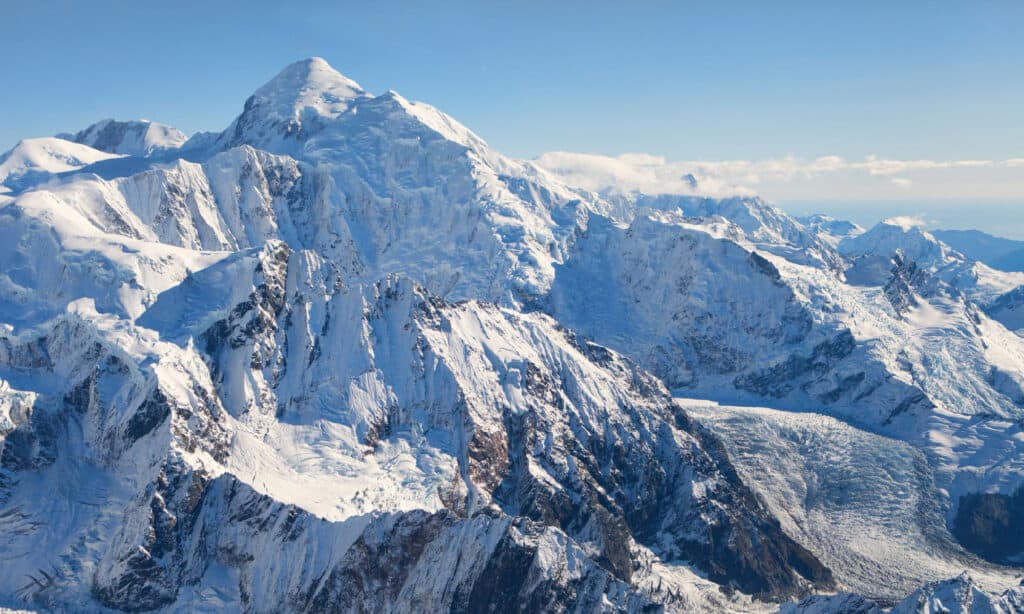
Alaska’s ground remains frozen most of the year, so snakes cannot burrow to escape the frigid weather.
©iStock.com/mscornelius
3. New Zealand
New Zealand is one of the world’s snake-free countries. The reason for this has been linked to the fact that snakes never evolved there and were unable to cross the ocean from Australia. Although snakes could not make it into the country, the yellow-lipped sea krait and the yellow-bellied sea snake are found swimming in the waters around New Zealand. There is a total ban on snakes in New Zealand, which means that snakes cannot be kept as pets or even in the zoo. Officials worry that snakes would be a significant threat to native wildlife.

There is a total ban on snakes in New Zealand.
©Stargrass/Shutterstock.com
4. Ireland
The fossil record indicates that snakes never reached Ireland after the last Ice Age around 10,000 years ago. Rising seas from melting glaciers isolated Ireland from the rest of Europe before snakes could migrate there. Unlike New Zealand, you are allowed to have snakes as pets in Ireland. A few snake species can also be found in selected zoos in the region.
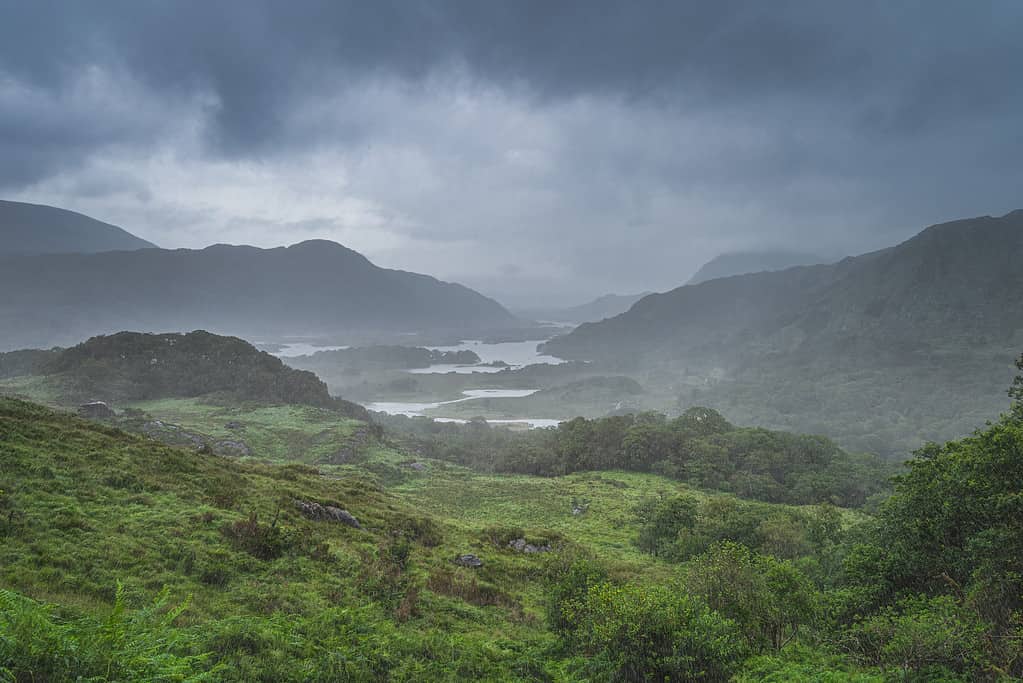
Snakes were never able to migrate to Ireland after the last Ice Age.
©Dawid Kalisinski Photography/iStock via Getty Images
5. Greenland
Like other islands in the Arctic, Greenland does not have any snakes because it is too cold. The sub-zero temperatures mean the island is not a natural habitat for any snake species. There are also no sea snakes in the freezing waters surrounding the island. However, if you would like to own a pet snake in Greenland, you’d have to obtain permission from the local police district.
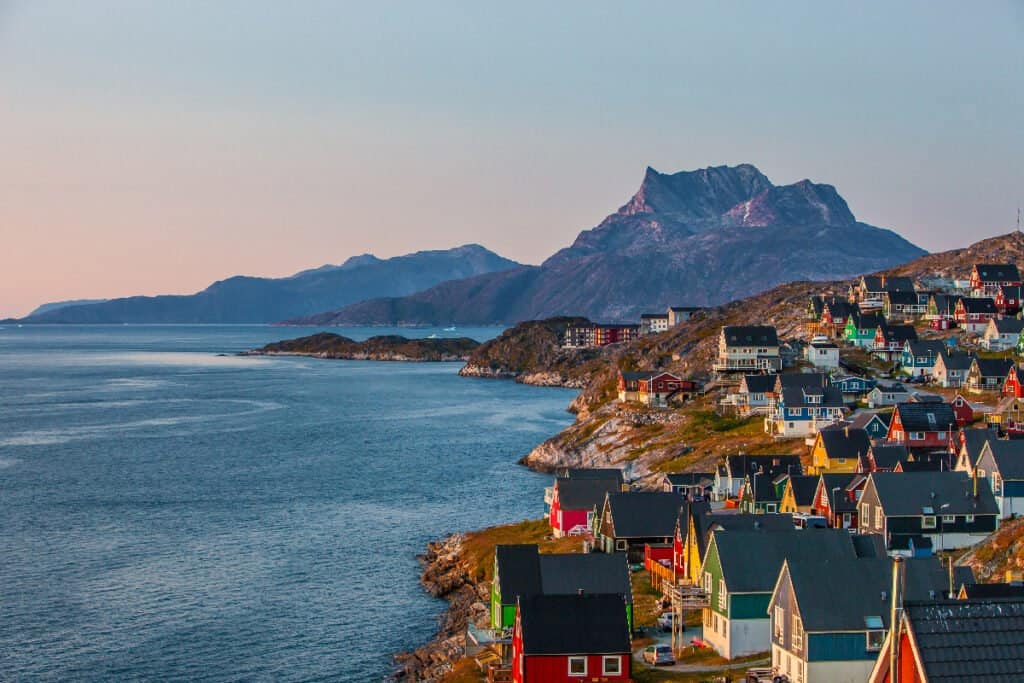
To own a pet snake in Greenland, you need permission from the police.
©Kim Ries Jensen/Shutterstock.com
6. Iceland
Iceland is another extremely cold island where snakes cannot live. the climate is too harsh for snakes to survive. Although there are no snakes in Iceland, people often get confused upon hearing of the popular “sand snakes” found in Iceland. However, the “sand snake” is only a weather phenomenon caused by the wind blowing black sand in the air so swiftly that it takes the shape of a snake. The truth is, there are no records of any land snakes in the country.
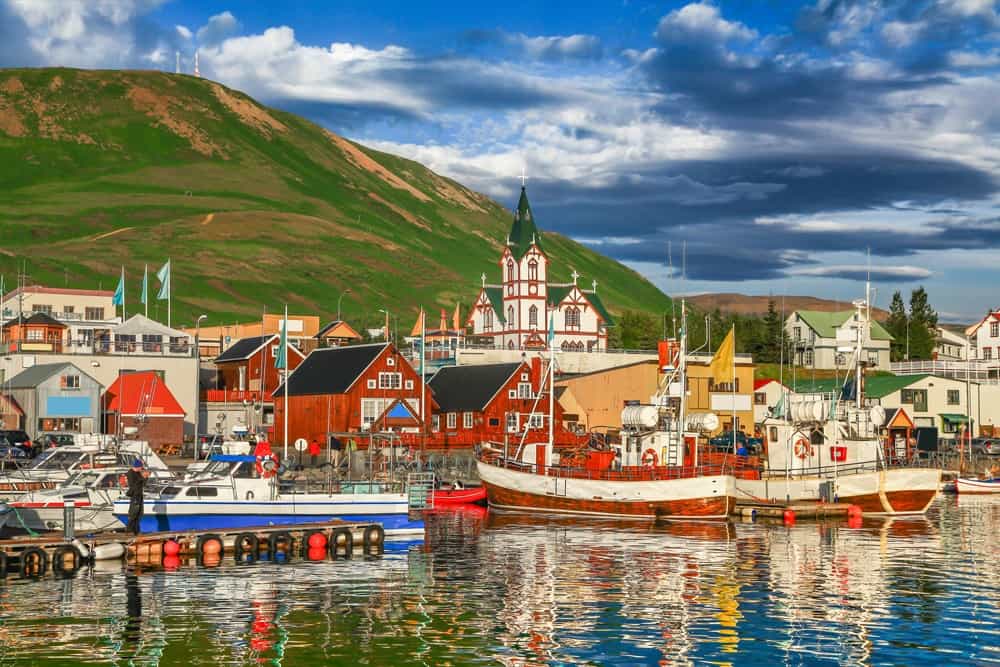
The climate in Iceland is too harsh for snakes to survive and thrive.
©canadastock/Shutterstock.com
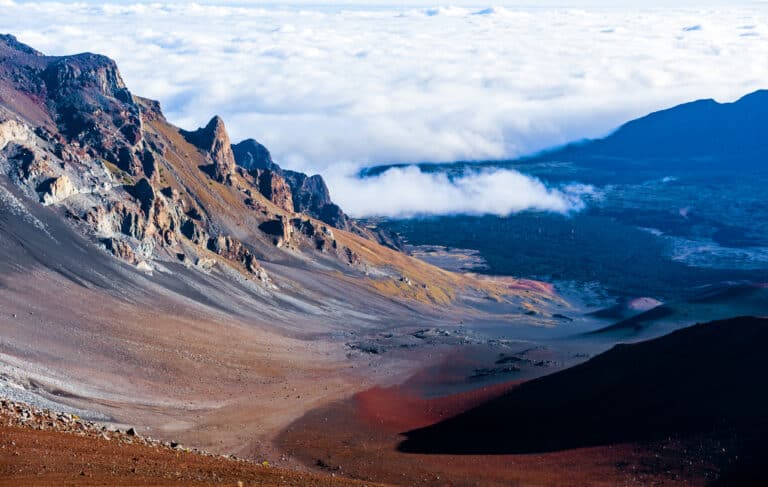
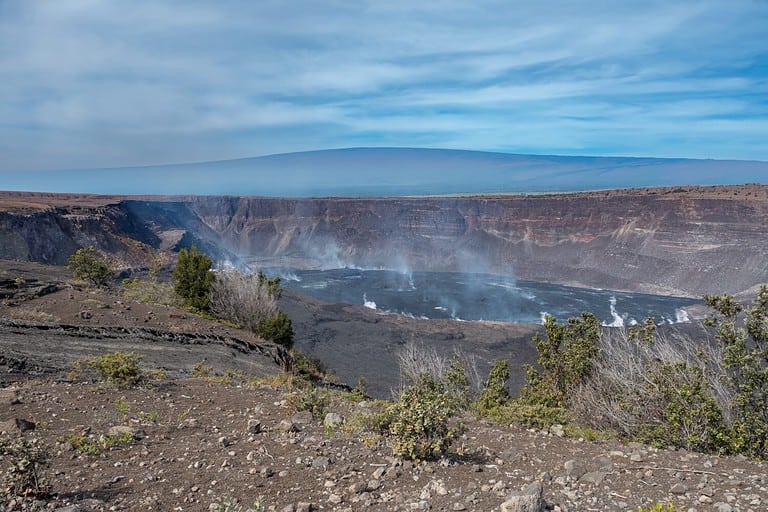
7. Hawaii
Hawaii is a U.S. state and tropical island in the Pacific. It has no native land snakes due to its geographical isolation. The only land snakes you will see in Hawaii are in zoos or have been accidentally imported inside cargo shipments. However, the yellow-bellied sea snake is sometimes found in the waters around the state. Even owning a pet snake in Hawaii is considered a felony due to the potential threats to native wildlife.
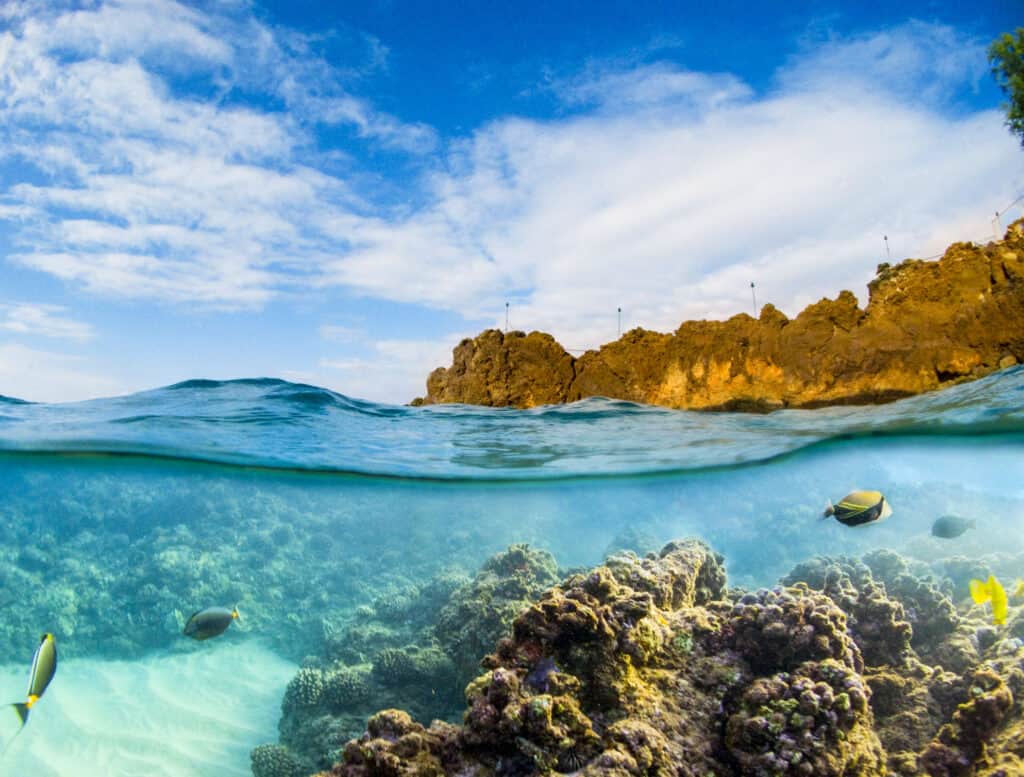
Hawaii has no native land snakes, and owning a snake in the state is a felony.
©iStock.com/photographywest
8. Cook Islands
The Cook Islands are located in the South Pacific Ocean, between Hawaii and New Zealand. There are no land snakes on the islands, and no inshore sea snakes have ever been recorded in the local lagoons. Any snake-like animals you may see in the water are snake-eels, which are scaleless fish. Yellow-bellied sea snakes that live exclusively in the open ocean occasionally wash up on shore. They are very poisonous, but they are not aggressive.
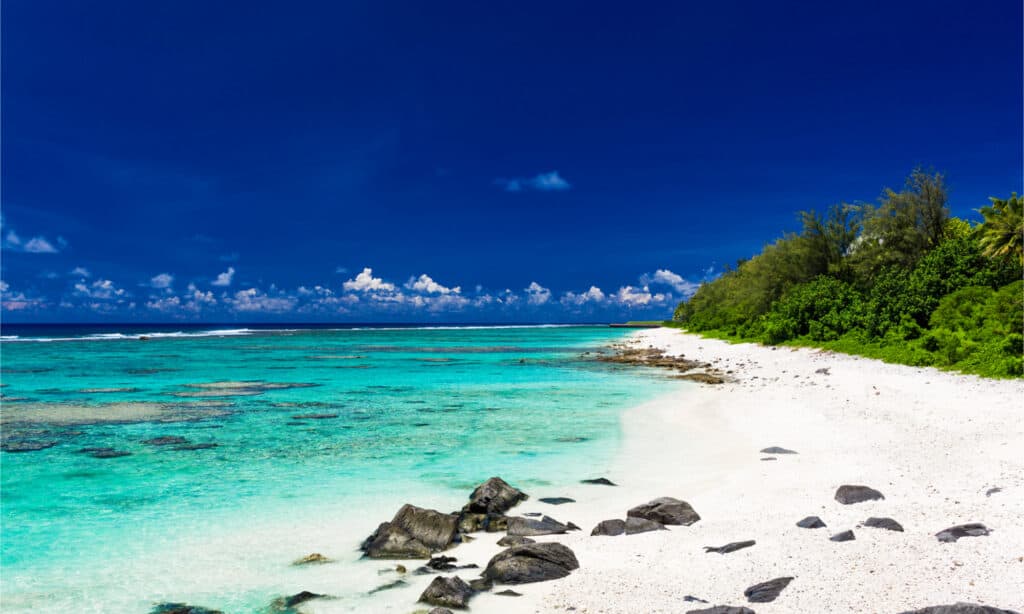
The snake-like animals in the lagoons of the Cook Islands are snake-eels, which are scaleless fish.
©Martin Valigursky/Shutterstock.com
9. Cape Verde
Cape Verde is an island nation of Africa located in the Atlantic Ocean off the western coast of Senegal. Beyond having no snakes, Cape Verde also has no predators and a limited number of venomous animals. Cape Verde has become widely known as a tourist country that poses little or no wildlife threats to visitors and residents and offers numerous appealing attractions for a great holiday destination.
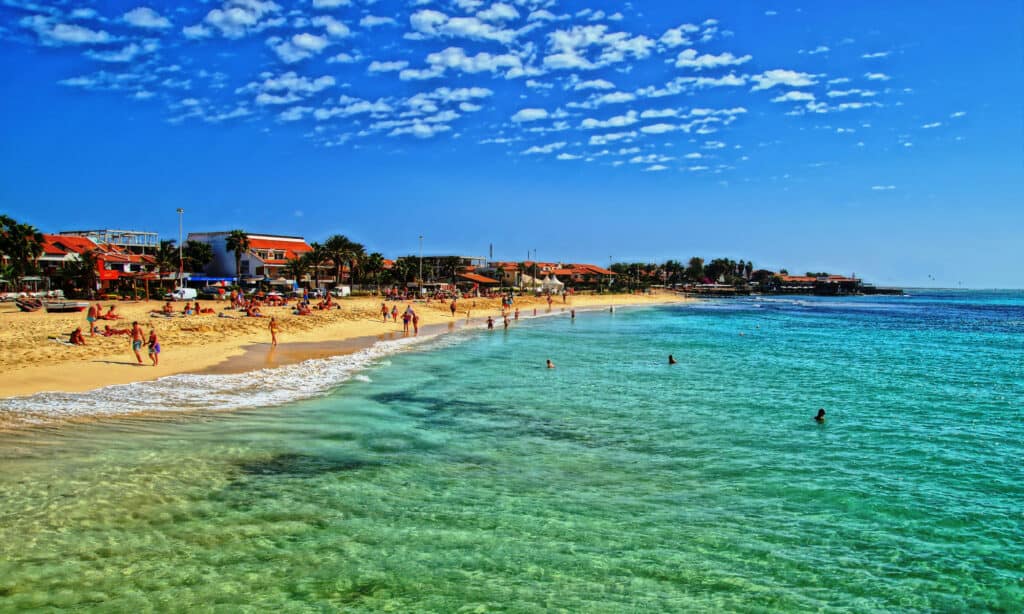
Cape Verde is a snake-free island nation off the coast of Senegal.
©iStock.com/Iacob MADACI
10. Pacific Islands
Aside from the places listed above, there are also other Pacific islands with no snakes, such as Tuvalu, Nauru, Kiribati, Tokelau, and the Marshall Islands. Snakes cannot naturally cross the ocean to migrate to and colonize these islands. While many of the Pacific islands have no land snakes, the surrounding waters do have populations of sea snakes.
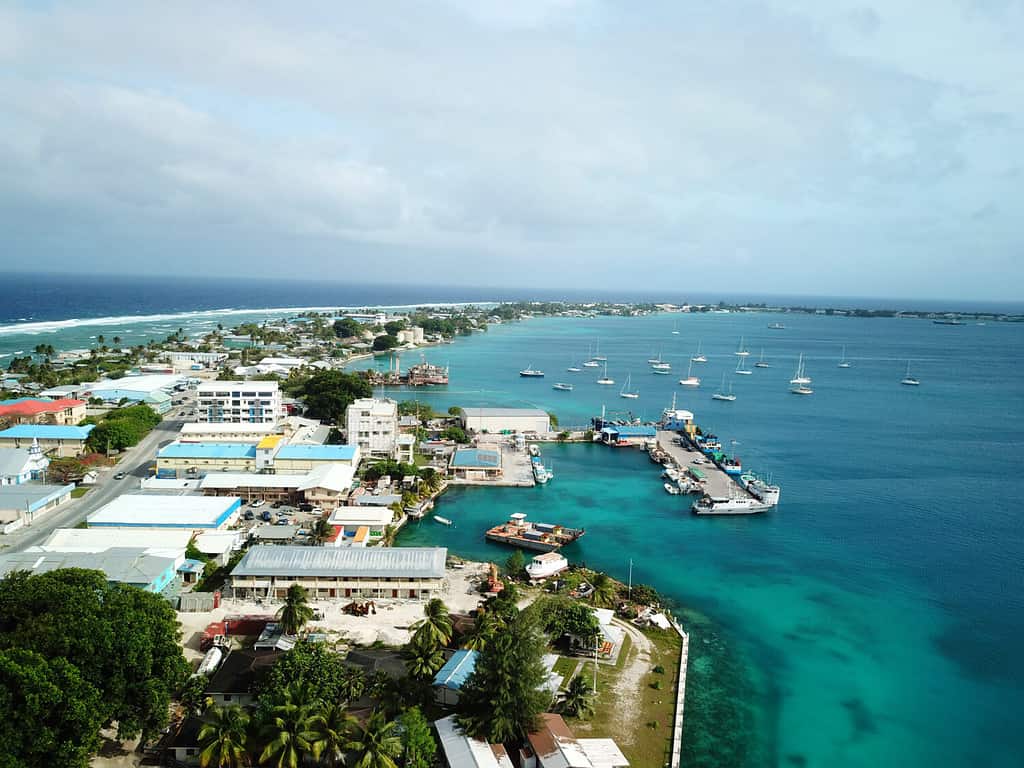
The Marshall Islands are isolated coral atolls in the Pacific Ocean with no land snakes.
©KKKvintage/Shutterstock.com
What Places on Earth Have the Most Snakes?
Two of the world’s most fascinating and unique natural wonders, both boasting a large concentration of snakes, are the Narcisse Snake Dens of Manitoba, Canada, and Ilha da Queimada Grande in Brazil. Located in Manitoba, Canada, the Narcisse Snake Dens is an area where thousands of red-sided garter snakes come to mate every spring. The spectacle attracts visitors from all over the world. During the mating season, which typically runs from late April to mid-May, the ground is literally covered with snakes. It is estimated that there are tens of thousands of snakes in the dens, making it one of the largest concentrations of snakes in the world.
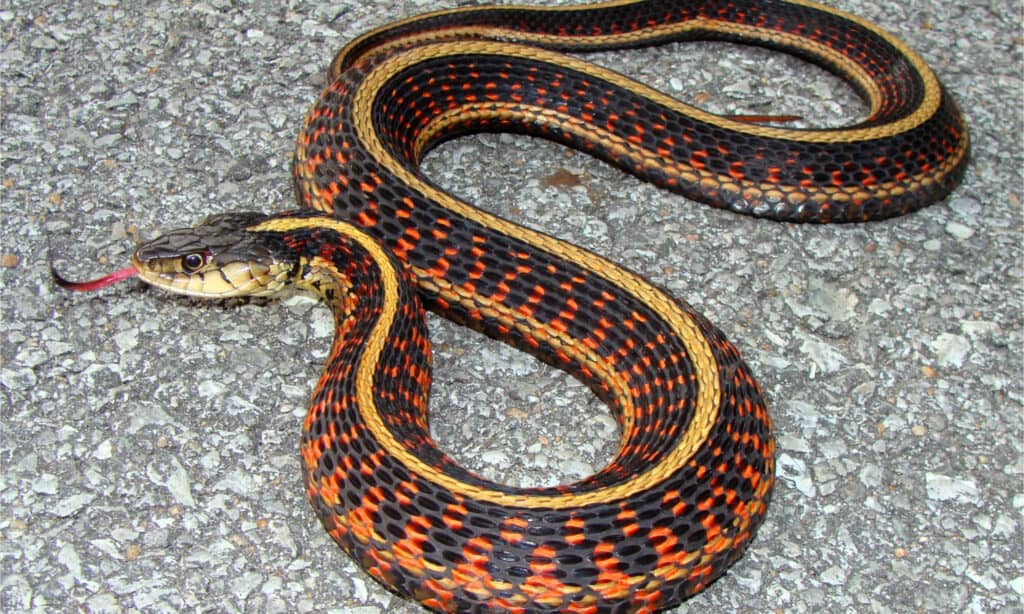
Red-sided garter snakes are prolific in Manitoba, Canada.
©Matt Jeppson/Shutterstock.com
Ilha da Queimada Grande, which is located off the coast of Brazil, is home to the golden lancehead viper, one of the world’s most venomous snakes. The island is also known as “Snake Island” due to the large number of golden lancehead vipers that inhabit the area. It is estimated that there are between 2,000 and 4,000 snakes on the island, which makes it one of the most densely populated areas of snakes in the world. Due to the high concentration of venomous snakes on the island, the Brazilian Navy has declared it off-limits to the public.