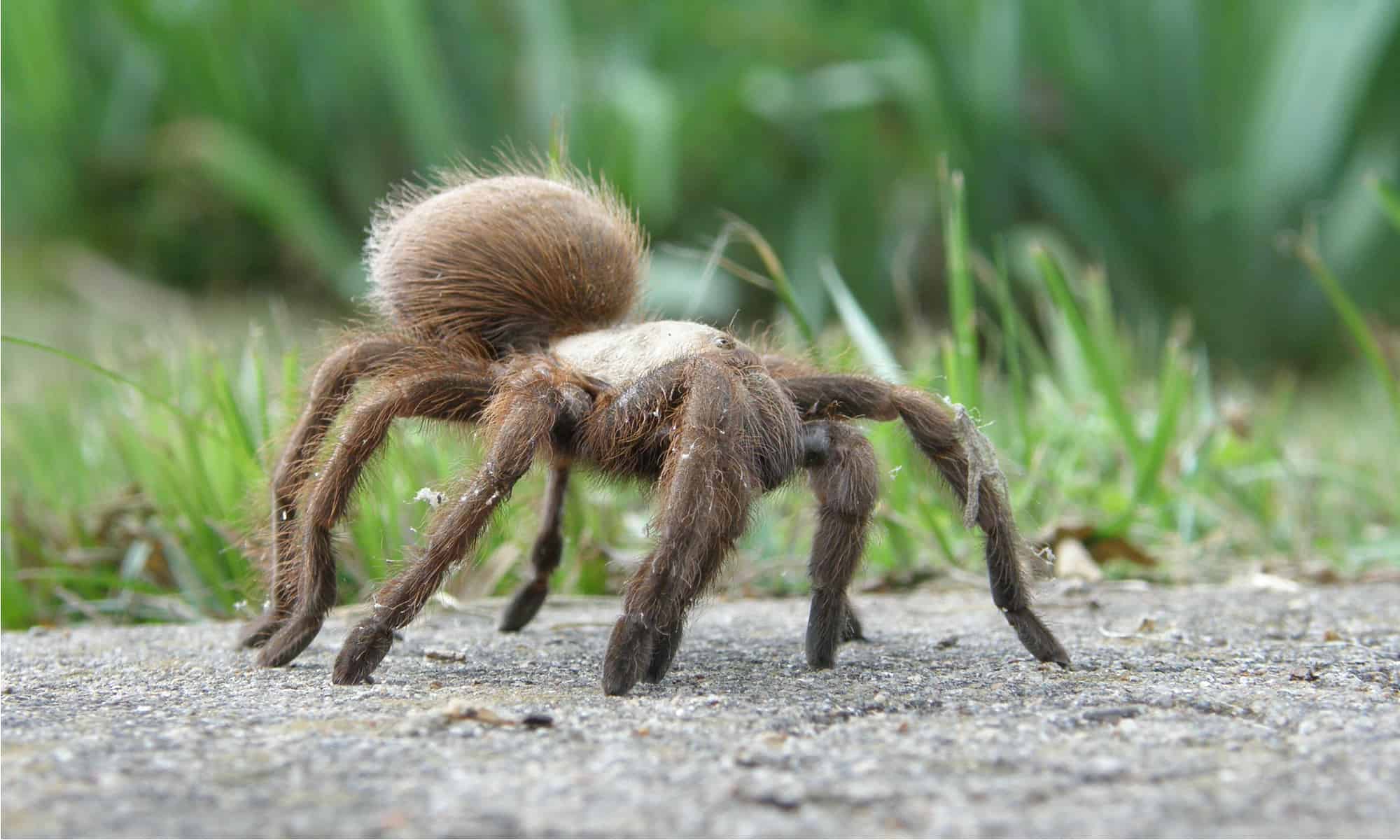

Although spiders, especially larger ones, can be intimidating, most do not pose a threat to humans. Even those that can bite often don’t, and when they do, the resulting bite is mild and fleeting. In the Spider-Verse, bigger doesn’t mean more dangerous. Out of thousands of spider species, only about a dozen are considered medically significant in the United States. Continue reading to discover the three biggest spiders in Colorado, as well as a couple of medically significant spiders.
3. Banded Garden Spider
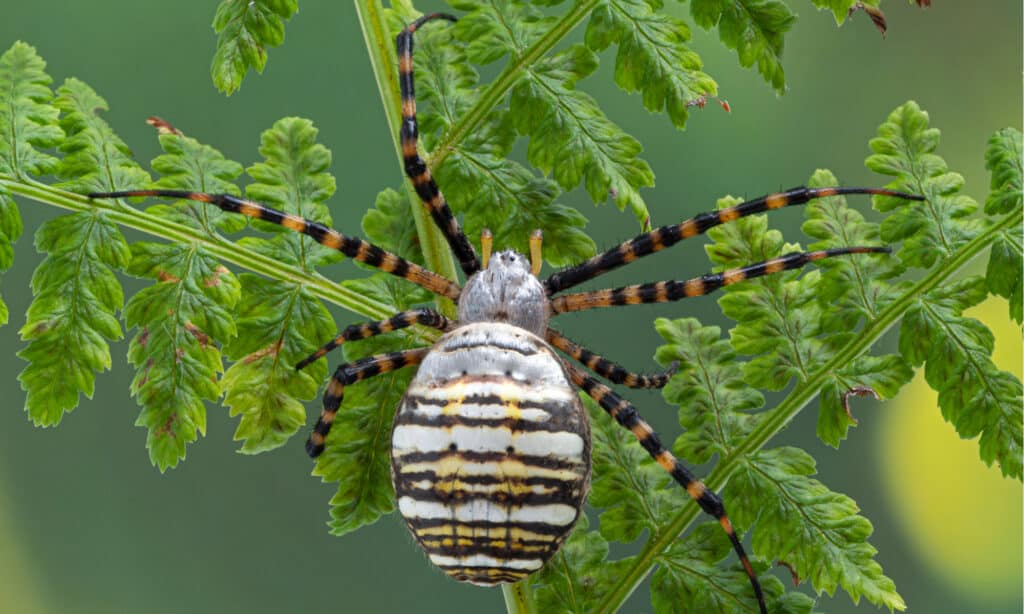
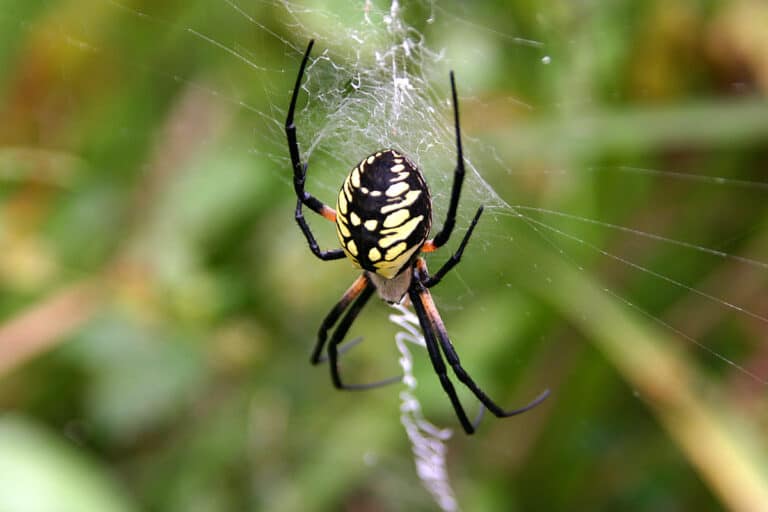
Between their large size, bright colors, and webs, it can be hard to miss the banded garden spider.
©Ernie Cooper/Shutterstock.com
The banded garden spider (Argiope trifasciata) is just a few millimeters smaller than the wolf spider. Females of the species may have leg spans approaching 3 inches.
Also known as the banded orb-weaving spider, you’ve most likely seen a banded garden spider around. These are the bright yellow and black spiders that like to weave intricate webs in gardens and around outbuildings. Because they sit with their legs paired together, they often appear to have only four legs instead of eight.
The banded garden spider is notable for its highly visible webs. The banded garden spider’s web features a stabilimentum, the thick, zigzag band of silk in the center of their large, spiral web. The stabilimentum may be used for camouflage, to attract prey, or to warn off predators.
There are several types of orb weaver spiders in Colorado, but the banded is by far the largest.
2. Wolf Spider
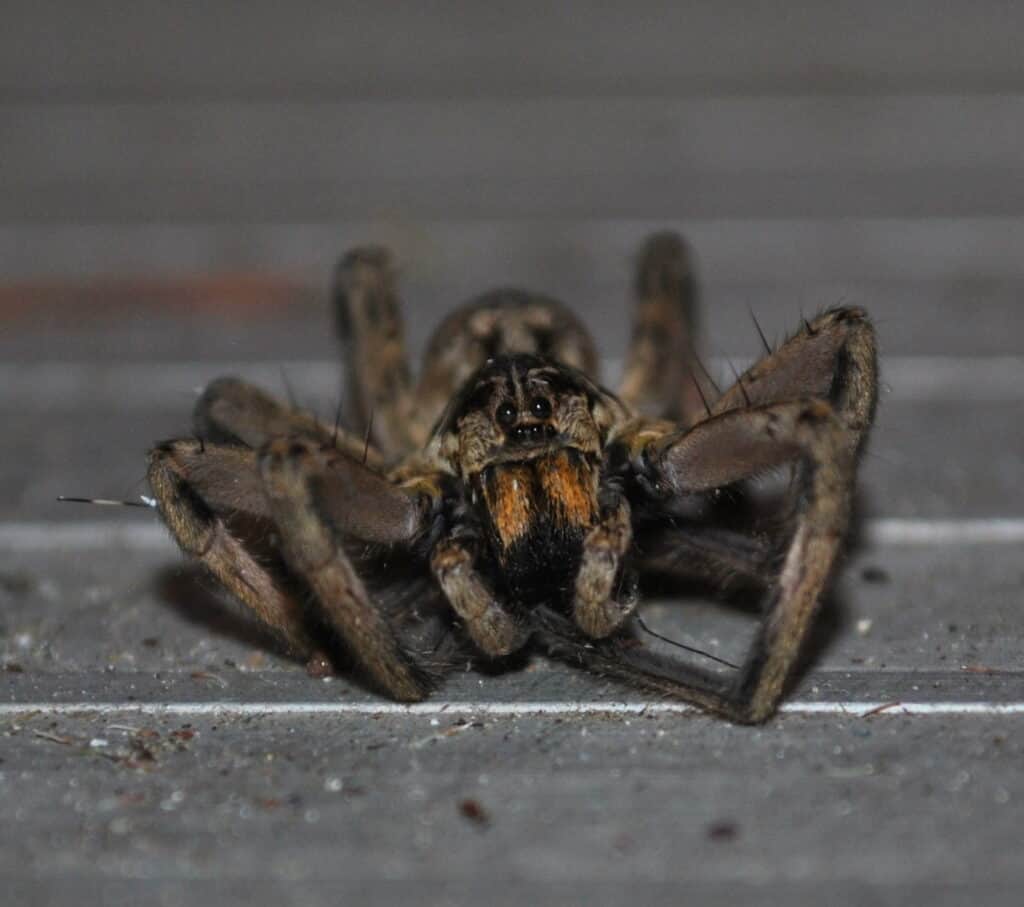
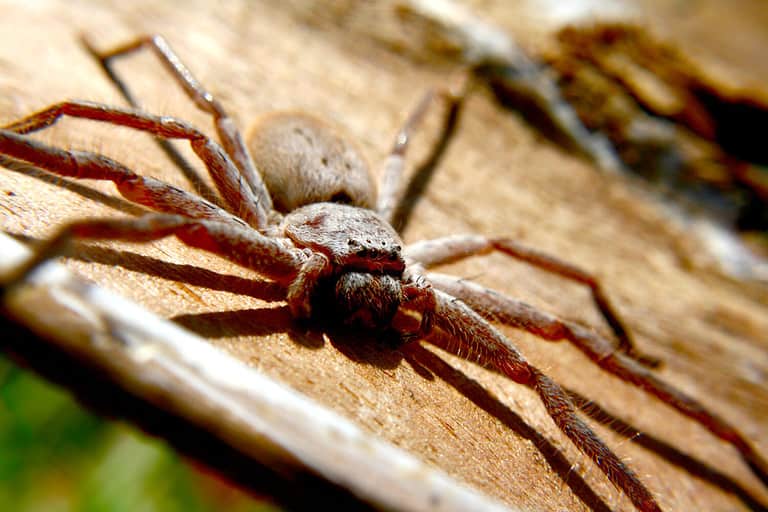
Wolf spiders are some of the biggest spiders in Colorado.
There are nearly 3,000 species of wolf spiders found worldwide, and at least five wolf spider species are found in Colorado. Unlike other types of spiders, wolf spiders don’t spin webs. Instead, these top predators actively chase their prey.
The most common species of wolf spider in Colorado is the Carolina wolf spider (Hogna carolinensis). It also happens to be the biggest species of wolf spider in all of North America. Females, which are larger than males, can have leg spans of up to 4 inches. Although the wolf spider can subdue prey with its powerful bite and paralyzing venom, wolf spider bites are not dangerous to humans. A bite from one of these large spiders may lead to some localized numbness and a risk for infection. Those who are allergic to wolf spider venom may experience additional symptoms, including nausea, headache, and fever.
Despite being among the biggest spiders in Colorado, the wolf spider has a variety of predators, including scorpions and coyotes.
1. Tarantulas
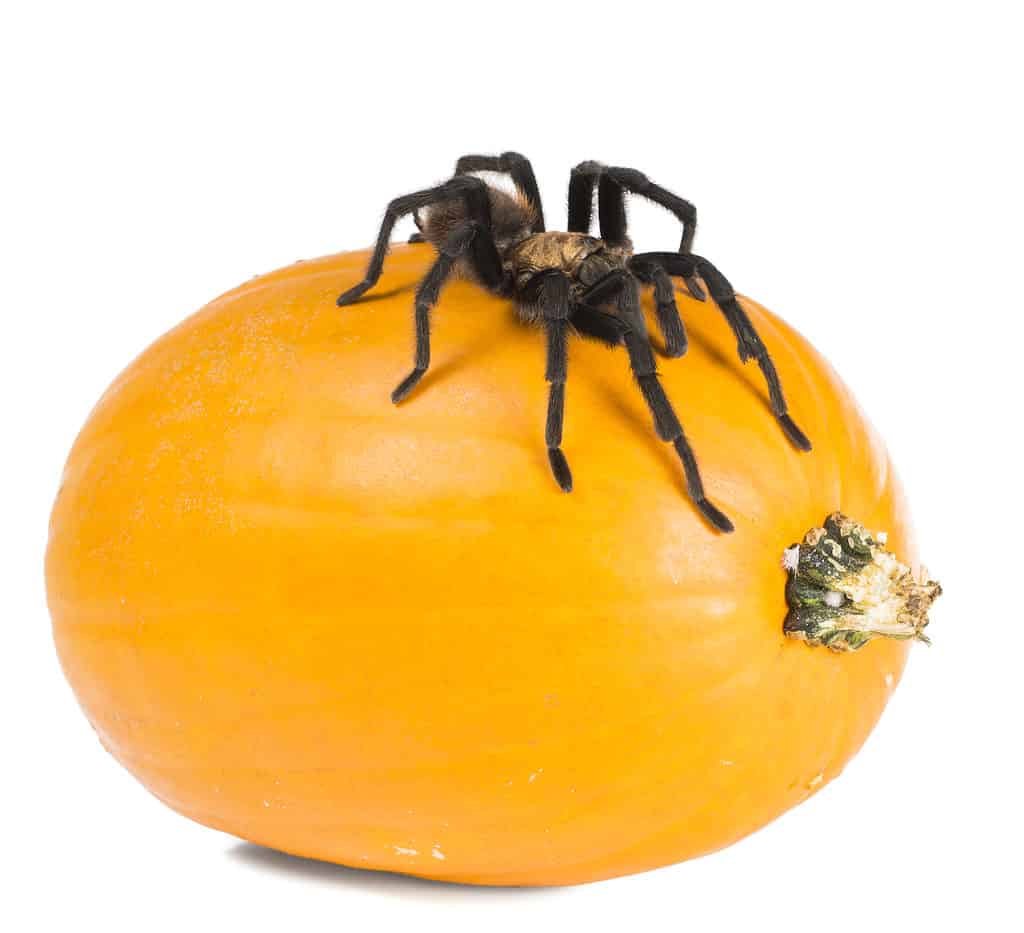
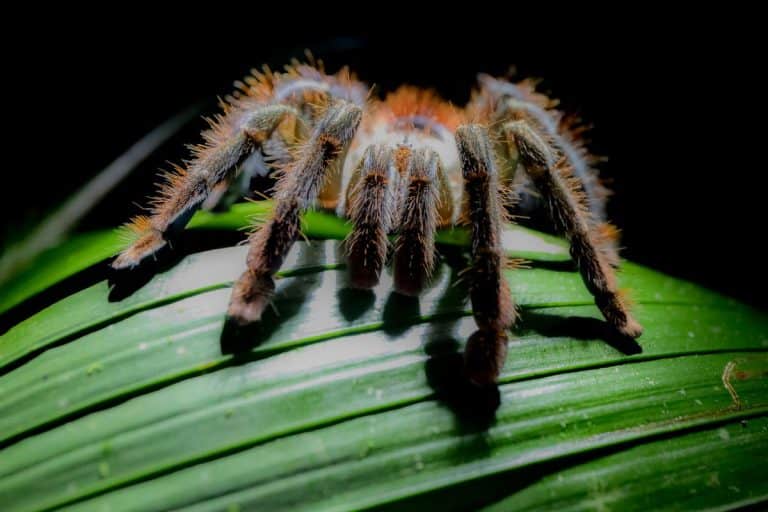
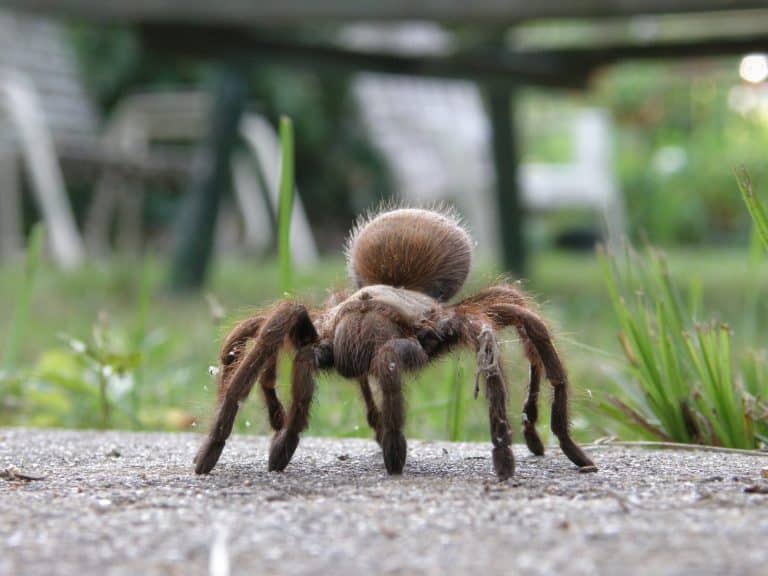
The Oklahoma brown tarantula is one of three tarantula species found in Colorado.
©iStock.com/irin717
The Oklahoma Brown or Colorado Brown Tarantula (Aphonopelma hentzi).
The Oklahoma brown tarantula, also known as the Texas brown tarantula or the Missouri tarantula, is one of the most common species of tarantula found in the Southern United States. This species can weigh as much as 3 ounces, with a leg span of four inches.
Oklahoma brown tarantulas are docile and unlikely to act aggressively. Their bites are not medically significant, though an allergic reaction or an infection at the bite location may require intervention.
Medically Significant Spiders in Colorado
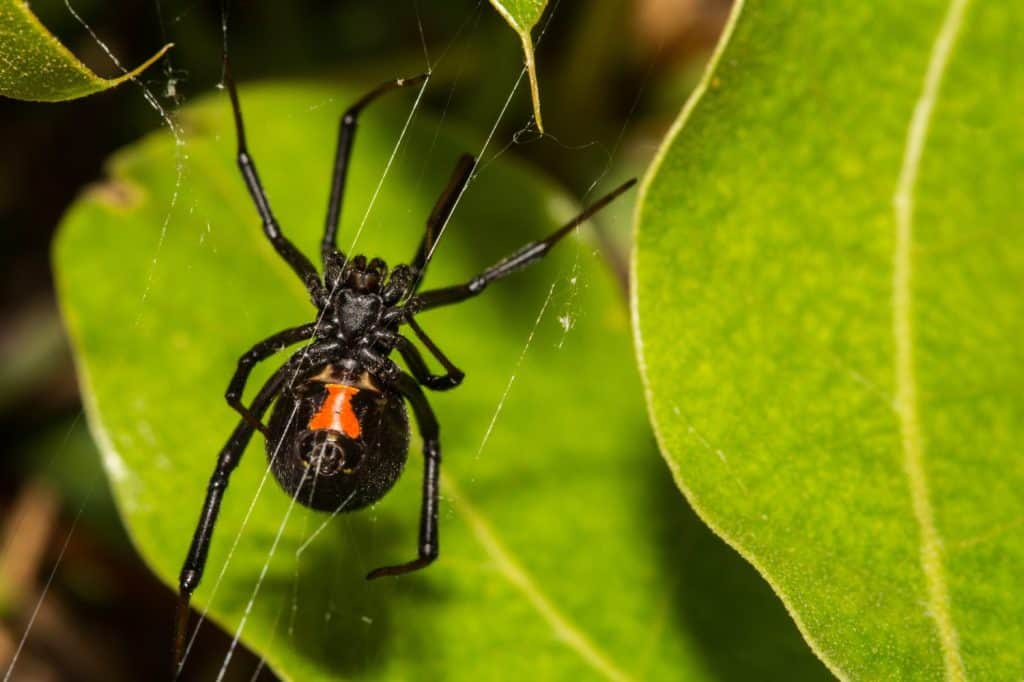
The female black widow’s bite can be dangerous to humans.
©Jay Ondreicka/Shutterstock.com
The Western black widow (Latrodectus hesperus) is native to and common in Colorado. The Western black widow is easily identifiable by its black body and distinctive red markings. The female black widow spider is much more venomous than the male and can be found in dark places such as sheds, basements, and woodpiles. Western black widow females, with leg spans of up to 2 inches, are larger than males.
While some healthy adults may have mild or no symptoms, a black widow bite can cause severe muscle aches, pain, nausea, and other symptoms that require professional treatment, such as pain medication or, in some cases, antivenom.
Although there have been sightings, the brown recluse (Loxosceles reclusa) is not common in Colorado. This species is usually light to dark brown in color and has a distinctive violin-shaped marking on its back. This species is shy and reclusive, often found in dark places such as attics, garages, and closets. The leg span of brown recluse spiders rarely exceeds 1.5 inches.
A brown recluse spider bite can require medical intervention, especially when accompanied by symptoms like fever, vomiting, or dizziness, or if the wound develops an open sore, blackened skin, or shows signs of infection such as increased pain, swelling, redness, or pus. Basic first aid, such as cleaning the wound, applying a cold compress, and elevation, can be done initially, but you should seek professional medical help for suspected dangerous bites.