
Spiders are arachnids that are best known for their distinctive eight-legged appearance. There are around 53,000 different species of spiders that are recognized today. They are found everywhere in the world except Antarctica, and they have adapted to live in a wide variety of habitats. As there are so many different species, it’s not surprising that spiders can be of vastly different sizes. The smallest spider in the world has a minuscule body, barely the size of a pinhead, but just how big is the biggest? Join us as we discover the absolute largest spider in history.
All About Spiders
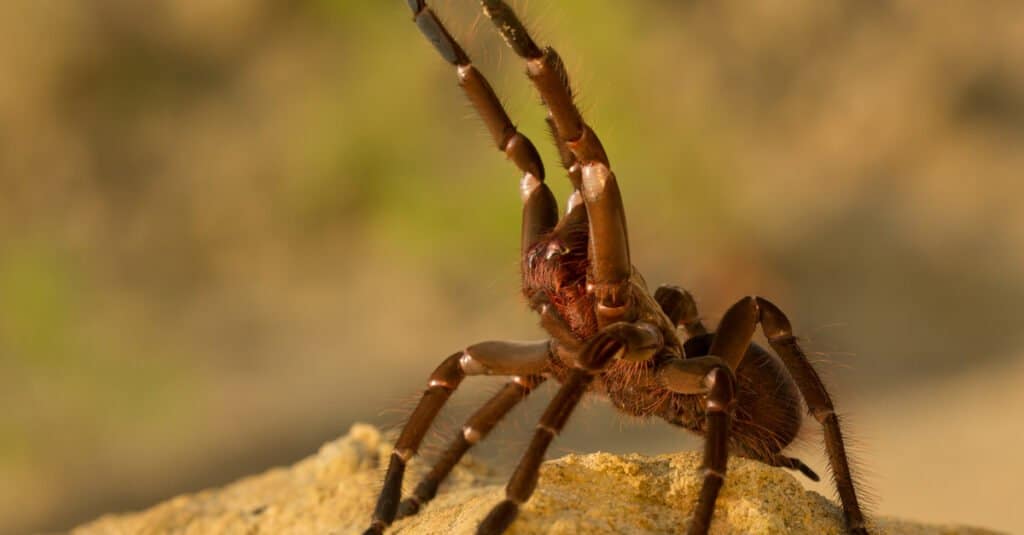
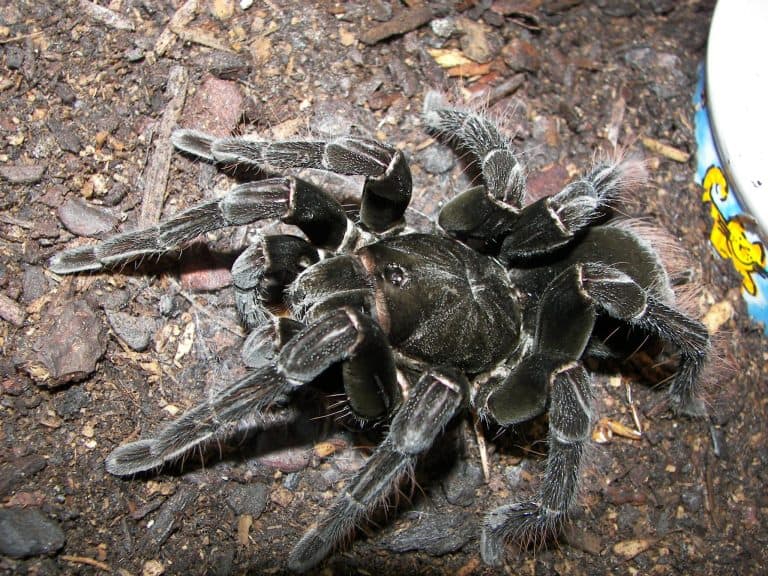
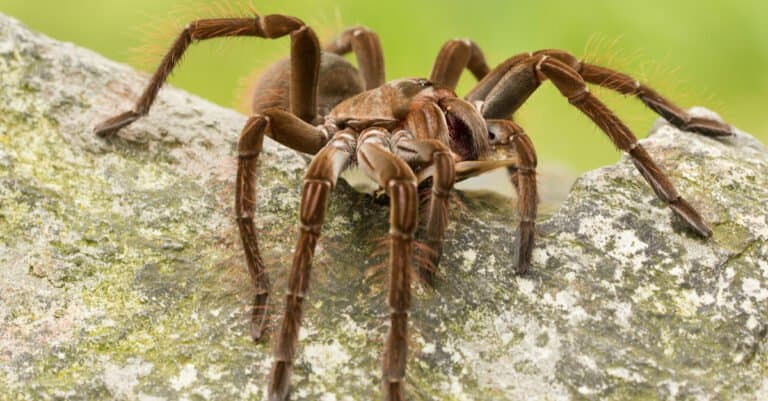
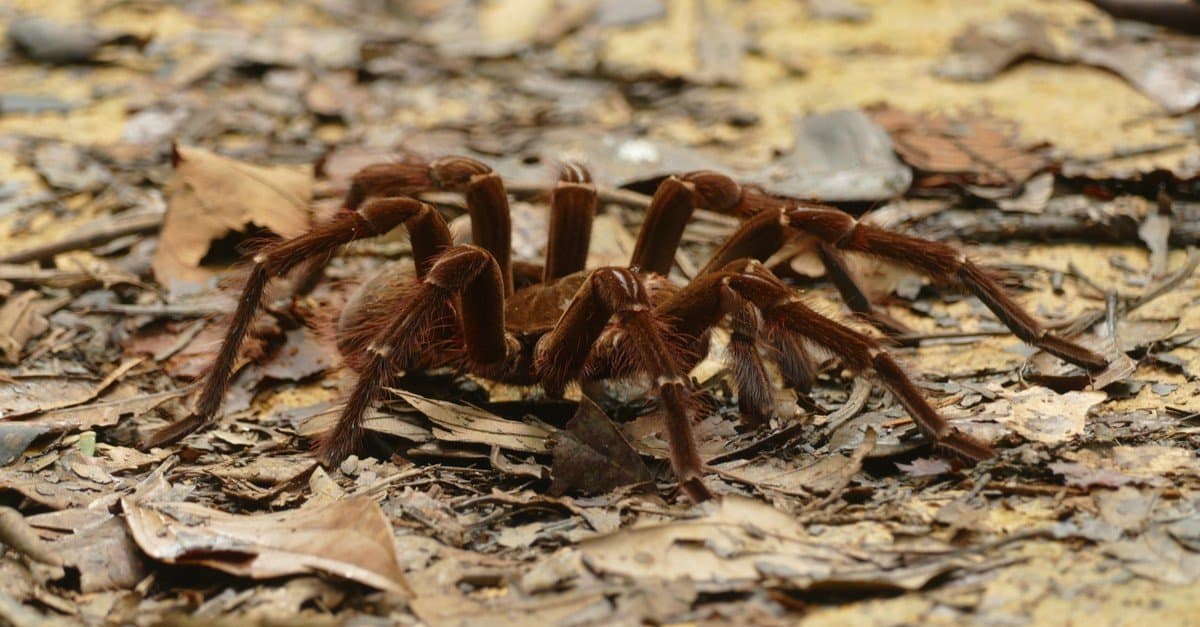
The Goliath bird eater tarantula can be found in the rainforests of South America.
©Milan Zygmunt/Shutterstock.com
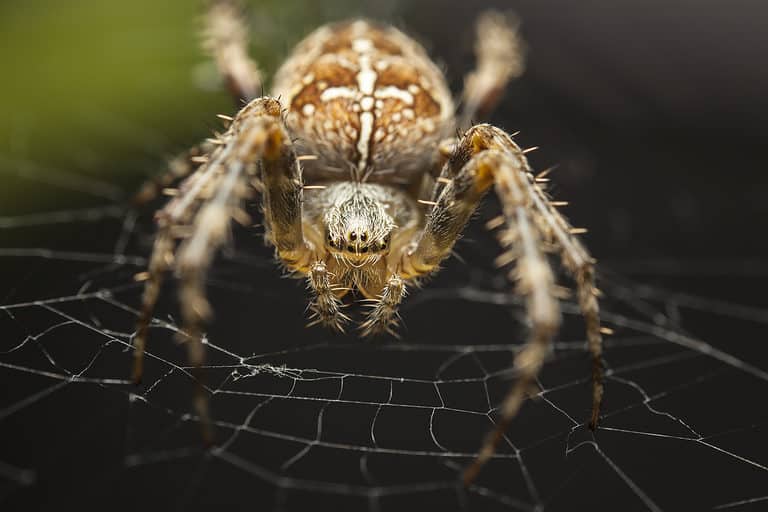
Spiders are arachnids from the Araneae order, which are characterized by their eight legs and the ability to produce intricate webs made from silk. Araneae is the largest arachnid order and contains around 136 different family groups. Take a closer took at spiders’ habitats, appearances, the methods they use for capturing and consuming prey, and reproduction.
Habitat
Spiders are known for their diversity and their ability to survive and thrive in a vast range of habitats. Some species live in trees, while others live in underground burrows or caves. Some spiders are found in deserts, while others are found in rainforests or other humid environments.
Appearance
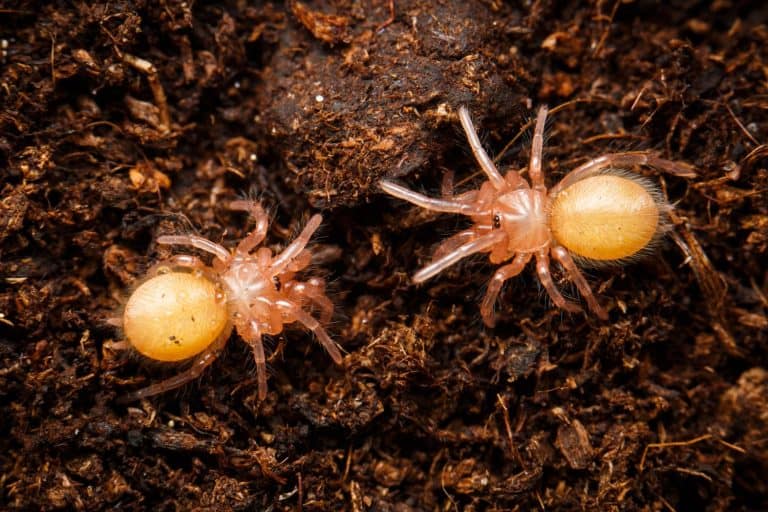
Their coloration helps them blend into their environment, as many species share the same colors as their main habitat, allowing them to avoid predators. Spiders also vary in size all the way from the tiniest Patu digua spider, which is only 0.015 inches long, up to the famous tarantulas, which can have a body the size of a human hand.
Capturing and Consuming Prey
Although it’s commonly assumed that all spiders capture their prey using webs, different species use a variety of methods. Some use webs to catch prey, others are ambush predators, and some mimic plants or even ants. Depending on the size of the spider, prey can be anything from tiny insects to birds or rodents. Almost all spiders have two hollow fangs, which they use to inject venom into their prey. However, the majority of spiders are not actually considered to be dangerous to humans. This is because most have venom that is too weak to do any harm.
Reproduction
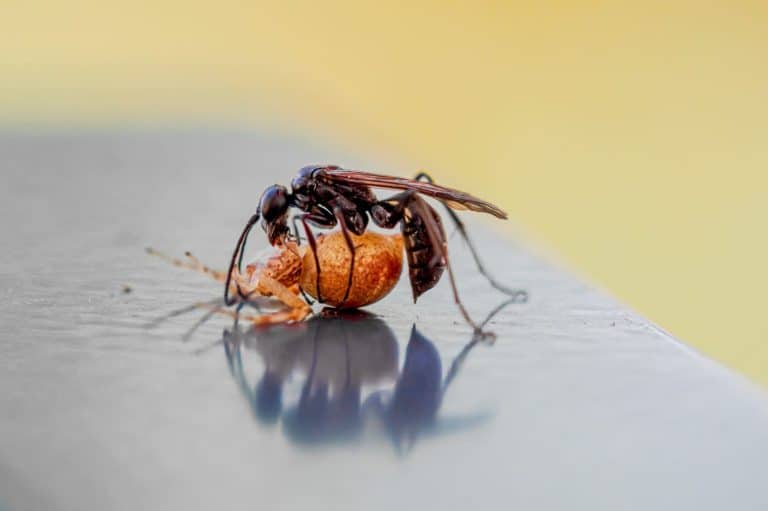
Spiders reproduce by laying eggs, and females can lay several hundred at a time. Remarkably, females wrap their eggs in an egg sac, which they either leave in the web or carry with them wherever they go. Depending on the species, this egg sac can be nearly as large as a tennis ball.
The Largest Spider in History
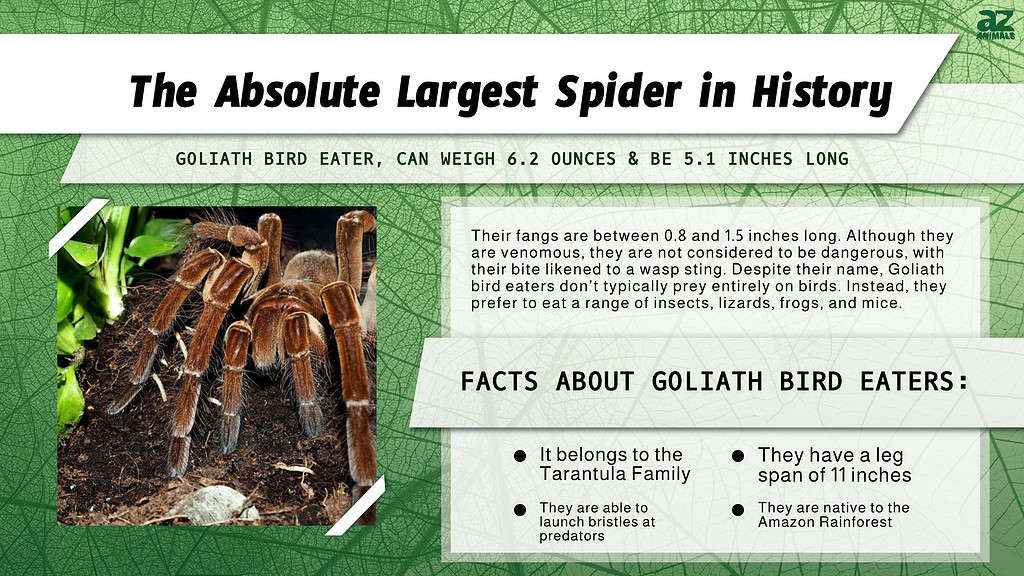
The absolute largest spider in history is the Goliath bird eater (Theraphosa blondi), which is the largest spider alive today by length and weight. It weighs around 6.2 ounces and can reach body lengths of up to an incredible 4.75 inches, although some reports suggest it can grow larger. It also has a leg span of up to 11 inches. This spider is typically a light brown or tan color. Goliath bird eaters are native to South America — particularly the Amazon rainforest — and live in burrows near marshes or swamps.
Hunting Methods and Prey
Goliath bird eaters are a member of the tarantula family and have fangs between 0.8 and 1.5 inches long. Although they are venomous, they are not considered to be dangerous, with their bite likened to a wasp sting. Despite their name, Goliath bird eaters rarely prey on birds, but they may eat birds’ eggs or young birds if the opportunity arises. Instead, they prefer to eat a range of insects, lizards, frogs, and mice.
Once they’ve caught their prey, they drag it back to their burrow to eat. However, they don’t eat it immediately. Instead, these massive spiders inject toxins into their prey, which liquefy its insides. Then, they suck everything out of it, which only adds to their fearsome reputation.
Defense Mechanisms
Although Goliath bird eaters don’t have a particularly strong venom, they do have an effective defense mechanism. Like most tarantulas, they have bristly hairs they launch at predators. This surprising action can be harmful to both the skin and mucous membranes. However, it is usually only used as a last resort. Goliath bird eaters also rub their hairs together to create a loud hissing noise to warn predators. This sound can be heard from as far as 15 feet away.
The Largest Spider that Never Was
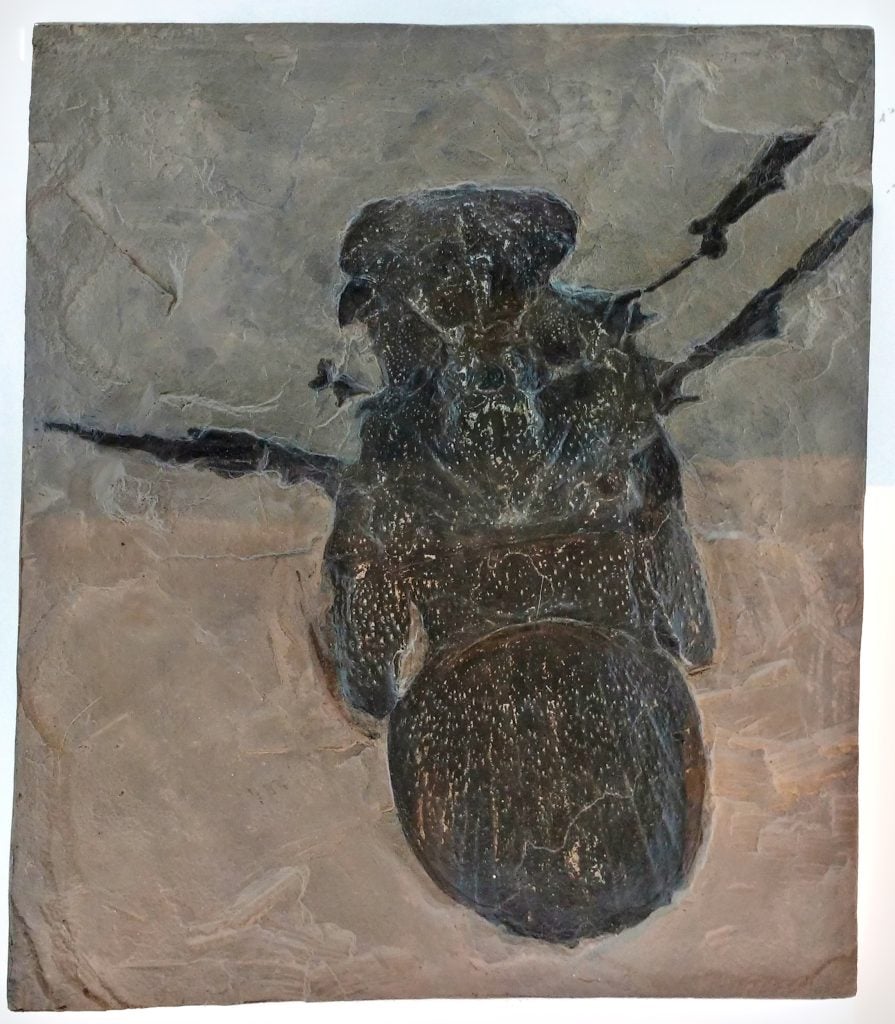
Megarachne servinei was once a candidate for the largest spider in history, but it was later found to be a sea scorpion.
If the thought of the Goliath bird eater isn’t terrifying enough, imagine a spider with a foot-long body and a leg span of a foot and a half. Discovered in a 300 million-year-old rock from Argentina, Megarachne servinei was coined as the largest spider that had ever existed.
From its discovery in 1980 until 2005, Megarachne servinei was believed by some scientists to be the largest spider ever. Although it appeared somewhat spider-like, scientists couldn’t explain why it lacked certain distinctive spider characteristics.
However, in 2005, another Megarachne specimen was discovered. After much study, the truth was finally revealed. Incredibly, rather than being a giant spider, Megarachne turned out to be a previously unknown species of sea scorpion. This revelation reinstated the Goliath bird eater as the largest spider in history, and it will likely remain so for the foreseeable future.