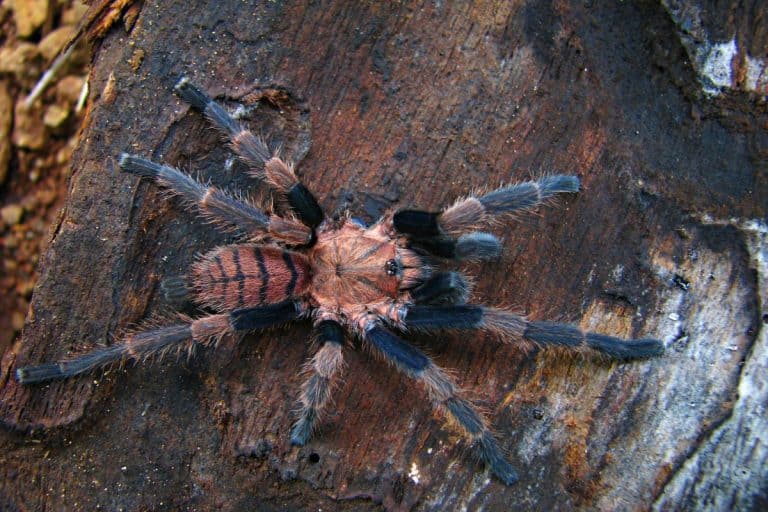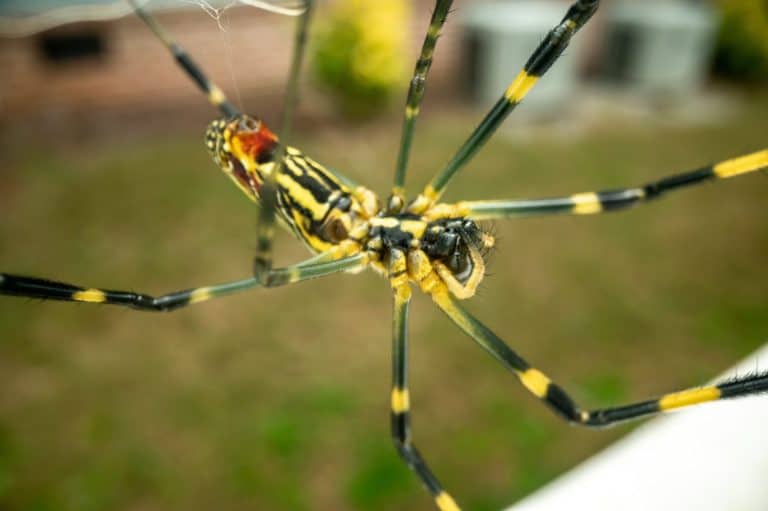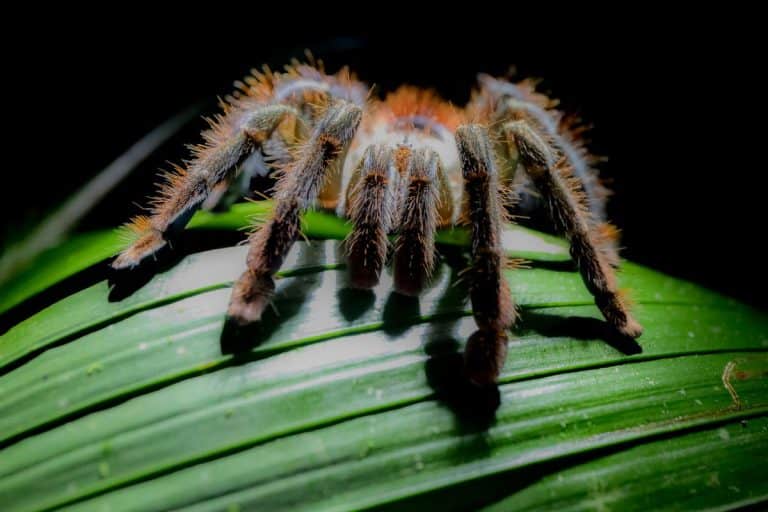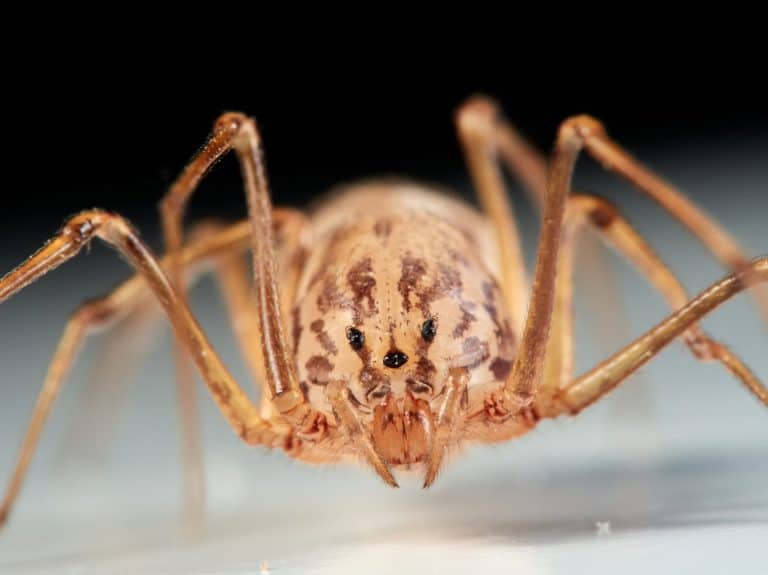

It’s time to dig in and discover the top five largest, most dangerous spiders in New Mexico. This state has its fair share of dangerous wildlife, as well as some impressively sized animals. Remember, the biggest doesn’t always mean the most dangerous, especially when it comes to spiders. However, New Mexico has enough spiders to fit both categories.
New Mexico is a dry land of deserts, scrublands, and hot weather where cacti and succulents dot the landscape. It’s also rich in diverse wildlife, and that includes spiders. In this list, we’ve picked out some of the biggest species commonly found in New Mexico. We also provide more detail on the state’s most dangerous spiders to see which one takes the number one spot. Read on to learn more.
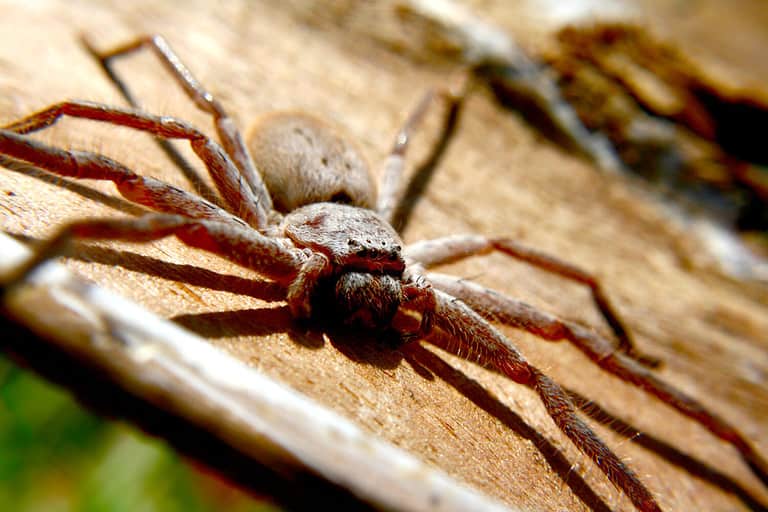
5. The Missouri Burrowing Wolf Spider
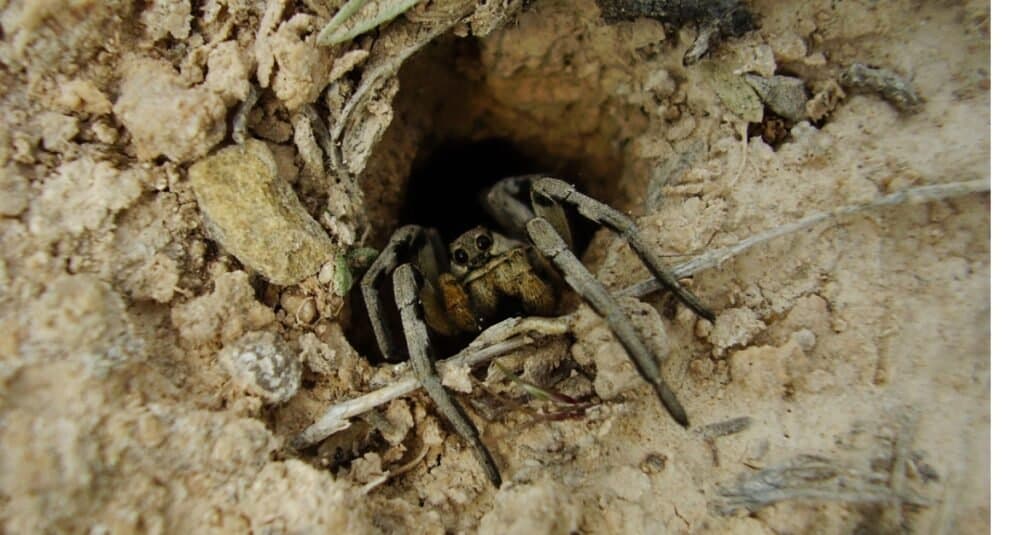
The Missouri burrowing wolf spider is found in the northern parts of New Mexico.
©iStock.com/martinezcanovas
- Size: Up to 0.87 inches in body length with a leg span of up to 1.5 inches
- Danger to Humans: Bites are painful but rarely require medical care
Missouri burrowing wolf spiders (Geolycosa missouriensis) can be identified by their uniform overall coloring in shades of brown, grey, yellow, tan, or orange. Occasionally, dark leg banding is observed. Wolf spiders have four pairs of vertically stacked eyes, hairy bodies, and powerful, curved front legs for digging.
In New Mexico, the Missouri burrowing wolf spider is found in the northern parts of the state. Wolf spiders are highly adaptable to many types of habitats. They are moderately aggressive, reclusive, and rarely leave their underground burrows. They typically wait for prey to cross the opening of their burrows before striking. Bites are uncommon, and while painful, they rarely need medical attention.
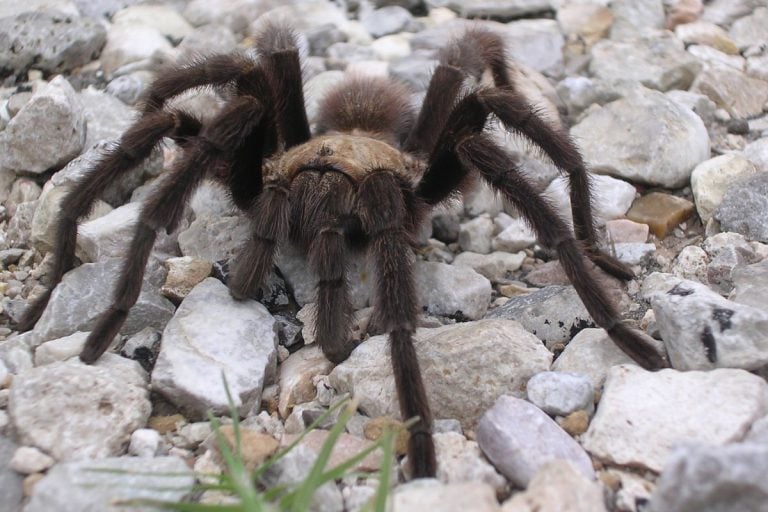
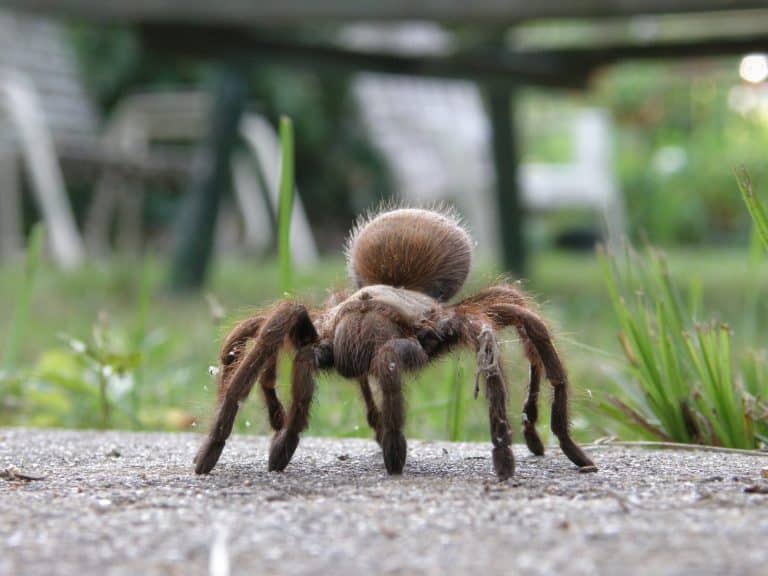
4. The Chiricahua Grey Tarantula
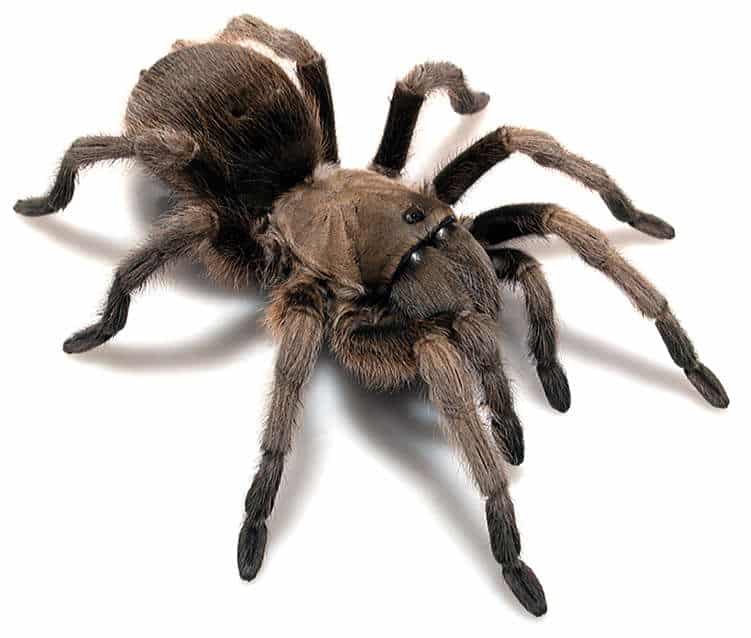
The Chiricahuan grey tarantula can be found throughout New Mexico.
©Chris A. Hamilton, Brent E. Hendrixson, and Jason E. Bond / CC BY 4.0 – Original / License
- Size: Body size of approximately 1-2 inches with a leg span that can reach 5-6 inches
- Danger to Humans: Can cause pain and swelling but lacks potent venom
The Chiricahuan grey tarantula (Aphonopelma gabeli), also known as the Carlsbad green tarantula, ranges in color from light to dark brownish-grey, although adult males can be black. Older spiders may also have a slight greenish tint on their carapace. These tarantulas have large, heavy bodies, stocky, thick legs, and long, fur-like hairs over their entire body.
Tarantulas, including the Chiricahuan grey, are common spiders in the Southwestern United States. This includes New Mexico, where this species can be found throughout the state. Like many other tarantulas, the Chiricahuan grey is a burrowing spider that emerges at night to hunt. They lack potent venom and rely on speed and stealth to catch prey and avoid predators. They are docile and non-aggressive, so they are also popular pets.
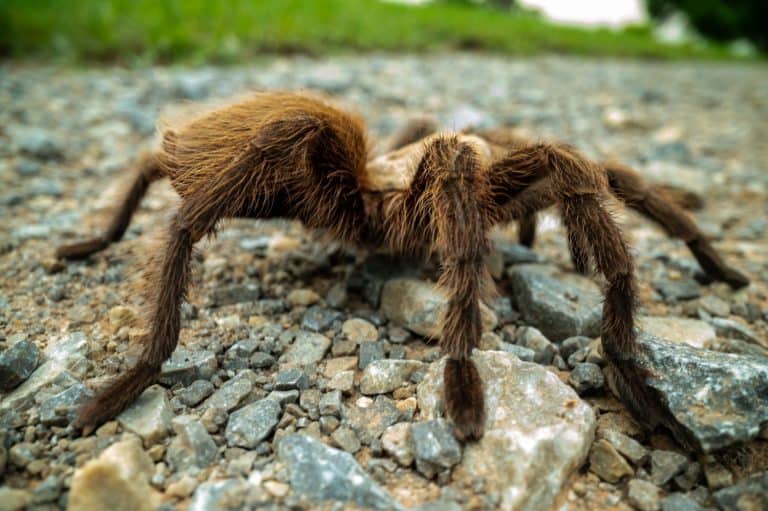
3. The Tucson Bronze Tarantula
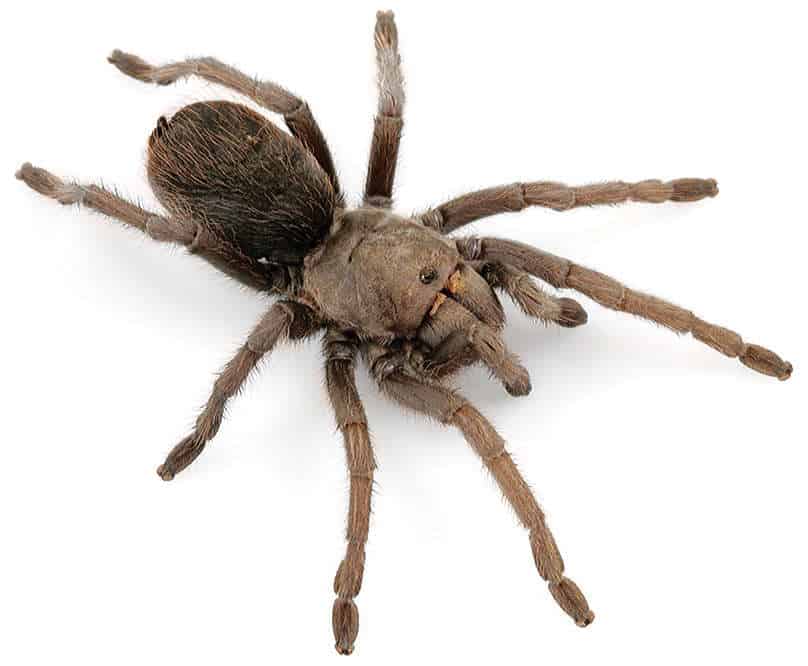
Tucson bronze tarantulas are among the largest common spiders in New Mexico.
©Chris A. Hamilton, Brent E. Hendrixson, and Jason E. Bond / CC BY 4.0 – Original / License
- Size: 1-2 inches in body length with a leg span of 3 to 5 inches
- Danger to Humans: Bites are quite rare but have been compared to a bee sting
The Tucson bronze tarantula (Aphonopelma vorhiesi) can be identified by its overall light brown or bronze coloring. Males may be darker, sometimes black in color. Markings include darker shades along the lower body and banding on the legs. These tarantulas have large, heavy bodies covered in hair and thick, stocky legs. Males are lankier and generally have longer legs than females.
This species inhabits desert and scrublands in the Southwestern United States and parts of Mexico. It is found throughout the state of New Mexico, both in the wild and as a popular pet. Like most tarantulas, the Tucson bronze tarantula is docile and largely non-aggressive. Though large and often imposing, their bites are quite rare and have been compared to a bee sting.
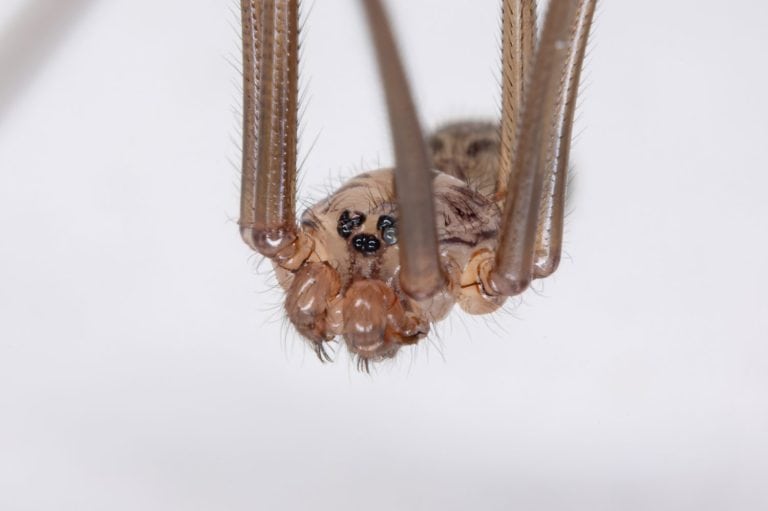
2. The Brown Recluse Spider
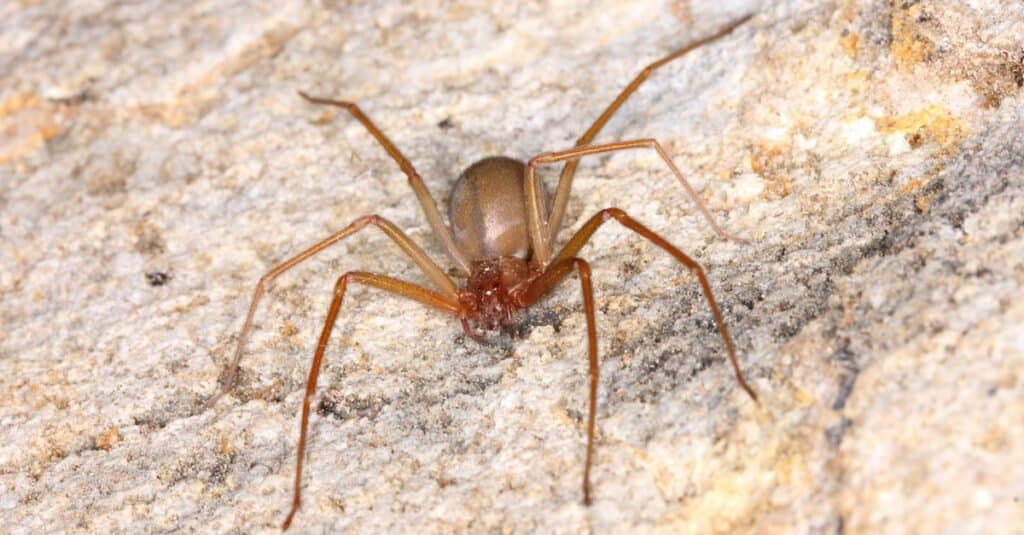
One of the most dangerous spiders in New Mexico is the brown recluse due to its tissue-destroying venom.
©Pong Wira/Shutterstock.com
- Size: 0.25 to 0.50 inches in body length with a 1-inch leg span
- Danger to Humans: Venom can cause localized pain, burning, swelling, itching, blistering, and tissue destruction; may also cause flu-like symptoms
The brown recluse (Loxosceles reclusa) may not be one of the largest spiders in the state, but it is one of the most dangerous spiders in New Mexico. It is a translucent light to dark brown spider with a distinct “violin shaped” marking on the cephalothorax. These spiders have long, thin, unbanded legs. They have only six eyes arranged in three pairs, unlike most spiders, which have eight eyes. Male brown recluses are generally smaller than females, but they can still bite. Brown recluses have loose, irregular webs that look disorganized and messy.
The brown recluse is primarily found in the eastern region of New Mexico near the Pecos River Valley and the Texas border. As its name indicates, the brown recluse is solitary but will bite if threatened. They are often found indoors in undisturbed locations like attics, basements, storage areas, and closets. The brown recluse has a painful bite and necrotic venom. If you suspect you have been bitten by a brown recluse, seek medical attention.
1. Western Black Widow Spider
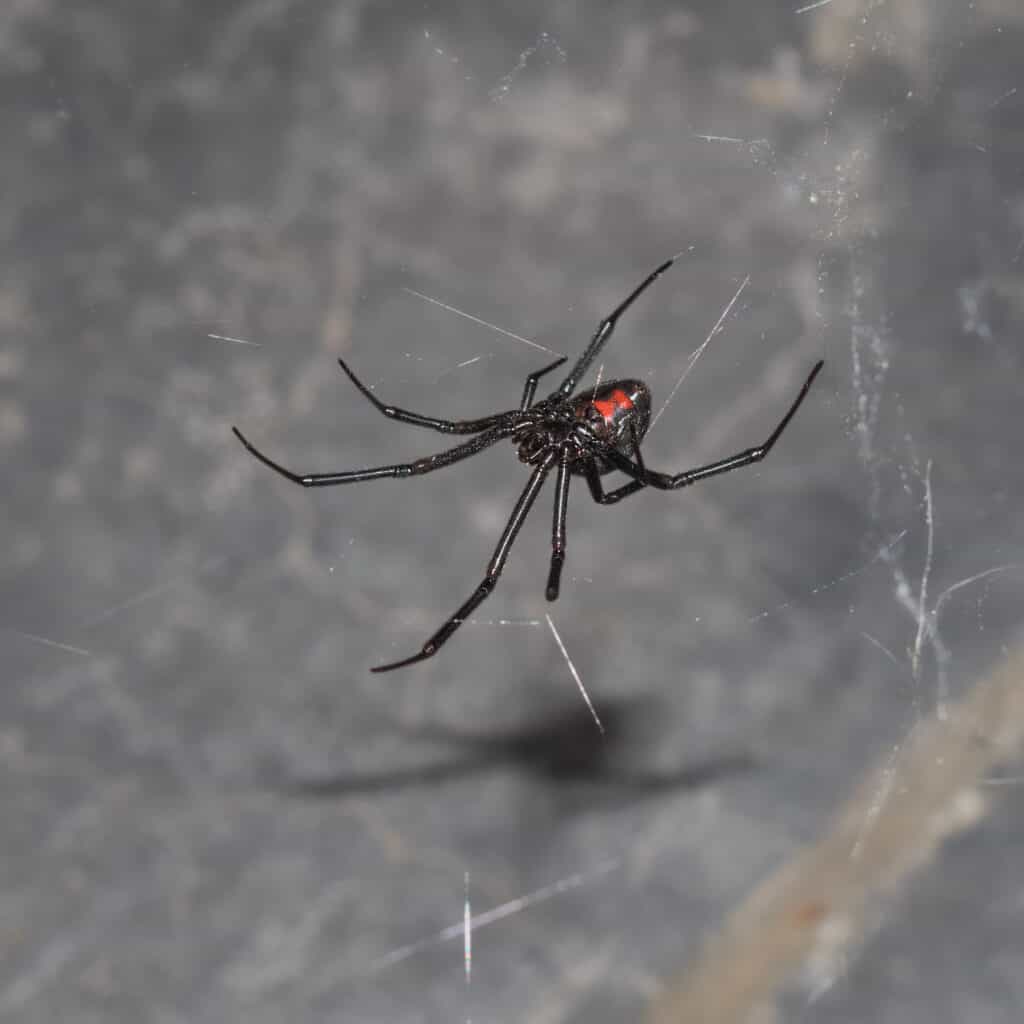
The Western black widow has potent, neurotoxic venom, making it the most dangerous spider in New Mexico.
©iStock.com/Shravan Sundaram Photography
- Size:
0.25-0.50 inches in body length with a leg span of up to 1.5 inches
- Danger to Humans: Venomous bite that can cause localized pain, redness, and swelling; may also cause muscle cramps and flu-like symptoms
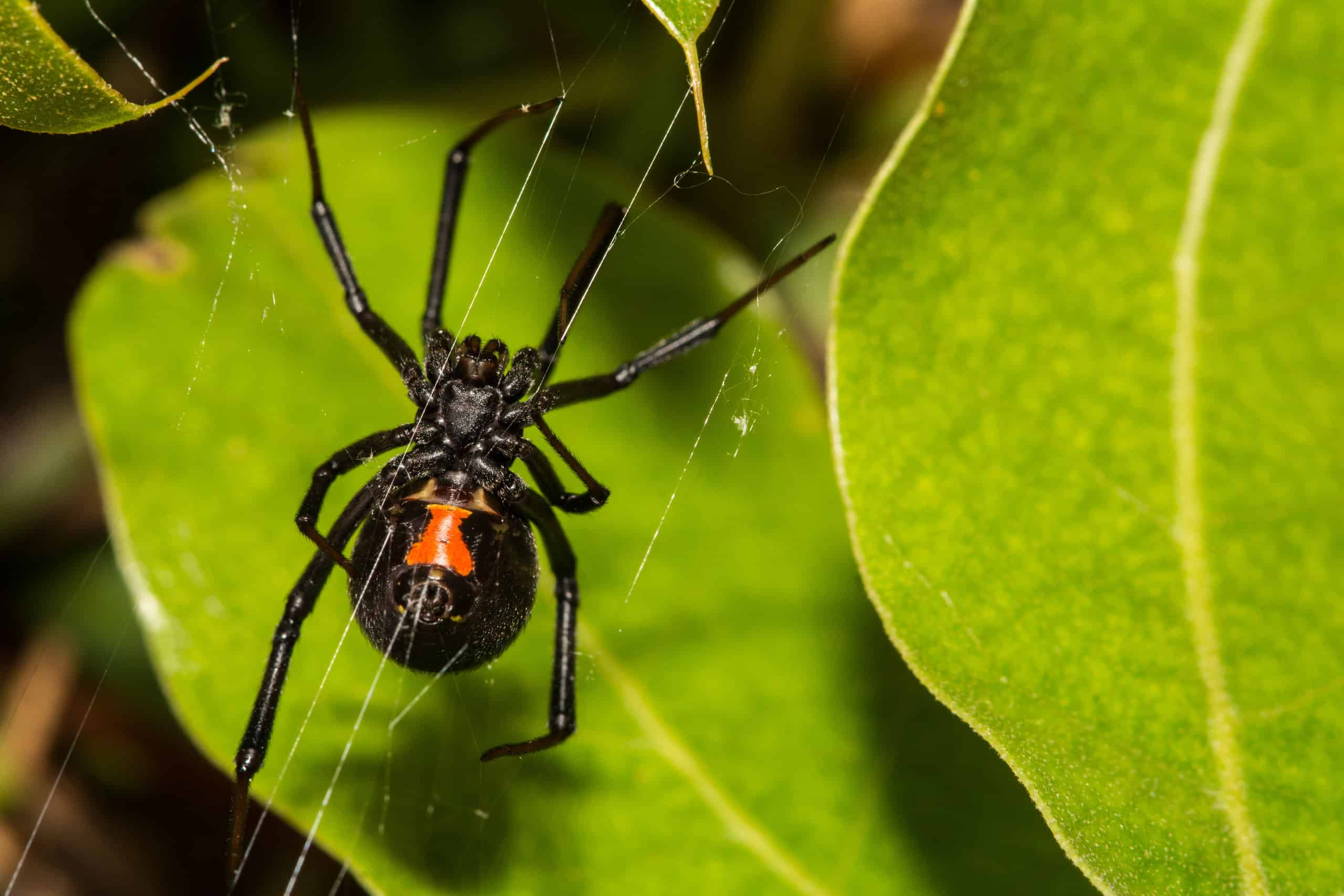
Western black widows (Latrodectus hesperus) are the most dangerous spiders in New Mexico. They are shiny, dark brown to black spiders with a red or reddish-orange hourglass shape on the underside of their abdomen. The hourglass may sometimes appear to be two separate spots or a solid band. Males are generally light brown to grey with banded legs and are about half the size of the females. The males may have red and white stripes on their sides and a red or reddish orange hourglass on the abdomen. Only females can bite. Their webs are irregular and tangled, as well as very sticky.
Western black widows are common throughout New Mexico. They tend to be reclusive and are not aggressive; they will only bite when threatened. These spiders can be found in secluded and sheltered indoor and outdoor areas. Their venom is neurotoxic. Bites are often painful and can cause redness and swelling. They may also cause muscle cramps and other flu-like symptoms. If you think you have been bitten by a black widow, seek medical attention immediately.