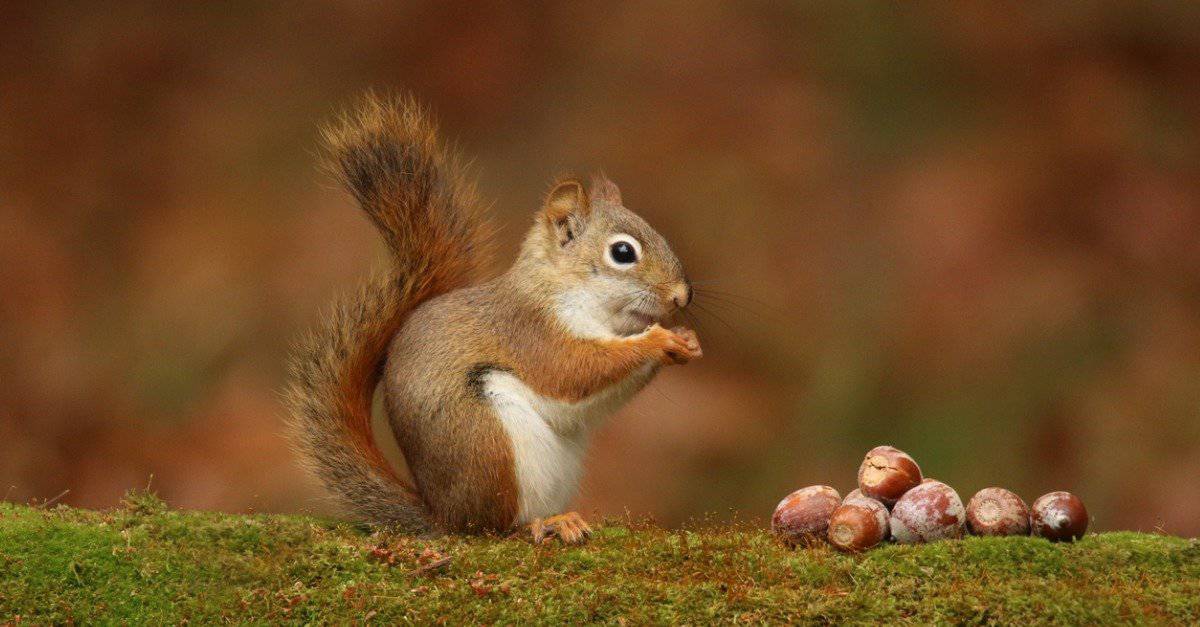

Found around the world, squirrels are a common wild rodent. These mammals are active, curious, and quick. But how long do squirrels live, and what is their life cycle like? If you’ve always wondered about these things, we have the answers here.
Today, we will discuss the average life of a squirrel, how their life cycle compares to other rodents, and how their lifespan varies from species to species. If you have always wanted to know more about these common backyard rodents, you’re in the right place!
How Long Do Squirrels Live?
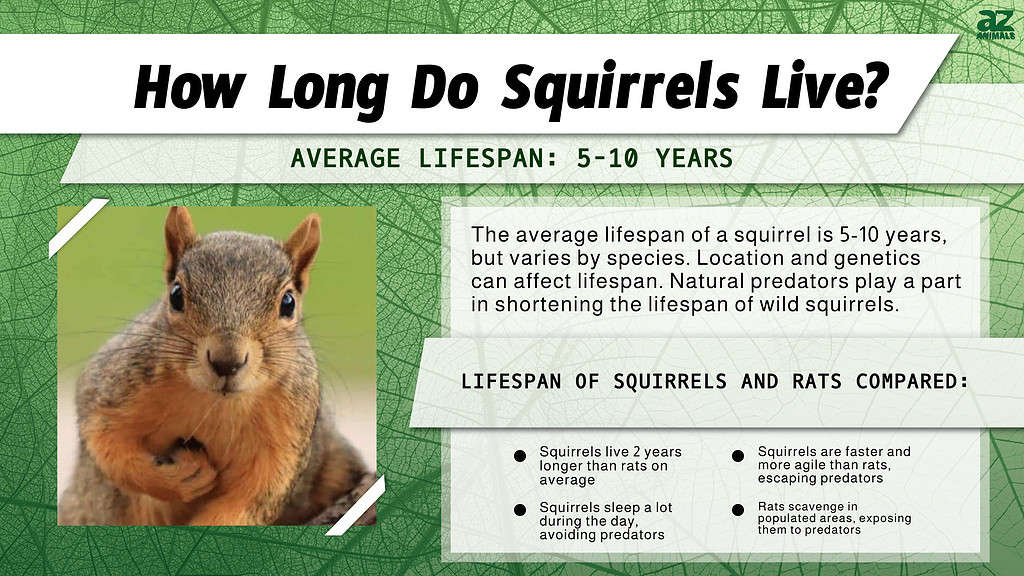
Squirrels live an average of five to 10 years in the wild. This lifespan varies greatly based on species. Why might this be? The location and genetics of certain squirrels make for a longer life, while some species can’t survive very long due to predators.
For example, ground squirrels live three years on average, while western gray squirrels live nearly ten years in the wild. Squirrels that live in captivity are also more likely to have a longer lifespan than those found in the wild.
Predators are one of the main reasons why squirrels in the wild do not live very long. From cats to snakes, squirrels are usually prey. However, this does not mean they are completely helpless. Squirrels are quick, agile, and alert. They use their heightened senses to survive year after year.
Let’s take a look at the average life cycle of squirrels around the world.
The Average Squirrel Life Cycle
No matter the species, size, or location of the squirrel, most of these rodents have a very similar life cycle. From newborns to fully grown adults, this is how a squirrel lives.
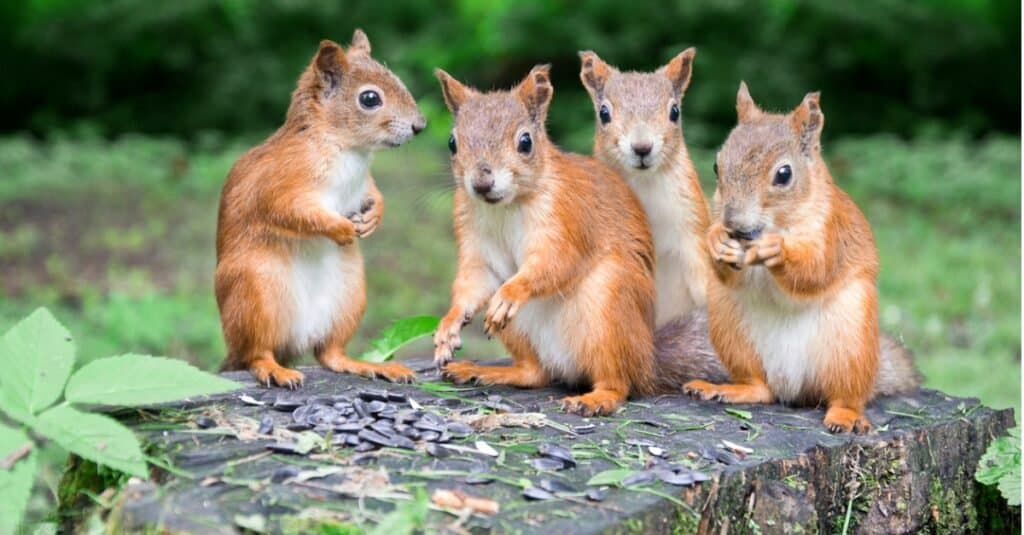
Squirrels live an average of five to 10 years. This lifespan varies greatly based on species.
©iStock.com/Tntk
Newborns
A newborn squirrel is usually born in a litter of up to 10 babies. These babies are hairless and blind until approximately one month old. They also average just an inch in length. During this first month, newborn squirrels are completely reliant on their mother for food and spend most of their time sleeping.
Even after two months, baby squirrels spend time with their mothers in their den. They can venture into the outside world on their own during this time, but tend to stick close to their family. If a squirrel is born before winter, it will stay with its mother through the entire cold season.
Winter is a difficult time for squirrels of any age, but especially newborns. Most squirrels stick to their dens during cold weather — they don’t hibernate, however. Mother squirrels keep their newborns warm at all costs, filling their den with bedding and plant matter to stay warm to survive the colder months, to ensure a chance at a full, long life for the little squirrels.
Juvenile Squirrels
An adolescent squirrel will learn how to safely live on its own, forage, and escape predators.
©iStock.com/suefeldberg
Squirrels are considered adolescents when they are 3 months to a year old. These young squirrels are active, independent, and capable of living much like their adult counterparts. This period is pivotal to the lifespan of a juvenile squirrel.
This is when a squirrel will learn how to safely live on its own, forage, and escape predators. The more it develops survival skills, the longer the squirrel will potentially survive. Squirrels are most active and playful during adolescence. While it’s entertaining to observe, this behavior can lead to a squirrel’s demise, particularly when it comes to urban areas with traffic.
This is also an important period of time for juvenile squirrels to learn how to forage and hoard their food. Squirrels have been known to hoard food and even trick other animals by burying a single nut away from their hoard to deter theft.
Adults
Adult squirrels are usually up to two feet long from nose to tail, depending on the species. They are capable rodents, known for foraging and quick movements. Depending on the specific type of squirrel, adults can live up to 10 years in the wild. However, diseases, predators, and injury are some common factors that lead to decreased quality of life for wild squirrels.
Squirrels are also similar to other rodents in that their teeth never cease growing. They need to chew on wood or other objects that wear down their teeth constantly to live comfortably. If you have a pet squirrel, it is important to get it many things to chew on.
Female squirrels carry their young for a gestation period of around a month and a half. Adult squirrels tend to mate during the warm months once they have reached maturity. Given that this happens only after a few short months, you can guess that squirrels breed often!
How Does Their Lifespan Compare to Rats?
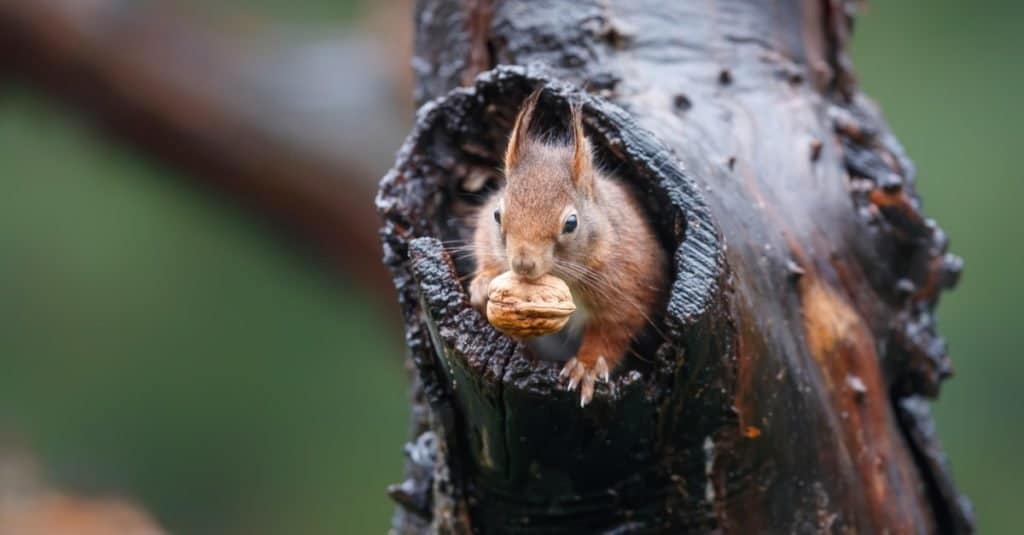
Most squirrels stick to their dens during cold weather.
©Henk Bogaard/Shutterstock.com
When comparing the lifespan of two wild rodents, you may think that squirrels and rats are similar. They face similar predators and environments, and are roughly the same size. However, how does a squirrel’s lifespan compare to a rat’s lifespan?
Squirrels live an average of three to five years longer than rats, and in some cases, even more, depending on the species. For example, the Western gray squirrel lives an average of six to 10 years longer than a wild rat.
Why might this be? It could be due to a squirrel’s genetic makeup, as they might simply be built better. Squirrels are also much faster and more agile than rats, capable of darting away from predators and running up trees more easily.
Squirrels spend a large portion of their day sleeping, which may help them avoid predators more effectively than rats. They forage and store their food as well, leaving them with ample nutrition no matter the time of year or day.
Speaking of food, squirrels are capable of finding food buried beneath dirt and snow. While rats are notorious foragers as well, they are more likely to scavenge in populated areas, leaving them more at risk of predators and humans alike.