
Quick Take
- Waxworms can chew through one of the world's least recyclable plastics, and the reason traces back to what they eat in a beehive. See the plastic science →
- Most people reach for the refrigerator to store waxworms, but that instinct can backfire in a specific way. Avoid the cold mistake →
- Waxworms don't need water to survive, and this ability is built right into their diet. Explore their diet and hydration →
- Releasing unwanted waxworms outside sounds harmless, but it carries a consequence most owners never consider. Check safe disposal tips →
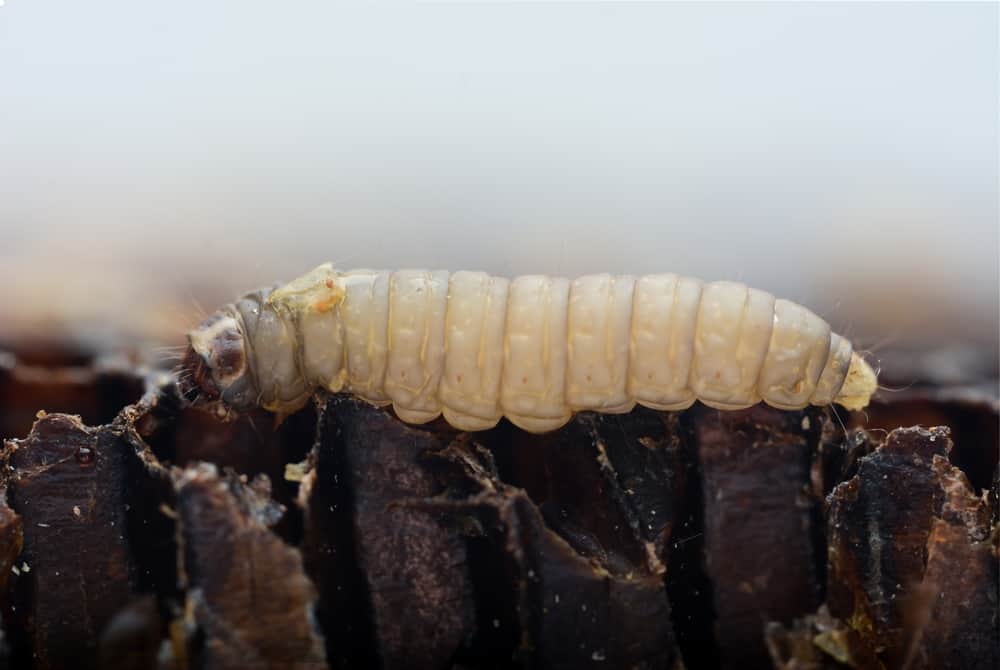
Do you need a multi-purpose feeder insect? Then you should learn how to raise waxworms. Waxworms are the caterpillar larvae of wax moths. Waxworms are primarily the caterpillars of the greater wax moth (Galleria mellonella) and the lesser wax moth (Achroia grisella). Pet reptiles, amphibians, small mammals, and even certain birds can be fed waxworms. Whether you’re looking to satiate a hungry bearded dragon or provide a meal for an adorable hedgehog, waxworms can do the trick. Waxworms belong to the Pyralidae family and live throughout the world. They aren’t expensive to purchase and are incredibly easy to care for. However, what do waxworms eat? Read on to find out.
The Waxworm Diet
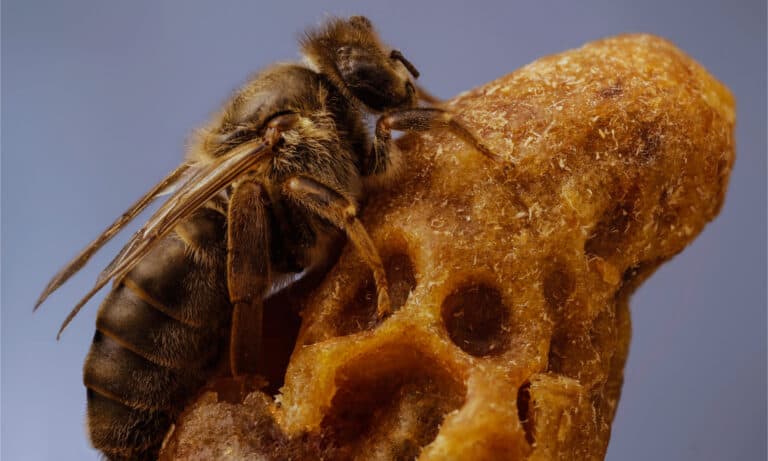
Waxworms in the wild eat honey, pollen, beeswax, shed bee skins, and cocoons. Essentially, waxworms feed on the wax that bees use to build their honeycomb. In order to reach maturity, waxworms need the protein from the brood comb. The proteins from the brood comb or brood cell debris help the larvae completely develop.
Captive waxworms often live off a diet of honey, bran, and grain cereal. Their captive diet is similar to the foods that mealworms and superworms eat. In captivity, a waxworm can go a long time without eating. They can go even longer without eating if you keep them at a cool temperature. Waxworms don’t need to drink water. The honey in their diet provides plenty of hydration.
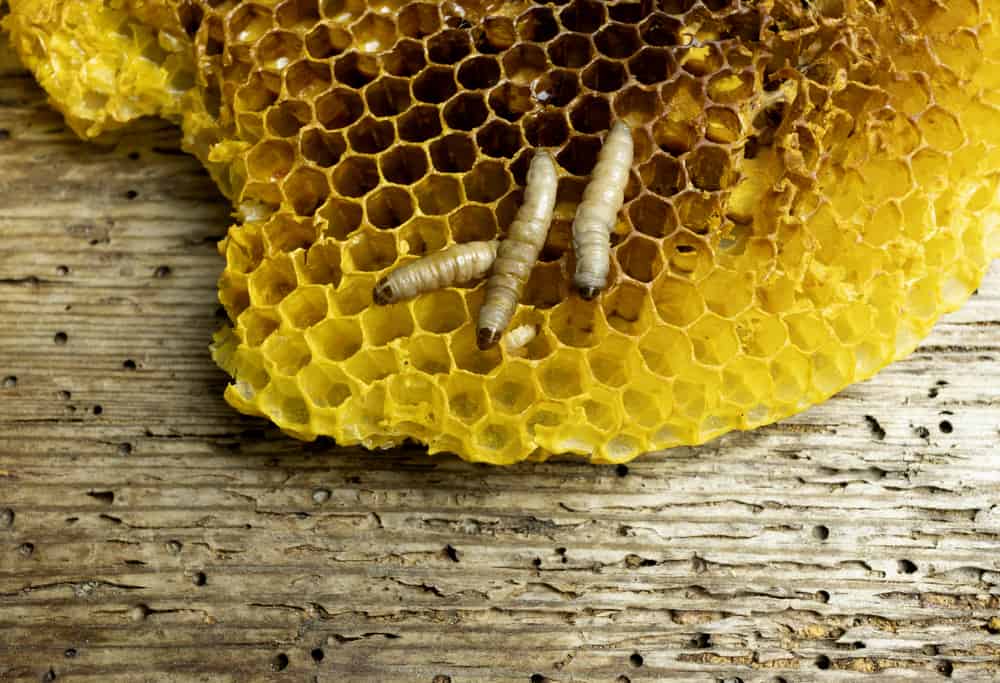
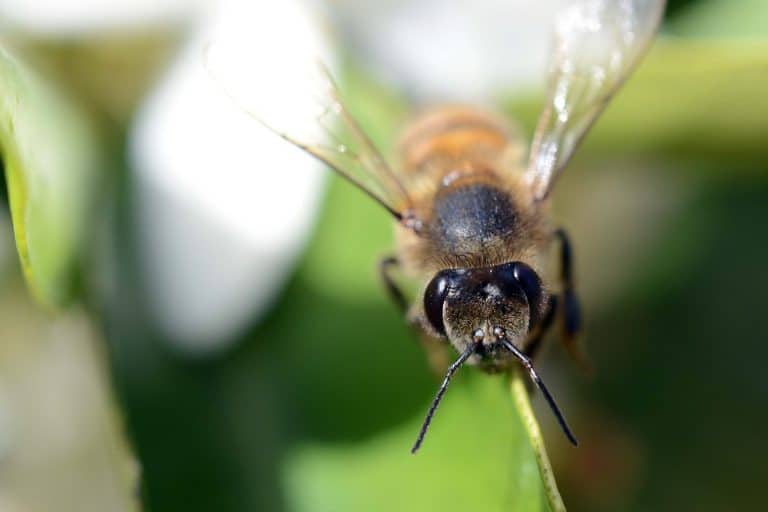
Waxworms eat the honey, pollen, beeswax, shed bee skins, and cocoons found in honeycomb.
©Sendo Serra/Shutterstock.com
How to Care for Waxworms
It’s crucial to ensure your waxworms remain healthy so you can feed the best meal possible to your pets. Read on to find out how to house your waxworms so they remain dormant until you are ready to use them as feeders.
Housing and Bedding
You can store waxworms in the same container you receive them in. If you decide to transfer them to a new container, you’ll need a plastic tub with a secure cover. For ventilation, punch small holes in the container. You could also create a window with a mesh opening secured with hot glue. Good ventilation is a must since waxworms require low humidity. To keep them dormant, add 1 to 1.5 inches of plain wheat bran, sawdust, or plain pine shavings to the container for bedding.
If the waxworms turn into wax moths, ensure you keep the container covered at all times. Allowing the moths to fly throughout your home could cause an infestation. Also, never release waxworms into the wild, as they can harm the native environment. If you must dispose of some, put them in a zipper lock bag or plastic container. Freeze the waxworms for at least 24 hours, and then dispose of the bag or container in the trash.
Keeping Your Waxworms Dormant
Waxworms must be kept at a cool temperature of around 55° to 60°F. The cool temperatures help the waxworms remain dormant for as long as eight weeks. They only last about 1 to 2 weeks at normal room temperature before they begin to make cocoons for their transformation into wax moths.
You should avoid storing your waxworms in a refrigerator since it’ll be too cold for them. If you must use the refrigerator, keep the worms in the refrigerator door, as the door tends to be a bit warmer. If you have a wine cooler, that can also be the perfect place for storing waxworms.
It’s also important to keep these worms at low humidity. If the bedding feels moist at any time, replace it with dry bedding immediately. However, even when you provide the ideal environment, some waxworms will die. It’s essential to remove the dead waxworms every day. The dead worms will be easy to spot since they usually turn black.
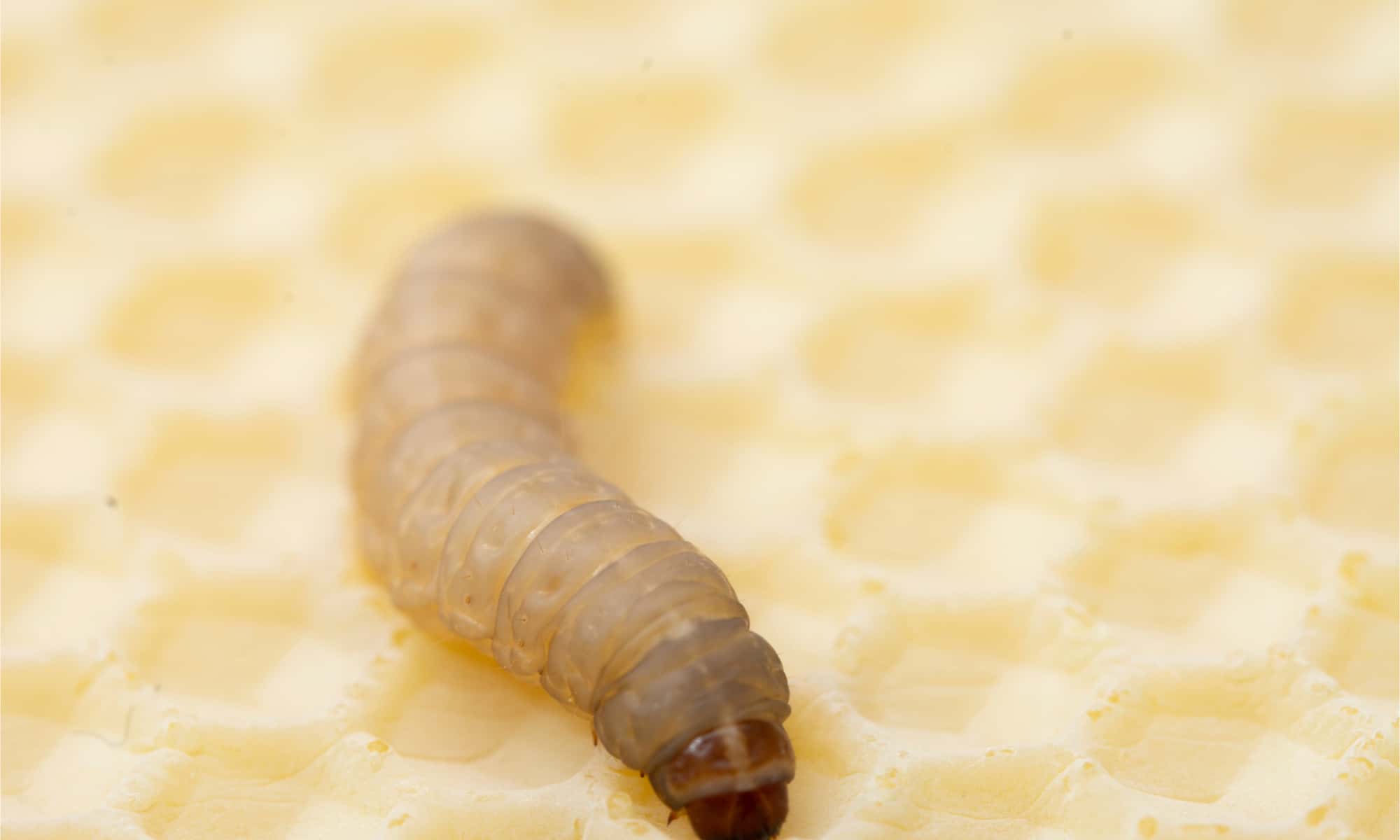
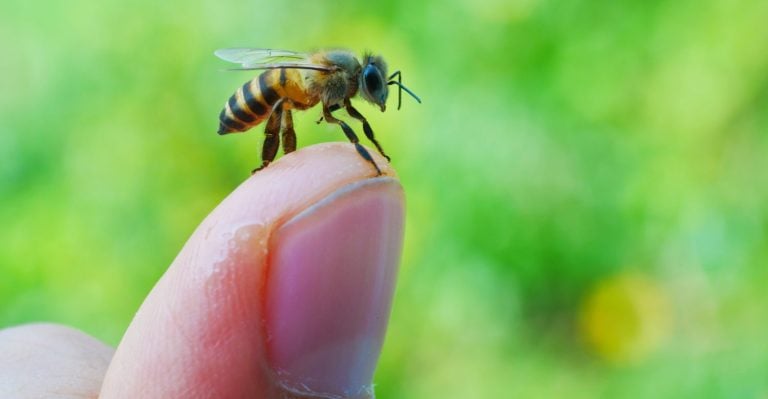
Waxworms make great feeder insects.
©murat photographer/Shutterstock.com
Feeding Your Waxworms
Whether you want to breed your waxworms or simply help them develop, ensure you have the right type of food available in their enclosure so they get all the nutrients they need. If you want to make your own food for your waxworms, then some of the best ingredients are:
- Wheat cereal
- Barley baby cereal
- Oats cereal
- Liquid glycerin
- Honey
- Multivitamin powder
- Calcium powder
Baby cereals are a great choice for your waxworms. After picking a cereal, add enough honey to make the mixture moist. Add a little liquid glycerin to moisten the mixture further. The mixture should be able to form a ball without being too wet.
Add in a tiny amount of vitamin powder and calcium in equal quantities. However, be careful not to add too much, as less is more when it comes to supplements. The liquid glycerin will help keep the food from drying out too fast. Your waxworms will be able to get all the water and nutrients they need from this honey-filled food mixture.
Can Waxworms Eat Plastic?
Every year, the world produces millions of tons of plastic. A lot of this plastic is polluting our planet rather than being recycled. Surprisingly, waxworms can eat plastic. This raises the question: could these larvae help save our planet?
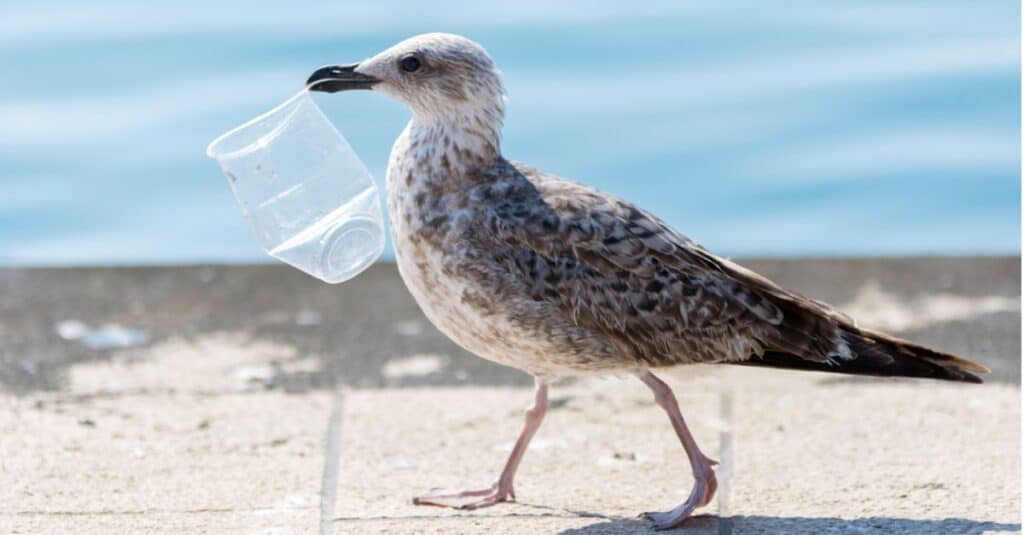
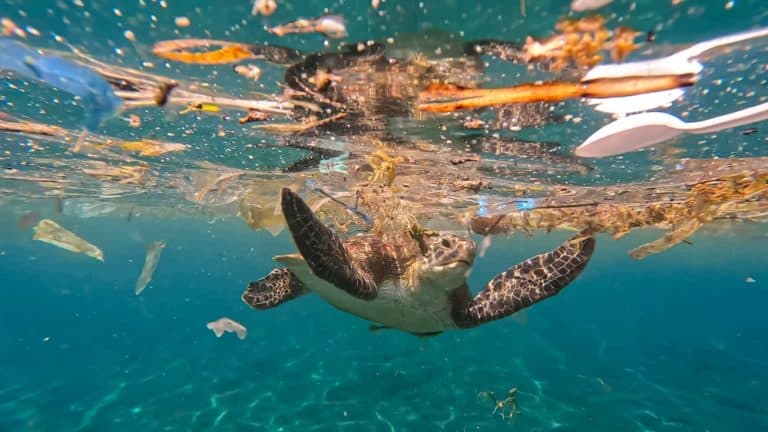
Waxworm saliva can break down plastic, which could aid in reducing plastic pollution.
©iStock.com/Robert Pleško
Waxworms can chew through plastic rapidly. Both beeswax and plastic are polymers that have similar chemical bonds. Similar to how they break down beeswax, they can break down all sorts of plastic materials. Researchers have found that waxworm saliva contains enzymes that break these chemical bonds. Polyethylene (PE) is one of the most problematic plastics, and it isn’t biodegradable. However, researchers have discovered that waxworms can chew through PE with ease.
Unfortunately, plastic doesn’t provide enough nutrition for the worms to live on, so they can only survive a few days on an all-plastic diet. However, researchers are working on a food supplement or nutrient spray so the worms can stay healthy as they consume plastic waste.