
Quick Take
- A virus that originated in Africa in 1921 is now erasing entire pig species from Asia, and it took less than a decade to get there. Trace ASF's spread →
- When wild pigs vanish, tigers, leopards, and entire villages vanish too, setting off a chain reaction that few people see coming. See the chain reaction →
- Scientists have a specific 8-step plan to stop the extinction, and the lead researcher says one factor makes it succeed or fail entirely. Explore the 8-step plan →
- Half of Asia's endemic wild pig species are already facing extinction, and the other half haven't even been counted yet. See which species are at risk →
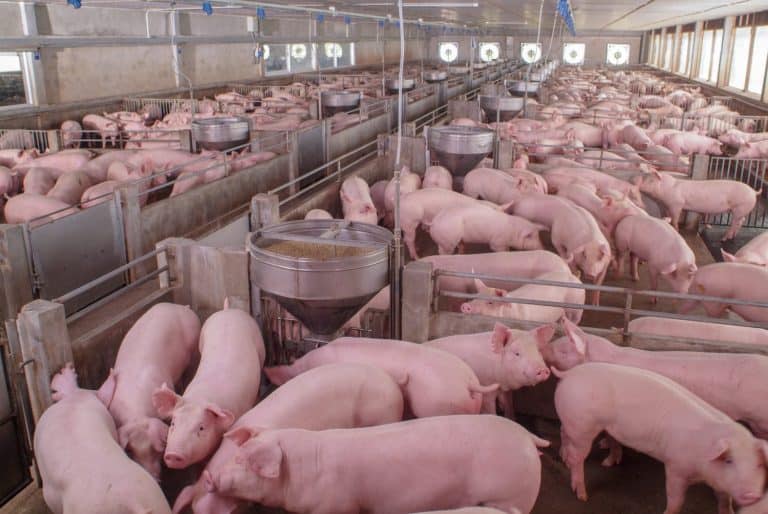
Asia is home to nearly 60% of the world’s pig population. However, with pigs under attack, particularly the 12 endemic species in the region, the animals are in great need of intervention. A virus called African swine fever could push Asia’s unique wild pigs toward extinction. The disease has a near-perfect kill rate and there is no vaccine to combat it.
12 Species of Asian Wild Pigs May Go Extinct from African Swine Fever
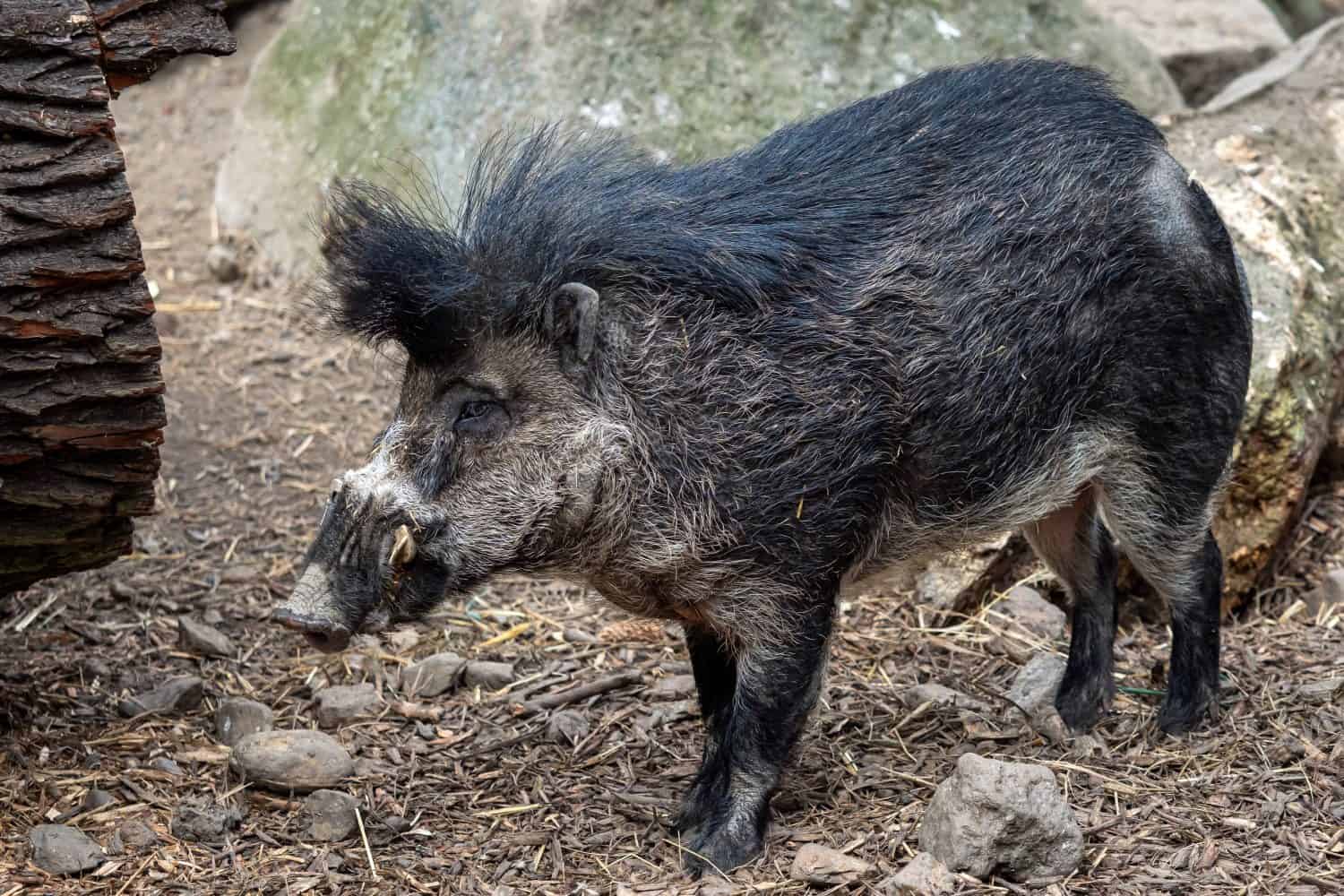
Asia’s wild pig population is moving toward extinction. Of the 12 species of wild pigs native to the continent, half are critically endangered or endangered. The other six lack recent population counts. However, based on how the Javan warty pig, the Sunda warty pig, the Visayan warty pig, and the Bornean warty pig are faring, it is believed the other populations are suffering as well.
A new study published in Nature Reviews Biodiversity identifies African swine fever as a major driver of wild pig deaths, contributing to biodiversity loss in Asia. The virus, which has been in Asia for less than a decade, has crippled the pork industry. Losses are estimated at $130 million to $190 million. More concerning, the loss of pigs has severely affected ecosystem health, other wildlife, and even communities.
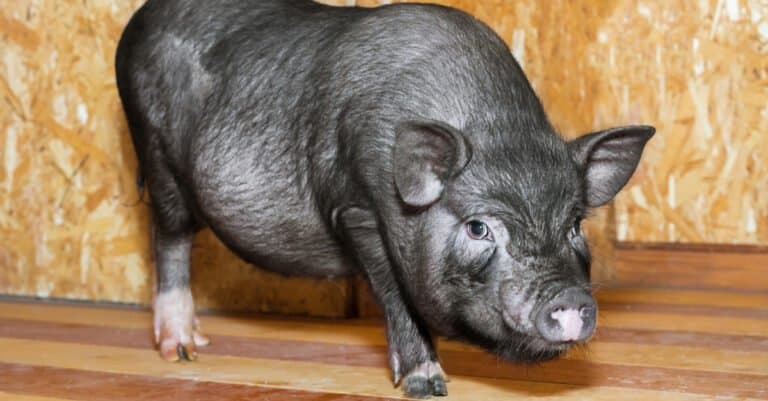
Wild pigs in Asia have been dying in large numbers, decreasing biodiversity due to ASF.
©Mark Spokes/Shutterstock.com
When wild pigs develop African swine fever (ASF) it is a death sentence. In regions where the virus has never been detected, wild pigs have never developed any immunity to it. Therefore, it is nearly 100% fatal for all who contract it.
Because of how deadly ASF is, many fear that it may wipe out all 12 species of wild pig in Asia. The authors of the study are pushing for conservationists to follow an eight-step roadmap in an attempt to stop the spread of ASF and save the remaining pig populations that have managed to remain virus-free.
Scientists Have Developed an 8-Step Conservation Program to Save the Wild Pigs
The study notes an eight-step conservation roadmap designed to help protect wild pigs from extinction. However, if it is to be successful, according to the study’s lead author and WCS Technical Director, Dr. Matthew Linkie, the time to act is now.
“Asian wild pigs are disappearing at a pace few people realize…,” Dr. Linke explained to WCS Newsroom. “I can’t think of another threat that has pushed an entire group of mammals toward extinction this quickly. Protecting these species isn’t simply about preventing extinctions, it’s about safeguarding the ecological processes that sustain forests, wildlife, and the communities that depend on them.”
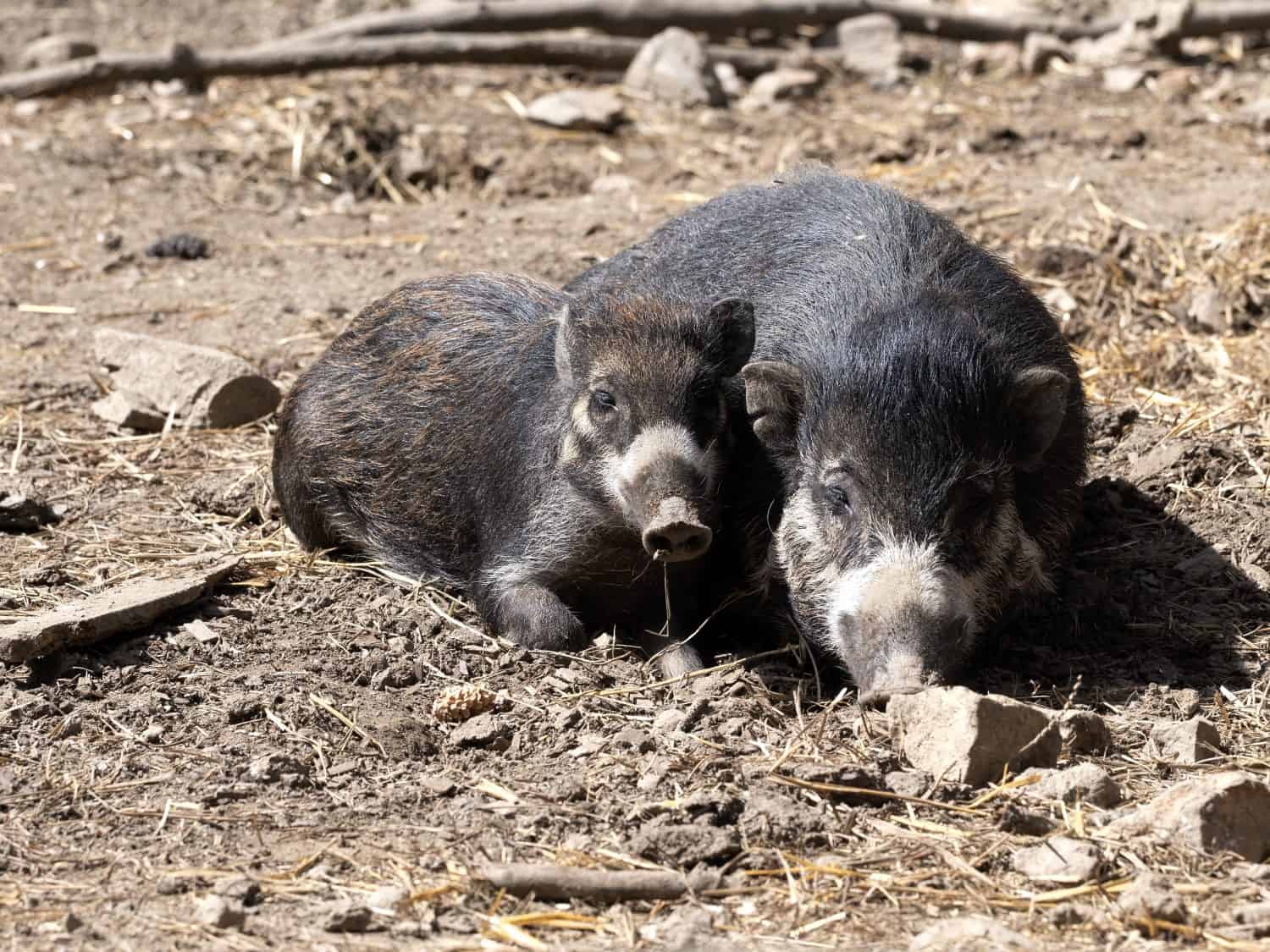
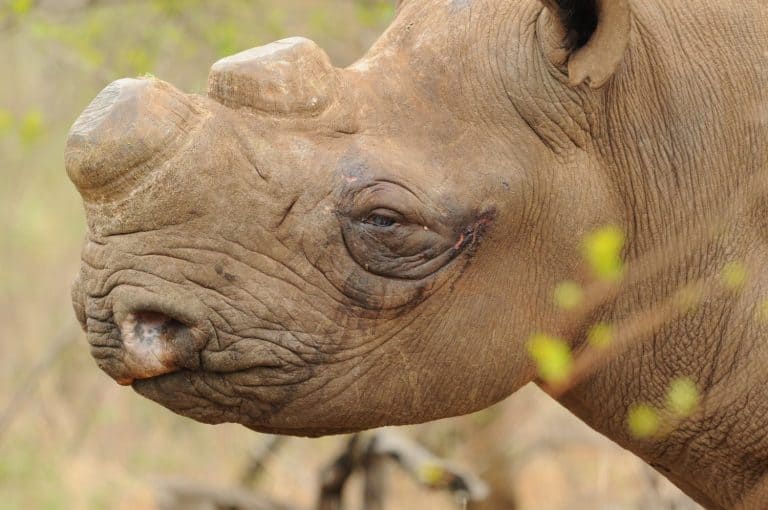
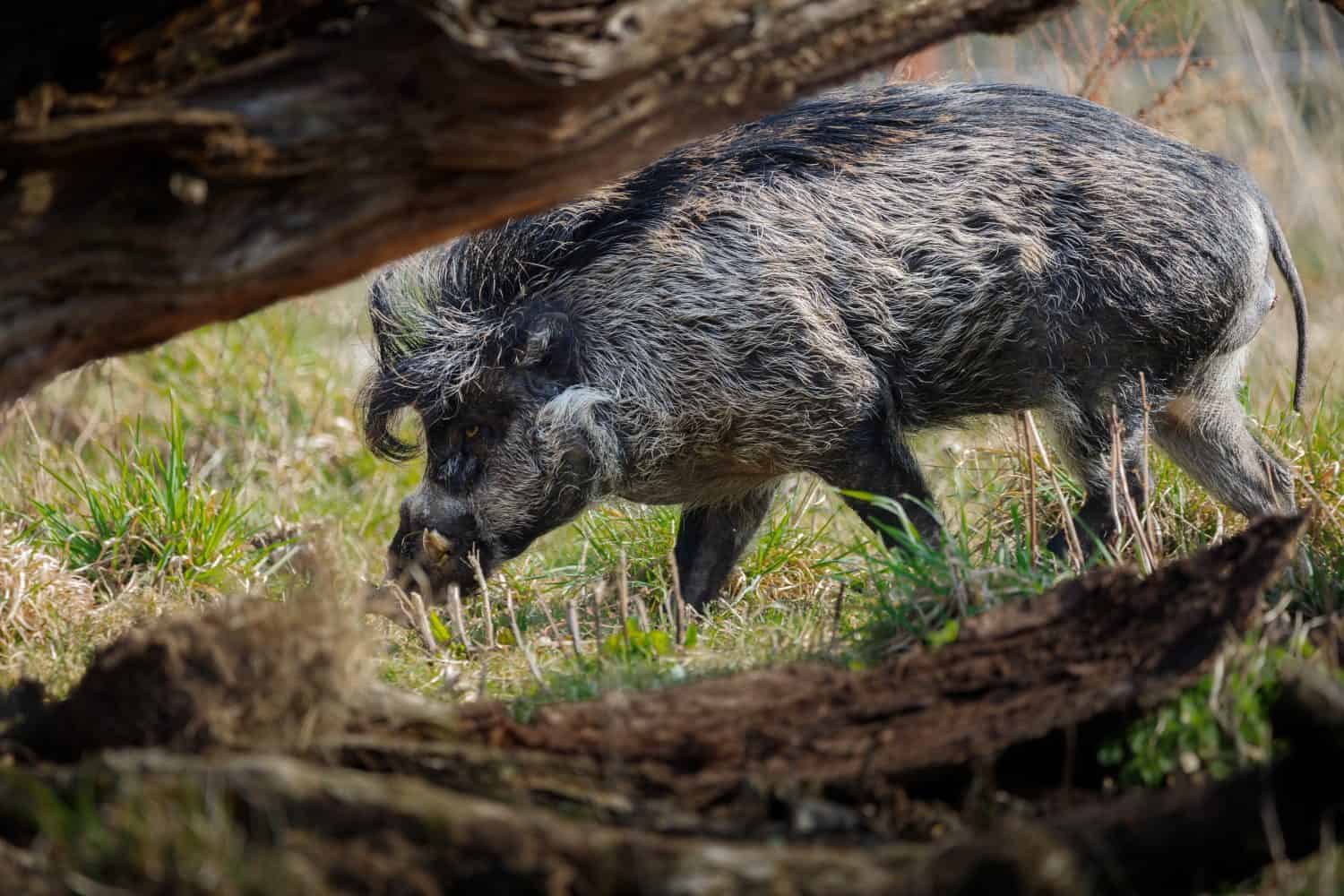
Researchers have developed an 8-step plan to tackle ASF head-on, in an attempt to keep wild pigs in Asia from going extinct.
©Vladislav T. Jirousek/Shutterstock.com
The eight-step roadmap is as follows:
- Action 1: Update the IUCN Red List and Green List assessments to reflect the current status of all 12 wild pig species. Currently, the status is unknown for six of the pig species, while five are critically endangered and one is classified as endangered.
- Action 2: Strengthen pig conservation in natural habitats to reduce the number of pigs killed. This means temporary hunting bans on wild pigs, preventing habitat loss to increase space between pigs and reduce the spread, and clearing habitats of dead pigs that might be infected with ASF.
- Action 3: Create ASF detection and early warning systems to stop infections from only being recognized after massive declines in local wild pig populations.
- Action 4: Avoid interaction between wild pigs and domesticated pigs to limit the spread of ASF.
- Action 5: Continue progress on ASF vaccines. Since vaccines are not currently available, effort and energy must go into developing one.
- Action 6: Rapidly expand breeding programs for the most threatened wild pigs, such as the Bawean warty pig, Mindoro warty pig, and Palawan bearded pig.
- Action 7: Classify ASF not only as a viral infection but also as a food security and biodiversity crisis. Tailor communication across cultures and religions to motivate everyone to help save wild pigs, regardless of the role the pigs play in their culture or religion.
- Action 8: Create an ASF-Wildlife Emergency Fund to combat fast-moving outbreaks as they occur. Resources should be available to “conservation agencies, veterinary authorities, and research institutions” as needed.
With time running out for Asia’s wild pig species, implementation of these action steps is necessary now. If the proper steps aren’t taken, the likelihood of all 12 wild pig species escaping the ASF outbreak is highly improbable.
When Did African Swine Fever First Develop in Asia?
African swine fever, as the name suggests, did not start in Asia. Researchers first noted the virus in Africa, specifically in Kenya, in 1921. For decades, ASF remained confined to the continent. However, that changed in the 1950s, when the virus first spread to Europe.
Once ASF crossed Africa’s borders, it spread in every country it touched. During the latter half of the 1900s and into the early 2000s, Asia was still not affected by ASF. Wild and domestic pigs were healthy. But this was not last.
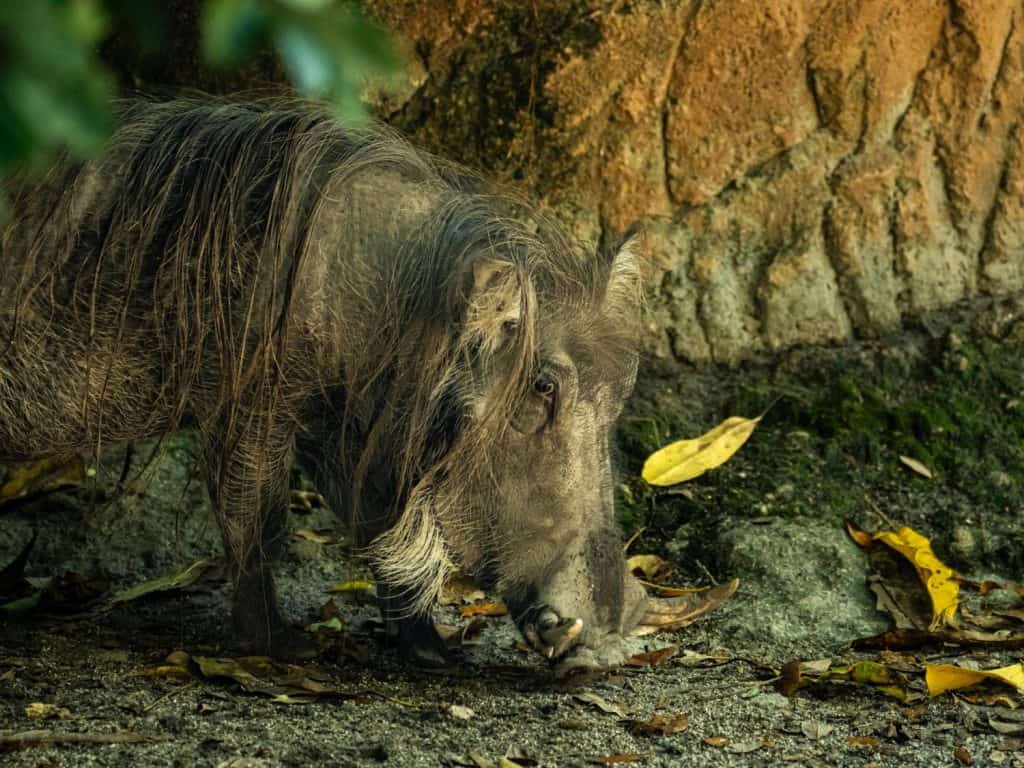
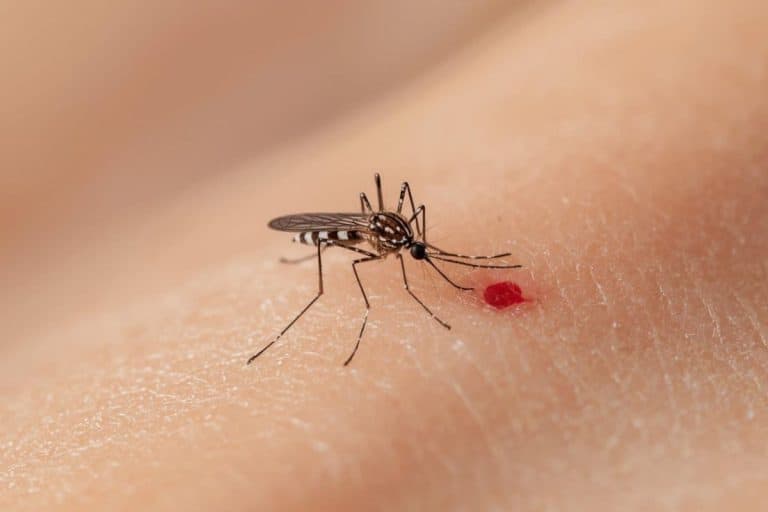
ASF first came to Asia in 2018, when cases were reported in China.
©Ancient Aftertone/Shutterstock.com
In 2018, China became the first country in Asia to have cases of ASF. From there, the virus spread. By 2023, 19 Asian countries and territories reported cases of ASF. The virus spread so quickly because it is both adaptable and resilient.
With no vaccine for the virus, every infected pig has a near-100% fatality rate. This means that without intervention, there is no stopping the spread of ASF, leaving wild and domestic pigs dying in large numbers.
What Are the Consequences if Asia’s Wild Pigs Go Extinct?
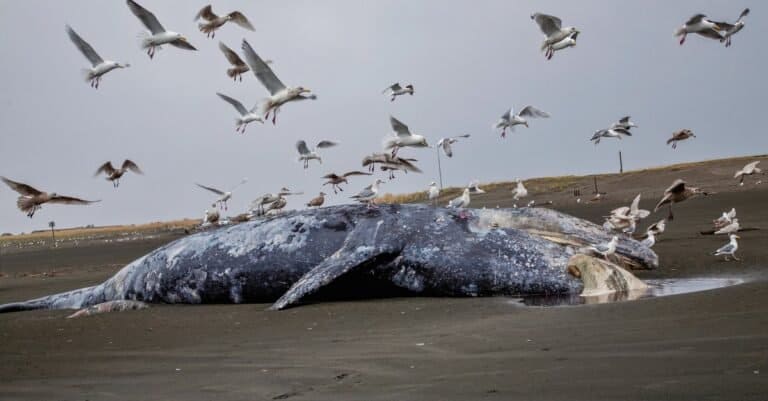
With ASF decimating Asia’s endemic wild pig population at a rapid pace, the losses are already being felt. If the wild pigs go extinct, which is a very real possibility at this point, the aftermath for people and animals alike will be disastrous.
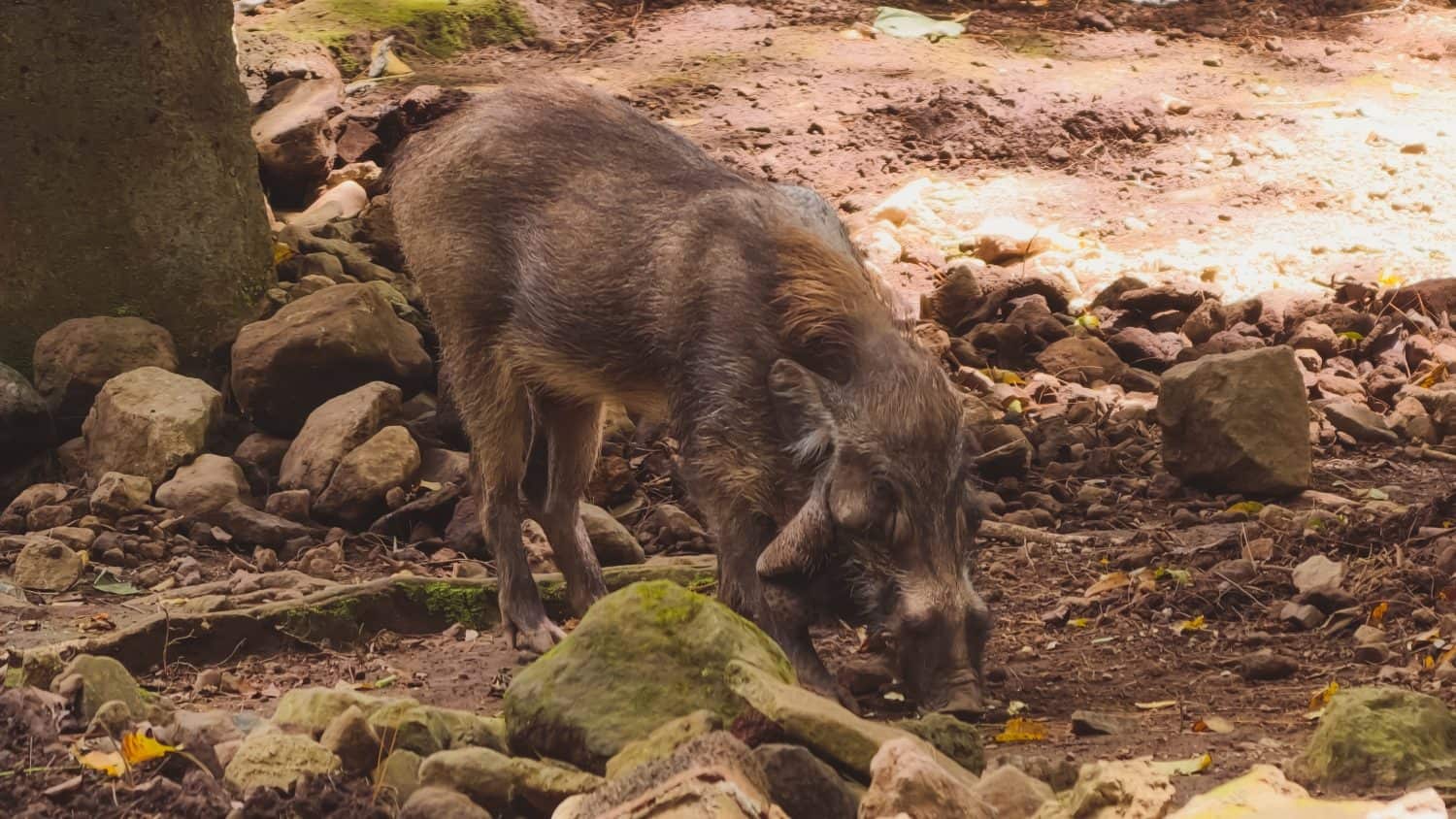
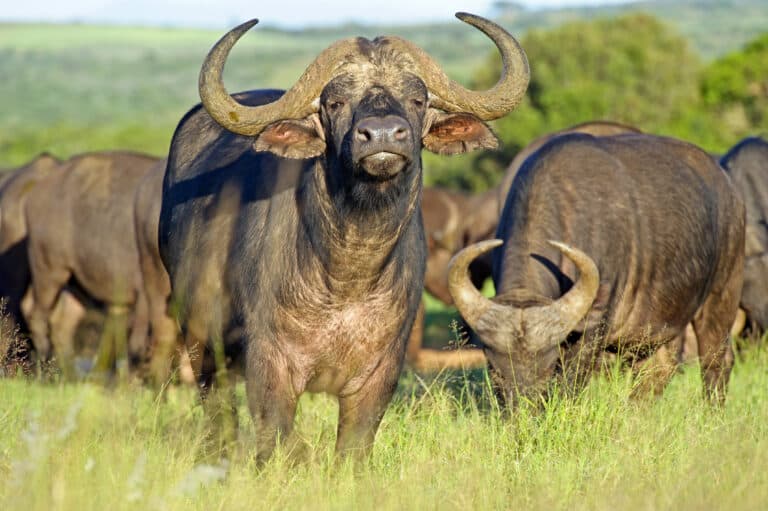
If wild pigs go extinct in Asia, ecosystems, apex predators, and even villages will disappear.
©Aiolhoz/Shutterstock.com
If Asia’s 12 endemic wild pig species go extinct, the following fallout will occur:
- Ecosystem engineers disappear: Forests will regenerate more slowly, and diversity will decline without the pigs tilling the soil and dispersing seeds.
- Apex predator prey disappears: Predators like tigers and leopards depend on wild pigs as prey. Without this food source, these wildcat populations will decline as well.
- Communities become malnourished and poverty-stricken: Wild pigs make up a large percentage of many villages’ protein source. In Southeast Asia alone, wild pigs made up more than 80% of wildlife hunted for sustenance. Locals will struggle, leading them to target other threatened animals.
- Full extinction: Asia’s wild pigs are found nowhere else on Earth. Consequently, the region’s diversity would be diminished greatly.
Asia’s wild pig population is in a dire state. The hope is that by acting now, the tide can be turned. The devastation that ASF has caused can be reversed, and the wild pigs that Asia is known for can rebound in population, but action must be taken now.