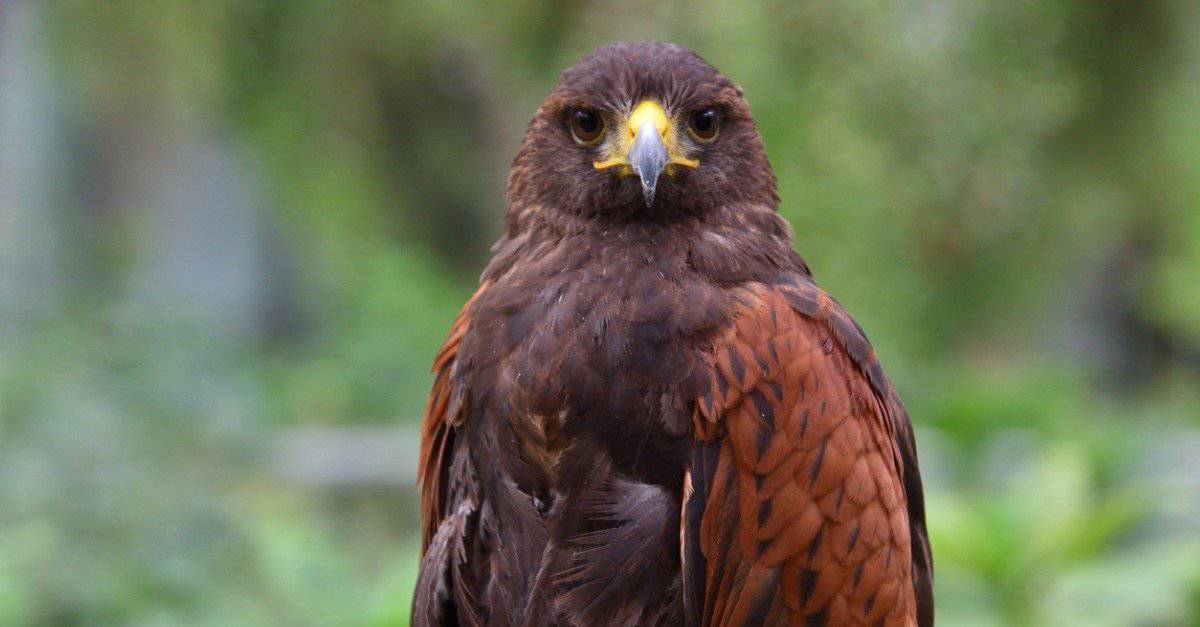

The Harris hawk is an amazing hunter with unique adaptations that make it one of the best hunters in the desert. With their social hunting strategies and ability to perch on cacti, Harris hawks are fearsome predators. This YouTube Short posted by @TashaDehaes shows the Harris hawk hunting in action. Read here to learn more about the Harris hawk and its amazing hunting skills.
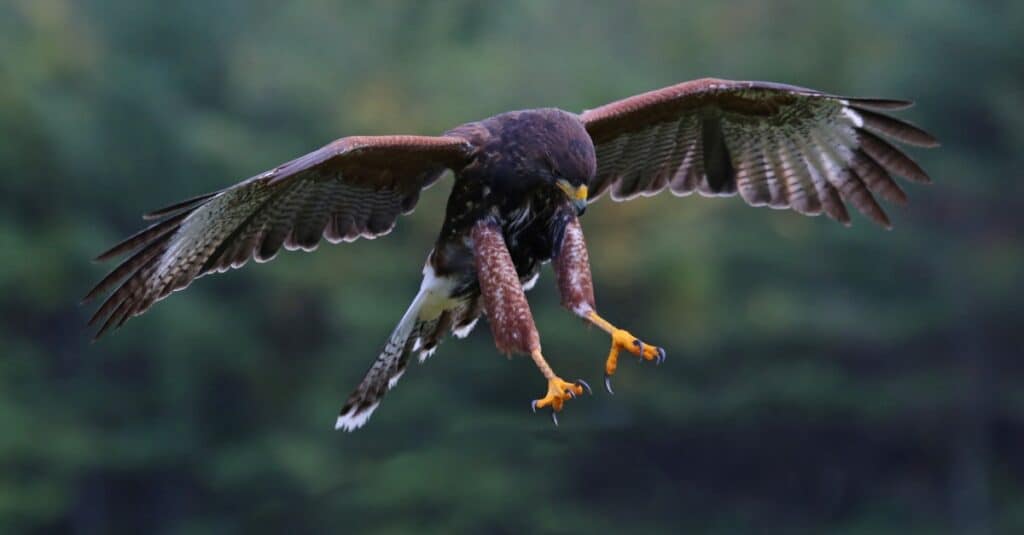
Harris hawks have strong claws.
©iStock.com/ca2hill
How Do Harris Hawks Hunt?
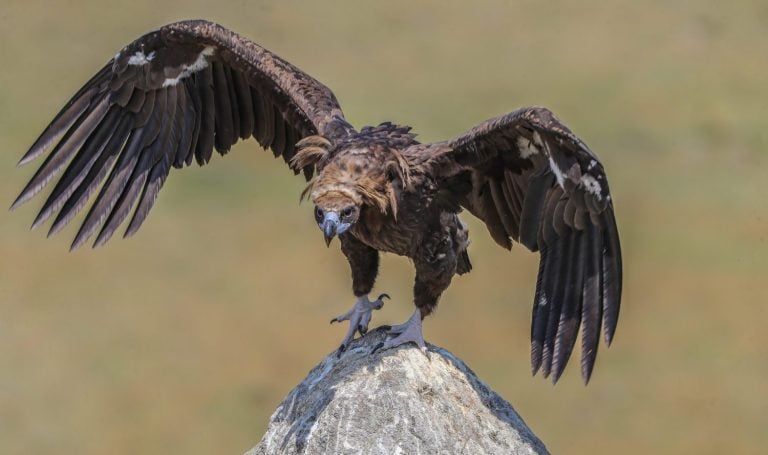
Harris hawks are famous birds of prey for their unique adaptations that make them excellent hunters. One of the difficulties of being a bird of prey in the desert is not being able to perch on cacti. This lack of visual advantage led the Harris hawk to adapt over time, now being able to perch on the sharp and spiky thorns of cacti. This elevated perch gives them a great view of their prey, helping them in their hunt. They are able to stand on these plants only because of their specialized claws. Their claws are thick and scaly, which helps provide a layer of protection from the rough surface. Their scales are made of keratin, which is stronger than human skin, shielding the claws from punctures.
Even though they have strong claws, the hawks are also extremely intelligent. They are aware of the sensitive surfaces that they stand on and distribute their weight effectively. Using their talons, they spread their weight across the top of the cactus and its thorns. This is similar to lying on a bed of nails, where distributing your body weight prevents any single nail from puncturing the skin.
Other Adaptations
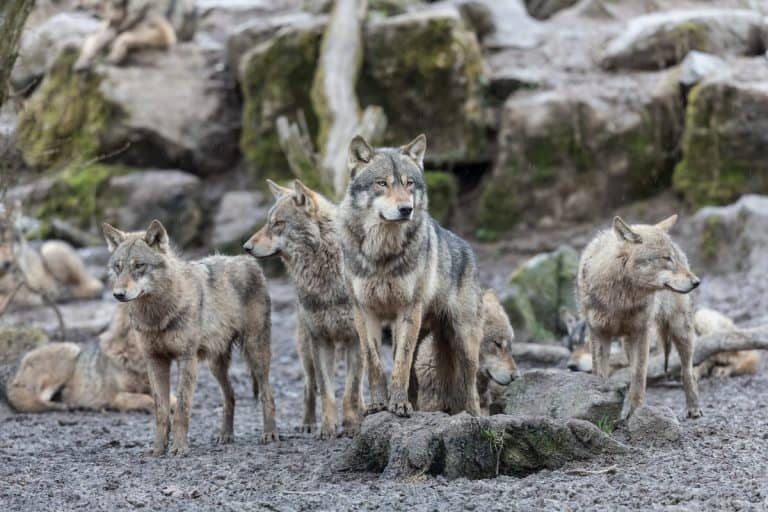
Harris hawks are not just great hunters for their claws, but for many other reasons as well. One of these amazing reasons is their social behavior. While they are not the only birds of prey that hunt in groups, Harris hawks are among the most consistent social hunters in the raptor world. Gathering in groups of around six to seven birds, the hawks rely on each other to catch prey. Each hawk takes on a different role, such as flushing out prey while another ambushes it. By hunting in a large group, the hawks can tire out their prey by taking turns in the chase. Each hawk will chase the prey in turns, helping to conserve their own energy. This makes the Harris hawk one of the most remarkable social hunters among birds of prey!