
Quick Take
- Scientists are turning to everyday people to help sort through an overwhelming number of wildlife images. Why human eyes matter →
- A few spare minutes could put your eyes on a Florida panther and directly shape a real conservation decision. Start classifying today →
- Even in the age of AI, human eyes remain an important tool for wildlife conservation and research. See the volunteer results →
- From black bears to Florida panthers, volunteers never know which animal might appear in the next photo. See what cameras captured →
Even as AI becomes more common in research, real people are still needed in wildlife research. Florida is asking for the public’s help in identifying trail camera photos across over 6 million acres of public land. Thousands of cameras capture millions of wildlife images every year, featuring animals ranging from bobcats and wading birds to alligators and armadillos. Biologists and land managers use this data to monitor wildlife populations and make real-world decisions on conservation issues. The best part? You can participate even if you only have a few minutes to spare each day.
The Challenge of Six Million Acres
The Florida Fish and Wildlife Conservation Commission (FWC) manages over 6 million acres of public land throughout the state. These lands encompass a wide variety of habitats, including pine flatwoods, savannahs, freshwater and saltwater marshes, swamps, dry plains, prairies, and coastal areas—making them some of the most diverse ecosystems in the country. Florida is home to over 4,000 identified animal species and ranks fifth among U.S. states for endemic species, such as the Florida panther.
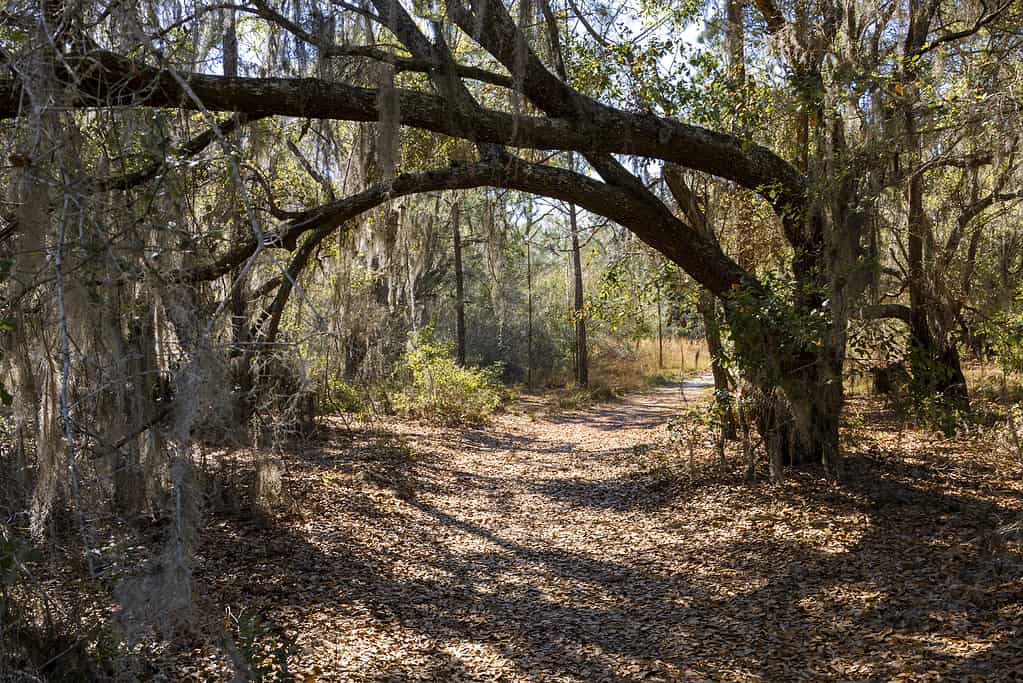
The Florida Fish and Wildlife Conservation Commission (FWC) has trail cameras placed around the state to observe wildlife within its 6 million acres of diverse habitats.
©John Twynam/iStock via Getty Images
Trail cameras are invaluable to scientists and conservationists for capturing candid animal behavior without any human disturbance. According to a statement from the FWC, “The classifications submitted by volunteers help biologists and land managers monitor wildlife populations, track ecosystem health and guide conservation and management decisions statewide.”
While it’s easy to collect the data, sorting and classifying millions of images is not an easy task, nor a fast one. The sheer number of images produced each day would be impossible for a handful of scientists to sort through. This is why the FWC is asking volunteers for help.
From Bobcats to Bears: What You’ll See on Screen
The exciting thing about this project is seeing species you may not encounter in your everyday life. The trail cameras are distributed throughout Florida and are sometimes placed deep within wilderness areas. You may encounter species not typically found in your own backyard or witness animal behaviors that are rarely observed by people.
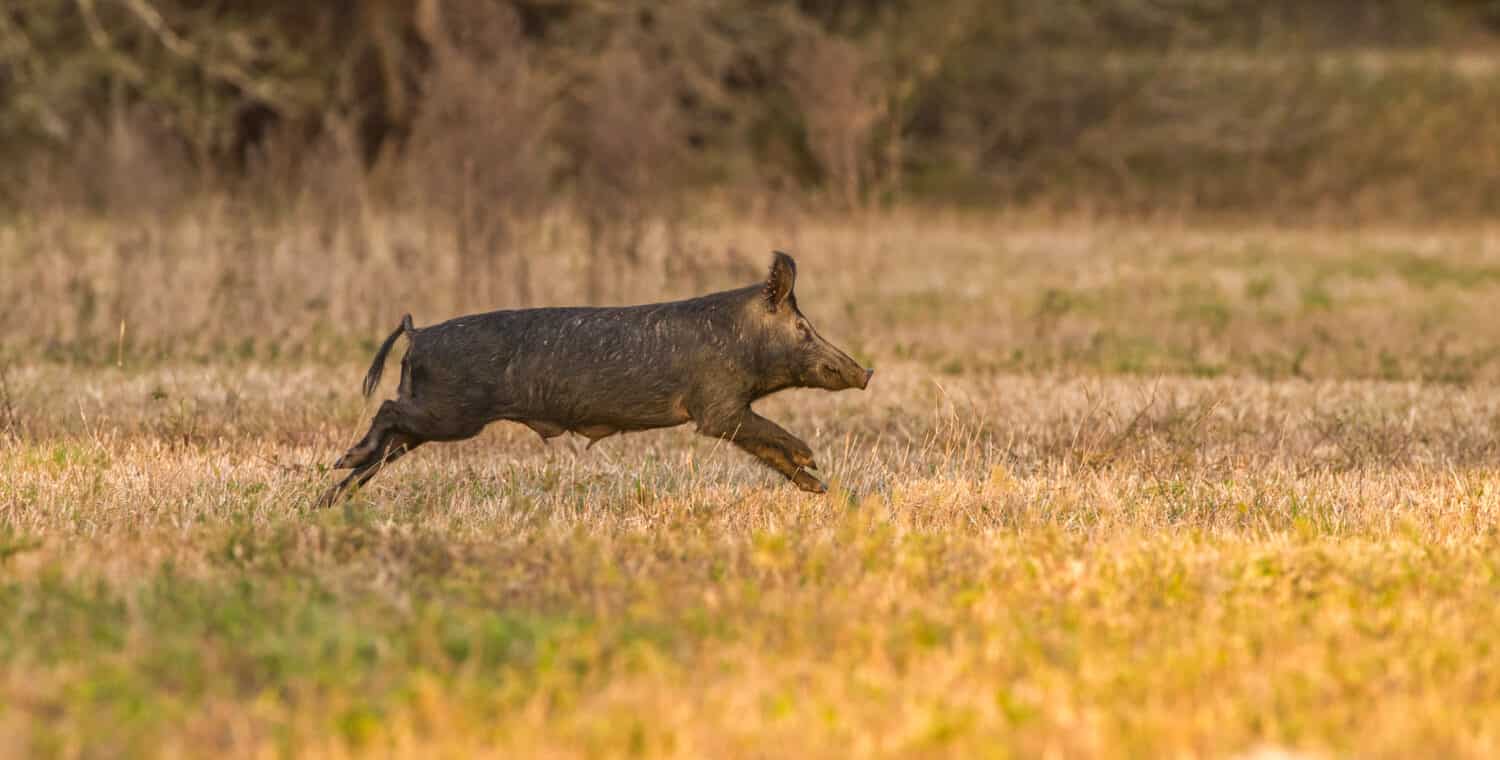
Wild boars are just one of the many animal species that volunteers have identified among trail cam images in Florida.
©Chase D'animulls/Shutterstock.com
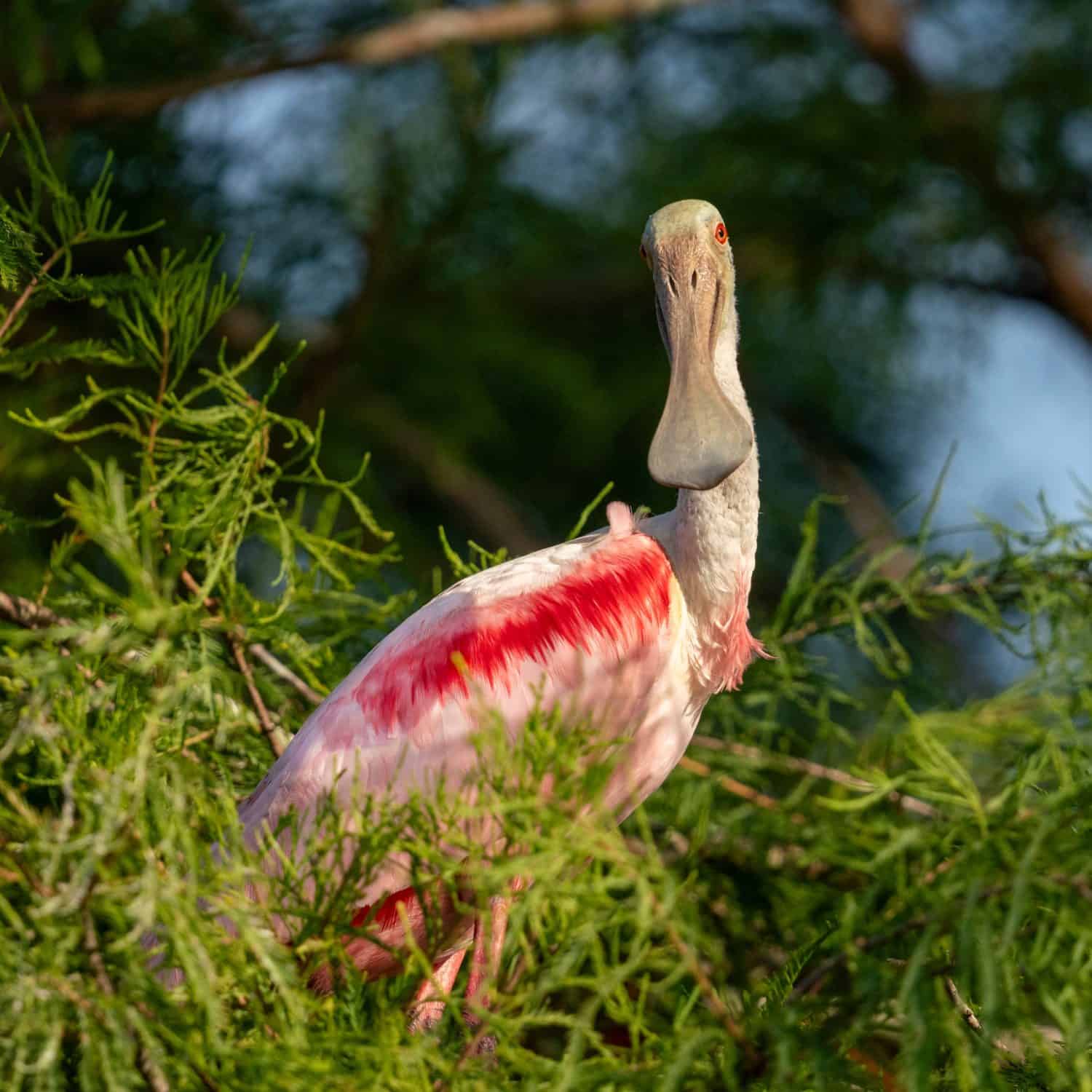
If you’d like to check out photos that have already been identified, go here on the FWC website. As of the time of this writing, 993 volunteers had made 227,429 classifications. The animal photos are organized alphabetically, currently starting with an alligator and ending with a wild hog. Other notable species you may spot include deer, armadillos, black bears, Florida panthers, wading birds (such as the roseate spoonbill), wild turkeys, squirrels, raccoons, and many more.
Citizen Science Powers Conservation
“Florida Wildlife Watch connects people at home to nature while having a real impact on conservation,” Graysen Boehning, FWC Statewide Participatory Science Coordinator, said in a statement. “Even just a few classifications can be incredibly important in helping us understand the incredible ecosystems and wildlife we have here in Florida.”
For example, using cameras to track animal populations, like the ratio of predators to prey, can help biologists get a handle on the health of an ecosystem. Trail cameras can also help scientists understand the behavior of nocturnal animals that are usually hard to observe. Other benefits include observing mating rituals and parenting behaviors without using intrusive methods.
Building on the Success of the Everglades
The Florida Wildlife Watch is an expansion of the highly successful Everglades Wildlife Watch. This project, which began in spring 2024, involved over 9,000 volunteers and made nearly 1.7 million classifications. This citizen science initiative helped biologists weed through the massive number of images from trail cameras. Volunteers helped the FWC identify invasive species, track biodiversity, and evaluate the effectiveness of habitat restoration programs.
How to Get Started on Your First Watch
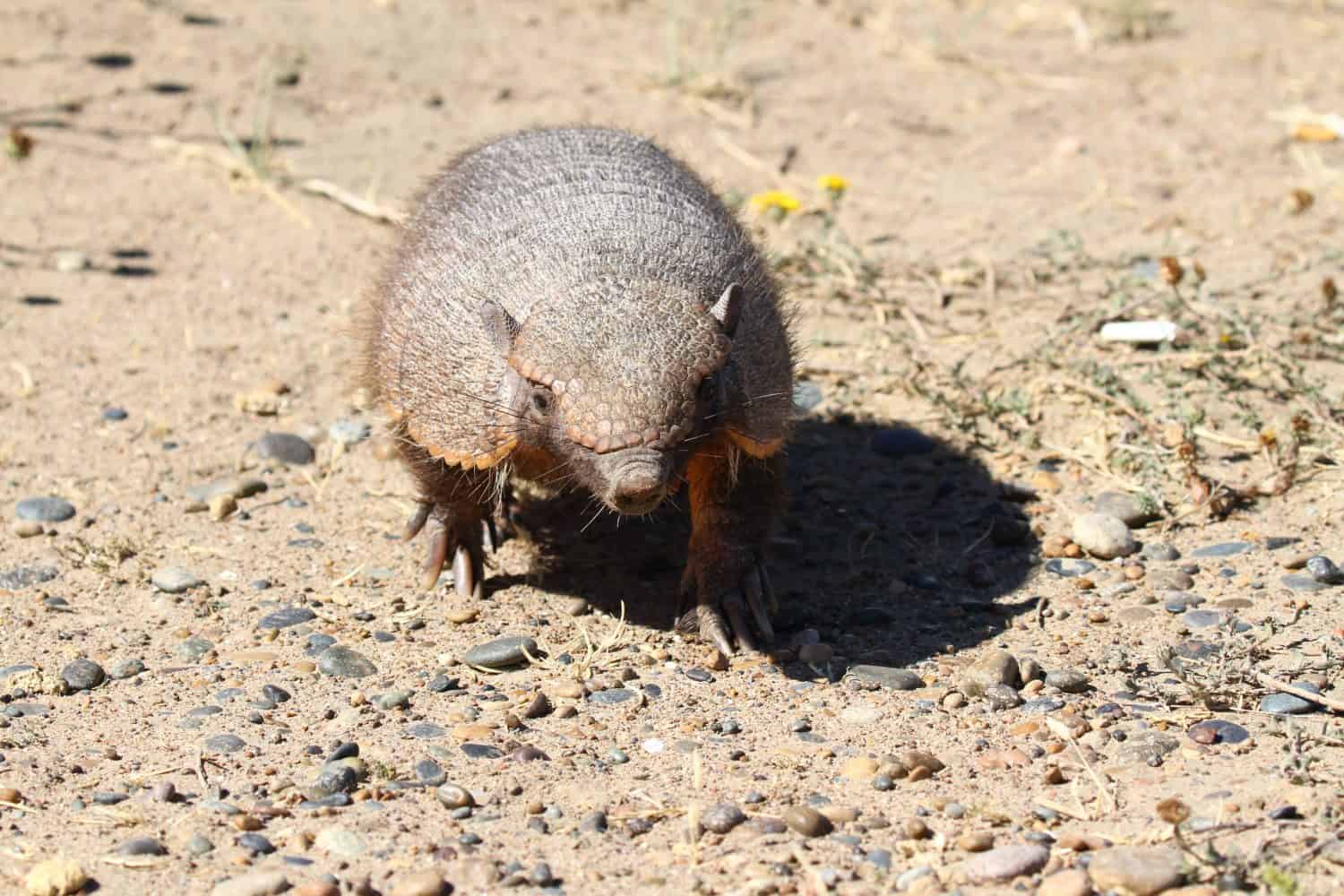
You may spot an armadillo rambling by when viewing Florida’s trail cams.
©Luis Jimenez Benito/Shutterstock.com
Go to the Florida Wildlife Watch website. From there, you will see an orange button labeled “WMA Trail Cameras” that you can click. The Florida Wildlife Watch project is currently active, and new batches of photos are regularly added for public classification.
According to a chat on Florida Wildlife Watch Talk, a moderator said on May 31, 2026, “Hopefully we will have new images up soon, so until then, take a break. You deserve it.” If you’re excited to get started, keep checking back to see when the next batch gets uploaded.
Although data collection methods may be automated, human insight is still essential for accurately identifying images. AI models often make mistakes in identifying species. If you’d like to contribute to Florida’s conservation efforts, it only takes a few minutes to explore the incredible animal photos waiting to be discovered.