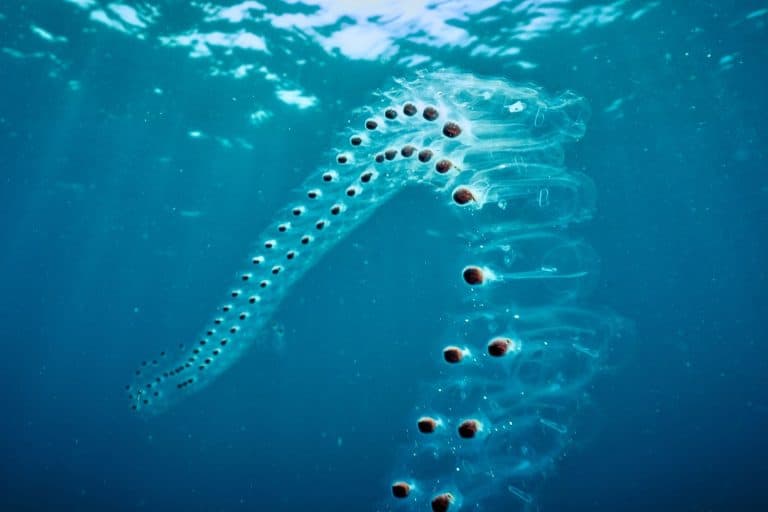
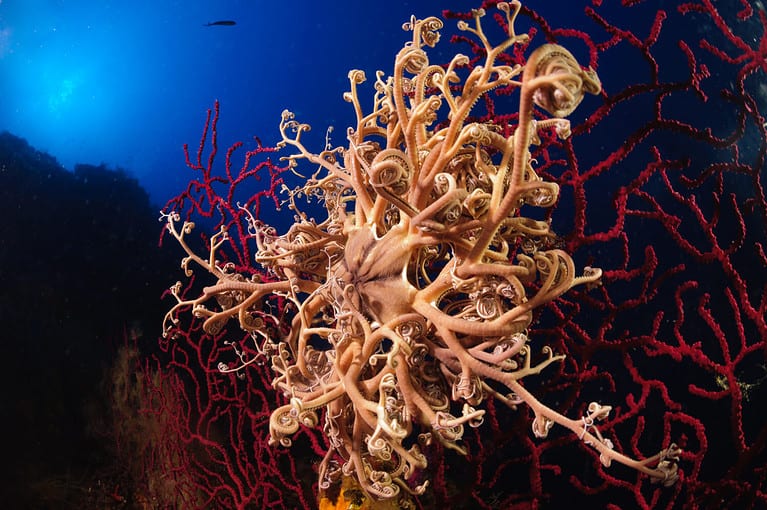
Scientists have uncovered a bizarre new species of feather star off the coast of Antarctica. The starfish-like crinoid features an astonishing 20 “arms.” Known colloquially as the Antarctic strawberry feather star, this creature earned its name because its base, adorned with tiny attachment points, resembles a strawberry. The discovery expands the once-monotypic Promachocrinus genus, offering fresh insight into marine biodiversity and evolution.
Most feather stars have 10 arms, but this newly discovered species has double that number, featuring a whopping 20 arms. This unique feature intrigued researchers from the University of California, San Diego, and other collaborating institutions. The team used deep-sea sampling in the frigid Southern Ocean and published their findings in Invertebrate Systematics. Promachocrinus fragarius represent one of four new species in the Antarctic feather star complex. It further adds to our understanding of how rich and underexplored ocean ecosystems tend to be.
What makes this discovery particularly amazing is the visual oddity of the creature and its evolutionary implications. The unusual arm count may shed light on how marine invertebrates adapt to extreme environments. This finding demonstrates the value of exploring remote underwater habitats and revisiting species assumptions. Hidden biodiversity likely remains in the deep seas, waiting to be cataloged and understood.
New Species of Feather Star Discovered
©Rich Carey/Shutterstock.com
- Scientists identified a new species of feather star with 20 arms.
- The discovery was made in the waters off the coast of Antarctica.
- This adds to the diversity of known marine invertebrates.
Feather Stars Explained
©Paulo Violas/Shutterstock.com
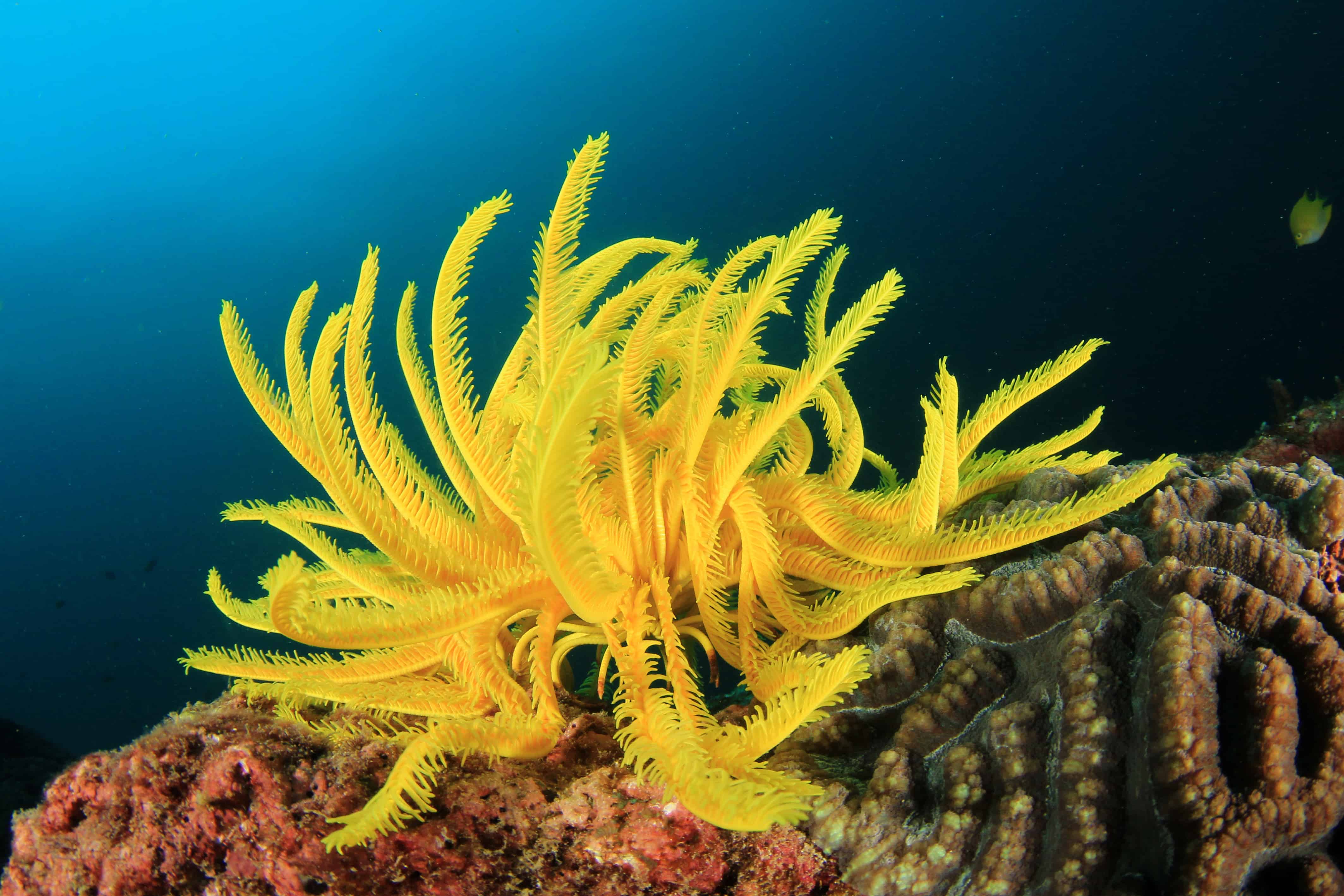
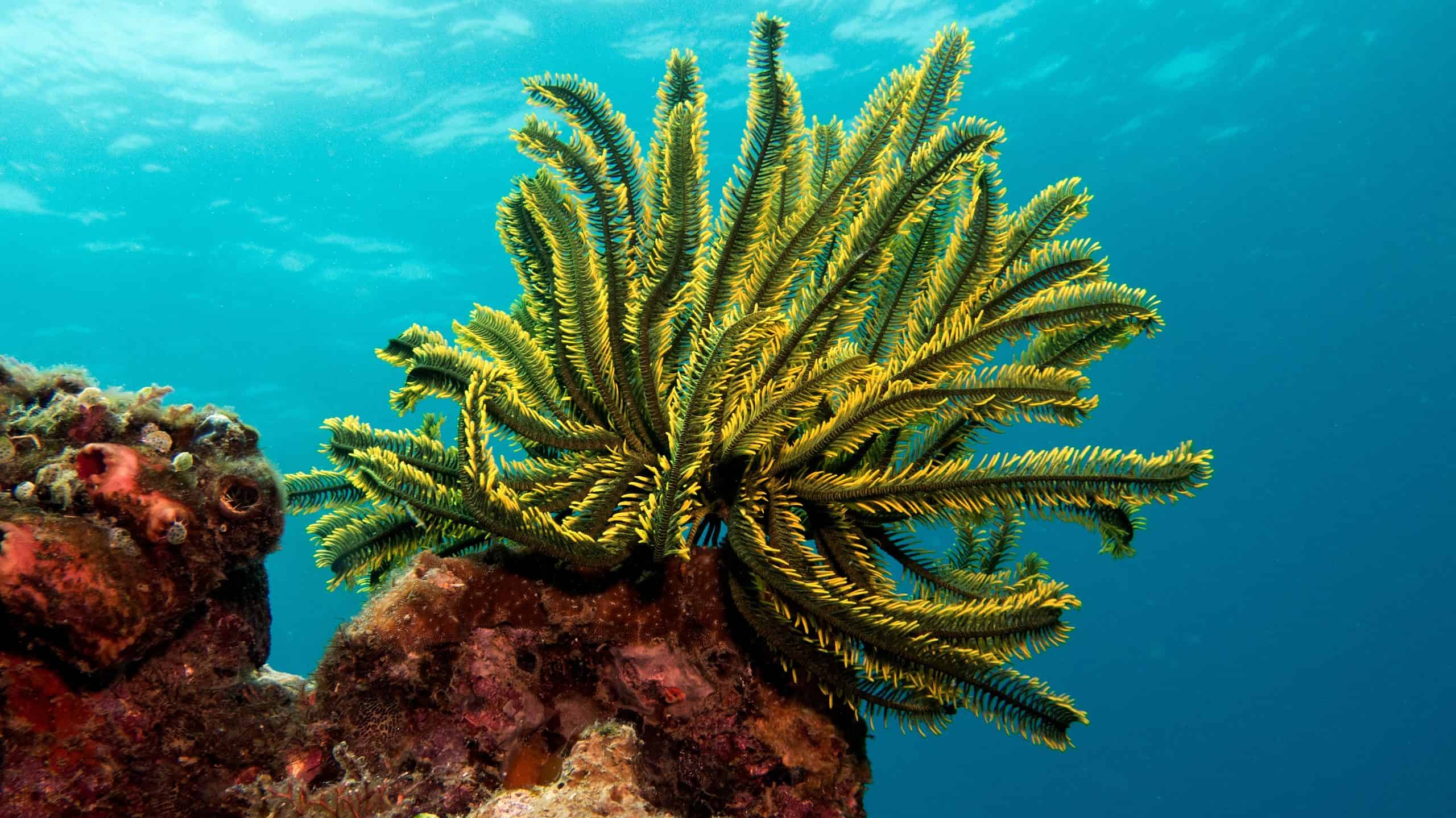
- Feather stars are marine animals related to sea stars and sea urchins.
- They belong to the class Crinoidea.
- Their feathery arms help them capture plankton and move in the water.
Unique Traits of the New Species
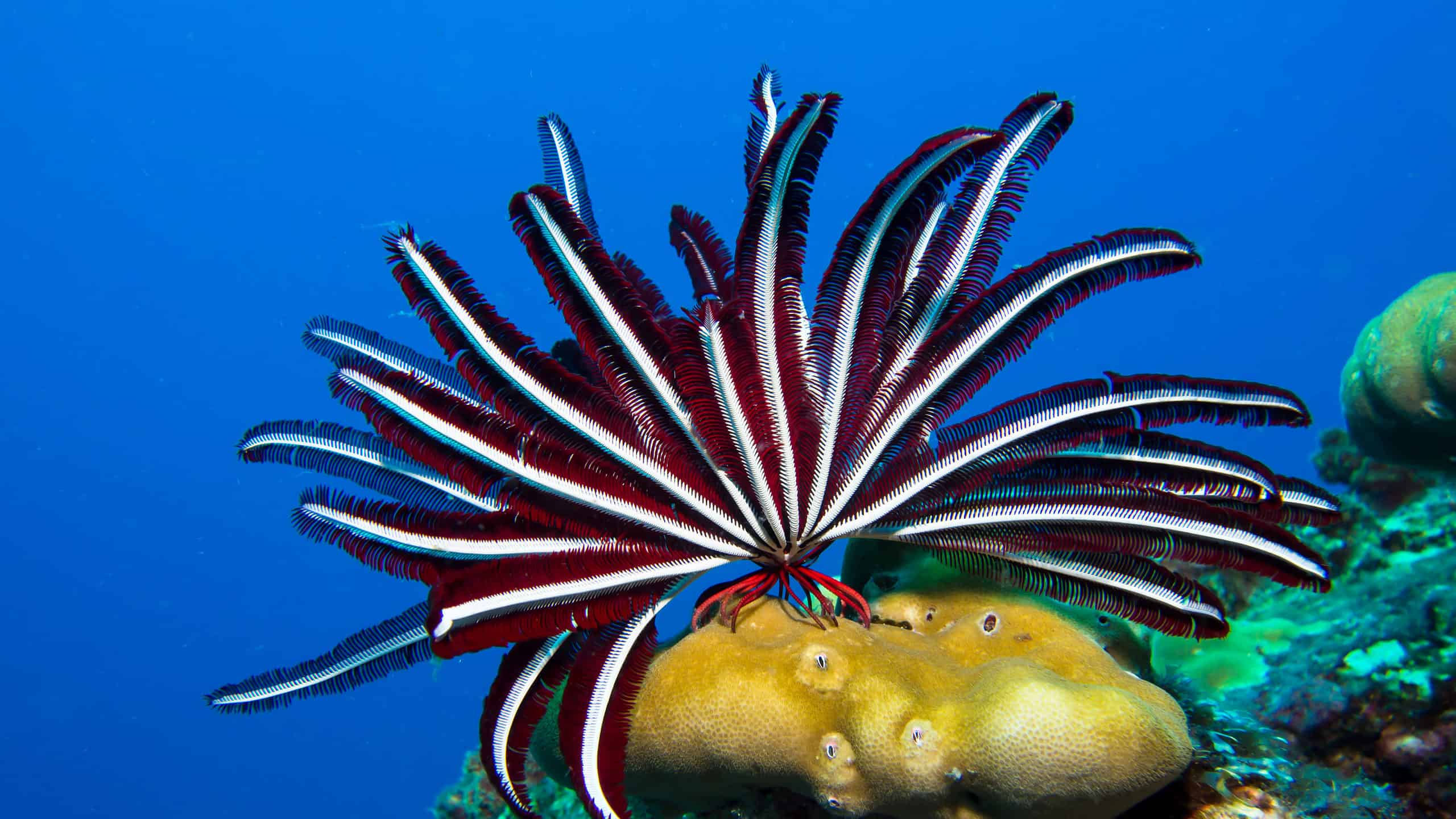
©Magnusdeepbelow/Shutterstock.com
- Antarctic strawberry feather stars have a total of 20 arms , more than most species.
- The arms are highly flexible and aid in swimming.
- The species displays striking coloration for camouflage.
Discovery Location

©iStock.com/ratpack223
- The species was found in deep waters somewhere between 215 feet to about 3,840 feet below the surface.
- The habitat is rich in biodiversity and relatively unexplored.
- Such environments often yield new species discoveries.
Research Significance
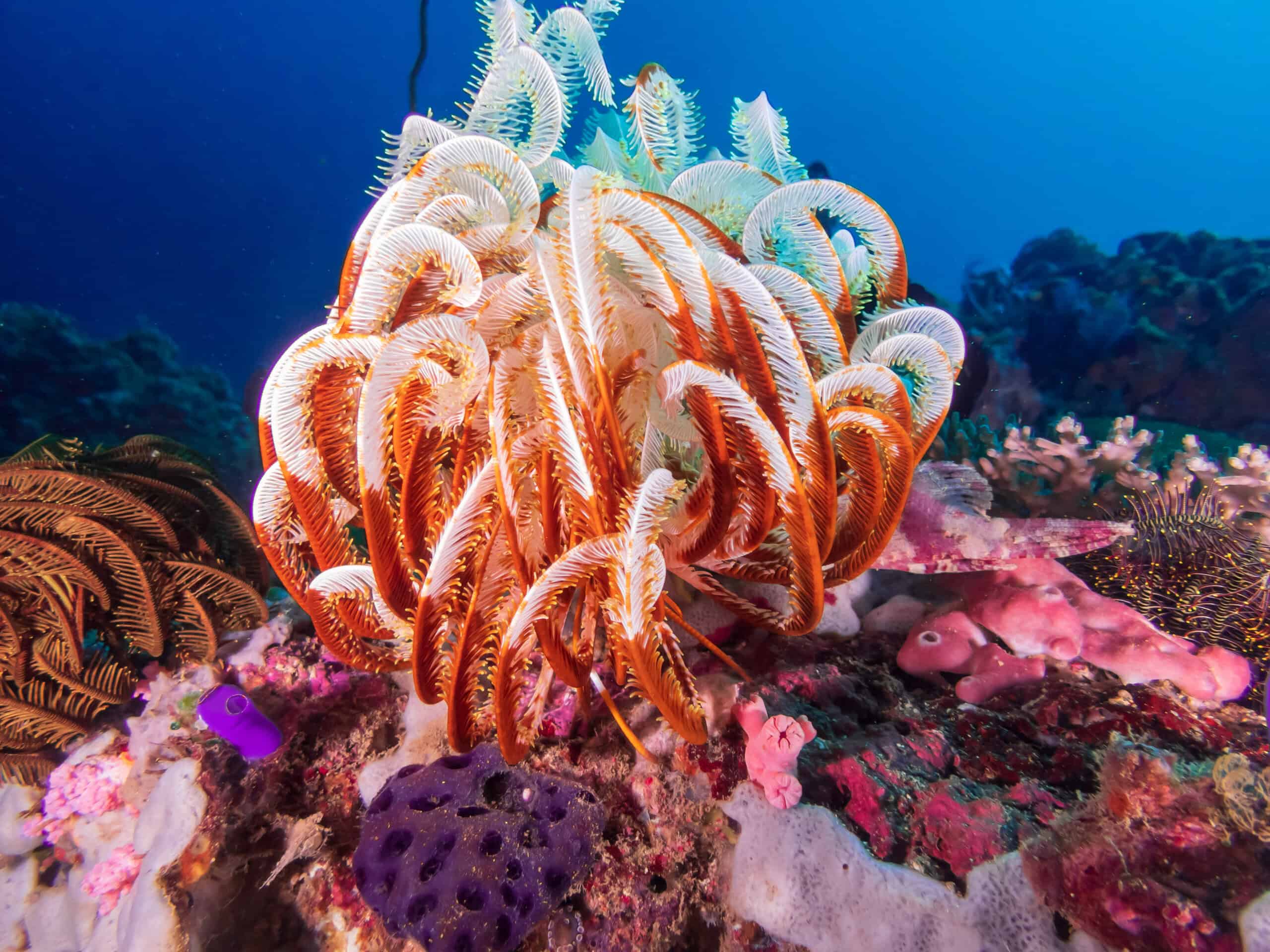
©alonanola/Shutterstock.com
- The find highlights how much remains unknown about ocean life.
- It underscores the importance of marine exploration.
- Documenting species helps in understanding ecosystems.
Feather Star Movement
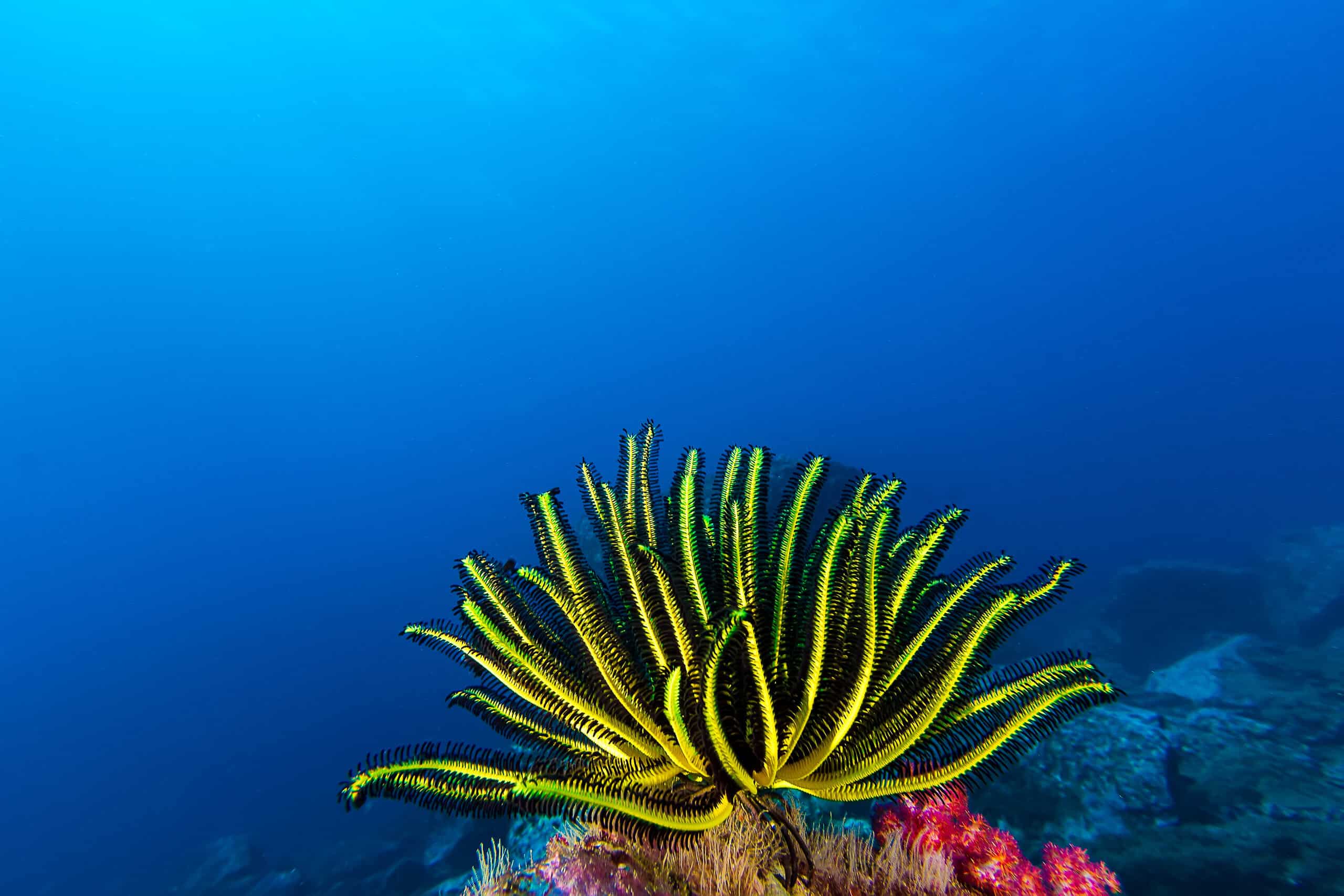
©Suwat Sirivutcharungchit/Shutterstock.com
- Feather stars use their arms to swim gracefully through the water , feed , and sense their environment.
- They can also cling to surfaces with specialized appendages.
- This mobility helps them evade predators.
Conservation Implications

©Kichigin/Shutterstock.com
- Deep sea ecosystems face threats from climate change and human activity.
- Discoveries like this emphasize the need for protection.
- Preserving biodiversity ensures ecosystem health , enhances our knowledge of marine life , and allows for a better appreciation of our fascinating planet.