
Quick Take
- African spiny mice are capable of regrowing complex tissue after injury, including hair follicles and sebaceous glands.
- Low tension thresholds cause the African spiny mouse to shed large sections of its skin during attacks, skin that it is able to regrow.
- Mammalian tissue restoration, including restoration in humans, may be possible through studying the spiny mouse, with regeneration set as the goal instead of scarring.
- Researchers utilize a specific molecular switch to force mammalian cells to prioritize repair over fibrosis, a switch the spiny mouse utilizes in its regeneration process.
If we cut ourselves badly enough, we aren’t capable of recreating or regrowing our skin back to perfection. Most mammals are designed to scar; that is how we heal. While our skin may never look the same again, we’re essentially back to normal and protected. But what if we could heal completely, reverting our skin back to how it was before an injury, as if nothing ever happened?
The African spiny mouse is one such mammal that’s capable of this unbelievable feat.
These little rodents in the genus Acomys shed large sections of skin to escape predators, regenerating their complex tissue with remarkably little scarring. Researchers have documented them rebuilding their skin, and the world’s fascination with this tiny creature has only grown since. How do they accomplish this, and are they capable of regrowing other body parts? Are scientific fields looking into the African spiny mouse’s abilities in ways that may help humans heal better?
This is everything you need to know about the fascinating and unassuming African spiny mouse, including how it manages to regenerate its skin every time it escapes a predator. We’ll also touch on what this mammal might mean for the future of human healing. Let’s get to it!
The African Spiny Mouse: a Brief Overview
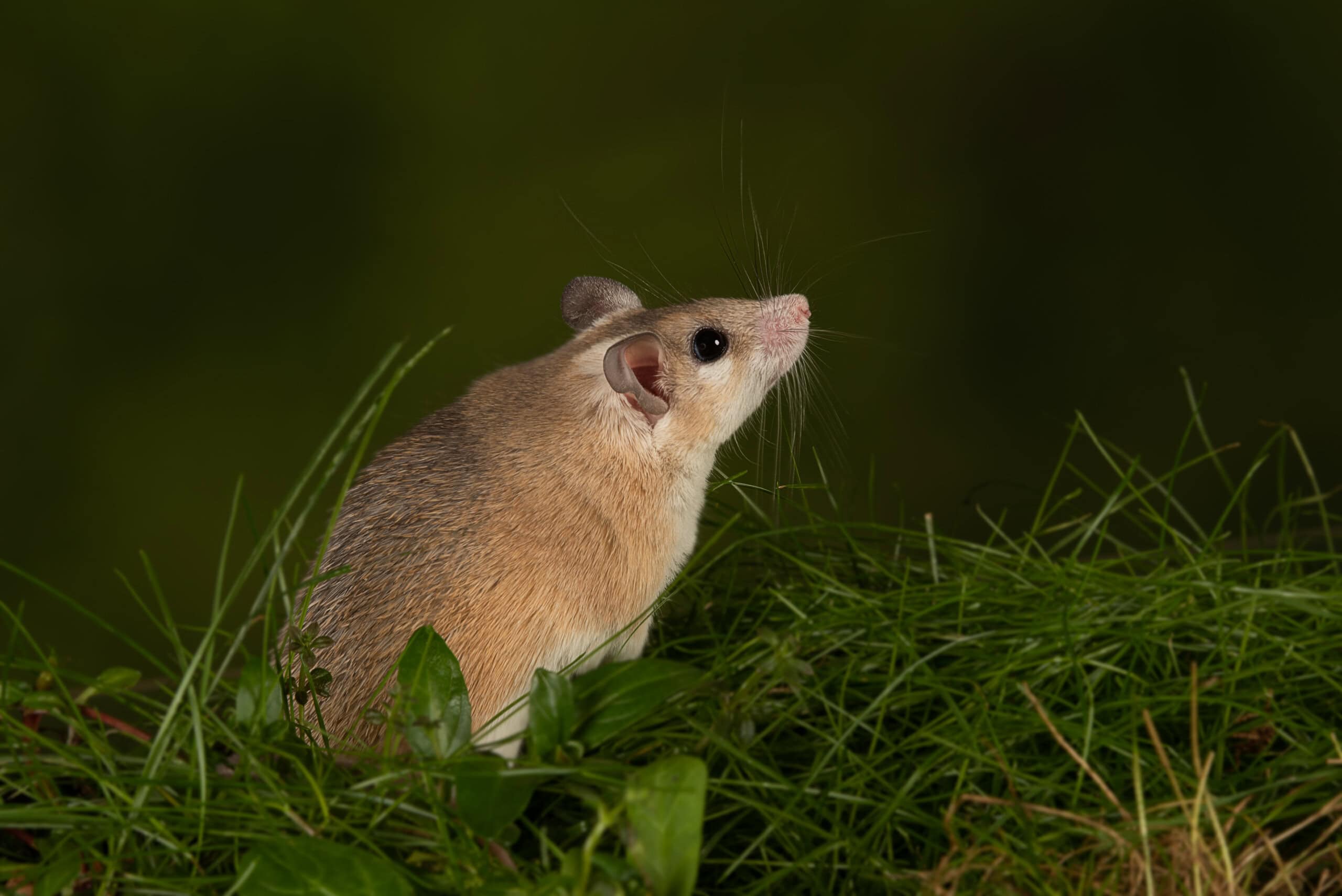
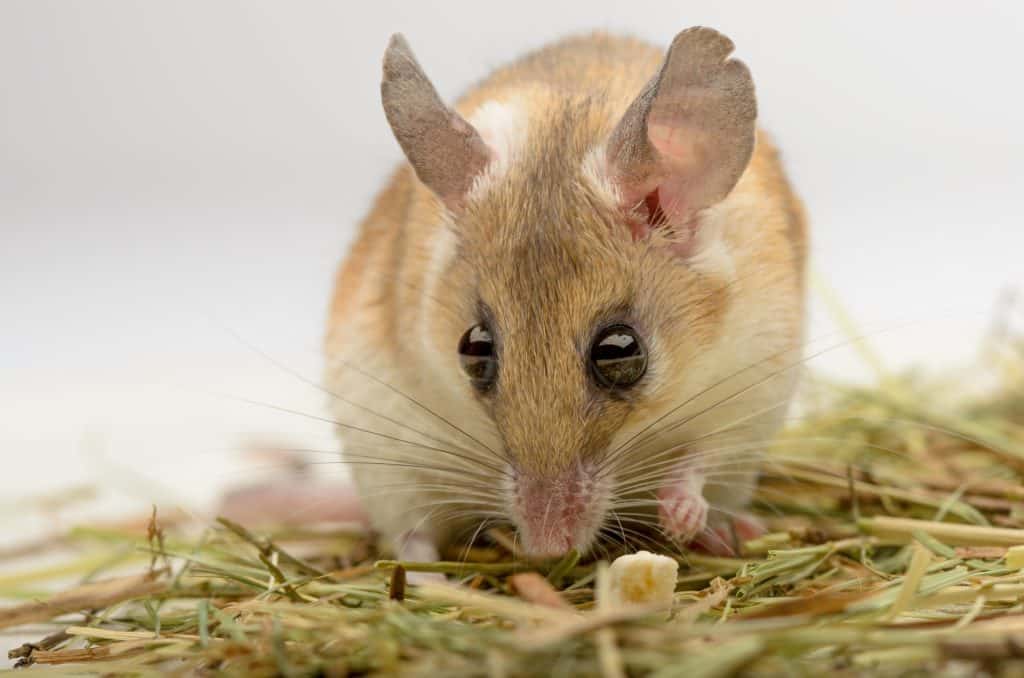
The African spiny mouse is a small rodent native to parts of East Africa and the Middle East. It is known for living in rocky, arid habitats where tight crevices and predators shape how it survives (and regenerates). It gets its name from the stiff, spine-like guard hairs on its coat, which give it a rougher texture than most mice and can make it harder for predators to get a solid grip.
Spiny mice are capable of more complete skin regeneration as opposed to typical scarring.
©Alexander Baluev/Shutterstock.com
However, predators still manage to get a hold of these small mammals, which is what makes their regenerative capabilities so special.
Why Mammals Usually Scar Instead of Regenerate Skin
Scar formation is all about prioritization, as our bodies are only capable of so much in a brief window of injury. When mammalian skin is damaged, the immediate goal of any animal (including humans) is to stop bleeding and block infection by restoring a barrier as quickly as possible. Typically, this involves:
- clotting and inflammation that recruit immune cells
- fibroblasts that lay down collagen rapidly
- remodeling that strengthens the injury, but often leaves thick, disorganized tissue behind, leading to scarring and scar tissue

The spiny mouse is a mammal currently being studied for its healing prowess.
©Stock-Asso/Shutterstock.com
Because of how quickly these steps happen, scars often have fewer hair follicles, fewer glands, altered nerve endings, and stiffness that doesn’t match normal skin. While reliable, scars aren’t going to be pretty or perfect. But what does the African spiny mouse do instead of scar?
Their healing is interesting because it often looks like the opposite strategy compared to most other mammals: slower, more organized reconstruction that restores a more consistent and typical tissue layout.
How Do Spiny Mice Regenerate So Well?
The spiny mouse’s regeneration is actually tied to a startling survival tactic: skin autotomy.
In a Nature study that launched modern interest in the African spiny mouse, researchers described how Acomys skin tears under very low tension, so low that a predator grabbing the mouse typically ends up holding a chunk of skin while the mouse runs off otherwise unharmed. The African spiny mouse is credited with the first demonstration of full skin autotomy in a mammal.
After losing its skin, Acomys has rapid wound closure abilities, with advanced regrowth. This process involves restored skin structures, including hair follicles in wounds, rather than a permanent bald scar patch the way most adult mammals would produce. This keeps the African spiny mouse from becoming a patchwork of inflexible, painful scars, as these small creatures are often in the clutches of predators.
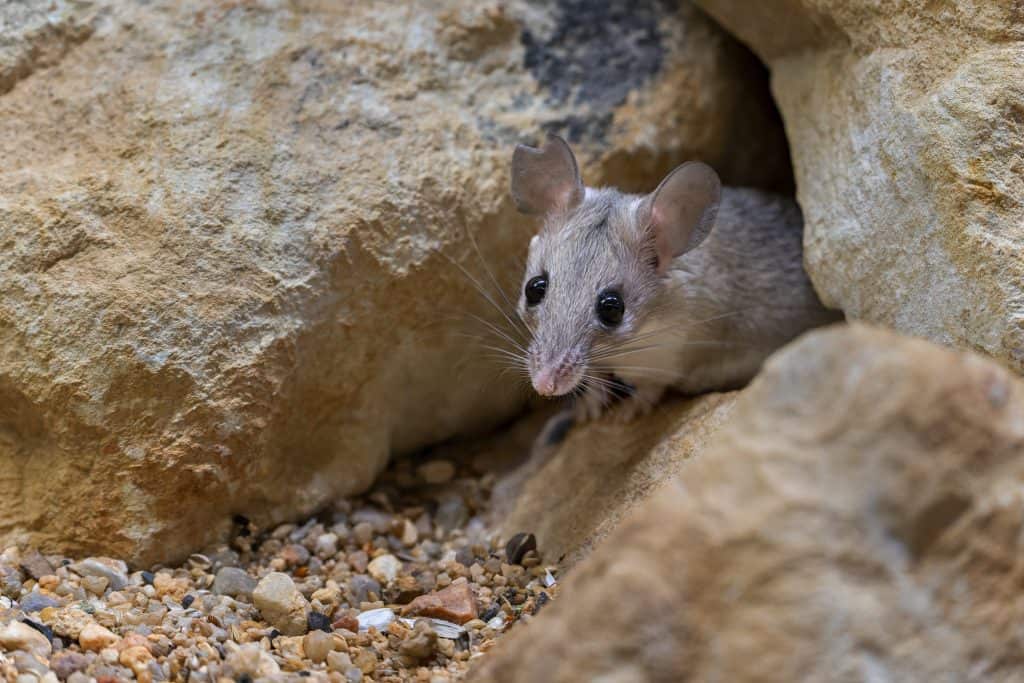
Spiny mice are capable of regenerating ear skin and cartilage alongside their skin.
©jindrich_pavelka/Shutterstock.com
It’s important to note that spiny mice are not regenerating whole limbs or major organs like axolotls; their abilities are limited to skin, cartilage, and some internal tissues, and are highly context-dependent. In fact, a 2024 muscle loss study showing limits to their regeneration demonstrated that some injuries may overwhelm their little systems, even in an animal built for scarless repair.
However, even if spiny mice fail in certain conditions, those failures help us identify what inputs are necessary for regeneration to proceed.
What Spiny Mice Can Regenerate That Other Adult Mammals Can’t
African spiny mice remain fascinating because their regenerative abilities translate across multiple portions of their body, not solely their skin. Here’s what these rodents are capable of healing completely, as if they were never injured to begin with.
Full-Thickness Skin With Restored Structure
In many mammals, a full-thickness skin injury heals with a fibrotic scar that lacks the normal layering and appendages of uninjured skin. In Acomys, the evidence points toward a more complete rebuild, depending on the type of injury involved. Their complete thickness returns to their skin, and their hair follicles regrow, which is a much more impressive feat than people realize.
Ear Tissue, Including Cartilage
In lab mice, it’s fairly common to experiment with regeneration and healing by punching holes through their ears. For this rodent species, the hole largely persists, closing only partially and leaving a scarred edge. In Acomys, however, that hole can close in a way that looks more like true regeneration than repair.
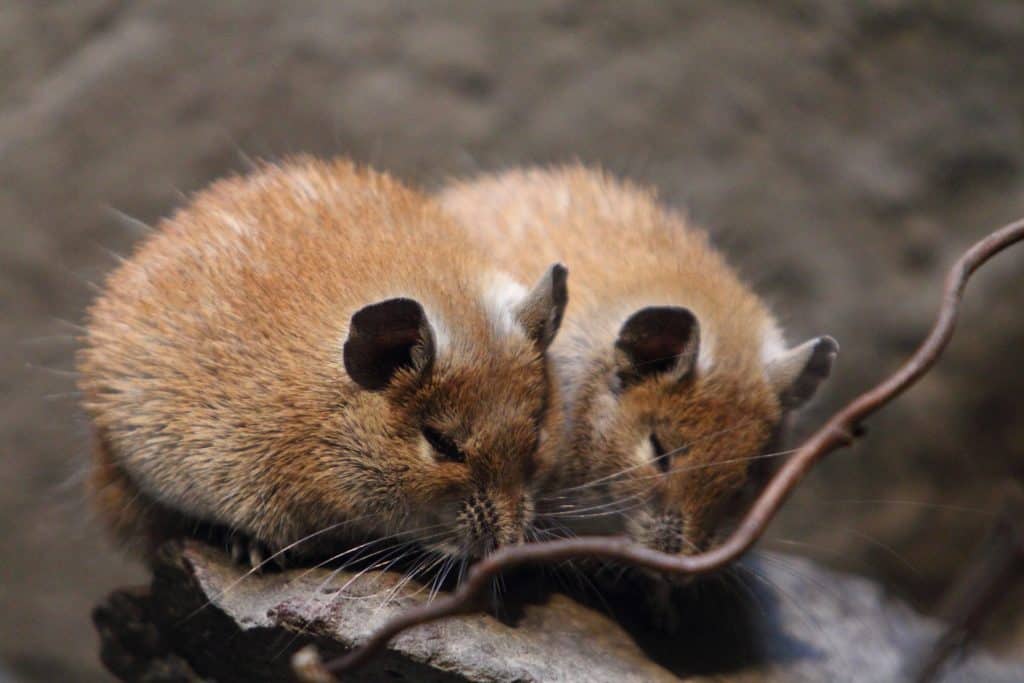
Spiny mice can regrow their hair follicles following an injury, something that can’t happen in typical scarring.
©hadot 760/Shutterstock.com
The previously mentioned 2012 Nature work reports complete regeneration in ear holes, including hair follicles, sebaceous glands, dermis, and cartilage in the repaired region, making this species ideal and important for studying mammalian tissue restoration.
Skeletal Muscle With Less Fibrosis
Muscle injuries in typical mammals often heal with fibrosis. This ultimately reduces muscle function, especially in chronic damage or repeated injuries.
When it comes to spiny mice, studies in Scientific Reports on skeletal muscle repair in Acomys cahirinus described regeneration outcomes that are closer to restoration than scarring, contrasting spiny mouse muscle healing with a lab mouse’s response. Even when the injury model is severe, Acomys shows patterns consistent with better tissue recovery and less fibrotic replacement.
The Internal Workings of the African Spiny Mouse
Researchers are still piecing together the full healing mechanics involved in the African spiny mouse, but several themes show up again and again in studies. Here’s a bit more detail as to how this creature keeps itself healed after injury and why it is so important to study further.
Less Fibrosis Equals More Regeneration
Fibrosis is an unfortunate but standard wound-healing outcome involving collagen deposition and tissue stiffening. In human bodies, fibrosis is actually a major driver of dysfunction not only in skin scars but also in organ failure.
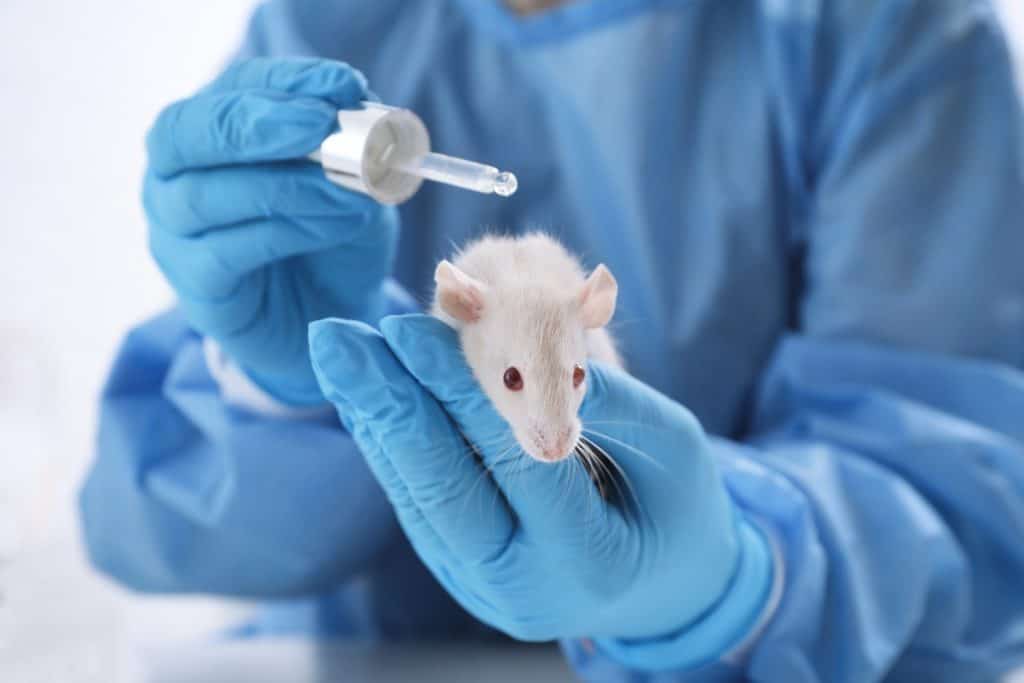
Lab rats can’t heal the same way spiny mice can, despite them both being rodents.
©New Africa/Shutterstock.com
Spiny mice repeatedly show reduced fibrotic response in injuries where typical mammals would scar, which is just one reason why Acomys is exciting for medicine. If we can learn how their bodies limit fibrosis while still preventing infection and maintaining stability, we’re that much closer to therapies that promote regeneration and safer long-term healing.
The Immune System and Inflammation
Inflammation can be necessary for good healing, contrary to popular belief. However, the question is what kind of inflammatory response you get, and when. The African spiny mouse may have more control over this than initially expected.
A landmark study of this process shows that macrophages, a major immune cell type, are required for regeneration in ear punch experimentation with the spiny mouse. When their macrophages are depleted, regeneration is impaired. This finding has potential benefits for human medicine; it could be possible to shape inflammation toward regeneration, as the spiny mouse accomplishes this within itself.
Signaling Pathways That Choose Repair Over Scarring
There’s increasing interest in the spiny mouse’s internal signaling differences, ones that distinguish scar-forming healing from regeneration. A 2023 Science Advances paper describes a molecular switch in the spiny mouse that antagonizes fibrosis when comparing scarring-prone and regeneration-prone responses. This response could allow human medicine to harness its power, leading to our cells rebuilding instead of simply patching over wounds.
Practical Applications in Human Regenerative Medicine

Many human healing issues may be solved by the spiny mouse, but research must continue.
©Gorodenkoff/Shutterstock.com
The African spiny mice of the world offer us something incredibly valuable: proof that adult mammals can repair serious tissue damage without defaulting to scar-heavy outcomes. Scientists believe Acomys could be studied to help in the following practical applications, fields that could greatly benefit from advanced medicinal solutions.
Better Healing for Burns and Traumatic Skin Loss
Severe burns and traumatic skin injuries often leave patients with scars that restrict movement. Scars also alter our sensations and require long-term reconstruction, some of which may never be fully repaired. If Acomys teaches us how to regrow skin after full-thickness wounds, that knowledge could inform therapies that reduce fibrosis and improve functional recovery. A scar that is more skin-like will change quality of life across countless injury types.
2) Reducing Fibrosis for Organ Repair
As previously mentioned, fibrosis is a major contributor to organ failure in humans, and a lot of regenerative medicine come back to that same obstacle: the body walls off damage with scar tissue instead of rebuilding. However, when studied, spiny mice show reduced inflammation and improved regeneration responses in internal tissues in multiple models. Fibrosis may be more negotiable than we assumed, if we learn what biological conditions keep it from taking over.
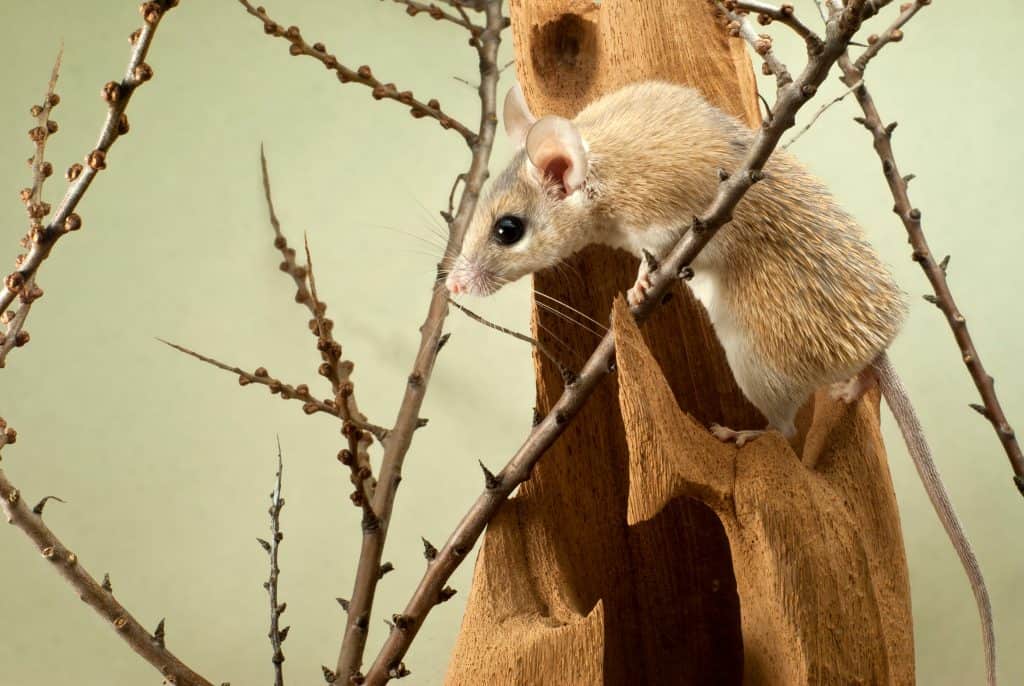
Spiny mice may help humans with fibrosis, a major factor in organ failure.
©Evgeny Haritonov/Shutterstock.com
3) Designing Therapies That Work With Our Body’s Own Repair Machinery
A common misconception is that regeneration can only be accomplished through stem cell therapy. In reality, regeneration involves multiple factors, including immune timing, extracellular matrix composition, mechanical stiffness, and signaling cues that we are still attempting to fully understand.
The spiny mouse helps researchers focus on those variables and narrow in on solutions, especially when studying harmful fibrosis. Because of the spiny mouse, regeneration of more tissues may be possible in more mammals than we currently believe.
Mammals Carry Huge Regenerative Potential
Spiny mice are reframing what it means for healing mammals. Because of them, we’re better understanding what it means to regenerate, including what it might take to switch our default healing methods, such as scarring.
For human medicine, the spiny mouse represents a way forward, a way for mammalian bodies to potentially be coaxed into repairing injuries with less fibrosis and more true restoration. If researchers can learn how Acomys keeps scarring from taking over without losing infection control or structural stability, then the long-term payoff could reshape wound care, burn recovery, surgical healing, and even organ repair.
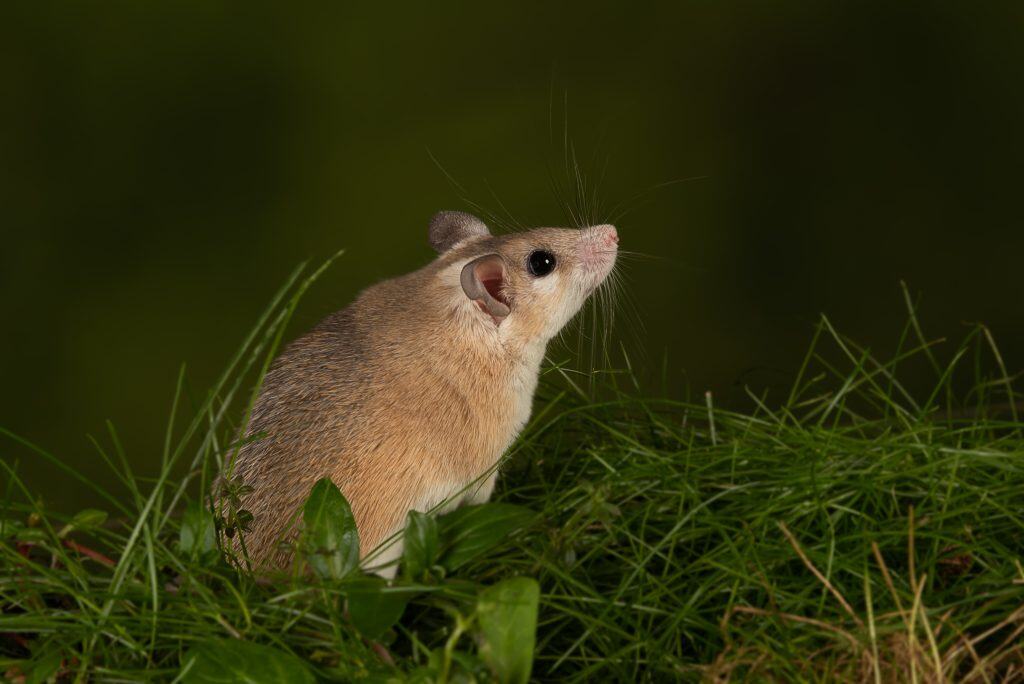
Spiny mice may help us better understand how to heal all mammals.
©Alan Tunnicliffe/Shutterstock.com
Can we train our bodies to heal more like the African spiny mouse? We’ll just have to wait and see what the future of healing holds.