
Quick Take
- The question of why this tigress wasn't simply placed in a fenced enclosure speaks volumes about the true ambitions of this project. Why no fence was used →
- Four tigers arrived, but only one has been released, and the criteria separating freedom from continued captivity are more nuanced than you'd expect. See the release criteria →
- Restoring a predator gone for 70 years involves more than just the animal itself. A hidden obstacle exists that could unravel the entire effort. Obstacles to tiger recovery →
- Her name is a deliberate signal, one that hints at exactly how much is riding on one tigress's survival. Umit's role in the future →
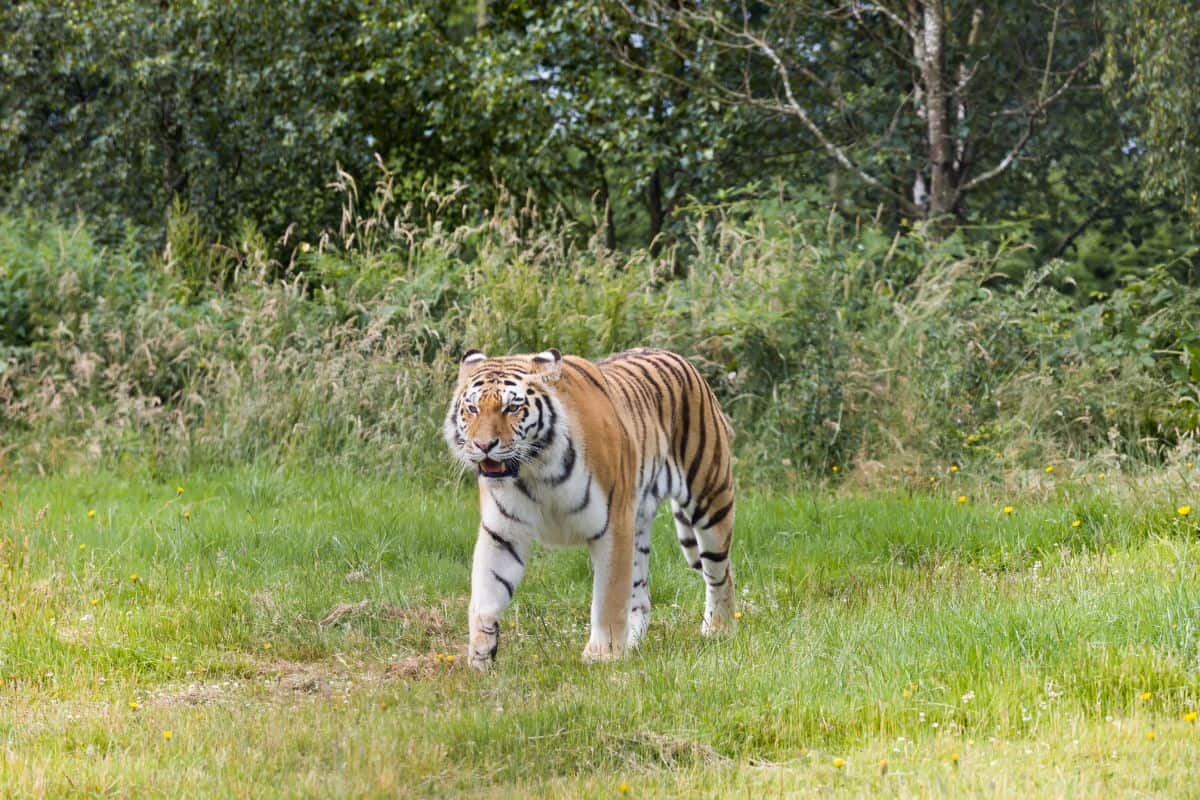
For the first time in over seven decades, a tiger once again prowls the wild landscapes of Central Asia. Kazakhstan has released an Amur tigress, Umit, into the uncaged expanse of the Ile-Balkhash Nature Reserve. Umit’s release forms the centerpiece of an ambitious conservation effort aiming to restore wild tigers to a region where these animals vanished more than 70 years ago.
The symbolism is impossible to miss. Umit means “hope” in Kazakh, reflecting both the tiger’s individual journey and the aspirations pinned on her by project leaders. Her presence marks a milestone for an environment where such large predators had long been considered lost to history.
A Careful Return to the Wild
This reintroduction is only the beginning of Kazakhstan’s strategy. Alongside Umit, conservationists are monitoring an adult male tiger. Specialists are assessing whether he is ready to follow her into freedom. Decisions rely on closely observing behavioral cues and ensuring the animal is properly prepared for life outside managed care.
For two younger tigers, the timeline stretches a bit further. Arriving in Kazakhstan at just six months old, these juveniles remain under expert supervision. Plans call for them to stay in human care until they reach 18 months, a critical age for developing the skills needed to survive in the wild.
Restoring a Lost Predator
The grace period since the tiger’s disappearance in Central Asia stretches back more than seventy years. Restoring them is no simple task, it requires suitable habitats, robust prey populations, and careful management to minimize risks both to the tigers and their human neighbors.
Umit’s release into an unfenced, natural reserve signals a commitment to giving these apex predators genuine autonomy. Her journey across the steppes and wetlands will be watched closely by researchers, eager to learn how she adapts to her ancestral home and whether a sustainable population can truly take root once again.
The Future of Tigers in Central Asia
The return of wild tigers to Kazakhstan stirs optimism, but the stakes remain high. Conservationists must balance hope with caution as they oversee the integration of both experienced adults and younger tigers in stages suited to each animal’s needs.
This unfolding effort offers a rare chance to watch a lost predator reclaim its place in the ecosystem, and to witness how resilience can sometimes revive what seemed irrevocably gone.