
Quick Take
- Your perfectly manicured lawn may be one of the biggest threats to local bumblebees, though perhaps not for the reason you might expect. See how lawns harm bees →
- Mixing two common garden products turns a nuisance into something far deadlier for bees than either one alone. Explore the deadly combination →
- Not every bumblebee lying still on the ground is dying, and telling the difference matters more than you'd think. Learn to tell the difference →
- Record-breaking heat is killing bumblebees, but the way it does so is far more indirect than you'd expect. Discover heat's indirect toll →
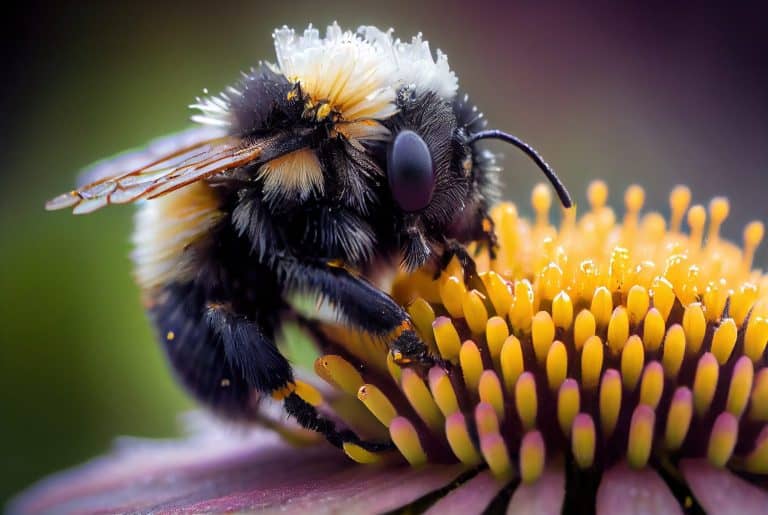
With summer in full swing, insects are emerging. This includes bumblebees, which work to grow their colonies and search for nectar in blooming flowers.
What may not be expected is seeing more dead bumblebees this summer. Due to environmental pressures caused by human activity, bumblebees are struggling more than ever before. Without change, the likelihood that bumblebees will be around in the decades to come is significantly decreasing.
Why Dead and Dying Bumblebees Are Appearing This Summer
Summertime is the peak season for bumblebees. As the warmer months appear, so do larger numbers of these bees. However, this is also the time when more dead bumblebees are observed.
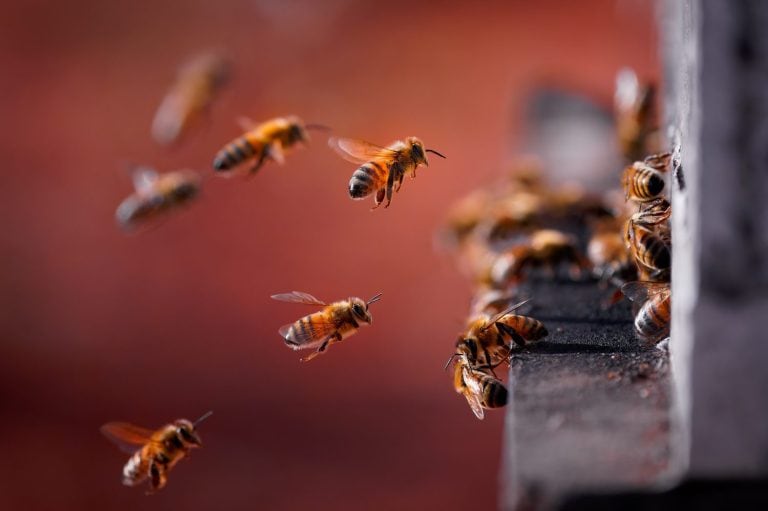
Over the winter, worker bumblebees die off while the queen hibernates. The queen will then emerge when warmer temperatures become constant to lay eggs and start a new colony. As the colony grows, worker bumblebees will die off because bumblebees tend not to live longer than six weeks. These bumblebees are removed from the colony to prevent the spread of disease. Therefore, more dead bumblebees are seen during the summer.
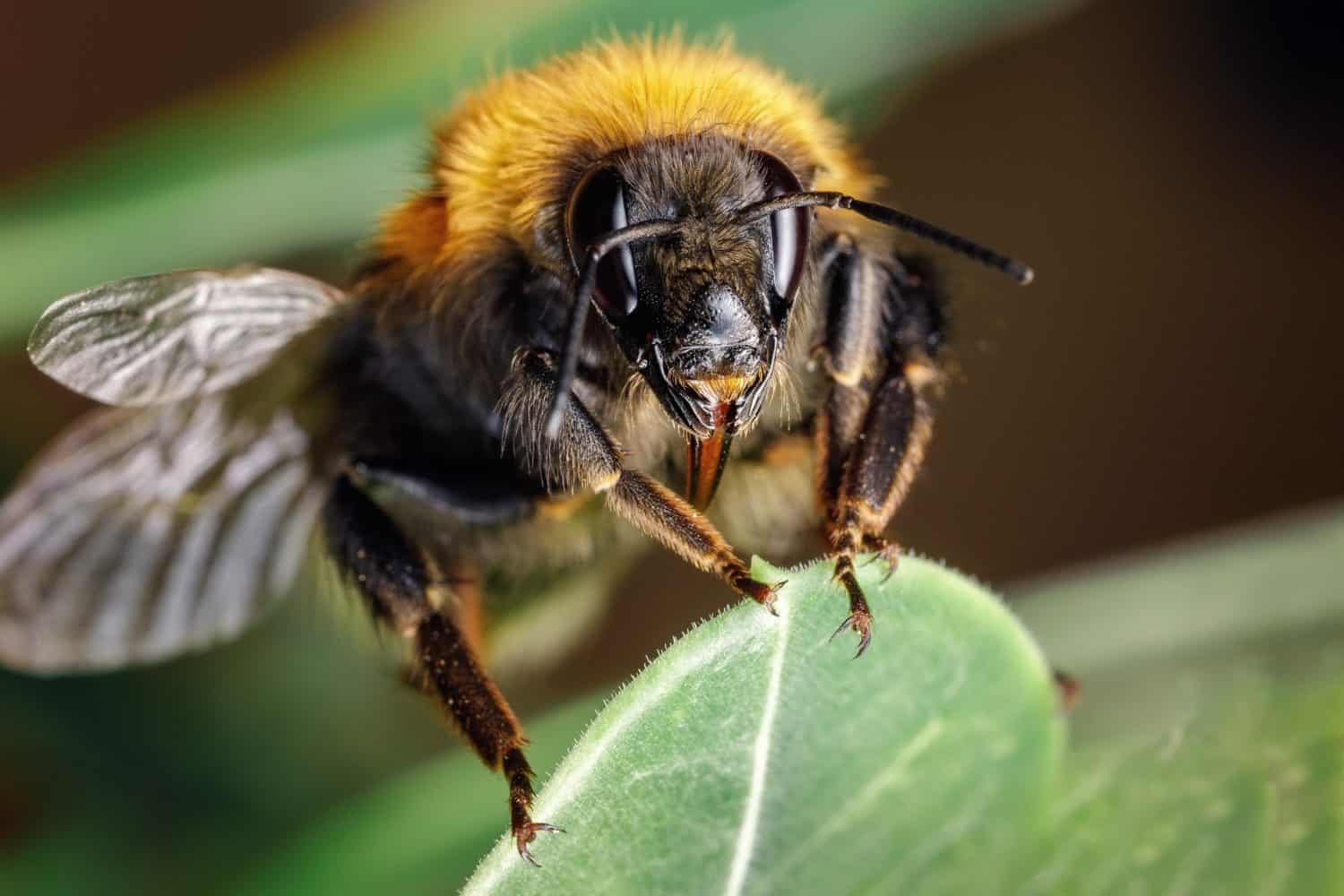
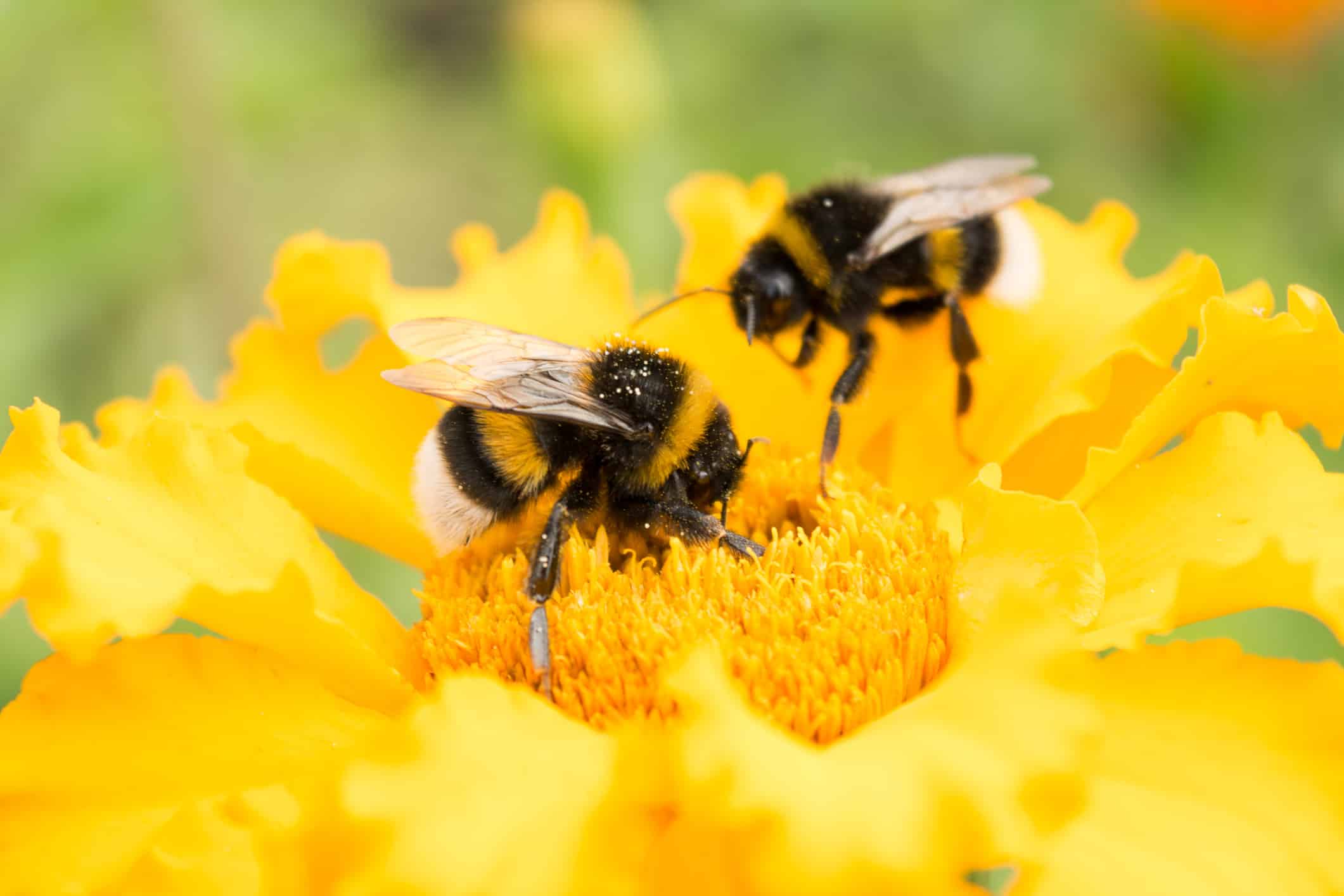
Bumblebees are facing human-caused environmental pressures that threaten their survival.
©Linas T/Shutterstock.com
Unfortunately, it is not only the circle of life that brings out more dead bumblebees during the summer. It is also due to the heat. Over the last five years alone, Earth has experienced some of the hottest summers on record, with 2024 being the hottest. Thanks to climate change, this likely will only continue.
Bumblebees are skilled at cooling down their colonies. They use their wings like fans to cool the colony. However, this cooling effect is only effective up to a certain temperature. Once temperatures soar above this threshold, members of the colony begin to die.
As temperatures increase over the summer months, bumblebees are also being forced to fly further to find nectar. While their bodies are thermoregulated during flight, this offers little consolation if all of the bees’ energy stores are depleted as they forage. Consequently, due to both the heat and the loss of flowers—both of which can be directly tied to human activity—more bumblebees are dying during the summer.
Herbicides Indirectly Kill Bumblebees
In an attempt to rid a yard of weeds, homeowners will spread herbicides. While this does remove unwanted, yet native, plants from the property, the process indirectly harms bumblebees.
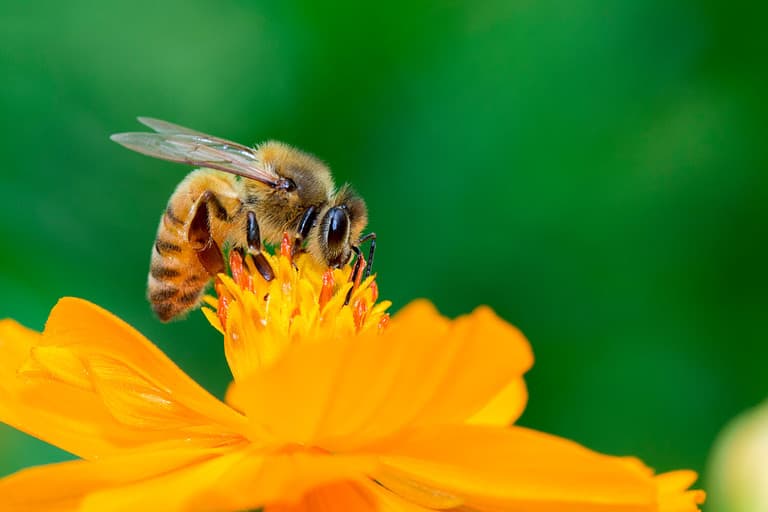
As native plants are killed because they do not fit the aesthetic of a homestead, bumblebees lose the ability to forage for nectar and to pollinate. These same flowering plants, being killed by the herbicides, are what bumblebees rely on for food. When these plants are absent, bumblebees face malnutrition, must travel farther to find appropriate flowering plants, and experience lower overall colony health.
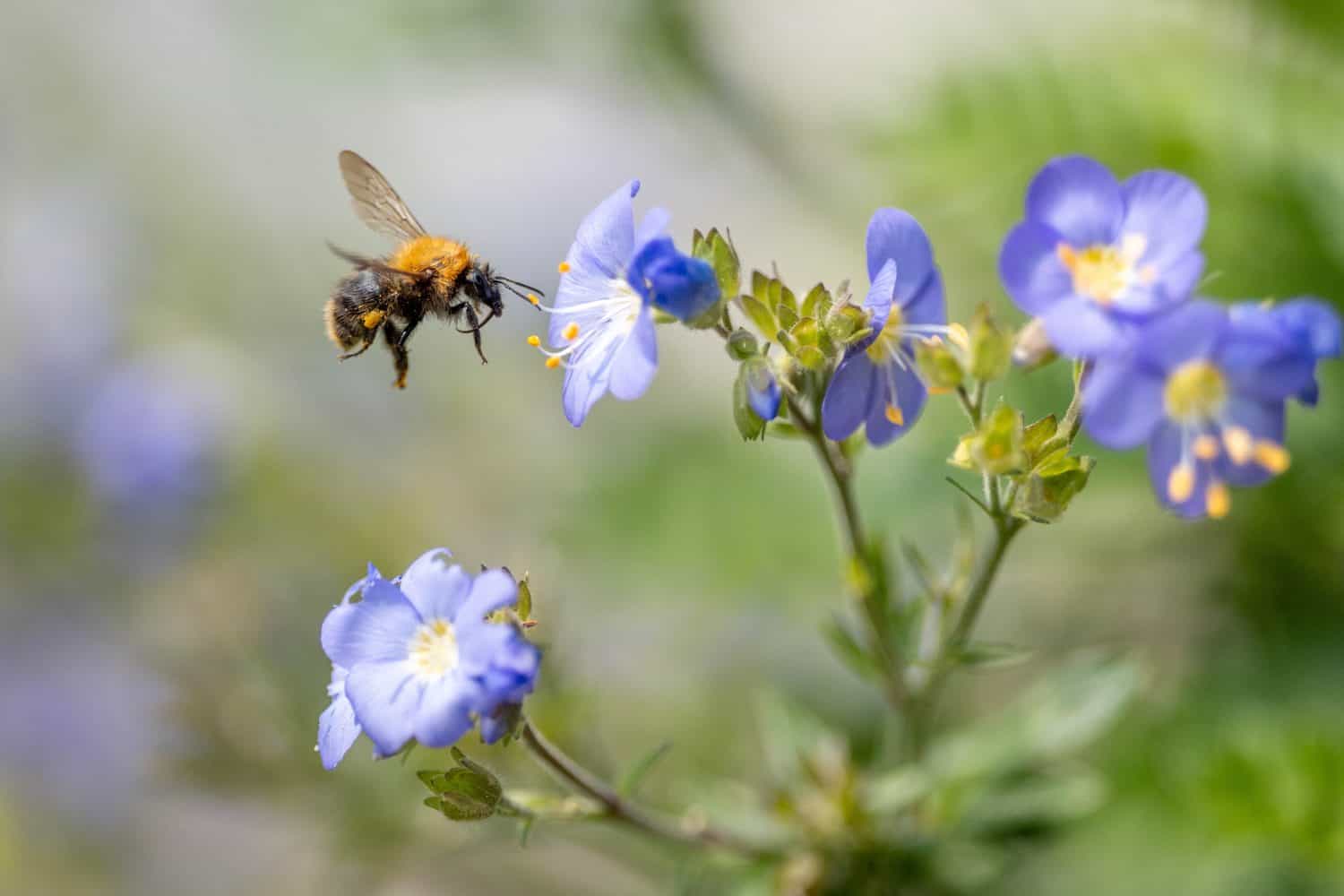
Herbicides kill the flowers bumblebees need for nectar to survive.
©Sjors Hardholt/Shutterstock.com
Worse still, if an herbicide and a pesticide are used simultaneously, a toxic cocktail can be created. In this instance, not only will the plant life bumblebees rely on be eliminated, but the bees will be poisoned. Consequently, the already precarious bumblebee populations become even smaller.
A Mowed Lawn Is Not the Best Lawn for Bumblebees
Most homeowners want a manicured lawn. But this same manicured lawn is detrimental to bumblebees’ survival.
Residential lawns are typically turfgrass. This variety of grass is not known for growing flowers. Seeds that do manage to propagate, such as clover and dandelions, tend to be mowed down before the flowers have a chance to produce pollen. In yards where there are no other flowering plants, a pollen desert is created for the bumblebees.
Additionally, some bumblebee species will lay eggs in abandoned burrows in lawns. When mowing happens frequently, the burrows are continuously compacted. This destroys bumblebee nesting sites and kills any eggs laid between mowings.
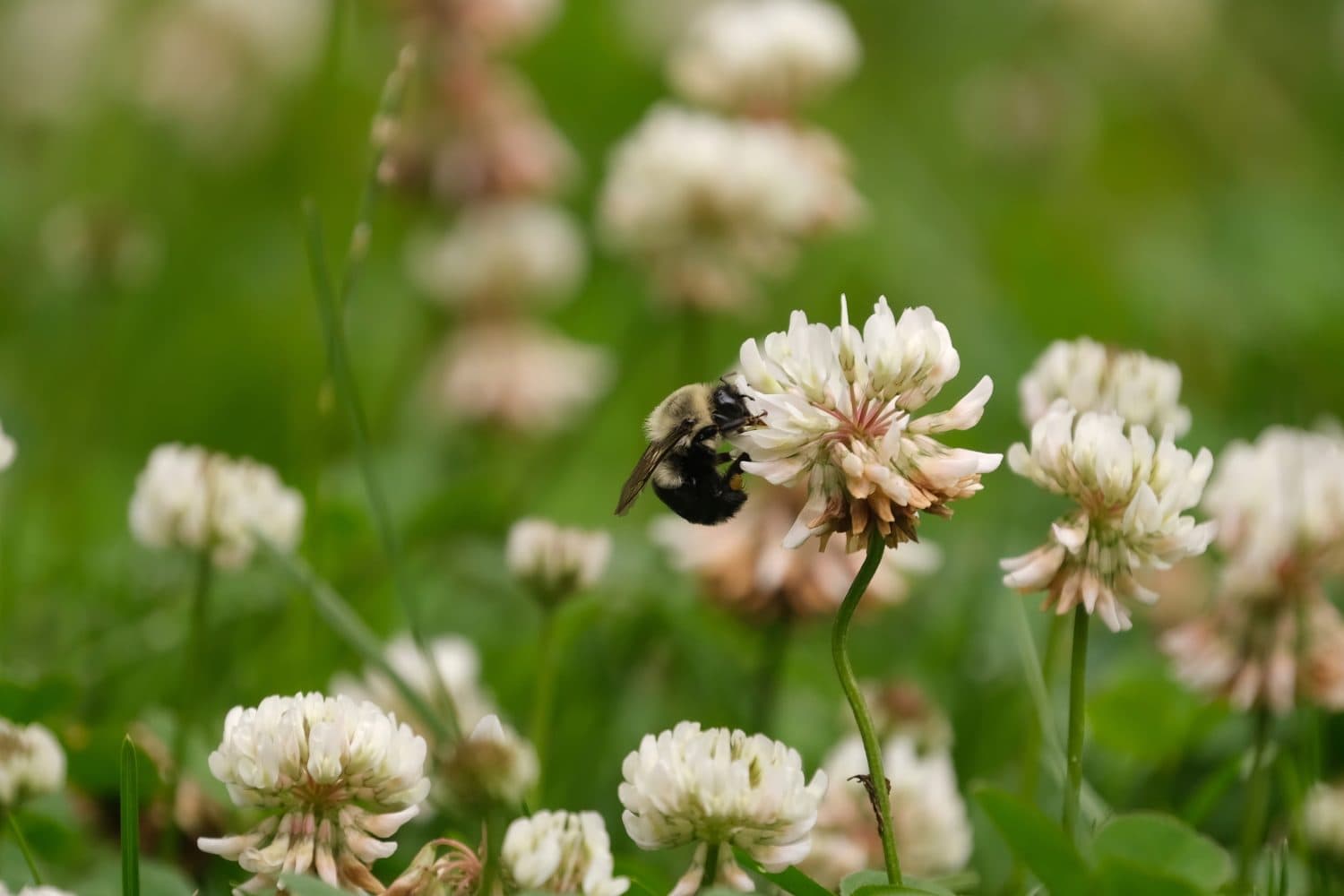
Mowing lawns robs bumblebees of the opportunity to consume nectar from clover flowers.
©CPWhite/Shutterstock.com
Finally, many cannot achieve the green lawn they desire without fertilizer. However, fertilizer can be toxic to bumblebees. It also alters the electric cues that bumblebees rely on to detect flowers to land on. Because of this, flowers that contain pollen may be passed over by bumblebees, simply because they were fertilized.
No one is asking homeowners to let their lawns become overgrown. But if there are pockets of dandelions that can be saved, or rodent holes that are not being used and are out of sight, perhaps they can be left alone between April and November, when bumblebees are most active.
How Can Lethargic Bumblebees Be Helped?
There is a marked difference between a bumblebee that is resting after a long day of flying and one that is lethargic and sick. Those that are resting look healthy. No injuries, wings are intact, and perhaps even pollen is present on the hind legs. These bumblebees should be left alone.
If a bumblebee is lethargic and in need of assistance, it could be on its side or back or even twitching. This is a sign of a bumblebee in distress and would benefit from a bit of compassion.
To help bumblebees in distress, creating a sugar-water solution of one part sugar to two parts water is a wonderful place to start. The water can be placed in a small container, such as a bottle cap, to prevent the bumblebee from drowning while trying to drink.
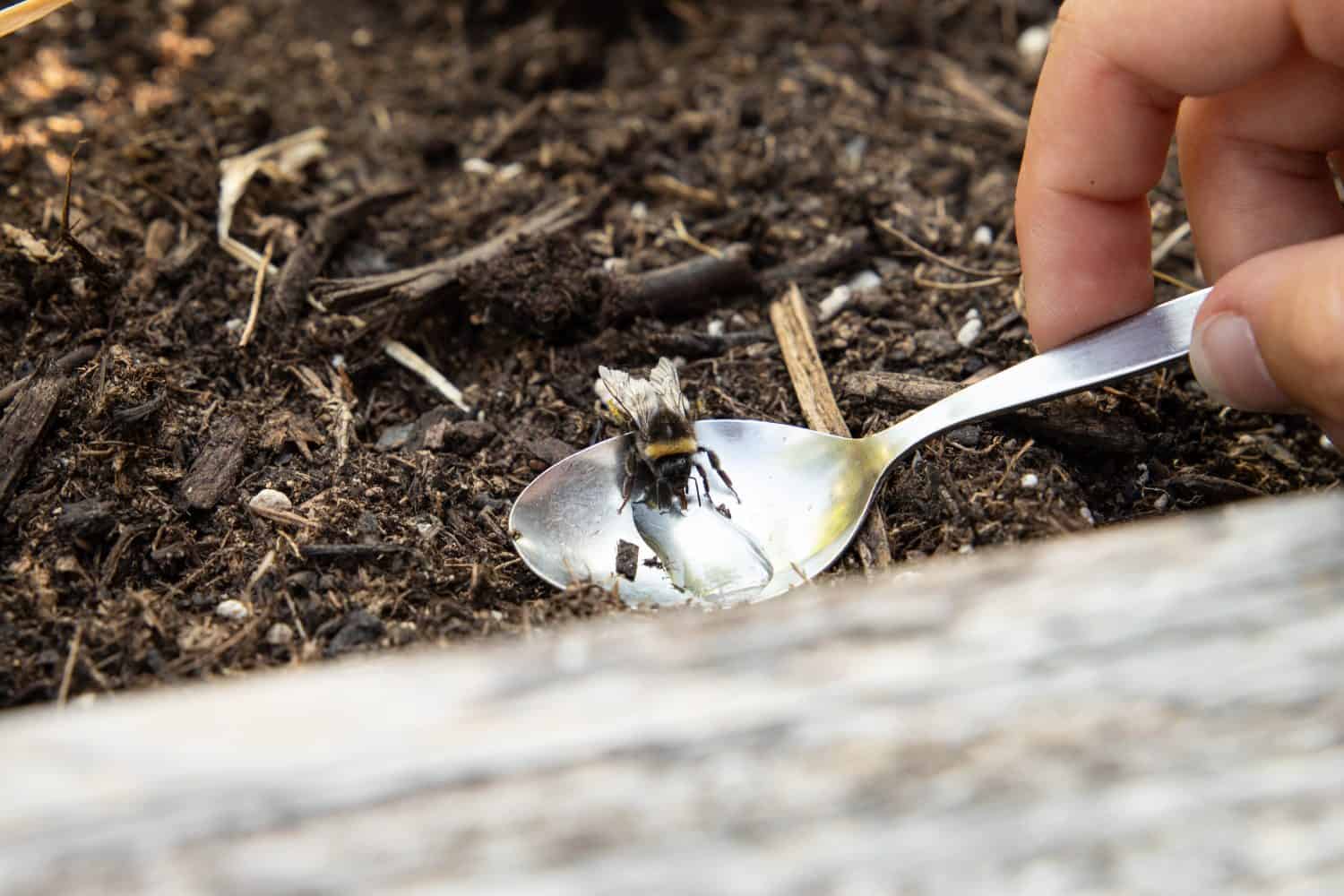
A bit of sugar water can help distressed bees perk back up.
©Sarah Biesinger/Shutterstock.com
Additionally, distressed bumblebees need some shade as they recover, rather than direct sunlight. Therefore, if they can be safely moved to a shady area, preferably near flowers, this would be beneficial for the bumblebees as well.
Anyone with a bee allergy should not attempt to move bumblebees.
Bumblebees, like all bees, are facing an uphill battle when it comes to survival. Between increased temperatures and the loss of native flowers, their resilience is being tested like never before. Whether there is still time to save them, or if we are simply putting Band-Aids on the problem, remains to be seen.