
Quick Take
- The 150-million-year-old discovery may prompt a restructuring of known amphibian evolutionary timelines.
- Measuring roughly 5 centimeters, the small fossil pieces were a challenge to find.
- Approximately 400 bone fragments were found at the discovery site.
- The species marks a significant moment for scientists, who can now confirm its existence in western Portugal.
The discovery of a new Jurassic species typically conjures ideas of reptile-like behemoths. It’s exciting to learn about a new prehistoric creature that would have towered over buildings or a fearsome predator facing off against Tyrannosaurus rex. This idea of an apex dinosaur is what most people think of when new fossils are found. And while that’s often true, the latest fossil discovery in Portugal proves that big discoveries also come in very small packages. It’s remarkable that the fossils of a 150-million-year-old amphibian were not only found but also successfully unearthed. Now, experts say it is closely related to another tiny, modern-day amphibian.
How Was Nabia civiscientrix Discovered?
The Lourinhã Formation is a well-known region in Portugal for paleontologists. It spans the Lusitanian Basin, which was covered by wetlands during the late Jurassic era. Fossils found here once belonged to dinosaurs such as Draconyx, Torvosaurus, and Dinheirosaurus. Most of these dinosaurs were large and intimidating, some with appetites to match their size. However, the most recent findings are the exact opposite of what many have come to expect.
Nabia civiscientrix was named for the Lusitanian river goddess Nabia and for the citizen scientists who helped bring the discovery to light. Translated literally, it means, “she who practices citizen science.” But even at roughly five centimeters in length, this small amphibian still stands as a testament to the dedication of those who discovered it.
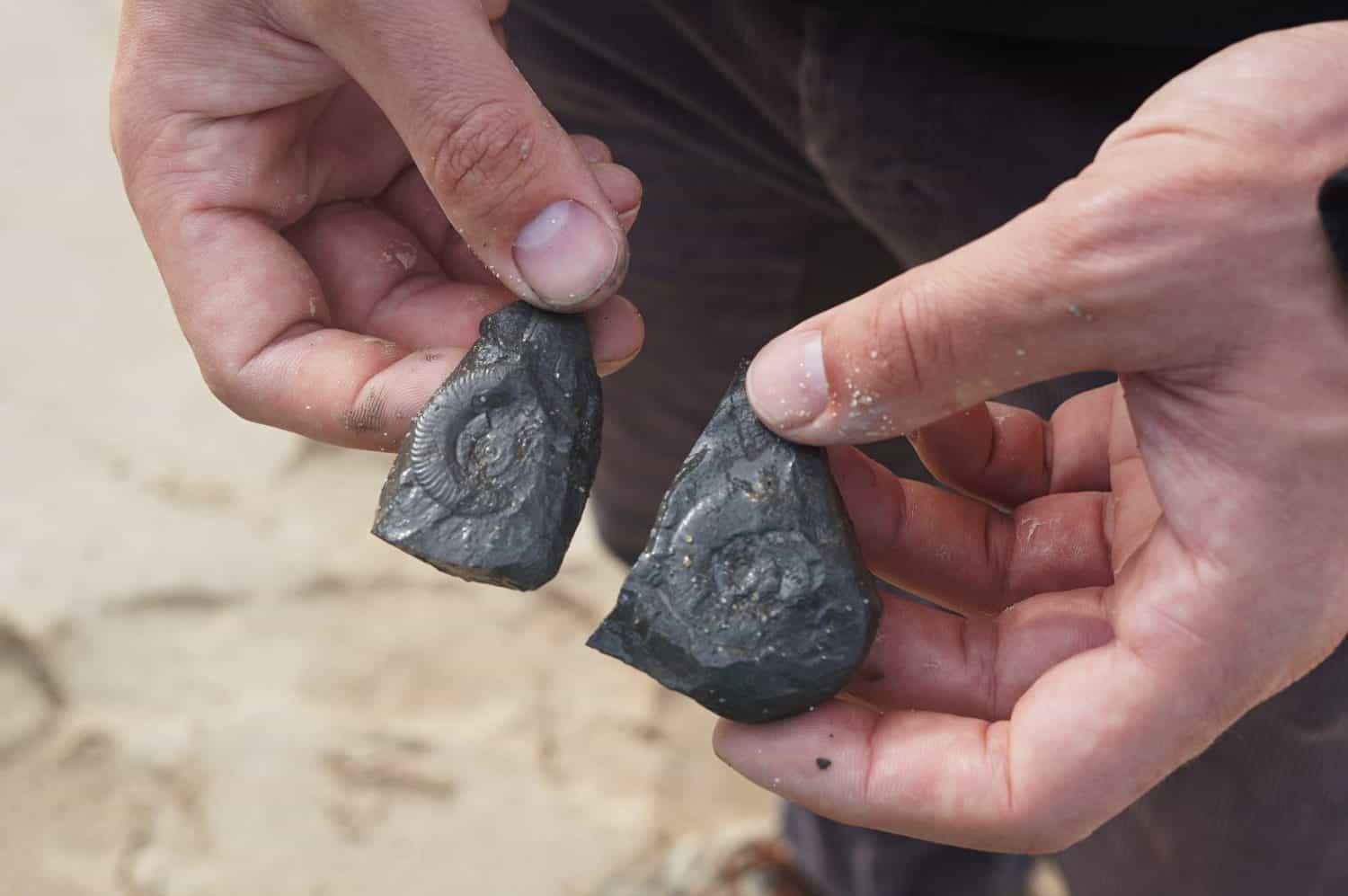
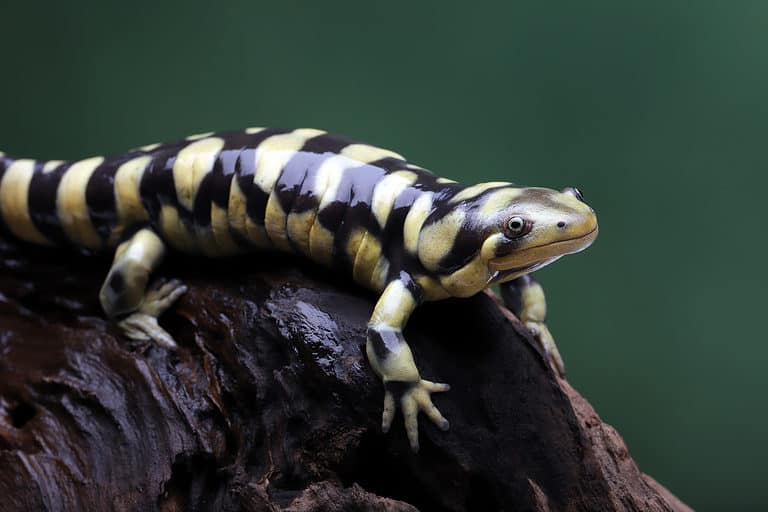
Portugal is rich in Jurassic history and is home to many significant fossil discoveries.
©Kristihim/Shutterstock.com
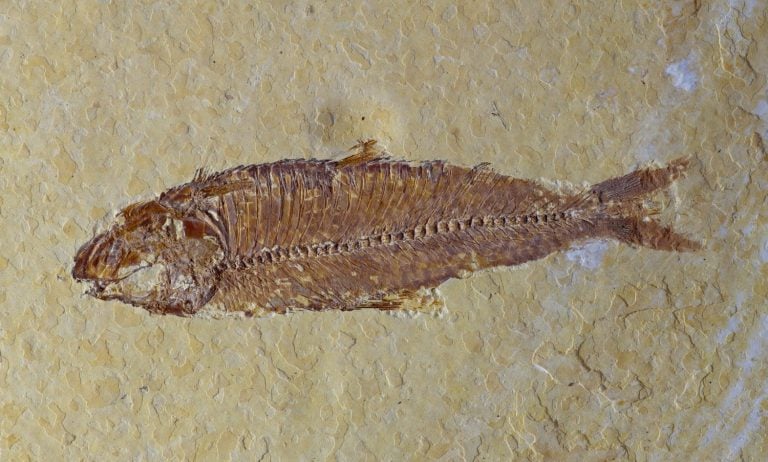
With help from citizen scientists, experts unearthed hundreds of bone fragments belonging to Nabia civiscientrix. Finding a complete fossil of such a small amphibian was a significant challenge. Many of its bone fragments were so tiny that a microscope was required to inspect them. Without one, they looked no larger than tea leaves. Observing them this way also revealed crucial details about the species, such as how its joints fit together, the pattern of its blood vessels, and where its bones overlapped.
The Miniature Anatomy of Nabia civiscientrix
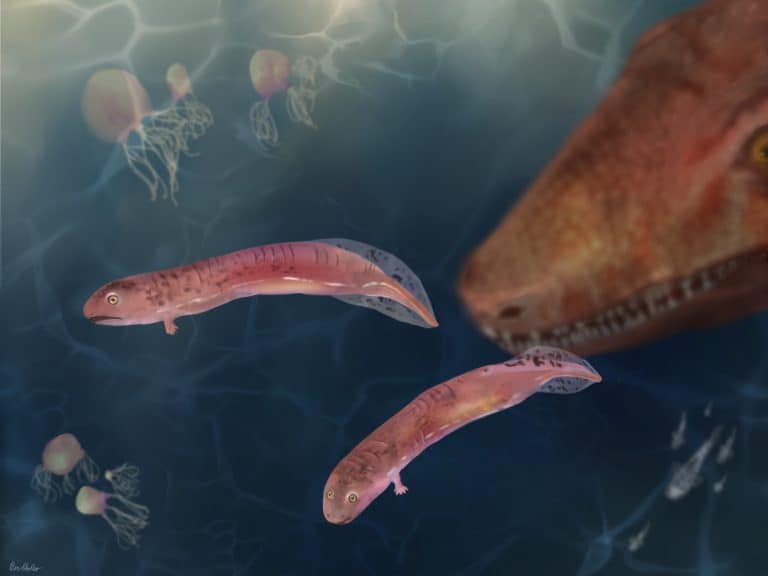
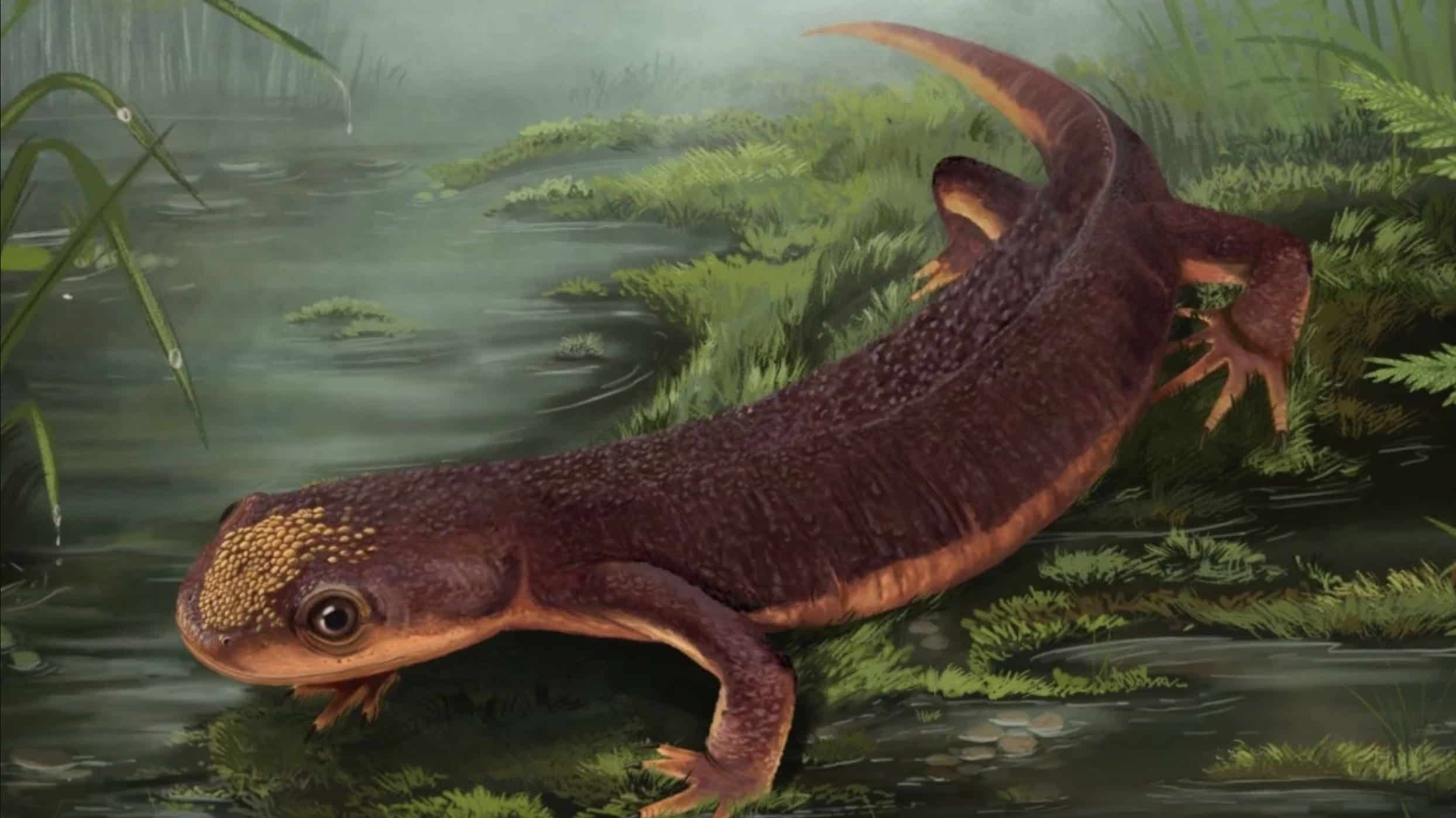
Nabia civiscientrix is extremely small, but scientists have already determined many of its features while it was alive. Millions of years ago, this amphibian would have shared some features with modern-day cold-blooded animals. Although it was much smaller, it would have had dry, scaly skin and a salamander-like body shape. Another similarity was its eyelids, which snapped shut like a chameleon’s for protection.
As Nabia civiscientrix hunted, it would have used a long, basilisk-like tongue to catch prey. This feature is more similar to that of a modern-day chameleon, which also uses its tongue to hunt. Like many other amphibians, it would have fed on insects and other prey in the wetlands of western Portugal. Using its projectile tongue, Nabia civiscientrix initially stunned its prey. While the insect was incapacitated, a rapid reeling motion would bring the animal to its mouth, where it was consumed whole.
Why Is This Discovery So Significant?
Nabia civiscientrix is a newly described member of the now-extinct Albanerpetontidae family. They were once native to the Northern Hemisphere and lived alongside much larger dinosaurs. This family group also includes several other small amphibious species with similar scales and bone structure. Despite living alongside much larger prehistoric neighbors, these amphibians played a significant role in the ecosystem.
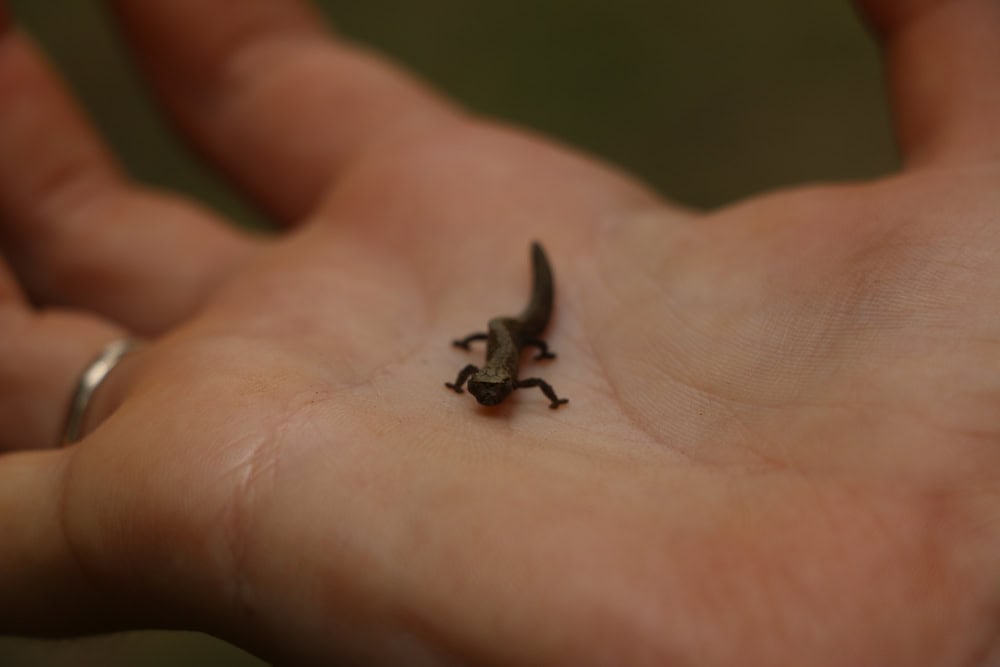
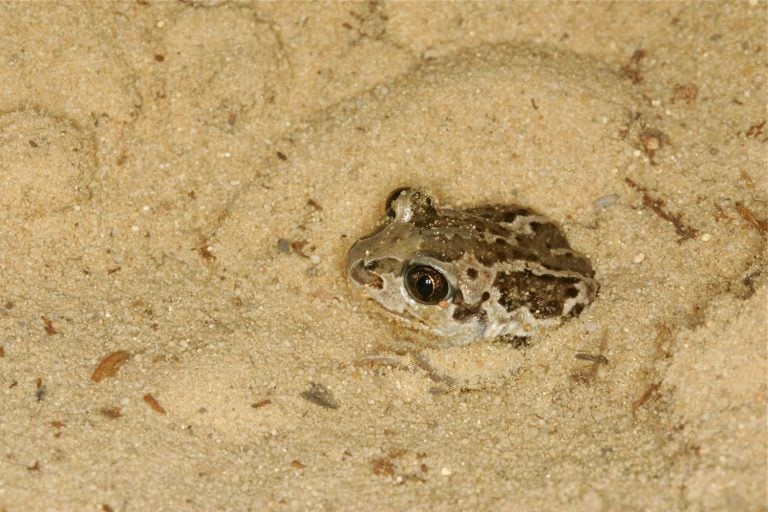
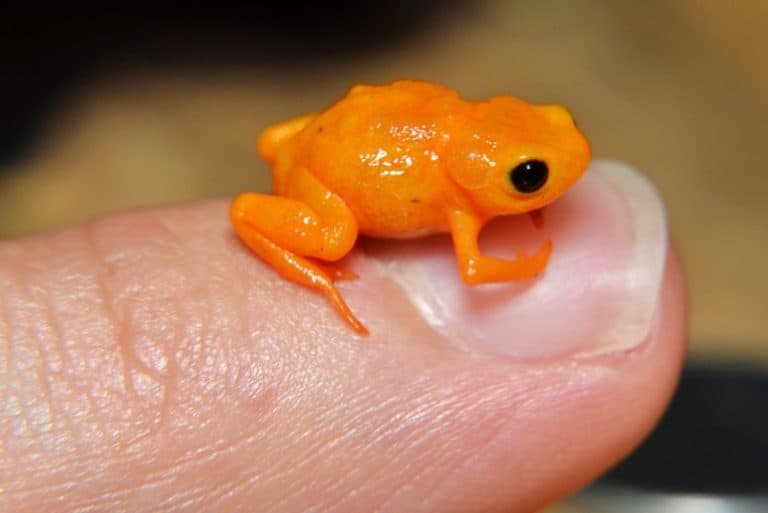
Nabia civiscientrix would have been smaller than most of the amphibians that roam the earth today.
©chriscasey/Shutterstock.com
The discovery of these fossils marks the oldest albanerpetontid remains found to date in the Iberian Peninsula. There’s still much to learn about this group of amphibians, and these new fossil remains pave the way toward new details. As with many new fossils belonging to a single species, this discovery can also help map or reevaluate previously discovered remains.
Another unique facet of Nabia civiscientrix‘s discovery is that it confirms a significant theory. Herpetofauna, or reptiles and amphibians specific to one region, were undoubtedly present in Lourinhã. Given the Jurassic period in which they lived, this information opens up a new world of study involving smaller prehistoric creatures. These fossils may have been one small step for Nabia civiscientrix, but their discovery represents a giant leap for paleontologists.