
Quick Take
- Washington's wolf population cratered in 2024 for reasons that still aren't fully understood. See the 2024 decline and recovery →
- Wolf-livestock attacks didn't just dip but collapsed entirely, and the strategy behind that drop challenges how most people think about predator-prey conflict. See the depredation drop →
- Even with population growth accelerating, one specific threat remains almost impossible to stop, and officials are well aware of it. See the ongoing threats →
The gray wolf population in Washington has experienced positive growth since breeding pairs returned to the state in 2008. That positive growth was unexpectedly stunted in 2024 when the population suddenly declined. However, there is good news to report. Washington’s gray wolf population surged by over 17% this past year, marking a major recovery milestone for the species.
Gray Wolf Population Increased to 270 Individuals
After a disastrous year-end minimum wolf count in 2024, Washington’s gray wolf population not only increased in 2025, but also soared. This has given conservationists and state officials reason to celebrate, as the gray wolf population is at its highest levels since 2008.
The Washington Department of Fish & Wildlife has released its annual year-end minimum wolf count report. The report shows an increase of over 17% in the wolf population. This is due to an increase in breeding pairs and pack numbers.
In total, 270 wolves were counted. Another 12.5% were added to account for wolves not seen during the survey or those that are lone wolves. Additionally, 49 wolf packs were counted (consisting of two or more wolves), and 23 of those packs consisted of successful breeding pairs.
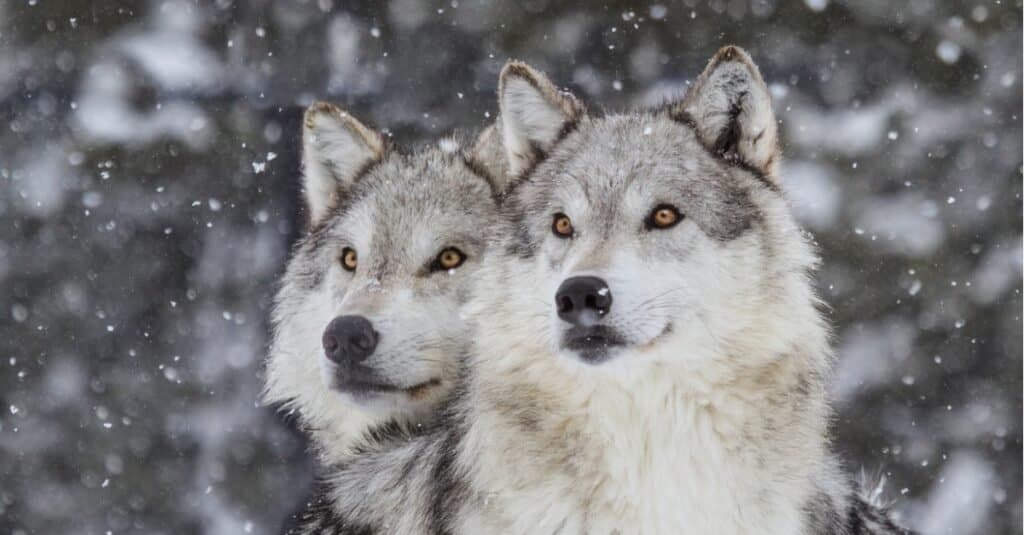
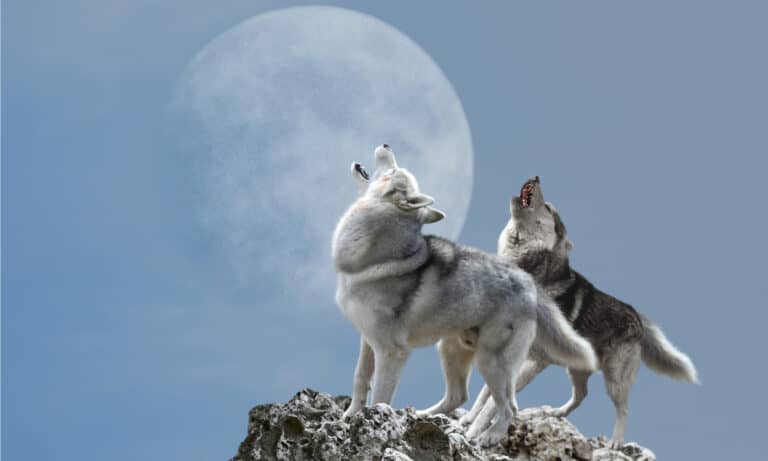
The gray wolf population jumped to 270 individuals in 2025.
©iStock.com/rogertrentham
Unfortunately, no packs or breeding pairs were seen in the Southern Cascades and Northwest Coast Recovery Region. This means that gray wolves still have a long way to go before they reach their goals as set forth by the Wolf Conservation Management Plan.
While the total number of wolves increased from 2024 to 2025, the wolf population still experienced losses over the course of the year. In total, 28 wolves died, according to WDFW. The reasons for the deaths include:
- Four wolves removed by WDFW due to depredation
- Two killed while actively depredating livestock
- Two natural mortalities
- One unknown cause of death
- One death caused by a WDFW capture operation
- 12 legally harvested by tribal nation members
- Three human-caused mortalities of monitored wolves
- Three mortalities caused by illegal poaching
With the increase in population, there is hope that gray wolves can not only continue to thrive in Washington, but can do so harmoniously with livestock owners.
Losses From 2024 Were Offset by the Formation of New Gray Wolf Packs
Conservationists sounded the alarm in 2024, as the gray wolf population in Washington declined by the largest amount since breeding packs began being monitored in 2008. By the end of 2023, there were 254 wolves in 42 packs throughout the state. But as 2024 came to a close, there were 230 wolves in 43 packs. This marked a 9% decrease in just one year.
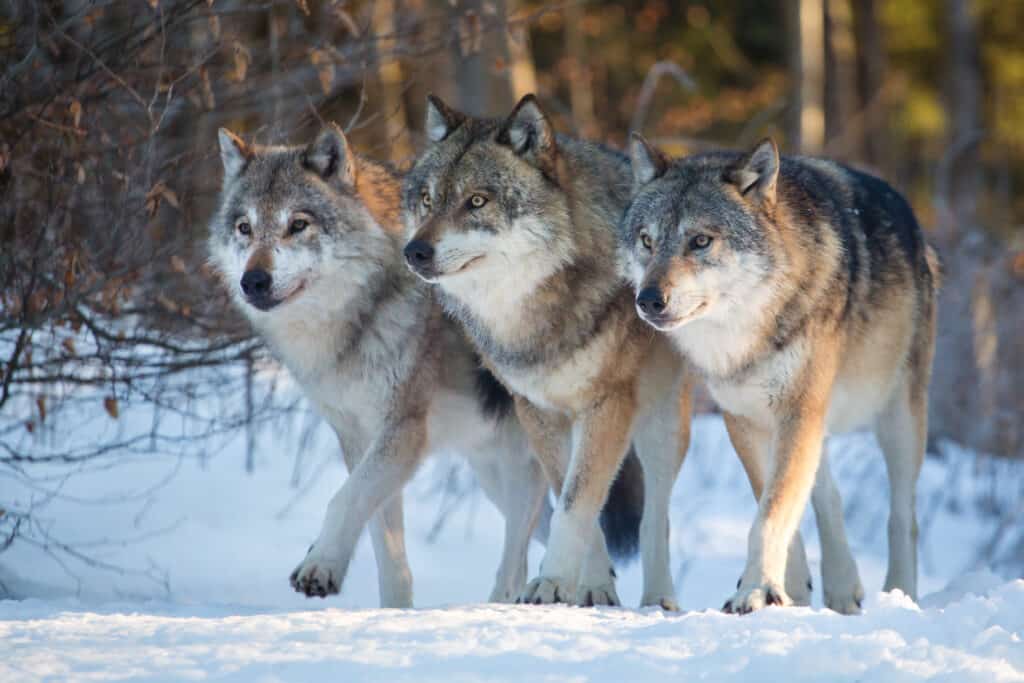
The gray wolf population increase in 2025 made up for losses in 2024.
©David Dirga/Shutterstock.com
There was no telling what the population would look like for the 2025 survey. Fortunately, despite the decrease from 2024, the 17.4% population increase offset any losses. In total, the gray wolf population has increased by over 21% since 2008.
Wolf-Livestock Depredation Decreased in the Same Time Period
The decrease in wolf-livestock depredation in 2025 is no accident. Washington has been working for nearly 15 years to create plans that allow livestock and wolves to live harmoniously. While there were still 17 wolf depredation reports in 2025, that number was down dramatically from 54 in 2024, with 90% of the wolf packs not participating in depredation. This shows that the efforts put forth by conservation groups and the WDFW are working.
The reason there have been fewer livestock attacks is a multi-pronged approach to tackling the problem. Some of the methods used to deter gray wolves from attacking livestock include:
- Use of fencing to reduce attacks
- Use of guard dogs to reduce attacks
- Non-lethal deterrents being used more frequently
- Monitoring gray wolves in regions with high attacks
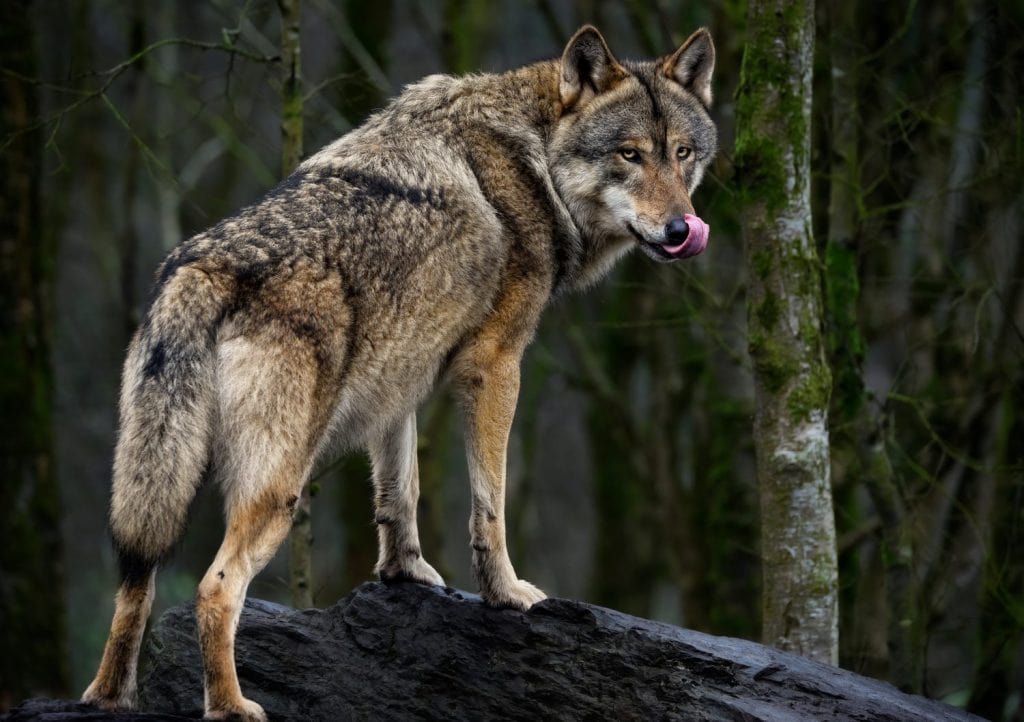
Wolf-livestock conflict decreased in 2025.
©ambquinn/Shutterstock.com
Since 2011, Washington’s Wolf Conservation Management Plan has set goals for the distribution and population of gray wolves across the state. Although goals were not met in 2025 for the Southern Cascades and the Northwest Coast recovery region, they were met in Eastern Washington and the North Cascades. The latter is believed to have helped reduce depredation in known hotspots.
In 2025, there was a brief “dispersal event” of a lone wolf in the Southern Cascades region. Conservationists are encouraged by this movement, as it shows wolves are capable of finding new territory and extending their range. When this happens, there is less risk to livestock. However, because poaching remains particularly high in the Southern Cascades, the future for gray wolves in that region is uncertain.
Gray Wolves Were Once Extinct in Washington
Historically, gray wolves were part of the Washington landscape. While the exact population is unknown, by the 1930s, all gray wolves had been eradicated from the state as a result of hunting, trapping, and bounty programs that paid to kill wolves.
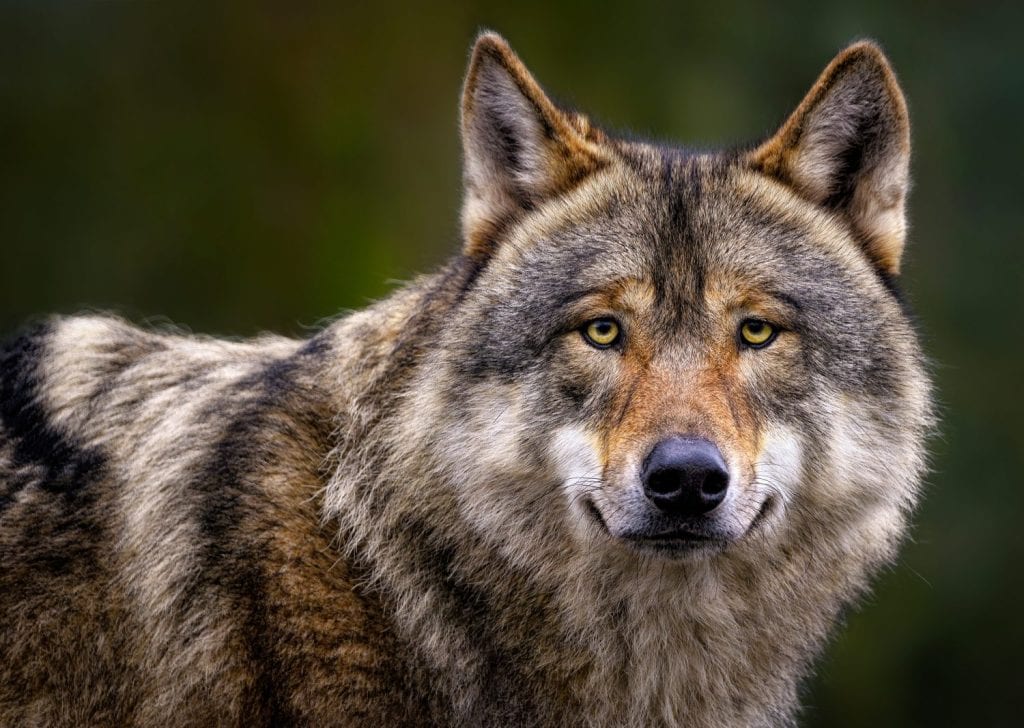
After being hunted and trapped, gray wolves were extinct in Washington as of the 1930s.
©ambquinn/Shutterstock.com
Washington remained wolf-free for decades. However, after biologists relocated wolves living in Canada to Yellowstone National Park and Idaho, the wolves eventually found their way back to Washington. By 2008, the Lookout Pack became the first breeding pack in nearly 80 years.
Threats Gray Wolves Face Today
Just because the gray wolf population increased in 2025 does not mean gray wolves do not face threats to their survival. This is clear from the population decline in 2024. Although an increase in wolf numbers and packs improves the chances of their long-term survival in Washington, gray wolves will remain at risk until manmade threats are reduced.
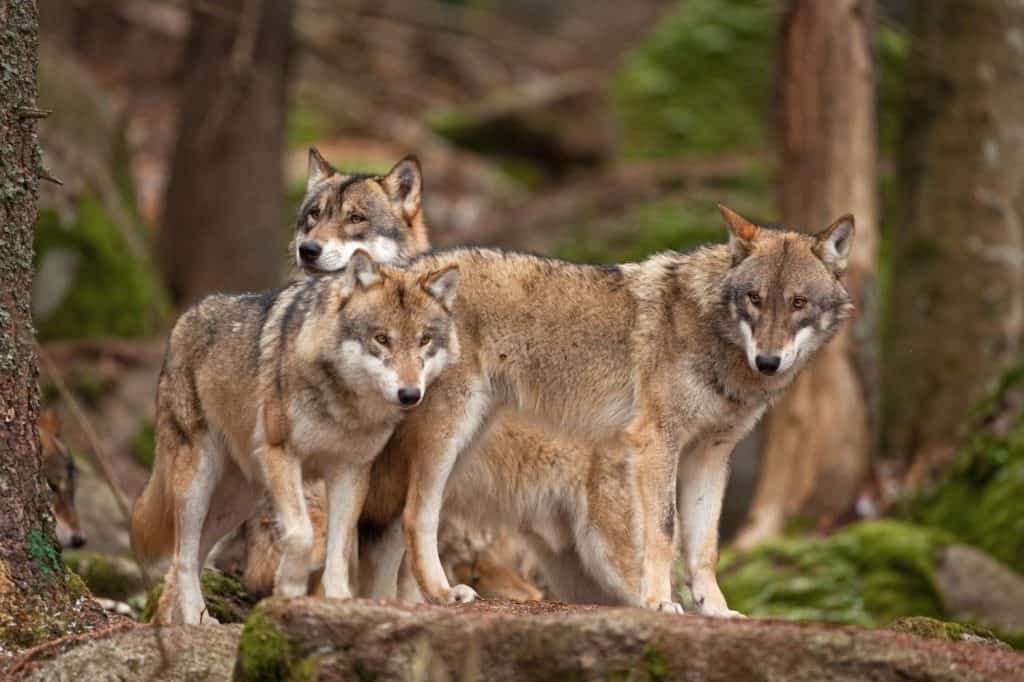
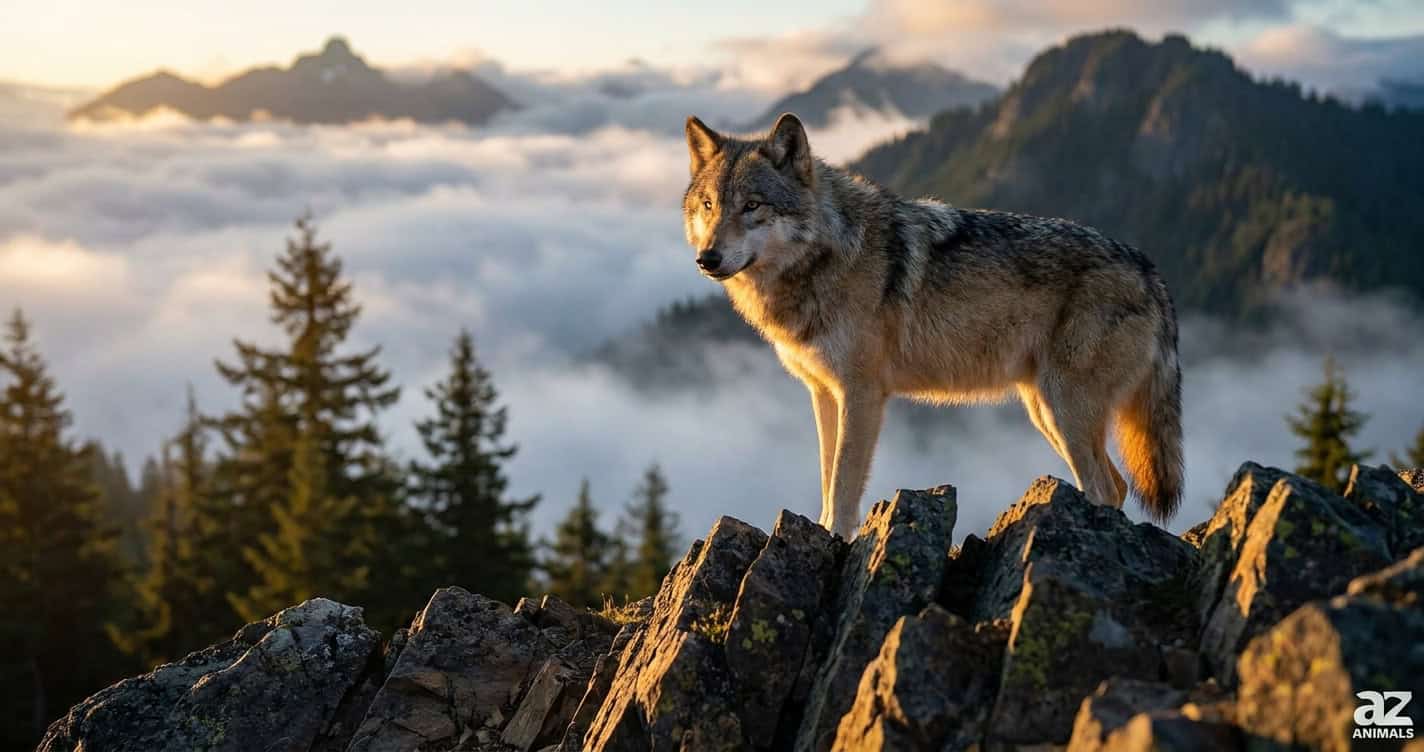
The Washington gray wolf population may be increasing, but threats still plague the canines.
©Martin Prochazkacz/Shutterstock.com
The biggest threats gray wolves face today include:
- Habitat loss
- Habitat fragmentation
- Livestock depredation deaths
- Decrease in prey
- Disease
Perhaps the largest threat is the illegal killing of gray wolves. Poachers continue to target gray wolves, with five being killed in 2024 and another three killed in 2025. Unfortunately, those who kill the gray wolves illegally understand that the chances of being caught are low. Therefore, until better methods are put into place to catch and convict poachers, the truth of the matter is that there will be some gray wolf deaths associated with illegal killings annually. The hope is that the population will continue to grow so that even when wolves are lost, the overall numbers are not negatively affected.