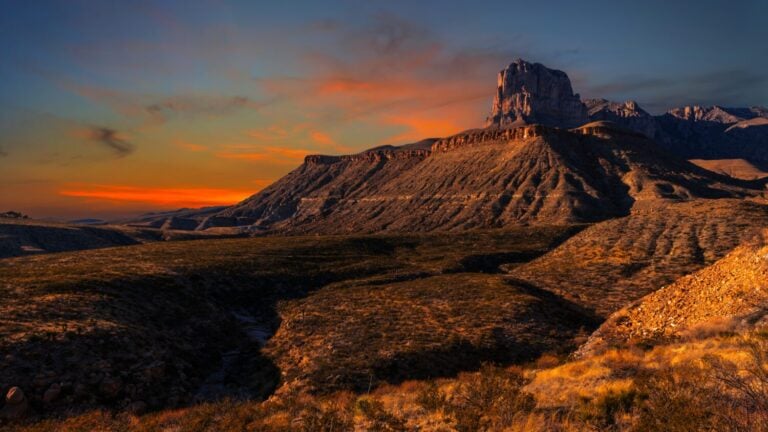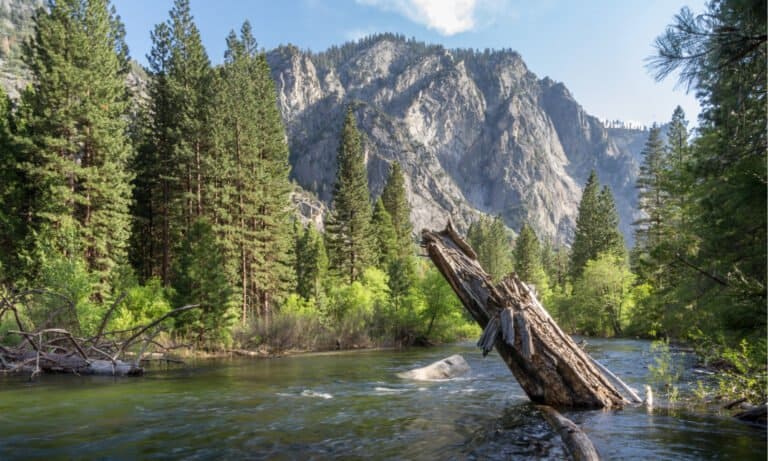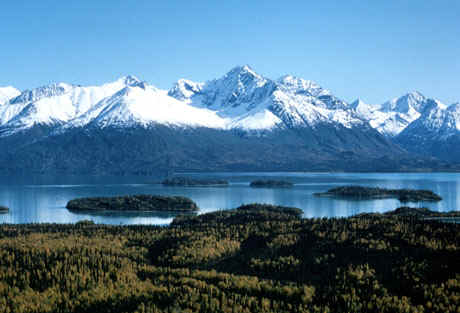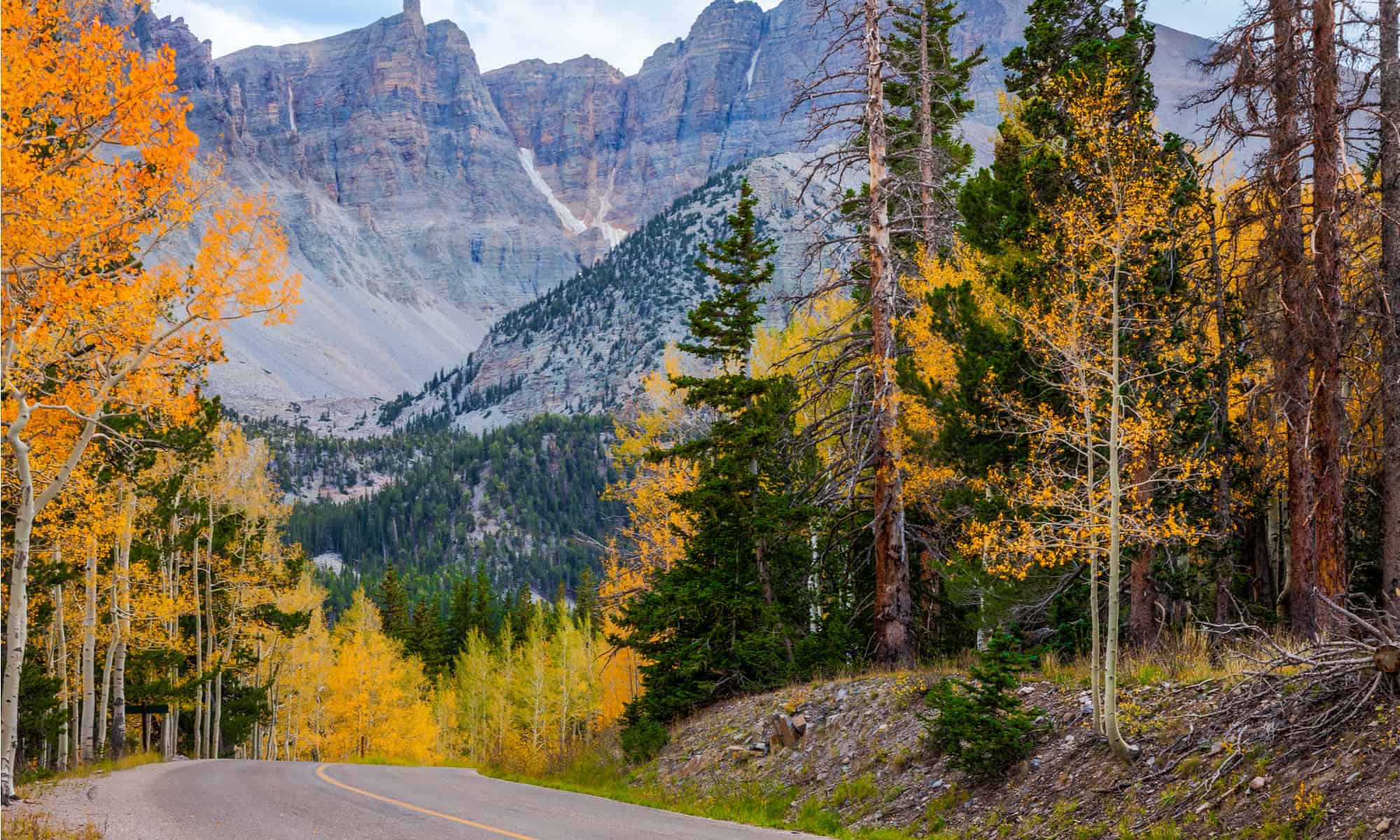

Tucked away in eastern Nevada, Great Basin National Park is a hidden gem for nature lovers and wildlife enthusiasts. This 77,180-acre park preserves an awe-inspiring slice of the Basin and Range landscape, with everything from sagebrush lowlands to alpine peaks and ancient bristlecone pine groves. While it may be one of the country’s least-visited national parks, attracting about 150,000 people in 2024, its isolation protects a vibrant mosaic of ecosystems and some of the darkest night skies in the nation. These are some of the species you can encounter there.
Mule Deer (Odocoileus hemionus)

Mule Deer (Odocoileus hemionus)
©Tom Reichner/Shutterstock.com
With their signature long ears and graceful leaps, mule deer are one of Great Basin National Park’s most iconic mammals. They can be seen year-round, but especially during early mornings and twilight as they browse through meadows and forest edges in lower- and mid-elevations. During summer, mule deer are often spotted in the aspens and mountain mahogany, while snowy winters drive them to seek food in sagebrush valleys. When you visit the park, try scanning the hillsides with binoculars or going hiking at dawn to improve your chances of observing these gentle, watchful deer.
Townsend’s Big-eared Bat (Corynorhinus townsendii)
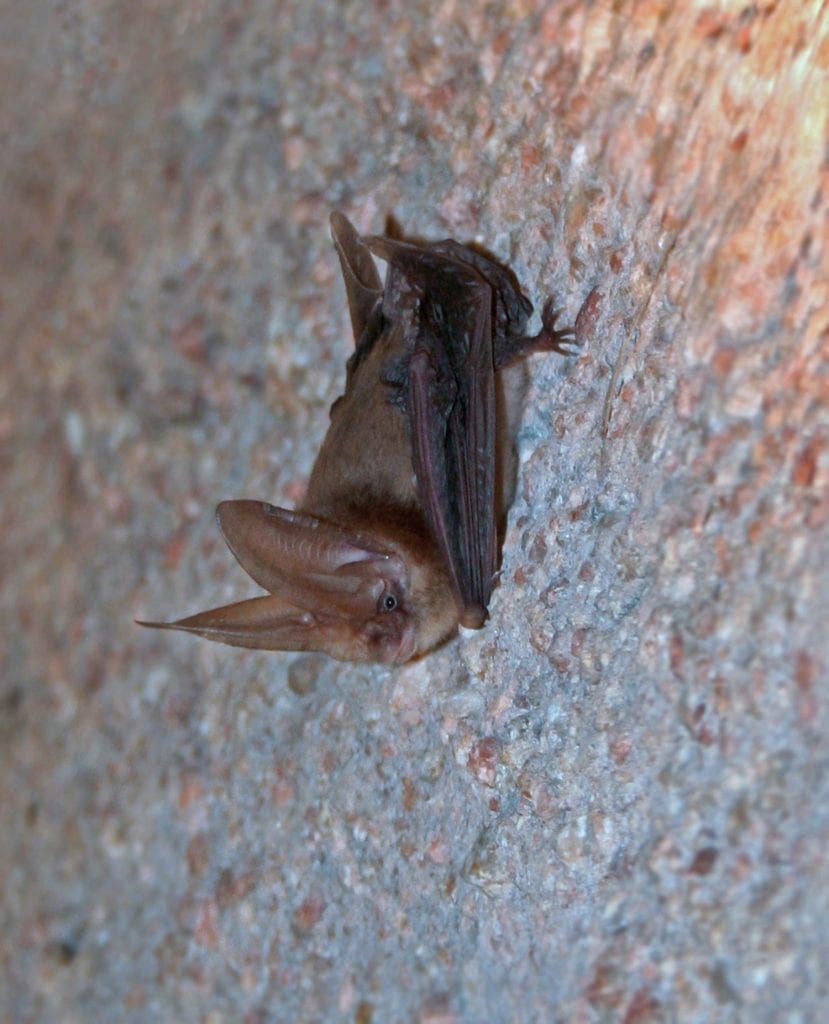
Townsend’s Big-eared Bat (Corynorhinus townsendii)
©Creeping Things/Shutterstock.com
At night, the skies above Great Basin fill with the silent swoop of bats, including the distinctive Townsend’s big-eared bat. These insect-eating mammals are easily identified by their large, rounded ears, which help them echolocate their prey. Bats are most active from late spring to early fall, and can sometimes be seen darting through twilight near entrances to caves or over ponds. While elusive, watching these bats emerge at dusk near Lehman Caves is an unforgettable sight for attentive visitors.
Tiger Salamander (Ambystoma mavortium)
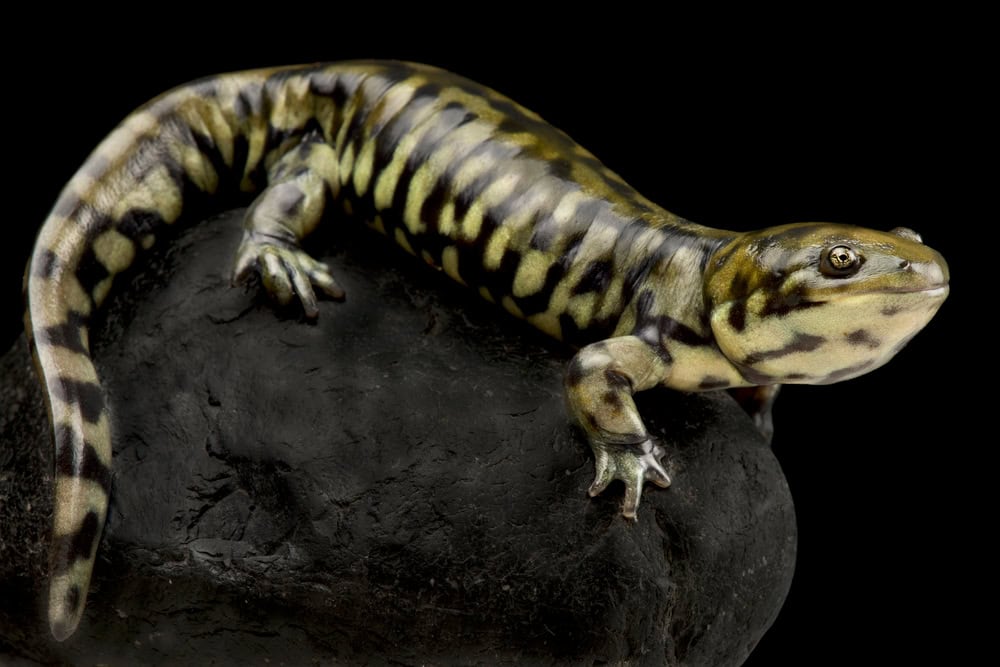
Tiger Salamander (Ambystoma mavortium)
©reptiles4all/Shutterstock.com
Despite the arid setting, the park nurtures amphibians like the tiger salamander. These secretive creatures spend much of their time underground but emerge in spring and after heavy rains to breed in ponds and temporary pools. Their olive-green bodies, spotted or striped with yellow, provide great camouflage. Spotting one requires patience—a rainy evening or a quiet puddle near a stream might reveal one of these rare, shy amphibians.
Mountain Lion (Puma concolor)

Mountain Lion (Puma concolor)
©The Len/Shutterstock.com
The mountain lion, or cougar, is the park’s top predator and a symbol of true wilderness. Rarely seen, these elusive cats usually hunt at dawn and dusk, preying on deer and smaller mammals over expansive territories. While hikers are very unlikely to spot a mountain lion, knowing they roam the valleys and forests adds to the park’s wild allure. Occasional tracks in soft earth or snow offer subtle clues to their presence.
Bonneville Cutthroat Trout (Oncorhynchus clarkii utah)
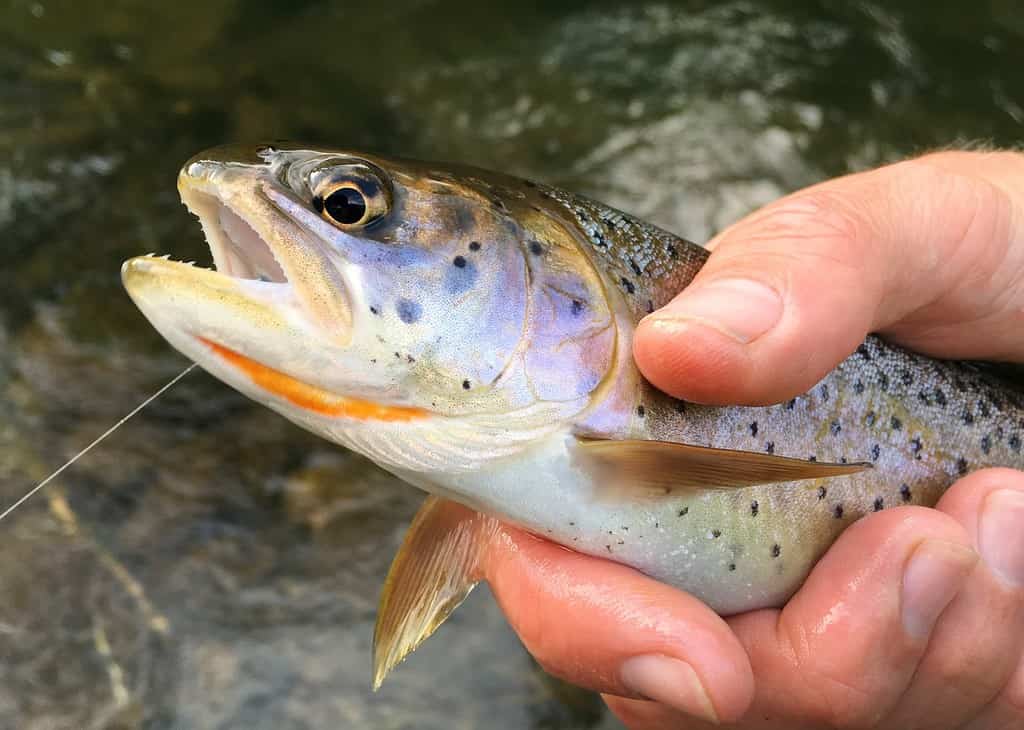
Bonneville Cutthroat Trout (Oncorhynchus clarkii utah)
©Matt Jeppson/Shutterstock.com
Native to the cold, clear streams of the park, the Bonneville cutthroat trout is a prized catch for anglers and a conservation success story. Once thought extinct in many areas, careful management has reestablished populations in several park creeks, including Baker and Lehman creeks. These trout are best seen in late spring through fall, and fishing is allowed with a Nevada license. Their distinctive red-orange throat slash and sleek bodies stand out in the pebbled shallows.
American Badger (Taxidea taxus)

American Badger (Taxidea taxus)
©Danita Delimont/Shutterstock.com
The burly, solitary American badger spends its days digging after rodents in meadows and sagebrush flats across the park. Recognizable by their low, stout bodies and bold facial stripes, badgers are more commonly seen at dawn or dusk when they patrol their ranges in search of prey. Observers lucky enough to glimpse a badger in action might witness a burst of impressive digging or watch one disappear into a freshly made burrow.
Great Basin Collared Lizard (Crotaphytus bicinctores)

Great Basin Collared Lizard (Crotaphytus bicinctores)
©RMMPPhotography/Shutterstock.com
If you walk over the sunny rocks and open desert in the park, you might, with a little luck, spot the colorful Great Basin collared lizard. Males are especially striking during breeding season, with vivid blue and yellow patterns on their bodies. These active, diurnal reptiles bask on rocky outcrops before dashing off to hunt insects and smaller lizards. Warmer temperatures in late spring and early summer bring them into view along exposed trails and boulders.
Clark’s Nutcracker (Nucifraga columbiana)
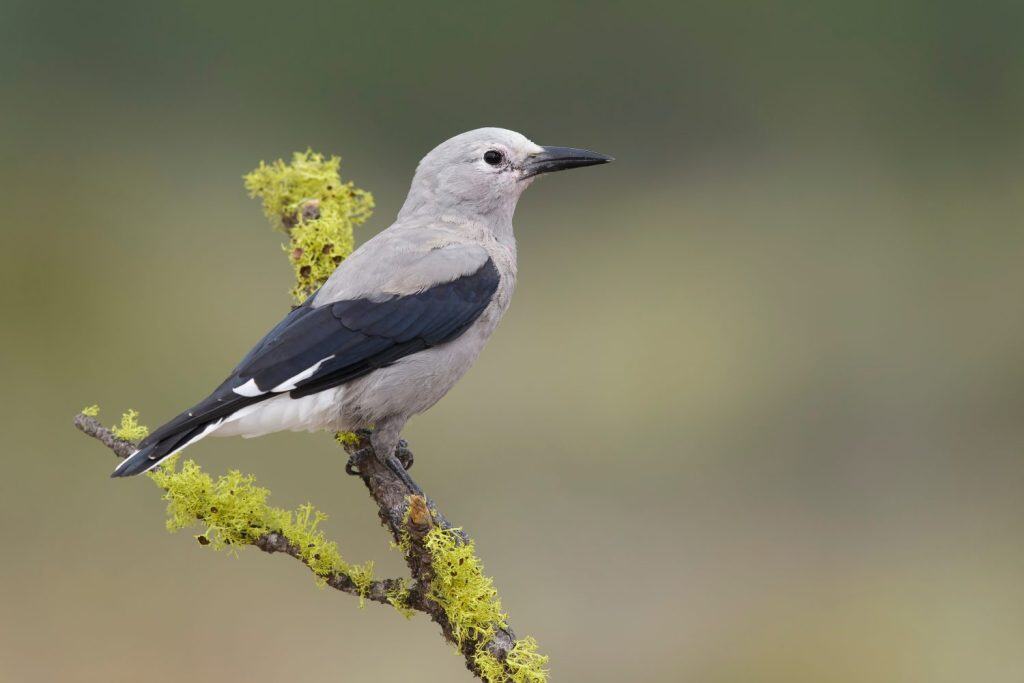
Clark’s Nutcracker (Nucifraga columbiana)
©Agami Photo Agency/Shutterstock.com
High among the bristlecone pine groves, the raucous calls of Clark’s nutcrackers break the alpine silence. These intelligent birds are gray with black-and-white wings, and they play a vital role in dispersing pine seeds throughout the park. Nutcrackers are active year-round but are more visible in late summer and autumn when they cache seeds for the winter. Scan the treetops along the Wheeler Peak trail for their lively antics.
Long-nosed Leopard Lizard (Gambelia wislizenii)
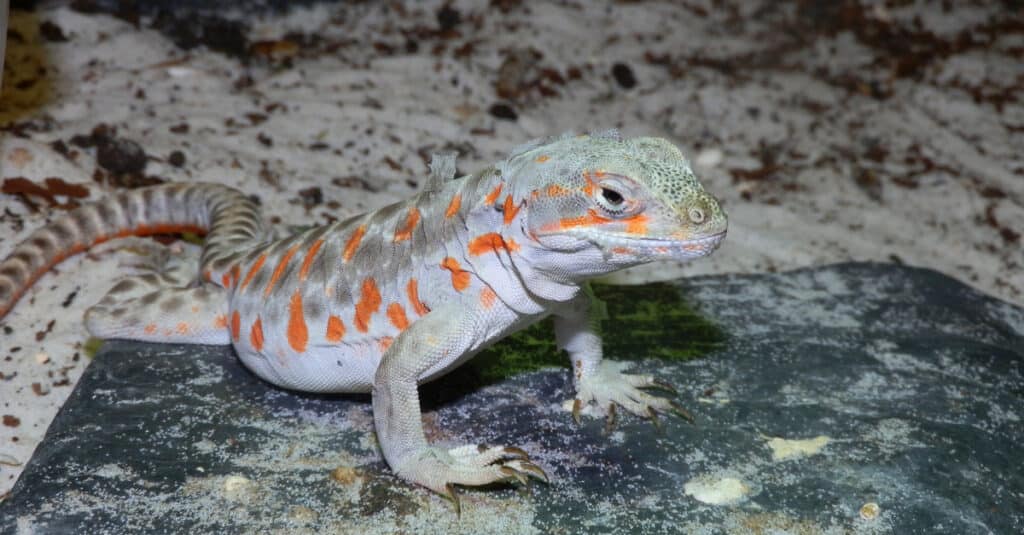
Long-nosed Leopard Lizard (Gambelia wislizenii)
©Vladimira Pufflerova/Shutterstock.com
Quick, alert, and beautifully patterned, the long-nosed leopard lizard thrives in the park’s sagebrush flats. Active in the mornings and evenings through summer, these lizards bask on open ground before hunting insects and other lizards. Their spots and long, slender heads give them a distinctive look, and alert hikers on quiet, sunlit paths might catch a glimpse as one darts through the brush.
Pronghorn (Antilocapra americana)
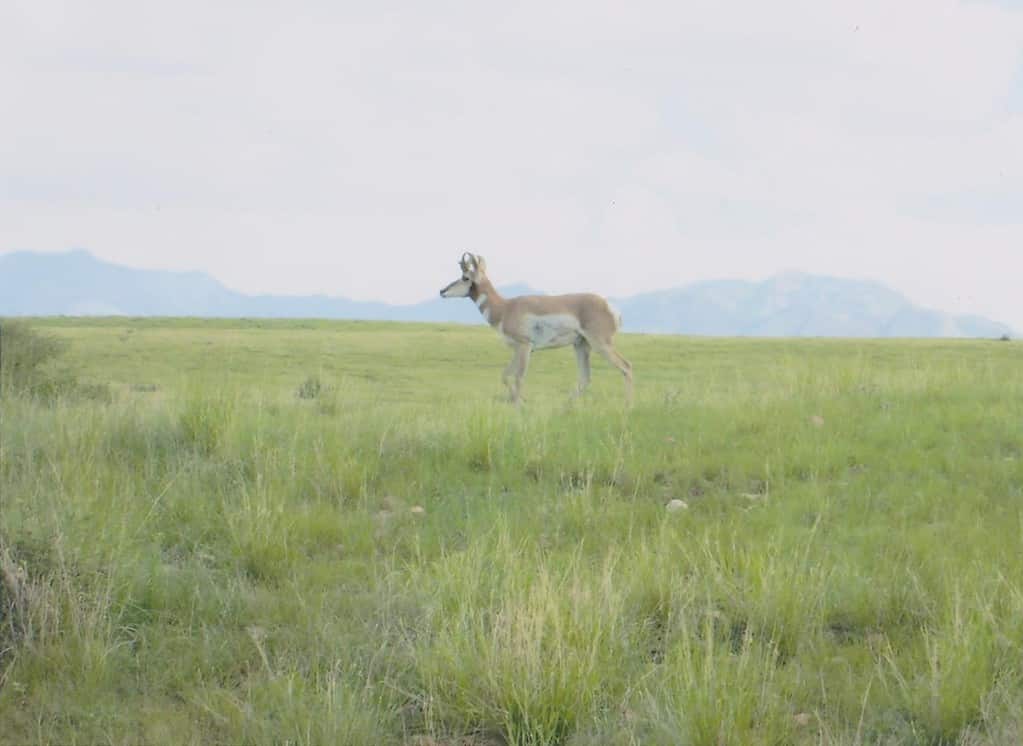
Pronghorn (Antilocapra americana)
Sometimes colloquially called “antelope,” pronghorns are unique to North America. Fleet-footed herbivores, they roam the park’s open basins and grasslands and are often seen grazing in small groups during the warmer months. Their keen eyesight and blazing speed (second only to the cheetah) make them challenging to approach. Patient wildlife watchers might be rewarded with a view of them by scanning open meadows and sagebrush with binoculars or a telephoto lens.
Western Tanager (Piranga ludoviciana)

Western Tanager (Piranga ludoviciana)
©vagabond54/Shutterstock.com
From late spring through early summer, the vibrant red and yellow of the migratory western tanager bring color to aspen groves and stream corridors. They’re often feeding on insects and berries amid the trees. Birders should listen for their distinct call and look for flashes of bright plumage in the canopy during nesting season. The best times to view these songbirds are from late May through July, with nesting activity peaking in June.
Sagebrush Lizard (Sceloporus graciosus)
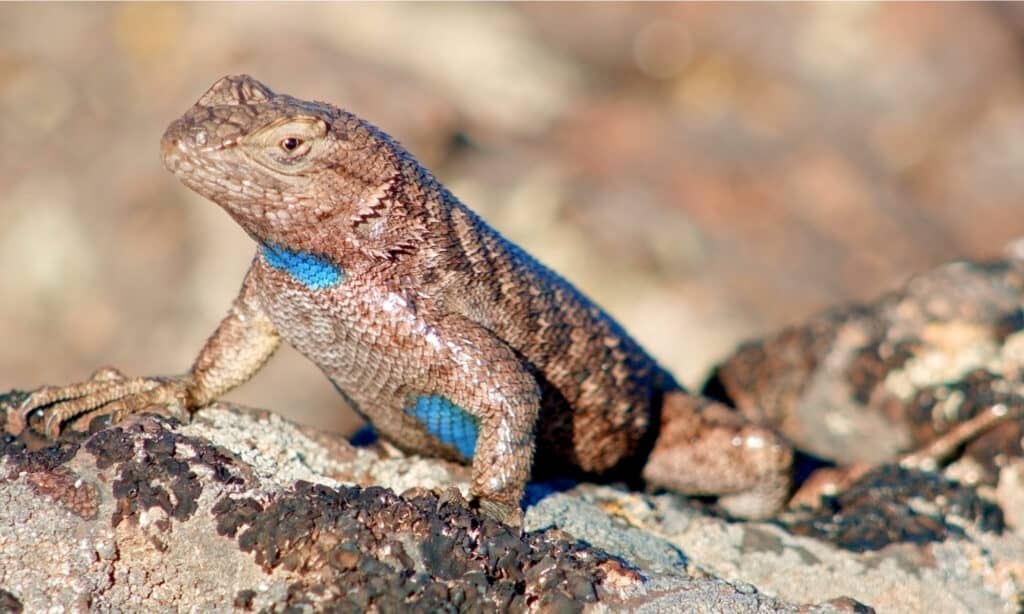
Sagebrush Lizard (Sceloporus graciosus)
©Tyler Hulett/Shutterstock.com
The sagebrush lizard is a tiny reptilian resident of lower-elevation park areas. It is pale brown or gray with subtle spot patterns and a gorgeous swath of blue on the belly of males. Watch for quick movements in the sand or on low rocks as these active lizards emerge to feed during warm, sunny days in late spring through summer, darting away from any possible approaching danger.
Black-tailed Jackrabbit (Lepus californicus)
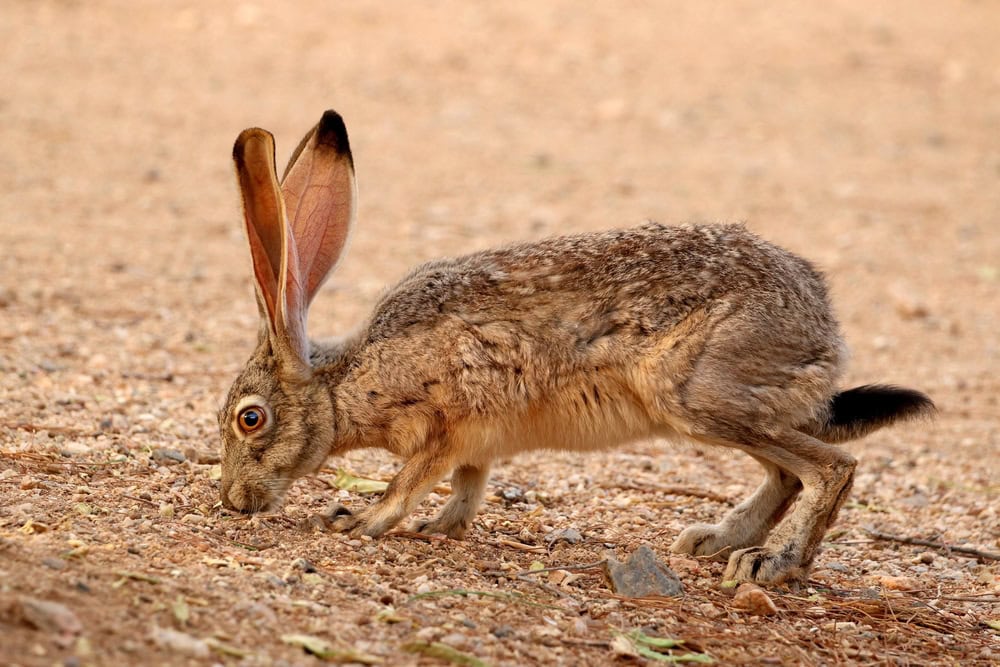
Black-tailed Jackrabbit (Lepus californicus)
©J Curtis/Shutterstock.com
With their towering ears and strong legs, black-tailed jackrabbits epitomize the wild energy of the American West. Most active during dawn and dusk, these hares use their incredible speed to evade predators and forage through wide swaths of sagebrush flats. They are not hard to find; look along quiet roadsides and open meadows, especially in the early morning light.
Uinta Chipmunk (Neotamias umbrinus)
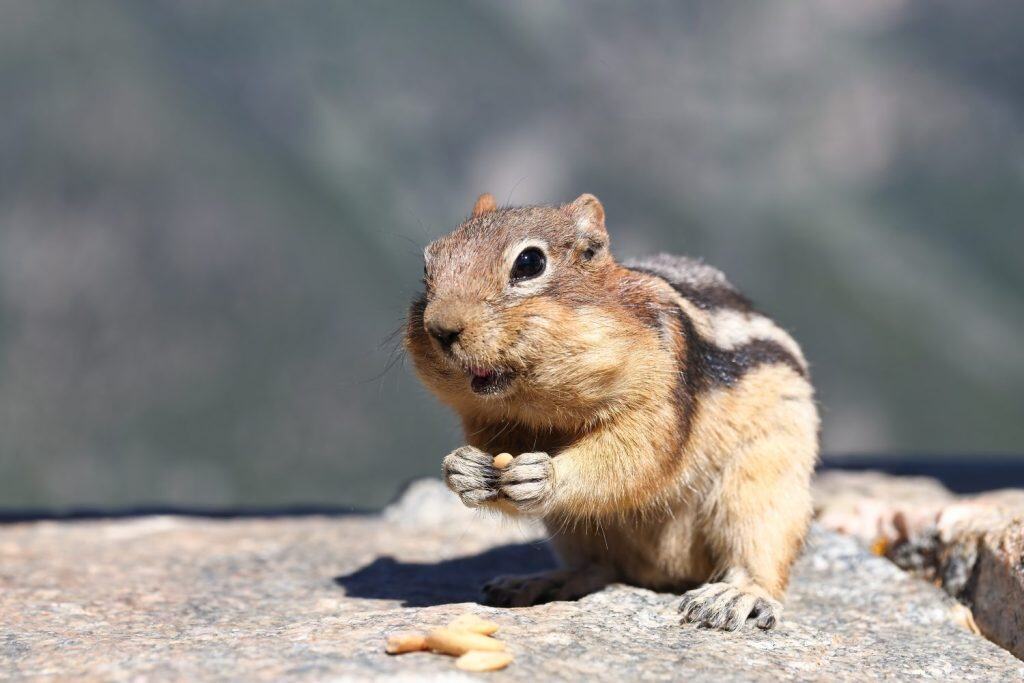
Uinta Chipmunk (Neotamias umbrinus)
©Look At You Photography/Shutterstock.com
Small, striped, and endlessly busy, Uinta chipmunks scamper through the forests, especially near campsites, picnic areas, and downed logs. They are diurnal rodents, most active in the warmer months as they forage for seeds and berries. Their chatter and quick movements are a common sight along the Wheeler Peak and Baker Creek trails.
Milbert’s Tortoiseshell (Aglais milberti)
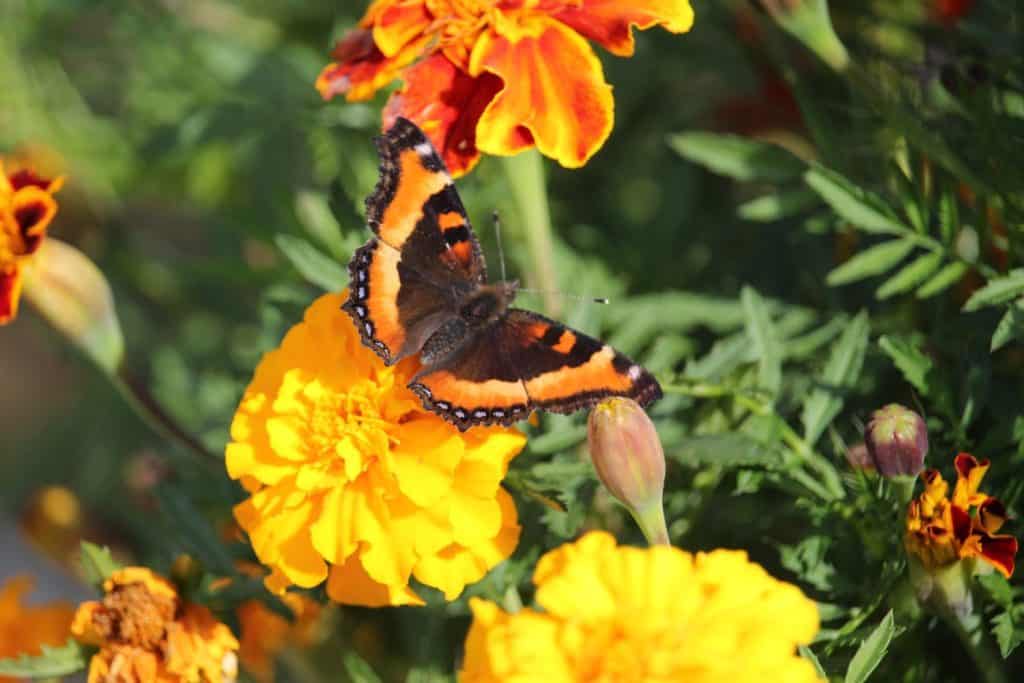
Milbert’s Tortoiseshell (Aglais milberti)
©Deb Anderson/Shutterstock.com
This striking butterfly is a delightful part of summer, fluttering among park wildflowers and wooded stream banks. With orange and black patterned wings and distinctive blue spots along the edge, Milbert’s tortoiseshell can be seen from late spring through early fall. Visitors might catch them basking on sun-warmed rocks or fluttering through meadows on bright days.
Nature’s Hidden Kingdom
Great Basin National Park teems with an unexpected array of wildlife, each species ingeniously adapted to a landscape of extremes. Here, careful observers can find the subtle wonders thriving from sagebrush valleys to wind-swept peaks. This wild collection of life will connect you to the real American West—a place that existed long before humankind arrived and may yet outlast us.