
Quick Take
- The popular myth of the Rapa Nui people, who lived on Easter Island, and who were rumored to cause the collapse of their island, is wrong
- Rats ate the palm nuts that were on the island and stopped all future palms from growing.
- Models show this was possible, and so does the archaeological evidence.
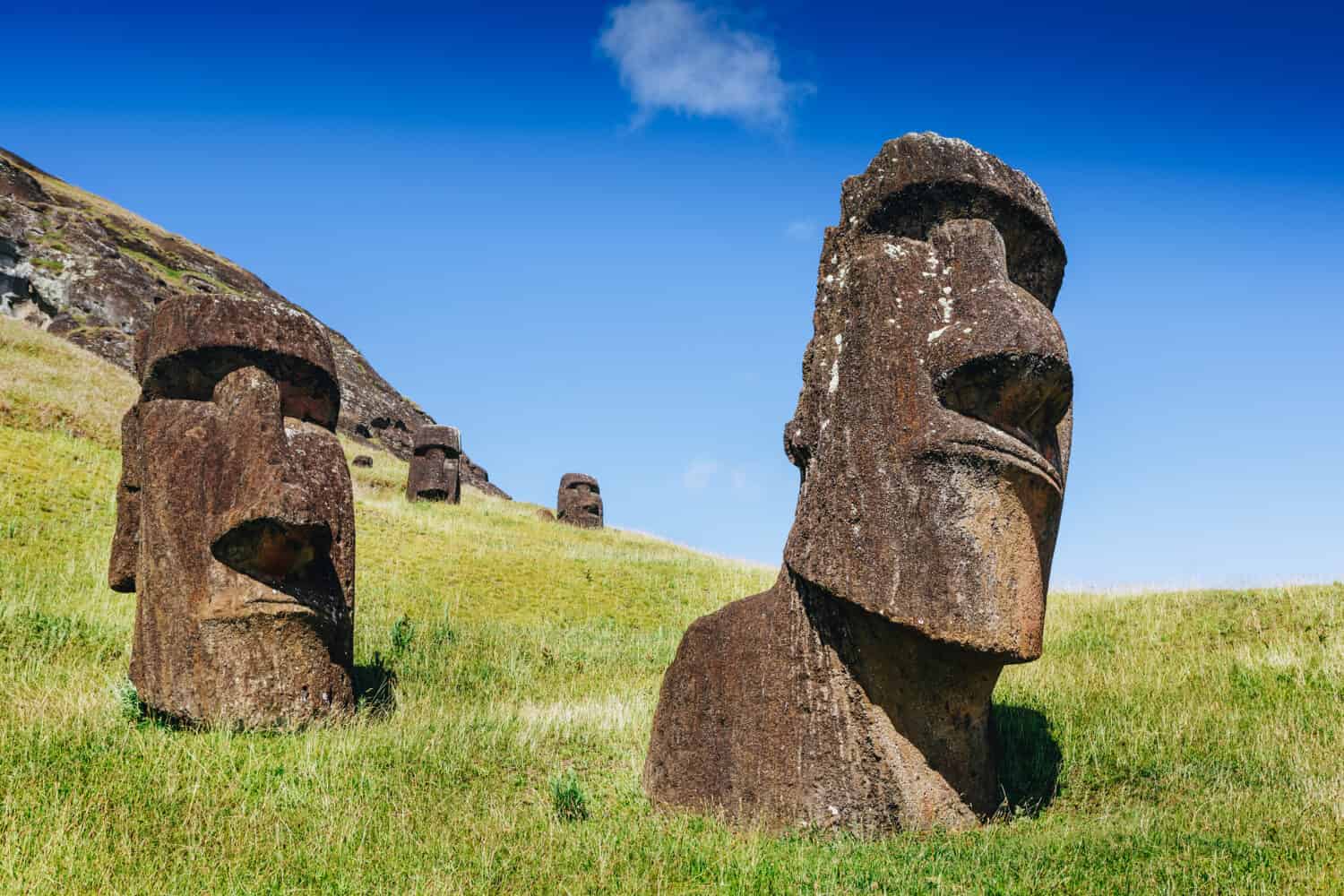
For years, the story of Easter Island has been told as a grim fable: a small, isolated community cut down its last tree, destroyed its own environment, and collapsed in a kind of prehistoric cautionary tale, all before Europeans arrived in the 1720s. The moai statues—those towering stone heads and torsos—were cast as symbols of hubris, rolled into place on log rollers that were supposedly used to doom the island’s palm forests. But according to new research, that familiar story is mostly wrong.
A new study in the Journal of Archaeological Science led by anthropologists Dr. Terry Hunt and Dr. Carl Lipo argues that the real culprits behind Rapa Nui’s vanished forest were not just people with axes and torches, but millions of hungry stowaways: Polynesian rats.
“Instead of a parable of eco-suicide, it’s a story about unintended ecological consequences and remarkable human adaptation,” Hunt, a professor at the University of Arizona, tells A-Z Animals.
Where Giants Meet Rodents
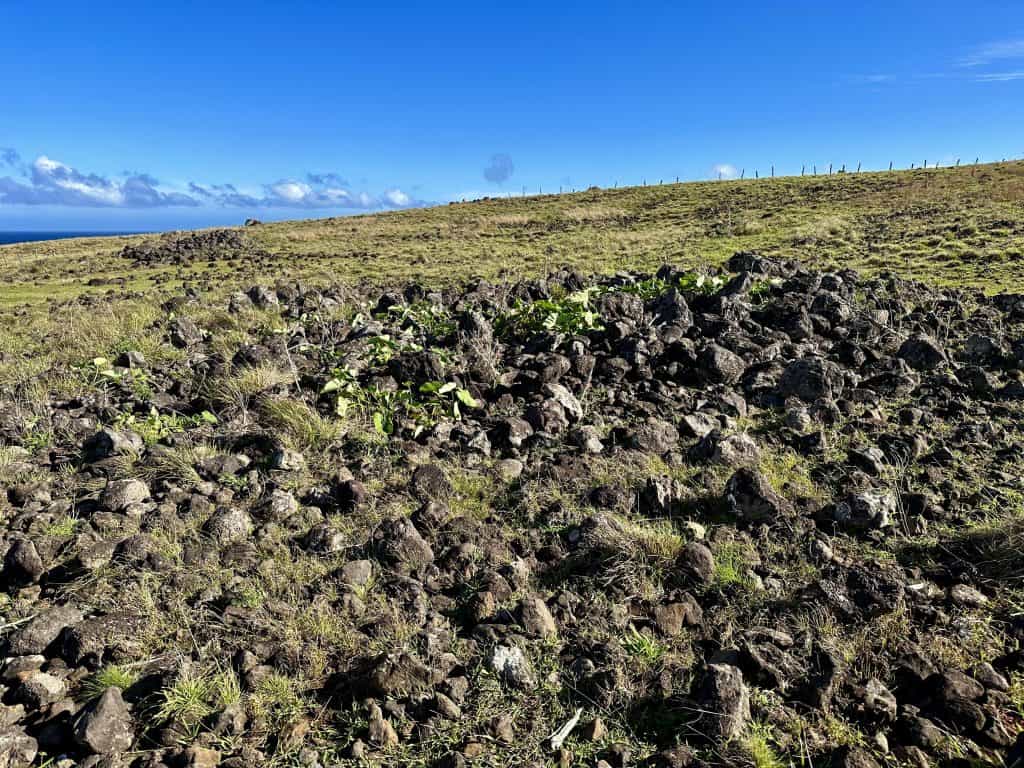
The stone mulch gardens with taro that the Rapa Nui people would have farmed.
©Courtesy of Terry L Hunt
Before humans arrived, Rapa Nui was blanketed in dense palm forest. The island’s dominant tree, now extinct, was a massive palm closely related to the Chilean wine palm. These trees lived for centuries and took about 70 years to reach maturity. They grew slowly, reproduced slowly, and had no experience with mammals that could gobble up their seeds.
When Polynesian voyagers landed around 1200 CE, they brought with them a familiar “survival kit”: crops like taro, sweet potato, and yams, as well as dogs, chickens, and pigs. Tagging along, intentionally or not, was a small, tree-loving rodent: the Polynesian rat, Rattus exulans.
For these rats, Rapa Nui was paradise. There were no natural predators, plenty of nesting sites, and, most importantly, palm nuts everywhere. The rats reproduced rapidly, and their population soared.
“The same thing happened in other islands such as Hawaii and New Zealand, where rats changed the composition of the vegetation, but the islands were too large and diverse to see more profound impacts,” Hunt explains. “On Rapa Nui, people certainly cleared trees, especially with fire, but they were operating in an ecosystem in synergy with rat-driven seed failure. The forest didn’t collapse in a single catastrophic event; instead, it slowly dwindled over centuries because the palms simply couldn’t replace themselves under intense predation. “
Ecological modelling in the new study shows just how fast things could have escalated. Using conservative estimates of rat reproduction, the authors estimate that a single breeding pair could give rise to a population of more than 11 million rats in under 50 years. At those numbers, almost every palm seed that hit the ground was at risk.
Instead of a parable of eco-suicide, it’s a story about unintended ecological consequences and remarkable human adaptation.
Terry Hunt, professor at the University of Arizona
Did Humans Have Some Involvement?
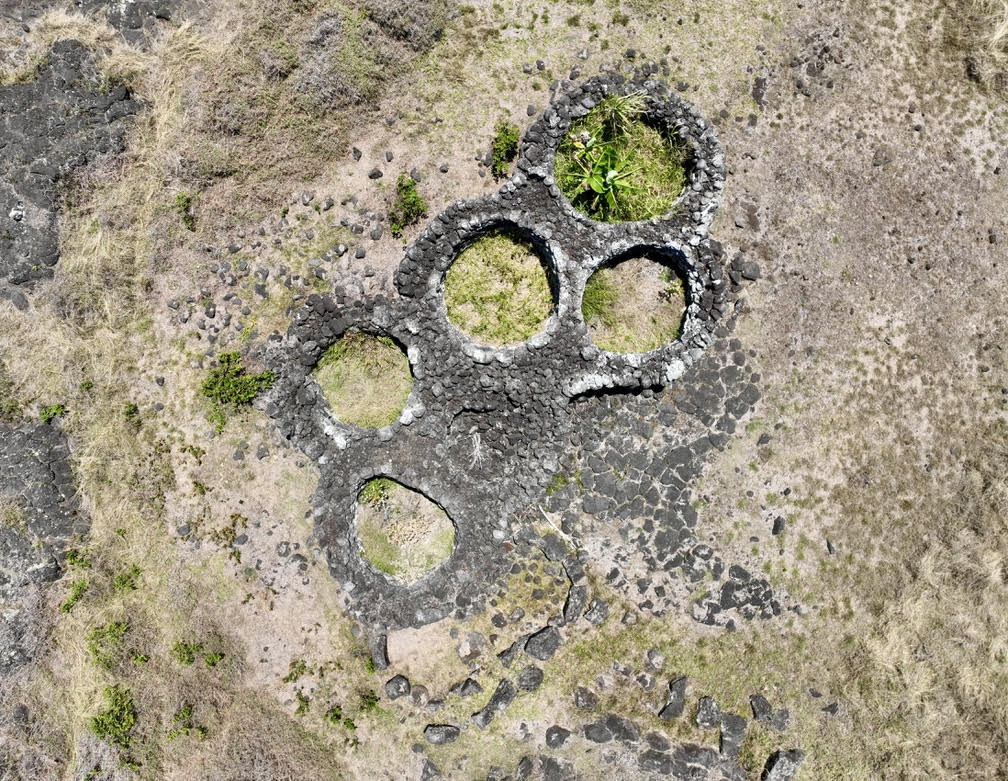
The stone enclosure gardens where the Rapa Nui people would have lived.
©Courtesy of Terry L Hunt
Hunt and Lipo are careful not to let people off the hook entirely. The Rapa Nui islanders did cut trees, especially using fire, to open areas for agriculture. Like other Pacific cultures, they probably practiced slash-and-burn farming on an island with already-poor volcanic soils. Under normal circumstances, palms might have slowly re-grown in abandoned fields. However, these were not normal circumstances—rats were present and ready to devour almost every new seed.
As Hunt puts it, “In short, humans cleared patches of forest to plant crops. At the same time, rats prevented the forest from growing back by consuming seeds—the next generation of trees. It was the combination (synergy) that produced island-wide deforestation. This is why the ‘people chopped down every tree’ story is wrong, as it doesn’t match the ecological or archaeological evidence.”
That combination—human fire and farming, along with rat-driven seed failure—transformed Rapa Nui from palm forest to mostly grassland over four to five centuries. Yet for the people living there, this did not trigger a doomsday scenario.
No Evidence of a Pre-European “Collapse”
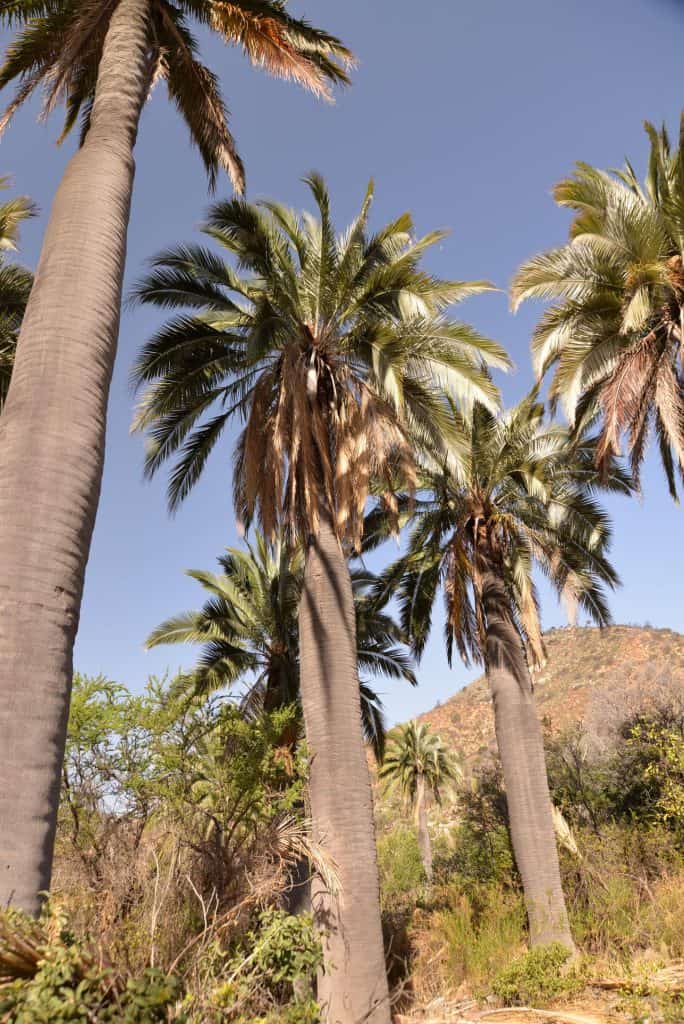
According to Hunt, “Jubaea chilensis palms near Santiago, mainland Chile. The Rapa Nui palms, now extinct, were closely related to these endemic palms.”
The old story claims that by the time the first Europeans arrived in 1722, Rapa Nui’s society had already collapsed. According to that narrative, the islanders destroyed their own environment, descended into chaos, and even turned to cannibalism as their world fell apart.
However, archaeological records show continuity, not collapse. There is no clear evidence of a catastrophic population crash before Europeans arrived. Instead, the islanders appear to have adjusted to changing conditions with impressive creativity.
“Just as important, there is no archaeological evidence for a population crash before Europeans arrived,” Hunt says. “Instead, the islanders adapted, farmed ingeniously in stone-mulch gardens, and sustained themselves for centuries. The Polynesians of Rapa Nui adapted to the challenging conditions of nutrient-poor soils, seasonality, and highly variable rainfall.”
Those stone-mulch gardens—fields covered in rock to hold moisture, moderate temperature, and add minerals to the soil—were a key innovation. So were other strategies, including a heavy reliance on marine resources. While the loss of the palm forest was a major ecological shift, it did not make life impossible for humans. Palms are not hardwoods; they are more like giant grasses and were not essential for making canoes, houses, or firewood.
In Hunt’s view, clinging to the collapse story has done a disservice to the islanders themselves. “By shifting the focus away from blame and toward adaptation, we restore dignity to the Rapanui people,” he notes. “Their achievements, including the carving and transport of hundreds of moai, reflect deep ecological knowledge, engineering skill, and social coordination, not recklessness. Sadly, the collapse myth has, for too long, erased the ingenuity of a people who solved problems for generations.”
What Does the Evidence Show?

Besides using computer modeling, the researchers also looked at archaeological evidence.
©Max Acronym/Shutterstock.com
To build their case, the researchers didn’t just model rat populations; they went back to the physical evidence. Palm nuts are a critical clue. When rats eat them, they typically gnaw a small hole through the shell to reach the seed inside. Some critics of the “rat-driven deforestation” idea argued that because many archaeological palm nut fragments lack visible gnaw marks, rodents could not have played a significant role.
But Hunt and Lipo show that this conclusion misunderstands how bones and shells break down and are preserved in the ground. Rats mark only a small portion of each shell, and as nuts shatter over time, most fragments come from unmarked areas.
“Rats typically gnaw a small access hole into each nut, leaving marks on only a tiny portion of the surface. When a nut later breaks into fragments, most pieces come from unmarked areas,” Hunt explains. “Using geometric modeling and simulations, we show that even if rats consumed every nut, 65–90% of fragments would appear ungnawed. This is what the archaeological record shows for some fragmented collections of nuts from excavations. Ancient palm nuts found elsewhere, such as in caves, are 100% gnawed.”
The team also analyzed rat bones from long-running excavations at Anakena, one of the island’s key archaeological sites. If humans had turned to rats as a desperate “fallback food” as resources dwindled, we would expect to see an increase in rat remains in trash deposits over time.
Instead, the opposite happened.
“Rat bones decline in abundance by about 93% in later layers at Anakena,” Hunt says. “This is the signature of an invasive species that boomed and then declined, typical of the boom-bust cycle of invasive species, and not a resource people went to for survival.”
To Hunt, this kind of careful testing is exactly how archaeology should work. “We argue that the evidence matters,” he notes. “Archaeology advances when hypotheses are tested against evidence—not when we repeat dramatic narratives that were never actually supported.”
What Does the Story of Rapa Nui Reveal?
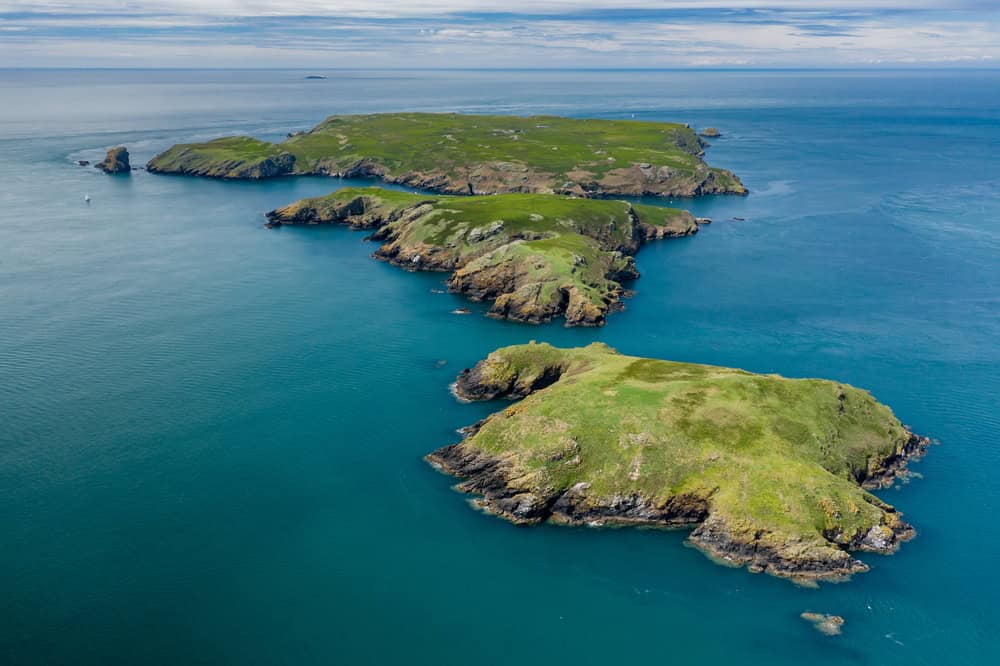
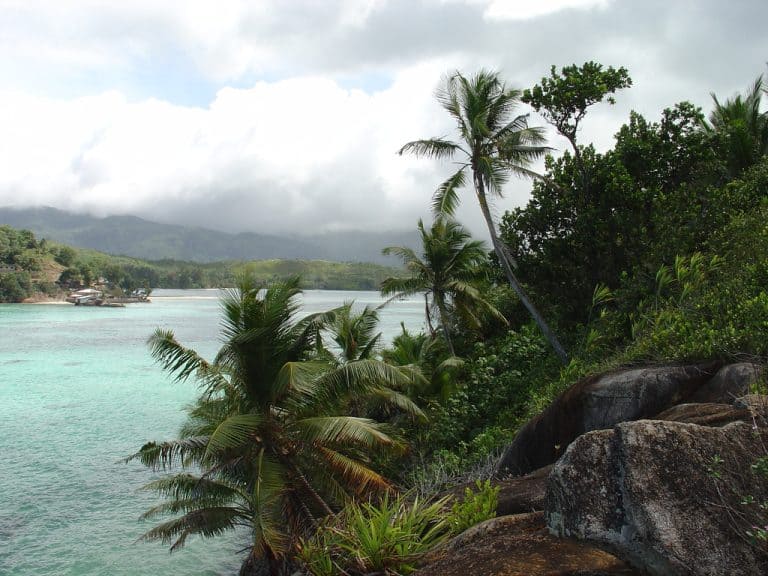
Island ecosystems can be particularly susceptible to significant ecological changes due to their isolation.
©Richard Whitcombe/Shutterstock.com
The new study does not claim that everything on Rapa Nui was harmonious. Ecological change was real and lasting. The forest is gone. The palms are extinct. Polynesian rats likely contributed to the decline of other native species, as they did on many Pacific islands.
However, the researchers caution against reducing that history to a simplistic morality tale.
“First, ecological change often begins with unintended consequences, especially from invasive species,” Hunt says. “Second, when we look for simple moral stories such as blaming people for cutting trees, we risk overlooking the complex interactions that actually drive ecological change. Again, evidence matters.”
Seen in that light, Rapa Nui looks very different from the popular “doomed island” myth. An invasive rat transformed the island’s forest from within. Humans reshaped the landscape to feed themselves. And the people of Rapa Nui responded not with collapse, but with resilience, ingenuity, and centuries of survival on one of the most remote inhabited islands on Earth.
For an island long treated as a symbol of failure, that is a powerful—and long overdue—rewrite.