
Quick Take
- Invasive predators didn't just threaten the wētāpunga. They exposed a hidden vulnerability that nearly erased the species from the mainland entirely. See how predators devastated the species →
- The diet that saved a species sounds oddly specific, and getting one part of it right made the difference between failure and an 80% survival boost. Explore the life-saving diet →
- After 15 years and thousands of releases, scientists pinpointed one unexpected marker that finally confirmed the species had truly come back. See the recovery breakthrough →
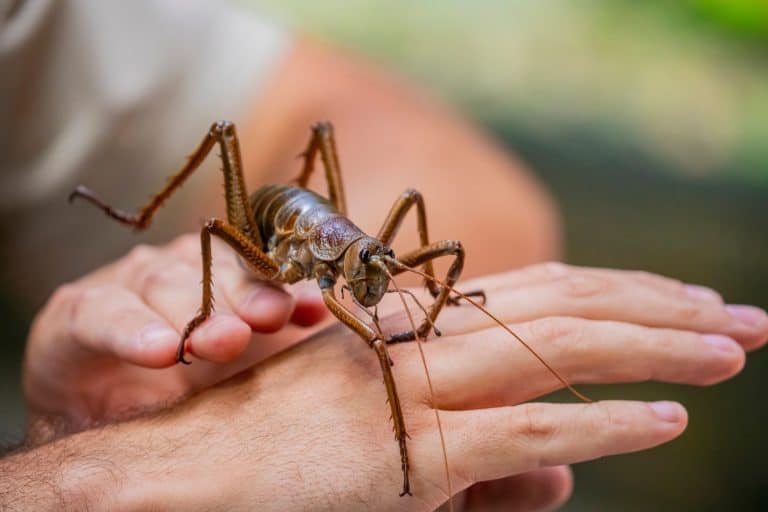
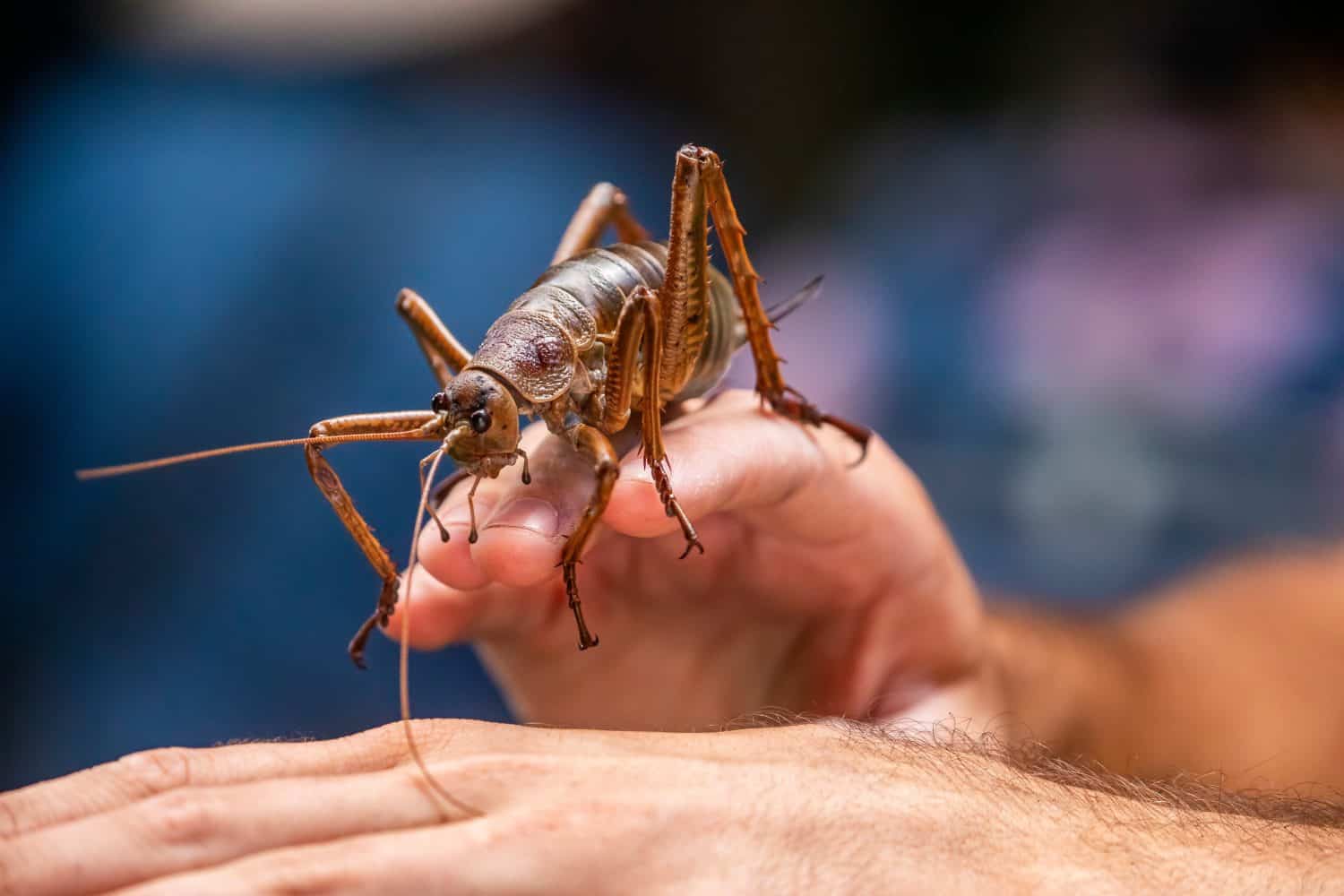
The wētāpunga (Deinacrida heteracantha), an enormous insect, is the stuff of legends. Females can weigh as much as a sparrow — or more — while males could give a field mouse a run for its money. The wētāpunga almost looks fake, and many describe it as a giant cricket. And while it was once thought to be nearly extinct, a captive breeding program has brought the world’s heaviest insect back from the brink.
Learn more about New Zealand’s monstrous cricket, which would barely fit in the palm of your hand.
The Enormous Proportions of the World’s Largest Insect
The wētāpunga is no ordinary cricket. If you saw one in your home, you’d need a little more than a coffee cup and a slip of paper to escort it out the back door. And if you did find one, you might as well let it pay rent.
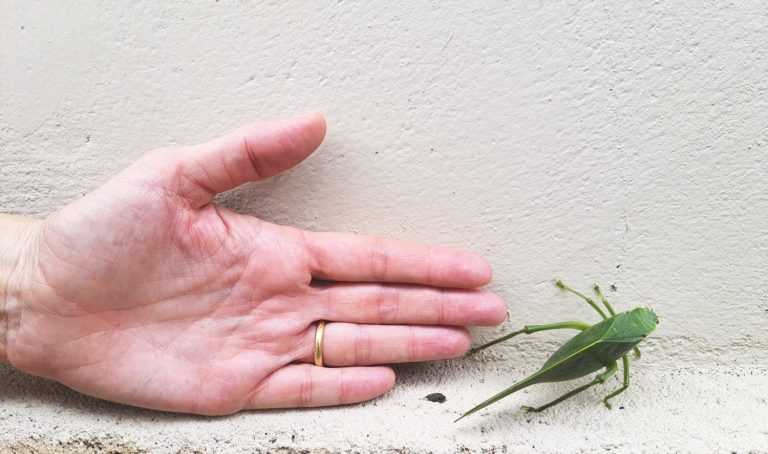
Females can grow up to 4 inches long and have an 8-inch leg span. Some of the largest recorded giant wētā species wouldn’t even fit in the palm of the average human hand. Males are only slightly smaller, but no less intimidating in their stature. Even with their monstrous proportions, these insects are completely harmless.
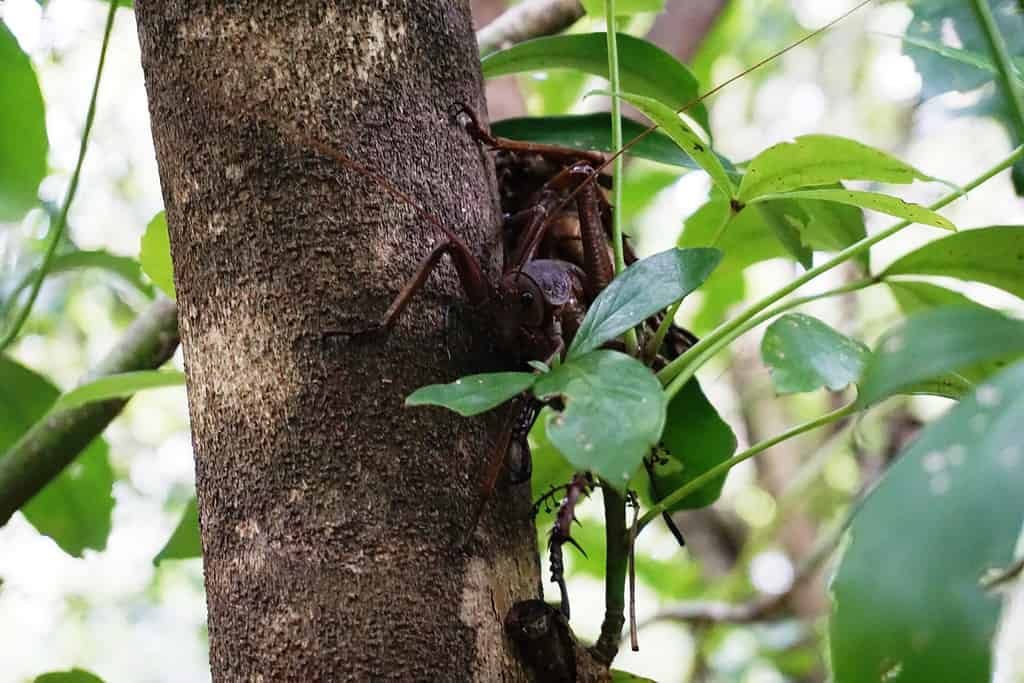
Wētāpunga are slow-moving insects that typically dwell on the ground, while smaller wētā jump between plants and trees.
©snoopaya/ via Getty Images
Wētāpunga are closely related to crickets and grasshoppers, but they share little in common with either save for their appearance. In a bizarre twist of fate, due to their size, they can’t leap like their cricket brethren. Instead, wētāpunga are fated to crawl around–slowly–at the ground level their entire lives. This is a characteristic of giant wētā species. Smaller ones, such as the tree wētā, can jump several feet in the air.
Given the size of the wētāpunga, those who fear crickets are probably thankful they are so slow-moving.
Thousands of Wētāpunga Were Released into the Wild
There’s good news for New Zealand locals hoping to observe this behemoth: 11,000 have been released into the wild. According to Dr. Chris Green, an honorary researcher at the Department of Conservation, the future of the world’s heaviest insect is looking bright. Dr. Green was also responsible for documenting the success of the captive breeding program in the New Zealand Journal of Zoology.
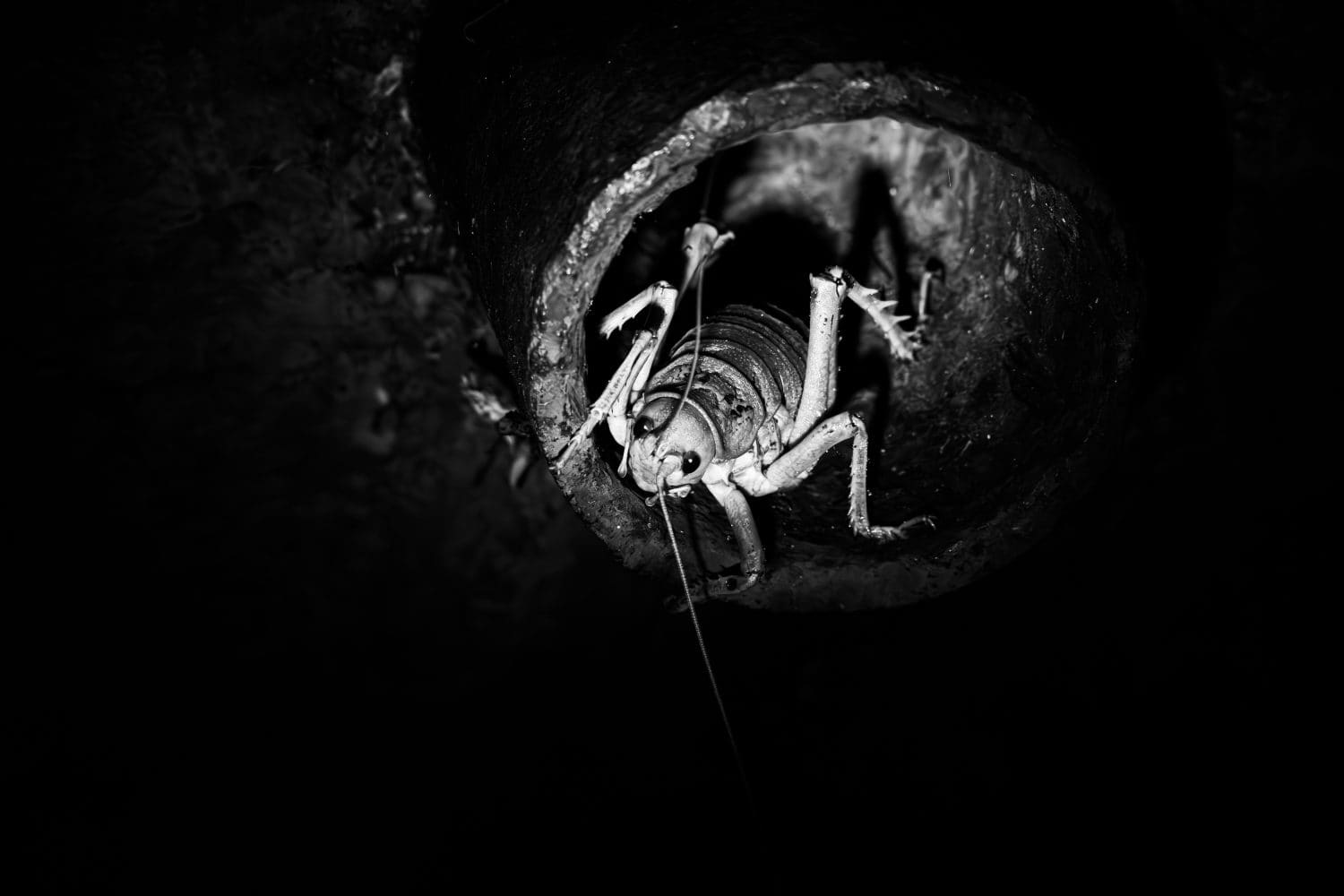
The future of giant wētā species is a lot brighter thanks to conservation efforts by Butterfly Creek and Auckland Zoo.
©El Paco 33/Shutterstock.com
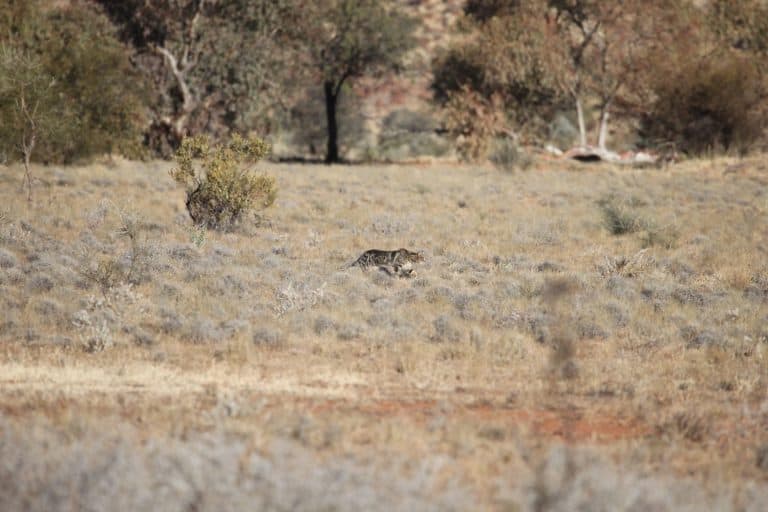
Here, the study details how wētāpunga numbers dwindled due to predation and habitat loss. When invasive predators such as cats and rats were introduced to New Zealand’s North Island, the wētāpunga sadly paid the price. The slow-moving crickets had no defense against animals they’d never seen before, and predators soon associated them with being an easy meal.
By the 1990s, wētāpunga had been wiped out everywhere except on Te Hauturu-o-Toi, also known as Little Barrier Island. It was here that the last remaining individuals were monitored until Butterfly Creek and Auckland Zoo devised a plan. Together, they created large communal mesh-cage rearing techniques, which boosted the survival rate of the giant crickets by a whopping 80%.
It Took More Than a Decade to Successfully Bring Back Wētāpunga
After 15 years, conservation teams had finally reached a point where wētāpunga could successfully be introduced into the wild. By that time, they’d already completed at least 45 translocations, during which the giant crickets were thriving. The 11,000 total were released across eight different islands and two mainland reserves, establishing ten new populations in predator-free habitats.
The latter releases ensure that the wētāpunga will be protected for decades to come. Proof of this came when the insect’s endangered status changed from Nationally Endangered to Threatened – Nationally Increasing. This downgrade speaks volumes about the research and conservation teams that worked tirelessly to save an insect thought to be too far gone.
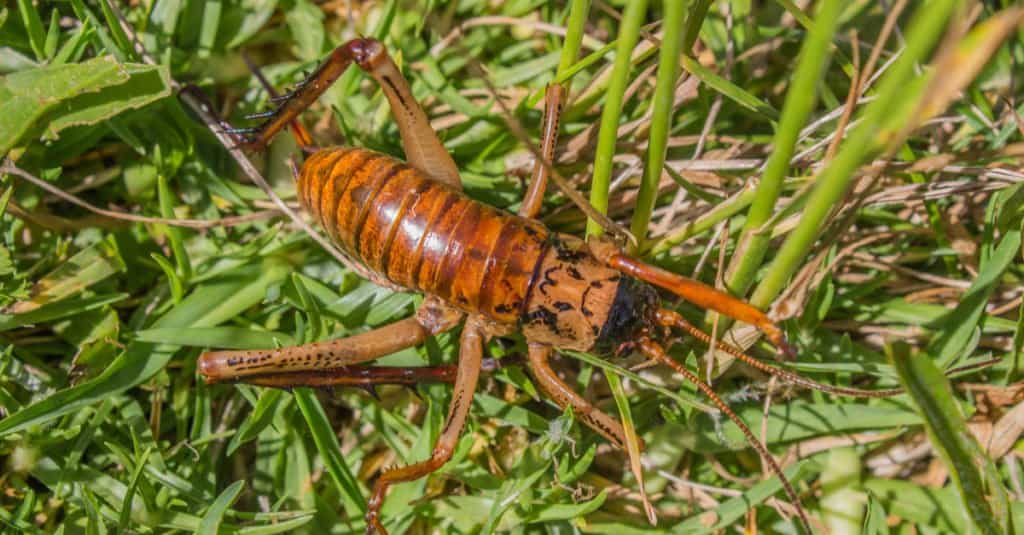
Despite its size, the wētāpunga is completely harmless to humans.
©Viktor Hejna/Shutterstock.com
But the work wasn’t easy, nor was a positive outcome guaranteed. Auckland Zoo and Butterfly Creek created a strict program that improved wētāpunga’s chances, but it would take time. Everything about the insect’s diet—which consisted of a three-part meal of fresh foliage, fish-flake protein, and leaf litter—was planned out.
According to Dr. Green, this was one of the most crucial parts of rearing the next generations of wētāpunga. Nymphs require high protein, and getting that to them was the hardest part. Once they matured, their size did the rest, offering natural protection against the predators who wouldn’t dare test them.
Today, fourth and fifth generations of wētāpunga have been recorded in the wild. This, Dr. Green said, is a marker of success in the species’ restoration. It’s also a wētāpunga-sized milestone for New Zealand and its conservation teams that have done the (seemingly) impossible.