
Quick Take
- Wild birds maintain a primarily natural diet, making supplemental feeding unnecessary year-round.
- The U.S. Fish & Wildlife Service identifies multiple specific risks that make bird feeders dangerous to birds and other animals.
- Predation and conditioned feeding can affect birds and other wildlife.
- Limiting bird feeding to winter months can reduce—but not eliminate—the risk of food-conditioning in other wildlife. In areas with bears or other large mammals, feeders should be removed entirely when these animals are active.
Bird feeders can be a genuine help for songbirds, especially during cold snaps and snow cover when their natural food gets much harder to find. Feeders also help people notice birds more often, encouraging habitat protection and bird-based conservation funding.
However, in a recent Tufts Now article on feeding birds and wildlife, feeders are meant to be a supplement rather than a full diet, especially given the consequences bird feeders may pose to other wildlife species.
For example, seed spills and smells alongside predictable feeding schedules can draw in mammals, and mammals you may not want in your backyard regularly. When you concentrate animals in a small area, you can create ripple effects that are bad for wildlife and humans. Intentionally feeding wild mammals is a big no-no, as it’s easier than you may think to condition them to expect food when they should be foraging on their own.
What do bird feeders do for birds, and what effect do they have on other wild animals in your neighborhood? How can you keep your local songbirds happy without also acclimating mammals to this routine feeding time? Today, we’ll take a close look at what research and wildlife agencies say about this, as well as how you can feed birds in a way that doesn’t accidentally feed every other animal in the vicinity, too.
How Do Bird Feeders Benefit Birds?
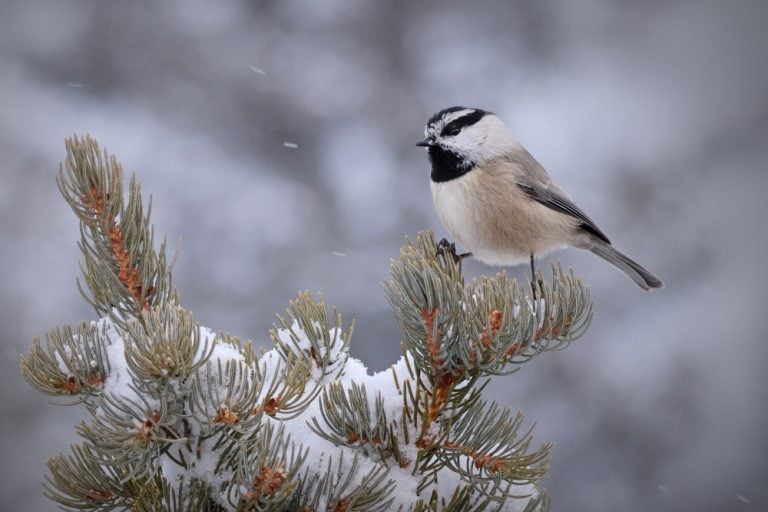
A bird feeder is meant to reduce dietary stress on birds during difficult weather and give them easier feeding options when days are short. Research suggests that birds using feeders in semi-rural or suburban settings may average less than a quarter of their daily calories from feeders, meaning natural foraging still does most of the work.
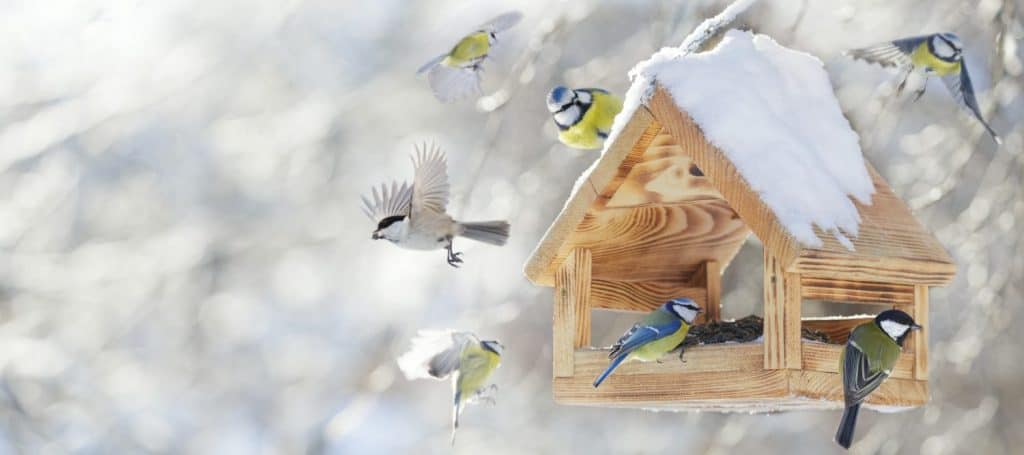
Bird feeders can be extremely valuable for songbirds during wintertime, but not as their primary food source.
©Nitr/Shutterstock.com
The U.S. Fish & Wildlife Service also notes that feeder use is safe if it’s done in ways that reduce the biggest risks to birds as well as other animals. But what are some of those risks, risks that the average bird feeder owner may not realize?
Risks Posed By Consistent Bird Feeder Usage
While helpful to an extent, bird feeders can actually pose many key risks if not set up and maintained properly. These are the risks to keep in mind if you have a feeder that you refill regularly.
Disease
When birds crowd on shared surfaces, they have the potential to swap diseases during mealtime. In fact, disease is largely considered one of the top risks associated with bird feeding, as close contact and contaminated surfaces can spread pathogens more easily. This makes cleaning bird feeders regularly a requirement, though many people neglect this step.
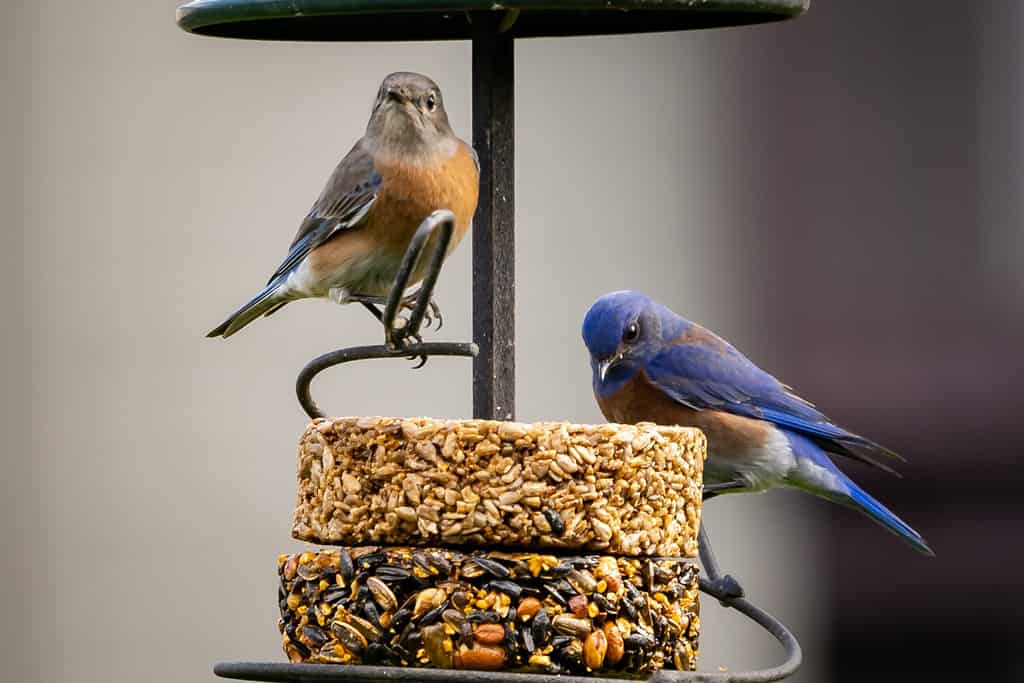
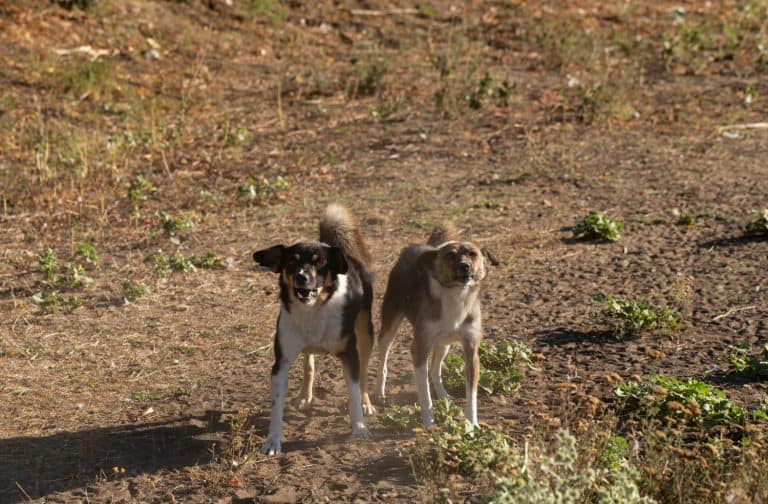
Predators may begin to gather around bird feeders that are routinely filled, seeking their own mealtime.
©d murk photographs/Shutterstock.com
Predation
Feeders concentrate small prey, which can naturally concentrate predators. From hawks to outdoor cats, a predictable gathering spot changes animal behavior and the risks facing songbirds. Wildlife agencies routinely flag outdoor cats in particular as a major predation pressure around feeding areas, and they recommend reducing anything that turns your yard into a reliable hunting zone.
Window Strikes
Birds flying around feeders often end up hitting glass, especially if the feeder is positioned in a way that creates a straight flight path toward reflective windows. Collision risk is one of the core concerns the U.S. Fish & Wildlife Service raises when discussing backyard feeding. Vehicle collisions are also possible, regardless of how busy your nearby road is; the more birds that congregate around humans, the more likely they are to be hurt.
Wildlife You Should Not Feed
Feeding your local birds is one thing; feeding other wildlife is another. There are multiple wildlife species you should never feed, and for good reason. Whether directly or indirectly, avoid feeding these animals should they ever visit your backyard.
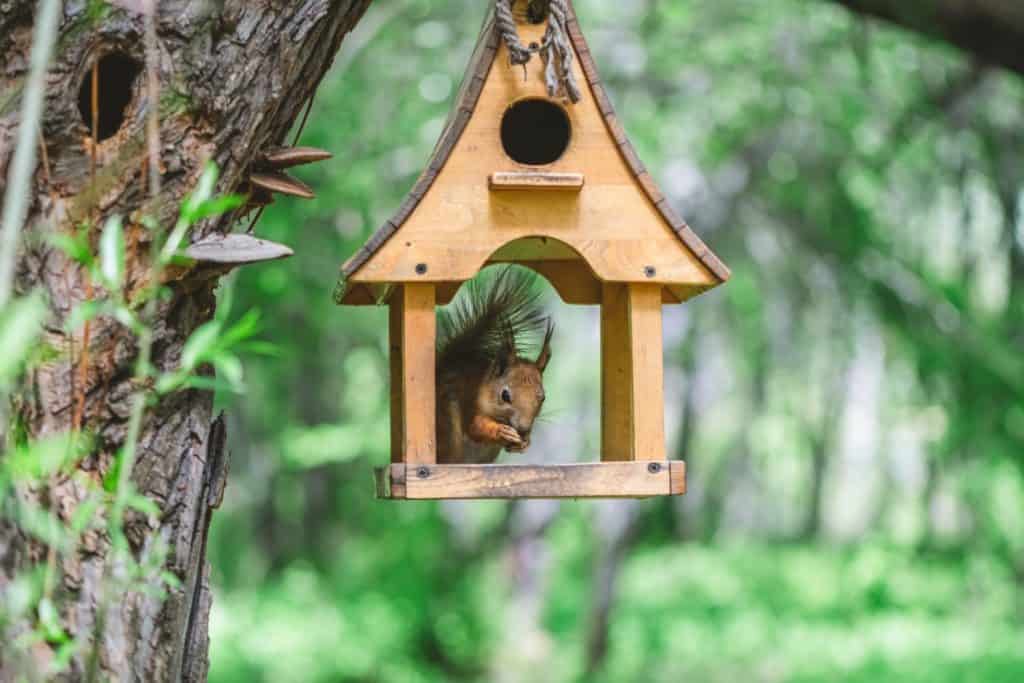
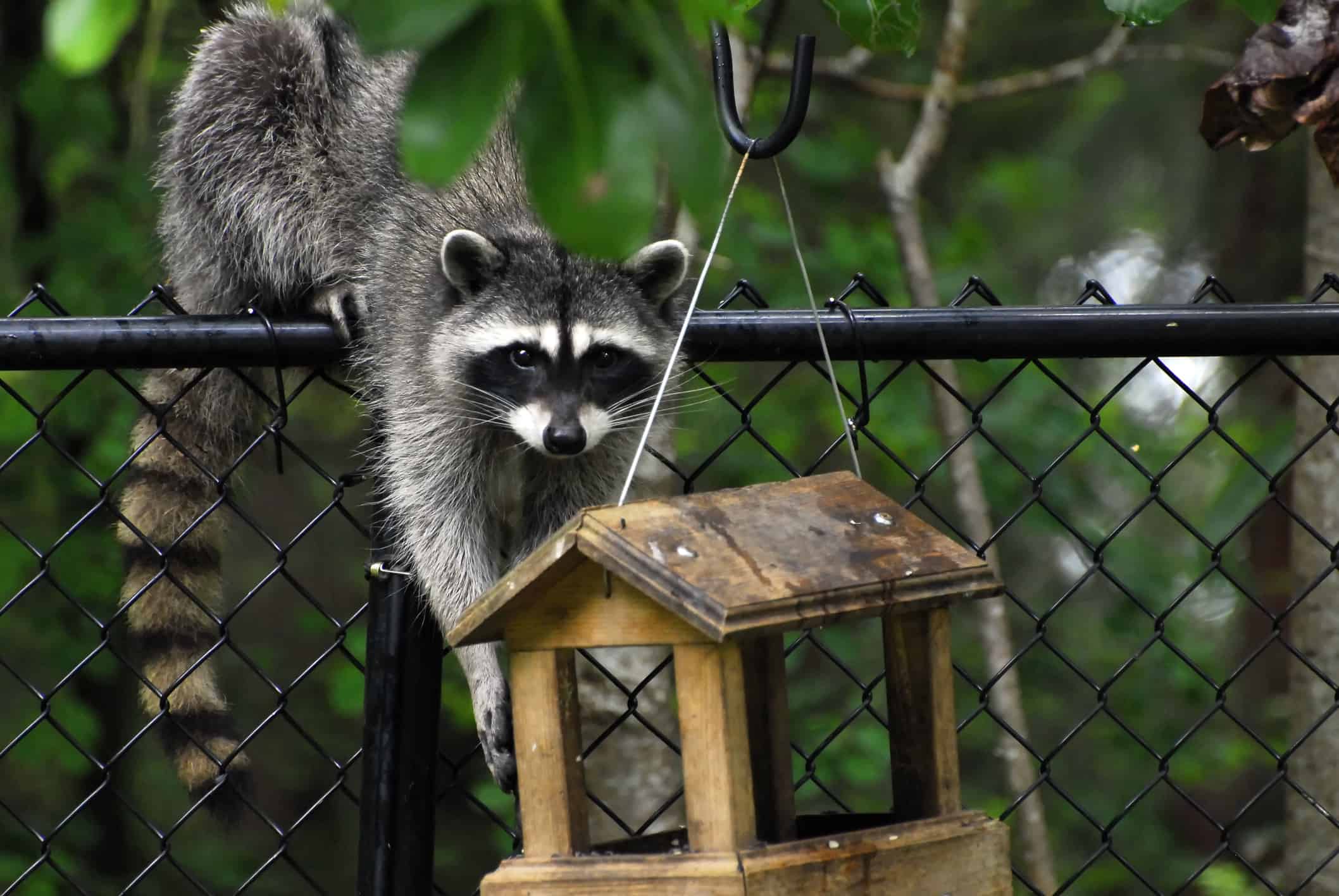
Other wildlife species may take advantage of your bird feeder, which can have unexpected consequences.
©Olga Ilina/Shutterstock.com
Deer and Other Large Herbivores
Feeding ultimately increases road crossings and disease transmission, which can alter natural movement patterns of deer and other herbivores beyond repair. For example, New York’s DEC explains that feeding wildlife interferes with natural population and habitat balance, and also increases disease spread when animals crowd around food sources, including risks like chronic wasting disease in deer.
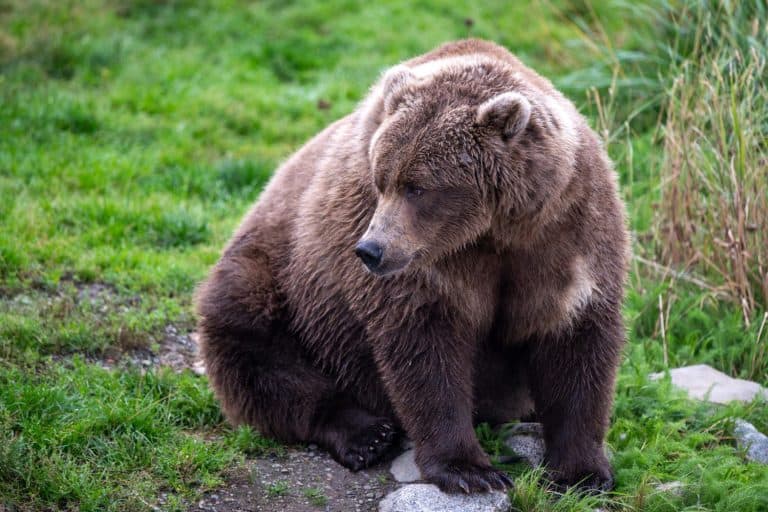
Bears
Once bears learn that neighborhoods have food for the taking, they don’t unlearn this fact easily. Food-conditioning can affect many wildlife species, but especially eager ones like bears; if wildlife becomes hooked on human food, conflict is bound to escalate, and it’s typically the animal that pays for it.
Raccoons, Skunks, Foxes, and Coyotes
Feeding any of these animals can become a public health and safety issue. That’s because each of these animal species is associated with rabies risk, a disease that can easily spread to humans if preventative action isn’t taken.
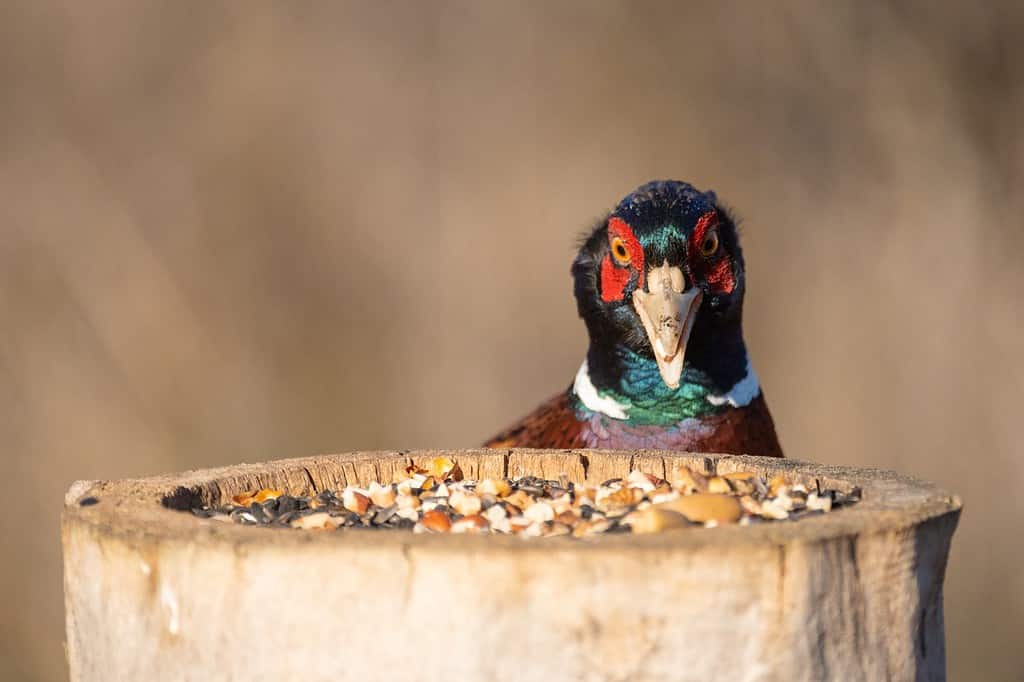
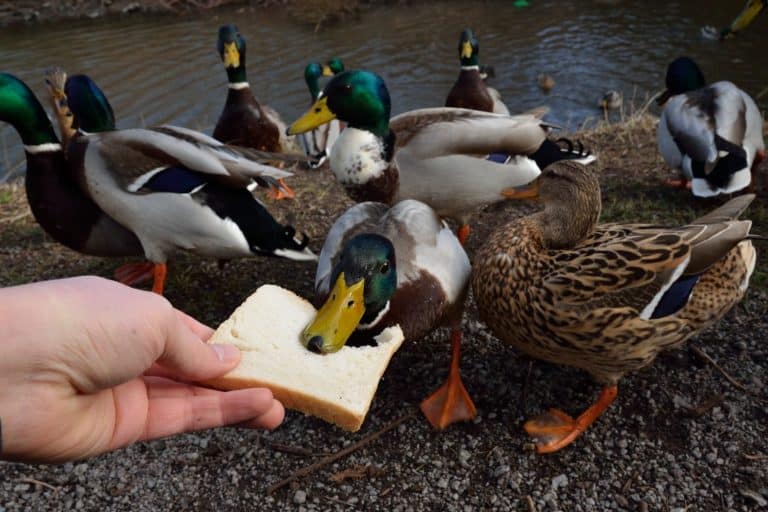
Some bird species shouldn’t have access to backyard bird feeders, including ducks and other waterfowl.
©WildlifeWorld/Shutterstock.com
Waterfowl
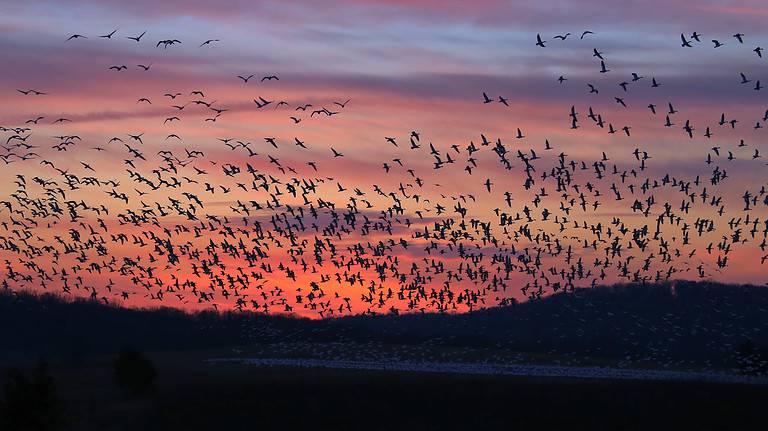
While technically a bird, feeding wild waterfowl isn’t always the best idea. Crowding, aggressive behavior, poor nutrition, and water quality issues can threaten entire neighborhoods and ecosystems if waterfowl are fed routinely. Ducks and geese are included among these birds, as large concentrations of them can create sanitation and conflict problems.
How to Feed Birds Responsibly (And Only Birds)
If you’re a backyard bird lover, how can you maintain your bird feeder so that it’s safe for your local bird population and not enticing to other animal species? Here are some tips and tricks to help you keep everyone safe without unwelcome visitors.
Keep It Seasonal
A common best practice for your backyard bird feeder is to treat feeders as a cold-season tool only, not a year-round affair. If you live in bear country, this seasonality is even more important; when bears are actively bulking up for hibernation season, bird feeders become a bear-attractant quickly.
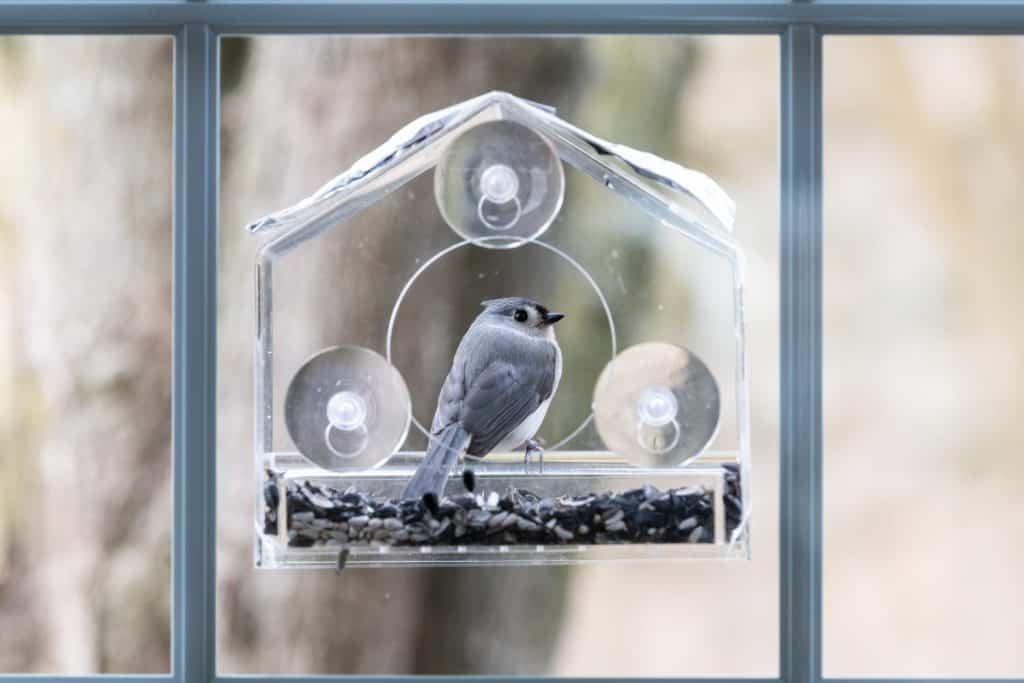
A clean bird feeder is a happy bird feeder (and, therefore, happier birds).
©Andriy Blokhin/Shutterstock.com
Clean Your Feeders
If birds are sharing surfaces, diseases spread fast. It’s recommended to clean your feeders every 1-2 weeks, or more frequently during disease outbreaks, for best results. You may also consider the following:
- Wash and dry feeders regularly, and clean up wet or clumped-up seed right away.
- Rotate feeding spots or even the feeders themselves so the same surfaces aren’t continuously contaminated.
- Scrub and refresh bird baths, as water can be a higher-risk disease point compared to seed or bird feeder surfaces.
Avoid Putting Bird Feed On the Ground
Spilled seed may get eaten by your local birds, or it may get eaten by rodents, which is what truly invites predators into your yard. Avoid letting bird food accumulate on the ground; this is one of the easiest changes you can make with the largest impact.
Place Feeders Strategically to Reduce Window Strikes
If birds are repeatedly flying toward your windows, it may be wise to revisit where your feeder is placed. Use feeder placement or specialized window treatments to break up reflections and reduce straight-line flights into glass. Even if you don’t notice bird strikes happening routinely, it’s only a matter of time before it happens.
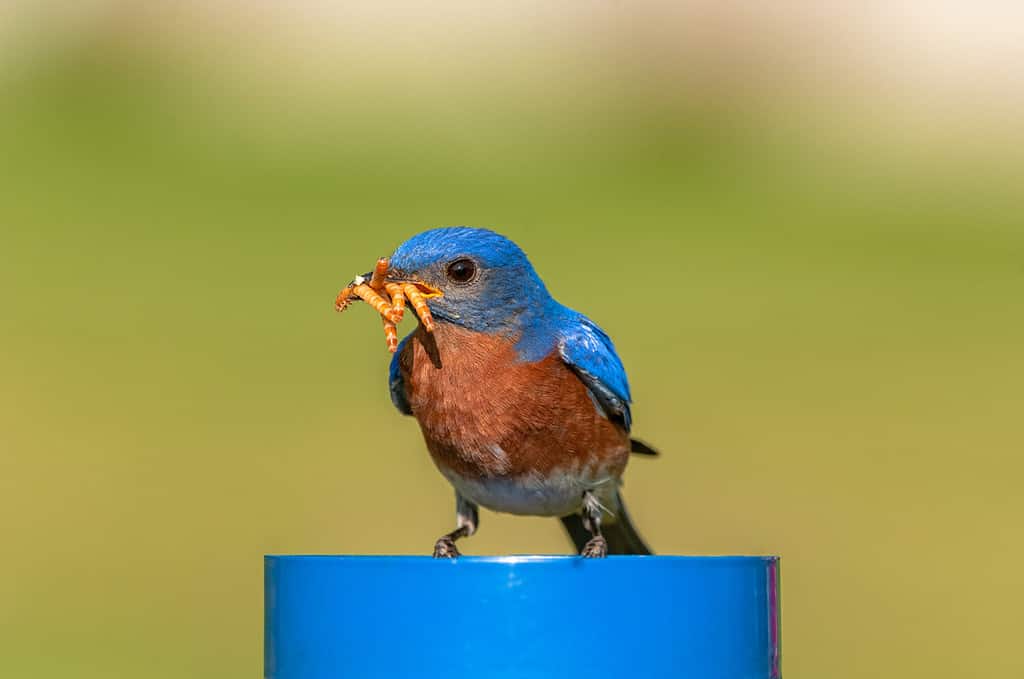
Window strikes can be a major consequence of bird feeders, so always place them with care.
©Alan B. Schroeder/Shutterstock.com
What to Do Instead of Feeding Wildlife
If you want to help your local birds as well as other wildlife species, you aren’t alone. However, there are wiser ways to do this than others.
For example, shifting yards toward native plants that support pollinators and wildlife in more natural ways is your best bet. In the long run, you’ll feed birds through natural methods, all without concentrating animals on a single human-controlled point.
You may also consider adding brush piles or natural shelter for species of all sizes, not just birds. Finally, reducing uneaten seed or other food waste around your property will help keep unwanted animals away, as there’s nothing drawing them in.
Feeding backyard birds can be a positive thing when it’s done with intention. However, when your bird feeder becomes a predictable food source for deer, bears, raccoons, and other wildlife that quickly learn to associate people with snacks, it can be more detrimental than you think.

Keep your bird feeder clean and well-placed to avoid other animals digging into it!
©711073/Shutterstock.com
If you truly want to help wildlife in a way that lasts, shift your focus toward native planting and habitat improvements that keep animals behaving like wild animals. Don’t worry; you’ll still get to enjoy the ones that are meant to share your yard safely.