
Quick Take
- Scientists have named 24 new species found in the Pacific’s Clarion-Clipperton Zone.
- This is a large area of the Pacific Ocean located between Hawaii and Mexico.
- The new species included two new genera: Mirabestia and Pseudolepechinella.
- There was also a newly identified superfamily (Mirabestioidea), representing an entirely new branch on the evolutionary tree.
Scientists have made an extraordinary discovery in the Pacific’s Clarion-Clipperton Zone. No fewer than 24 new species have been found, and this includes an entirely new superfamily.
Documenting Life in the Clarion-Clipperton Zone
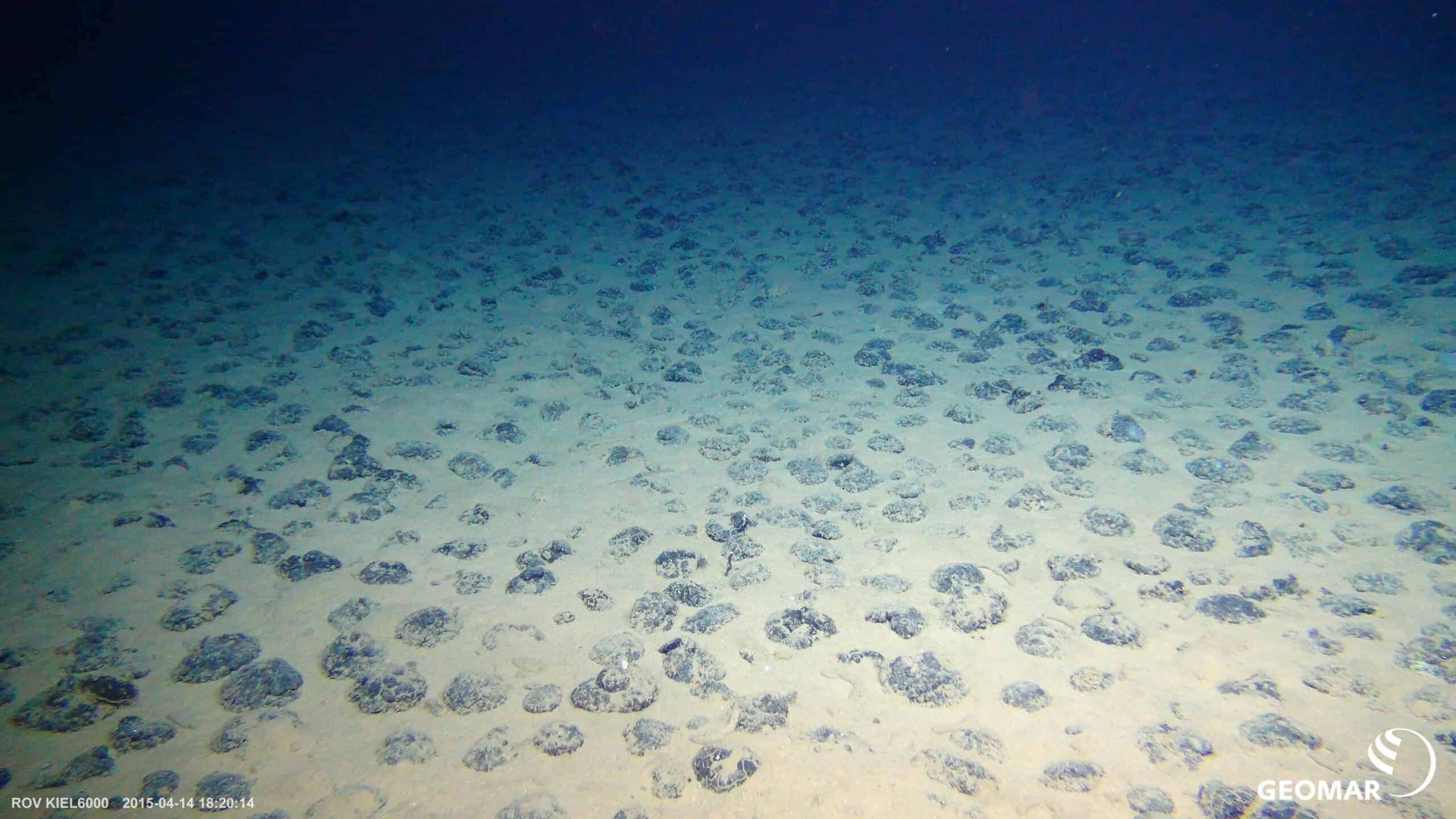
The Clarion-Clipperton Zone (CCZ) is a large area of the Pacific Ocean located between Hawaii and Mexico. It is described as an ‘abyssal plain,’ meaning it is a flat area of seafloor located at depths of 10,000 to 20,000 feet. Its claim to fame is the presence of nodules containing highly valuable minerals such as nickel, cobalt, and manganese, which are expected to be in high demand due to the global shift toward advanced technology. This has led to increased interest in discovering exactly what lives in this poorly understood ecosystem and documenting it before any mining takes place.
What Was Discovered in the Clarion-Clipperton Zone?
A recently published project was led by scientists from the University of Lodz and the National Oceanography Centre (NOC). Specialists gathered for a taxonomy workshop in 2024. The work was part of the ‘One Thousand Reasons’ project, which aims to formally describe 1,000 new species by the end of the decade.

Many amphipod species remain unnamed.
©NOAA, Public domain, via Wikimedia Commons – Original / License
Among the new species described were 10 amphipod families, which included both predators and scavengers. Amphipods are a diverse group of crustaceans, with more than 10,000 known species. Several genera were found at depths greater than previously recorded. Two new genera, Mirabestia and Pseudolepechinella, were also discovered. The most exciting discovery, however, was a newly identified superfamily (Mirabestioidea), representing an entirely new branch on the evolutionary tree. This is very rare!
The Significance of the Discoveries
Around 90 percent of the species in the Clarion-Clipperton Zone have still not been named, highlighting how little we still know about the deep ocean. Each species plays a crucial role in helping us understand this ecosystem. It is also crucial to accurately describe the rich biodiversity of the zone before it is disturbed by human activities. Work is progressing, with around 25 new species being described every year.