
If you’re an Indiana resident, have you ever seen a bobcat in your state? Elusive and typically not considered nuisances, bobcats in Indiana have faced a number of habitat changes in recent years, which may be altering their distribution within the state. Are bobcats still present in Indiana, and how many of these big cats remain?
Today, we’ll break down the status of bobcats in Indiana, including their population numbers, habitats, and whether you can legally hunt or trap them. Let’s start by exploring their history in the state and answering your questions.
Bobcats in Indiana: Their History and Current Status
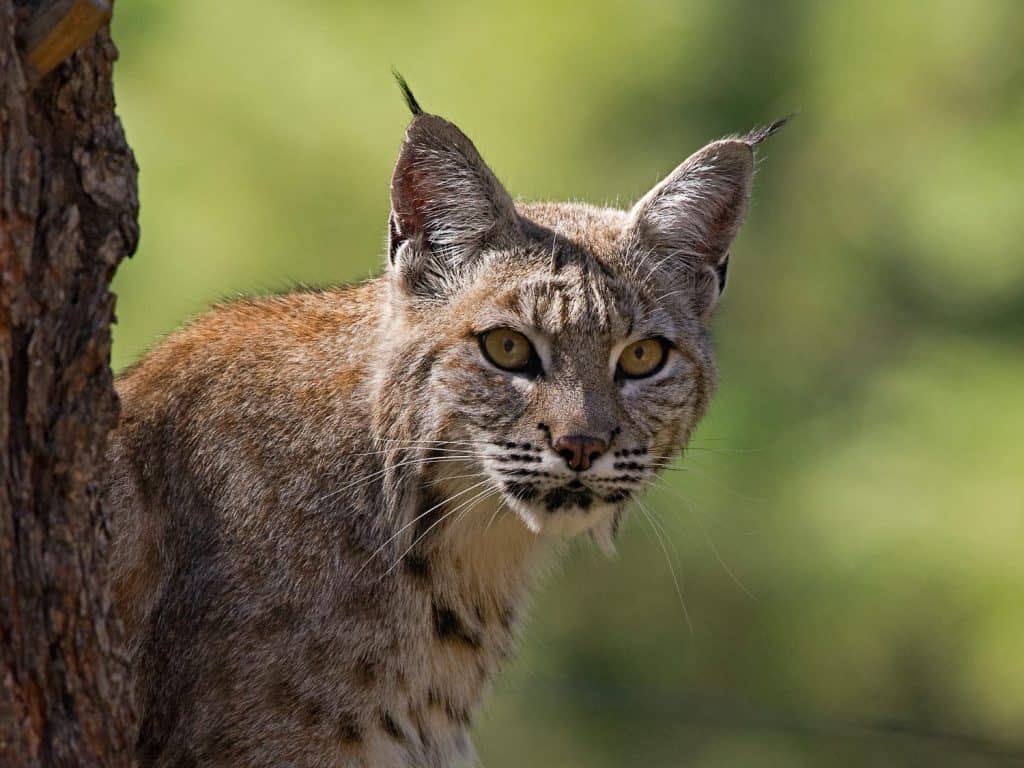
Bobcats are native to Indiana.
©Laurie E Wilson/Shutterstock.com
Bobcats once were native across Indiana, as in many U.S. states. However, by the mid-20th century, their numbers had dwindled sharply due to habitat loss, unregulated hunting, and other contributing factors. Today, they are no longer classified as endangered in Indiana and haven’t been since 2005. In fact, recent decades, observations, and documentation suggest their populations and range have gradually expanded.
But how many bobcats remain in Indiana today? The exact population estimates remain elusive. According to conservation advocates, Indiana lacks a detailed and statewide population survey for bobcats. Indiana’s Department of Natural Resources (DNR) and partners like Purdue University have worked to model bobcat habitat and population trends, especially in southern Indiana, where most bobcats within the state are seen.
DNR officials say these southern counties host some of the densest bobcat activity, but these cats are capable of dispersing relatively long distances, including up to a hundred miles. While their numbers are currently stable, vehicle collisions are among the most frequently documented causes of bobcat deaths in Indiana, likely due to their wide-ranging movements.
Legal Status, Trapping, and Hunting
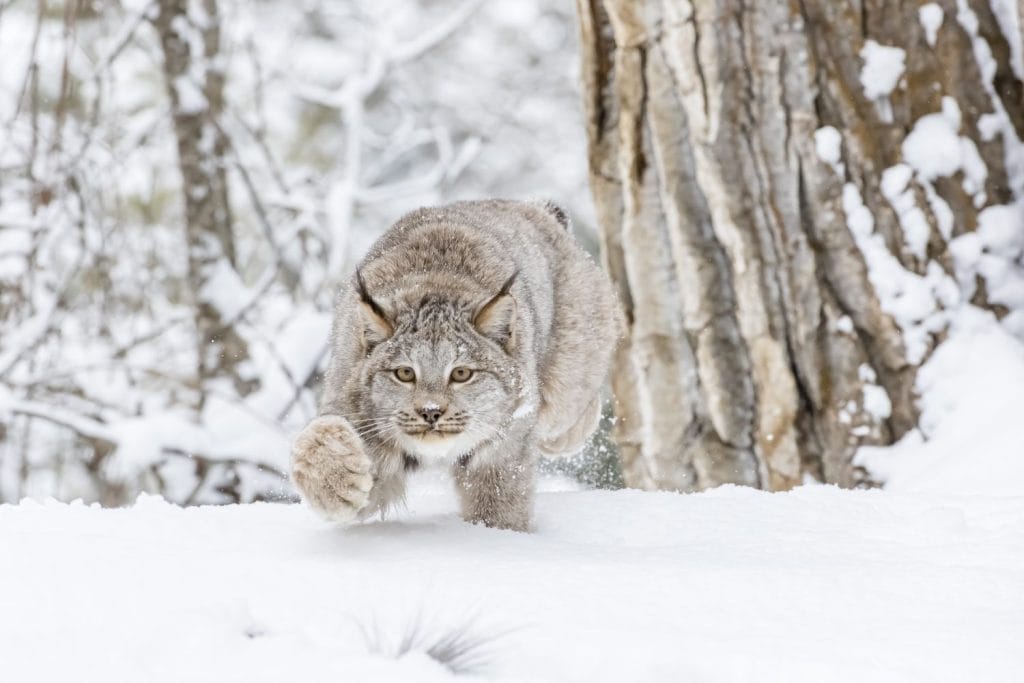
You can only kill one bobcat per season in some Indiana counties.
©Grindstone Media Group/Shutterstock.com
In 2025, the Indiana Natural Resources Commission adopted new rules that allow limited trapping of bobcats in 40 southern Indiana counties. Under these rules, the bobcat trapping season runs from November 8th until January 31st, or until a statewide quota of 250 bobcats is reached. What are the other rules for hunting these big cats?
Each trapper is limited to one bobcat per season. If the statewide quota is met before the end of the season, the season will close early. The rules allow trappers to use certain trapping methods only, and legally acquired bobcat parts, including pelts, may be sold under the new regulation changes. However, hunting (as opposed to trapping) of bobcats remains prohibited under these new rules.
Because this legal shift is new as of this year, critics and wildlife advocates remain concerned about unintended consequences, enforcement challenges, and the sufficiency of bobcat population data to support consistent harvest. Time will tell, and this trapping season will be closely monitored by the state for this reason as well.
Where Bobcats Are Found in Indiana
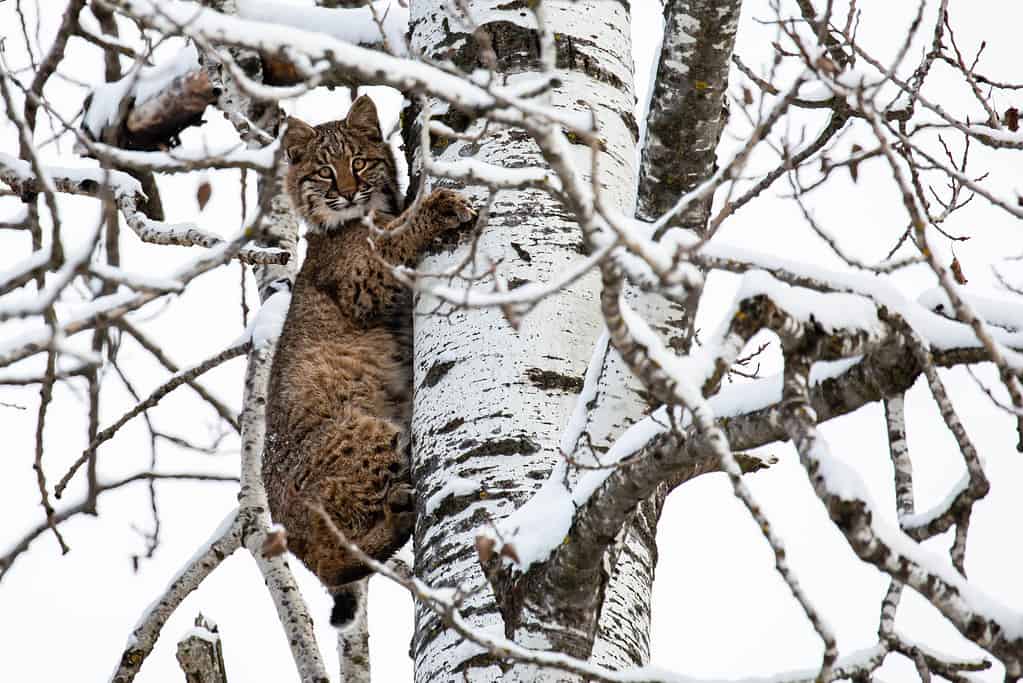
Bobcat sightings are more common in the southern and west-central parts of Indiana.
©iStock.com/Michael-Tatman
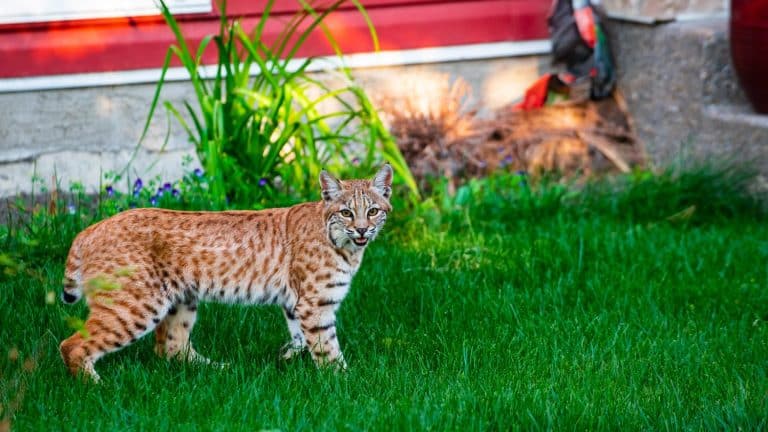
Confirmed bobcat sightings tend to cluster in southern and west-central Indiana, amongst the state’s forested hills, mixed habitat borders, and even reclaimed mining lands or properties. However, sightings have occurred elsewhere, including some northern counties. Because bobcats disperse, isolated individuals may travel long distances, so their presence in peripheral counties can occasionally be expected.
Given their propensity to range, roadkill and incidental reports have provided the most accurate bobcat population data in recent years. In the early 2000s, Indiana’s DNR typically received about 15 to 20 bobcat mortality reports annually; by the 2010s, that number surged to over 70 per year, primarily in southern counties.
Behavior, Diet, and Ecology
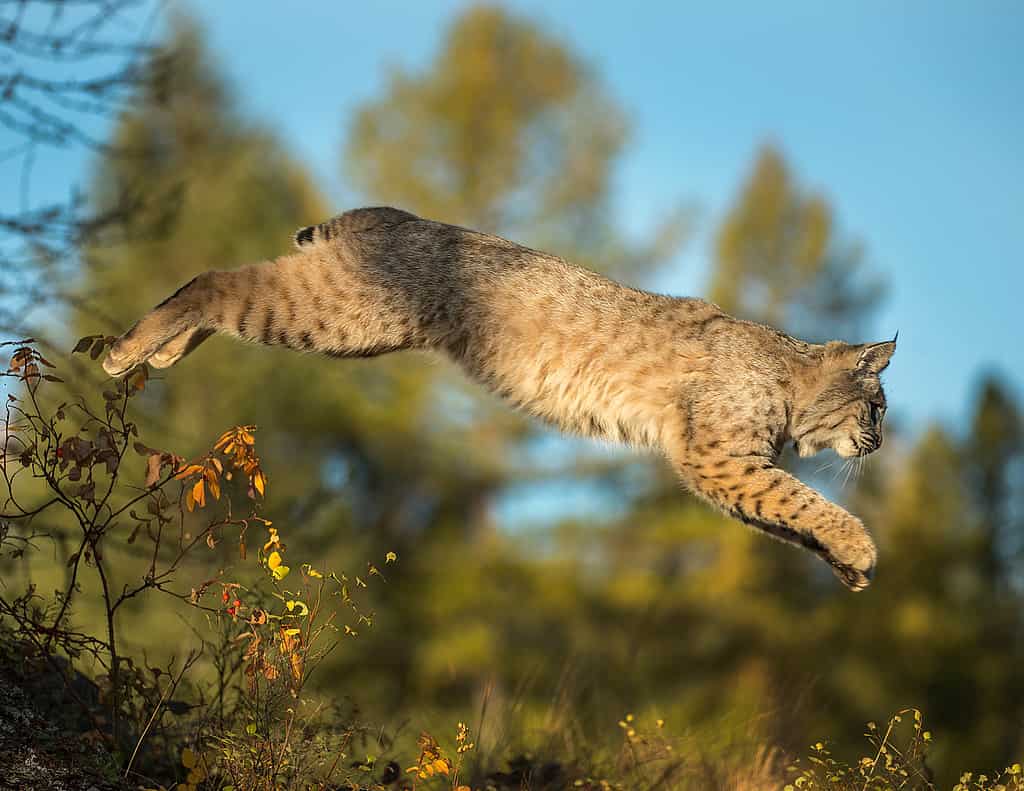
Bobcat mothers usually raise their young alone.
©Chris Desborough/Shutterstock.com
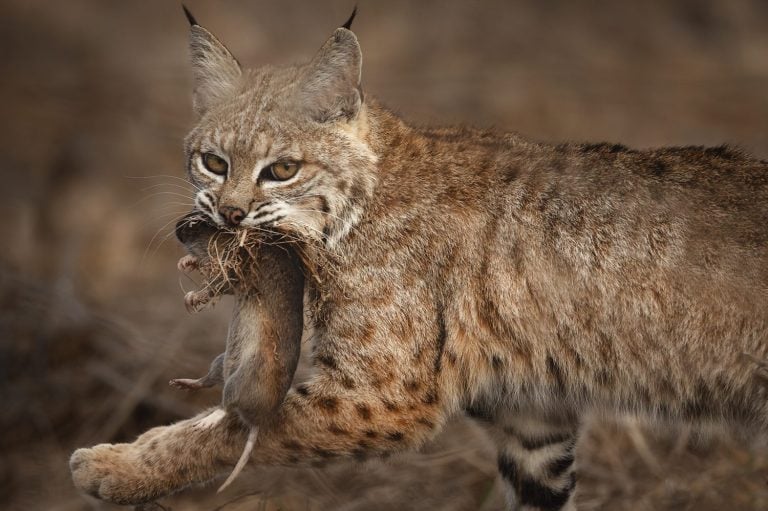
Bobcats are primarily nocturnal but sometimes hunt at dawn, dusk, or even during the day, especially in low human disturbance areas; they would rather not encounter us whenever possible. They feed mainly on small mammals or, during colder months or where prey is scarce, they may scavenge deer carcasses opportunistically.
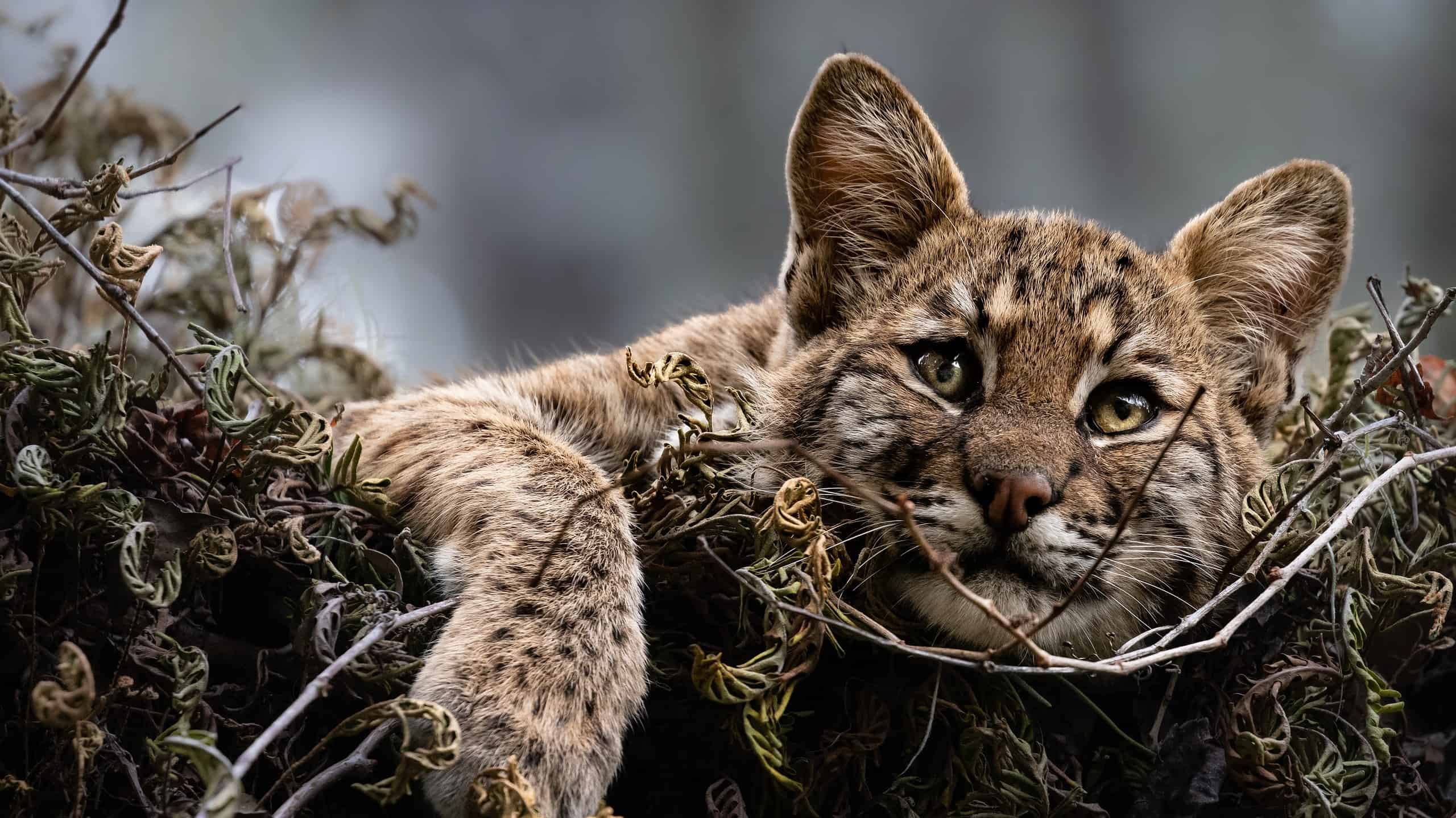
Female bobcats usually raise their young alone. Juvenile dispersal helps the species expand its range, as young cats often travel substantial distances to establish their own territories, sometimes crossing roads and other human-made barriers. Keep in mind that domestic pets, especially small cats or dogs, could be vulnerable to bobcat attacks, although the risk is low in most areas.
What to Do If You Encounter a Bobcat
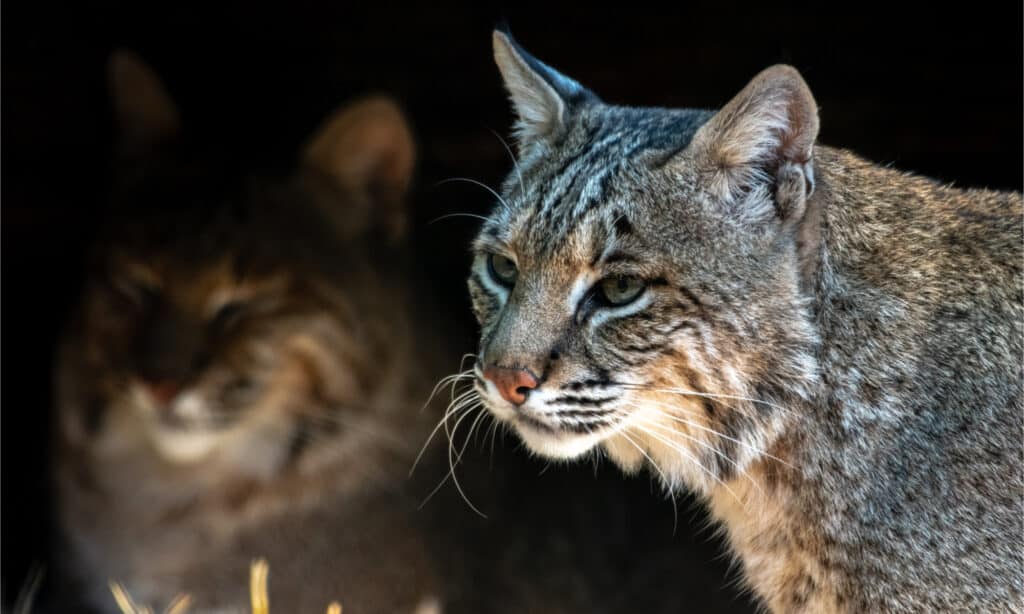
Do not approach a bobcat if you come across one.
©Karyn Honor/Shutterstock.com
If you happen upon a bobcat in Indiana, remain calm and do not approach. Making noise while hiking in dense cover is ideal in order to avoid startling one at close range. Contain pets on leashes or in your backyard, and always supervise them at night in rural areas. Never feed or attempt to tame a bobcat, and report sightings to the Indiana DNR to help track population trends. Finally, if a bobcat is accidentally trapped in an area without an open trapping season, the trapper must release it and report the incident to a conservation officer at once.
Population Challenges
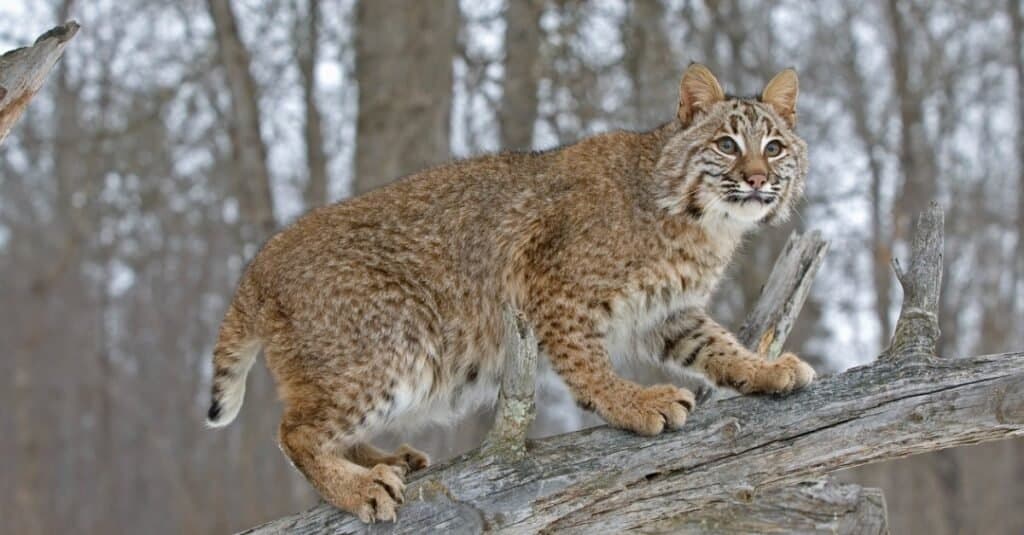
The new bobcat trapping season is meant to help prevent illegal poaching.
©iStock.com/JohnPitcher
Because the formal trapping season in Indiana is new, many unknowns remain. Some critics of the trapping season argue that quotas should err on the conservative side until more monitoring is in place within the state. Public oversight and compliance will be critical in the early years of the program.
The new trapping season is partly intended to help prevent illegal poaching and, if managed carefully, could coexist with conservation goals. No matter what, in the years ahead, population surveys, camera traps, telemetry, and public reporting will be essential to inform whether the harvest quota of 250 is sustainable or needs adjustment to ensure the stability of the bobcat population in Indiana.
The Future of Bobcats in Indiana
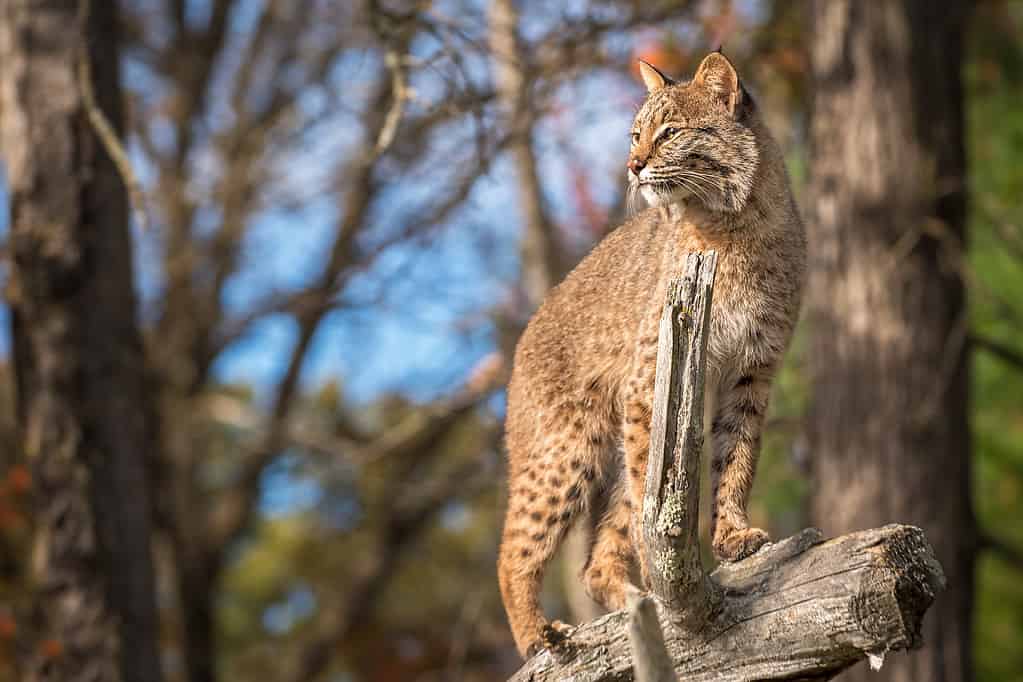
Bobcats are a protected species in some Indiana counties.
©Geoffrey Kuchera/Shutterstock.com
Overall, bobcats in Indiana are making a cautious comeback. While once fully protected, they now fall under a new, narrowly defined trapping regime in select southern counties. As Indiana enters this new chapter of bobcat management, vigilance and responsible trapping practices by residents will play a key role in determining how well the species continues to recover in the Hoosier State.