
Quick Take
- Coyotes now inhabit 49 states, requiring a total shift in urban wildlife management strategies.
- The exponential growth of Canis latrans creates a specific territorial pressure on suburban boundaries.
- Lethal control efforts often lead to larger litter sizes and population rebounds.
- The territorial scouting phase is vital for pack establishment within densely populated metropolitan hubs.
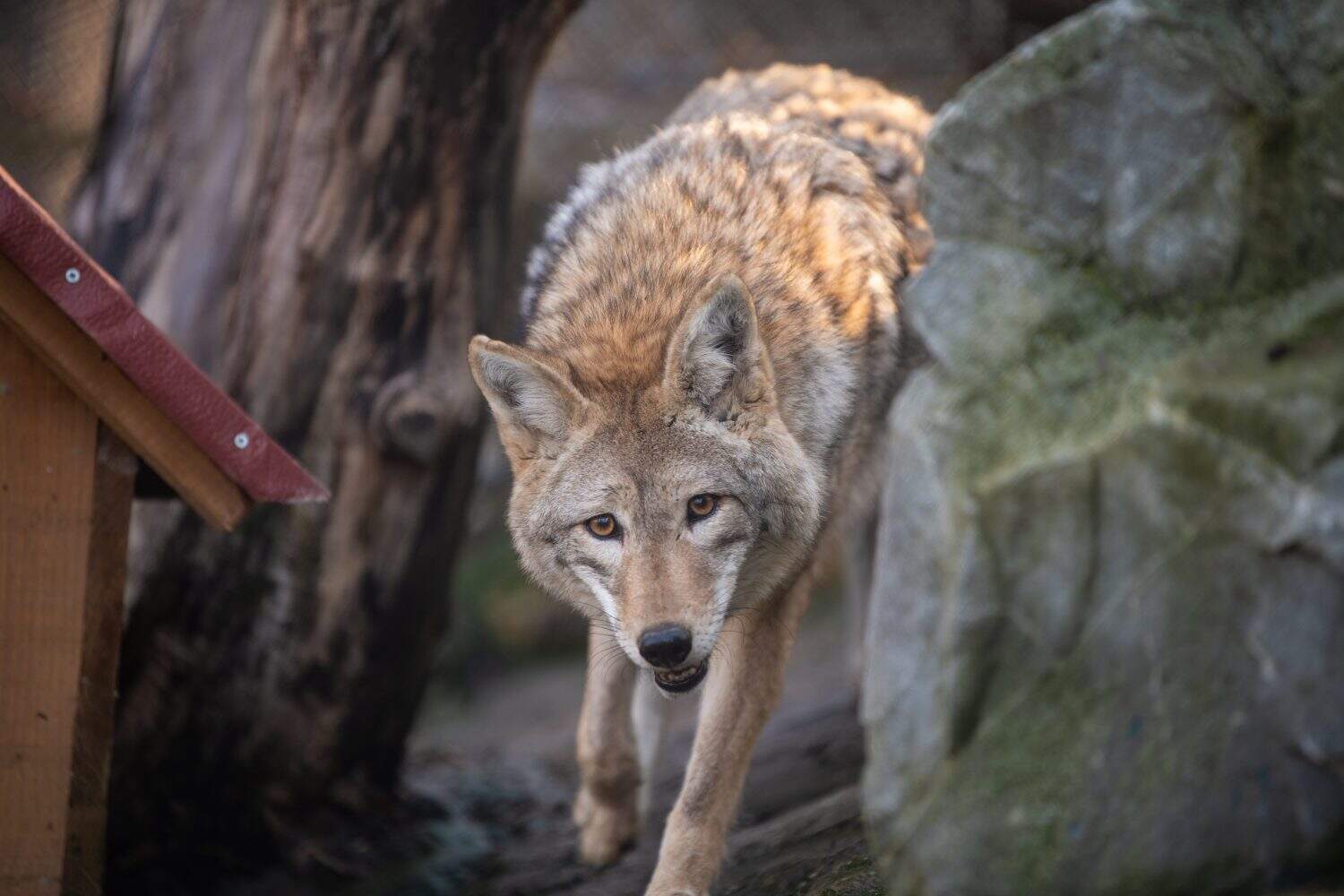
The first time I saw a coyote, I was a college student and an inexperienced driver. Driving a heavily wooded country road in Kentucky, I rounded a corner, and there it was, right in the middle of the road. My first thought was “dog,” and I pumped the brakes and skidded to a stop. It stood its ground. It stared at me like it owned the road, and for that moment, it did. There was something about that regal-feral glare that shifted my paradigm from “dog” to “coyote.” While I stared in astonishment, it trotted on across the road and disappeared into the underbrush, having made its point about whose territory this was.
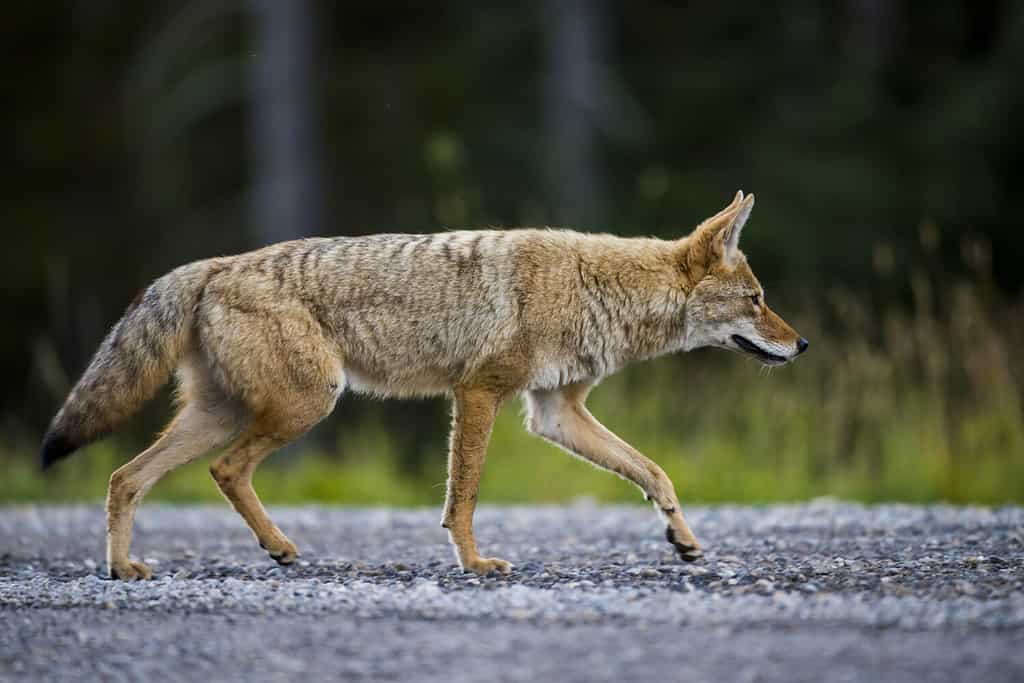
Sometimes coyotes act like they own the road. Sometimes they do.
©BGSmith/Shutterstock.com
And I was totally ok with that. In fact, as a dog lover, I admit I’m quietly cheering these guys on. But in nature, it’s all about balance. Just as you can have too many dogs in your home (though I have never figured out what that number is!), similarly, a natural ecosystem overflowing with canids is not healthy for them or anyone else.
In this article, I want to explore why coyotes are not simply returning to their historic range, but expanding far beyond it, not just on lonely country roads but right in the heart of some of our biggest cities. Their resurgence raises real questions about ecology, safety, and coexistence. Understanding the benefits and the risks of growing coyote populations is essential to figuring out how they can be managed humanely, for their benefit and ours.
Coyotes Before Widespread Settlement
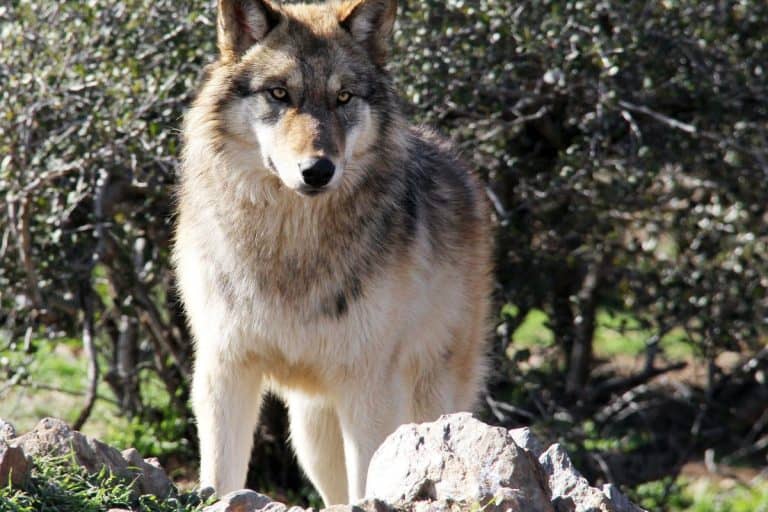
Before large-scale European settlement, coyotes occupied a more limited range than they do today. They were most common across the Great Plains, deserts, and open grasslands of central and western North America. These landscapes supported the prey coyotes relied on, including rodents, rabbits, and carrion left behind by larger predators. Wolves dominated many forested regions and kept coyote numbers in check through competition and direct killing.
In these early ecosystems, coyotes functioned as mid-level predators and scavengers. They helped regulate small mammal populations and cleaned up carcasses, reducing the spread of disease. Their role was modest but steady, shaped by the presence of stronger predators and wide stretches of undeveloped land. Coyotes were not absent from human life, but they were not yet the adaptable, near-ubiquitous species they would later become.
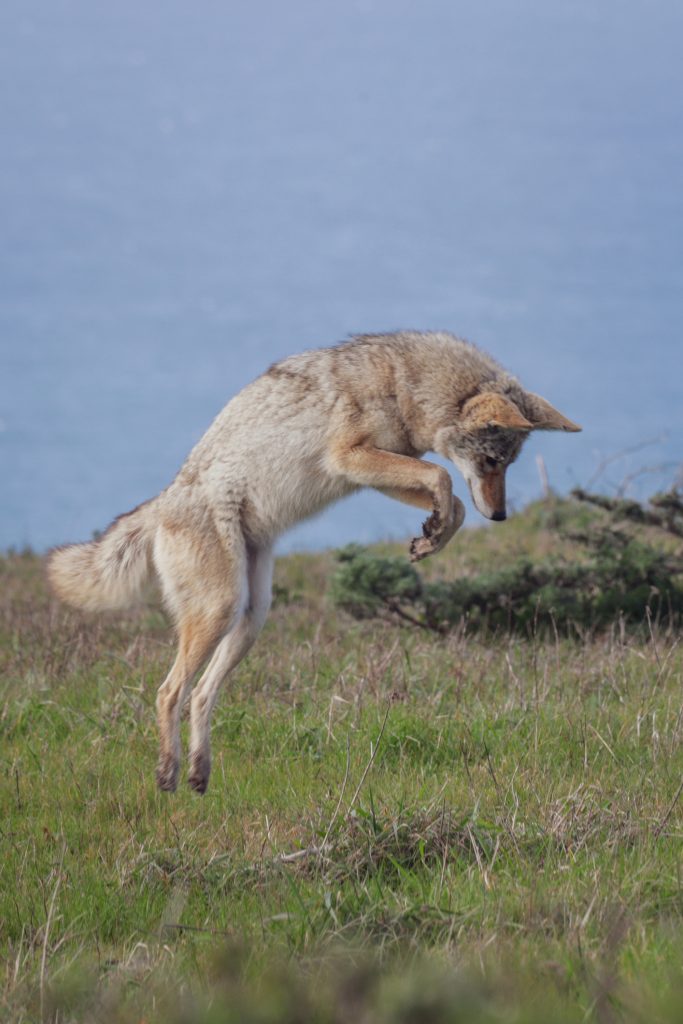
Coyotes occupied a middle place in the ecosystem under apex predators like wolves. Their diet traditionally included small animals, especially rodents, and carrion.
©Doug Michaels/iStock via Getty Images
Coyotes and People in Early North America
Native American cultures interacted with coyotes in varied ways. Many tribes viewed them as clever, persistent figures that survived through intelligence rather than strength. Coyotes appeared in stories as tricksters or teachers, symbols of adaptability rather than threats to be eliminated. While indigenous people sometimes hunted them for fur or food, they were not targeted for large-scale removal.

In Indigenous cultures of North America, the coyote often played the role of “trickster.”
©kojihirano/Shutterstock.com
European settlers brought a very different approach. Ranchers unquestionably saw coyotes as pests and sought their full eradication. Over the decades, federal and state programs encouraged widespread killing through bounties, trapping, poisoning, and shooting.
By the early twentieth century, these efforts intensified, and coyotes reached some of their lowest population levels in parts of their historic range. At the same time, wolves and cougars were eliminated from many regions, a change that would later reshape the balance between predators.
The Turning Point
The decline did not last. As larger predators disappeared, coyotes gained access to new territory with far less competition. Agricultural expansion created edge habitats full of rodents and carrion, while roads and rail corridors offered efficient travel routes. By the mid-twentieth century, coyotes were moving east and south, spreading through forests, farmland, and eventually into cities. This expansion was not driven by formal reintroduction programs. Coyotes recolonized these areas on their own, steadily extending their range across much of the continent.
Unlike other predators such as wolves or condors, coyotes were almost never deliberately released by wildlife agencies. Their spread was largely the result of natural dispersal combined with a high tolerance for human-altered landscapes. Over several decades, they crossed the Mississippi River, established themselves throughout the Southeast, and reached the East Coast. In some regions, genetic studies show limited interbreeding with remnant wolf populations, producing larger eastern coyotes. Their success reflects rapid reproduction, long-distance movement, and an ability to adapt faster than control efforts could respond.
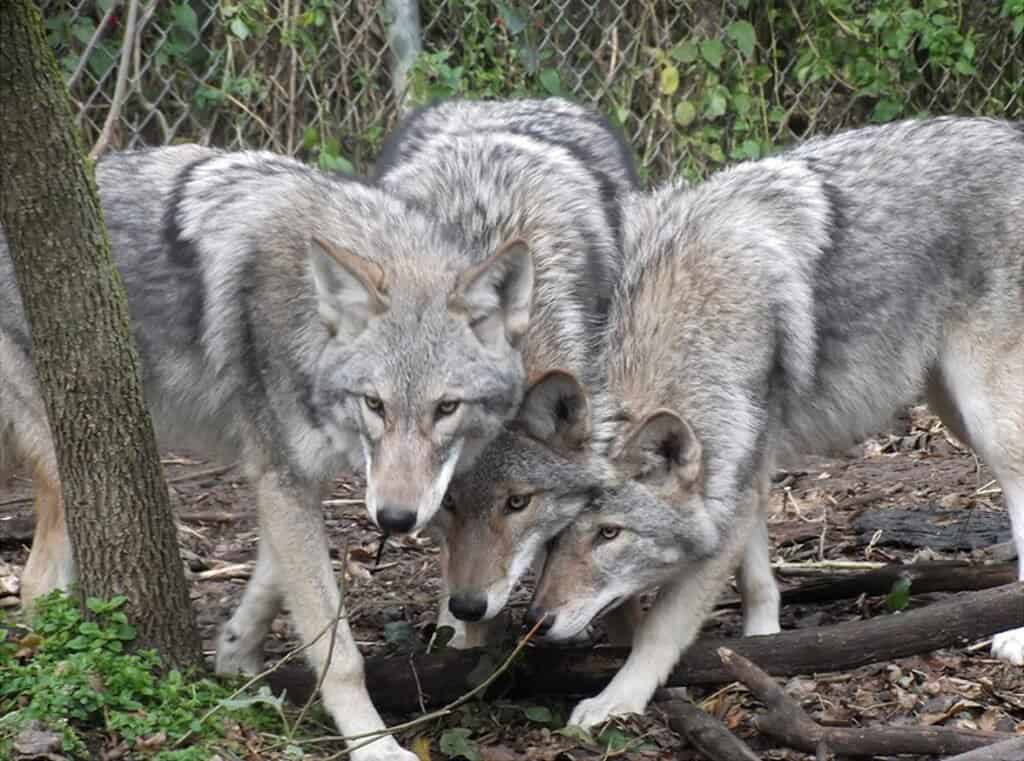
In some parts of the country, coyotes and wolves have crossed-bred. These hybrids are called coywolves.
©L. David Mech, Bruce W. Christensen, Cheryl S. Asa , Margaret Callahan, Julie K. Young / Creative Commons – Original / License
Living Alongside People in Rural, Suburban, and Urban Areas
Coyotes adapted to human-dominated landscapes with notable flexibility. In rural areas, they learned to exploit crop edges, pastureland, and livestock operations while continuing to hunt natural prey. In the suburbs, they shifted activity to nighttime hours and used greenbelts, drainage corridors, and undeveloped lots to move unseen.

Urban parks provide an ideal habitat for coyotes, with plenty of prey and plenty of cover.
©northohana/iStock via Getty Images
Urban environments have proved no barrier. Chicago supports a coyote population numbering in the thousands. Researchers have tracked coyotes living deep within the city for years. Some follow regular patrol routes through parks, rail corridors, and industrial zones. In one documented case, a coyote established a den inside a quiet corner of a parking structure. These animals avoided people while navigating dense infrastructure with ease. Their resemblance to dogs likely serves as a form of camouflage—anyone who glimpses a flash of fur darting down an alleyway might assume it was just a stray, not realizing they have just seen a truly wild animal in an unexpected place.
Ecological Effects in Human Landscapes
Where coyotes establish stable territories, they reshape local food webs in ways that are often subtle but meaningful. In developed landscapes, they focus heavily on rodents, rabbits, and other small mammals that flourish around agriculture, lawns, and fragmented green space. In some regions, coyotes also suppress feral cat populations, either through direct predation or by making outdoor areas too risky for cats to occupy consistently. This reduction can relieve pressure on ground-nesting birds and small native wildlife that are highly vulnerable to free-ranging cats.

There are an estimated 100 million feral cats in the United States that do tremendous damage to the ecosystem, especially the bird population.
©Chris Watson/Shutterstock.com
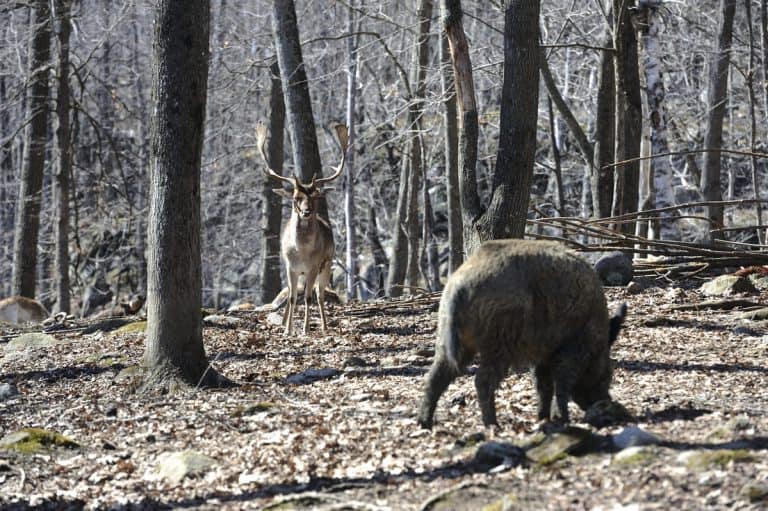
Coyotes can also influence larger prey species in suburban settings. While they do not function as full replacements for wolves or cougars, they can limit deer activity in certain corridors and edge habitats, especially where human development has simplified ecosystems. Their presence introduces a level of predation pressure that has been missing in many human-dominated landscapes, nudging prey behavior and population dynamics toward a more stable equilibrium.
Conflicts and Real Costs
At the same time, coyote expansion carries real and sometimes serious costs. They do sometimes prey on pets, poultry, and livestock, particularly when animals are unattended or when coyotes become habituated to human presence. Although attacks on people remain rare, they do occur, most often involving animals that have learned to associate humans with food, and people who think of them a little too much like dogs instead of the wild carnivores they are. In ecologically sensitive areas, coyotes may also prey on endangered species already under pressure from habitat loss and fragmentation.
What Has Worked to Control the Population?
Communities across the United States have experimented with a wide range of strategies to control coyote populations, with mixed results. Large-scale lethal campaigns, including trapping, shooting, and poisoning, have consistently failed to deliver lasting reductions. Removing high numbers of coyotes disrupts their social structure, breaking up family groups and opening territory.
The result is often an increase in breeding pairs, larger litters, and rapid immigration from surrounding areas. In many cases, population numbers rebound within a few years, sometimes exceeding previous levels. These outcomes have been documented repeatedly in long-term field studies, raising doubts about the effectiveness of widespread removal as a sustainable management tool.
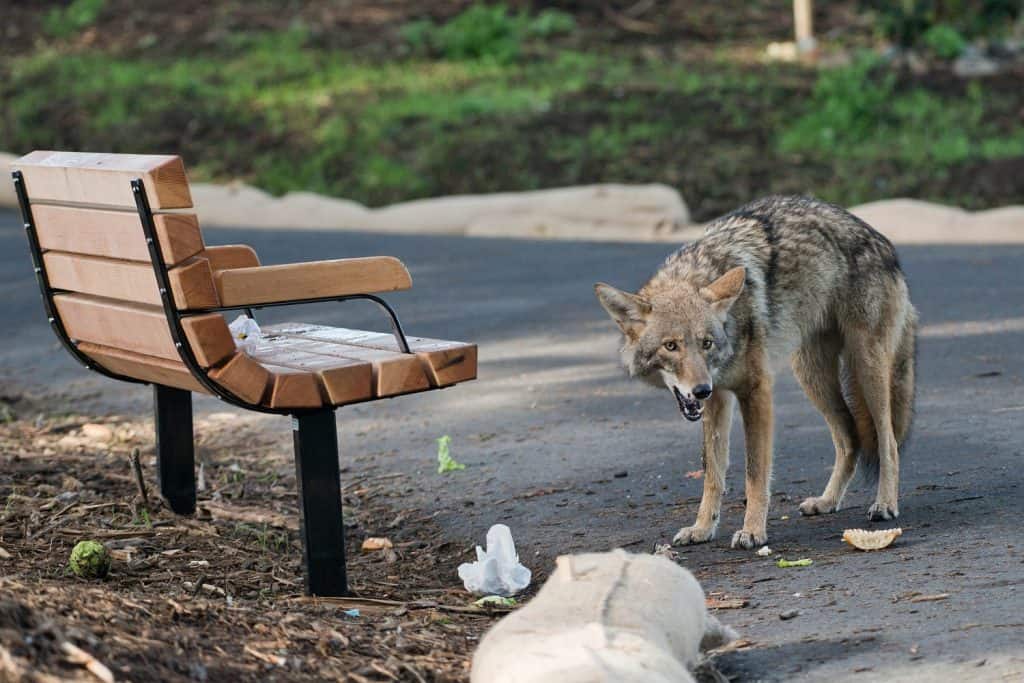
Securing garbage cans is one of the first steps to limiting dangerous contact between humans and coyotes.
©Matt Knoth/Shutterstock.com
Approaches that focus on behavior rather than raw numbers have produced more reliable results. Securing garbage, eliminating outdoor food sources, enforcing feeding bans, and supervising pets reduce the conditions that draw coyotes into close contact with people. Hazing techniques, such as loud noises or assertive human presence, help reinforce avoidance and prevent habituation.
Targeted removal of individual animals that repeatedly threaten pets or livestock has proven more effective than indiscriminate killing, particularly when combined with community education. Where policies are applied consistently across neighborhoods, conflict levels tend to decline, suggesting that human behavior plays a larger role in shaping outcomes than the sheer number of coyotes on the landscape.
The Future of Coyotes in the United States
Coyotes are now established across nearly the entire continental United States. Their population growth is expected to slow rather than continue rising indefinitely. In many regions, numbers already appear to have stabilized at levels shaped by food availability, territory size, and human tolerance. They are unlikely to overwhelm ecosystems on a national scale. Instead, they will continue settling into locally stable populations, adjusting to conditions and human responses. Coyotes are not a temporary presence. They are a long-term neighbor.
What to Do If You See a Coyote
Seeing a coyote does not automatically mean there is a problem. They’re becoming as ubiquitous as raccoons and strays in some areas. However, they are larger and more dangerous than most other types of urban wildlife, and they do potentially carry rabies and other serious diseases. Healthy coyotes avoid people and move on.
A coyote that is unafraid of people or unusually friendly may have been conditioned by past feeding to associate humans with food. However, these behaviors can also indicate disease, especially if you notice foaming at the mouth or the animal holding its head in an abnormal position.
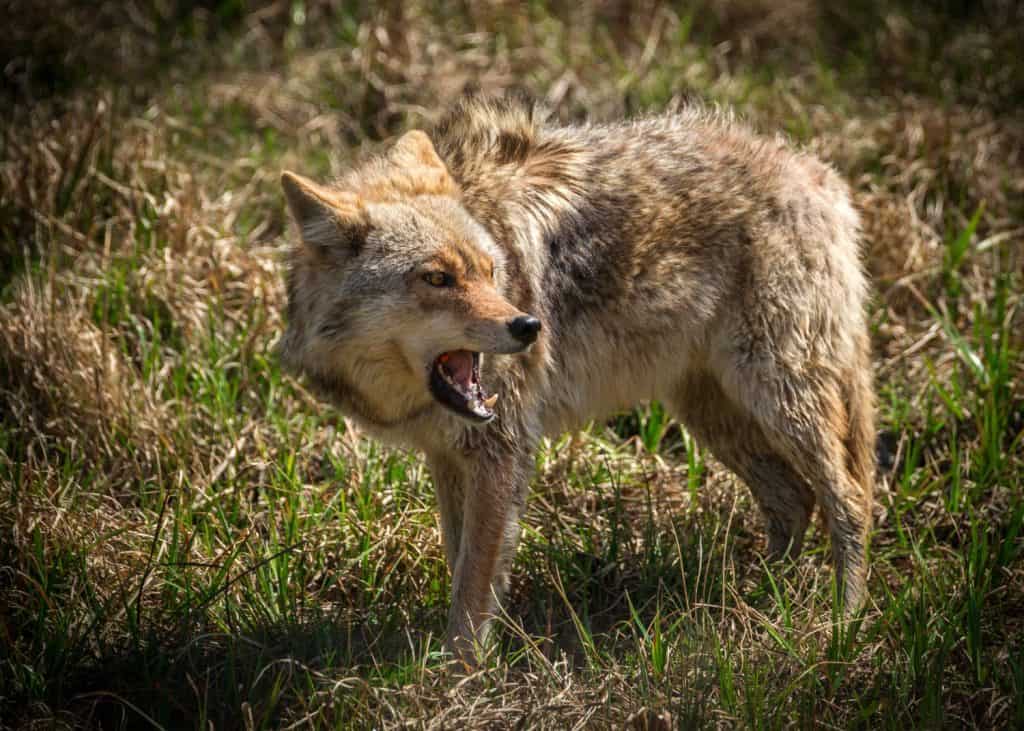
Overly aggressive behavior as well as uncharacteristically docile behavior can be signs of a diseased animal.
©Derek R. Audette/Shutterstock.com
No matter how it behaves, if you encounter a coyote, do not run or turn your back. This will activate its predatory instincts and identify you as prey. Instead, make yourself appear larger, maintain eye contact, and make noise if the animal approaches. Keep pets leashed and do not allow cats to roam outdoors.
Discourage coyotes from making your house part of their territory by securing trash, removing outdoor food sources, and eliminating shelter such as brush piles. Never feed coyotes. Feeding teaches them to associate people with food, which leads to bold behavior and increases the risk of conflict. It’s necessary to report coyotes to local wildlife authorities only if an animal shows aggressive behavior, approaches people repeatedly, or attacks pets.
Coexistence with Coyotes
Coyotes did not rise to prominence through human planning or protection. They earned their place through adaptability, mobility, and an ability to live in landscapes reshaped by people. Their history reflects both ecological disruption and resilience. As communities learn how to coexist with them, the challenge is not elimination but management grounded in realism. Coyotes are here to stay, and how well they fit into modern ecosystems depends as much on human behavior as on their own.