
Quick Take
- Wildlife officials say the most common approach to controlling feral hogs is almost entirely ineffective, and they argue that the real solution is counterintuitive. See the coordinated response →
- A single untreatable virus could devastate America's entire pig farming industry, with feral hogs serving as the most likely delivery system. Explore the disease risk →
- Climate change is accelerating the feral hog invasion in a way most people wouldn't predict, though the reason has nothing to do with temperature tolerance. See how climate fuels expansion →
- One surprising group of stakeholders is now on the front lines of the feral swine crisis, and their involvement may be the key to stopping it. Meet the key stakeholders →
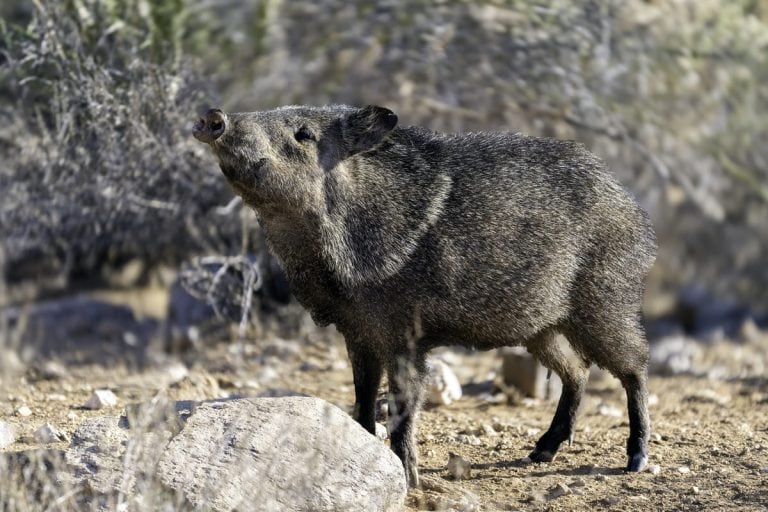
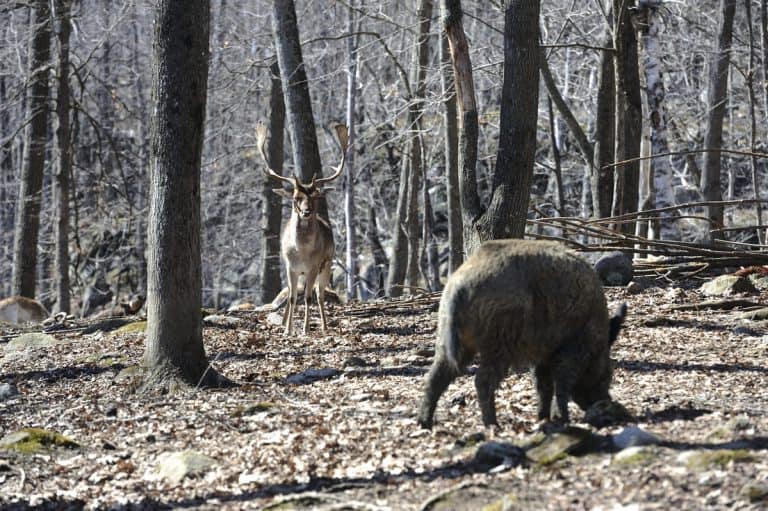
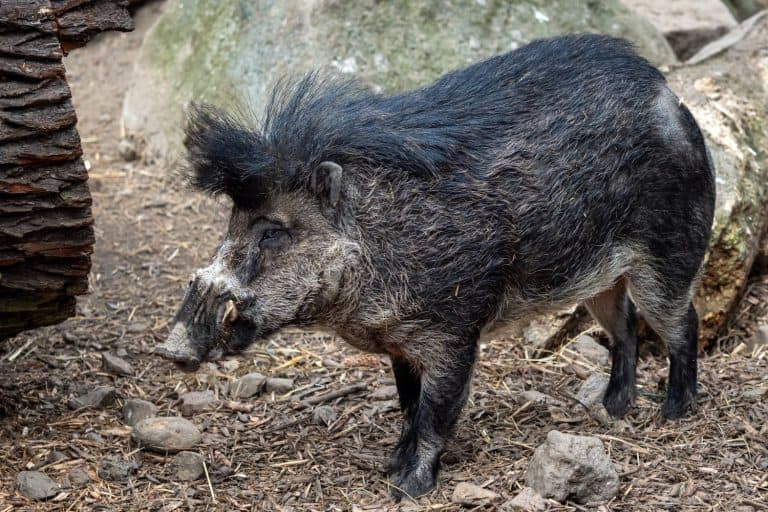
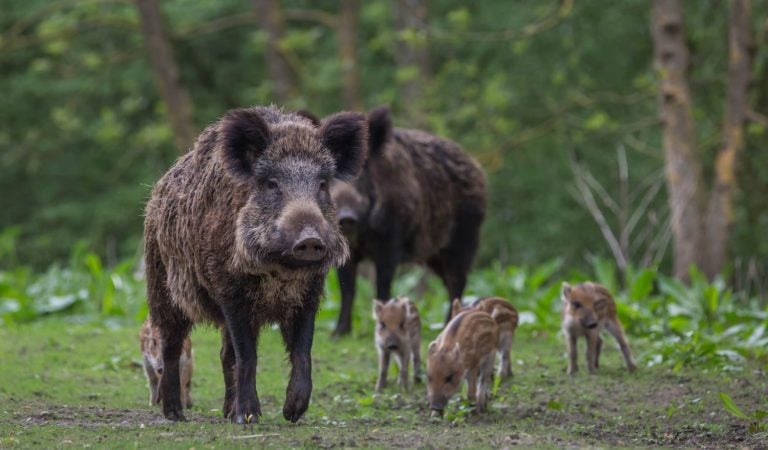
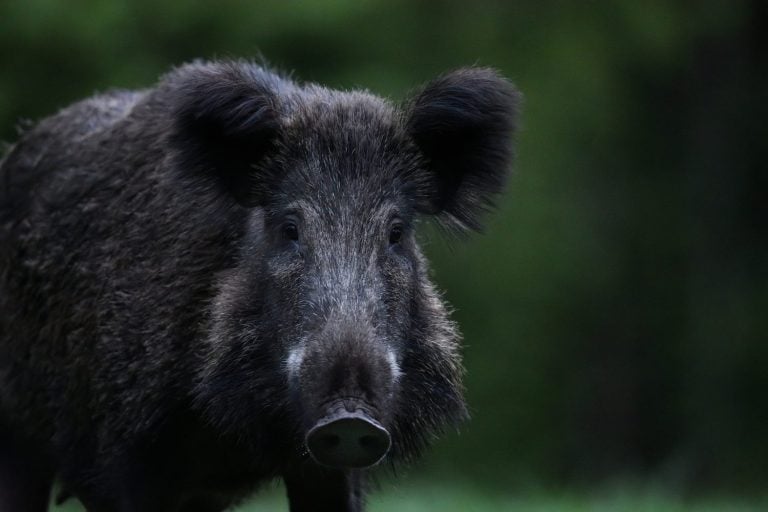
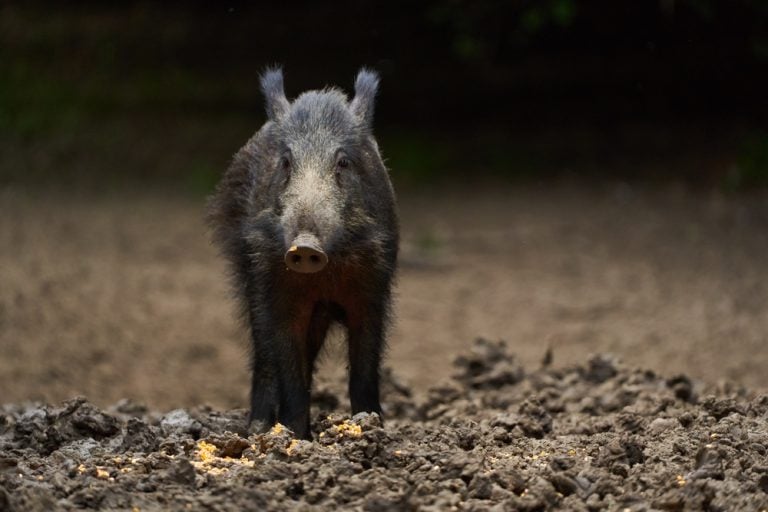
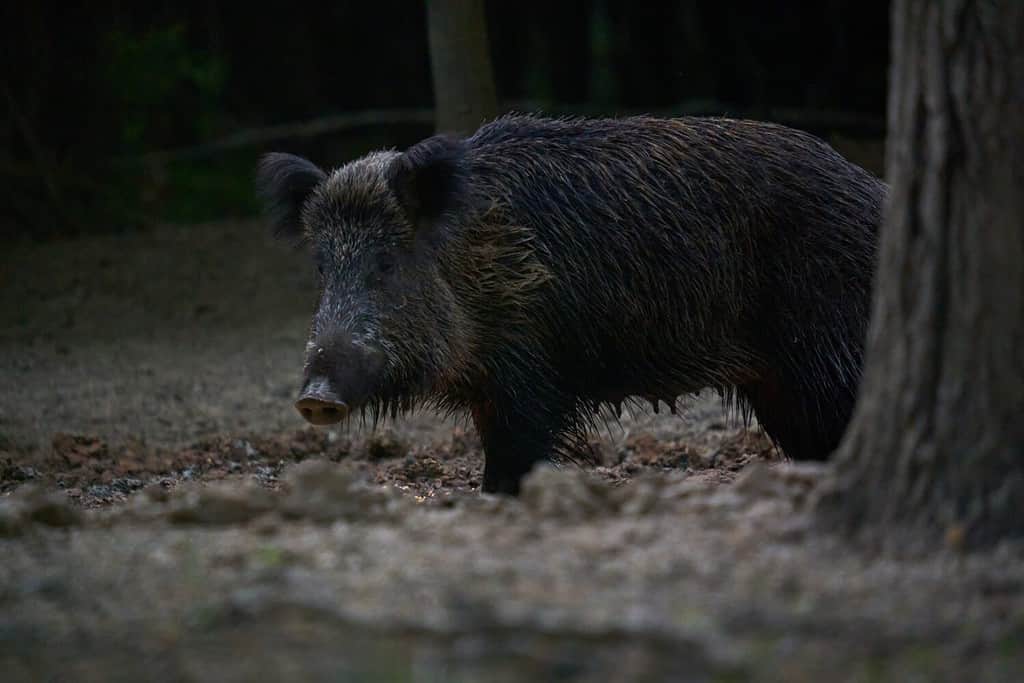
Across more than 35 states, wild boars, often called feral swine, wild pigs, or feral hogs, are spreading. Estimates place their population at over six million, with numbers climbing every year. Their adaptability to harsh and varied environments, combined with a lack of natural predators and human-assisted movement, has fueled this relentless invasion.
Continue reading
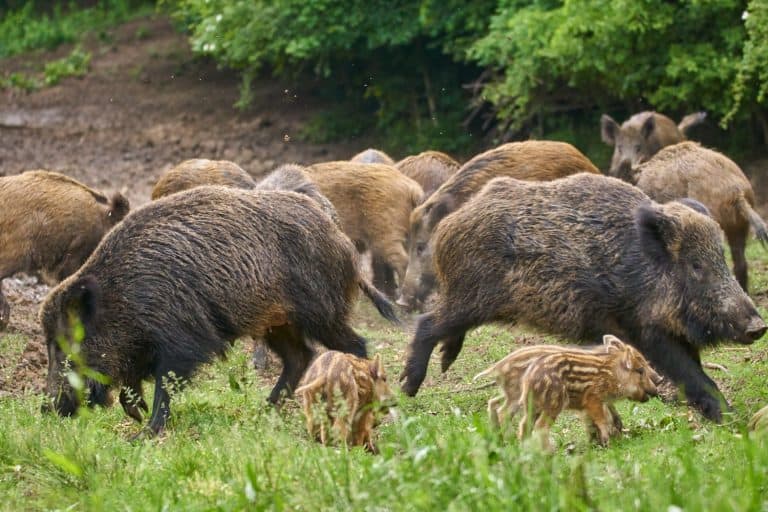
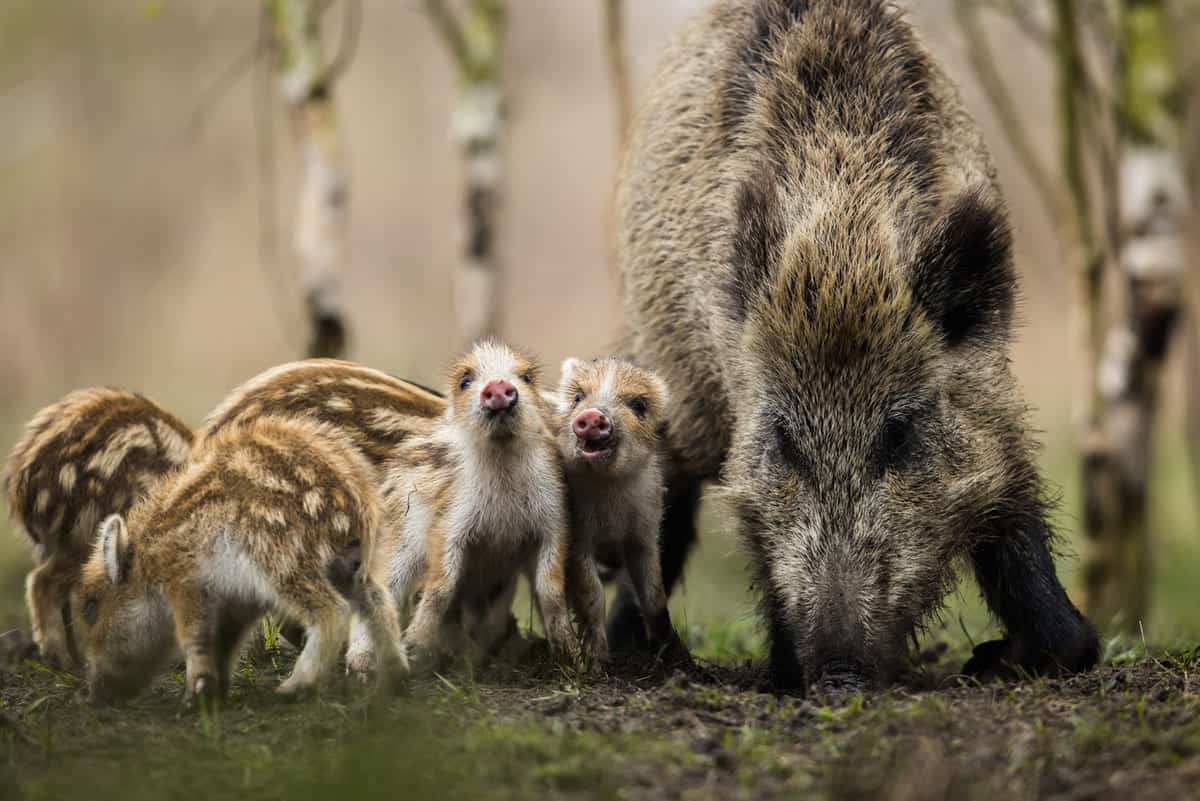
The sounders, or groups, in which they travel, only add to the challenge. Wildlife officials say that only the removal of entire sounders at once can effectively reduce their presence. Even then, aggressive follow-up efforts are crucial because these animals breed at a rate that surprises even seasoned land managers.
Farm Country on Edge: The Cost of Destruction
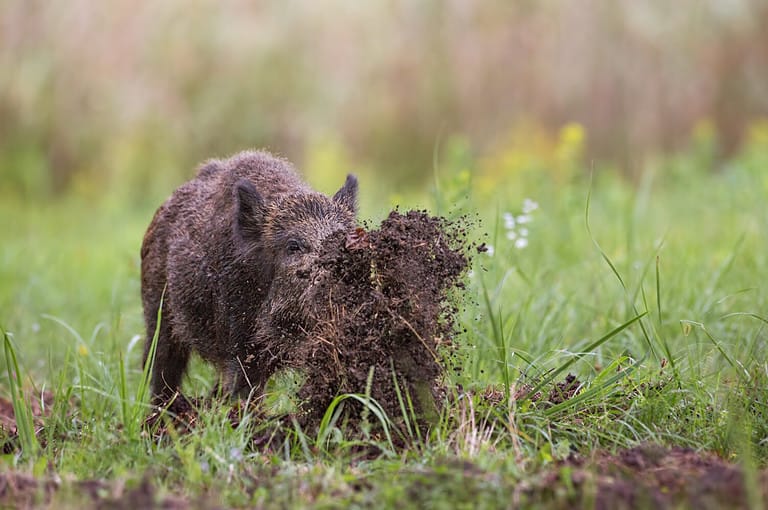
The spread of wild boars isn’t just a rural curiosity, it comes with a staggering price tag. Federal, state, and local wildlife officials have labeled them one of the most expensive invasive species in America. Farmers and ranchers witness firsthand the havoc these animals wreak: tearing up fields, damaging forests, and threatening rangelands.
©Slatan/Shutterstock.com
Recent years have seen wild boars crossing into new frontiers. Since 2004, they have slowly carved a path into southwestern and central Oregon. By 2016, they were detected in Washington. So far, Idaho has been largely spared, but the threat of migrating pigs is never far from the surface.
Disease Threats and a Race Against Time
There’s more at stake than property alone. Feral swine are known carriers of foreign animal diseases, including African Swine Fever (ASF), a virus with no known treatment or vaccine. The United States has been fortunate: ASF has yet to be detected in domestic or wild pigs within its borders. But, as researchers stress, vigilance is key. Wildlife authorities urge everyone to immediately report any dead or sick swine, especially those with no obvious injury, so that disease surveillance can remain swift and effective.
This network for rapid reporting and response is critical. Quick detection is often the only barrier preventing an outbreak from taking hold in the nation’s pig farming heartland. Calling the USDA-APHIS Wildlife Services program is the recommended first step when suspicious animals are found.
Climate Change and the Expanding Front
Scientists, including those at Portland State University, are watching weather trends closely. Increasingly abundant food sources, thanks in part to warmer winters linked to climate change, are making it easier for wild boar populations to grow. Projections suggest that hotter summers and more extreme events are unlikely to slow down this invasive surge, if anything, they may help it spread.

©Piyaset/Shutterstock.com
Experts warn that waiting is not an option. Robust and timely population control measures must match the pace of the invaders if we are to avoid a future where vast stretches of crops, forests, and pastureland are left in ruin.
Communities and Agencies Mobilize
The crisis has brought together a spectrum of stakeholders, from federal and state agencies to tribal governments, universities, and everyday citizens. In 2014, recognizing the rising tide of damage, Congress funded the creation of a National Feral Swine Damage Management Program through APHIS. This program’s mission is to safeguard not only agriculture and property, but also animal health and the safety of local communities.
As public awareness grows, officials continue to stress the importance of education and innovative research. Videos and resources, like ‘Squeal on Pigs!’, are making the case for public involvement in detection and control. The strategy is clear: Only with broad collaboration and science-driven solutions can the wild boar invasion be brought under control.
The story of feral swine in North America is still being written. But as their range expands and their impacts deepen, the fight to contain them stands as a reminder of how quickly nature can challenge our assumptions, and how urgently we must work to protect what matters most.