
Quick Take
- A tick that feeds for less than an hour and can survive years without a meal could make African swine fever much harder to eradicate, and this tick already lives across most of Texas. See why this tick is so dangerous →
- African swine fever doesn't need ticks to spread, so scientists have a surprising reason for urgently mapping where this one tick lives. Explore the mapping research →
- There's an animal roaming parts of Texas right now that could make a future African swine fever outbreak far harder to contain than anyone expects. Understand the Texas threat →
- A $50 billion US industry has no cases of this disease yet, though the window to prepare may be smaller than it appears. See the economic stakes →
Modern disease control is not just about tackling the spread of a pathogen once it arrives. Disease preparedness is all about anticipating what could go wrong, judging how likely that is to happen, and taking preemptive steps to stop an outbreak from spreading in the first place. That is exactly what is happening now with African swine fever preparedness in the US. We do not currently have any cases of the disease, but let’s take a look at the plans to control it in case we do and how ticks may be crucial!
Continue reading
Why We Need to Be Concerned About African Swine Fever
African swine fever is a re-emerging and highly contagious disease that affects both domestic and wild swine populations. It is caused by a virus and is endemic to sub-Saharan Africa, where it is found in common warthogs (Phacochoerus africanus), domestic pigs (Sus scrofa), and argasid ticks in the Ornithodoros moubata group.
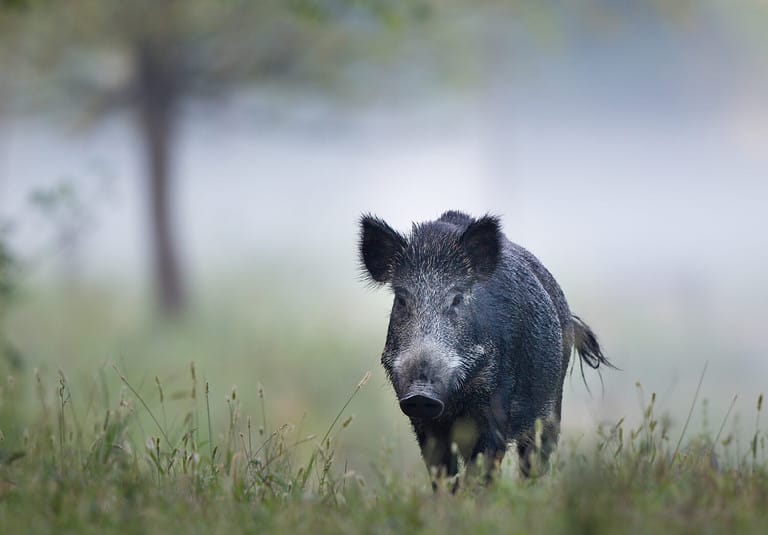
Most pigs transmit the virus to other pigs through saliva, urine, and manure. However, the virus can also survive on contaminated surfaces. Wild pig species can carry the disease with very mild or no symptoms at all. This does not stop them from infecting the ticks that feed on them.
Worryingly, African swine fever is no longer restricted to Africa. Cases have been recorded in Asia (including China), the Russian Federation, and Eastern and Central Europe. The first North American cases in over 40 years were recorded in the Dominican Republic in 2021, with ongoing concerns about potential spread to neighboring Haiti.
The Battle Between Spread and Control
Global animal health authorities have a constant battle to contain the virus. They can be successful in eradicating outbreaks with culling and strict biosecurity measures. However, there is the constant threat of further spread through uncontrolled pig movement and spillover transmission between domestic and feral swine. What’s more, the ability of the virus to persist in uncooked meat products for extended periods of time hinders control. When it enters a country, the economic impact is substantial. The US pork industry is worth more than $50 billion annually and supports 550,000 jobs.
To date, surveillance has not detected any cases of African swine fever in the US, but its growing geographical distribution in the Western Hemisphere is a constant threat.
How Will African Swine Fever Vector Surveillance Help?
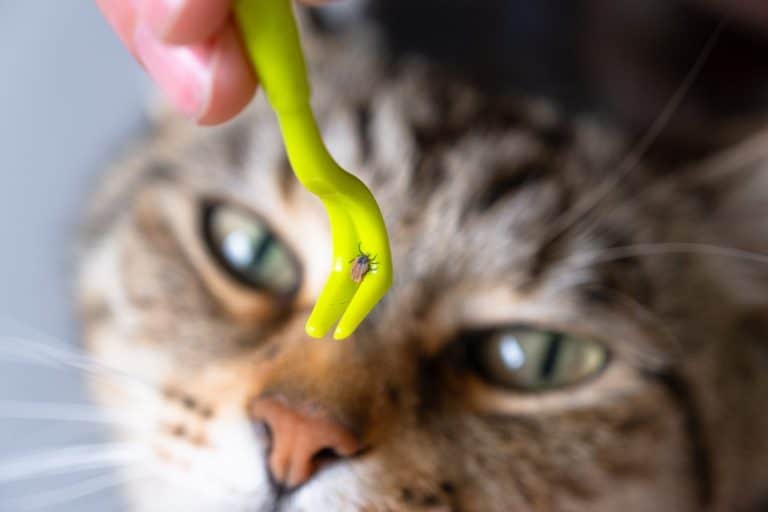
One method of conducting surveillance and monitoring for African swine fever is to identify areas where competent vectors are present. A vector is an organism that transmits a pathogen from one host to another. In countries where the disease is endemic, soft ticks (primarily Ornithodoros spp.) act as both vectors and reservoirs of infection. Ticks are small arachnids that feed on the blood of animals. They take the virus from one animal to another as they feed.
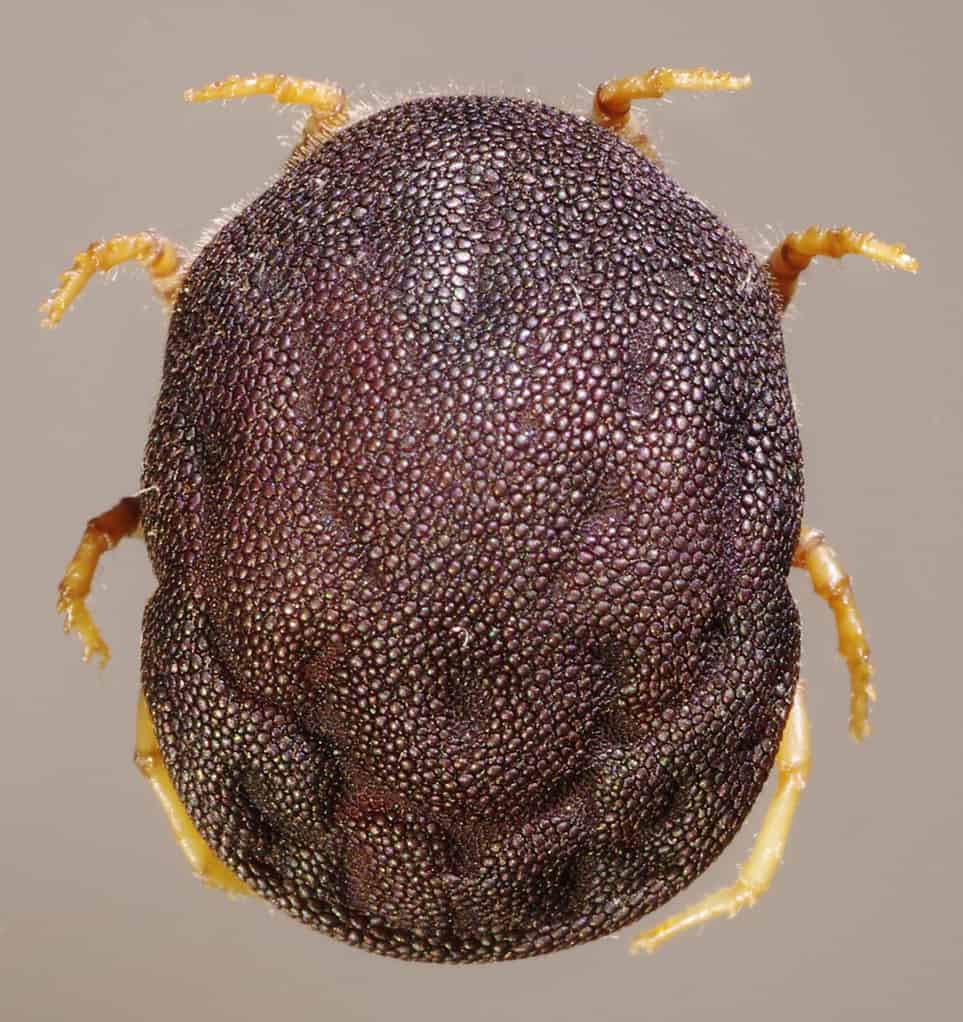
Ornithodoros ticks can spread African swine fever.
In laboratory tests, one tick species called Ornithodoros turicata (commonly called the relapsing fever tick) acts as a vector for the disease. This tick feeds on a wide range of animals in the US. The way in which it feeds could make it hard to control if it were to become infected with African swine fever. These ticks live inside animal dens and burrows. They emerge to feed briefly on animals (often for less than an hour) and then retreat once more into crevices. What’s more, they can survive for years without a meal and have a lifespan of 10 years! These long-lived ticks have the potential to acquire the virus from one herd of animals but persist in their environments after the animals are removed. Then they could infect the next batch of livestock.
Studying Tick Distribution for Disease Preparedness
Researchers from the Texas A&M College of Veterinary Medicine and Biomedical Sciences teamed up with Texas A&M AgriLife Research and the Department of Biology at Texas A&M University to map where Ornithodoros turicata is most likely to survive.
In a study using ecological range modeling, the team was able to predict where environmental conditions are favorable for the tick to survive. This included average temperatures and precipitation. They found that most of Texas—except for the eastern portion—provides suitable habitat for Ornithodoros turicata. Some areas of southeastern Georgia also offer suitable conditions, although the tick has not yet been documented there. This information will also help determine where laboratory testing and field collection efforts would be most useful. If long-term changes in temperature and moisture patterns occur, the ticks could expand into new areas, although this expansion would also depend on the availability of suitable wildlife hosts.
The Importance of Being Proactive
This study makes it clear that proactive, strategically targeted surveillance is important in the fight against African swine fever. This is especially true along the U.S.-Mexico border and in regions with dense swine or wild hog populations.
However, this tick is more likely to contribute to the persistence of the virus rather than to any initial large-scale spread, which is more likely to be driven by pig-to-pig transmission. This research has been critical in identifying factors that could complicate eradication efforts.
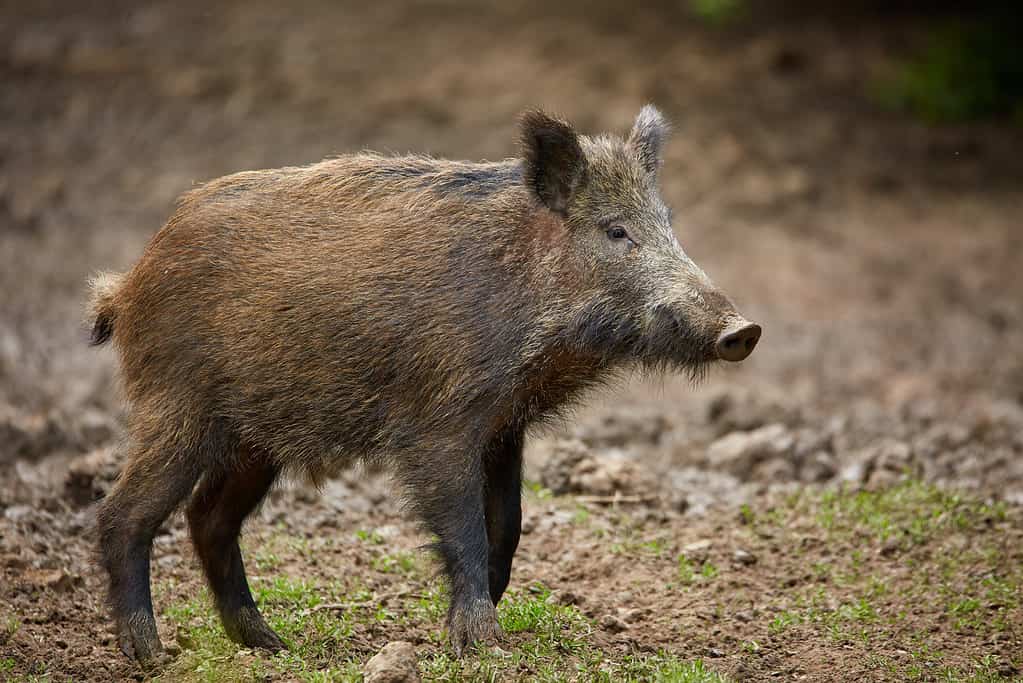
Wild hogs can carry the African swine fever virus.
©Slatan/Shutterstock.com
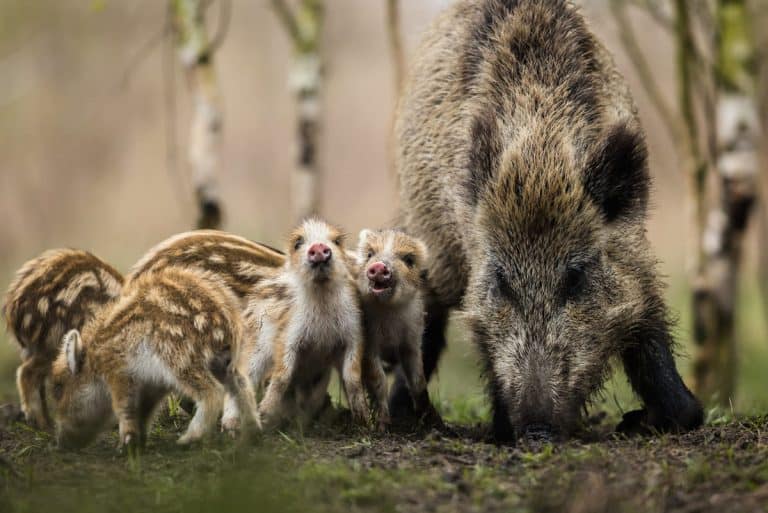
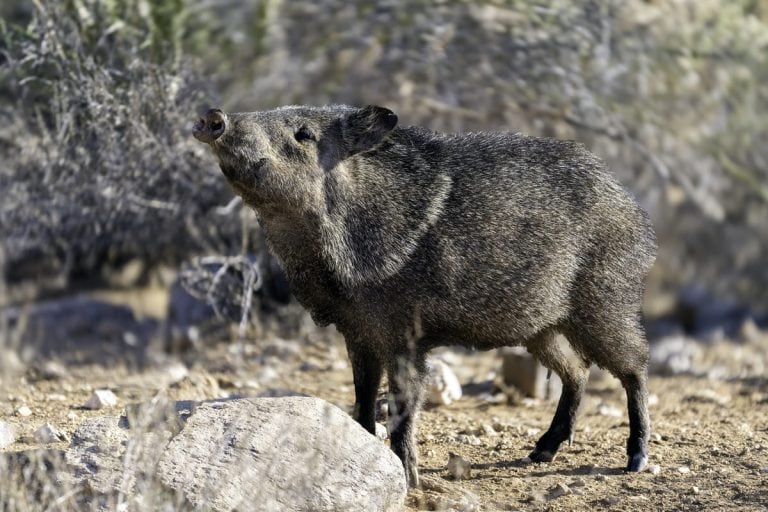
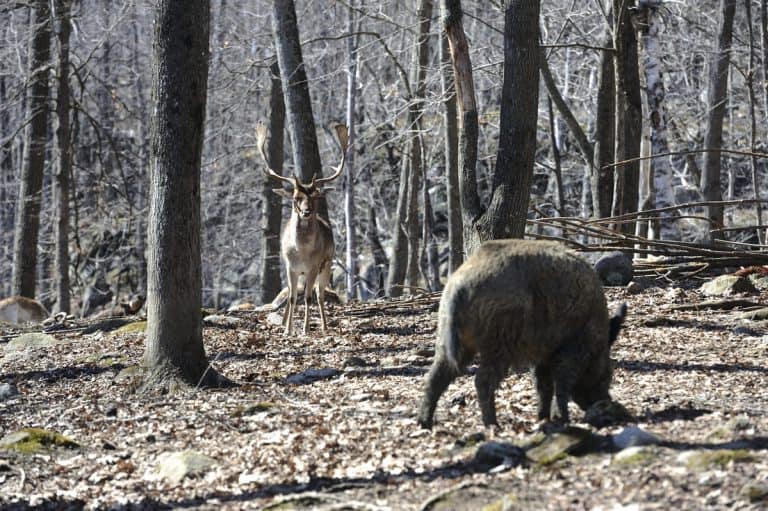
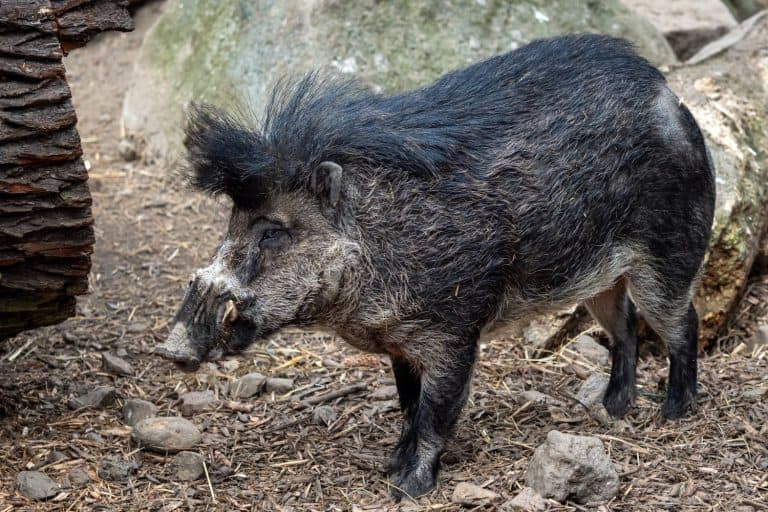
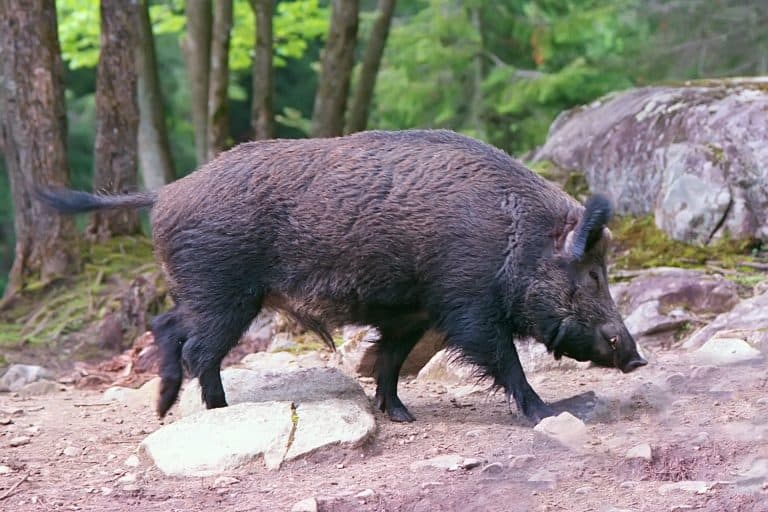
The potential role of wild hog populations should also not be overlooked. These animals are widespread, difficult to control, and add an unwelcome level of complexity to plans aiming to control African swine fever. Additionally, the presence of free-ranging African warthogs in some parts of Texas further complicates the situation.
The next step is to determine if Texas-derived O. turicata ticks can transmit the virus under natural feeding conditions. By establishing laboratory colonies, the researchers can also determine how long the virus may persist within tick populations. Fortunately, this research is underway before any crisis emerges, rather than being initiated in the midst of an outbreak.