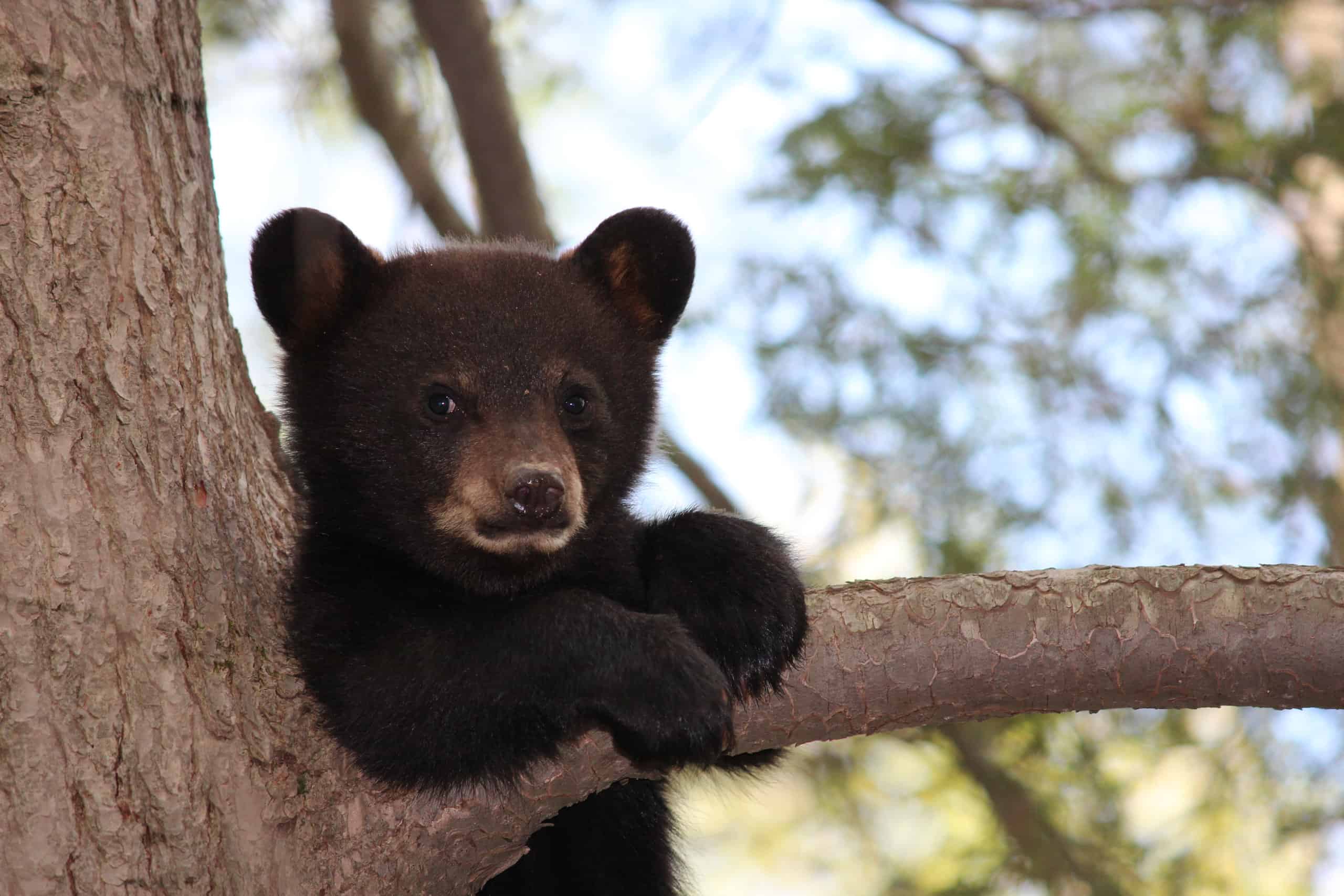

Quick Take
- Black bears in Florida were put on the threatened and endangered species list in 1974, when only a few hundred bears could be found in the state.
- Land conservation and legal protections helped the state-wide population to surge, and today, black bears are no longer considered endangered in Florida.
- One area where populations are growing fast is the Apalachicola area in the Panhandle.
The Sunshine State is known for many things: sandy beaches, spring break, and snowbird populations that cause the state’s population to surge every winter. But what about bears?
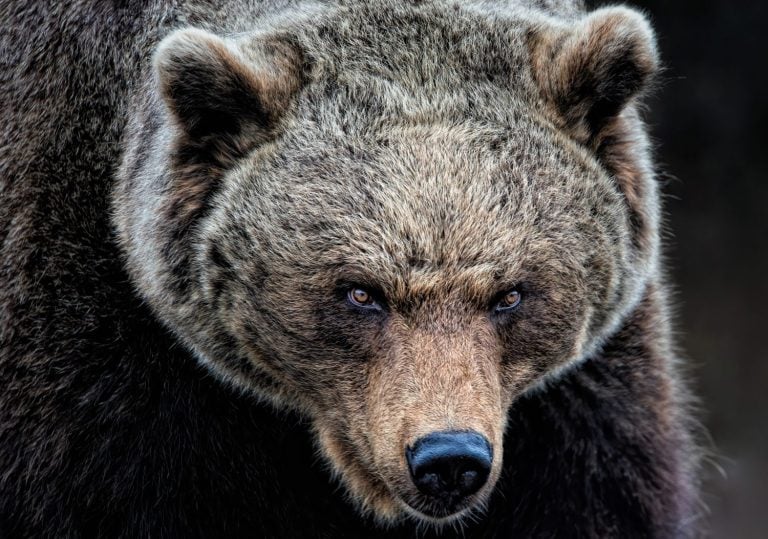
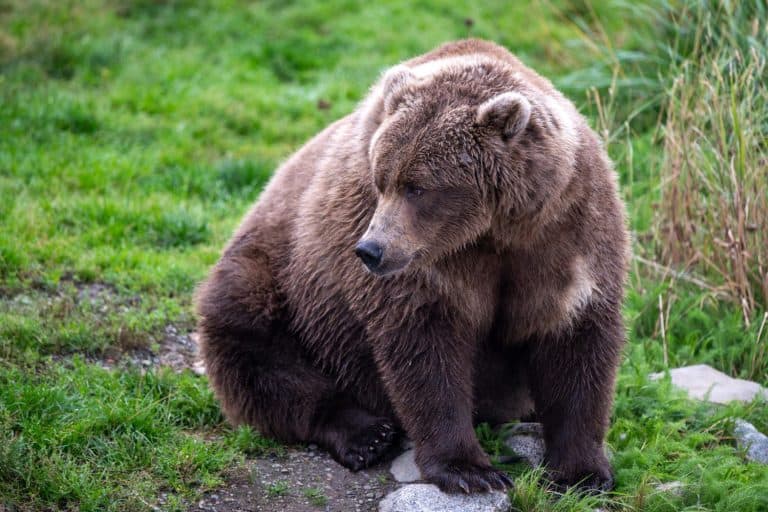
Most people don’t think about bears when they plan their vacation or move to Florida. Yet, black bears are present in many areas of the state. However, this does not mean that their populations are increasing rapidly.
Black bears were put on Florida’s threatened and endangered species list in the mid-1970s, after excessive hunting and habitat loss sent their numbers spiraling. At the time, it was estimated that fewer than a few hundred bears remained throughout the state.
Thanks to an outright ban on bear hunting in 1994 and conservation efforts to expand protected land in the state, bear populations recovered. Black bears were removed from the state threatened species list in 2012.
A recently published study demonstrates how one subpopulation of Florida black bears was brought back when they were given legal protection and enough habitat to thrive.
What Did the Study Find?
The study, published in The Journal of Wildlife Management, focused on a particular subspecies of Florida black bears, Ursus americanus floridanus, found in the eastern panhandle of the state. The study measured the survival and reproductive capacity of the Apalachicola subpopulation of black bears using data collected between 2016 and 2019.
The study found a growth rate of 11.9 percent annually, which is considered fast for bear populations. Researchers determined that this was attributable to higher than average adult female bear survival rates–91.5 percent compared to 82 percent for adult female bears in other parts of eastern North America. They also found slightly higher survival rates for cubs, too.
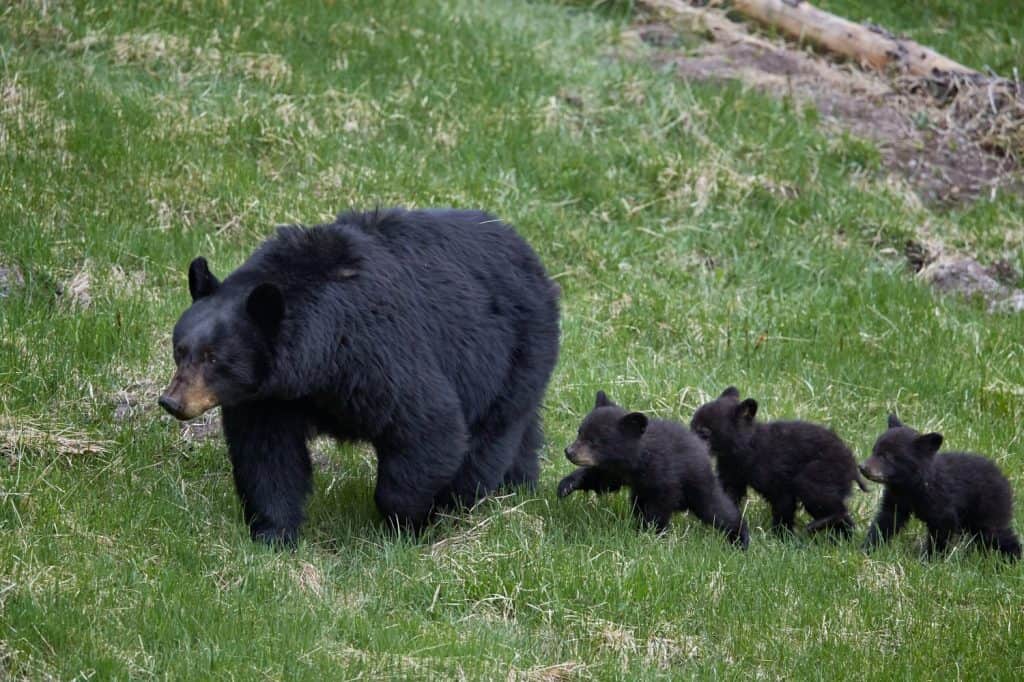
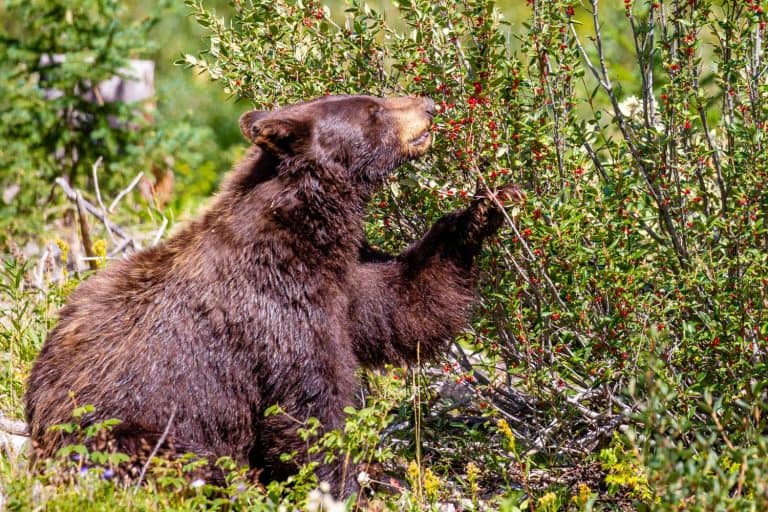
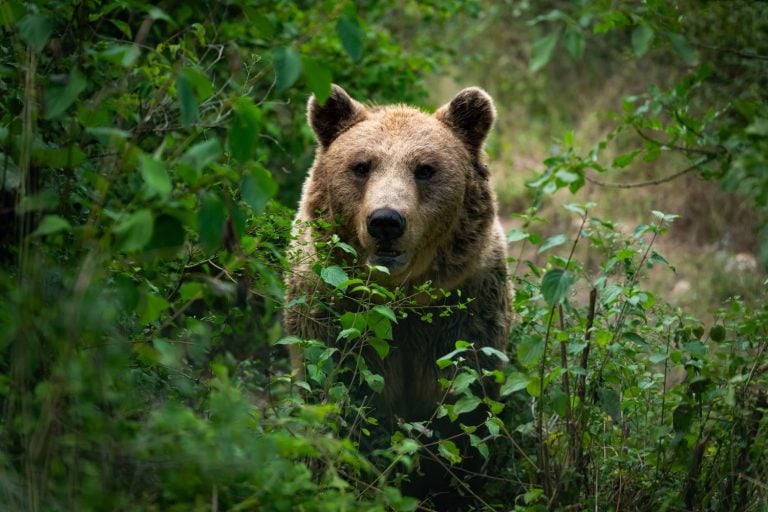
Both adult female and cub populations in the Apalachicola region of Florida have higher growth and survival rates than elsewhere in eastern North America.
©Robert Harding Video/Shutterstock.com
Researchers attribute these higher percentages to two main factors: better legal protections and ample protected habitats. While the former was implemented more than 30 years earlier with a hunting ban and the official listing as threatened and endangered, the latter took longer to put in place.
Black bears eat mostly insects and vegetation and require undisturbed areas to forage. Apalachicola is one area of the state where bears were given more protected space to roam. According to Darcy Doran-Myers, lead author of the study, having enough space away from people, roads, and trash is one key to the species’ rebound in Apalachicola.
How Did Researchers Calculate Bear Population Growth Rates?
Researchers used GPS collars to track and study not just adult black bears, but also new cubs born between 2016 and 2019. By studying the survival rates for varying age groups of black bears, researchers could get a better idea of what the growth actually looked like across the entire population.
Placing tracking collars on the cubs presented challenges that researchers in colder climates do not encounter. In Florida, it doesn’t get cold enough for bears to hibernate. They also don’t build underground dens, thanks to the state’s high water tables. Instead, black bears sleep and rear their young above ground, in nests they build.
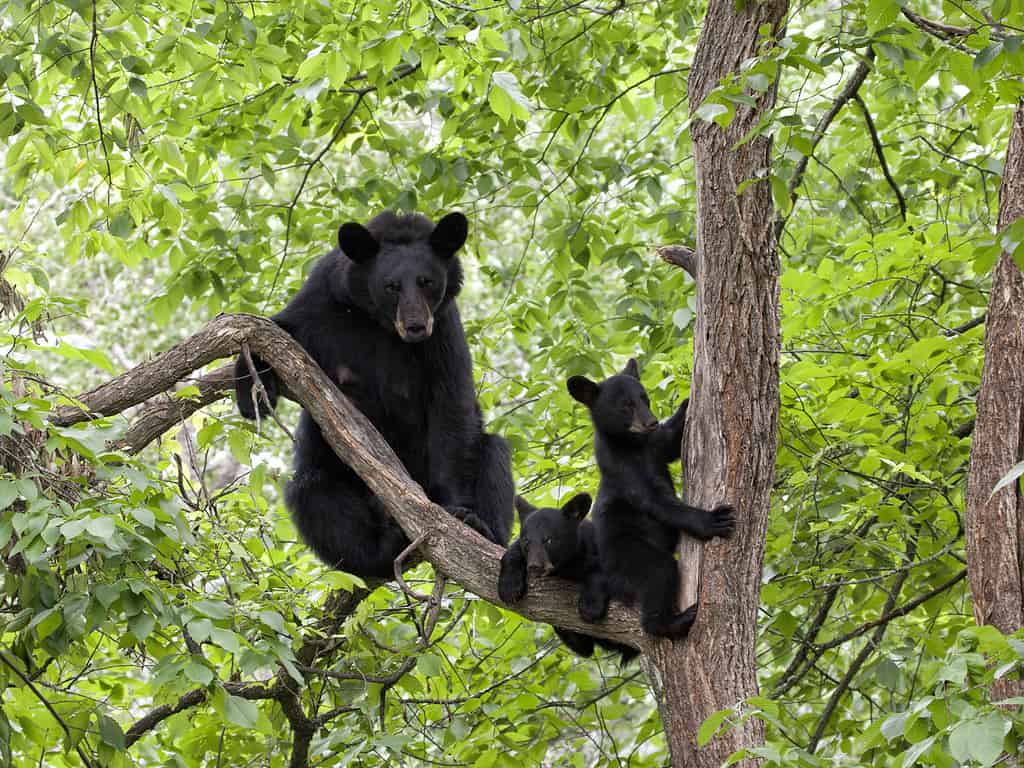
Unlike bears in colder climates, Florida’s black bears don’t hibernate or build underground dens.
©dssimages/iStock via Getty Images
Once a female was sedated and collared, researchers tracked her back to her den and waited for her to go to sleep. When researchers approached, the adult female would wake up drowsy and instinctively run away from her den. At that point, researchers could easily place collars on all the cubs, then depart. Typically, the mother would return to the den within seven hours, and life would continue as normal for her and the cubs.
Are All Bear Populations Across the State Seeing the Same Growth?
Black bears are divided into seven subpopulations, and the total number of black bears throughout the state is around 4,000. The various subpopulations are also not well connected across the state due to obstacles such as human development and deforestation. The success in Apalachicola isn’t representative of what’s happening for bear populations in the rest of the state. Each subpopulation faces different conservation challenges.
The rate of development and expansion of human occupation in Florida is among the highest in the country. Each day, nearly 1,000 people move to the Sunshine State. The pressure for adequate housing and resources for an ever-growing population puts additional strain on the natural resources bears rely on to thrive.
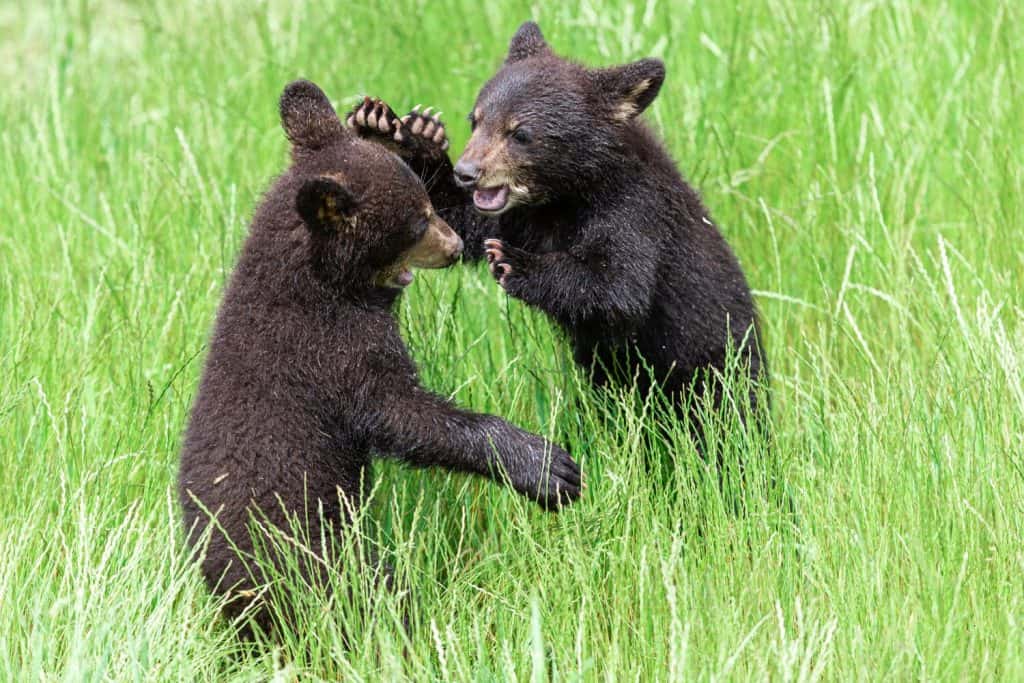
Florida’s black bears are competing with humans for habitat.
©AB Photographie/Shutterstock.com
Apalachicola’s bear population is among the largest in the state. It is also a region where significant land conservation initiatives were put in place decades earlier. That land preservation is a significant factor in why the bear populations there are growing. Adult females need a lot of space to maintain a safe territory for their cubs, which they have in the Panhandle.
Other subpopulations aren’t seeing the same growth numbers. For example, another subpopulation in the Osceola region has a far smaller population and a lower growth rate. Data from the Florida Fish and Wildlife Conservation Commission (FWC) collected in anticipation of re-opening bear hunting in 2025 shows the Osceola subpopulation numbers had shrunk by two-thirds in the past 10 years.
Conservationists filed a lawsuit to try to stop the bear hunt, but a federal judge denied their request for a temporary injunction. The bear hunt went ahead in December 2025. FWC awarded hunting permits for both the Apalachicola and Osceola subpopulations.
How the Study Can Help Future Conservation Efforts
Doran-Myers believes the study results, and others like it, can help FWC make informed decisions about bear hunting quotas and conservation strategies. The study also demonstrates the long-term impact that thoughtful land conservation decisions can have on future species repopulation efforts.