
Quick Take
- These elk show no outward signs of illness or injury, yet they keep dying. Only one bizarre internal clue points to why. See the internal clue →
- Female elk die most often at the exact moment in the year when they should be at peak strength, and scientists want to know why. Explore the spring mystery →
- A hidden mineral imbalance is the leading suspect, and the way it enters the food chain is stranger than you'd expect. Trace the mineral imbalance →
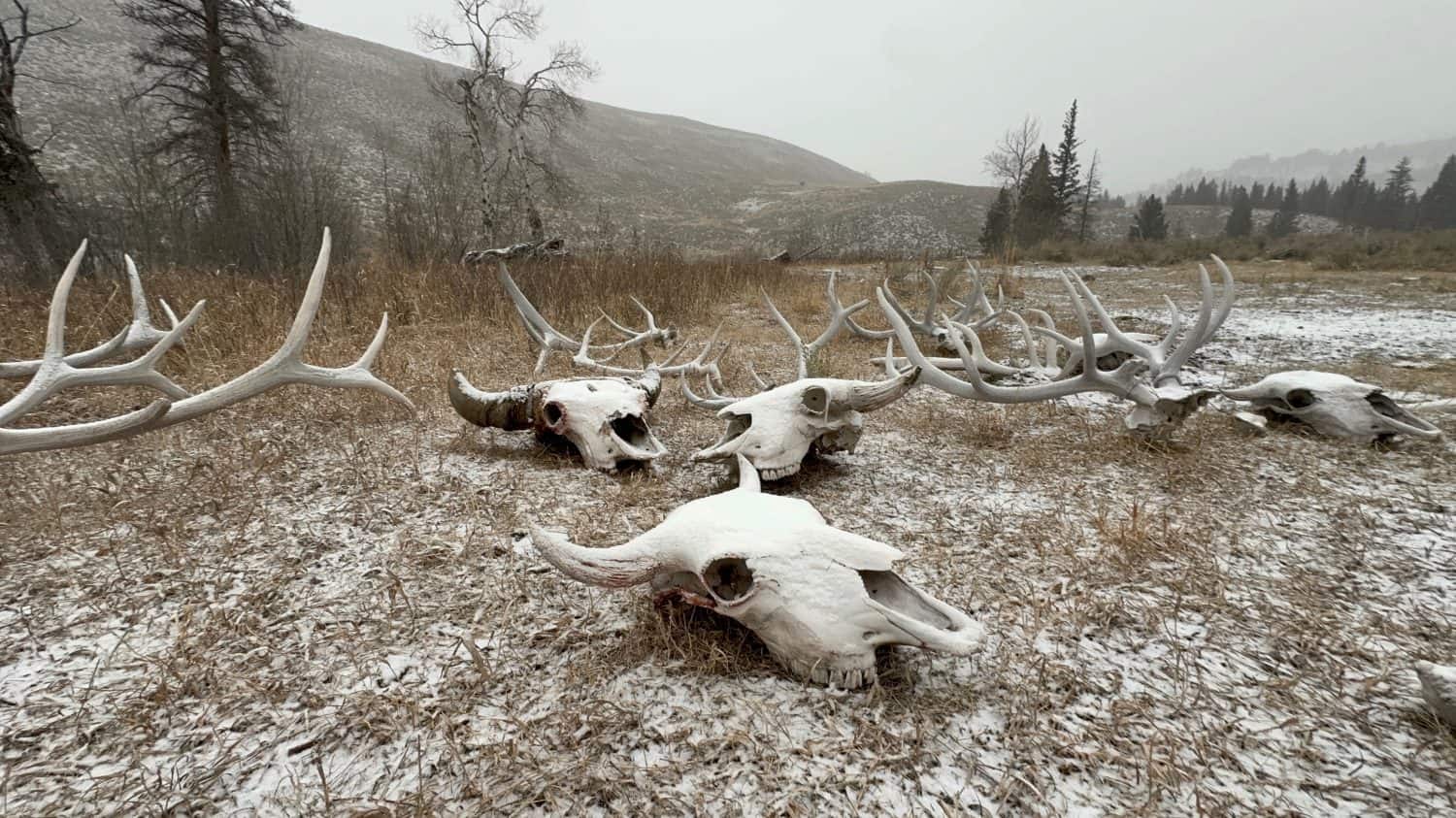
Over the last decade, between 10% and 30% of female elk in Elko, Nevada, have died each year. The Independence and Tuscarora Mountains are a remote landscape, home to elevated desert environments. Few animals are equipped to survive its harsh winters, but its native elk population typically thrives. That is, until the last ten-plus years.
University of Nevada researchers are now working to unravel the mystery behind these deaths. The elk look healthy and are not emaciated, showing no outward signs of injury. They don’t appear sick, but continue to die at an unusually high rate. The only clue they have to go on is blood tests.
Continue reading
The Springtime Elk Deaths of Elko
Most of the fatalities researchers recorded happened during the spring. The team focused their efforts on one herd in Northern Nevada that had an alarming mortality rate. During the spring, female elk are expected to be in peak condition. This confounds scientists even more, causing them to wonder what could harm elk at a peak time in their lives.
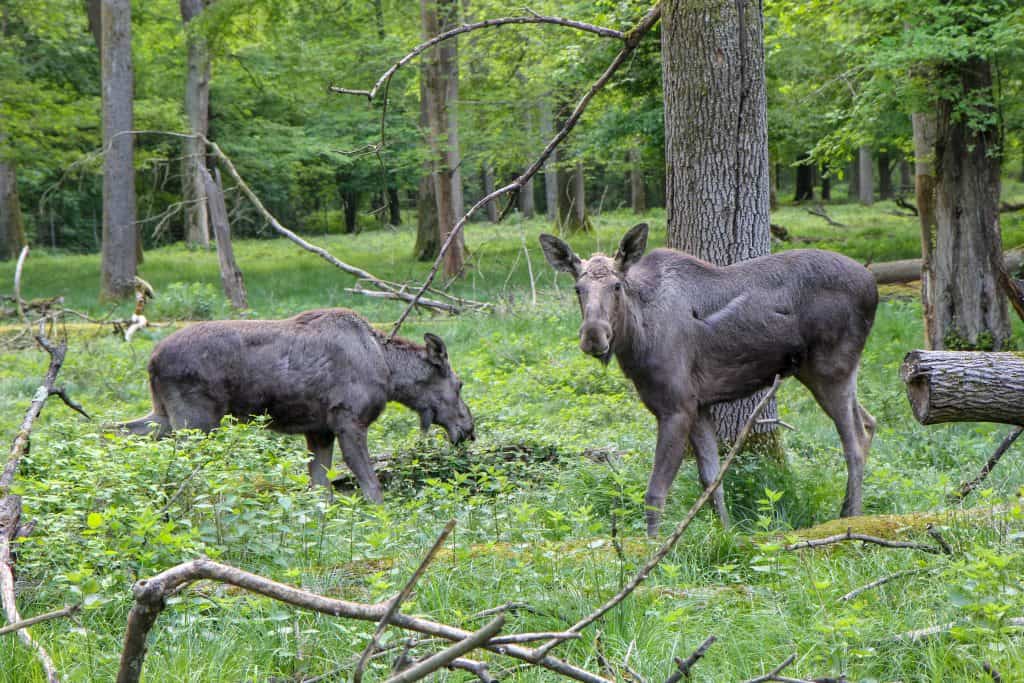
Up to 30% of Nevada’s female elk are dying annually.
©donwinni/Shutterstock.com
Spring means females are gearing up to give birth. Pregnant elk often separate themselves from their herds, moving to safe, secure locations. From late May through early June, females give birth to their young. At this point, they take on the role of protectors, shielding their offspring from potential predators. Once their calves are healthy enough to move on their own, they typically rejoin their herds.
The most puzzling thing is that during this time, female elk are at their strongest. They reserve energy in anticipation of having to protect their calves, which sometimes involves violence and intimidation. Sadly, researchers discovered that many females never made it this far. During this time of the year, there’s also no shortage of food, which provides plenty of energy and nutrients. Knowing this, the team has ruled out starvation and other well-known diseases.
Tests Revealed an Unusual Deficiency
Since the elk were seemingly healthy just before their deaths, researchers decided to look beneath the surface. Closer examinations revealed damage and lesions on the elk’s hearts. They also found excessive fluid in their chest cavities. None of this was evident from the corpses’ appearance, prompting the team to run additional tests.
The results showed that female elk were suffering from a copper deficiency. This caused heart damage and fluid retention, affecting the animals at a cellular level. Copper is an essential mineral for elk, helping activate cuproenzymes such as cytochrome c oxidase. This enzyme drives ATP synthesis in the mitochondrial electron transport chain across virtually all cells — a process that was disrupted as a result.
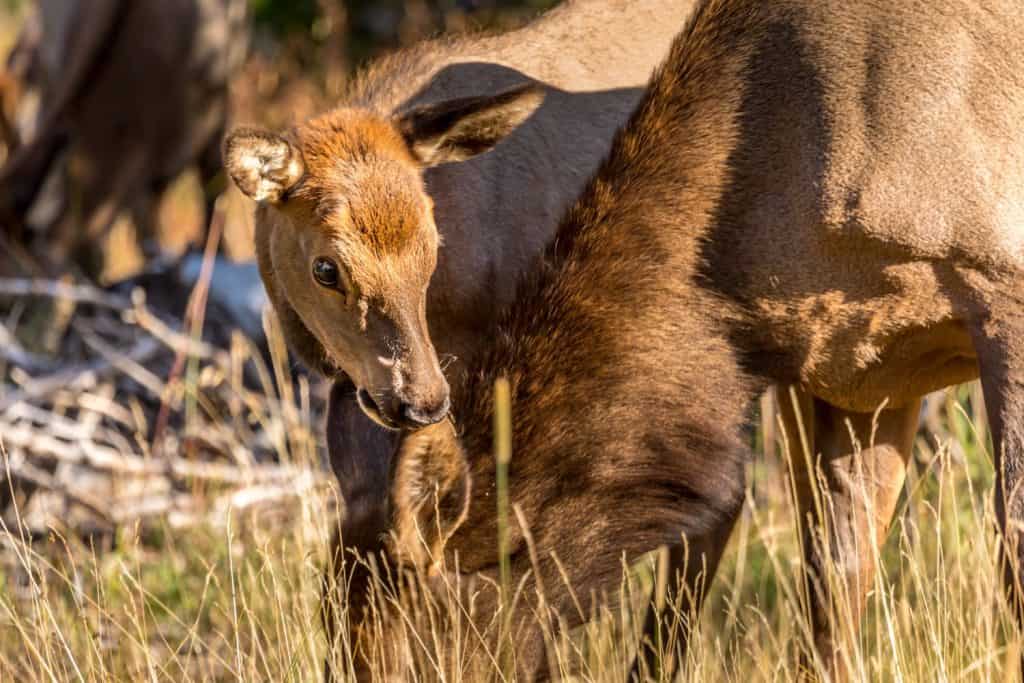
Spring is when male and female elk should be at their healthiest.
©Martina Birnbaum/Shutterstock.com
Severe copper deficiency can also affect collagen production, blood vessels, bones, and joint health. In rare cases, it can cause anemia, although none of the elk showed outward signs of this. If left untreated, elk may become immunocompromised, have weaker hearts, and develop severe metabolic conditions. Further testing is needed to determine if copper deficiency is a root cause of the elk fatalities, but it remains a strong clue.
What’s Causing the Copper Deficiency?
In most cases, copper deficiencies have a dietary cause. This means the elk were not getting enough copper in their diets. This is sometimes caused by a lack of copper in the soil from which the elk’s food grows. However, relying solely on their food supply puts elk at higher risk of deficiency. To avoid this, they need a steady diet of broadleaf plants, legumes, shrubs, and browse such as twigs.
Most of these are readily available in the spring, along with tall grasses and sedges, which produce new shoots early in the year. But there is a caveat: secondary copper deficiency. This has been documented in states such as California, where plants are sometimes too high in molybdenum and sulfur. When ingested together, these bind to copper, making it impossible to absorb.

Growing fatalities with no known cause are concerning for the Elko elk population.
©TopiGraphic/Shutterstock.com
This threat creates a delicate balance between an elk’s diet and its nutrient intake. Regardless, researchers at the University of Nevada are optimistic that this evidence will deepen their understanding of nutrient deficiencies.
In an interview with Utah Public Radio, Cody McKee, an elk and moose staff specialist with the Nevada Department of Wildlife, said, “Through the years of this project, we’ve yet to be able to sort of identify the smoking gun that’s actually acting upon the elk and causing mortality. But what remains constant annually seems to be this mineral imbalance that they’re experiencing.”