While maybe not quite as well-known as its famous neighbor Yellowstone, Grand Teton National Park attracts several million visitors each year. Located in northwestern Wyoming, the park covers roughly 310,000 acres of the majestic Teton Range, Jackson Hole valley, and surrounding lakes and wetlands. The park is wonderful for scenic drives, hiking and climbing, boating Jackson Lake, and plenty of wildlife watching. Grand Teton National Park’s broad mix of alpine, forest, sagebrush-flat, and wetland habitats supports dozens of mammal species and hundreds of bird species, making wildlife viewing one of the park’s biggest draws. Read on for a list of the animals you’re most likely to encounter and how to find them.
Elk

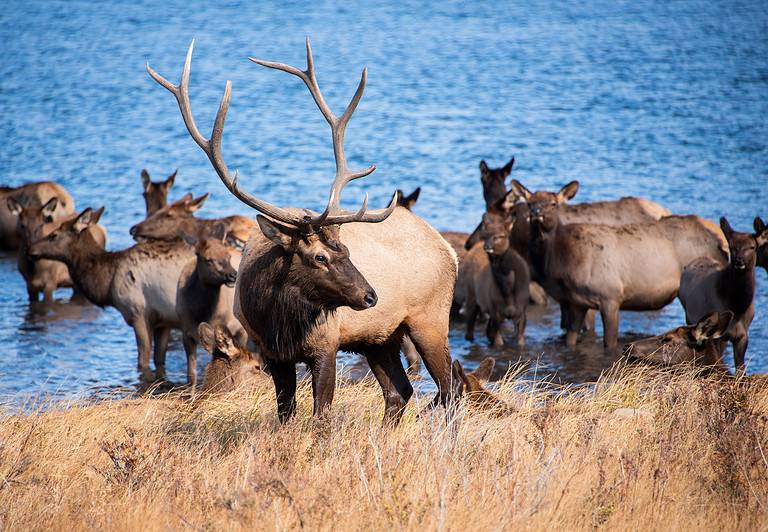
Elk are a common sighting in the park.
©kwiqtor/iStock / Getty Images Plus via Getty Images
Elk are one of the most prominent animals in the park, numbering in the thousands, so if you know where and when to look, you’re almost certain to see them. Catch them snacking on grass and shrubs in the valley meadows, riparian edges, and aspen stands along the Snake River corridor or Oxbow Bend. Try spotting them at dawn or dusk from one of the park’s many roadside vantage points. They migrate seasonally through the park, so check with park rangers about where they are during the time of your visit. And if you happen to be around during the fall rut, you’ll probably also be treated to their magnificent bugling!
Moose
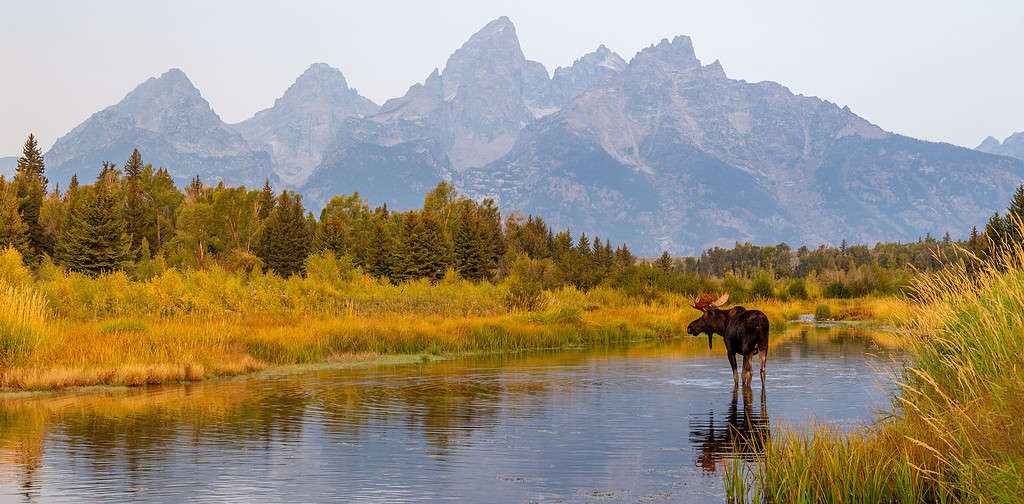
Moose love water and are excellent swimmers.
©christiannafzger/iStock / Getty Images Plus via Getty Images
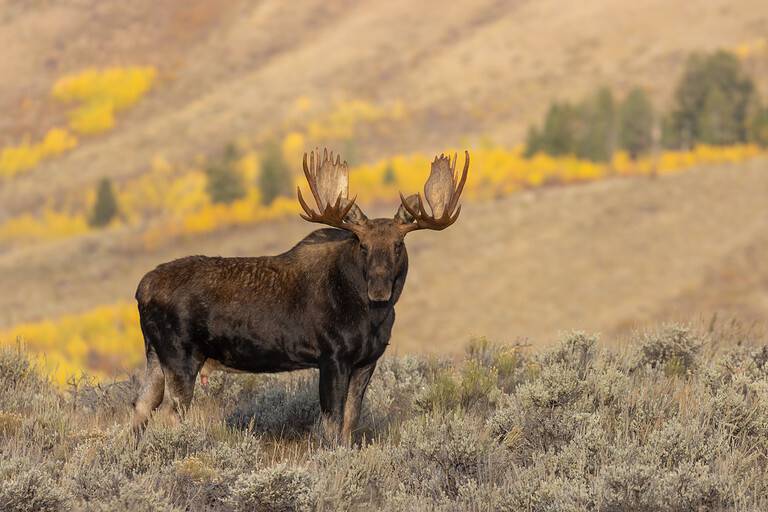
Moose are abundant in the park, especially in the riparian zones, as they’re fond of eating aquatic plants. In fact, moose are excellent swimmers, their long legs helping them wade through the wetlands to dine on submerged aquatic vegetation. Seek them out in the wetlands, willow-lined streams, and lakeshores (Grow Ventre and Moose-Wilson Road areas are good spots), especially around dawn or dusk.
Bison
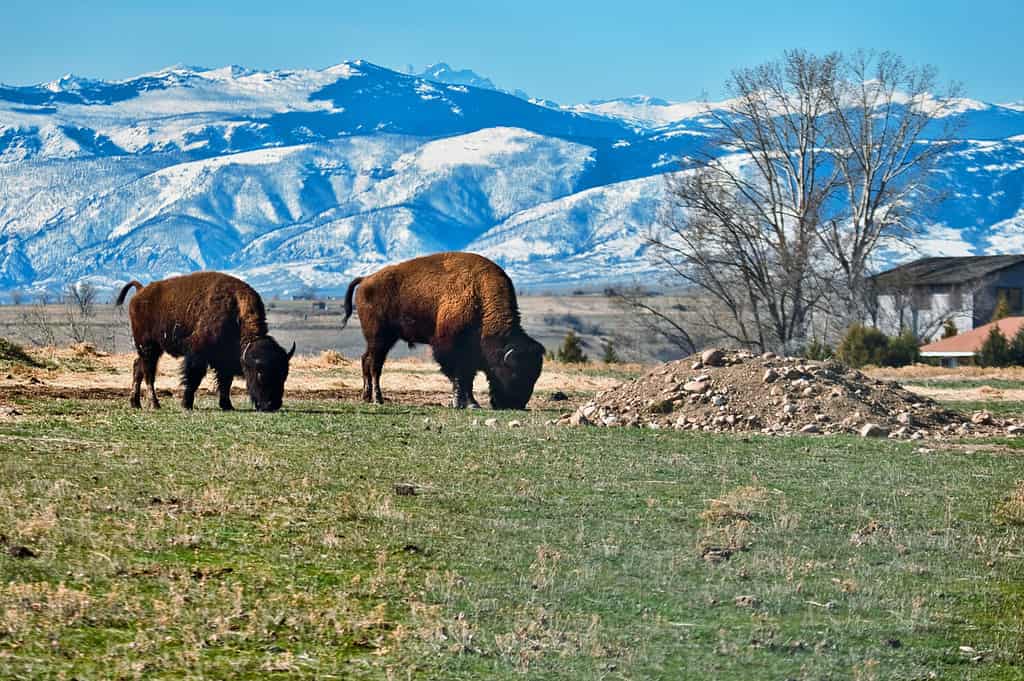
Though they used to roam in much greater numbers, there are still plenty of bison in the park.
©Steve Creek/Shutterstock.com
Bison are another common mammal you’re likely to see on your visit, though this keystone grazer of the region once roamed the Greater Yellowstone ecosystem in vastly higher numbers. Find them munching the grasses of the open sage flats, meadows, and riparian benches. Antelope Flats is a good place to start. Early in the morning or late in the afternoon is your best bet.
Pronghorn Antelope
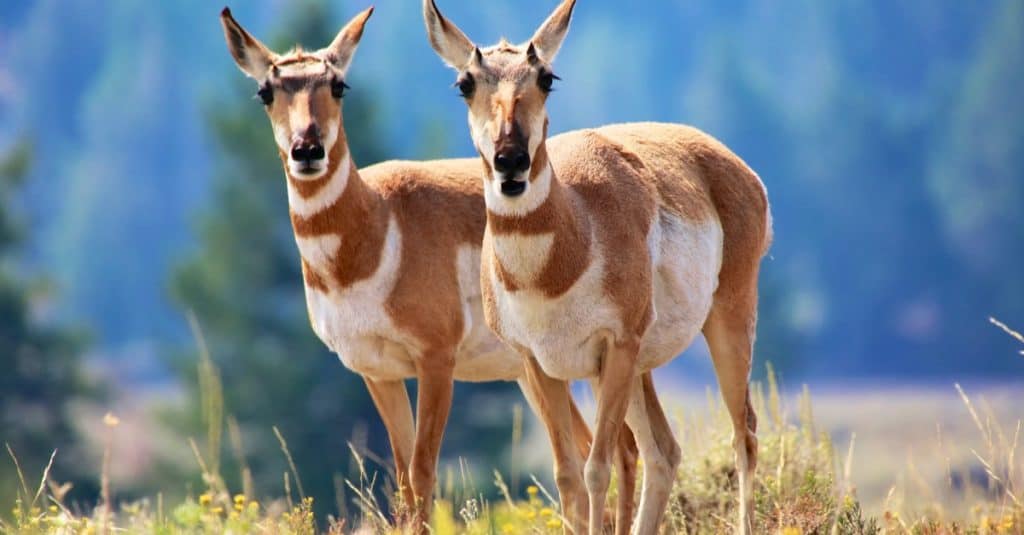
Despite its name, the pronghorn is actually NOT and antelope.
©matthieu Gallet/Shutterstock.com
This fascinating animal is a unique species, with the giraffe of all things being their closest living relative. Able to reach speeds of up to 60 miles per hour, the pronghorn is the fastest land mammal in North America. They’re also known for their incredible eyesight, possessing a 320-degree field of vision. Sightings are relatively common as they graze in the sagebrush flats and semi-arid valley floors, usually in herds. Your best chance at seeing them is in the summer because in winter they migrate 100 miles down to the Green River Valley.
Mule Deer and White-tailed Deer

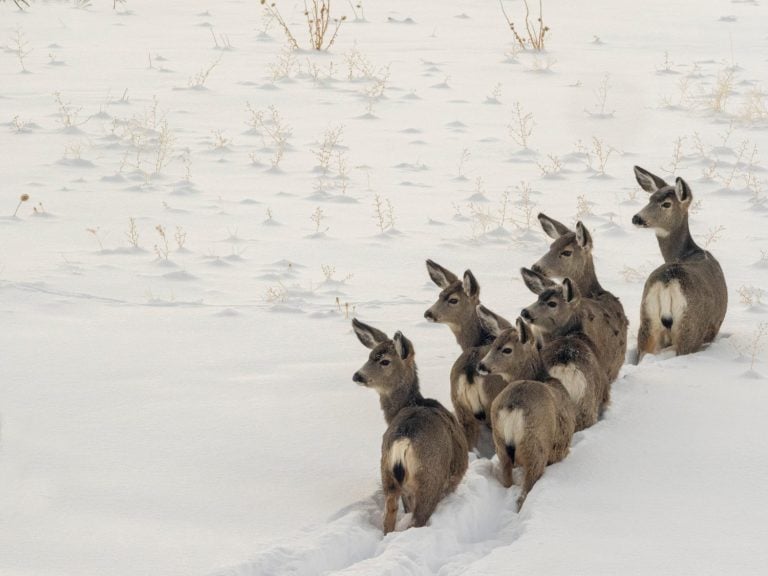
Mule deer are known for their large, mule-like ears.
©John Boland/Shutterstock.com
White-tailed deer sightings are relatively rare, but the mule deer is rather common. You have a good chance of spotting one at dawn or dusk, snacking on twigs, shrubs, or grasses on the forest edges or in the meadow. You’ll recognize them by the large, mule-like ears their name suggests. You may even catch them “stotting,” which is a high-stepping gait they use when alarmed.
Bighorn Sheep
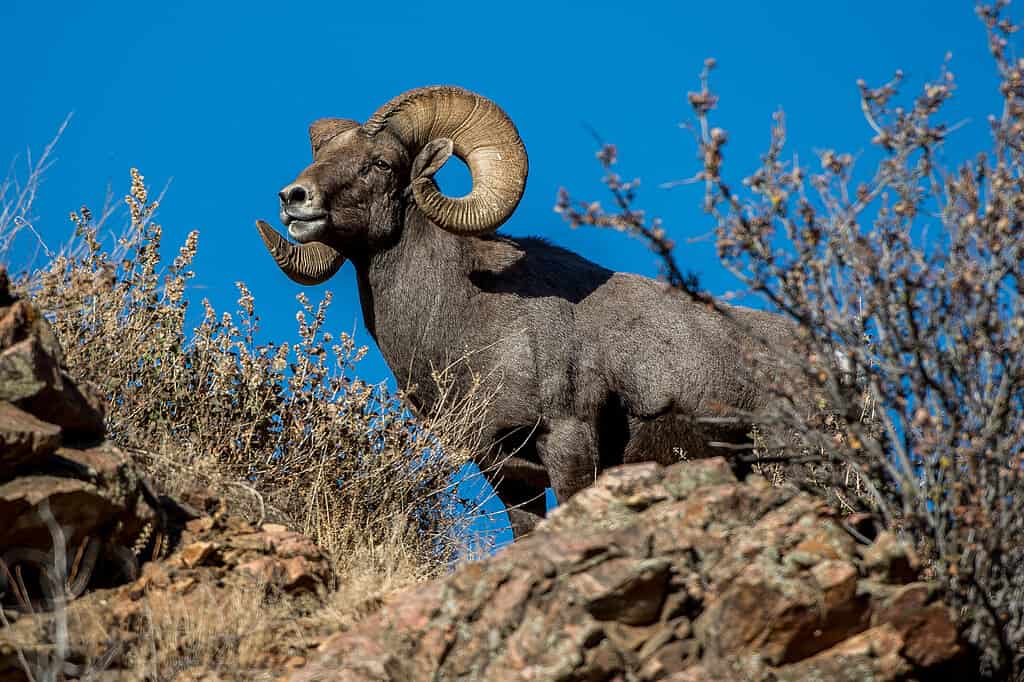
Bighorn sheep are excellent climbers.
©Matt Dirksen/iStock via Getty Images
If you’re lucky enough to spot one of these majestic creatures, there’s a pretty good chance they’ve spotted you first, since bighorn sheep can see three miles away! Excellent climbers, they mostly hang out on the steep alpine and rocky slopes and cliffs in the Teton Range. Scan the cliffs and ridgelines with binoculars and you just might spot one. If your really lucky, you may even catch a couple engaged in a head-butting contest to establish dominance.
Black Bears
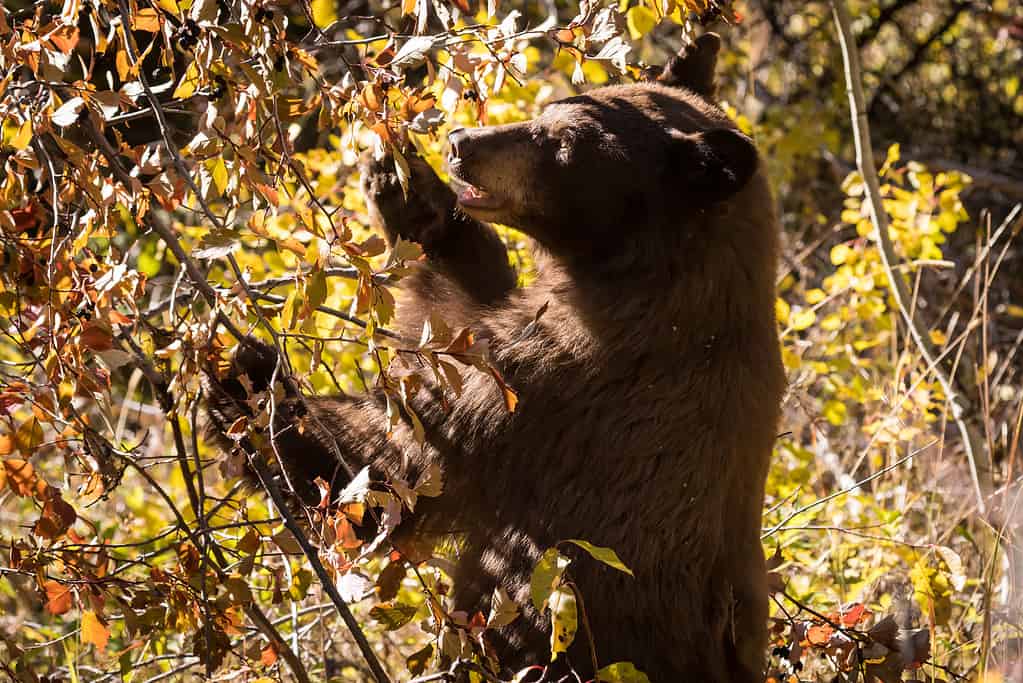
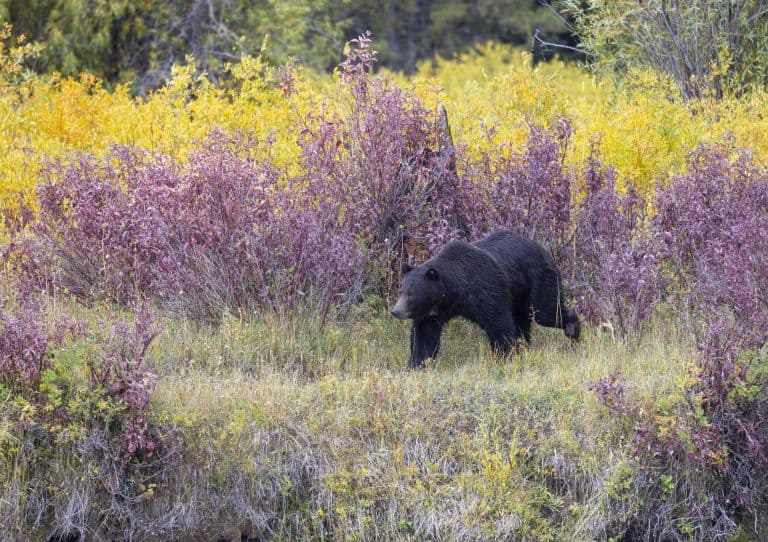
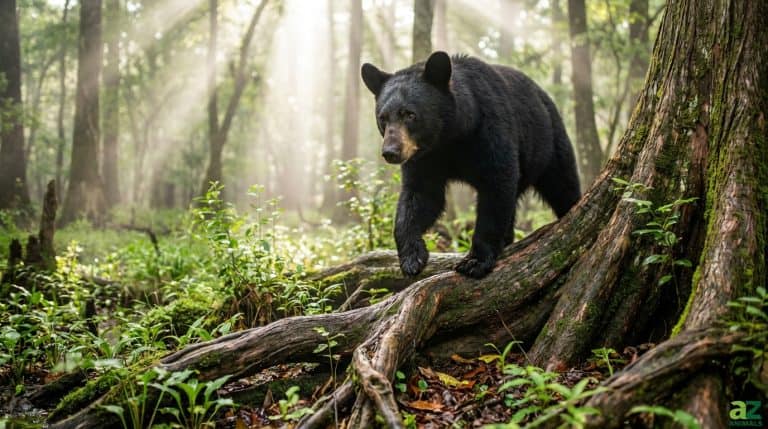
Black bears sightings are common in the park.
© Wendy/Jeff Sparks/Torquemada/iStock / Getty Images Plus via Getty Images
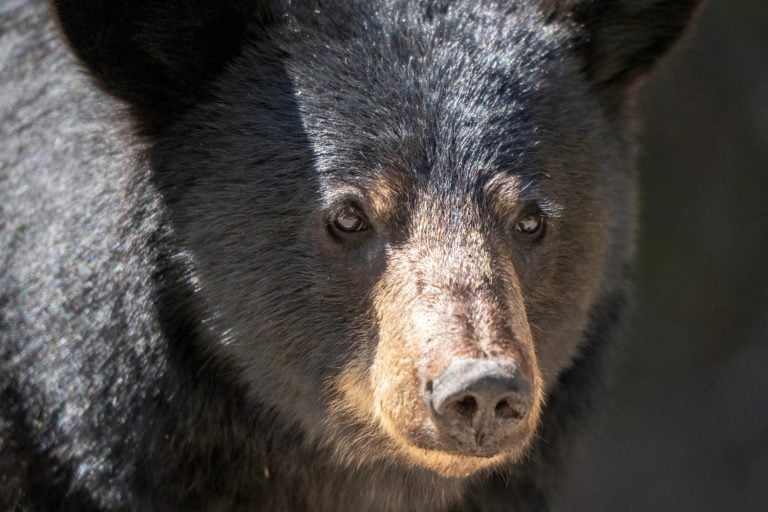
Black bears, despite their name, are not always black, but can be varying shades of brown and even blonde. They’re seen all over the park, from forests to mountains to riparian corridors, and will eat just about anything: vegetation, berries, insects, small mammals, carrion. Black bear sightings are common in the park, but usually from a distance. If you do see one, keep a safe distance (at least 100 yards) and report the sighting to a park ranger.
Grizzly Bears
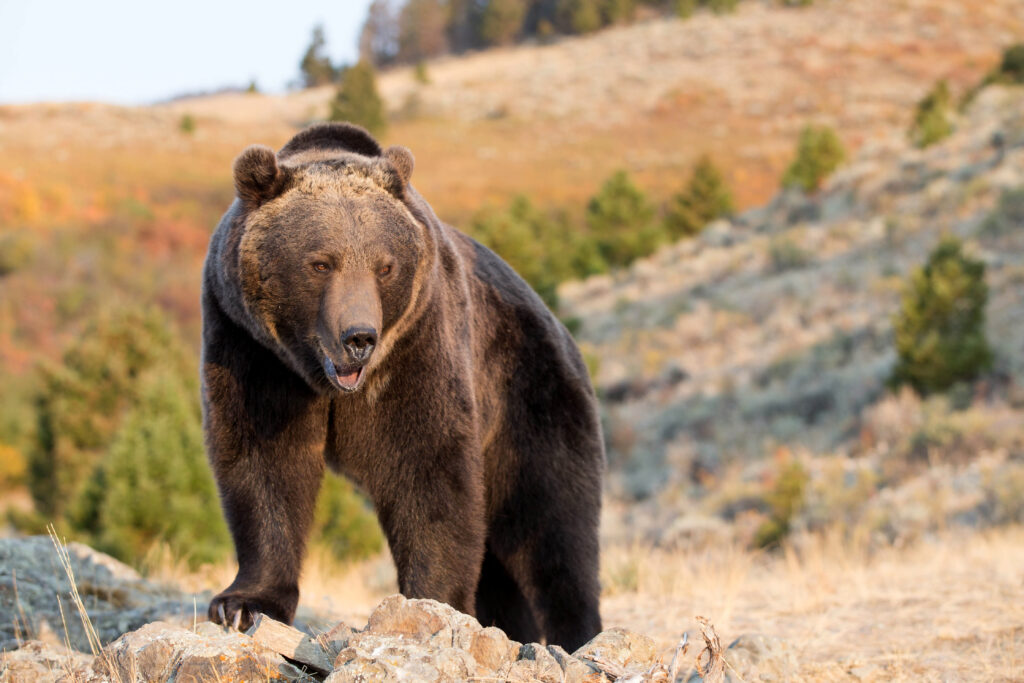
Grizzlies tend to avoid visitor-heavy areas, making sightings a rare occurence.
©Dennis W Donohue/Shutterstock.com
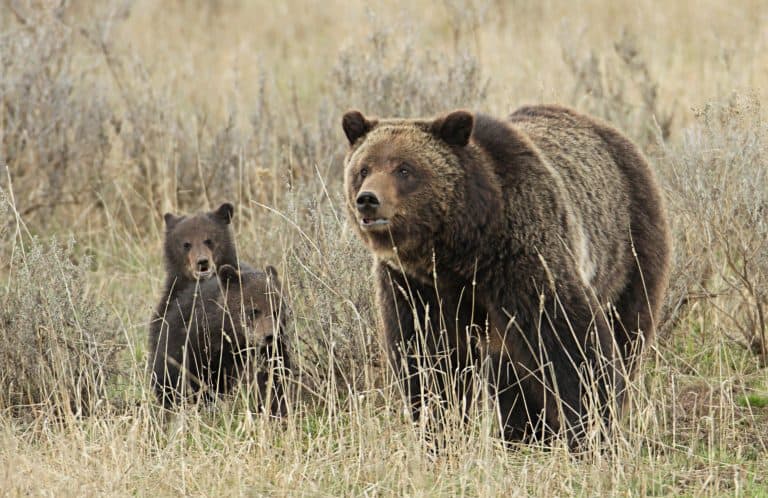
While there are many grizzly bears in the park, sightings are considered special events, as most grizzlies avoid heavy visitor areas. If you really want to see one, your best bets are Pilgrim Creek, the Willow Flats overlook, Teton Park road (near Oxbow Bend), or Jenny Lake, but keep your expectations low. If you do happen to encounter one, keep your distance! Check with the park for safety protocols—these guys can be dangerous!
Gray Wolf
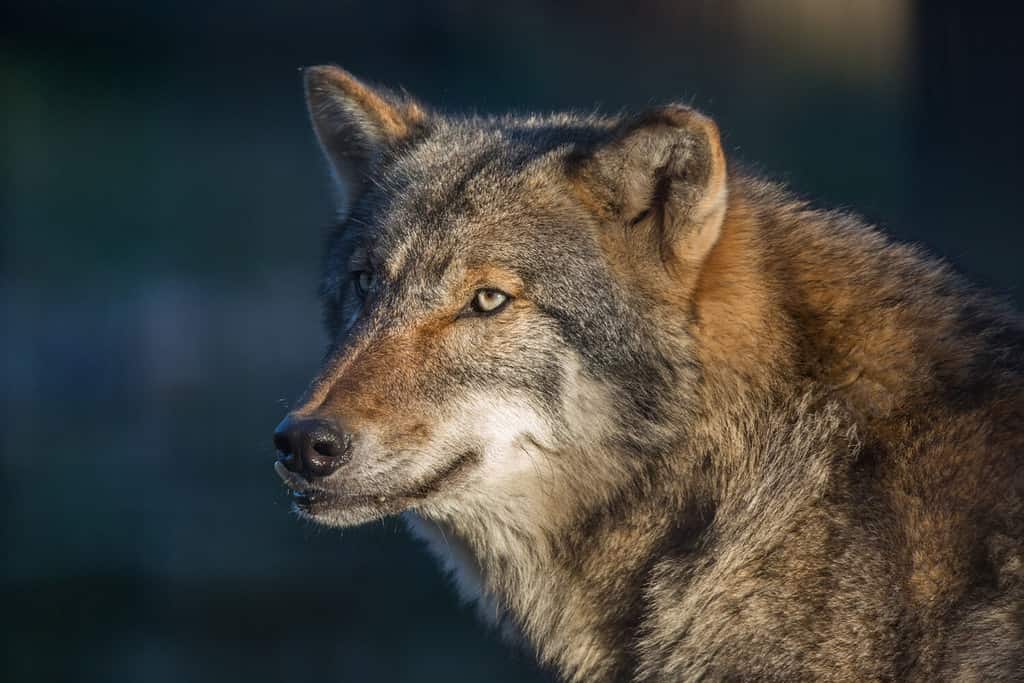
Wolves were reintroduced to the park in the 1990s and have thrived there ever since.
©Szczepan Klejbuk/Shutterstock.com
Savage carnivores, the gray wolf’s diet consists of elk, deer, and smaller mammals. Wolves were missing from the park for a while but were reintroduced in the 1990s and have come to play a major role in the ecosystem. But what are your chances of seeing one? Not very good. They keep to remote forest areas and valleys and are rarely seen by visitors. Wolf watching requires patience, quiet, and sometimes even a specialized guide.
Coyotes
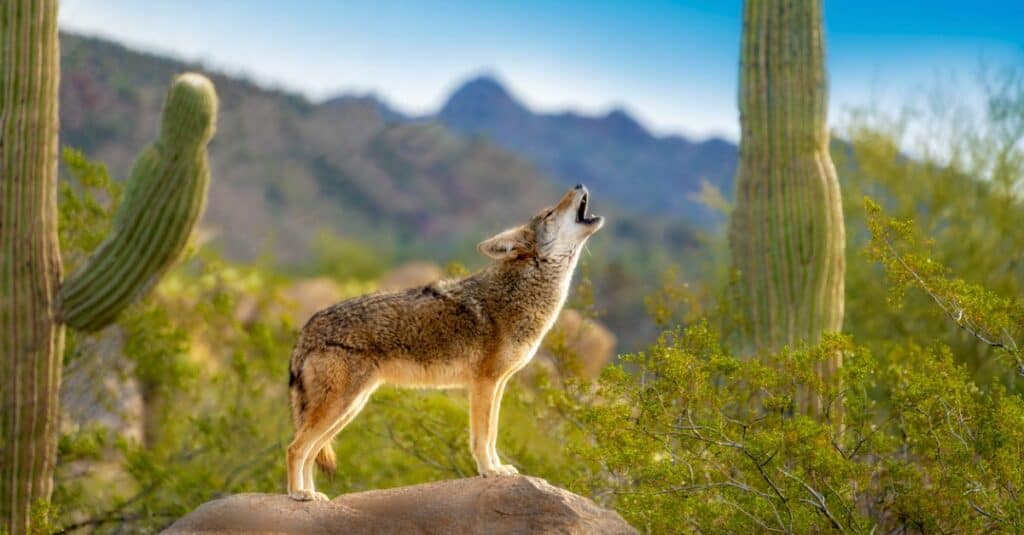
The yips of coyotes is a common sound in the park at night.
©JayPierstorff/Shutterstock.com
Coyotes are a common predator in the park, often seen near roads, meadows, and sagebrush areas. Active hunters, these carnivores dine mostly on small animals like squirrels, voles, and rabbits, but they will also eat carrion if they have to. They also have a keen sense of hearing, helping them locate rodents under the snow in the winter months. These fearless dogs have even been known to go at it with larger predators over food or territory—even grizzlies! They’re most active at dawn or dusk, and you have an as good or better chance of hearing them as you do of seeing them; their yipping calls being quite common across the valley.
Mountain Lion (Cougar)
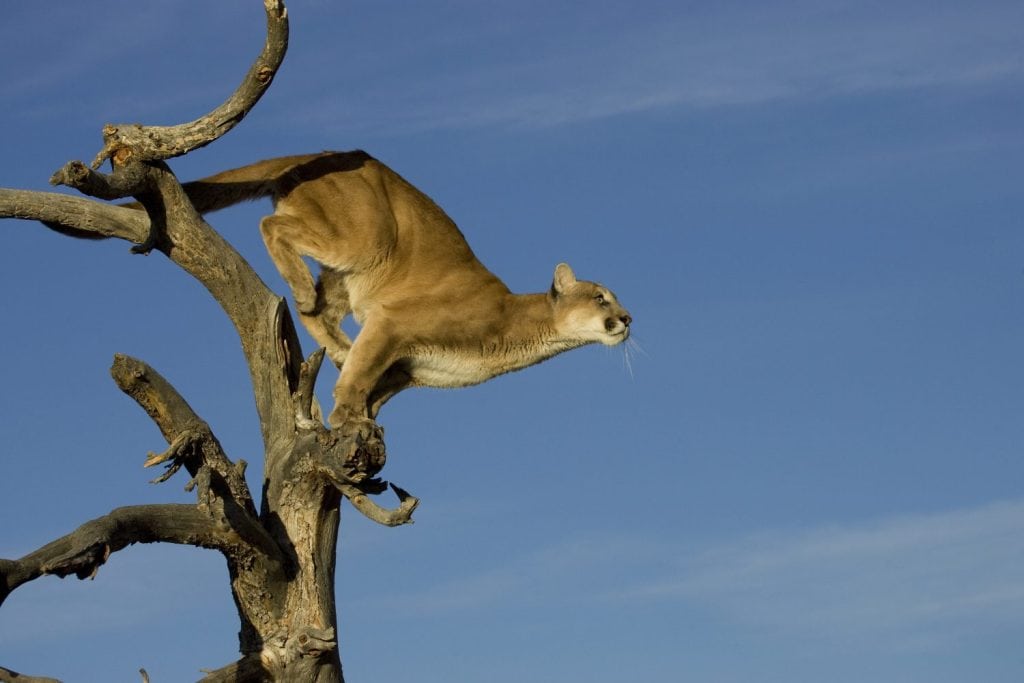
Sightings of this rare cat have gone up in recent years.
©creativex/Shutterstock.com
Mountain lions are solitary, nocturnal creatures who stick to remote forested areas and rocky habitats, making sightings an unusual occurrence. However, sightings have been going up in recent years—there was even a sighting in Teton Village in 2024! Still, chances of seeing one are slim. If you do happen to stumble into one, however, it’s important to follow the safety protocols, such as not running away or turning your back on the big cat (check with park officials for exact protocol). Attacks are rare, but it’s not a chance you want to take with this massive kitty.
Beaver & River Otter
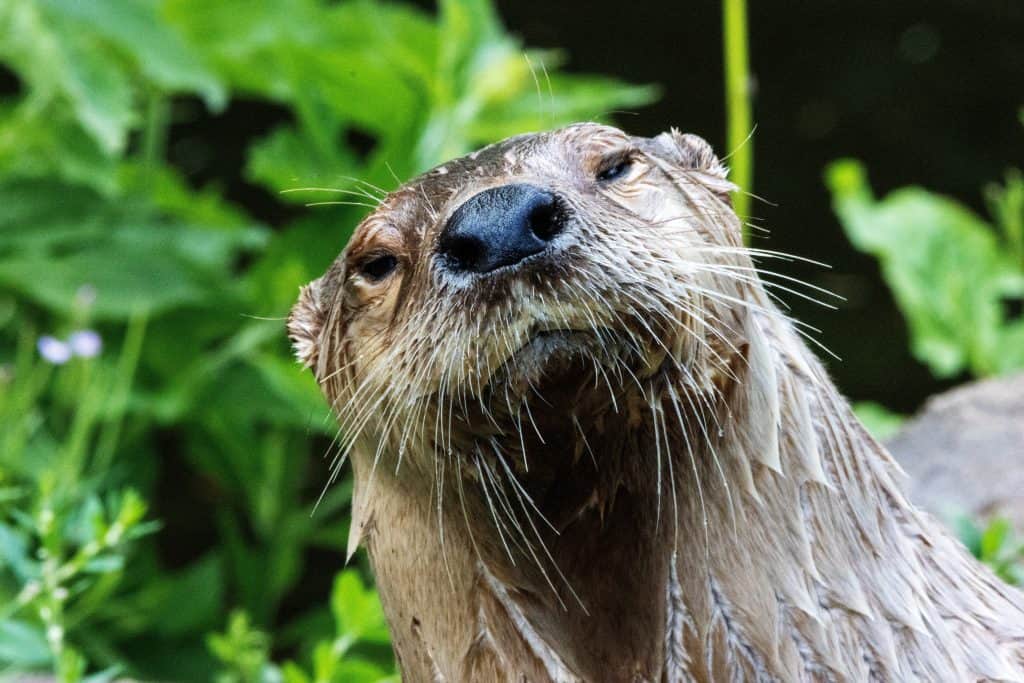
River otters are more secretive than beavers, but sightings still happen fairly regularly.
©Ian Peter Morton/Shutterstock.com
If you spend time around the park’s many rivers, ponds, marshes, or riparian zones, you have a great chance of spotting a beaver or river otter (the latter is a little rarer due to its secretive nature, but still fairly commonly seen). Beavers like to munch on woody stems, bark, and aquatic plants; while the more carnivorous river otter prefers fish, amphibians, and crustaceans. Beavers are especially crucial to the park’s ecosystem; their engineering (dams and ponds) creates important wetland habitats that are used by many other species. For the chance of seeing one of the aquatic creatures, look for them at dawn or dusk near ponds or slow-moving water.
Other Small Mammals
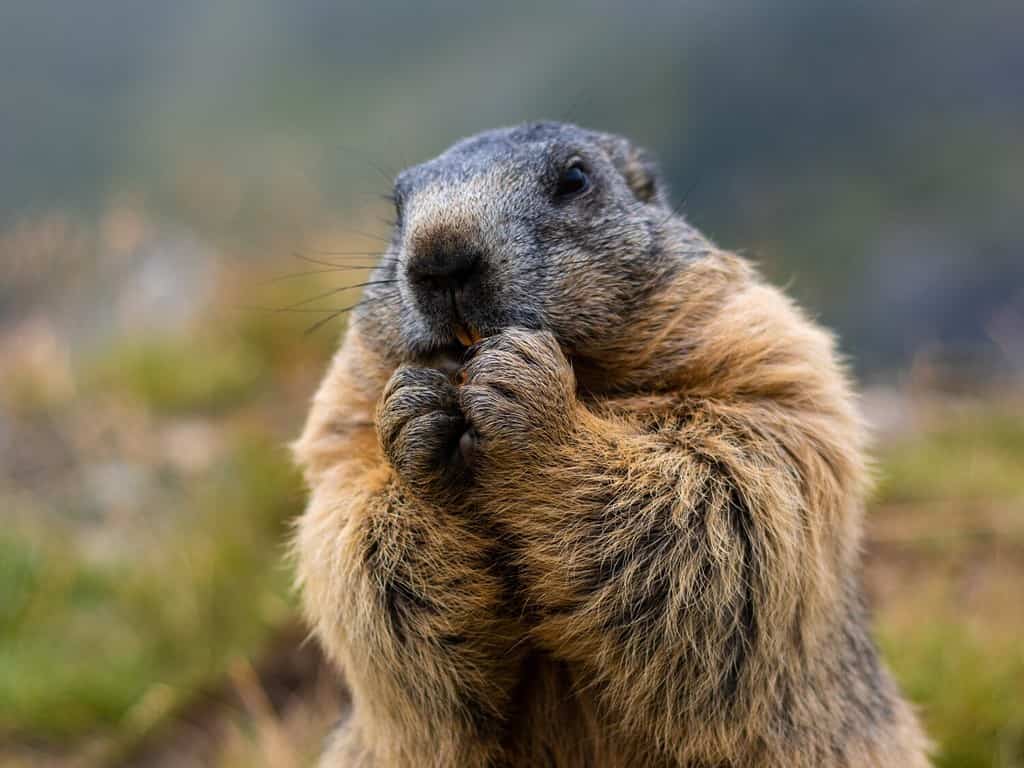
Marmots whistle as a warning to others.
©jan ptacek/Shutterstock.com
The park is home to myriad other small mammals, far too many to list here. However, a few notables are the yellow-bellied marmot, uinta ground squirrel, least chipmunk, etc. It varies by species, but these critters eat a wide variety of small fare: seeds, grass, herbs, insects, etc. They can be seen all over the park. Look for ground squirrels and chipmunks in the sagebrush flats, meadows, and forest edges. Marmots like the alpine talus and rocky slopes. If you happen to see a marmot—or, more accurately, if they happen to see you—you may get to hear them whistle to warn others of your presence.
Birds
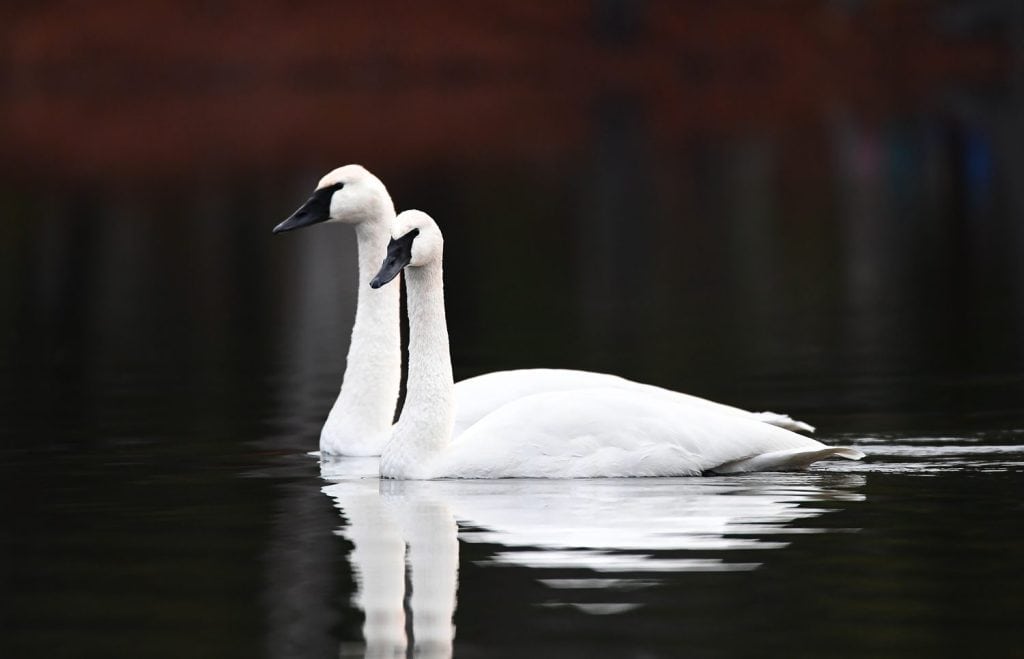
The trumpeter swan is North America’s largest waterfowl.
©Miranda Brunette/Shutterstock.com
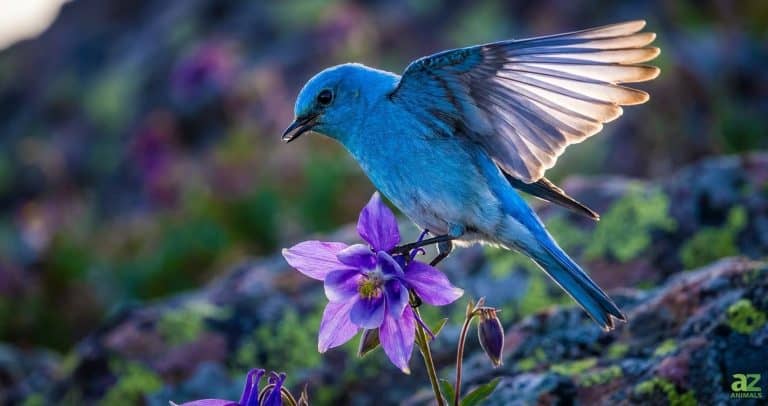
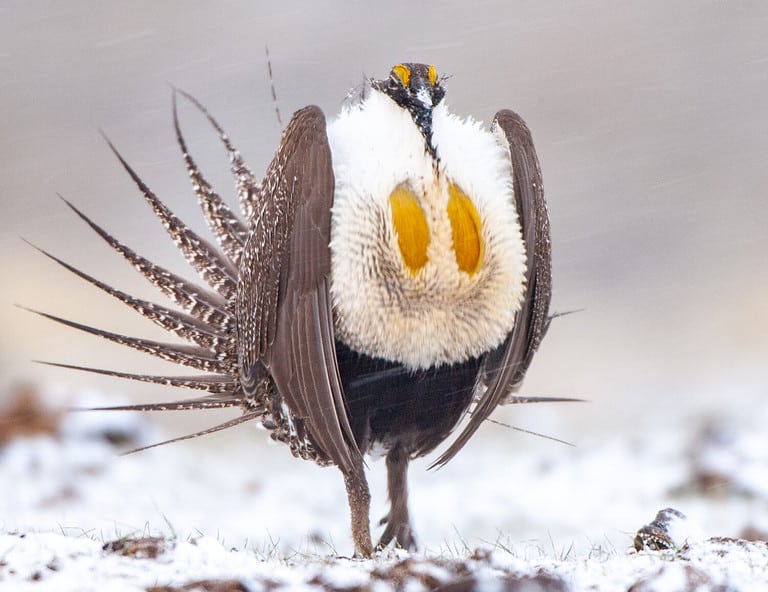
The park is home to over 300 species of birds, such as: songbirds, raptors, sage-grouses, sandhill cranes, American white pelicans, trumpeter swans (North America’s largest waterfowl), and the bald eagle, just to name a few. Their diets vary by species; raptors eat fish, mammals, and other birds; waterfowl prefer plants and invertebrates; songbirds snack on insects and seeds. With so many birds in the park, you’re almost guaranteed to see some. Mallards, common waterfowl, and ravens are easily spotted, while others, such as sage-grouse and the harlequin duck, can be a bit more secretive in the whereabouts.
Snake River Fine-spotted Cutthroat Trout
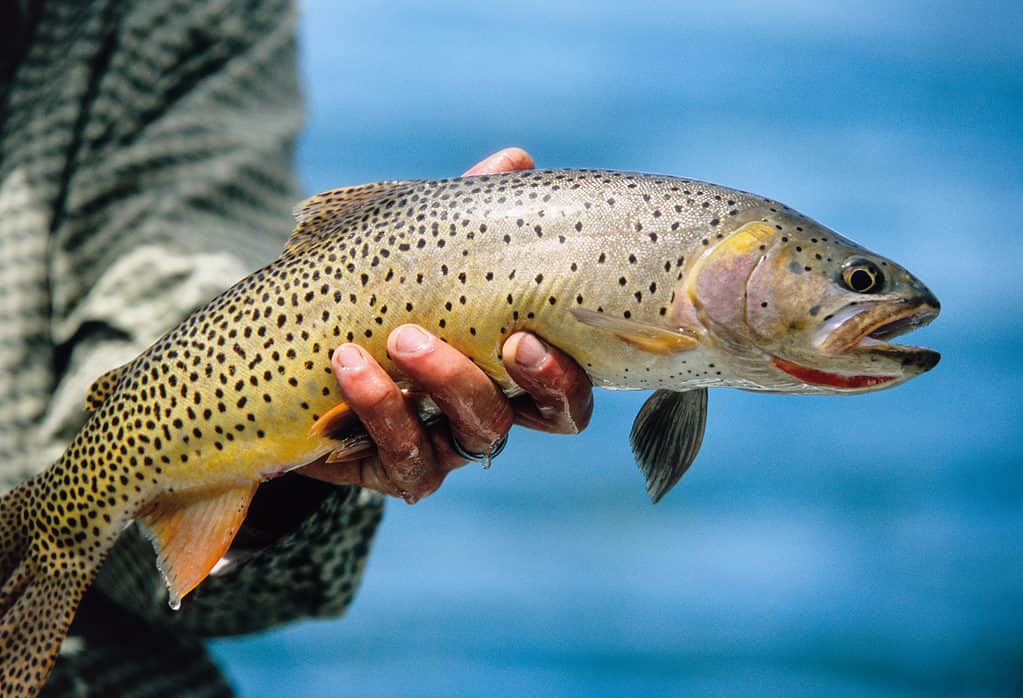
The cutthroat is the only trout native to the Snake River.
©iStock.com/KevinCass
The state fish of Wyoming, the Snake River fine-spotted trout is unique to the Snake River Basin. A major part of the food chain, this trout dines on aquatic insects, crustaceans, and smaller fish, meanwhile they’re food for many birds and mammals. If you’re wondering about that descriptive name of theres, the fine-spotted comes from the hundreds of tiny, dense black spots on their body, and the cutthroat comes from the red slash on their gill cover. This trout is abundant in the park. Keep your eye on cold, clear areas of the Snake River, its tributaries, Jackson Lake, and a host of other places, especially on a sunny day, and you’re probably going to see one of these fishies.
Amphibians and Reptiles
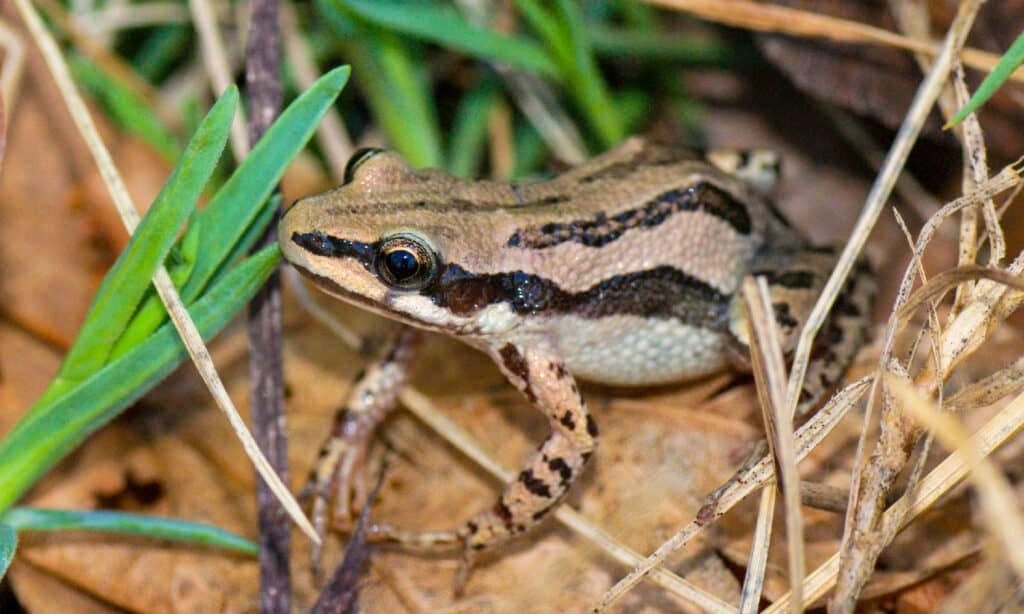
The boreal chorus frog sounds like dragging a finger across the prongs of a comb.
©Matt Jeppson/Shutterstock.com
Amphibians are moderately common in the park, but they’re often overlooked, being most active in warm, wet conditions. Reptiles, on the other hand, are less numerous due to the park’s cold, high elevation climate. Look for them in the wetlands, ponds, marshes, meadows, and forest edges, especially near the Snake River floodplain, Beaver Creek marshes, and shallow lakes. Keep your eyes (and ears) open for the boreal chorus frog, who’s known for its unique call, which sounds like fingers being dragged across a comb. And while the park does have snakes, the Snake River’s name actually has nothing to do with the slithering reptiles. Also notable, Grand Tetons National Park has no venomous snakes, making it one of the few parks in the west in which visitors can feel free to explore without the threat of rattlesnakes.
Enjoy the Park!
From the silent grace of elk moving through alpine meadows to the piercing cry of a raptor circling above the Snake River, Grand Teton National Park is bursting with life in every corner. More than just a landscape of rugged peaks and mirror-like lakes, it’s a living, breathing community, each creature contributing to the story that’s endured since before the Tetons rose from the earth. For visitors, every rustle in the sagebrush or ripple in the water could be a memorable sighting of one of the incredible creatures that call this park home.