
Quick Take
- Sleep deprivation doesn't just make fish grumpy. It triggers something far more permanent happening at the DNA level. See the DNA damage →
- Researchers chose one specific reef fish to test ALAN's effects, and what it started doing at night shocked even the scientists running the study. Meet the damselfish →
- Artificial light doesn't just stress the animals living on coral reefs. It also attacks the reef itself in a way that's nearly impossible to reverse. See how reefs suffer →
- The amount of artificial light hitting one studied coastline compared to natural starlight is a number most people wouldn't believe. Explore the light pollution scale →
Artificial light at night, known as ALAN, is disrupting wildlife cycles along every coastline. A study by Bar-Ilan University, published in Current Biology, reports that marine species respond to changes in light at the behavioral level, not just physically. As in humans, insufficient sleep can increase irritability and aggression in some species. But the difference is that their mood swings have a devastating effect on their species.
Light pollution could be changing the marine world as we know it, and not for the better. For these sleep-deprived species, an entire underwater world is at risk if nothing changes.
ALAN and Its Catastrophic Effects
Artificial lighting at night causes a range of side effects, starting with the unintentional activation of the nervous system. Long-term exposure to artificial lighting can disrupt sleep patterns, heighten stress, and trigger a chain reaction. In humans, this can lead to anything from increased cardiovascular risks to hormone releases and delays in melatonin production. At the very least, it can lead to mood changes, which also affect a person’s mental health.
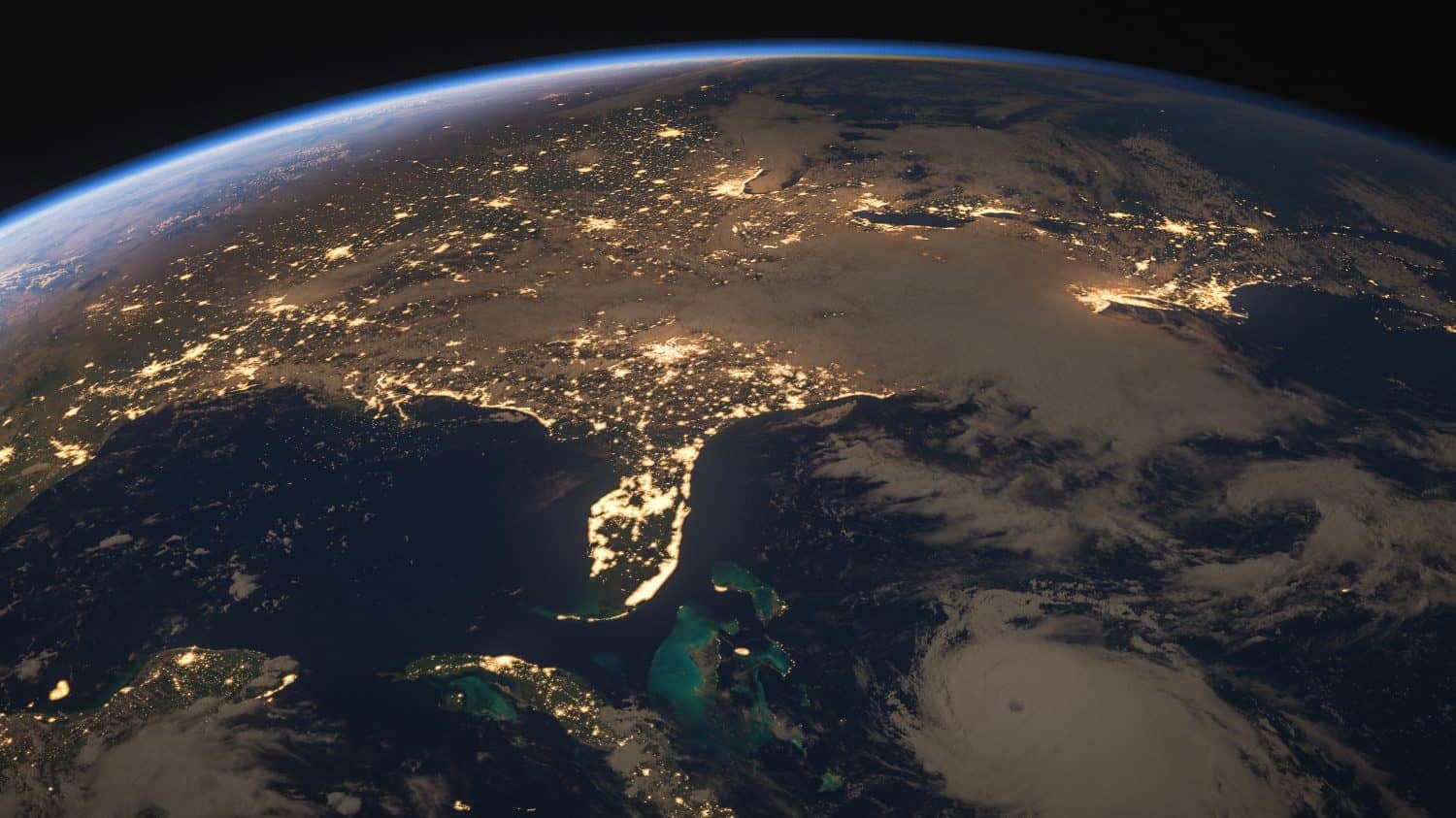
Light seen from space emphasizes how devastating it is to coastal ecosystems.
©BrendanGully/Shutterstock.com
Luckily, we have a range of help at our disposal, including blackout curtains, medications, therapy, and other means to reset our circadian rhythms. Marine life has no way to avoid ALAN, which is how many species wind up in an endless loop of poor sleep, disrupted cycles, and reduced quality of life.
According to the Bar-Ilan University study, fish can even experience symptoms similar to those in humans, including anxiety and reduced hormone levels. Some fish have been observed hugging walls near coastlines due to stress, while others skip reproductive cycles altogether. The effects across the marine world are diverse, but the most recent study proves they all have dire consequences.
The Effects on This Fish Were Shocking
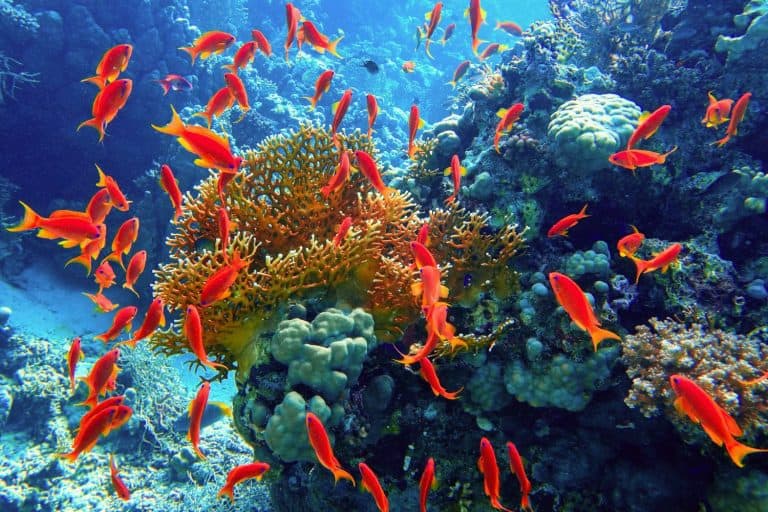
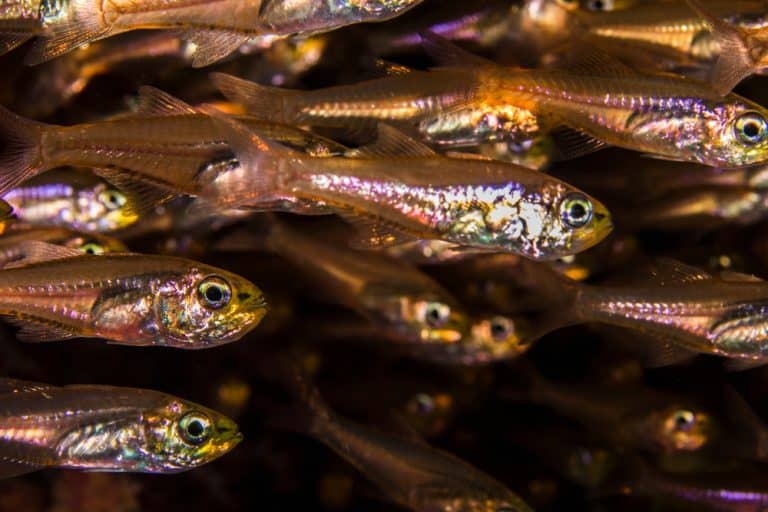
Researchers at Bar-Ilan University discovered that even low light levels affect the brain chemistry of certain marine species. The blue-green damselfish (Chromis viridis) was the primary subject for the study. This colorful reef fish is an excellent indicator of ALAN’s effects on marine life because of its lifestyle. The blue-green damselfish feeds above the reef during the day before retiring to the lower, branchier corals at night. Its daily and nightly routines are highly specific and heavily dependent on environmental conditions.
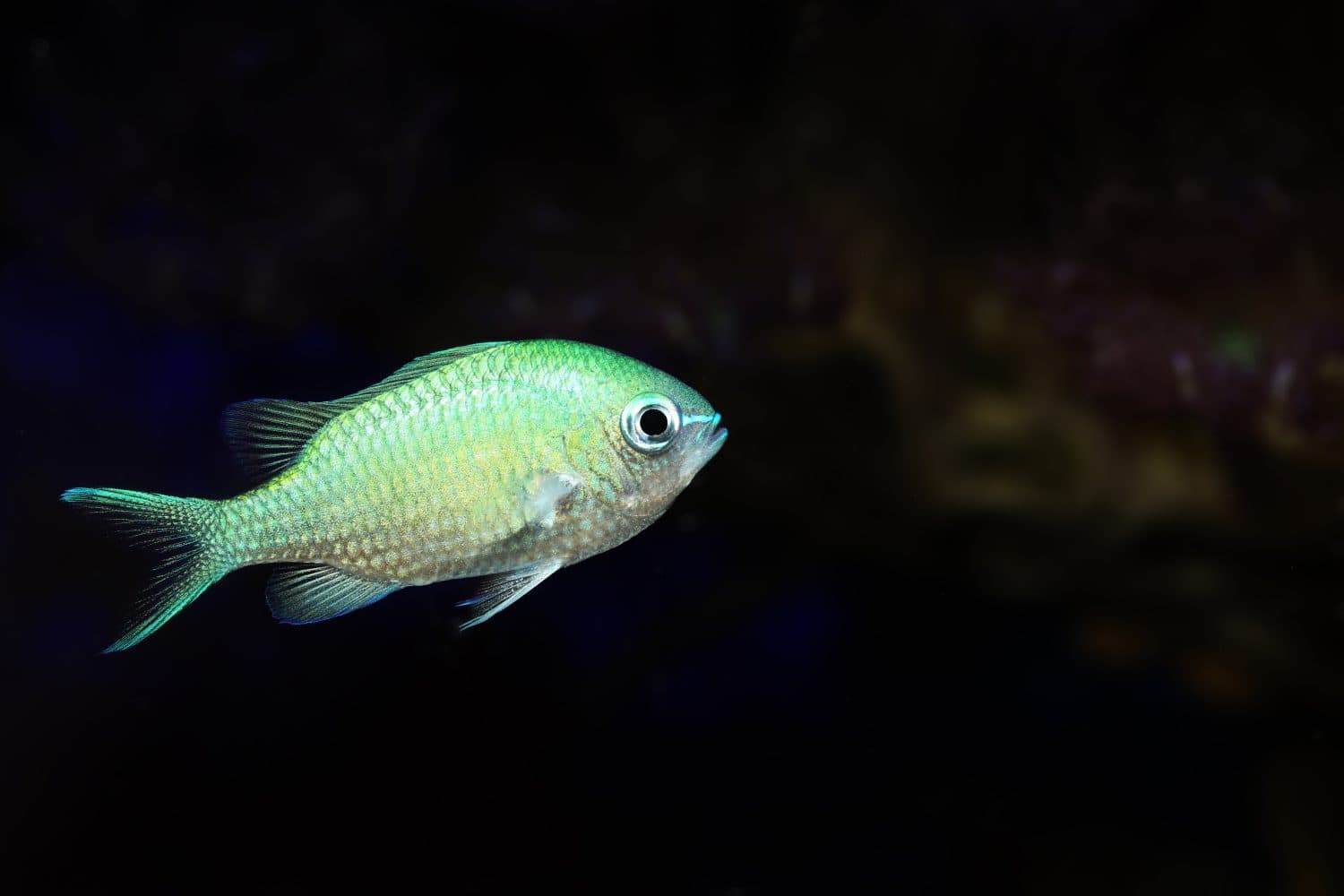
Blue-green damselfish feed at the top of corals before returning to their lower branches at night.
©Pavaphon Supanantananont/Shutterstock.com
The Bar-Ilan University team used a combination of infrared video tracking, machine-learning tracking, and in-lab experiments, and drew startling conclusions about the blue-green damselfish. They were able to confirm that the fish does experience a sleep-like state at night. During this time, researchers observed inactivity, characteristic posture, and reduced responsiveness. However, the introduction of ALAN levels changed all of that.
Stress, Aggression, and Sleep Deprivation
When ALAN levels were increased, the blue-green damselfish reacted out of character. Instead of keeping its normal routine, the fish’s activity was sporadic. It fed during off-hours and hunted at odd times of day and night. It expanded its typical range, likely in search of darker places to escape ALAN. At night, researchers noted that the blue-green damselfish did not remain in the lower coral branches of the reef. And when it came out, it displayed strong aggressive tendencies as a result of sleep deprivation.
Beneath the surface, the blue-green damselfish was undergoing DNA-level changes consistent with those observed in ALAN-exposed individuals. These markers typically included elevated stress and hormone levels due to lack of sleep. When the brain is unable to rest, it can’t undergo essential repairs that help it to function normally. As a result, the blue-green damselfish experienced heightened aggression and irritability, and its DNA was essentially damaged.
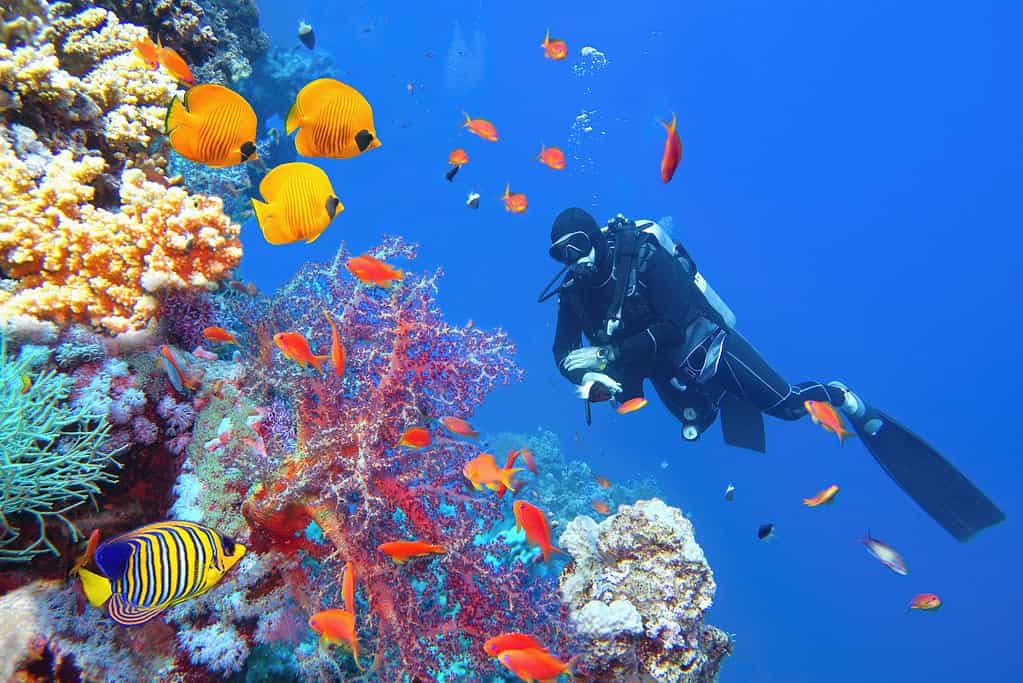
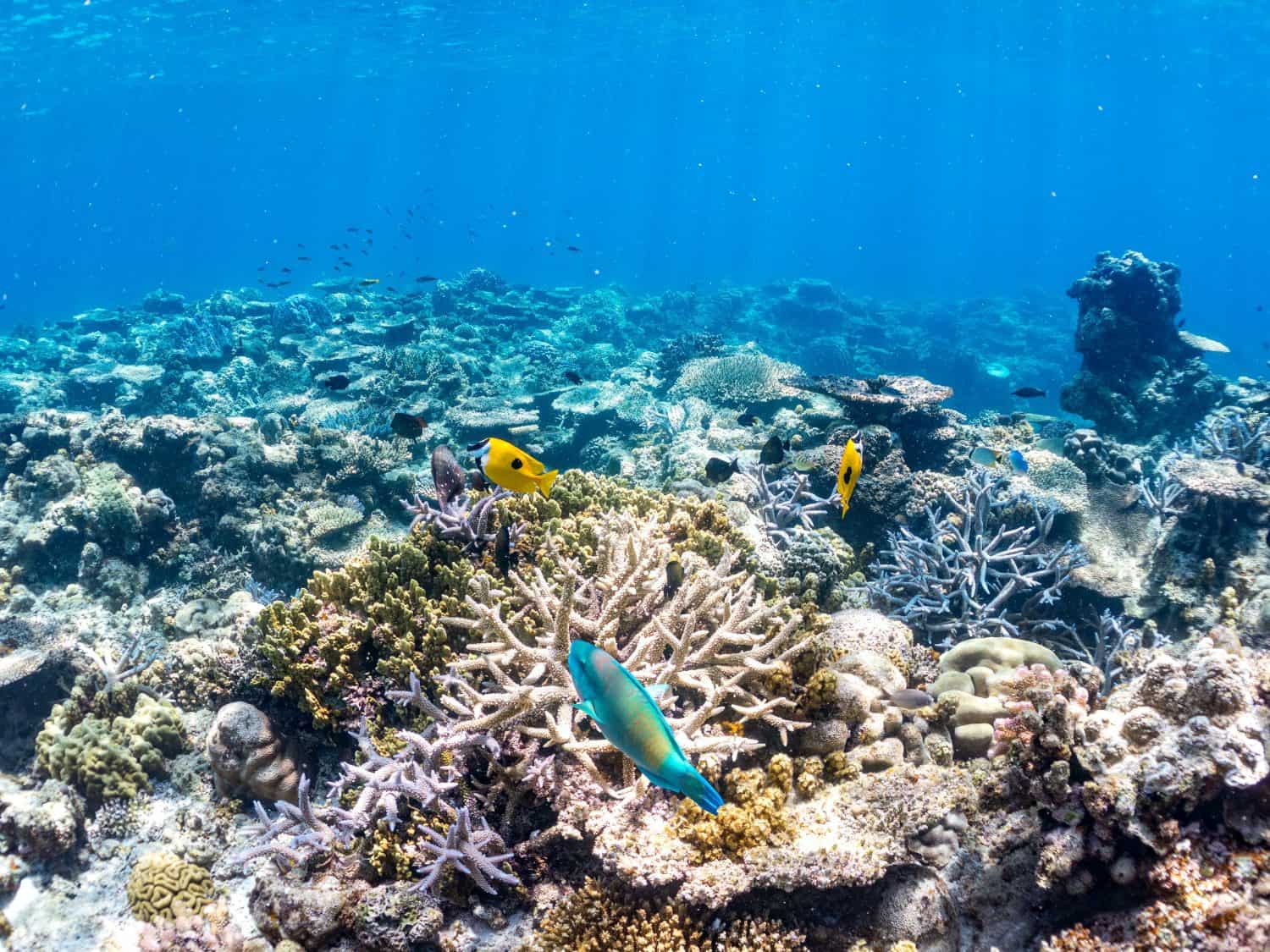
ALAN affects not only the fish living on reefs but also the reefs themselves.
©Tunatura/iStock via Getty Images
The most unsettling part of this study was that the results came after only a few nights of ALAN exposure. The blue-green damselfish was already suffering severely from sleep deprivation, and it can only be imagined what long-term exposure would cause. In the Gulf of Eilat, where the study was conducted, light pollution near coastal areas is roughly 60 times the natural star and moonlight. Even more, the study shows that marine species such as the blue-green damselfish aren’t the only ones affected. ALAN can even affect the place it calls home.
ALAN’s Effect On Coral Reefs
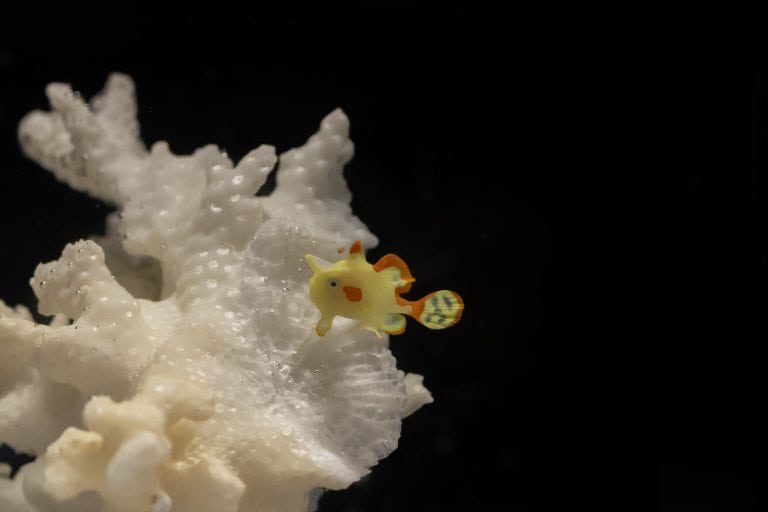
In previous lab work, data proved that ALAN stunts the growth of new corals. It interferes with the synchronization between algal and coral spawning, slowing it and can even halt reef growth. Coral reefs worldwide are currently experiencing the most intense global bleaching event on record, with approximately 84% of reefs affected by bleaching-level heat stress between 2023 and 2025. Now, ALAN adds another layer of concern. If reefs near light-polluted coasts are unable to populate, then they, along with the marine species living in them, may disappear.
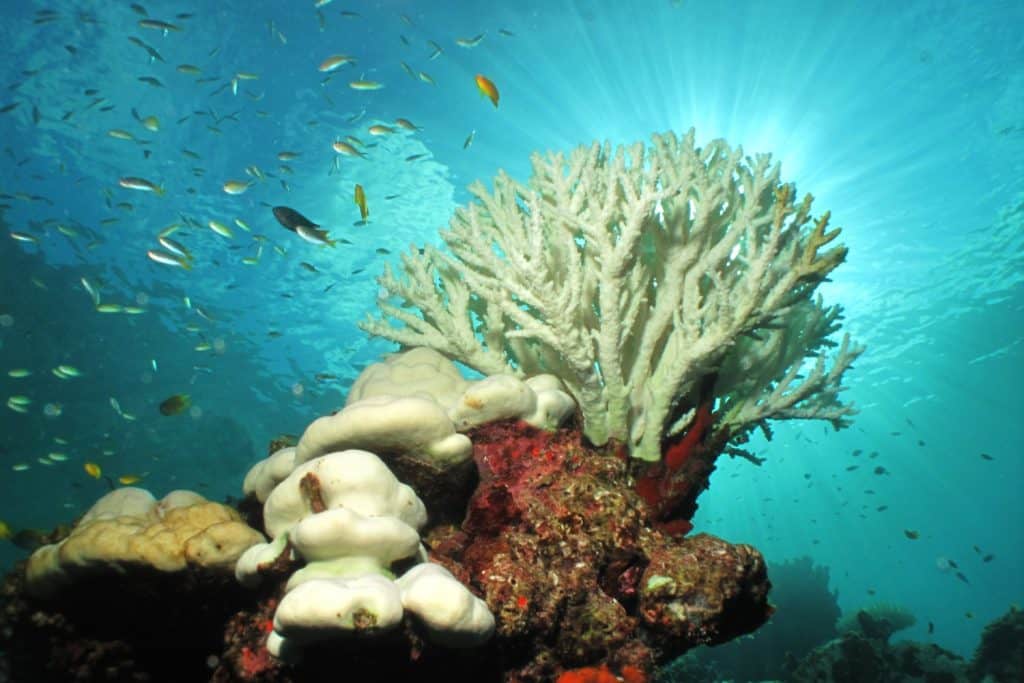
ALAN prevents coral from spawning, slowing down its population rate.
©acro_phuket/Shutterstock.com
Oren Levy, of Bar-Ilan University’s Faculty of Life Sciences and the H. Steinitz Marine Biology Laboratory in Eilat, says this is something to be worried about. “Coral reefs depend on tightly connected biological interactions. If artificial light is affecting both corals and the fish that depend on them, the consequences could ripple throughout the reef ecosystem,” he said of the study results.