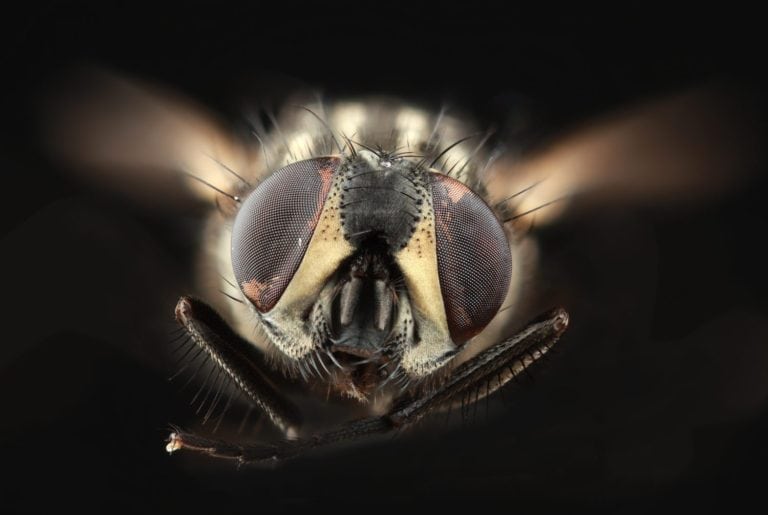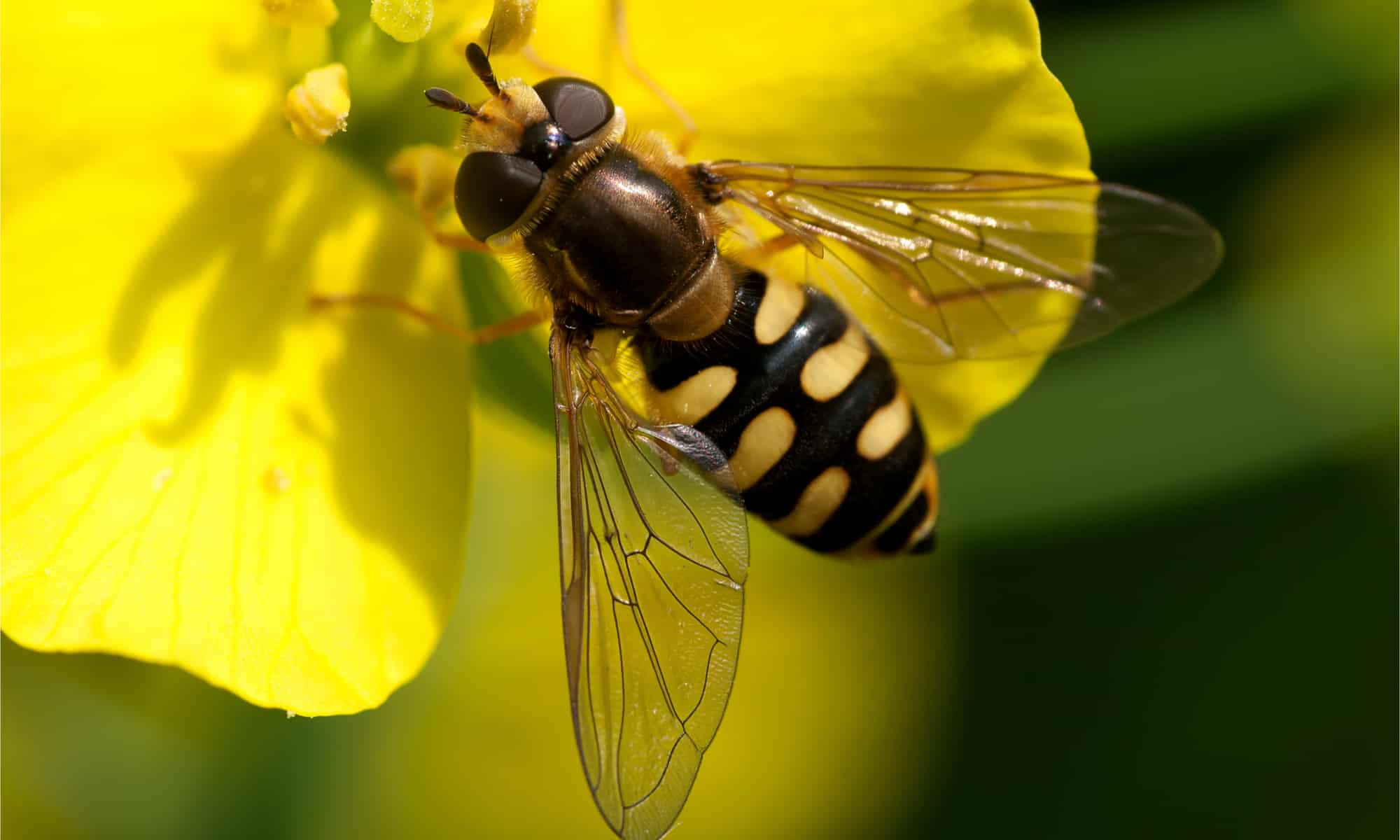

Macrophotography gives us the opportunity to appreciate just how amazing nature is, even though we rarely see it in such fine detail. This stunning Instagram post is a prime example. It presents stunning footage of a syrphid enjoying a drink of nectar from a bright yellow flower. Let’s find out more about this group of insects that you have to examine very closely to appreciate!
What Are Syrphids?
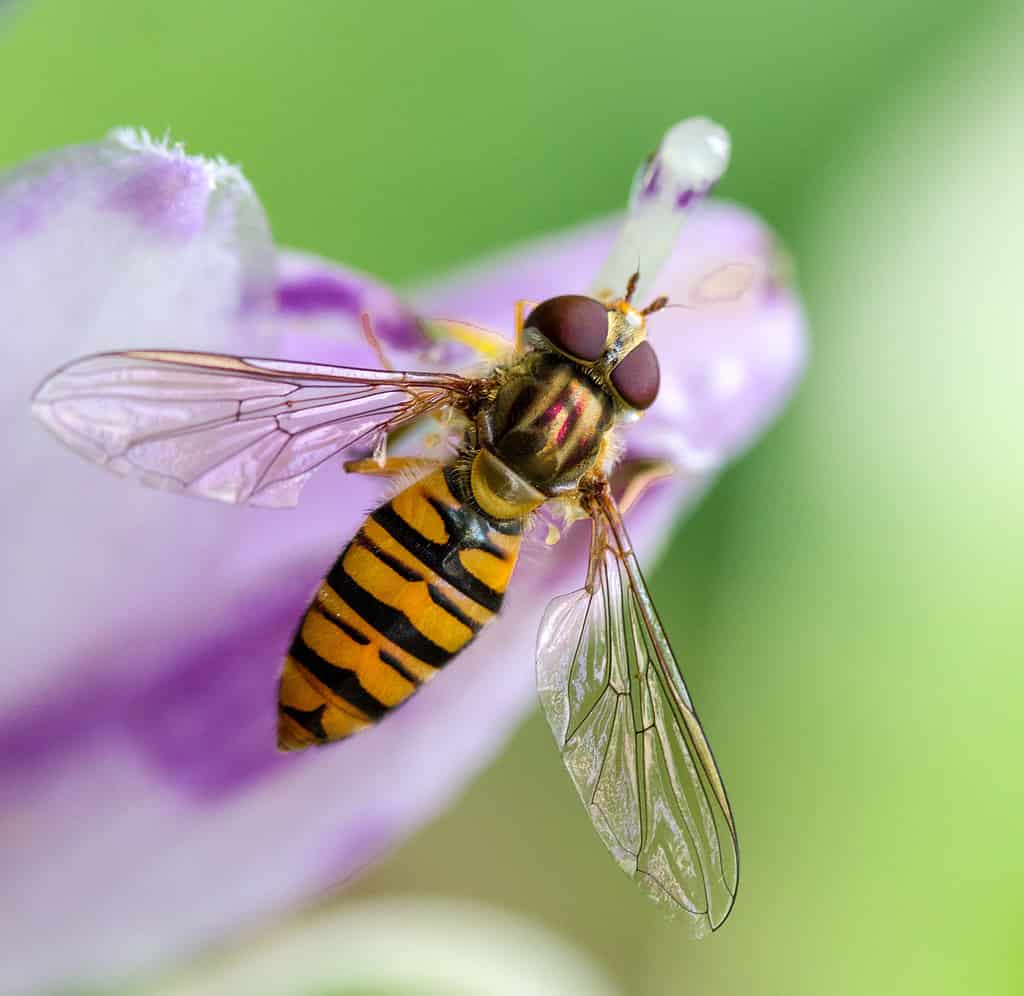
Hoverflies can get confused with wasps.
©viktorkunz/iStock via Getty Images
Syrphids are commonly known as flower flies, due to their habit of feeding from flowers, or hover flies, because of their ability to hover in place. They are a family of flies in the order Diptera, with over 6,200 described species. Most syrphids belong to the subfamilies Eristalinae and Syrphinae. There are over 3,000 species in California alone! These insects are generally found wherever there are plants. You will not find them in Antarctica, and they are rare in extreme desert or tundra conditions. As you can see in the clip, the adults are usually found near flowers.
Their life cycle varies between species and depends on environmental conditions. However, the general pattern is that eggs are laid on leaves and hatch into larvae in about three days. The larvae go through several life stages (instars) over a period of weeks and eventually form a pupa on a host plant or in the soil. Adults emerge from the pupal stage.
Adults Feeding on Flowers
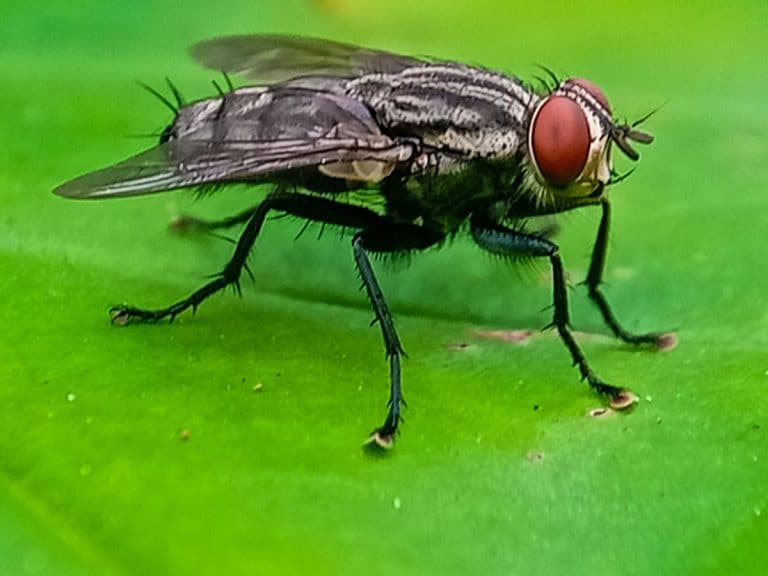
The adult in this clip has the typical appearance of a flower fly. They are about half an inch long, with yellow, green, white, and brown striped bodies. Because of their stripes, they are often mistaken for wasps. However, these insects cannot sting and are completely harmless. Also, they are true flies, so unlike wasps, they have only one pair of wings.
While the larvae can be predatory and feed on small creatures such as aphids, the adults are not carnivores, and most feed on nectar from flowers. In the clip, you can see an adult doing just that. However, their mouthparts are not particularly long or specialized for feeding on nectar. They do not suck out the nectar like many other insects. Instead, it dabs the nectar a bit like a sponge and draws it into their mouths. This means they prefer flowers with open blooms, where they can easily access the nectar. The adults need this high-sugar food to fuel their highly energetic flight.