
Quick Take
- Climate scientists predicted warming would unleash more crop pests, yet a landmark study tracking over 141,500 observations found something nobody expected. See the unexpected findings →
- The insects meant to protect crops from pests may be the hidden vulnerability that changes everything about how we fight food insecurity. Discover the predator gap →
- Pest damage already costs agriculture hundreds of billions annually, but the real threat isn't the number you've heard. Explore the true cost →
- Blanket climate predictions about crop loss may be wrong in a way that forces a complete rethink of global hunger strategy. Rethink the hunger forecast →
For years, it has been believed that as climate change continues to increase global temperatures, staple crops that feed the planet will be lost. It is not only drought and extreme temperatures that will cause this, but pests that feed on crops are also expected to increase their populations exponentially.
As it turns out, global warming will not just unleash more crop pests. It is stranger than that. Warming may actually cause some pests and natural enemies to decrease. Consequently, crops may need to be monitored on a case-by-case basis rather than treated as a single global issue, potentially changing the entire approach to addressing global hunger.
Not All Pests Are Created Equal
The number of people experiencing hunger is increasing. According to the World Food Programme, in 2024, 295 million people from 53 countries dealt with “acute hunger.” This was an increase of 13.7 million people from 2023.
To make matters worse, global agencies have been sounding the alarm for years that climate change will bring drought and heatwaves, which will kill staple crops. Pest populations could increase to the point where entire crops are destroyed. The humanitarian fallout will be catastrophic.
According to a new study published in the Proceedings of the National Academy of Sciences, not all pests are created equal. Climate change is not going to increase all pest populations. Where some populations may increase due to warmer weather, others will not.
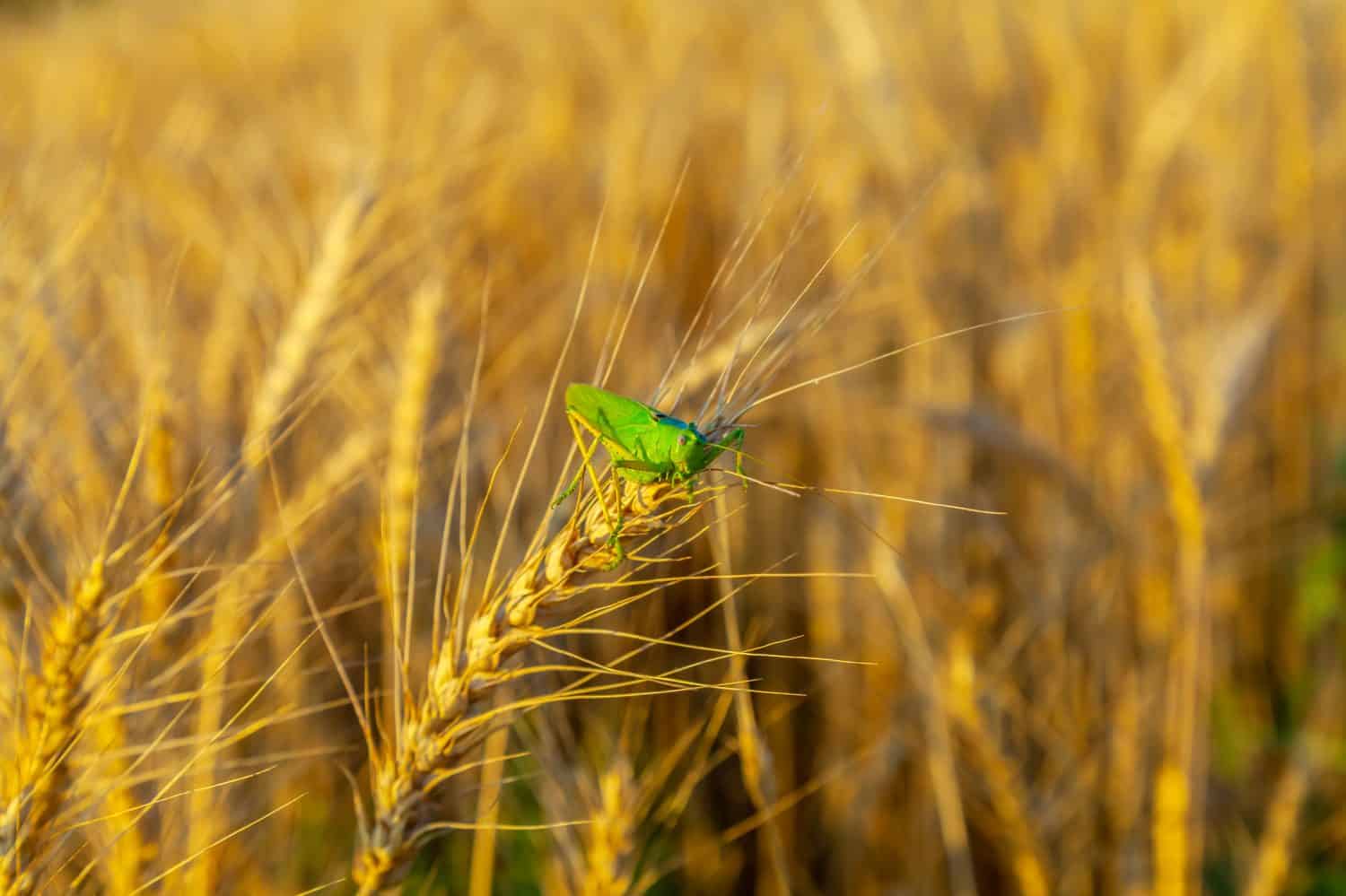
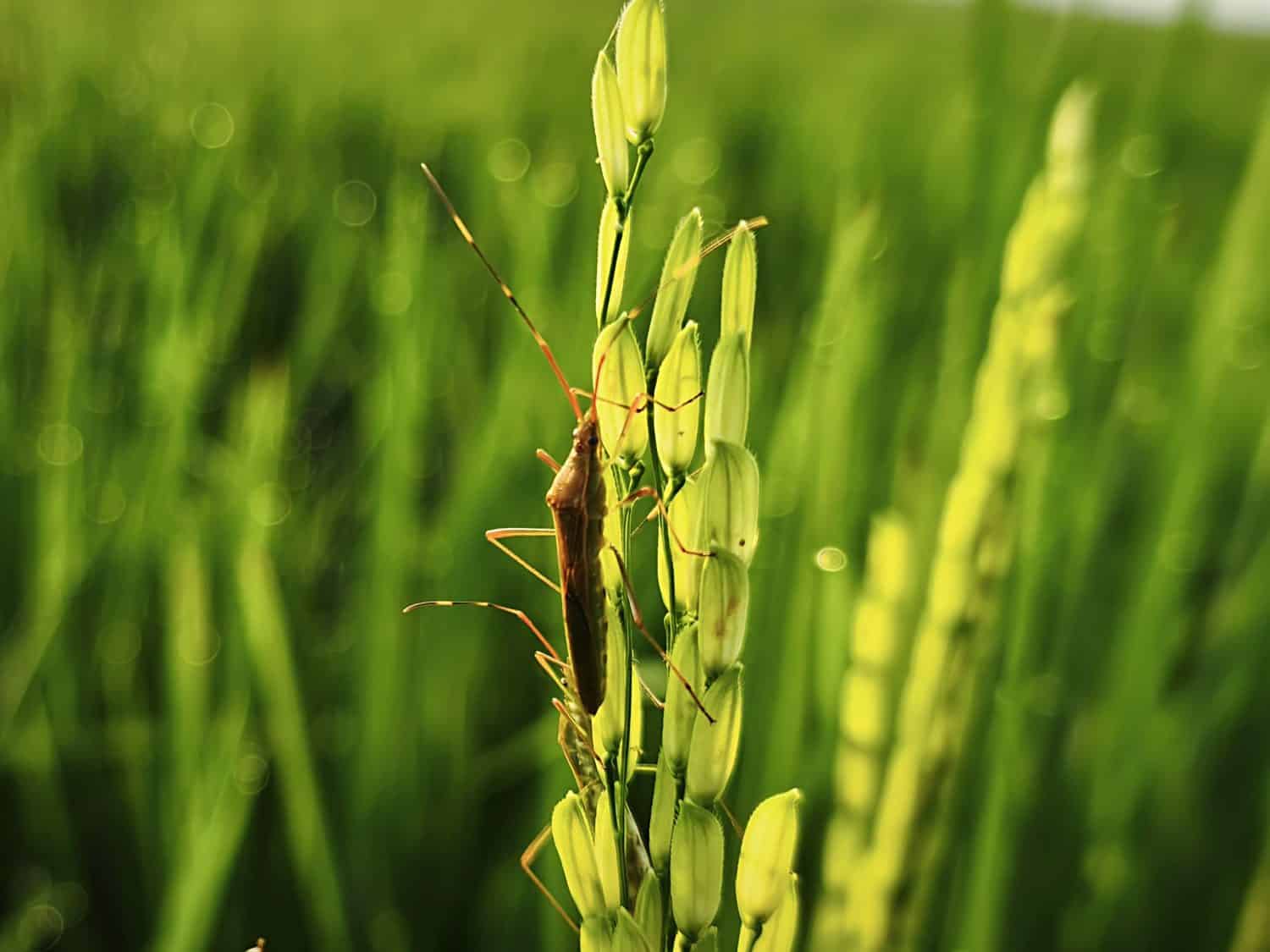
Not all pest populations will increase exponentially as global temperatures rise.
©Vladimir Konstantinov/Shutterstock.com
To determine their findings, researchers studied crops in both California and Spain. These locations were chosen because they have temperate climates, and long-term monitoring data was available for crops such as rice, cotton, grapes, citrus, and olives.
After analyzing over 141,500 field observations of 43 arthropod populations, including 30 pest species and 13 natural enemy species, researchers concluded that both pest and natural enemy populations varied in their responses to temperature increases. According to Mia Lippey, an entomologist at the University of California, Davis, and co-author of the study, why this is the case warrants further study.
“We found that both pests and natural enemy insects exhibit highly diverse responses to warming, with about half of the populations increasing in size under warming and half decreasing,” Lippey explained in a press release. “While natural enemies did show some evidence of heightened vulnerability to warming compared to pests, we need more research to understand what drives these differences and how severe an impact this difference would have on agriculture.”
Lippey went on to state that the type of crop and its location “contributed to the diversity of results” and that “traits alone cannot reliably be used to make predictions” regarding how climate change will or will not increase the arthropod population.
Global Warming Will Increase Some Pest Populations, But Not Enemies
As the study explains, global warming will not affect pest populations the same way. While some will remain stable or even decrease, others will increase. This is not only because some pests fare better in warmer temperatures, but also because they can outperform their natural predators under those conditions.
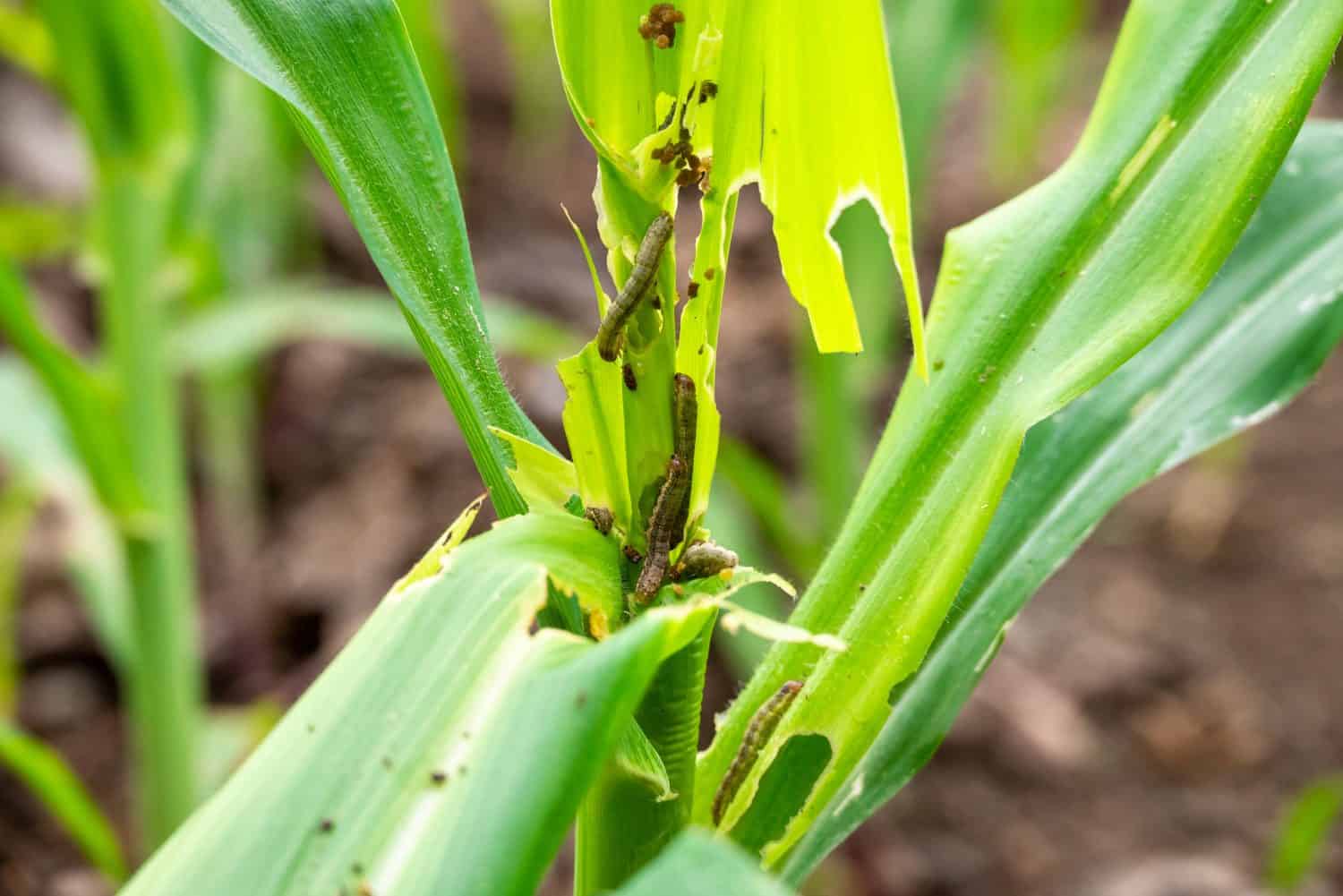
The natural enemies of pests that multiply rapidly as temperatures increase do not follow suit.
©Kiran Nagare/Shutterstock.com
According to Emily Meineke, co-author of the study and professor at UC Davis, it is specifically because pest predators cannot keep up with pest population booms caused by warmer weather that the agriculture industry should be concerned.
“Our study indicates that pests appear to do slightly better in warmer climates than their natural enemies,” Meineke explained in a press release, “which is cause for concern and further emphasizes the importance of monitoring both pests and the insects we rely on to control them.”
Why Pest Population Increases Are of Concern For Agriculture
Those working in the agricultural industry can attest to longer pest seasons due to warmer global temperatures and heatwaves. As things currently stand, 40% of the staple crops grown globally are lost to pest damage. According to the Food and Agriculture Organization, this amounts to approximately $220 billion in pest damage, $70 billion of which is directly attributable to invasive pest species. The study puts this figure higher, at $470 billion in damage annually.
The study’s finding that not all pest species will increase in population as global temperatures rise offers some good news for those in agriculture. However, since some species are predicted to experience population explosions due to global warming, concerns about the extent of future crop damage remain significant.
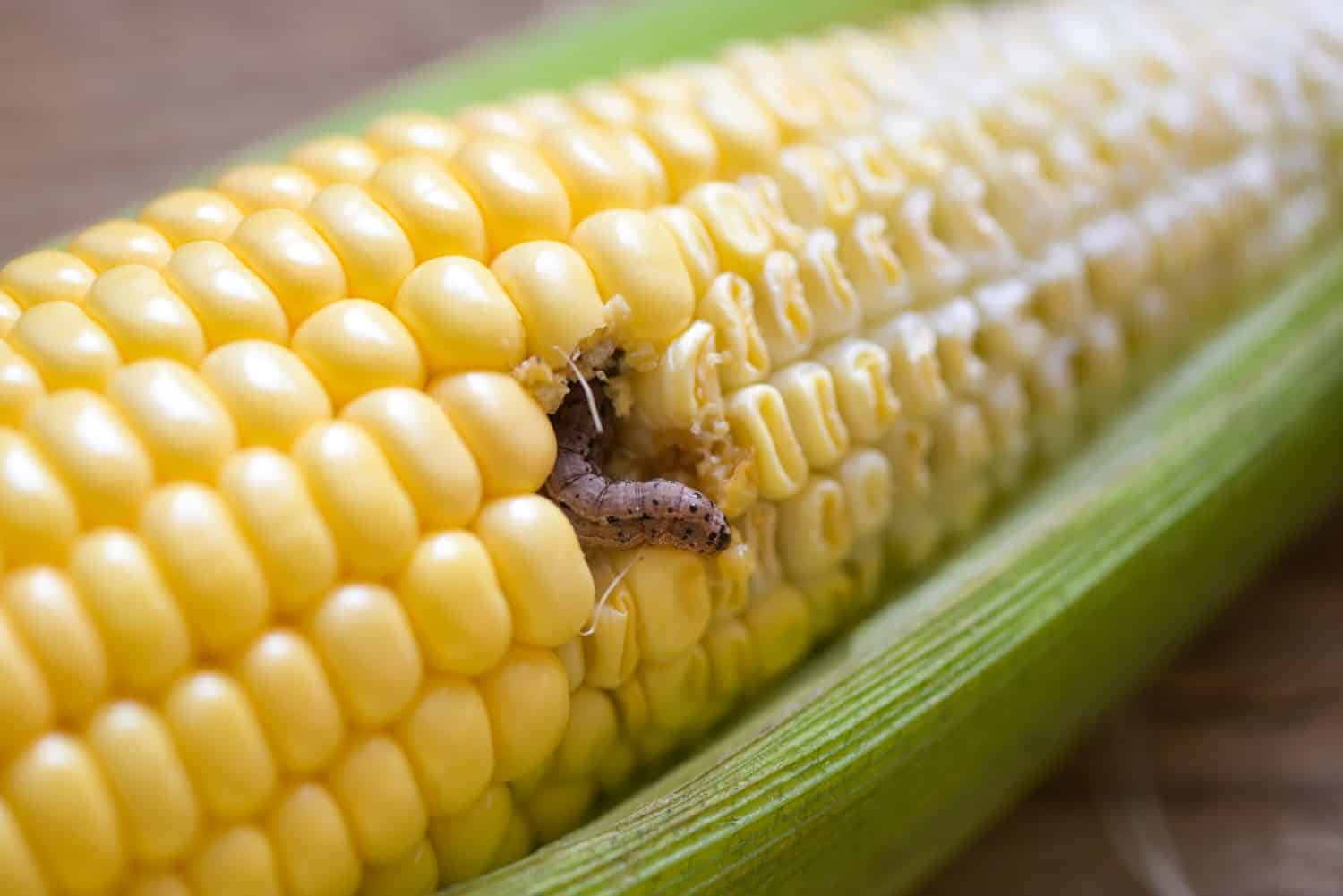
Each year, billions of dollars are spent on pest damage.
©Bigc Studio/Shutterstock.com
Just how much the costs associated with pest damage will increase is unclear. Additionally, there will be added costs associated with pest prevention, whether conventional or sustainable methods.
While the new study shows that climate change does not automatically increase all crop-destroying pests, some populations will increase. This means that each passing year, costs will increase. These costs will either be absorbed by farmers or passed along to consumers, with the latter being the more likely outcome.
Will Increases in Pests Lead to Global Food Insecurity?
Scientists have long stated that rising global temperatures will lead to more pests that feed on staple crops. As staple crops are destroyed by pests, there is concern that this could lead to food shortages and, in turn, global food insecurity.
A 2018 study predicted that a 1 °C (1.8 °F) increase in temperature would lead to a 10% to 25% loss in staple crops, such as wheat, rice, and corn. If temperatures rose another 1 °C (1.8 °F), the loss was projected to be 213 million tons of crops.
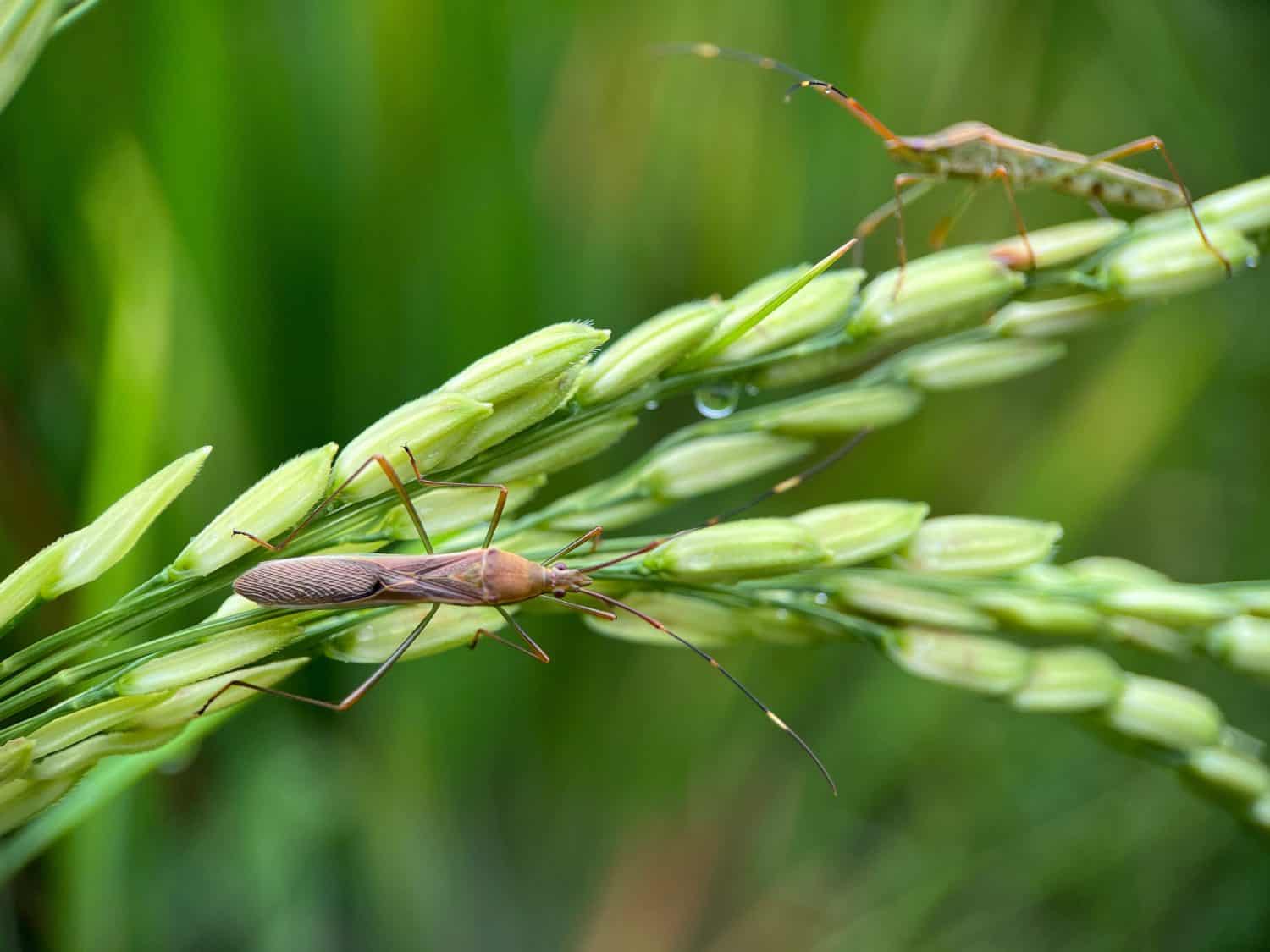
Not all populations currently facing hunger will fare worse under global warming when it comes to pest-damaged crops.
©Faiz Zakiy Yamani/Shutterstock.com
According to the new study, some pest populations will increase as the planet warms. However, because not all insects will do so, it is reasonable to believe that crop damage may not be as extensive either.
As the planet continues to warm, insect populations that thrive in higher temperatures will damage crops. Targeting these specific pests will be necessary to keep them under control and protect staple crops. Therefore, insights from the new study about which insect populations increase with warmer temperatures should serve as a starting point for future pest control strategies. This could help delay or even significantly reduce future food shortages caused by insect crop damage.