Quick Take
- Scott Haraguchi's escape came down to one instinctive move most kayakers would never think to try. See Haraguchi's escape →
- Tiger sharks don't ram kayaks out of hunger, and the real reason is both surprising and completely preventable. See why sharks ram kayaks →
- When a shark rams your kayak, your first instinct is almost certainly the wrong move. See the right response →
- Choosing a 'safe' kayak color to avoid sharks sounds logical, but science has a blunt answer for that. See what science says →
Kayaking off the shore of Hawaii sounds like a day in paradise, but one fisherman saw things a bit differently when a tiger shark rammed his kayak, turning an enjoyable day on the water into a nightmare.
Tiger Shark Rams Kayaker in Hawaii
In May 2023, a fisherman named Scott Haraguchi was fishing from his kayak off the shore of Oahu, Hawaii. Suddenly, a figure appeared and rapidly approached the kayak. The creature was a tiger shark.
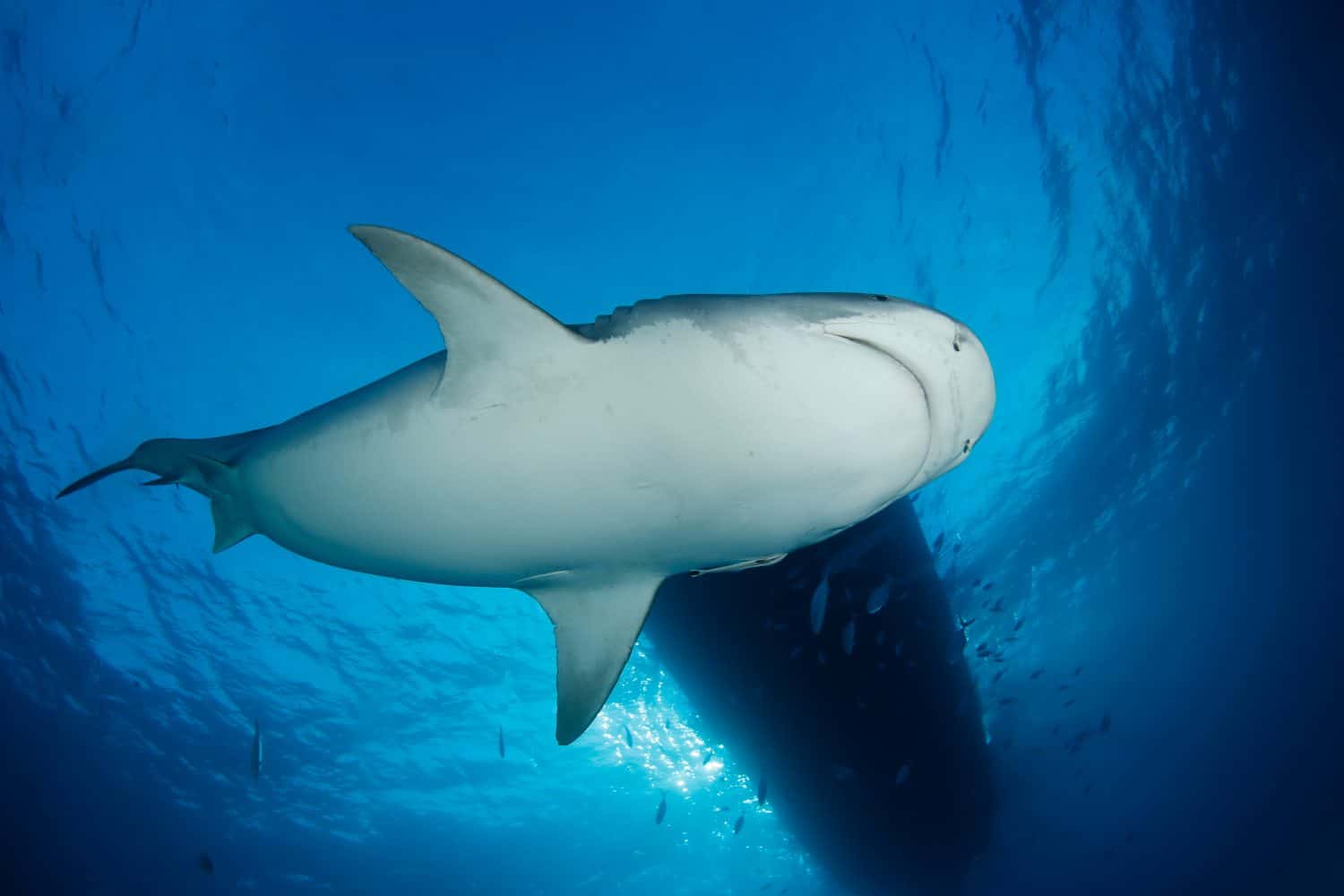
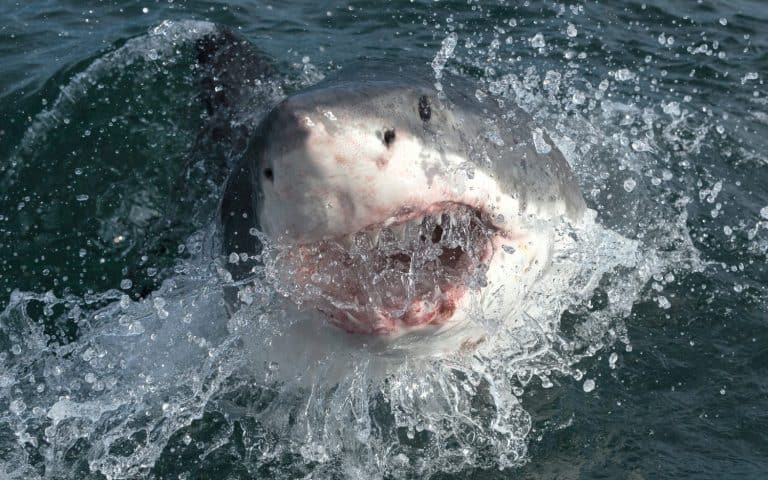
A tiger shark in Hawaii gave a fisherman quite a scare when it rammed his kayak.
©Daniel Lamborn/Shutterstock.com
“Tiger shark!” Haraguchi exclaimed. “Tiger shark rammed me!”
Haraguchi used his foot to kick the tiger shark off the kayak. He was unharmed in the encounter.
How Common is it for a Tiger Shark to Ram a Kayak?
Over the past 10 years, there have been 25 reported shark incidents that involved kayaks globally. Of these, two were fatal. Two more kayakers were injured, although one was a provoked attack. The remainder were not injured at all.
The majority of the incidents involved white sharks, though six of the encounters were with tiger sharks.
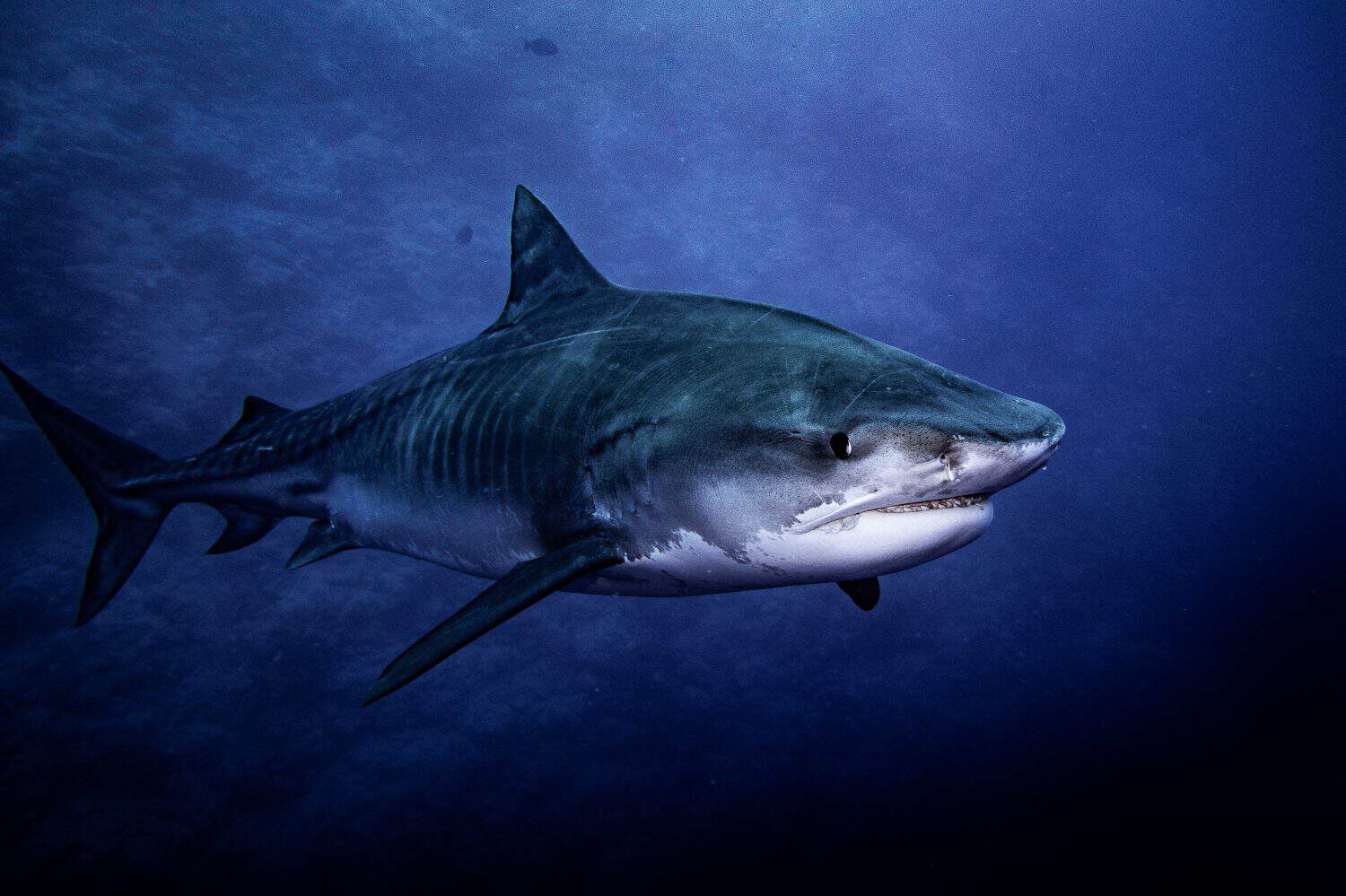
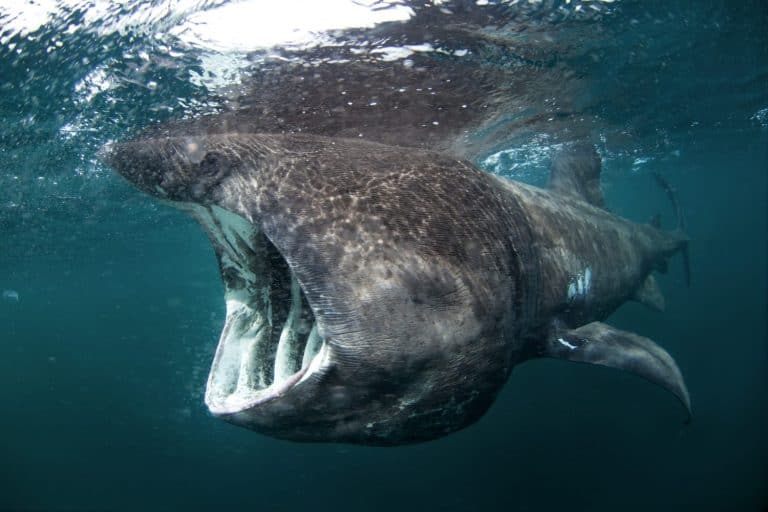
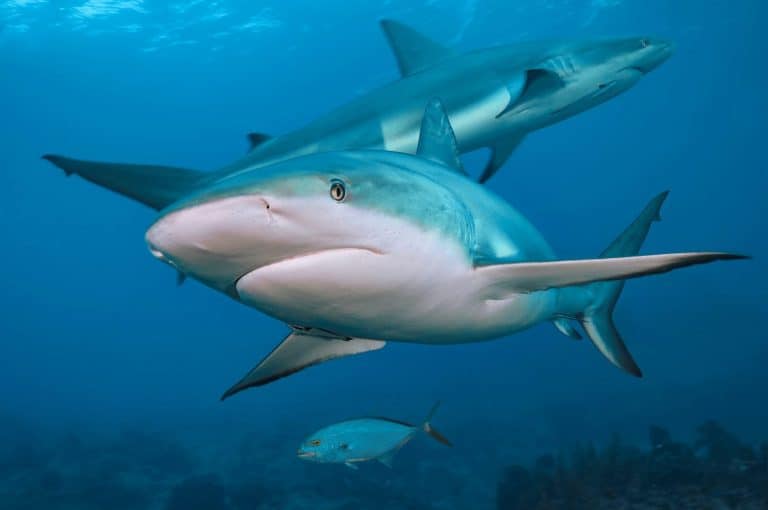
Tiger sharks infrequently ram kayaks out of mistaken identity or scent of fresh fish being caught.
©Reefframe_David/Shutterstock.com
Tiger sharks and other species known to ram kayaks typically do so because they believe the kayak is an injured animal, or because they are drawn in by fishing related activities. They are not targeting humans. To reduce the chances of being involved in a kayak-related shark encounter, fishermen who have learned the hard way recommend waiting to clean fish when back on shore.
Where Tiger Sharks Are Found
Tiger sharks prefer warm, tropical waters like bays, coastlines, or estuaries. This means that some regions of the United States are more prone to tiger sharks than others.
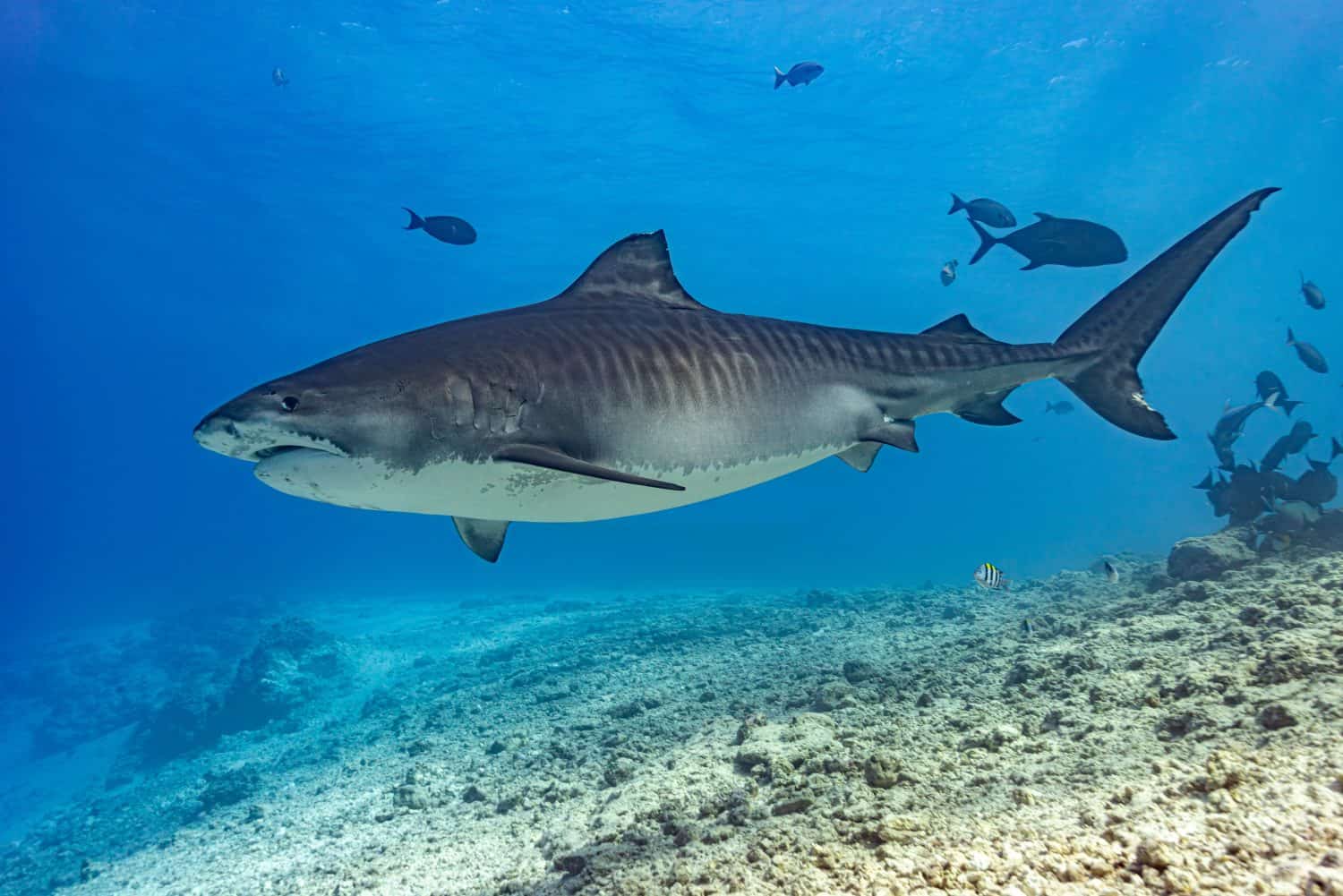
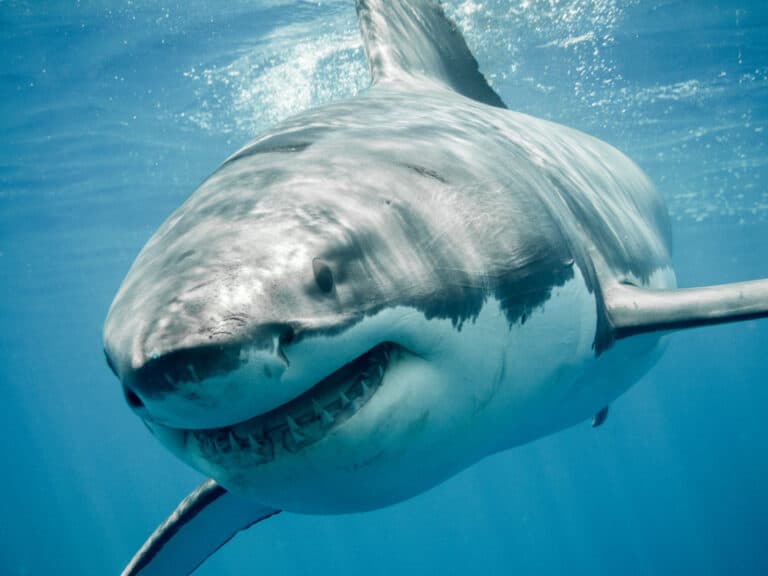
Tiger sharks are most often seen off the coast of Florida, Hawaii, and North Carolina in the U.S.
©bearacreative/Shutterstock.com
The states with the most tiger sharks include:
- Florida
- Hawaii
- North Carolina
Seasonally, tiger sharks can be seen in places like Louisiana, Mississippi, Alabama, and Massachusetts.
If kayaking in any of these states, know that the likelihood of encountering a tiger shark is higher than it is in other states.
What To Do If You Encounter a Tiger Shark from a Kayak
Tiger sharks have a wide range of prey animals, but they are not interested in eating people. Attacks generally stem from mistaken identity or provocation. But there are key things to do should an encounter with a tiger shark occur when out on the water.
As with the kayaker in the YouTube video, people report tiger sharks (and other sharks, for that matter) appearing seemingly out of nowhere. If you spot a shark, stop paddling immediately. The splashing can mimic that of an injured animal, which will only encourage a tiger shark to come closer to investigate.
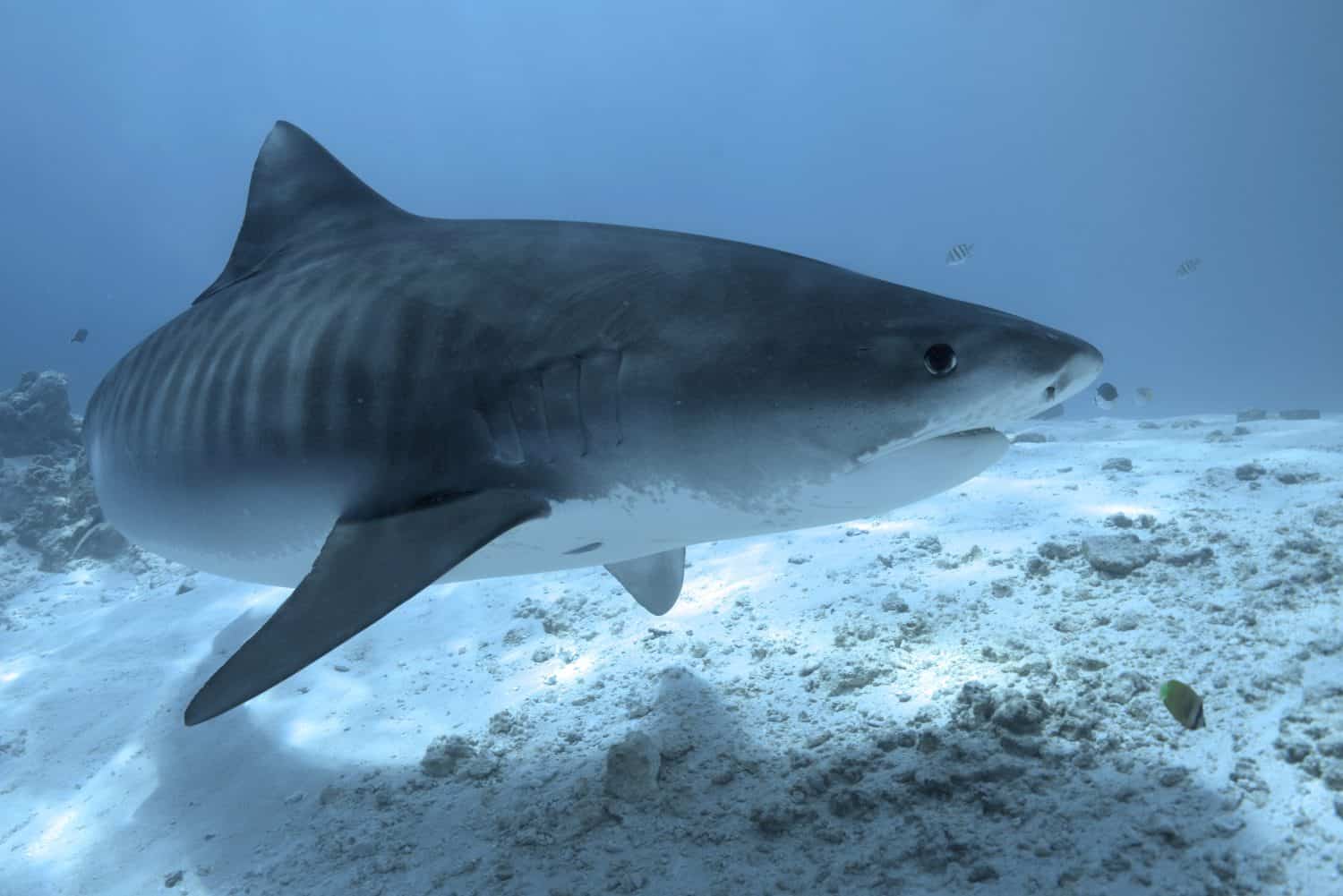
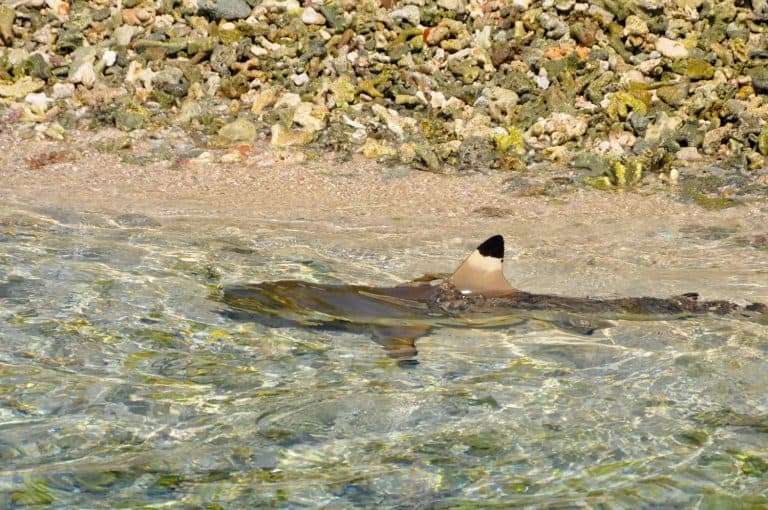
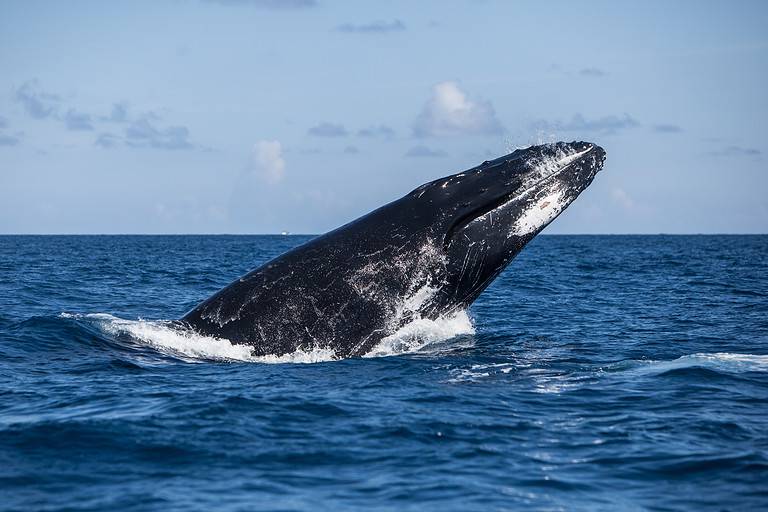
Stop paddling immediately when a tiger shark is swimming near a kayak.
©Stefan Fan/Shutterstock.com
Should the shark ram, remain in the kayak. Leaving it in an attempt to swim to shore will only make the kayaker more vulnerable. If the shark is aggressive, push it away from the kayak with the paddle.
Finally, if you have any deterrents on board the kayak, use them. Things like shark spray and heavy objects may be enough to deter the predator.
Does Kayak Color Matter?
Some people believe that kayaks of a certain color are less attractive to sharks, but this is not the case.

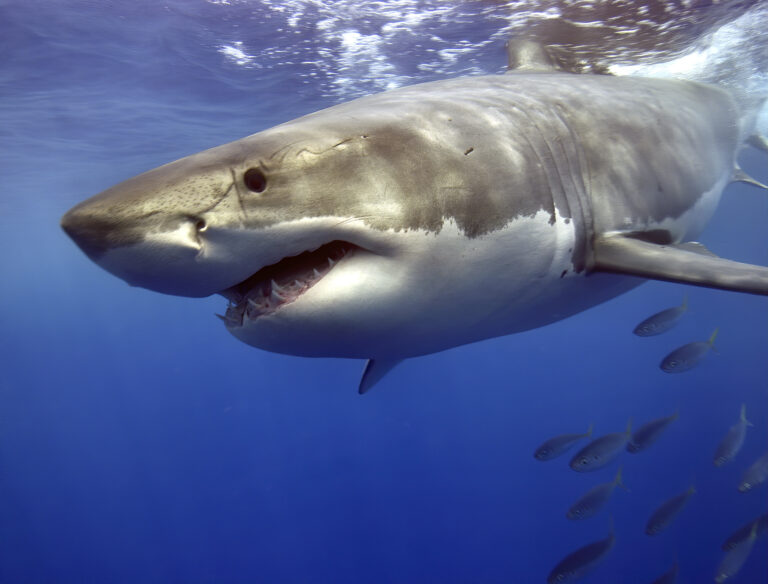
Sharks could not care less about the color of the kayak.
©Rock and Wasp/Shutterstock.com
According to a 2022 study, which collected data from 1950 to 2021, sharks do not care what color a kayak is. The incidents involving sharks and kayaks are as follows:
- Blue kayaks: Five incidents
- Green kayaks: Four incidents
- Red or orange kayaks: Three incidents
- Yellow kayaks: Two incidents
- White kayaks: Two incidents
- Black kayaks: One incident
Because sharks are colorblind, contrast may play a bigger role in whether sharks investigate or ram a kayak than color. Knowing how to stay safe during an incident with a shark matters more than color selection.