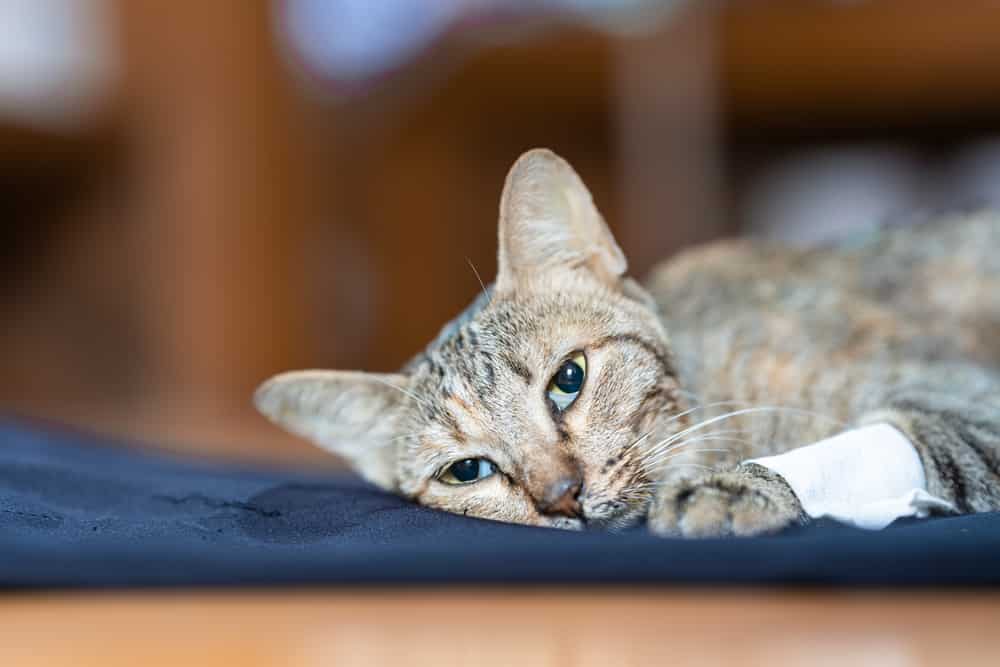

Raise your hand if you’ve ever been personally victimized by your cat. And don’t worry, you’re not alone. Nearly every cat has given their owner the classic cat stare at one point or another. While it might feel like an ominous threat or an intimidating move, it’s usually not. In reality, cats stare at humans for many of the same reasons that dogs do. Thankfully, it has nothing to do with them wanting to claw you in your sleep and everything to do with affection toward their owners (most of the time).
Curiosity
Cat stares can be intense, and cats are somewhat mysterious animals. We may not always know what they want, but we do know their nature. Cats are curious creatures with a penchant for taking in every detail around them. This tenacious behavior is what makes them such troublemakers, but it’s also what makes them so intelligent. They learn through observation, as is the case with many animals. Their sharp vision is how they decipher puzzles, problem-solve, and make decisions.
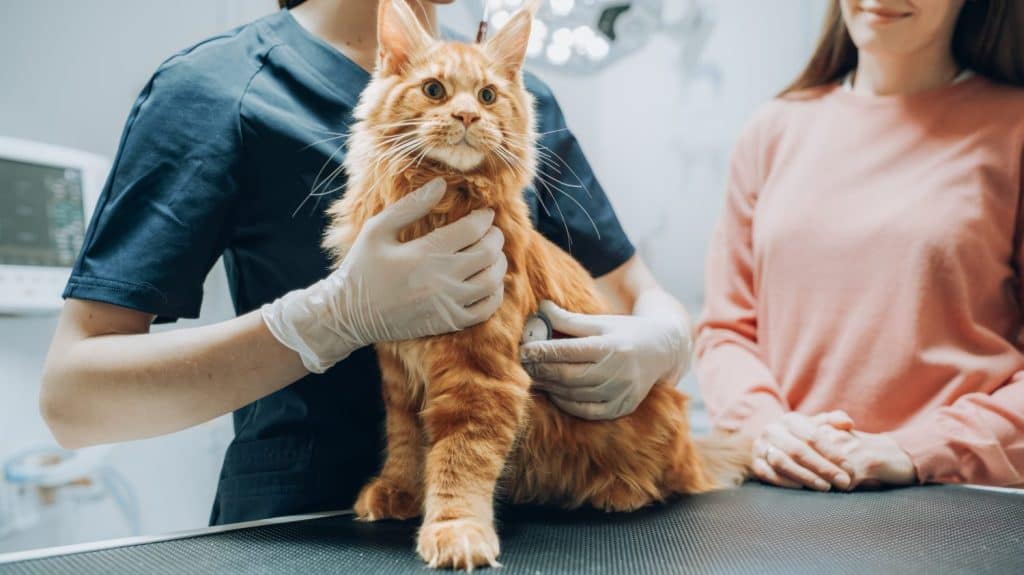
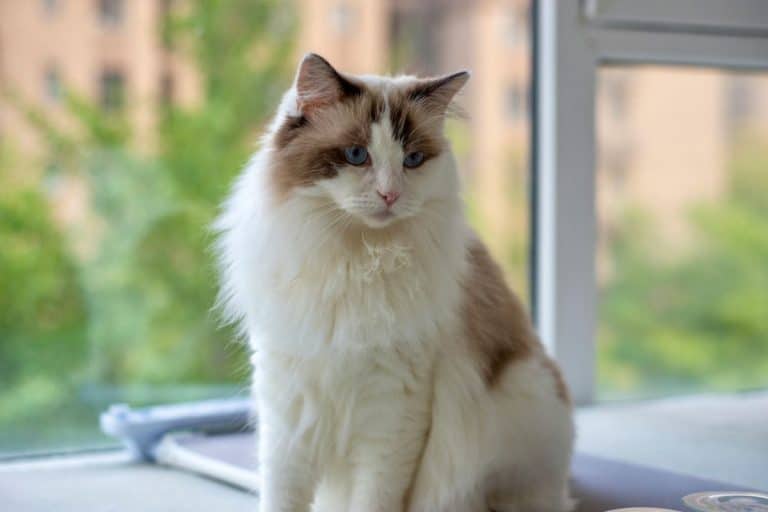
It’s hard to know what a cat is thinking just by looking at it.
©Gorodenkoff/Shutterstock.com
If a cat is staring like this with no outward signs of aggression or irritation, they’re probably curious. This is especially true if they’re watching you do something interesting. Making a lot of noise, holding shiny objects, or simply moving around is enough to catch a cat’s bold stare.
Love and Affection
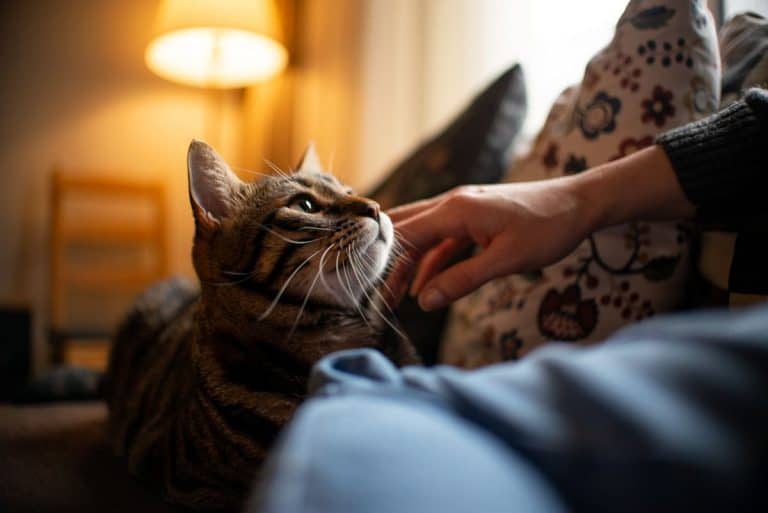
Some cats might have short fuses, but many of them love attention from their owners. This is an easy one to figure out, because cats are typically at ease when they do it. If a cat stares at you with no visible signs of annoyance, they might be looking for affection. When dogs stare at you, it prompts an oxytocin release for both pup and pal. In theory, cats do it for a similar, albeit less chemical, reason.
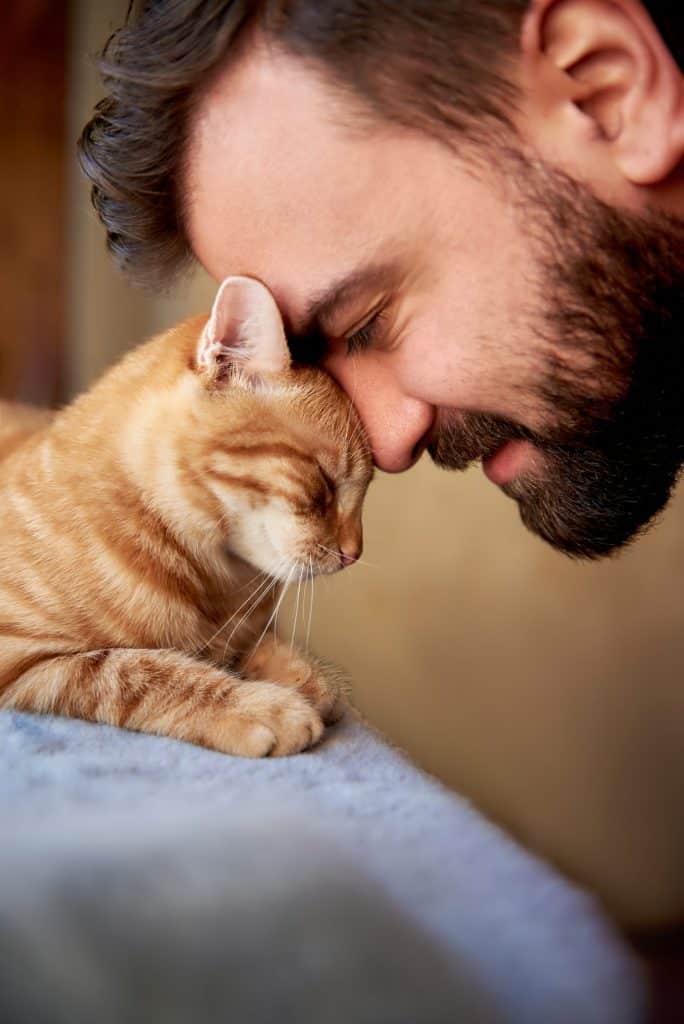
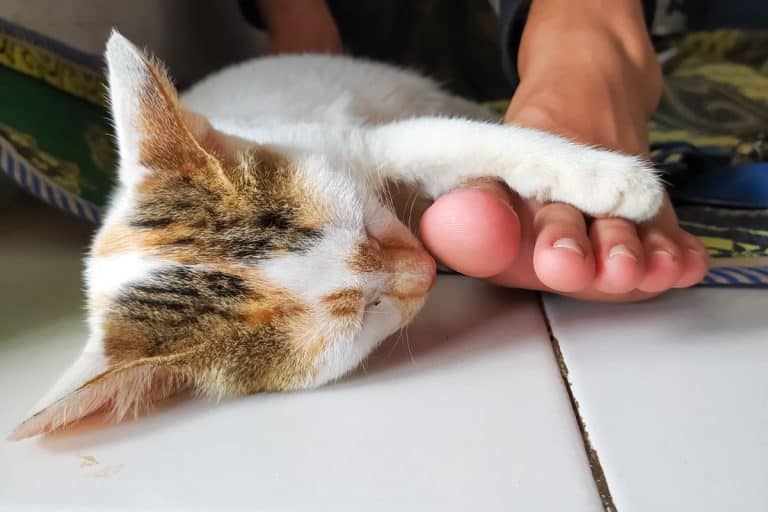
Cats blink slowly when they feel affectionate.
©O_Zinchenko/Shutterstock.com
A surefire way to tell if your cat is looking at you with nothing but love is to watch their blinks. Cats often blink slowly when watching something or, in this case, someone, they adore. This behavior is indicative of trust, comfort, and affection. Cat owners also know this happens often just before a cat falls asleep, especially if cuddles are involved.
Hunger
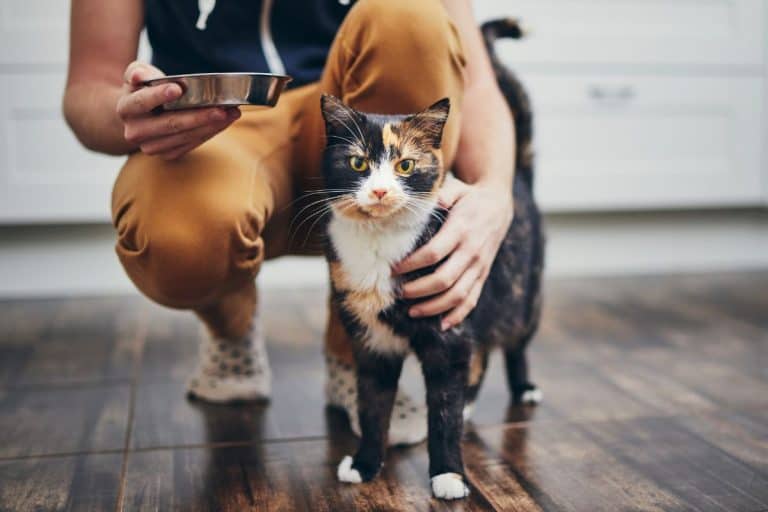
If a cat is shooting its owner a loaded look, it could be due to hunger pains. Yearning meows or cries for attention might accompany this stare. Cats typically give this look around dinnertime or, in typical cat fashion, about three hours before. This look is owner-specific, and they’ll stare down whoever is responsible for feeding them.
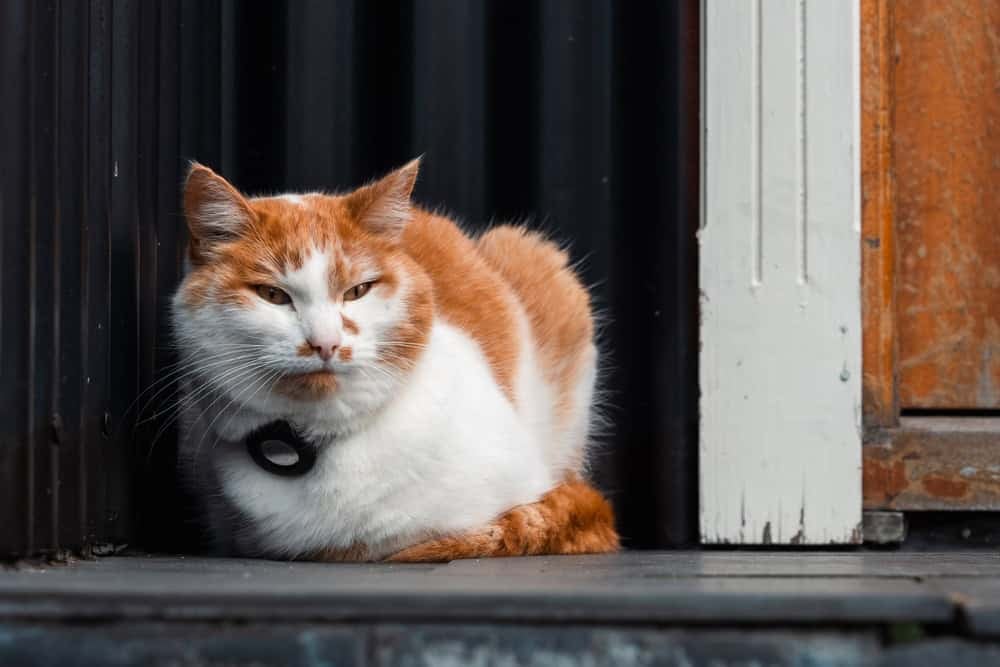
Cats may stare at their owner when they are hungry.
©SandaloFilms/Shutterstock.com
Cat owners are very familiar with this behavior. Most know that the second they move, cats will be all over them in the hope of getting fed. The staring may cease, but their hungry mews only increase in frequency. At their very core, cats are animals with animal instincts—one of which is the need to feed. Don’t take it personally.
Fear
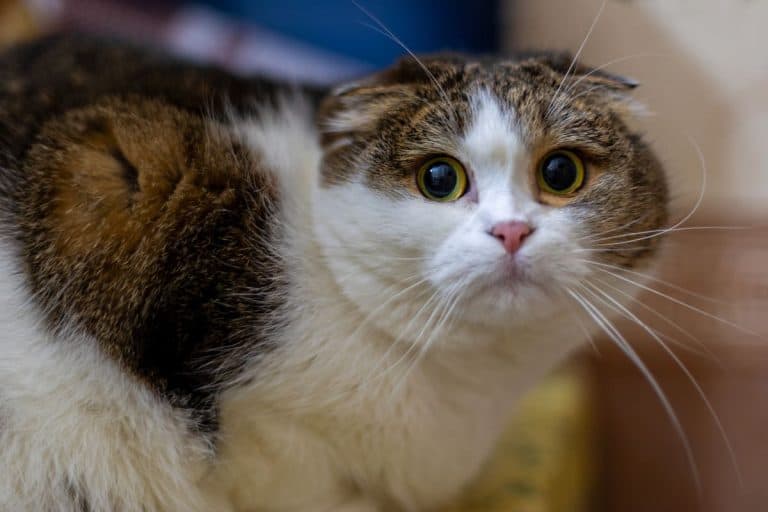
Despite their tougher-than-nails nature, cats are capable of feeling fear. Staring isn’t always a warning or a sign of affection; sometimes, it’s a way for cats to indicate they’re afraid. If a cat is staring out the window or in a random corner, they might be fearful of what they can (or can’t) see. Since cats rely heavily on their vision to determine threats, their fearful stare often becomes fixed.
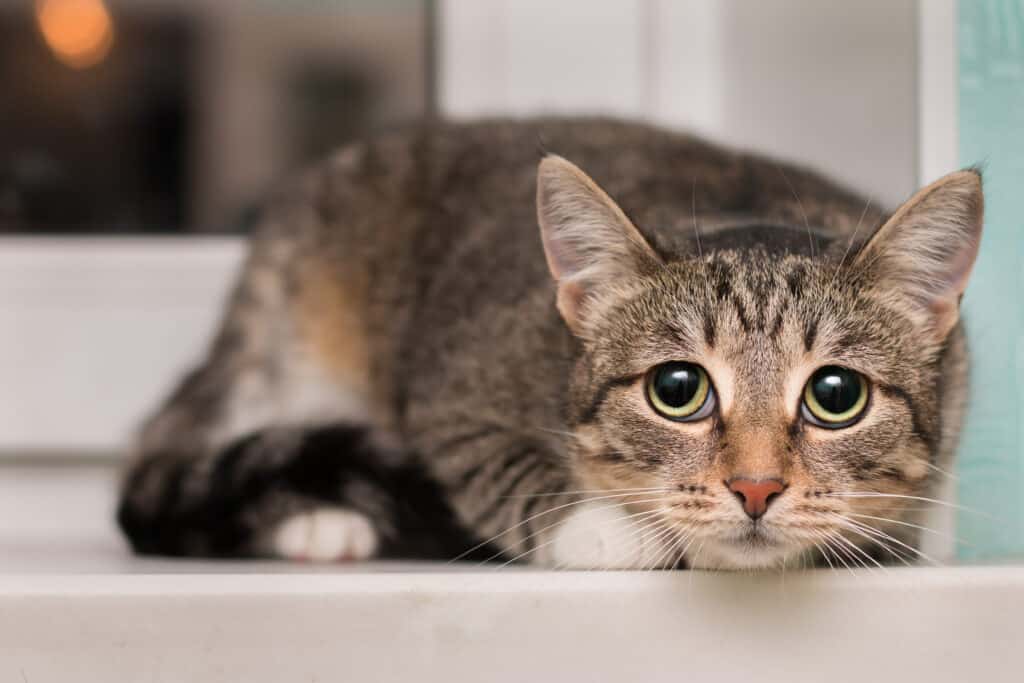
Cats sometimes stare when they are afraid.
©Elena Rozhenok/Shutterstock.com
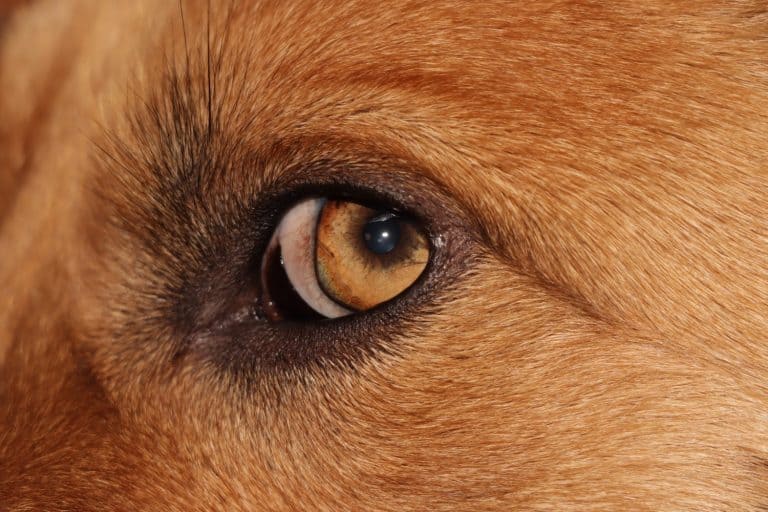
This is often accompanied by growling, hissing, and crouching or backing away. If you’re close enough to observe, you might notice their eyes become dilated to take in as much light as possible. Their tails might be curled around them, or they might remain hunched away from a perceived threat.
Asserting Dominance
A cat’s stare won’t always be targeted at their owners or other humans. Cats stare down other cats, too, and it’s often to assert dominance as a means of communication. This happens with feral cats, but can also occur between bonded or cohabiting packs. If multiple cats share a space, they usually stare at each other until one eventually backs down. This might happen while vying for territory, food, or even attention from their owners.
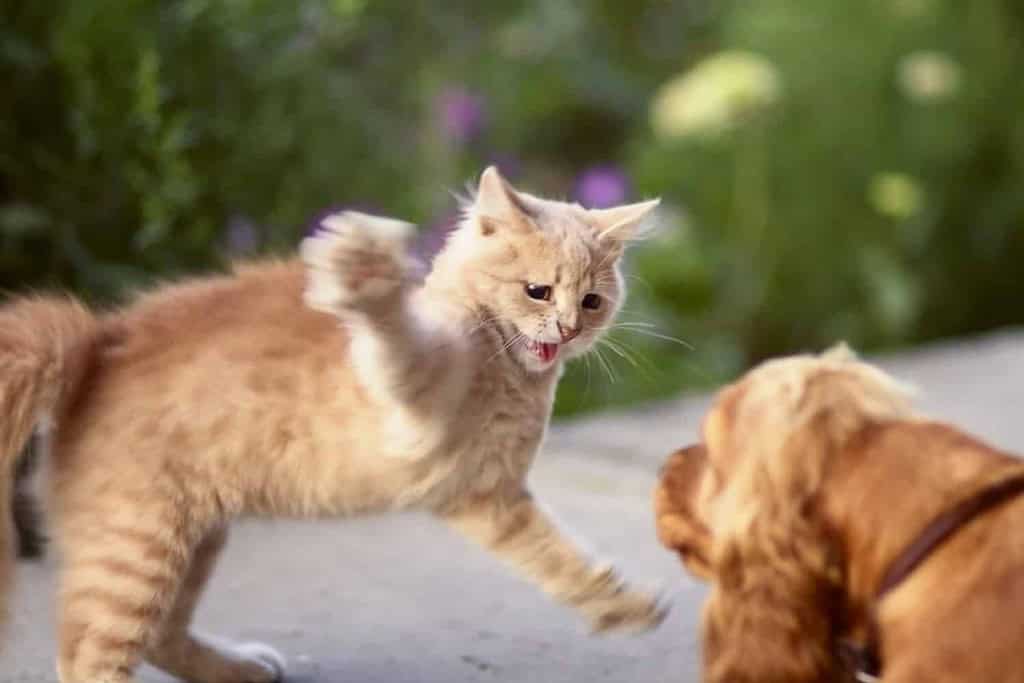
Cats stare at other cats to communicate dominance.
©fantom_rd/Shutterstock.com
Cats might also stare at one another while waiting to use the litter box. If there aren’t enough litter boxes for all the cats in a household, this can lead to multiple staring contests each day. If the situation escalates, staring might be the precursor to fights or other displays of aggression.
Hunting
House cats are descendants of big cats, and this is most evident during playtime. Cats are focused predators and mentally clock all the details before jumping on their prey. During playtime, you might notice your cat staring with fully dilated pupils. While affectionately called “play eyes,” this is also an indication of their hunting skill.
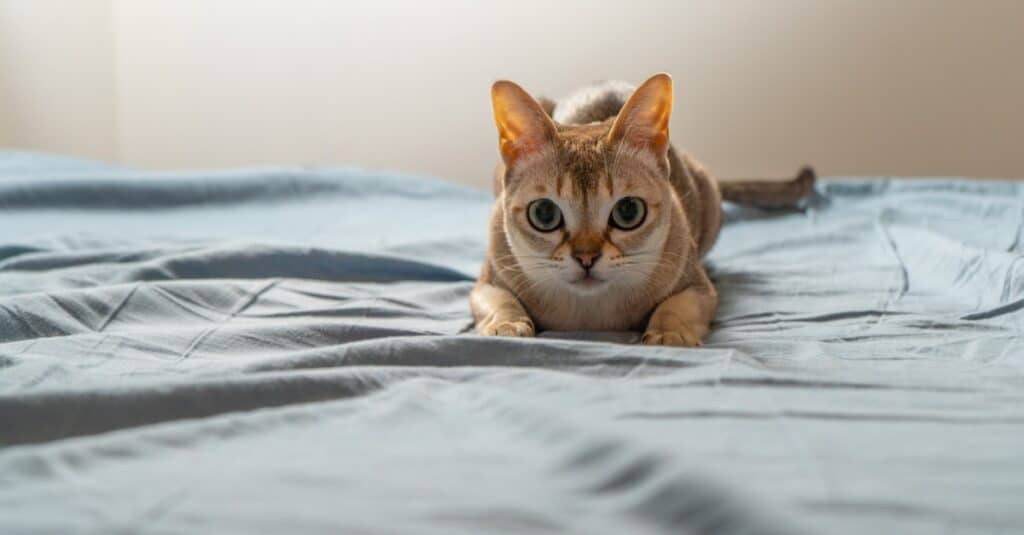
This cat is on the prowl.
©iStock.com/Viktor
A cat will lock eyes with its target seconds before pouncing. This is usually followed by a classic butt wiggle before the big jump. It’s a well-known stare, and one that tells the other animals that they’re being hunted. Or, in the case of a housecat, that a toy is about to become their next prey.