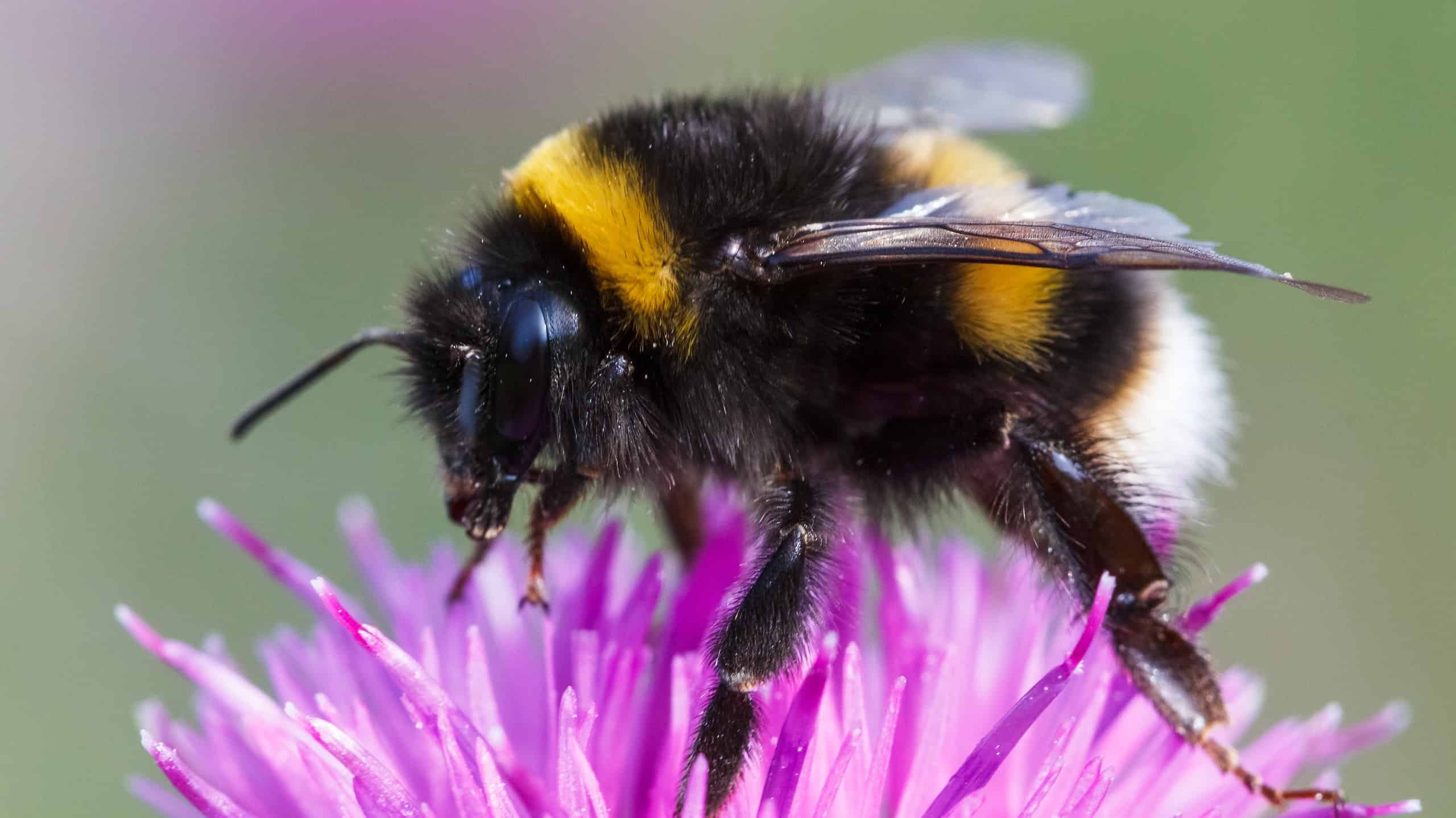

The topic of declining bees is complex at best. Some of it could be fearmongering, while other headlines hold some truth in declining bee populations. But there are many statistics to decipher, and some regions have even reported increases in bee populations. So, what is really happening with the bees?
To uncover the truth about what’s happening with our native bees, we must first examine which species are declining. Regionality is also a factor, and while not every country is noting a significant loss, some are producing concerning numbers. Here are the biggest threats to certain bees, along with the measures being taken to help them.
Which Bee Species Are Declining?
When we read that “bee populations are declining,” it’s easy to assume this refers specifically to honeybees. The truth is, there are more than 20,000 bee species around the world, and not all of them are on the decline. Roughly 4,000 of these bees are native to the U.S., and not all of them are endangered. However, the bees facing a steep decline in population as of 2025 are all pollinators that we depend on.
American Bumblebee
The American bumblebee is the most common of its genus and has been in decline since the early 2000s. It was officially petitioned to be an endangered species as of 2021. Once abundant in 48 states across the U.S., the American bumblebee has now disappeared from at least eight of these.
Southern Plains Bumblebee
In 2022, the Center for Biological Diversity petitioned for the Southern Plains bumblebee to be added to the endangered species list. This followed a decline in the species’ population throughout the Midwest, and it has disappeared entirely from six states. Now, it is a rarity through the Great Plains.
Suckley’s Cuckoo and Western Bumblebees
The Suckley’s cuckoo bumblebee got its reputation from its ruthless nature toward other bees. Females invade and steal the hives of western bumblebees, where they subdue or kill the queen. Afterward, they lay their own eggs and take over the remaining colony. As western bumblebees decline, so do the Suckley’s cuckoo. The Center for Biological Diversity estimates a 90% decline in these bumblebees as a result of this chain reaction.
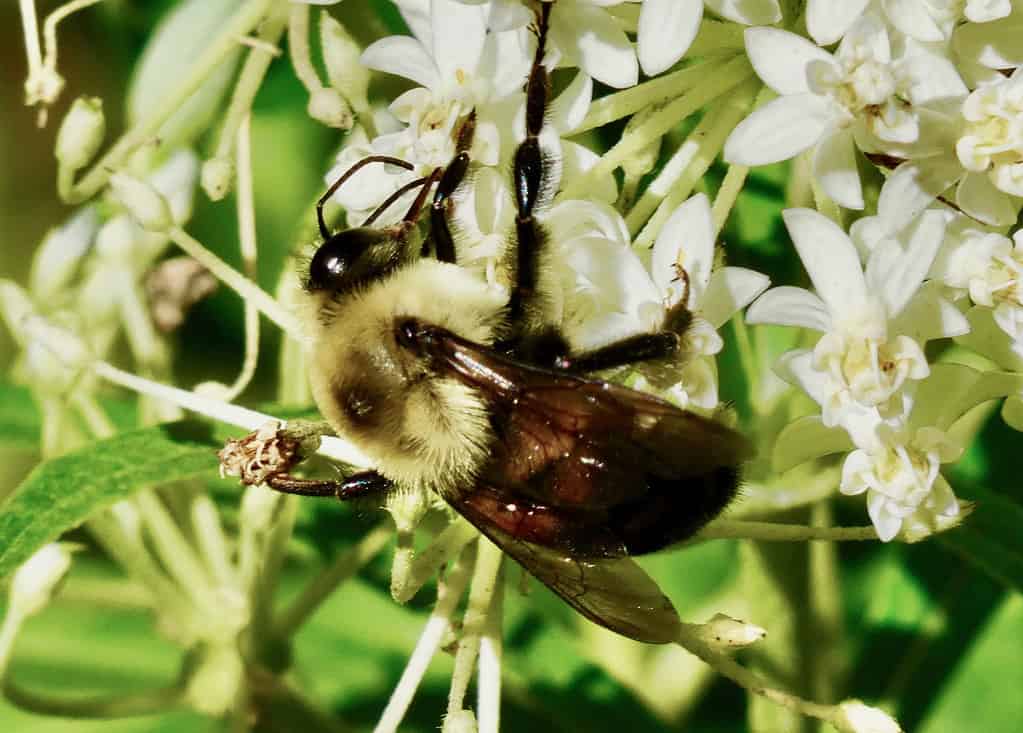
The rusty patched bumblebee is under threat.
©Lisa Herlick/iStock via Getty Images
Rusty Patched Bumblebee
The rusty patched bumblebee is currently protected under the Endangered Species Act. It was the first native bee in the U.S. to be protected under the Endangered Species Act, and the Franklin’s bumblebee is also listed as an endangered species. The rusty patched bumblebee has disappeared from 87% of its natural habitat.
Mojave Poppy Bee
The Mojave poppy bee is crucial to the landscape surrounding Lake Mead. It plays a considerable role in Las Vegas bear-poppy and dwarf bear-poppy populations. The latter is an endangered plant species that is highly dependent on the pollination services provided by these bees.
Variable Cuckoo Bumblebee
The variable cuckoo bumblebee is already one of the rarest bee species in the U.S. and in North America as a whole. Similar to the Suckley’s cuckoo bumblebee, the variable cuckoo bumblebee also invades the hives of other bees. Specifically, the American bumblebee, which is also listed, has experienced a significant decline in numbers. According to the Center for Biological Diversity, the variable cuckoo bumblebee has not been seen since 1999. According to conservation assessments, it may be extinct.
Yellowbanded Bumblebee
Evidence of the decline of the yellowbanded bumblebee has been found across the U.S. and in seven Canadian provinces. Once prevalent in at least 21 U.S. states, sightings of this bee are now becoming increasingly rare.
The Causes of Declining Bee Populations
In most cases, the cause of declining bumblebee species is similar across the board. The regions noting a significant decline in bee populations include North America, for several reasons. Habitat loss is a substantial contributor to the decline and deaths of bumblebees. As their habitat shrinks due to overdevelopment, agricultural expansion, and invasive plant life, their numbers continue to dwindle.
Loss Of Habitat
Bumblebees rely on consistency in their natural habitats. As land is converted for urban development, it reduces the abundance of native flora on which they depend. Converting land into agricultural fields also disrupts the natural lifecycle of bumblebees. By widening the range they need to fly between their food sources and their homes, it puts unnecessary stress on the species. As a result of broken-up land and more urban environments, they also lose flowering plants essential to their survival.
Use Of Pesticides
It’s well-known that pesticides contribute to the decline of the bumblebee population. Many of them contain neonicotinoids, which have been shown to harm bumblebee populations and contribute significantly to their decline. It causes brain and nerve damage to the bees, which affects their ability to fly, mate, and reproduce. As a result, the bees become confused, uncoordinated, and can even be paralyzed by the toxin before succumbing to its effects.
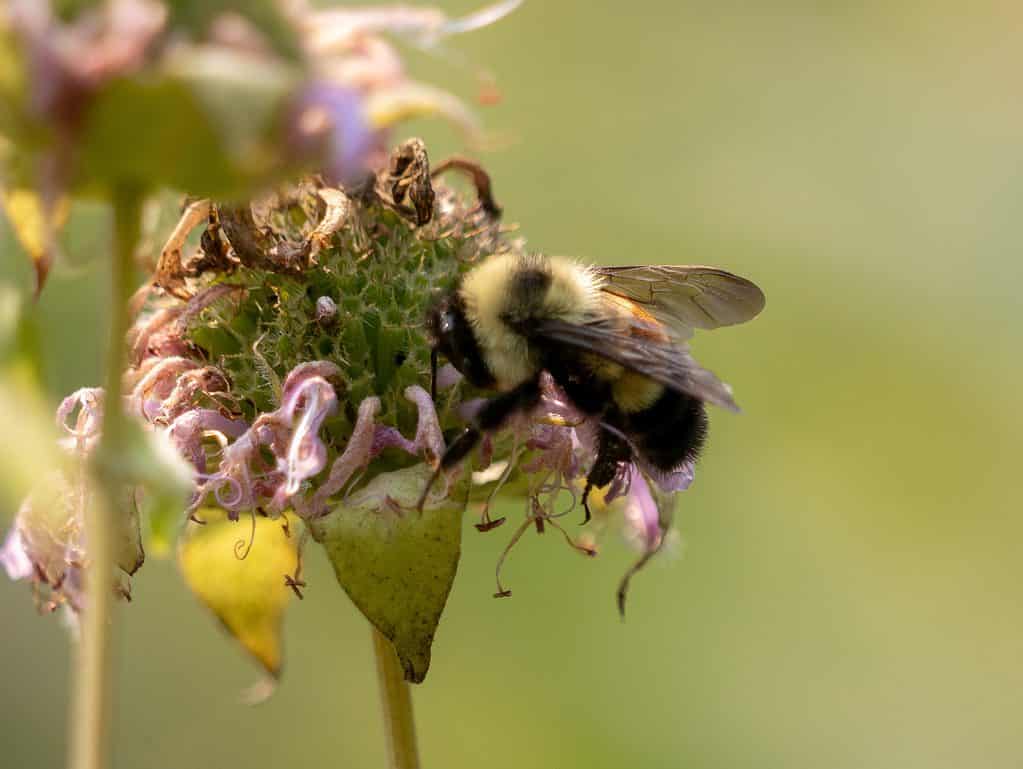
Their population is currently on the decline, with threats including increased development (residential, commercial, industrial) and climate change.
©Taxomony/Shutterstock.com
The harm from pesticides doesn’t end when a bee is directly exposed to them. Neonicotinoids can adhere to the petals or leaves of a plant and its seeds, and seep into the surrounding soil and water. This means long-term damage for bumblebees and any other insect that comes into contact with pesticide-treated crops.
Diseases on the Rise
Diseases can spread through a bee colony like wildfire, and this also contributes to declining bee populations. This is especially potent when a disease from a managed beehive spreads to the local wild population. When this happens, not only does a beekeeper lose their hives, but the local bees also suffer if the disease is not contained.
Climate Change
Severe changes in weather patterns also affect the survival of bumblebees. Climate change contributes to the decline of native plant populations, which are essential for bees to survive. When plant life is lost, so is the food source for a bee. As a result, pollination also declines, which leads to further plant loss in a vicious cycle.
These Organizations Are Helping Bees (and How You Can, Too)
While the news of declining bee populations is disheartening, there’s always good to be found. Many organizations are now collaborating to save existing bee populations. The Bee Conservancy, founded in 2009, has a sole mission to save endangered bee species. Together with volunteers, they’re helping to build bee habitats, raise money for the cause, and educate the general public on what they can do to help. Over the last decade, they’ve partnered with schools, parks, and various corporations to preserve bee habitats.
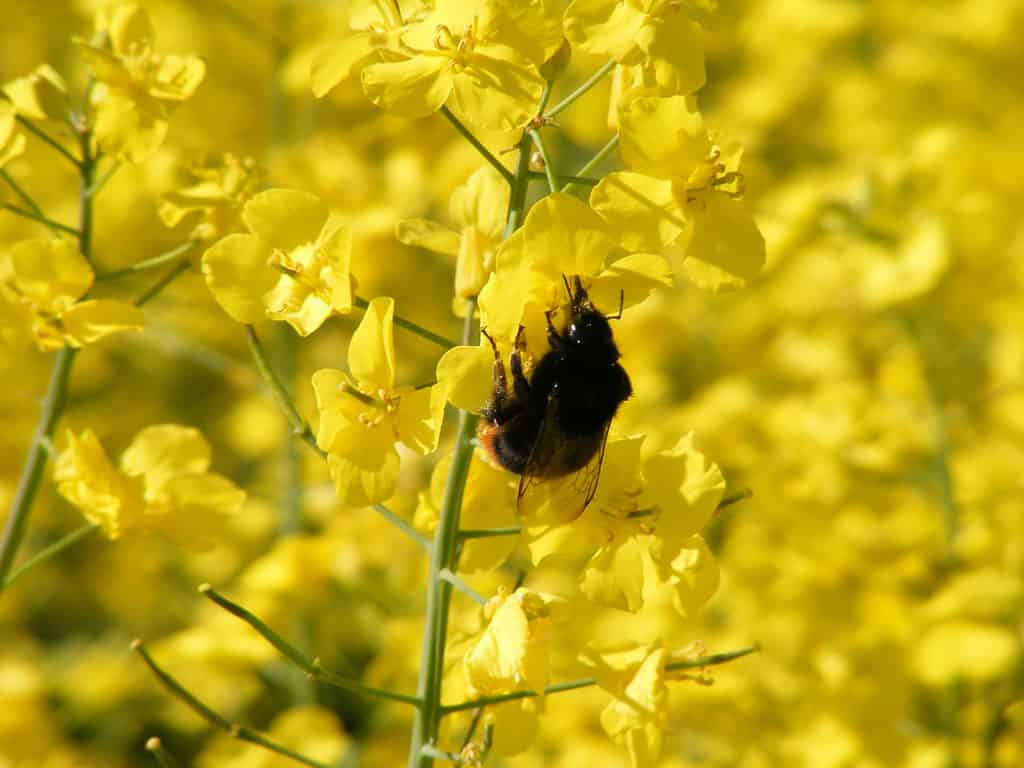
Many organizations are working to save bees.
©ULD altmedia/Shutterstock.com
Save the Bees advocates for bee research and habitat restoration. It was founded in 2020 and is led by a team of scientists, researchers, and beekeepers. Together with volunteers, they secure funding for bee research and conservation. Through commercial pollination, they’ve helped to secure more than 100 million pounds of food and have raised an astounding $500,000 for bee research.
Other organizations triggering positive movements for bees include:
- The Xerces Society for Invertebrate Conservation
- Pollinator Partnership
- Project Apis m.
- The American Beekeeping Federation
- American Forest Foundation
- The Bee and Butterfly Habitat Fund
- Help Save the Bees Foundation
Help At Home By Joining These Movements
Small actions can cause big changes. When you adopt any (or all!) of these movements in your own home, you’ll be helping the bees, too. One of the most significant recent movements is No Mow May. To participate, let your lawn grow throughout the month of May. This is typically when most people would begin mowing and yard cleanup, but not doing so is more beneficial to the bees. Many of them overwinter in long grass, leaf piles, and other underbrush. If left undisturbed, they have better odds of surviving until the summer.
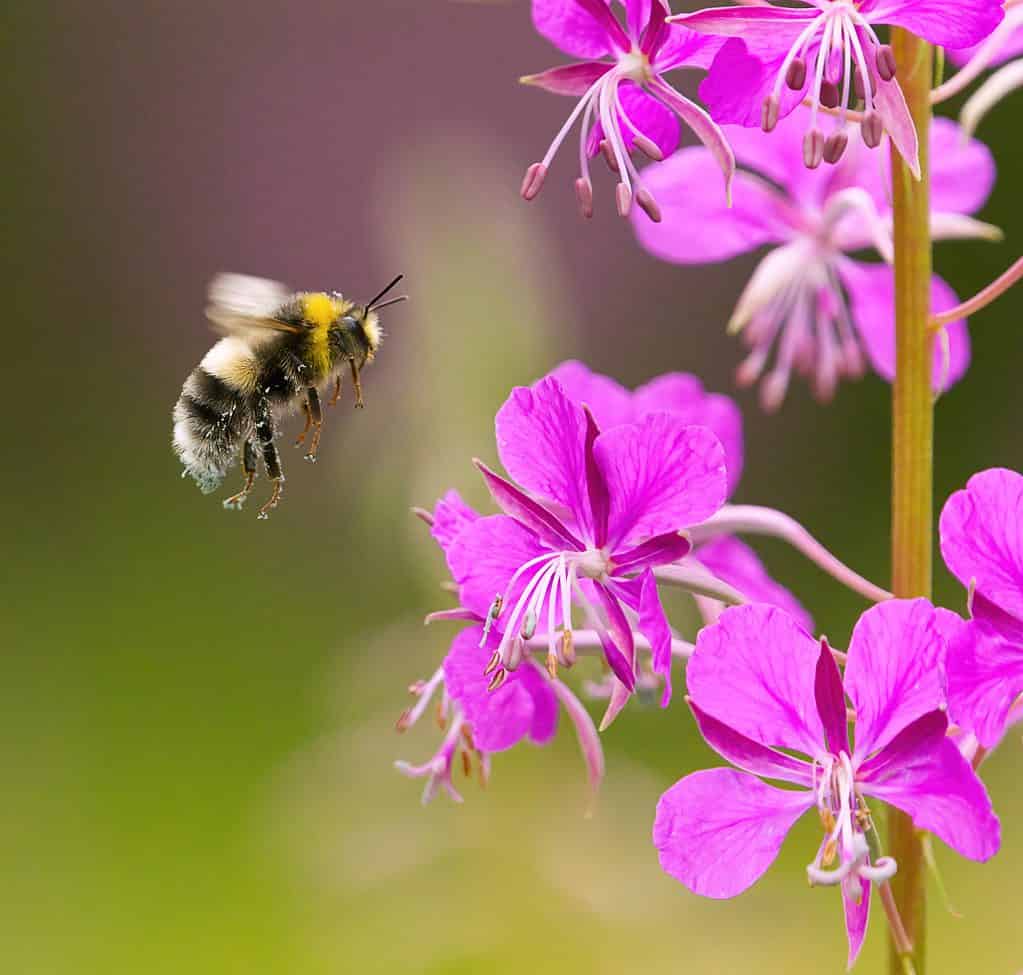
You can help bees in your own backyard.
©Henri_Lehtola/Shutterstock.com
Another way to help the bees is to get your hands dirty and use that green thumb. Numerous resources are available to help gardeners identify which plants are beneficial for their local bee population. Even planting a few pollinator-friendly plants can be helpful for your local bees. Many of these plants, such as bee balm, also attract other beneficial pollinators, including hummingbirds and butterflies.
If you don’t have much of a green thumb, consider creating bee baths. Shallow dishes filled with rocks or pebbles make for the perfect landing spot. These are perfect for tired bees to rest and also have a drink on hot days. You can also build bee hotels or bumblebee nests, which provide shelter from the elements.