
Quick Take
- Poaching gets all the headlines, but something far more mundane is wiping out Kenya's last giant pangolins at a far greater rate. Beyond poaching threats →
- With fewer than 30 giant pangolins left in Kenya, one local farmer's unexpected change of heart may be the species' best hope for survival. Kenya's dwindling population →
- A woodland that seemed secure one month can vanish in under a week, and tagged pangolins are navigating that chaos every single night. Fences and shrinking habitat →
- Asking landowners to tear down fences was failing, so conservationists tried something else entirely. And it's actually working. Conservation strategies that work →
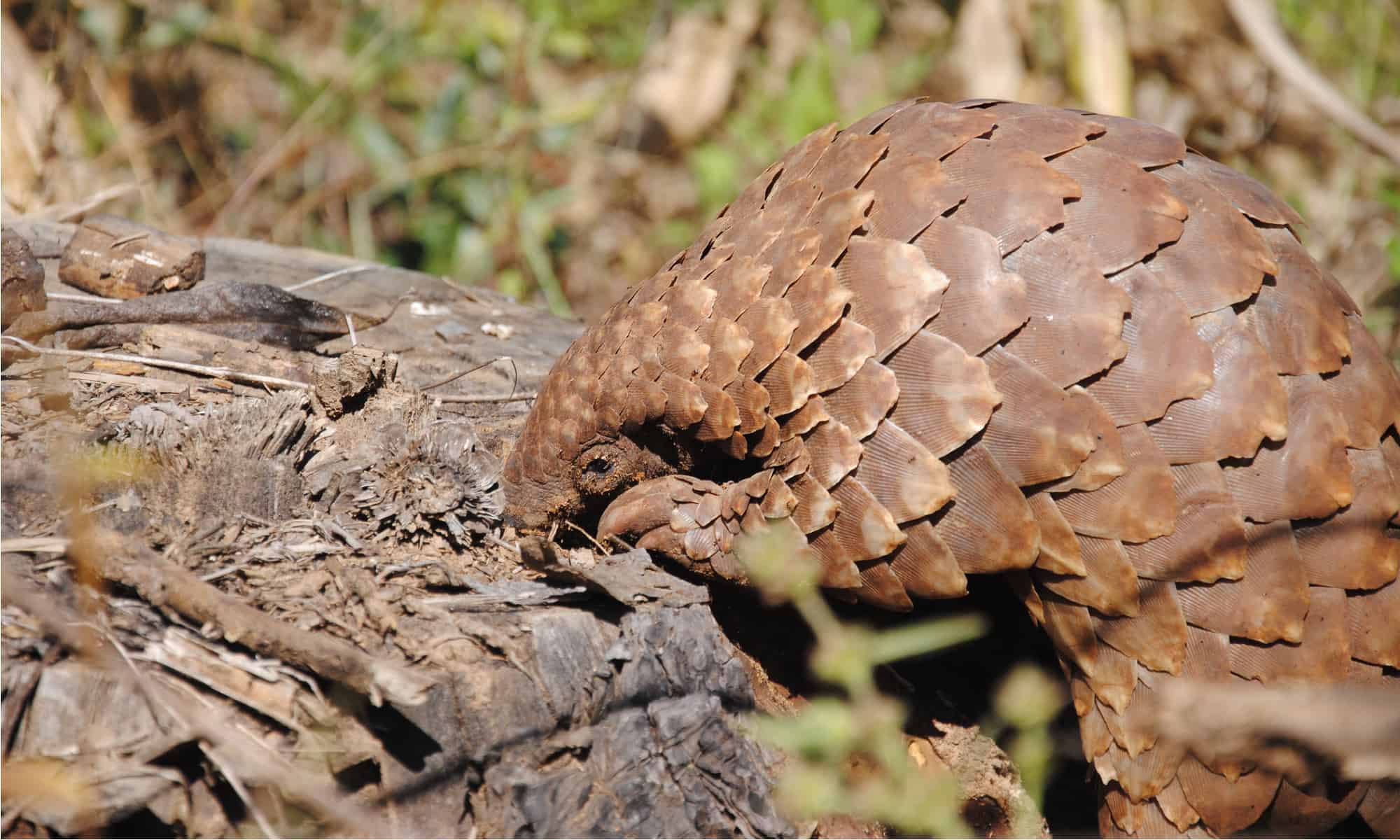
Of all eight pangolin species, the giant pangolin is easily the largest. Historically, the species ranged across parts of West and Central Africa, from regions near the equator to Uganda. As human settlements have expanded and previously wild land has been converted into farmland, however, the giant pangolin’s natural range has been squeezed. In recent years, the situation has become increasingly urgent. Case in point: Naserian, a giant ground pangolin, lived for several years in Kenya’s Nyekweri Forest.
Continue reading
Despite being equipped with a GPS tracker and a team of researchers watching her every move, nothing could prevent Naserian from falling victim to an electrified fence. In places like Kenya, an increasing amount of farmland and development has overtaken once-wild land, creating clear boundaries for human beings but putting vulnerable creatures like giant pangolins at risk. The species is already endangered, and its remaining populations continue to decline. In fact, since 2022, 15 giant pangolins have died in the area around Kenya’s Maasai Mara National Reserve. Fourteen of those deaths were caused by electrocution from electric fences. Read on to learn more about the giant pangolin and why electric fences pose a greater risk of extinction than even poaching.
The Giant Pangolin
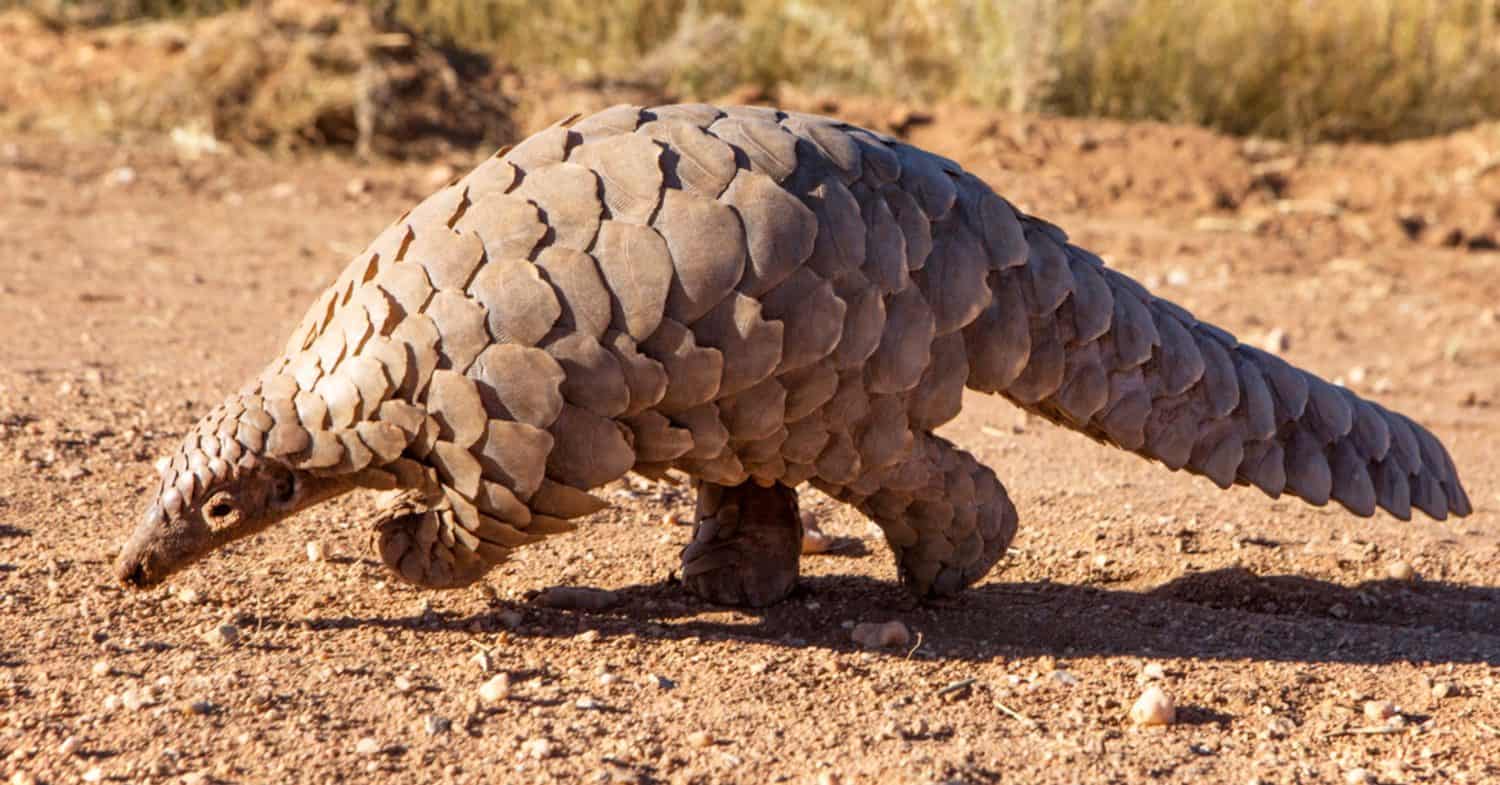
This species is endangered, and its population is increasingly threatened by electric fences in places like Kenya.
©TRANDUYLONG/Shutterstock.com
The giant pangolin (Smutsia gigantea) is the largest living species of pangolin within the genus Smutsia. Males grow to between 54 and 71 inches in length, and females are slightly smaller, reaching approximately 44 to 54 inches. An ancient-looking species, giant pangolins have bodies covered in reddish-brown scales, long snouts, large claws, and bulky tails.
In its native western Africa, the giant pangolin inhabits lower-altitude habitats like savannahs, forests, and rainforests. Nocturnal and insectivorous, the giant pangolin lacks teeth and the ability to chew. Instead, it slurps up thousands of ants and termites by ripping open nests and anthills. While Asian pangolin species walk on four legs, the giant pangolin and other larger African pangolins walk bipedally, balancing on their hind legs with their front legs and tail held in the air as a counterbalance.
Due to its remarkable form, the use of its body parts in some traditional-medicine practices, and the fact that its meat is considered a delicacy in some places, the giant pangolin is one of the most trafficked animals in the world. In recent years, in places like Kenya, however, a new threat has emerged for the giant pangolin: electric fences.
Changing Landscape
Kenya’s only known giant pangolin population resides in Nyekweri, but it isn’t the safest place for them. Since 2022, researchers have recorded 15 deaths in the area, including 14 by electrocution on electric fences. With fewer than 30 believed to remain in Kenya, every death carries outsized consequences. The Nyekweri forest was once part of a larger, interconnected habitat. Month after month, ancient lands are subdivided into privately owned parcels for timber, charcoal, and other purposes. Wildlife pathways long used by creatures like giant pangolins now cross multiple property lines, many marked with electric fences.
As Michael Koskei, The Pangolin Project’s conservation monitoring and data manager, told Mongabay, things are moving too fast for animals to adapt. He said, “A woodland block that seemed secure just a few months earlier can disappear within a week. Trees are cut, charcoal is burned, land is subdivided among heirs, and fencing follows almost immediately.”
The Pangolin Project’s tracking data has brought that reality into sharp focus. Night after night, tagged pangolins are seen crossing multiple privately owned properties, navigating a landscape crisscrossed by roughly 268 kilometers (167 miles) of electrified fencing.
Good Fences, Good Neighbors
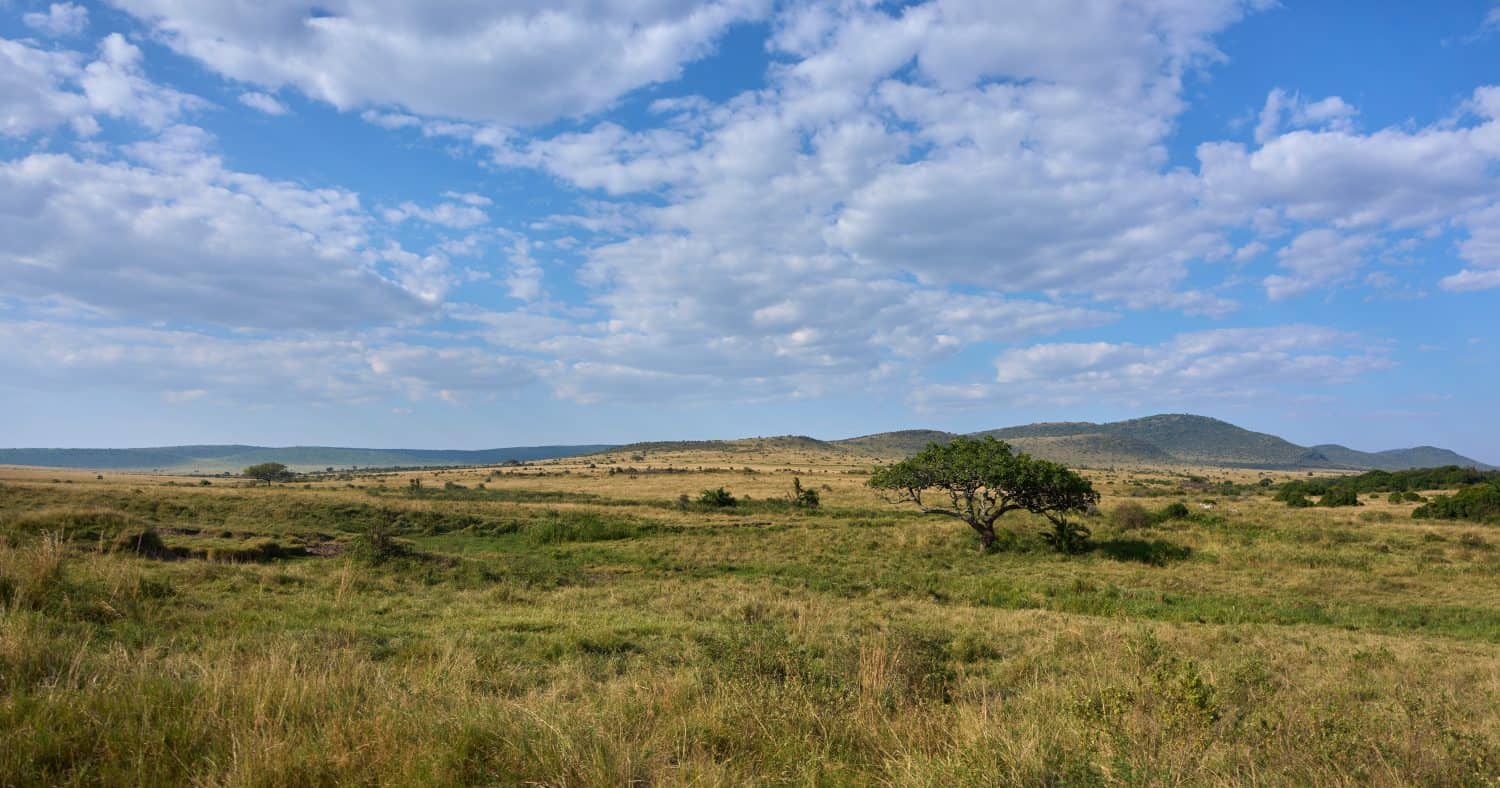
Various incentives have helped place 14,800 acres under conservation easements in areas surrounding Kenya’s Maasai Mara Reserve.
©Arakawa27/Shutterstock.com
In response to the growing threat faced by pangolins, various organizations have teamed up with nearby farmers to try to make passage through countless private parcels safer. First, however, comes education — helping community members understand that pangolins pose no threat to crops. Instead of asking landowners to do away with fences, conservationists from groups like the Pangolin Project have found more success pursuing mitigation strategies.
Take local farmer Ole Manguyo. Though he’d known about pangolins since childhood, only recently did he learn about their ecological role and how they control termite and ant populations. This newfound knowledge yielded tangible results. Manguyo, who initially planned to fence his entire property, reduced the fencing to areas used for farming and grazing. As he told Mongabay, “Even where I have fenced, I’ve left the lower wires unpowered so pangolins can pass underneath safely.”
Attitudes toward animal conservation are changing, one farm at a time. Incentives help: families in the area are paid to conserve existing forest. This has resulted in over 14,800 acres placed under conservation easements. Moreover, such initiatives protect more creatures than just giant pangolins. As Beryl Makori, chief program officer at the Pangolin Project, explained to Mongabay, “If we lose the remaining forest, we lose much more than pangolins. We lose an entire ecosystem that stores carbon, protects water sources, supports countless other species, and sustains local livelihoods. Protecting pangolins means protecting the forest itself.”