
Quick Take
- Zoo New England undertakes an initiative across Pakistan to protect two at-risk and endangered species living in its mountain ranges.
- The conservation program also focuses on local communities, providing support for sustainable living and coexistence.
- The initiative also gets help from the Pakistan Environment Trust and the Wildlife Conservation and Development Society.
- It aims to restore and preserve land spanning the Himalayas, Hindu Kush, Karakoram, and the Pamir Mountains.
Zoo New England, which consists of the Massachusetts-based Franklin Park and Stone Zoos, has launched a historic conservation program. The goal is to preserve fragile land not in the U.S., but in northern Pakistan. This region is home to the world’s most well-known mountain ranges, which shelter delicate ecosystems in need of protection.
The conservation program also protects several threatened species, covering an enormous area in an effort to improve their chances of survival. If successful, Zoo New England could make history by helping to save one of the world’s most diverse landscapes.
What Does the Pakistan Conservation Program Protect?
More than 3,860 miles are protected under Zoo New England’s new conservation plan. This includes iconic ranges such as the Himalayas, Hindu Kush, Karakoram, and the Pamir Mountains, which lie between Central and South Asia. The project is certainly ambitious, taking on the protection of some mountain summits that reach 20,000 feet or more. However, this also drove the program forward, as these are among the most vulnerable biomes in the world.
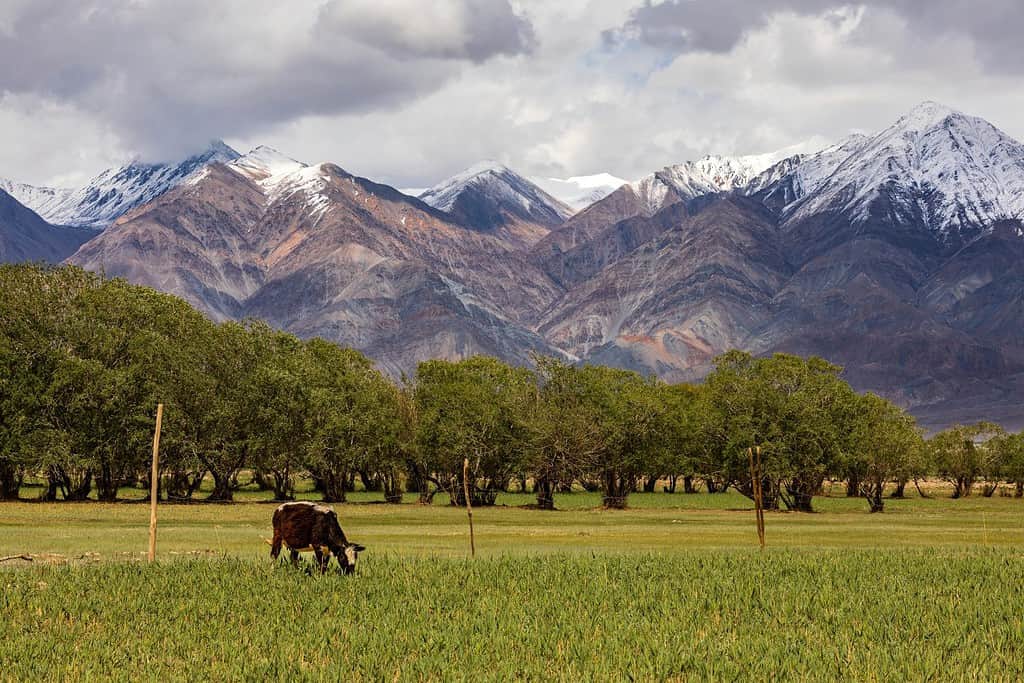
The Pamir Mountains are home to two at-risk species in Pakistan, as well as many rural communities that have learned to coexist with their wildlife.
©YAO DEKANG/Shutterstock.com
With help from the UK-based Darwin Initiative, both the wildlife and the villages of this remote land will get much-needed recognition. By working in tandem, Zoo New England will help protect several long-term residents of the Franklin Park Zoo. More than 100 mountain habitats are included in this, along with more than 20 remote and isolated communities found among them.
Who Does the Pakistan Conservation Program Help?
According to Zoo New England, the project is all hands on deck. With aid from the Pakistan Environment Trust (PET) and the Wildlife Conservation and Development Society (WCDS), 50 local community natural resource organizations and more than 20 multi-community wildlife organizations are slated to be part of a massive collaborative effort. It will pay dividends for the 20 rural communities that have learned to coexist with Pakistan’s wildlife. Through this collaborative engagement, locals will get the protection, support, and resources needed to continue living sustainably alongside animals that also call the region home.

Pakistan’s forests and waterways are home to ecosystems that are vulnerable to human activity and climate change.
©iStock.com/Sarah Naqvi
These co-management efforts aim to help marginalized communities while also preserving the forests and waterways that both humans and animals depend on. Chair of the Darwin Expert Committee, Noëlle Kümpel, says that the inclusive plan also addresses ecosystem and community needs. “These successful projects are of a particularly high caliber, clearly demonstrating both the need for them and the positive impacts they will have on biodiversity conservation and multidimensional poverty reduction on the ground. I’m particularly pleased that they’re increasingly locally led and addressing issues of equity and inclusivity, helping the fund to enable positive outcomes for and by the people most affected,” she says.
Protecting Pakistan’s Endangered Wildlife
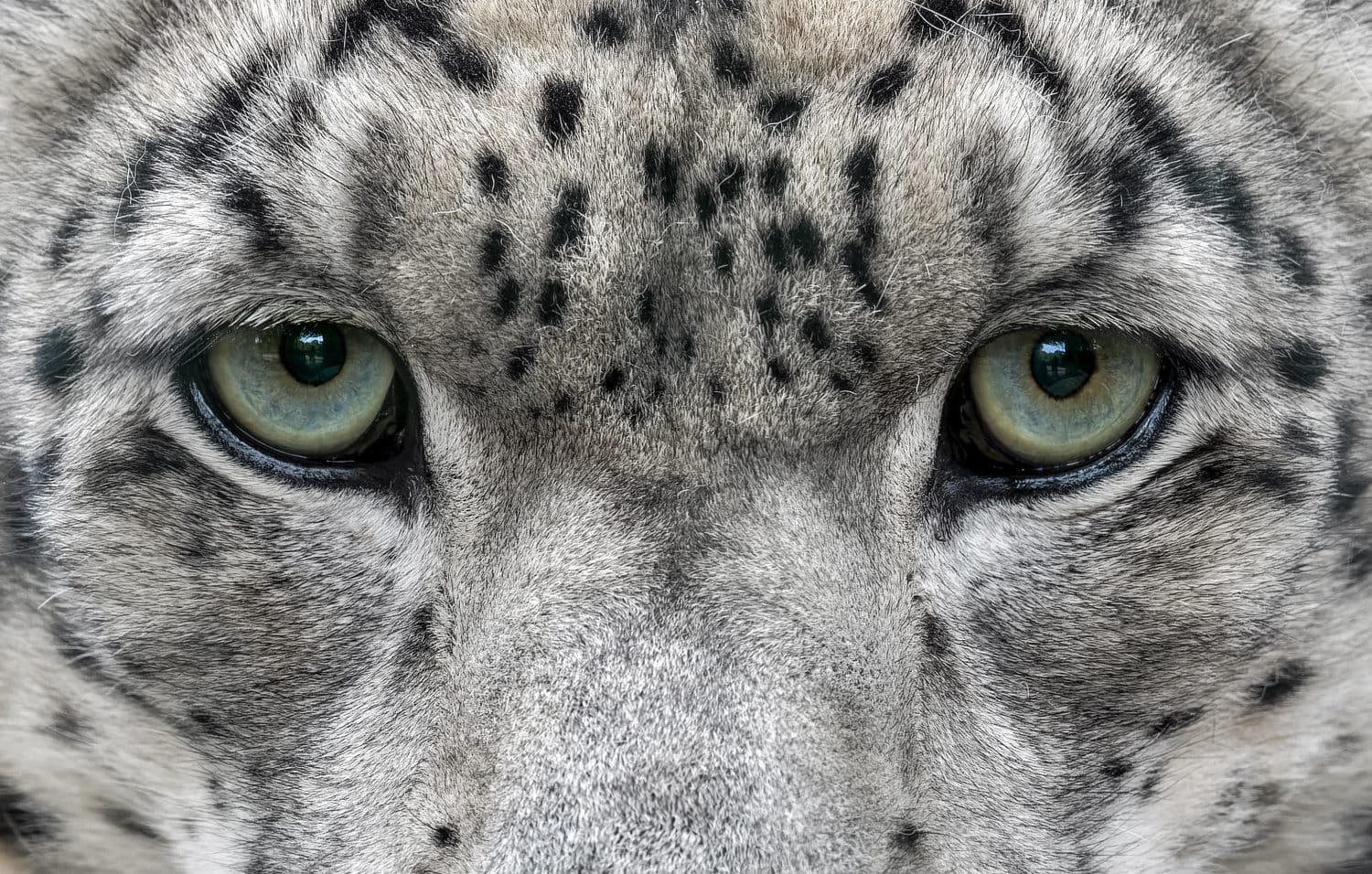
Two key species will also be protected under this new conservation program. The snow leopard (Panthera uncia), also known as “ghost of the mountain,” is highly elusive. It dwells in the high peaks of Himalayan, Hindu Kush, and Karakoram ranges, rarely descending to lower elevations. This makes it challenging to track the species’ status. Recent estimates suggest there are between 167 and 220 snow leopards remaining in Pakistan. However, some sources place the number as high as 250–420. Zoo New England aims to address this endangered status and improve it in the near future. Ongoing threats to the snow leopard include habitat loss, climate change, and unintentional human-animal conflict.
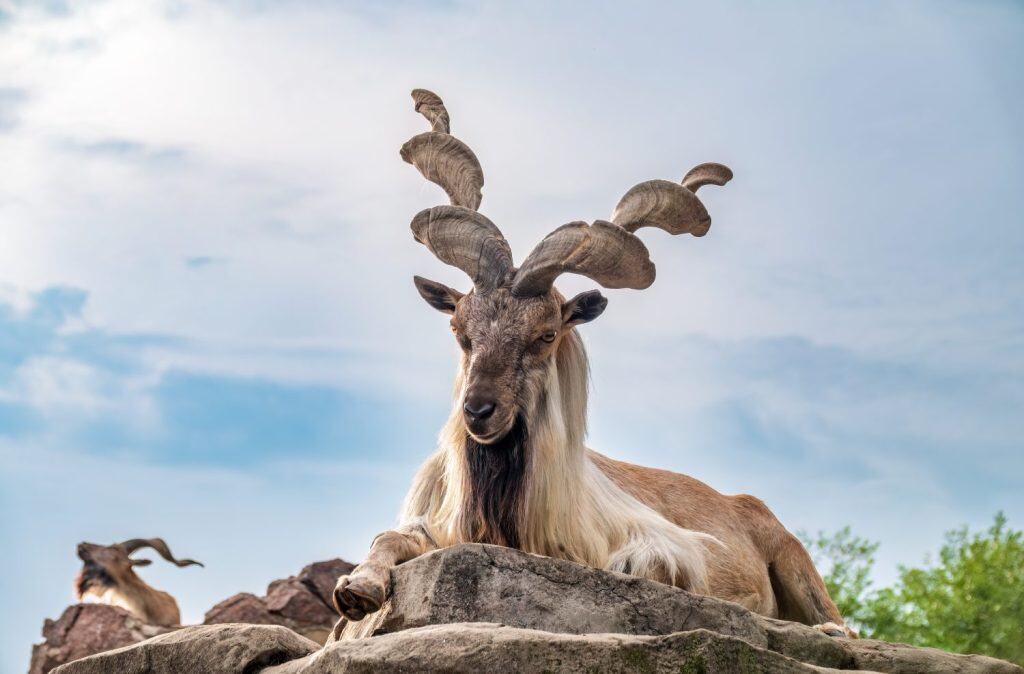
The markhor was once hunted for its iconic spiraling horns, which poachers sold.
©Dark_Side/Shutterstock.com
The markhor (Capra falconeri) lives in the region near Central and South Asia. Similar to the snow leopard, it remains Near Threatened in conservation status. Approximately 5,754 mature individuals exist in the world today, that number affected by climate change and habitat loss. It’s also an elusive species that’s rarely seen outside of Pakistan’s mountain slopes. Early hunting and poaching of the species for its unique spiral-shaped horns also contributed to its declining numbers. While efforts to end this have been mostly successful, Zoo New England’s initiative offers much-needed protection for both endangered species.