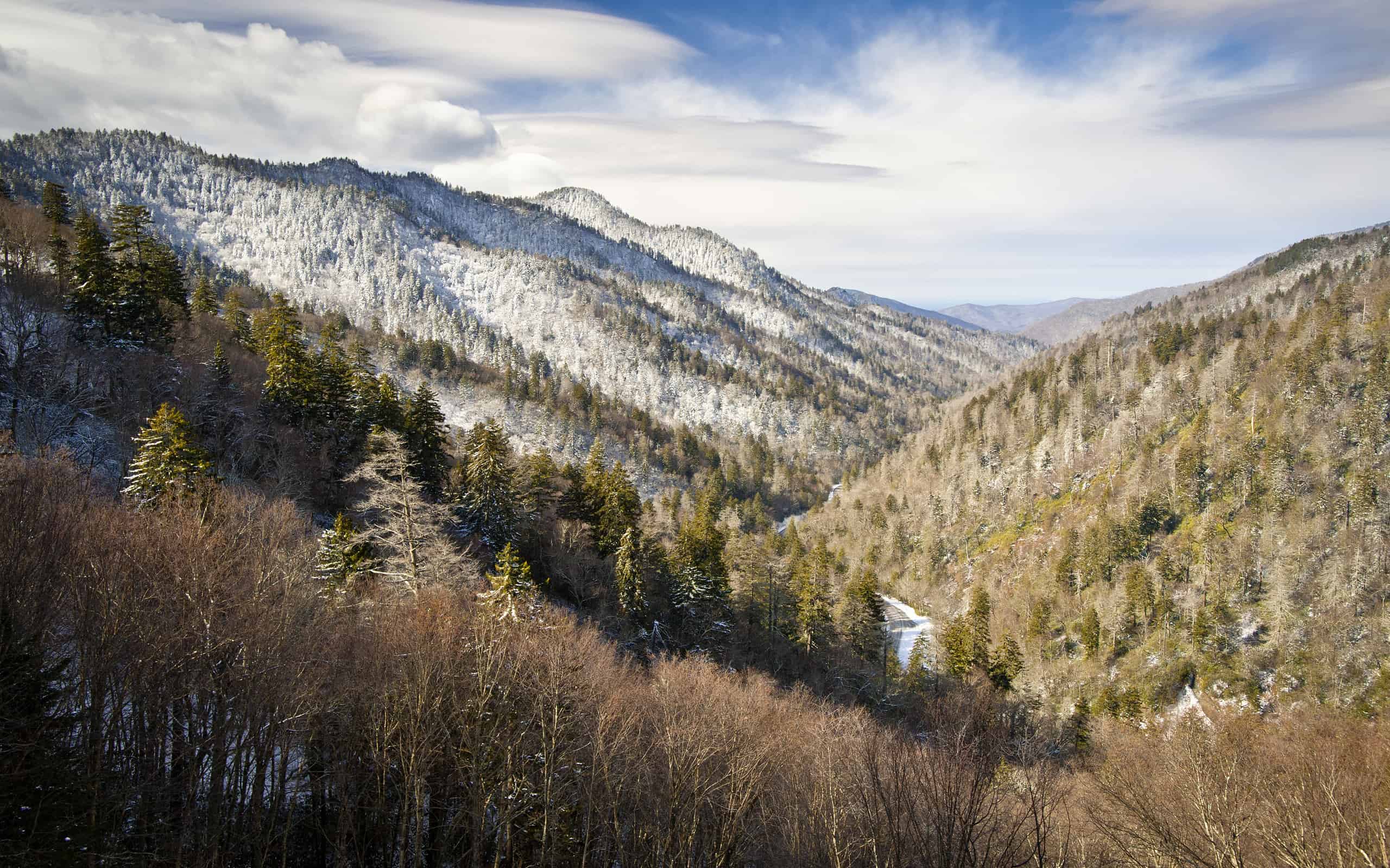

Tennessee’s landscape makes each winter season unique. While some parts of the state rarely see snow, other mountainous regions do. Temperatures range from moderate to freezing, which means the state’s wildlife must adapt to a wide range of winter conditions. This also means any winter survival mode is fair game, from hibernation to remaining active and braving the snow.
Many people continue to visit Tennessee not only for its holiday tourism, but also for its wildlife watching. Some animals choose to curl up in their dens for the winter, while many birds and a few other species leave the state altogether, seeking warmer places until spring arrives. This is how Tennessee’s wildlife navigates the winter season.
The Few That Hibernate
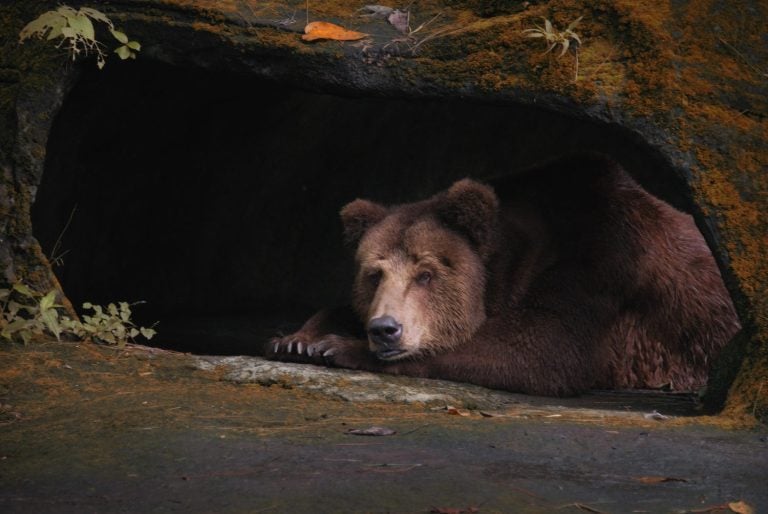
In truth, few animals in Tennessee enter an actual state of hibernation. Black bears enter torpor, which allows them to slow their metabolism and their heart rate down to conserve energy. During this time, they can easily be awakened. If they need to move or leave the den for any reason, torpor allows them to do so without using more effort than necessary. Their fat reserves get them through the winter, so they don’t eat, defecate, or urinate until they emerge in the spring. A black bear’s den can be anything from a hollowed-out tree to an abandoned cave. Before entering torpor, bears pad their dens with soft underbrush, twigs, and moss to provide insulation.
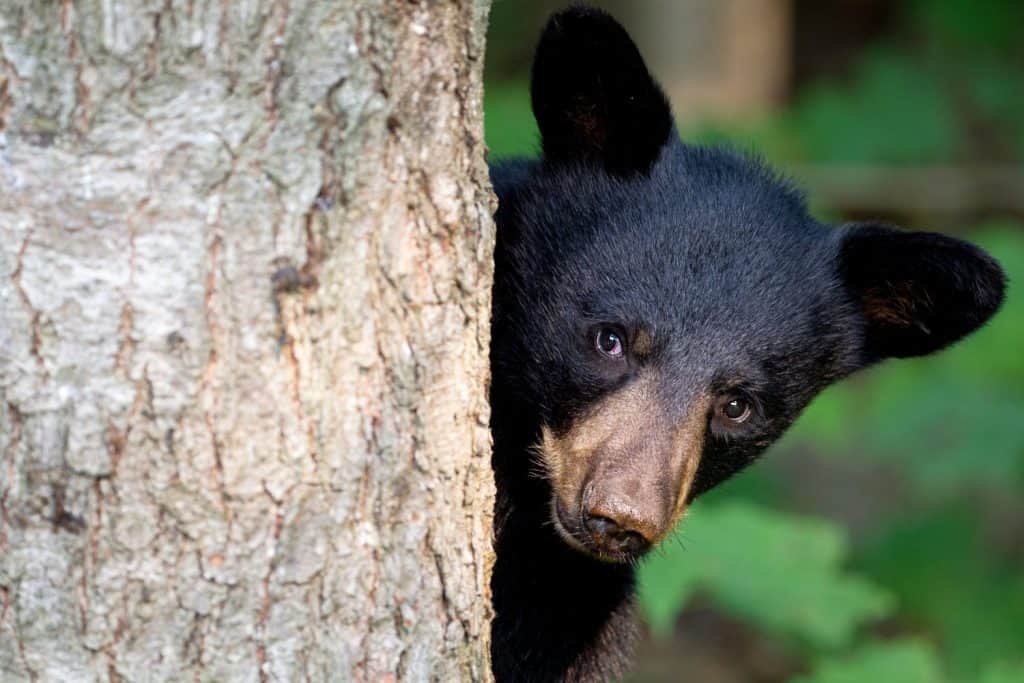
Black bears enter a state of hibernation called torpor.
©Christopher MacDonald/Shutterstock.com
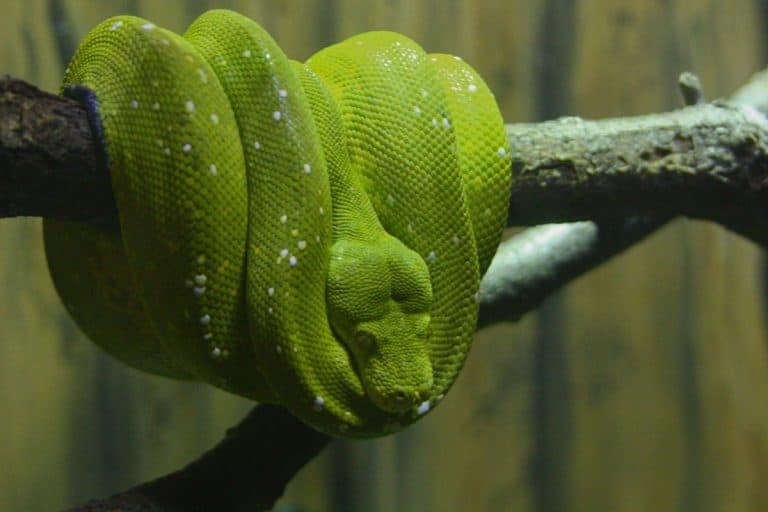
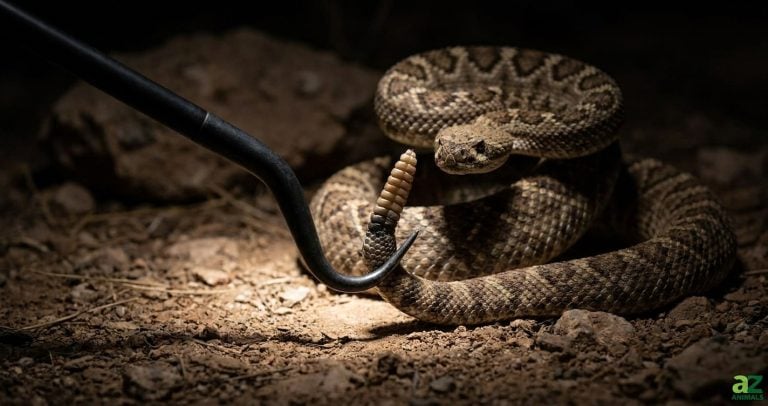
Although Tennessee’s snakes are very different from black bears, they enter a similar state of hibernation. When the weather gets colder, snakes enter brumation. Similar to torpor, they slow their heart rates down, which naturally slows their metabolism. Many species group together in their dens during the winter, which helps them build and conserve body energy. Since snakes are cold-blooded, they typically rely on warmth from the sun to warm their bodies. With this in short supply during the winter, huddling together with other snakes is the best option for survival. The same is true for many amphibians, which do not huddle for warmth but remain alive as their heart rates slow during the winter.
True Hibernators
Some of Tennessee’s mammals, such as woodchucks and bats, do enter full hibernation through the winter. Woodchucks make dens well below the frost line to ensure they’re well-insulated. Then, they fill their dens with brush and twigs to further insulate their temporary nest. When this is finished, they plug the den entrance and tuck in for the winter. These dens keep them well-protected from predators and provide enough warmth even during the coldest seasons.
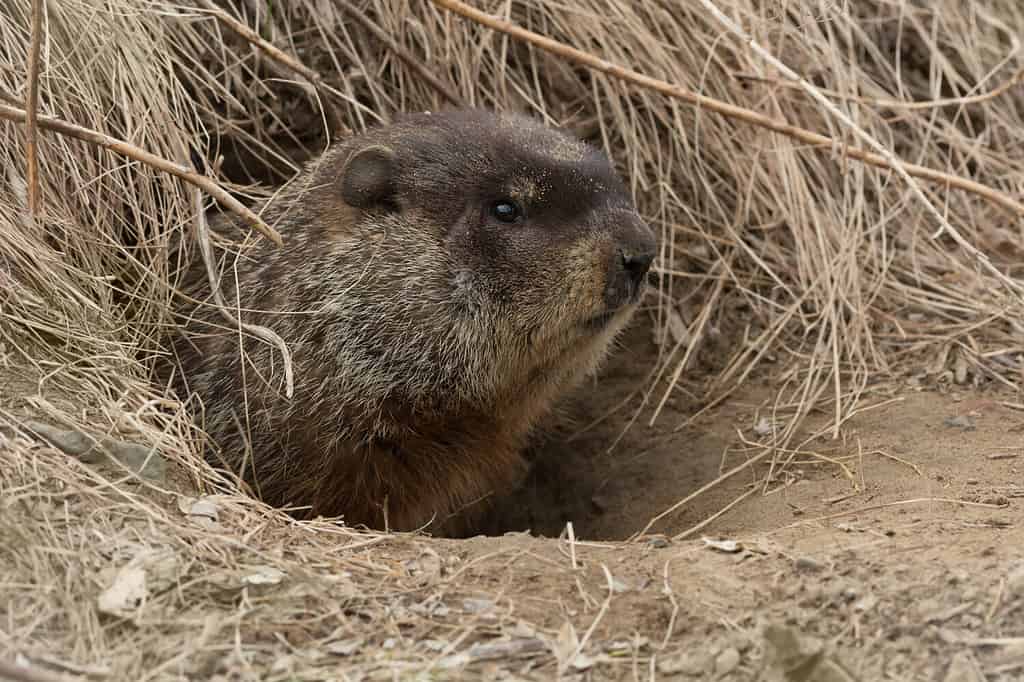
Woodchucks and groundhogs burrow beneath the frost line in the winter.
©Paul Reeves Photography/Shutterstock.com
Bats, on the other hand, hibernate in rock crevices, caves, or sometimes abandoned mines. They require higher humidity than most hibernating animals, and being underground provides that. These spaces, called hibernacula, can be either man-made or natural. Occasionally, some bats, such as the big brown bat, find their way into a home and hibernate in an attic or crawl space. However, most prefer to cozy up in a natural site.
Those That Migrate Further South
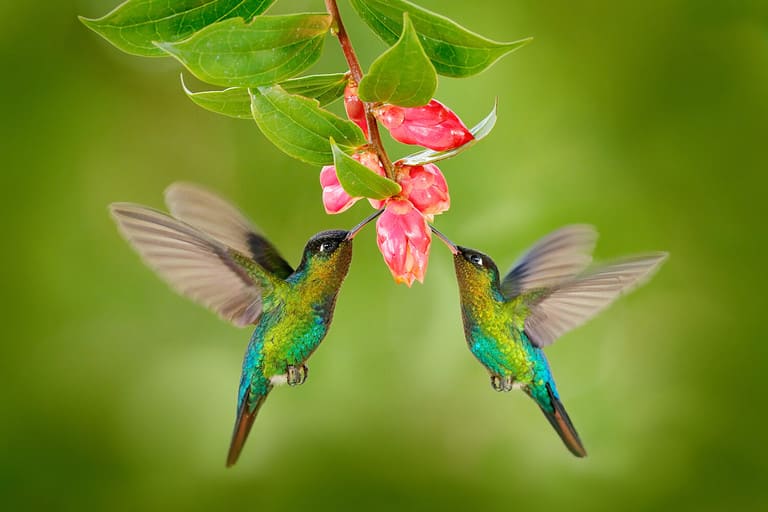
Migration is a fascinating process in Tennessee: while some migrate further south, others are moving to the state. This primarily applies to birds, which either weather out the winter or fly south to warmer temperatures. The ruby-throated hummingbird is one bird that avoids overwintering in Tennessee. During the fall, many fly to Mexico, while some migrate even further to South America. In contrast, some birds, such as the Carolina chickadee, northern cardinal, Carolina wren, dark-eyed junco, eastern bluebird, and downy woodpecker, remain in Tennessee year-round.
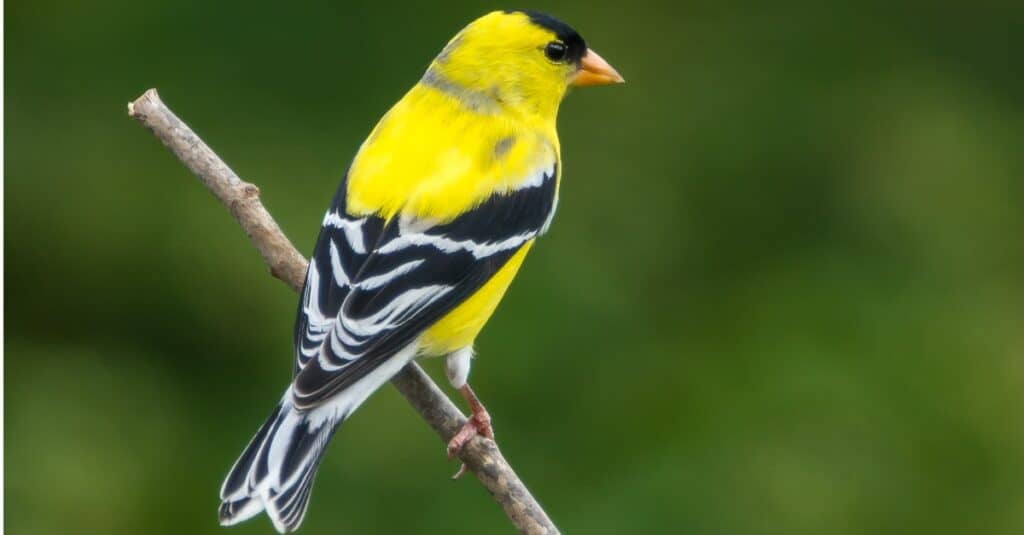
The American goldfinch is native to Tennessee, but some northern birds also migrate south during the winter.
©iStock.com/impr2003
While these birds prepare to hunker down for the winter, others are just getting started on their journeys. The American goldfinch, American robin, and evening grosbeak sometimes migrate to Tennessee once the season changes. For these birds, Tennessee’s milder winters provide much-needed warmth compared to the Northeast. Not all robins and goldfinches migrate south, but many prefer warmer temperatures over snowy days. Additionally, evening grosbeaks are irregular winter visitors to Tennessee. They appear mainly during irruption years when food is scarce further north.
Animals That Brave the Winter
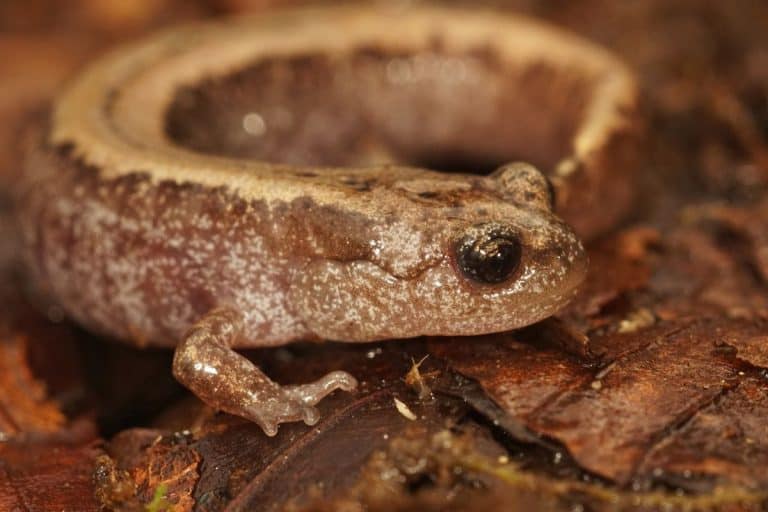
There are a surprising number of animals that remain fully active during Tennessee’s winters. One of these is the salamander. The Southern Appalachians are called the “Salamander Capital of the World” for good reason. Even during winter, these tiny amphibians can be seen skirting across snowbanks, heading toward warm underbrush. They don’t hibernate when the season changes; instead, salamanders take advantage of the quiet season to mate, forage for food, and rest.
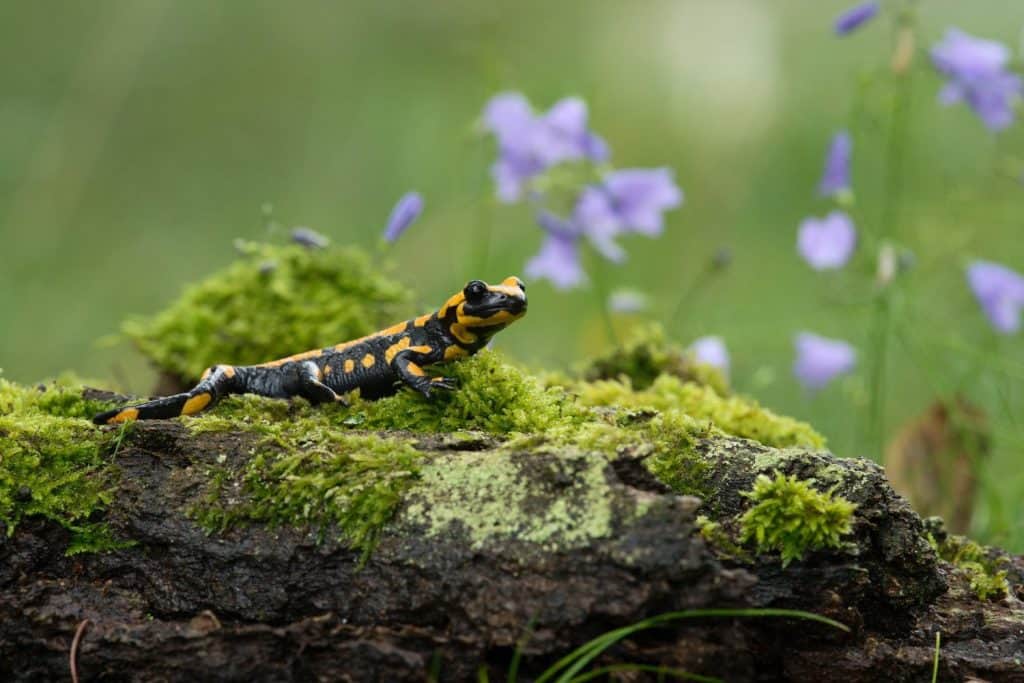
Salamanders are surprisingly adept at surviving Tennessee’s winters.
©Miroslav Srb/Shutterstock.com
Joining these speedy salamanders are white-tailed deer and elk. Both of these large mammals remain active through the winter, bedding down in warm underbrush as temperatures drop. While food can be scarce in the winter, they resort to tree bark and dried grass when berries and fresh fruit can’t be found. Wild turkeys are another animal that is commonly spotted during the winter. While hunting them for sport is popular around Thanksgiving, they’re often seen waddling through dense woodlands in search of vegetation.
Small Mammals
Red and gray foxes don’t just survive the winter—they thrive in it. Red foxes, specifically, can often be found bounding through snowbanks in search of prey. As omnivores, they eat both vegetation and small mammals, including rodents. Hunting becomes more challenging during the winter as rodents burrow underground, but the foxes don’t seem to mind. Gray foxes are excellent tree-climbers, which allows easy access to vegetation that grows high up off the ground.
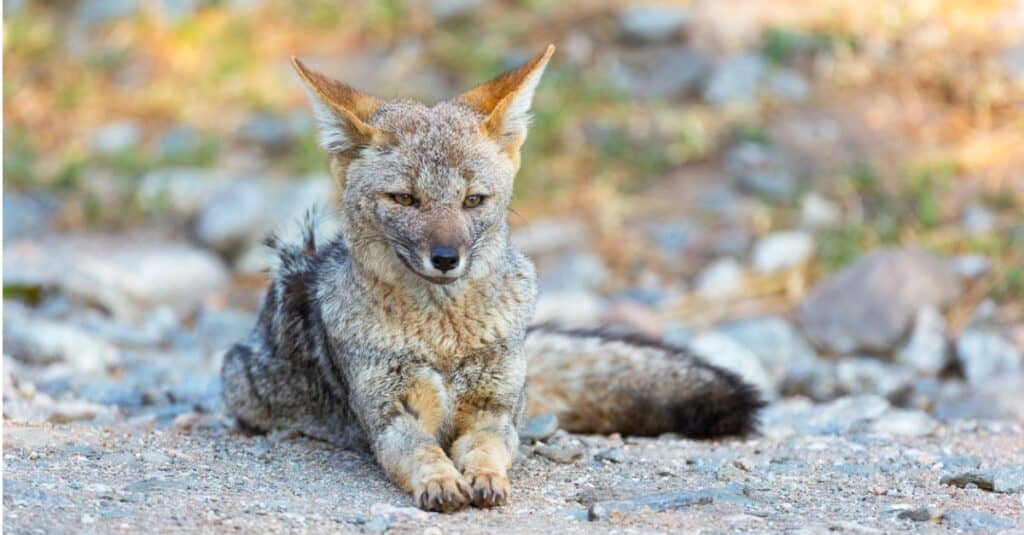
The gray fox is typically elusive but can sometimes be found climbing trees.
©iStock.com/pablo_rodriguez_merkel
River otters are another species that thrive during the winter. When the temperatures drop outside, they thoroughly enjoy swimming in chilly water. They are often found splashing in rivers and low-elevation waterfalls in the Smokies, much to the delight of winter hikers. Currents prevent these waterways from freezing completely, ensuring a steady food source throughout the winter months.