
Honeybees are incredibly intriguing, hardworking creatures that greatly contribute to our environment. From pollinating plants to promoting biodiversity, these insects are crucial parts of a healthy ecosystem. Without them, foods like fruits, vegetables, and nuts would be far less accessible.
However, the honeybee’s unique job is not simple.
“Creating just one jar of honey takes an enormous amount of resources from both the bees and the flowers from which they collect the needed nectar for its formulation,” says David M. Burrows, founder of Arkearth.org, a nonprofit focused on saving pollinating species like bees, butterflies, and bats. “In fact, if we paid all the bees in the hive a minimum wage for the production, every jar would cost well over $180,000 each!”
Interested in learning more about bees’ natural honey-making abilities? Here’s the step-by-step process of how bees make honey.
Step 1: Collecting the Nectar
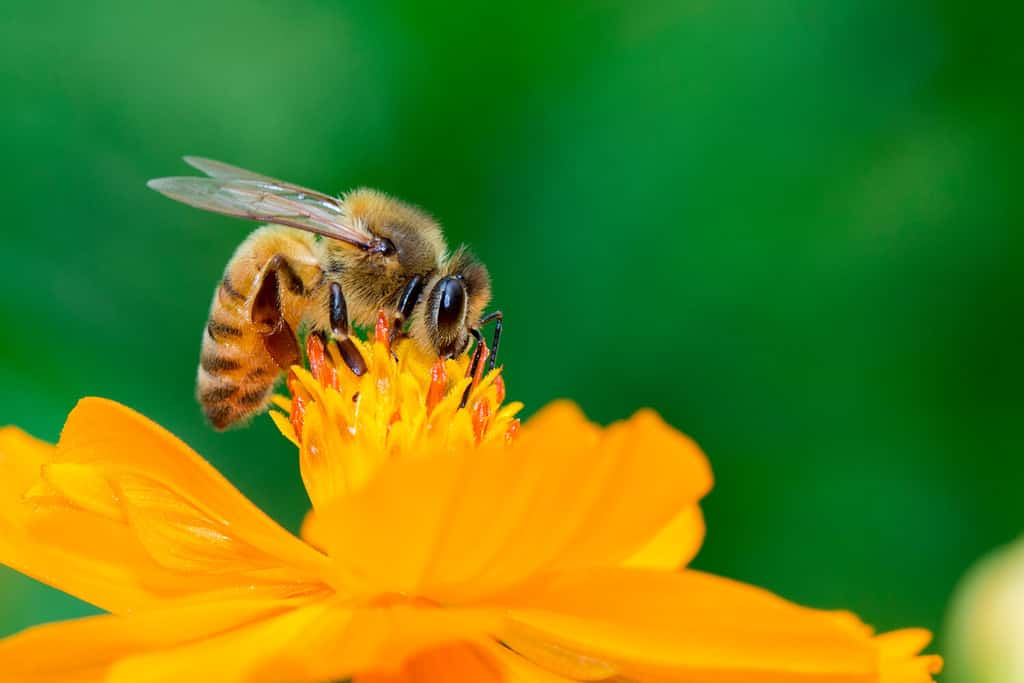
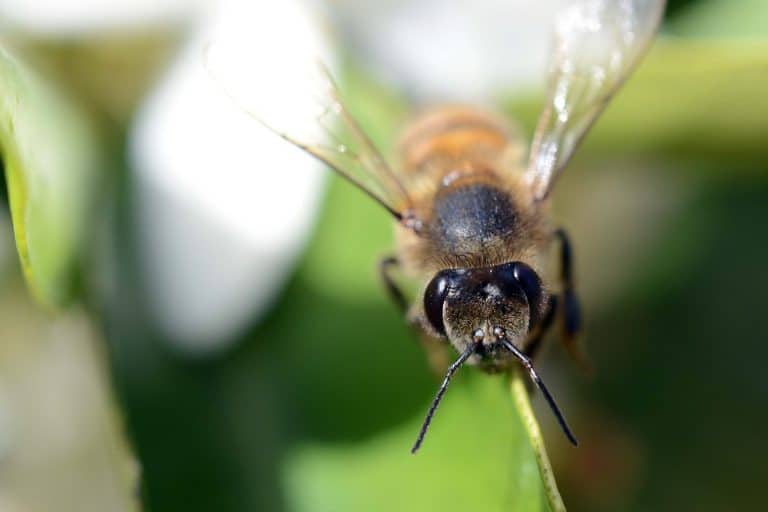
The honeybee uses its long tongue, or proboscis, to suck honey from plants.
©yod 67/Shutterstock.com
Most flowers produce nectar, a sugary liquid that attracts pollinating insects to the plant. Honeybees are a prime target for this sweet substance.
“These bees collect nectar from flowering plants, such as clover, orange blossom, or sage,” says Dustin Livermore, vice president of quality and supply chain at Sioux Honey Association Co-op and long-time hobbyist beekeeper.
“This supersaturated solution contains natural components like fructose, glucose, vitamins, and minerals, making it a nutrient-rich superfood,” Livermore continues. “The type of flower nectar determines the flavor of the honey, and in the U.S., there are more than 300 distinct honey flavors, each coming from a different floral source.”
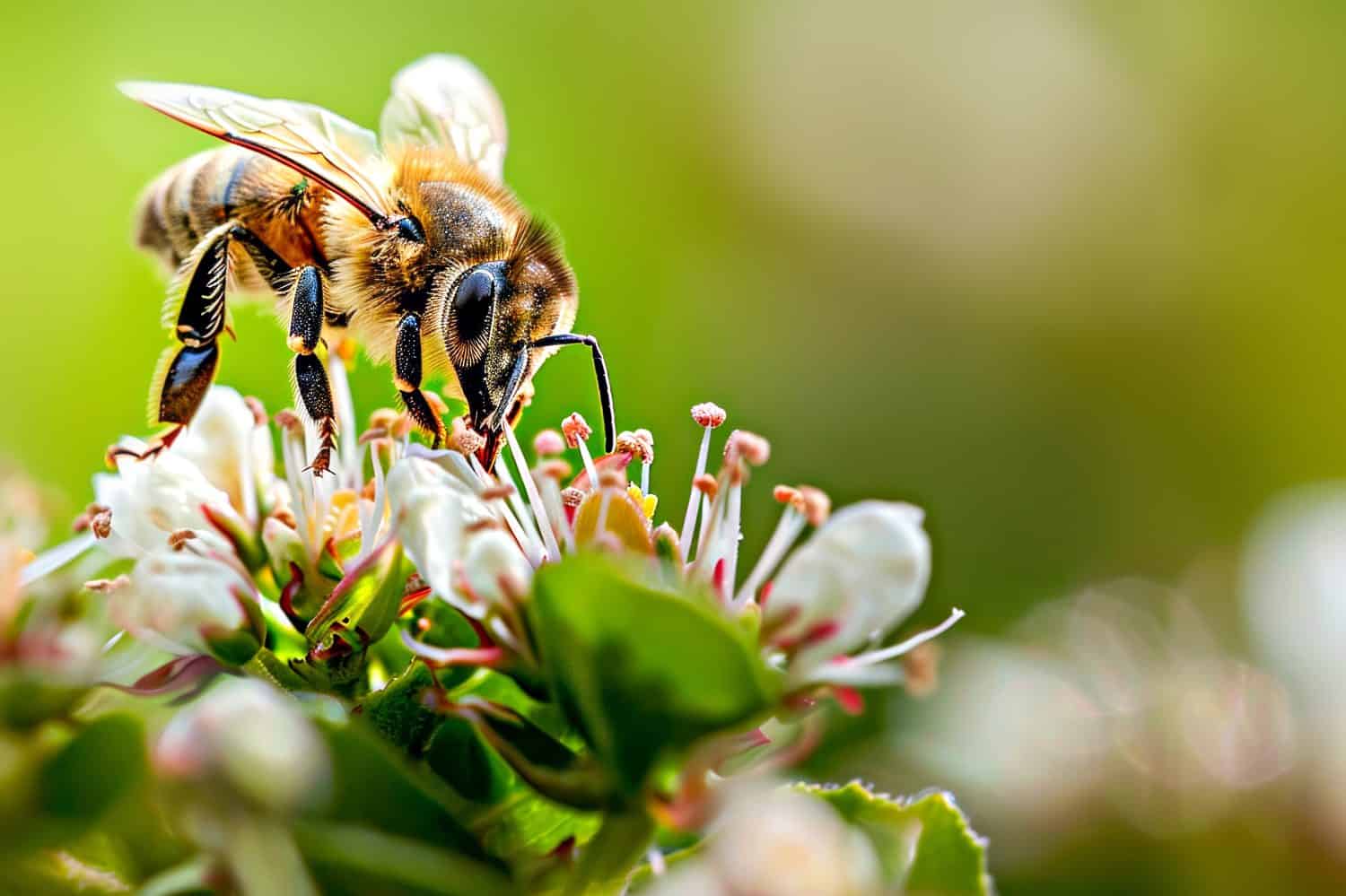
To collect the nectar, bees use their proboscis, which is basically a long, hairy tongue that sucks up the liquid.
“The nectar goes into an internal sac, not the bee’s stomach, where it is stored until she returns to the hive,” Burrows explains. “She will travel flower to flower — perhaps hundreds — before returning to the hive.”
In these little sacs, enzymes begin to break down the complex sugars of the nectar into smaller ones.
Step 2: Transporting the Nectar Back to the Hive
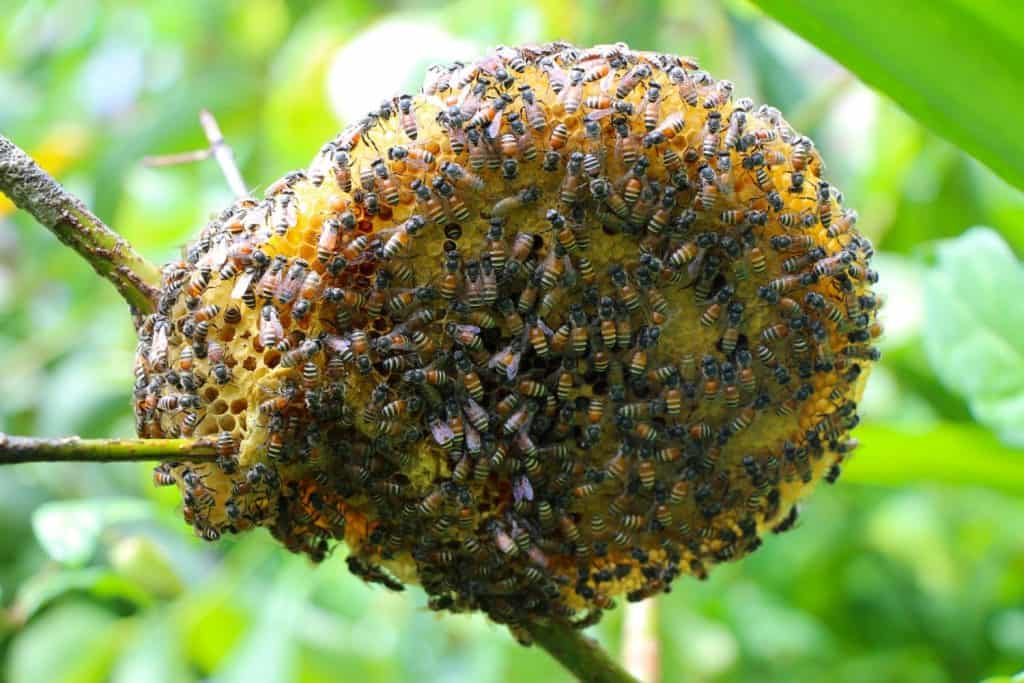
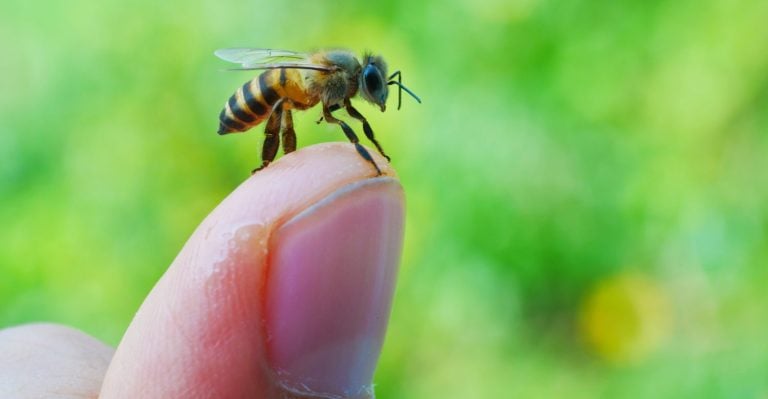
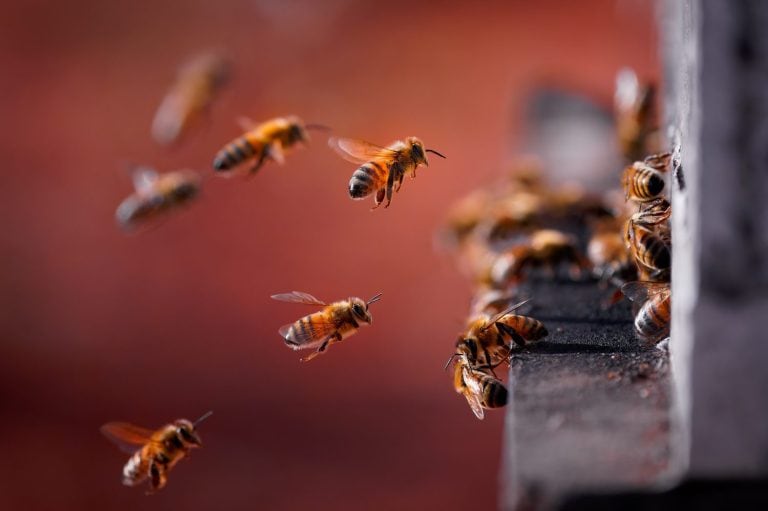
Bees will return to their hives with nectar.
©Lakshan LG/Shutterstock.com
Once the forager bee has filled its honey sac with nectar, it transports the nectar back to the hive and passes it to the house bees. Burrows explains that a full honey sac can weigh up to 90% of the bee’s body weight.
“Once back inside the hive, she will crawl to the section where other bees are building out new comb and wax cells to store the honey,” Burrows says. “Before it can be deposited into a cell, she will pass it back through her proboscis to other bees.”
Essentially, the forager bee regurgitates the nectar into another worker bee’s mouth.
Creating just one jar of honey takes an enormous amount of resources from both the bees and the flowers from which they collect the needed nectar for its formulation.
David M. Burrows, founder of Arkearth.org
Step 3: Processing the Nectar to Make Honey
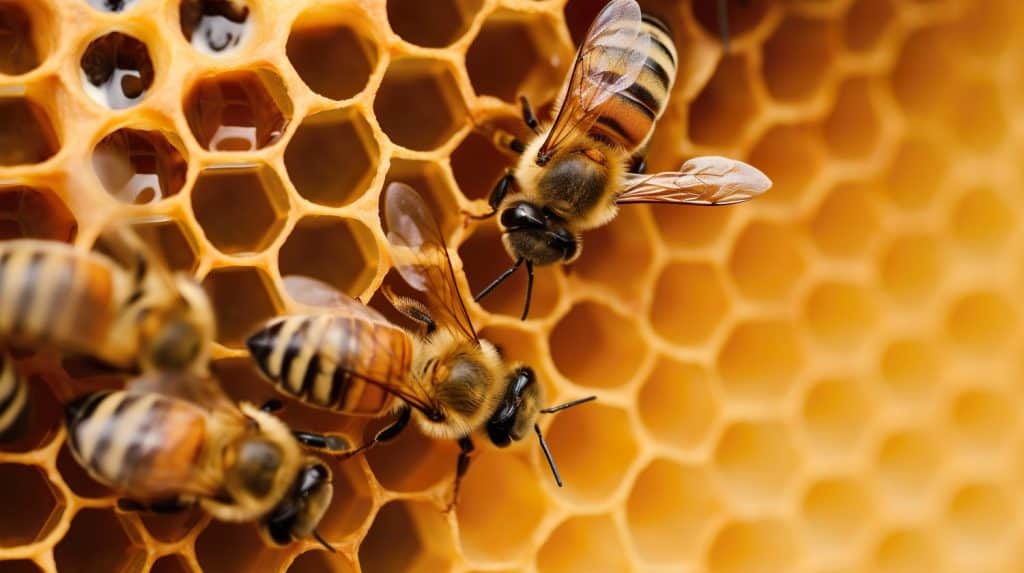
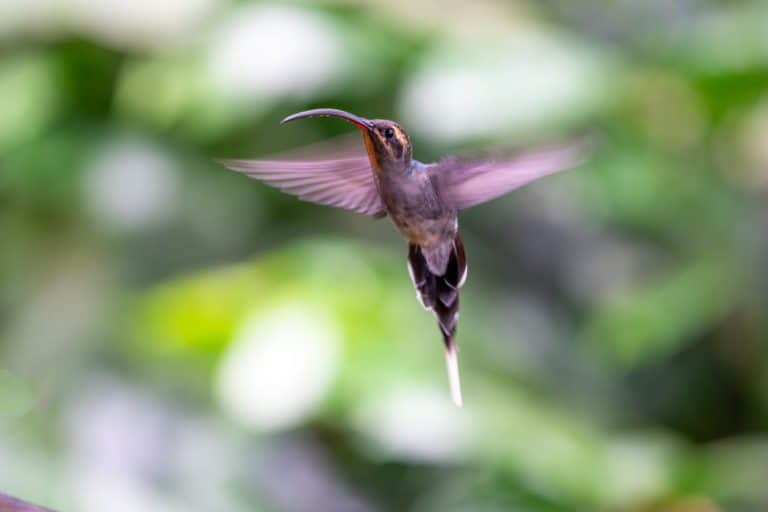
To produce honey, bees will chew on nectar until it reaches the right consistency.
©Tools Konten/Shutterstock.com
According to Livermore, there can be up to 60,000 worker bees in a given hive. These little guys immediately get to processing the nectar, breaking it even further down by chewing it for up to 30 minutes at a time.
“Individually, they mix it with the nectar’s amino acids and sugar along with their own enzymes,” explains Burrows. “This process changes the nectar into a thicker, darker, less watery substance. This solution is packed with even more complex chemistry and nutrients, which is used to feed the bees’ offspring and carry the hive through the coming winter months, when the spring and summer flowers have all but disappeared.”
And thus, honey has formed.
Step 4: Drying and Storing the Honey
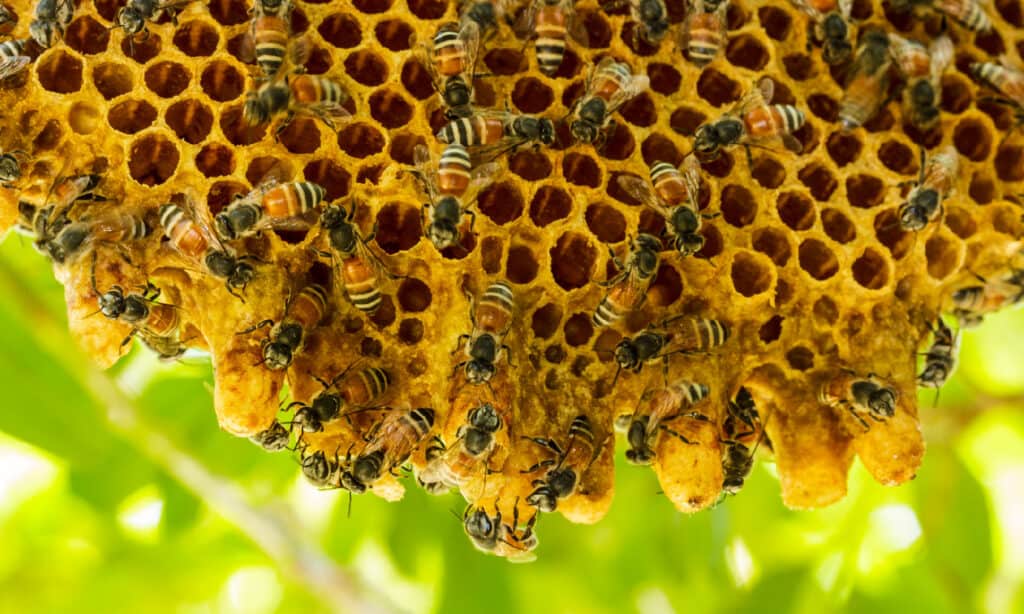
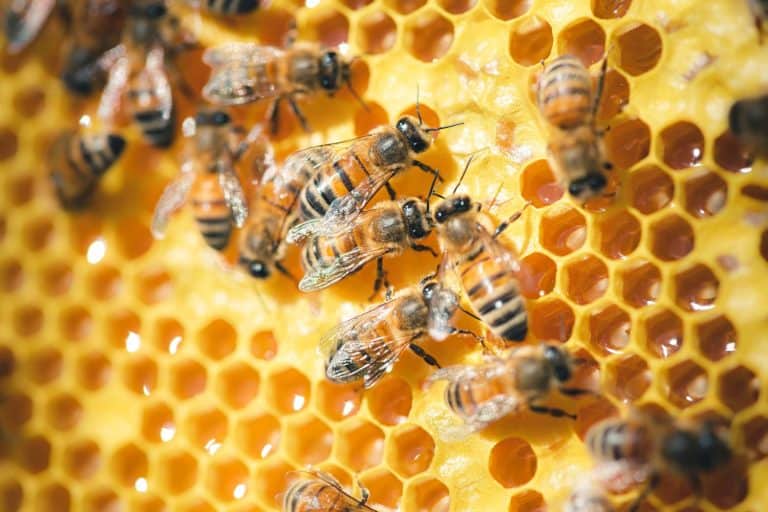
Bees will store honey in their hive’s honeycombs.
©iStock.com/nayneung1
After the bees pass the honey back and forth enough times, it will reach the correct consistency. The bees then dry the honey and store it in the honeycomb cells of their hive.
“The unique hexagonal shape of the honeycombs, combined with the constant fanning of the bees’ wings, helps evaporate water from the nectar, gradually transforming it into a thick, sweet substance we know as honey,” says Livermore.
Repeating the Process

Within a hive, stored and sealed honey can last indefinitely.
©CL-Medien/Shutterstock.com
The honeymaking process is ongoing. Basically, bees live their entire (short) lives hustling and producing honey.
“This process takes place thousands of times a day from thousands of flower sources,” Burrows explains. “Each bee will make the journey from sunrise to sundown for about 40 days before dying and leaving the work to be done by the new hatchlings.”
However, Burrows points out, honey isn’t the only thing bees produce. These insects also make nutrient-rich bee pollen, royal jelly, propolis, beeswax, and bee bread, all of which help keep the colony healthy and safe in their hives.
“Bees are one of the most hygienic creatures, constantly cleaning their home to keep bacteria and viruses away from their various food supplies,” says Burrows.
“The hive is the center where honey continues to develop and be stored,” Livermore adds. “Bees produce honey primarily to sustain their colonies, and on average, a hive generates about 80 pounds of surplus honey each year.”