
Quick Take
- The cobra’s tongue is primarily chemosensory, not used for lapping while drinking.
- Snakes have sponge-like mouths that allow them to collect water before using their muscles to force it down their throats.
- Most snakes, including cobras, drink this way; however, rattlesnakes and select other species drink in slightly different ways.
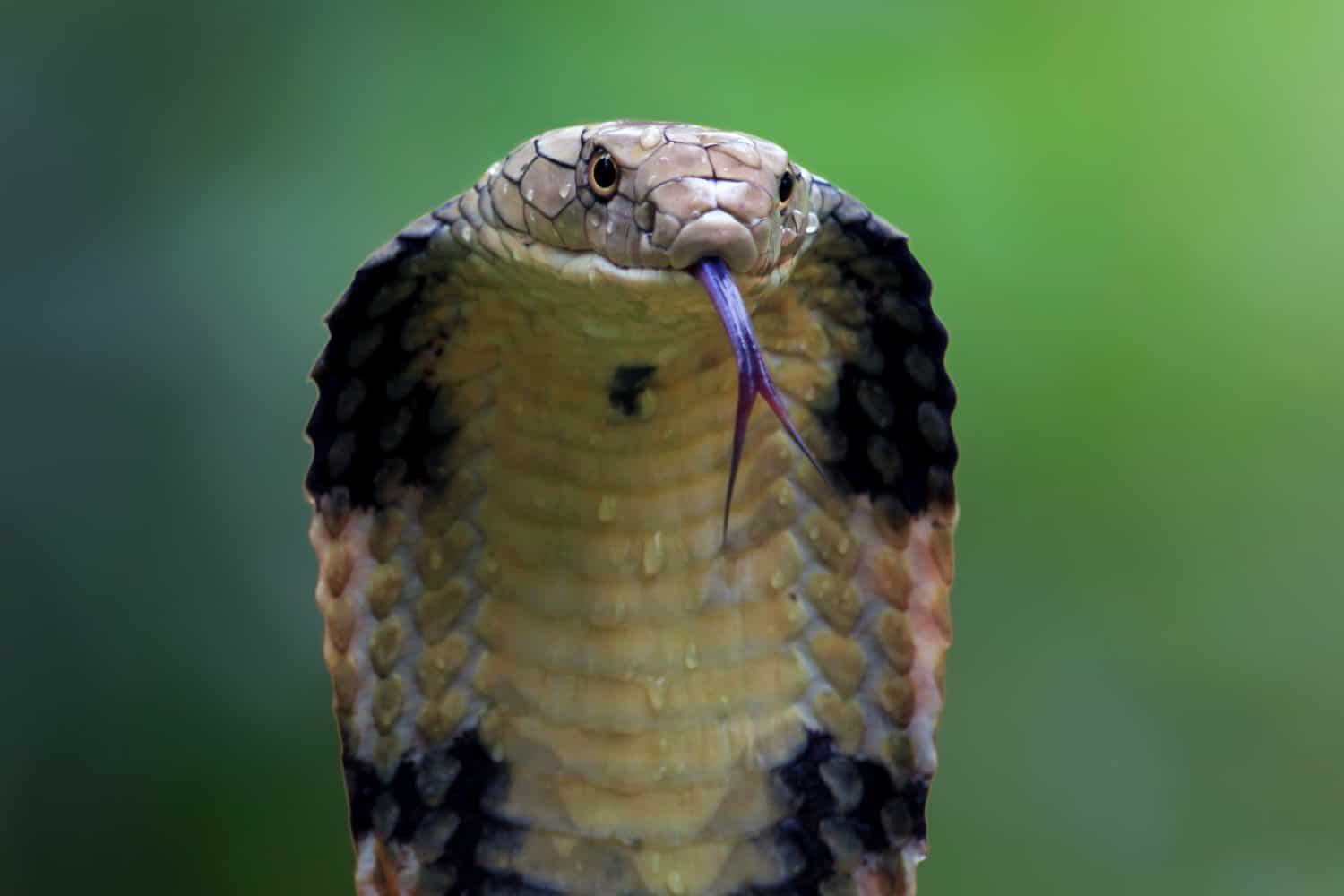
After viewing this short Instagram reel of a king cobra calmly drinking from a bowl of water, you might wonder how snakes actually drink. The cobra simply places its mouth in the vessel and appears to sip, all without lapping or moving its tongue, its cheeks appearing to swell before it swallows.
For many viewers, this video raises a natural question: without lips or a larger tongue, how does a cobra actually drink? That’s the question we’re here to answer today, speaking not only on cobras, but nearly all snakes. How do they take in the water that helps them survive, and how does this unique process work?
Research shows that the answer is very different from what most people imagine. In this article, we’ll identify snake species that drink differently from their peers and all the ways they manage to consume water. Sit back, grab a drink, and learn all about how cobras stay hydrated!
Why Is Drinking Water a Challenge for Snakes?
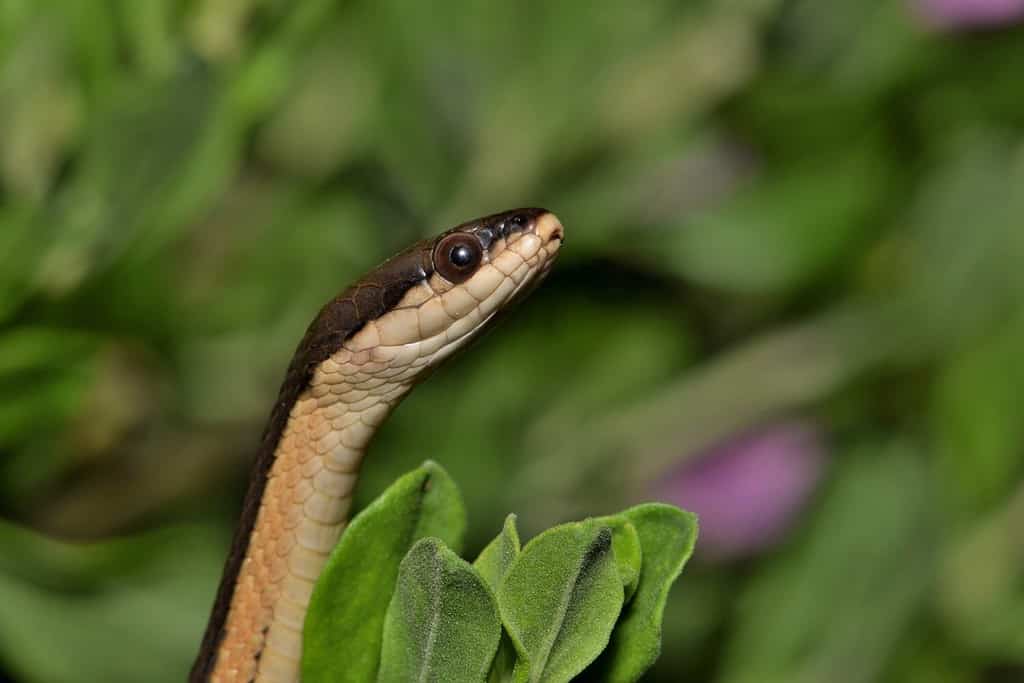
Snakes don’t drink water like other animals, given their unique bodies.
©Brett Hondow/Shutterstock.com
It isn’t easy for snakes to drink water, which may seem like poor evolution. Indeed, snakes face at least two design problems when they drink. They don’t have lips or cheeks, features that help to form a tight seal and generate suction. Additionally, their forked tongues are too slender, ultimately built for sampling chemicals, not scooping or lapping water.
That makes videos of cobras and other snakes at their water bowls look strangely uneventful or even surreal. From the outside, almost nothing is taking place. There is no lapping, no big gulps to be seen; just a gently bobbing head and maybe a pulsing throat.
The mechanism behind how snakes drink water is found inside their mouths.
Snakes Drinking: All About Buccal Pumps and Sponge Mouths
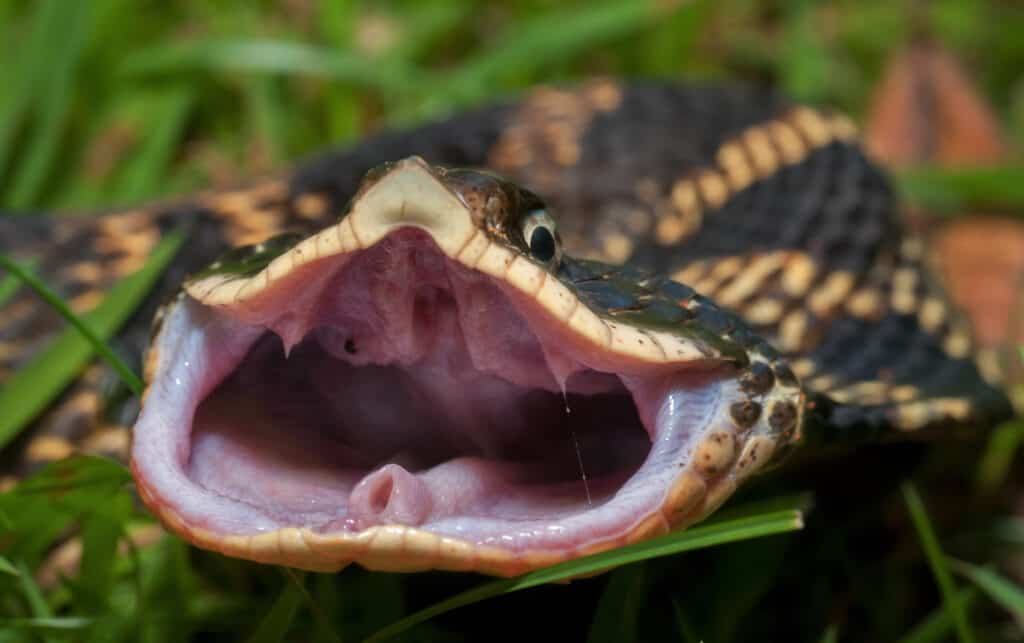
Snakes have unique folds inside their mouths that soak up water.
©Mike Wilhelm/Shutterstock.com
For decades, biologists thought snakes drank using what’s known as a two-phase buccal pump. This initial research essentially demonstrated that certain snakes depress the floor of the mouth and lower jaw to create negative pressure, drawing water into their mouths, then raising their jaws to push the water back toward the throat, much like a straw.
However, later work led by biologist David Cundall at Lehigh University showed that this is only part of the story. In the aforementioned study, Cundall and colleagues reported that many snakes have folds of soft tissue lining the lower jaw and front of the esophagus. These tissue folds behave like a sponge.
When the snake’s mouth is in water, those folds expand and soak up the liquid. Then, muscles in the head and throat squeeze the spongy parts of their mouth and ultimately pump water toward the gut. In other words, a snake’s lower jaw is lined with layers of tissue that fold in on themselves. When relaxed, tiny gaps between those layers act like the pores of a sponge.
But is this how cobras drink water? What process were we witnessing in that Instagram reel?
How Do Cobras Drink?
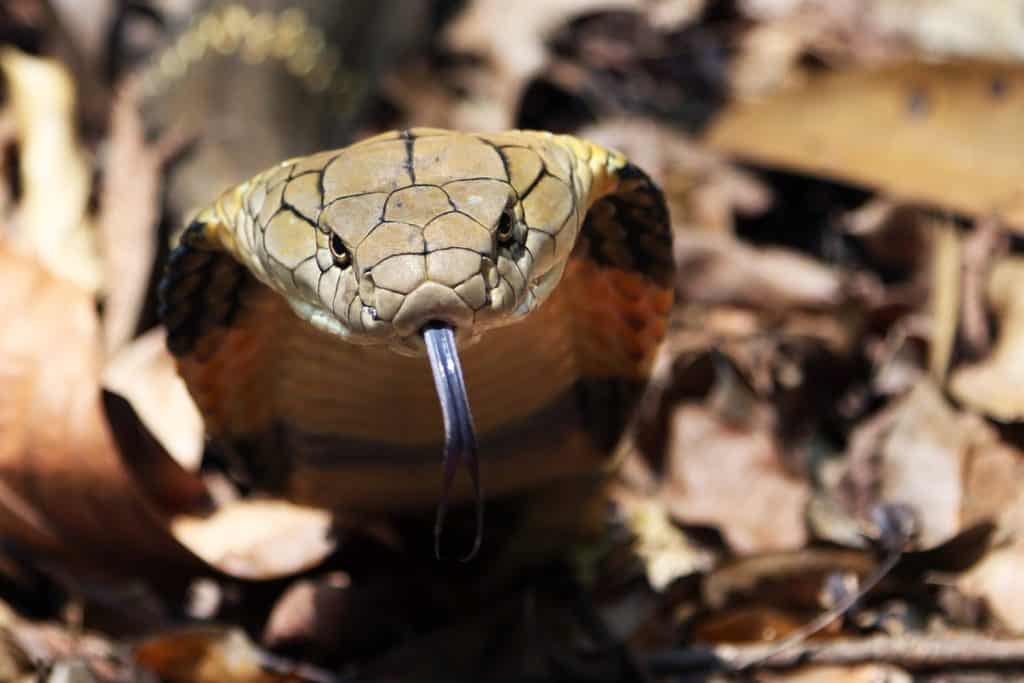
Cobras drink water using their throat muscles and unique, sponge-like mouths.
©Suresh Suryasree/Shutterstock.com
While most detailed drinking experiments have focused on other snake groups, such as boas and colubrids, the basic mouth anatomy of a cobra is similar. They have flexible lower jaws and folds of mucosa along the roof of the mouth and esophagus, which are the same soft tissues that support the sponge mouth theory in other snakes.
Putting this anatomy and observed behavior together, a cobra goes through these steps when it drinks:
- Finding water
Before drinking, a cobra will use its forked tongue to taste chemical cues from the air or ground to confirm that the source they’ve discovered is water. - Positioning at the water source
A cobra will lower its head until the front of its mouth is at or just below the water’s surface. - Filling the mouth
Subtle movements in the cobra’s lower jaw and floor of the mouth will cause the folded tissues to expand slightly. Water flows into the tiny spaces between these folds, just like a sponge. - Pumping water inward
Jaw and throat muscles contract, squeezing the water out of those spongy folds and pushing it toward the esophagus. Swallowing muscles finish the job, carrying the water down to the stomach.
While subtle, cobras undergo a complicated process to simply drink water. Their mouths are specially designed to accomplish this goal, and such an understated method is worth appreciating.
What Is the Cobra’s Tongue Doing?
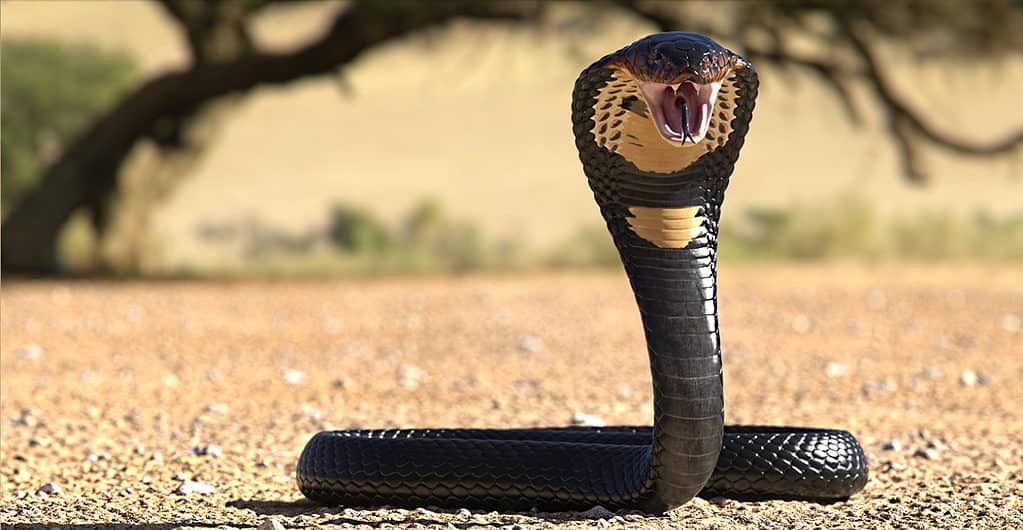
When drinking, a cobra’s tongue is generally retracted and not in use.
©Roberto 33/Shutterstock.com
One detail that confuses many viewers of this particular Instagram reel is the cobra’s tongue. In many snake drinking videos, their tongues may flick before or after the snake drinks, but not while its mouth is pressed to the water. What is it doing during this time?
In reality, a snake’s tongue is mostly a chemosensory tool, not something designed to scoop water into their mouths. Articles on what’s known as reptile chemoreception from Britannica point out that snakes flick their tongues to collect odor particles from air, water, or surfaces, then retract them when they’ve positively identified what they’re interested in smelling.
The forked structure of their tongues also lets snakes smell in stereo, comparing left and right brain signals to work out where an odor is stronger. So, while the tongue helps a cobra find water and assess what’s in it, it generally retracts so that other muscles can take over.
But are there any snakes that drink water differently?
Do All Snakes Drink Water the Same Way?
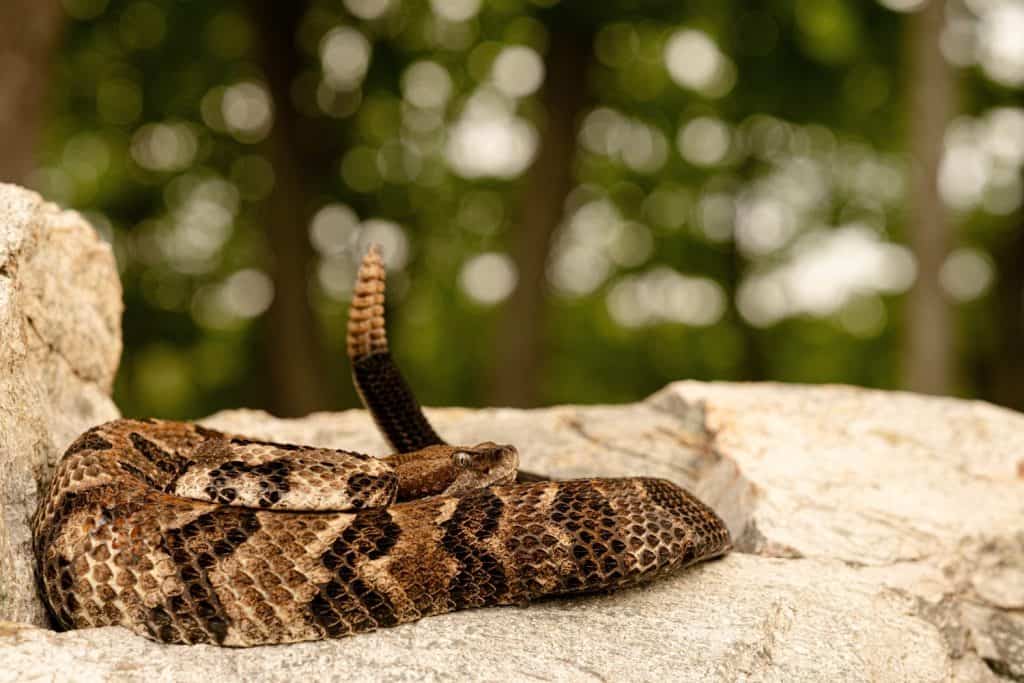
Rattlesnakes drink differently from other snakes, but only so differently.
©Radiant Reptilia/Shutterstock.com
There are strong commonalities across snakes when it comes to the ways they drink, but some species go about the process differently. For example, different species rely on these same mechanisms, but in different proportions compared to cobras. Some snakes can generate stronger buccal suction, but others may need to rely more heavily on the sponge-like folds of their lower jaws.
The Discover Wildlife explainer on snake drinking notes that most snakes likely use a version of the sponge model we’ve outlined here, with the exact pattern of jaw movements and water intake varying across snake groups. One of the best examples of snakes that drink slightly differently than others? Rattlesnakes.
Rattlesnakes frequently drink from larger bodies of water like streams or ponds. When doing so, they may submerge their heads and drink by repeatedly opening and closing their jaws to draw water in. When drinking dew or from much smaller bodies of water, they can flatten and flood their lower jaw and rely more on the same sponge-folds other snakes utilize.
Snakes certainly utilize an incredibly unique drinking process when compared to other animals in our world!
How Often Do Cobras Need to Drink?
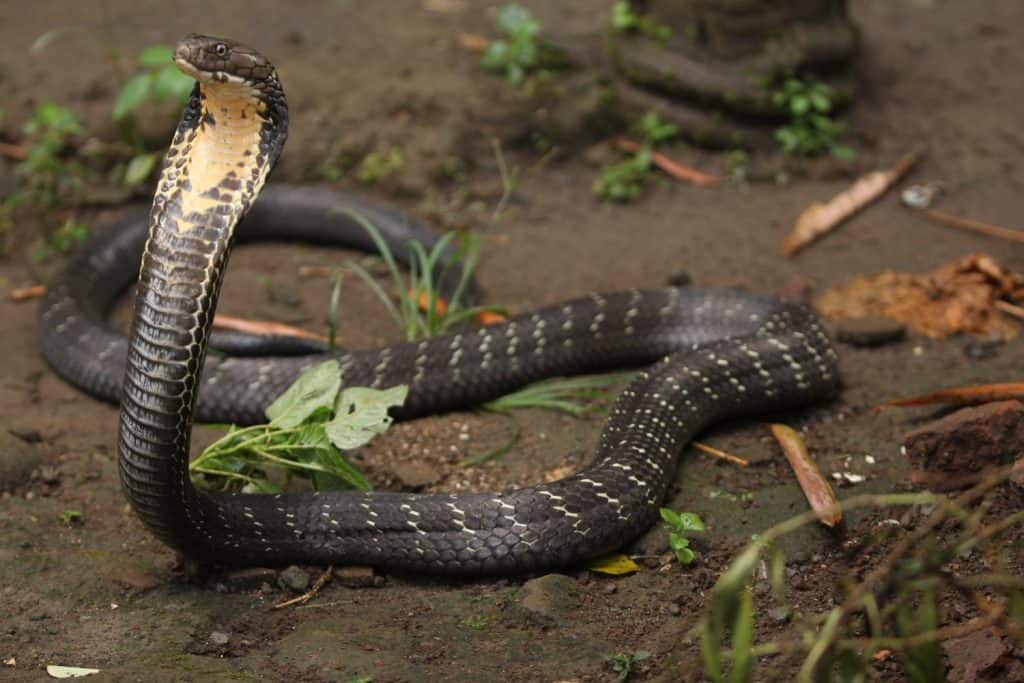
While snakes still need to consume water, they get a grand majority of their hydration from their prey.
©Mufti Adi Utomo/Shutterstock.com
Like other snakes, cobras get much of their water from the body fluids of their prey. A healthy snake that is consistently eating prey may not be seen drinking very often at all, especially in cooler or more humid environments where dehydration is less prominent.
Snakes still benefit from access to fresh water, though. In hot conditions, during shedding, or after a long dry period, cobras and other snakes may visit water sources more frequently or drink for longer stretches, occasionally for several minutes at a time. Just like other animals, snakes require water to recoup, recover, and survive.
Desert rattlesnakes still remain outliers in their drinking habits: they have even been documented using rain-harvesting behavior. These unique snakes coil up to collect water on their bodies and channel it toward the mouth, proving just how important drinking strategies can be for snake survival.
While cobras go about drinking water in a more traditional way, it’s still a fascinating process. Watch this Instagram reel again and marvel at how the simple act of staying hydrated involves such a complex process for snakes!