
The fading of insects from the world is not immediate. It is a slow and painful unraveling. Starting subtly, we will notice a little less honey, fewer strawberries in season, and tomatoes that seem smaller or are harder to find. Without insects, waste can accumulate, causing a proliferation of pathogens and diseases. And without pollinators, entire crops that we survive on could cease to exist.
So, how is it then that we reached the point where these crucial organisms in our survival story (that have been shaping our Earth’s ecosystems for over 345 million years) are vanishing? Some studies have estimated that insect populations have declined by roughly 45% over the past four decades (varying by region and species). To understand this creeping collapse, I spoke with Entomologist Dr. Gagandeep Brar whose work gives him a front-row seat to this global emergency.
The Deep Roots of the Decline

The Forest Caterpillar Hunter, Calosoma sycophanta beetle is in decline in Germany.
©Lukas_Vejrik/Shutterstock.com
“Insect populations are in decline globally due to a complex interplay of stressors,” Dr. Brar explains. And while many other organisms like monarch butterflies and honeybees steal the spotlight, many other essential insect species are declining unnoticed. Below are a few of the key reasons for the decline.
- Habitat Loss and Fragmentation: Natural areas that were once rich with native plants and teeming with insect life are being plowed for urban development, infrastructure, and agriculture. “This not only reduces available space for insects”, Brar states, “but also fragments populations, which can isolate species and lead to local extinction”. Fragmentation and habitat loss can cut insects off from mating partners or the food sources they require.
- Agriculture Intensification: According to Dr. Brar, “Modern agriculture emphasizes monocultures”. Monocultures are single crops mass-produced over large expanses of land. This form of agriculture reduces plant diversity and available niches for insects, thus making it nearly impossible for specialist insects (who have limited diets) to survive.
- Pesticide use: Some broad-spectrum insecticides (effective against many pests) have been studied for their potential sub-lethal effects on beneficial insects such as bees, butterflies, beetles, and natural predators. Research suggests that these effects may include impaired navigation or reproduction. Even when not fatal, such impacts can interfere with critical behaviors such as foraging or returning to the nest. These interferences can potentially affect the stability of pollinator populations over time. These findings highlight the importance of continued research into more targeted and sustainable pest management practices and pollinator health.
- Note: Pesticides not only impact the insects they are supposed to control. Research suggests that pesticides could cause adverse health effects to humans including neurochemical and behavioral dysfunction.
- Climate Change: When temperatures shift, the behavior of insects and where they are located can also be impacted. “Many species cannot adapt fast enough to these changing climates,” Brar warns. Warmer weather can confuse insects and mess with their homes, food, and life cycles.
- Pollution: Chemical pollution in water and soil can affect different stages of insects in the water and on land. “Light pollution, for example, disrupts nocturnal insect behavior, including mating and feeding”, Brar says. Artificial light not only affects insect behavior but also the plants around them. Some estimates report that one-third of insects influenced by artificial light die by morning, either from exhaustion or predation.
- Invasive Species: Globalization has encouraged the spread of non-native and exotic species to outcompete or prey on native insects. “For example, invasive ants or parasitoids can rapidly displace native communities” Brar notes. The replacement of native insects with non-native species can throw entire ecosystems off balance.
Warning Signs In Real Time

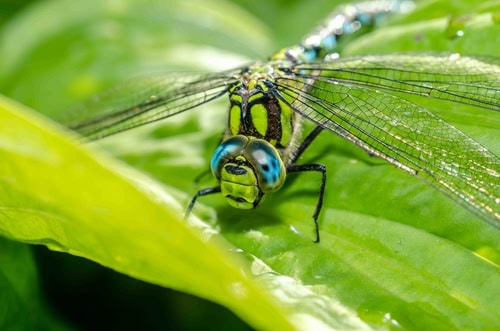
The destruction of wetlands is contributing to the decline of dragonflies.
©Martin_Davis/Shutterstock.com
Personally, I have noticed fewer visits from insects in my pollinator garden each year. When I asked Dr. Brar what changes he has observed, he offered both data and lived experience.
“We have observed reduced abundance of key pollinators, especially wild bees, even in habitats that once supported robust populations,” he notes. What is most alarming is that many of these habitats once supported robust insect populations.
In addition, functional diversity is also on the decline. In nature, the more functional diversity there is, the more resilient the ecosystem can be. Within an ecosystem, generalist insects like honey bees or ladybugs can adapt when food sources disappear, while specialist insects require specific conditions to survive. Unfortunately, the habitats these specialists depend on are disappearing quickly. When generalist species dominate, it can create an imbalance that weakens the ecosystem’s overall resilience. “We have started to see early signs of ecosystem destabilization,” he states.
A Few Steps in The Right Direction

A 2017 study found about a 76% seasonal decline in flying insect biomass over 27 years in German nature reserves.
©buddhawut/Shutterstock.com
Although we have created this issue, there are approaches that can help mitigate our impact on insects.
- Conservation Biological Control: supporting native natural enemies by minimizing pesticide use and planting native plants
- Integrated Pest Management (IPM): a strategy for reducing pests without relying on pesticides, this includes: using mulches for weeds instead of chemical herbicides, rotating pesticide use, and using biological controls like parasitic wasps to control pest populations
- Regenerative and Precision Agriculture: Rotating crops, emphasizing soil health and precision agriculture technologies which apply pesticides only where needed
Awareness is everything. People protect what they understand.
Dr. Gagandeep Brar, entomologist
Insects Are Not Optional
“The public often views insects as pests or nuisances, but they are absolutely vital,” Dr. Brar says. Without insects, many mainstream crops would fail. We often overlook the essential ecosystem services that insects provide. Dr. Brar underscores a few of these below:
- Pollination: About 35% of global food crops depend on animal pollinators, while about 75% of the world’s flowering plants rely on them.
- Nutrient Recycling: Dung beetles, flies, and termites decompose organic matter. Without decomposers, waste and dead matter would pile up.
- Food Webs: Many birds, amphibians, reptiles, and mammals rely on insects. “A collapse in insects will cascade up the food chain,” Brar warns.
- Natural Pest Control: Predators and parasitoids can suppress agricultural pests without the pesticide cost. Removing these natural predators would force us to rely on less sustainable methods to control pests.
Most importantly, insects are indicators of the environment. “If insect populations decline, it is a warning that broader ecological systems are under stress,” Brar says. Since insects are integral to ecosystems, without them, terrestrial and freshwater ecosystems could collapse.
Calls for Action on All Fronts

Hemipteran species are true bugs lacking chewing mouthparts.
©Bildagentur Zoonar GmbH/Shutterstock.com
Defining the decline helps to create a baseline for understanding biodiversity loss and mitigating our impacts. The unprecedented loss of insects highlights the importance of combating the damage we have caused at all levels. Brar encourages researchers to invest in long-term, landscape-scale monitoring and to foster collaboration among peers. “Corporations should commit to biodiversity-inclusive sustainability goals and partner with scientists to measure their outcomes,” he states. This should include a focus on restoring habitats. As a Scientist II for Bayer Agriculture, Brar points to Bayer’s efforts to support pollinators through on-farm pollinator support via ForwardFarming and Urban & Community outreach like bee hotels and wildflower strips. While industries like Bayer have taken steps in the right direction, more transparency and faster adoption of sustainable practices should be implemented across the entire agriculture sector.
Educating others about the importance of conservation generates greater awareness of the importance of insects and the services they provide. “Awareness is everything,” Brar explains. “People protect what they understand.” Even small efforts, such as planting native flowers or choosing bee-safe products, can have positive effects throughout the ecosystem and the entire food web.
No Bugs, No Balance

The family Pentatomidae is named after their shield-like appearance.
©Faisal.k/Shutterstock.com
Insects are part of the framework that holds entire ecosystems together. They pollinate many of the crops we rely on, are the bedrock of food webs, and are the unsung engineers of ecosystems. With their decline, we will also see a decline in birds, flowers, and other organisms that rely on them. The soil would lose its nutrient recyclers, which are the very foundation of many ecosystems and crop survival. The decline of insects is not just an insect problem; it is a symptom of a broader crisis affecting all species, including us. By protecting insects, we take steps to protect our own future.