
Quick Take
- This frog doesn't drink its survival water supply. The way it actually collects and stores it is far stranger than you'd expect. How it stores water →
- Its drought survival trick involves building a cocoon, and the material it uses to do so is genuinely unsettling. See the shed-skin cocoon →
- Aboriginal Australians found a life-saving use for this frog during droughts that has nothing to do with eating it. Aboriginal drought survival use →
- A frog buried underground for years shouldn't survive, but this one has a multi-layered reason why it does. Why it survives underground →
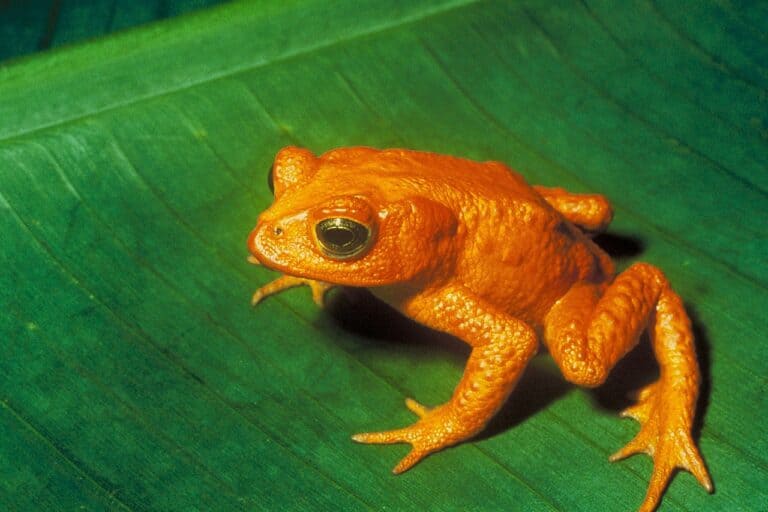
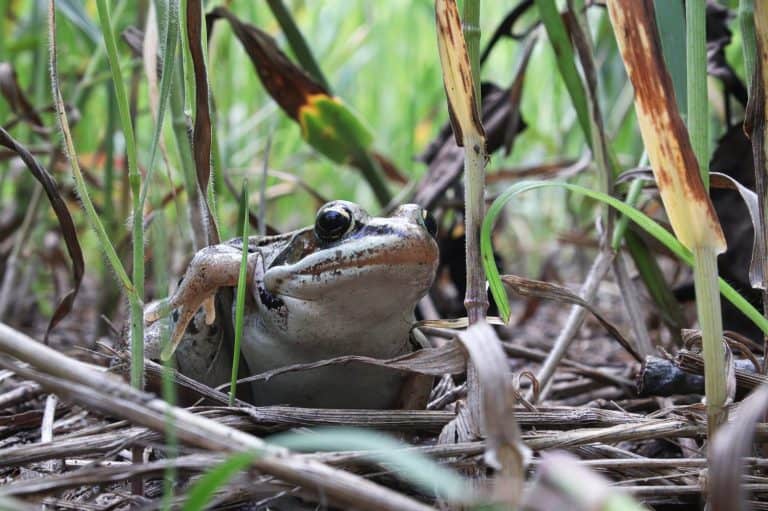
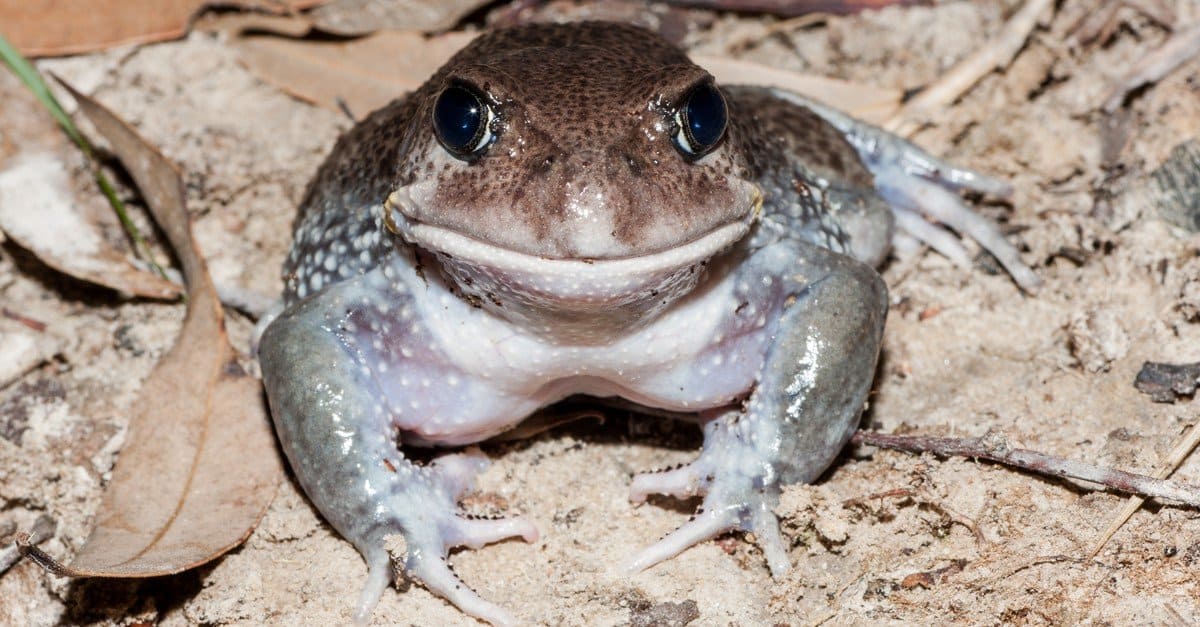
The cracked, sun-baked clay of the drought-stricken Australian Outback is not a place you’d expect a frog that requires water to be found. But, thanks to a unique feature, that’s exactly where you’ll find the Australian water-holding frog, Cyclorana platycephala.
Of course, you may never see them, since they can spend years buried several feet beneath the sweltering dirt surface. This unusual frog is one of the toughest species on the planet.
Preparing for the Drought
The Australian Outback is a feast-or-famine situation when it comes to water sources. When heavy rains arrive, desert pools are filled with life-giving water. That’s when the Australian water-holding frog thrives.
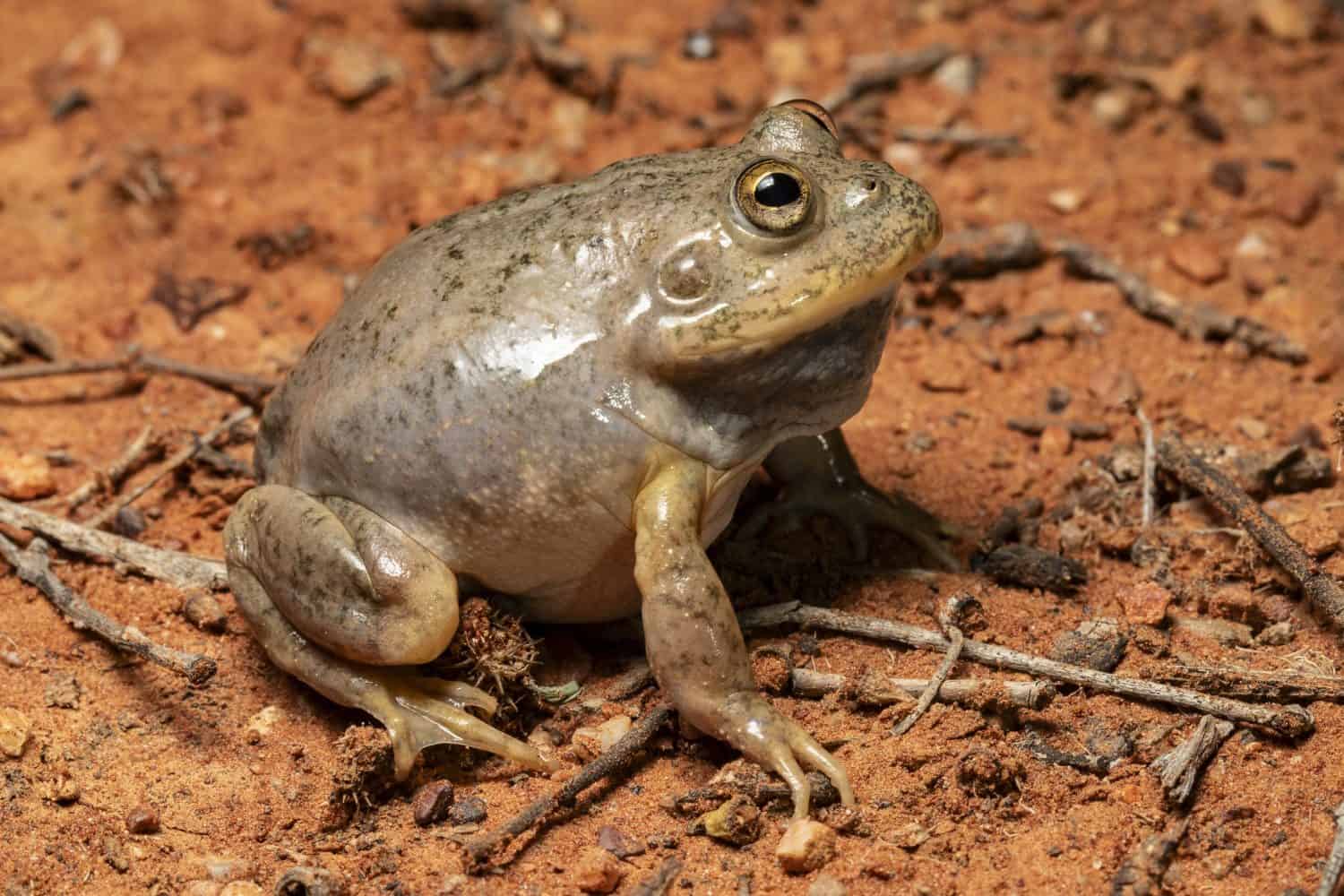
Australian water-holding frogs can store 50 to 60 percent of their body mass in water.
©Ken Griffiths/Shutterstock.com
It uses the desert pools to swim, feed, and breed, then gorges on water before the dry season returns and the ground dries out. But it doesn’t simply drink the water. Instead, it soaks it up through its skin and a special patch on its belly. Then it stores the extra water in its bladder and in special pockets directly under its skin.
These frogs are so adept at collecting water that they can hold up to half of their own body weight in it. In one study, frogs that were dug up after two to four months underground weighed up to 136 percent of their normal body mass.
Digging In for the Drought
These frogs use special spade-like bumps on their rear feet to dig themselves backwards into the ground. Their burrows can reach up to three feet deep and are often found near plant roots.
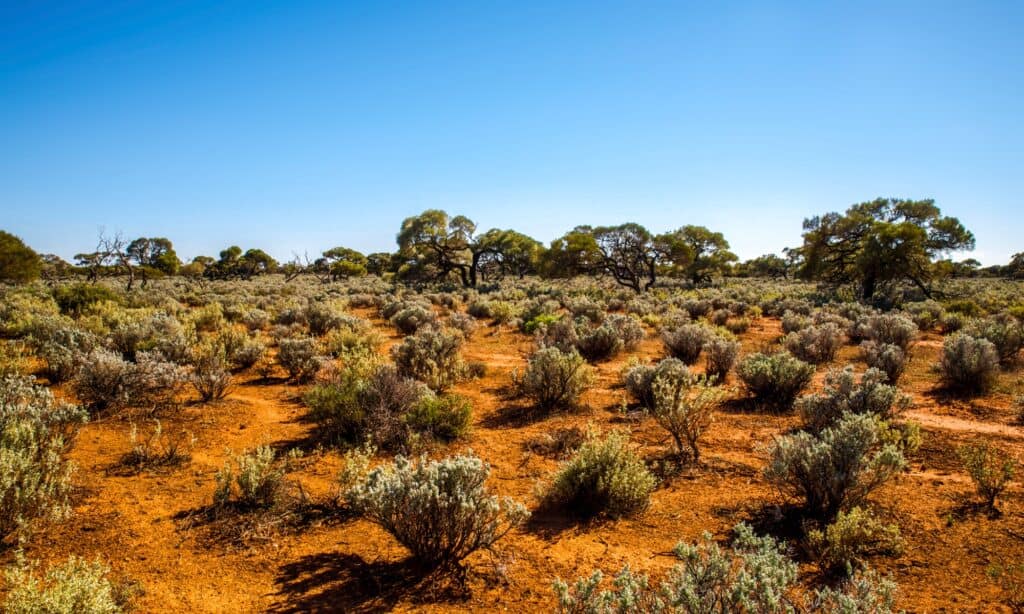
The Australian Outback experiences several months of drought each year.
©iStock.com/idizimage
Once they’re tucked into their burrow, the frog then goes into a state called aestivation—a state of deep sleep. It is similar to hibernation in cold climates, except that it takes place in hot, dry climates.
An Extra Layer of Protection
Once it’s tucked in, it also encases itself in a thin, transparent, waterproof cocoon made from its own outer skin. The frog sheds the skin to create the cocoon. According to one study, these cocoons are made of between 81 and 229 separate layers of skin and are micrometers thick.
The frog encases its entire body except for one part—its nostrils. Those stay uncovered so the frog can still breathe. At least one study shows these frogs can stay buried and alive for up to several years.
How Does the Frog Know When to Emerge?
When the rains return, the water slowly seeps down into the frog’s burrow. Once it detects that the rains have returned, the frog tears open its cocoon and digs its way back up to the surface.
Once it emerges, it starts the entire process all over again. It finds the nearest pool of water, eats a meal, then starts looking for a mate. It stays busy until the rains depart and the entire burrowing process begins again.
The Frog’s Value to Indigenous Australians
For Aboriginal people, these frogs serve a life-saving purpose. When drought conditions linger, and fresh water for humans is difficult to find, they dig up these frogs as a source of human drinking water.
According to the Western Australian Museum, a group of travelers and their horses were saved when their Aboriginal guide dug up enough frogs to provide enough water for the entire entourage.
At least one unconfirmed source notes that after the frogs release their stored water, they are returned to their burrows unharmed.