A recent study published in Animal Cognition is changing the way the world sees reptiles—specifically, tortoises. Known for being kept as household pets, researchers are now realizing they may have feelings similar to our own. This cognitive awareness challenges the previous notion that reptiles are incapable of experiencing emotions close to those of humans. However, it turns out that their environments and level of care affect tortoises more than owners realize.
Researchers Discover Tortoises Experience Moods
Scientists in England conducted multiple tests on red-footed tortoises (Chelonoidis carbonaria). These tortoises are found in the Caribbean and are known for their brightly colored legs, tails, and heads. They can live up to 50 years, which makes the most recent discovery even more significant. Until recently, reptiles were often thought to lack the capacity for complex, human-like emotions. However, some basic emotional states, such as anxiety and fear, had already been recognized in scientific literature. Still, when trials were run on red-footed tortoises, the reptiles responded in surprising ways. Whereas instinct drives many animals, tortoises exhibit an advanced, complex emotional response, suggesting they feel distinct emotions.
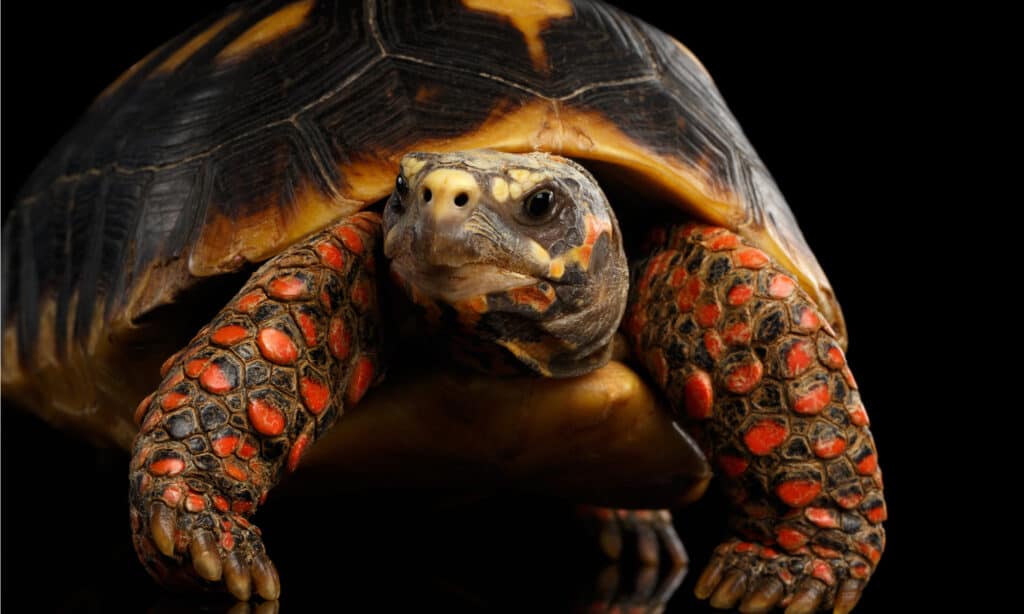
Red-footed tortoises can live up to 50 years.
©Seregraff/Shutterstock.com
Cognitive bias tests involved changing the tortoise’s environments and locations of rewards, such as food. Tortoises were placed in tanks with various layouts. In each one, the positions of the food dishes and decor were different. Some tanks had food in locations that were deemed “safer,” with plenty of space and room to look around. Others were given food in an area that contributed to visible hesitancy. The result showed that tortoises in safer, more relaxed tanks with rich environments were more prone to sticking their heads out. Alternatively, tortoises that felt unsafe remained in their shells, apprehensive about interacting with their environments.
Tortoise Owners Generally Agree with the Results
Although tortoises can’t verbally communicate their feelings to humans, their behavior seems to say it all. Tortoises that favor rich, interactive environments showed more positive traits in the long term. They were more confident, calm in new environments, and showed enthusiasm that other tortoises lacked. Those without enriching environments appeared anxious, with apparent differences in their long-term moods. This is all evidence that tortoises can feel emotions that persist for long periods, specifically optimism and anxiety.
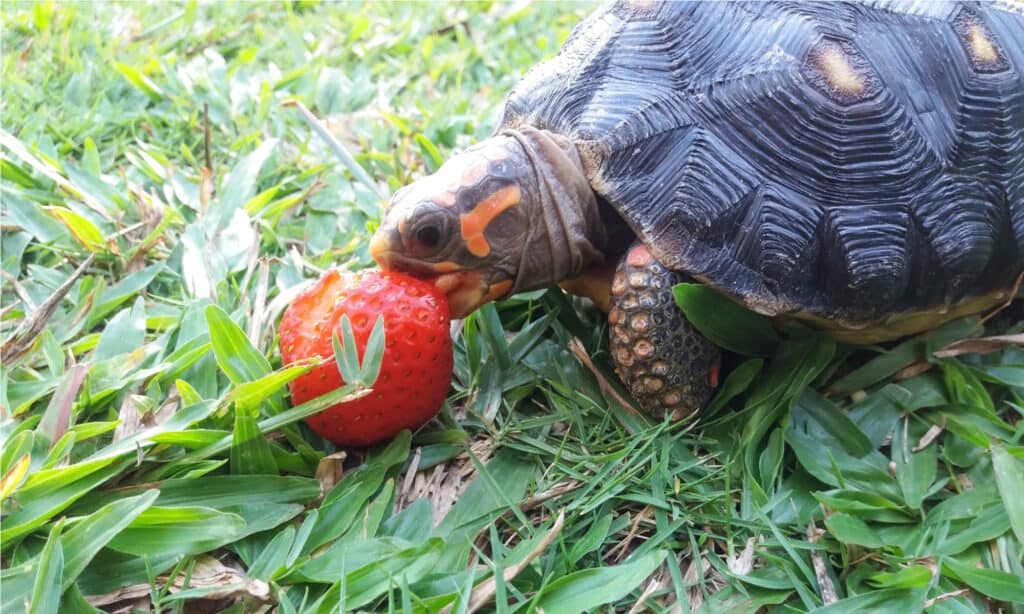
Things like food and treats can affect a tortoise’s long-term mood.
©SimplyAdrienne/Shutterstock.com
While not science-based, the results of this experiment are generally accepted by tortoise owners. Many claim their pets have varying personalities, with some being more outgoing while others are shy and reserved. Some also state that they’ve observed their tortoises in fearful states, and have shown strong preferences for one food, toy, or location over another. This not only speaks to the decision-making skills of a tortoise but also to the emotional process behind their choices.
What This Means for Tortoises
While the study is still a recent development, it has raised many questions about tortoises in captivity. We already know that common pets, such as cats and dogs, feel emotions toward their owners. But now, tortoises are joining that list as another species that feels strongly about their environments. It also raises flags for some, given the fact that tortoises can feel emotions and get stuck in bad moods. For owners, this means the love and care they provide their tortoise is even more crucial for their welfare.
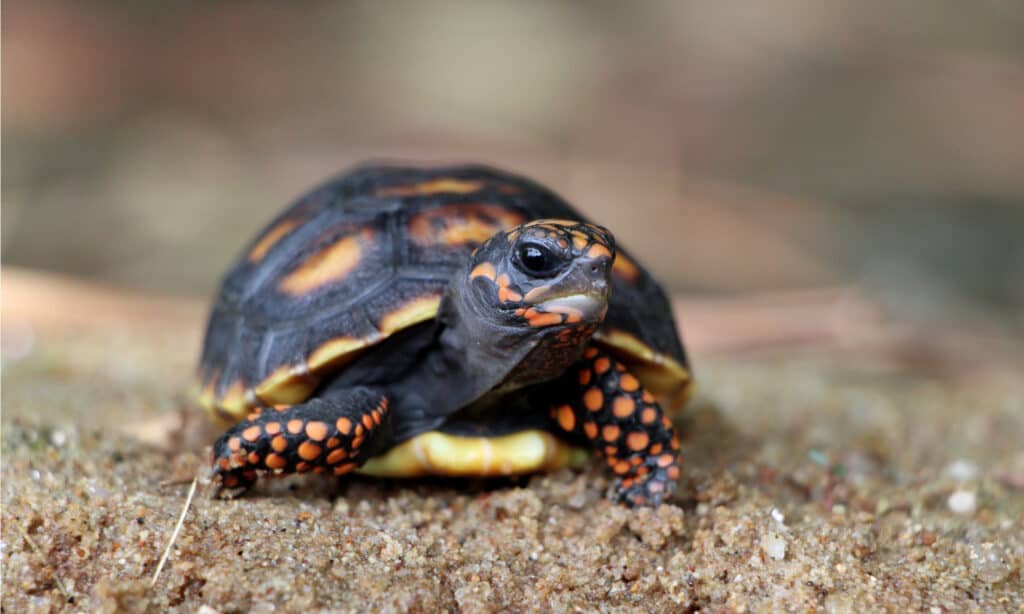
Red-footed tortoises are heavily influenced by their environments and the care they receive.
©seasoning_17/Shutterstock.com
Ensuring that tortoises have enriching, clean environments is essential. Adding toys or interactive areas to their tanks and ensuring their food is in a good location are also important. For current owners, monitoring their tortoise’s moods and behaviors moving forward is a significant step in the right direction. Following this study, researchers and animal welfare advocates hope these discoveries will prompt better, more considerate treatment of tortoises as pets.