
Quick Take
- Queen conch were once so abundant in the Caribbean that anyone could scoop them up by the armful, but something changed that made them almost impossible to find. See the decline →
- The tool scientists built to save the queen conch looks nothing like a traditional hatchery. That is entirely intentional. Meet the mobile hatchery →
- Losing the queen conch wouldn't just empty dinner plates. It would quietly unravel something far bigger beneath the ocean's surface. Explore the ecological role →
- This isn't a one-island experiment. The program has already spread across the Caribbean in a way most conservation efforts never manage. See the Caribbean expansion →
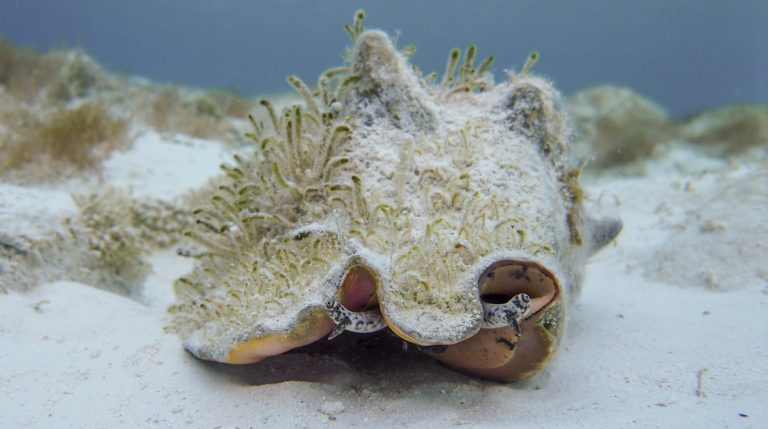
Across the Caribbean, the queen conch is more than just an oversized sea snail. It’s a food source and a cultural symbol. But it’s also a species under threat.
Decades ago, you could wade into knee-deep water surrounding any island and scoop up as many queen conch shells as you could carry. Today, however, it’s a different story. Across the Caribbean Sea and the Gulf of Mexico, this once-abundant species is in significant decline.
One organization is doing something about it.
Continue reading
A Queen in Trouble
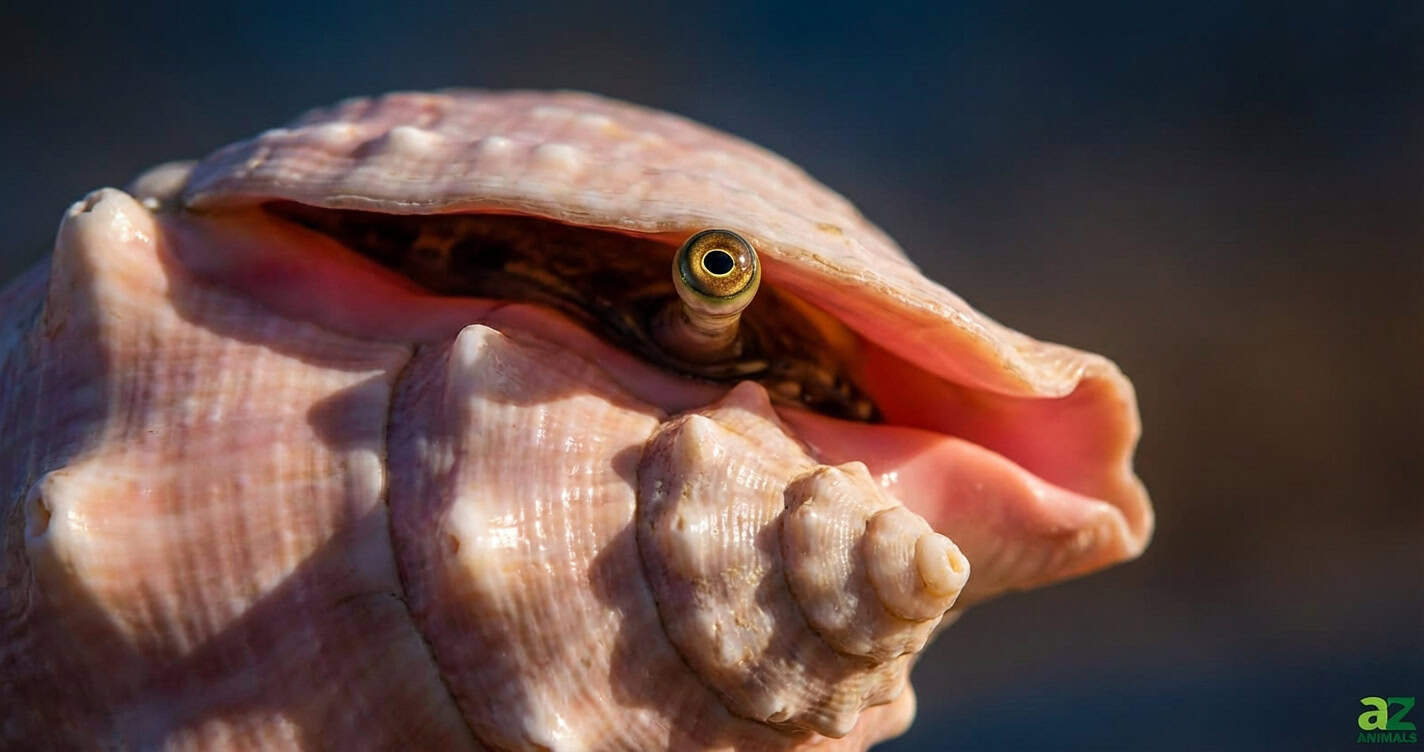
Queen conch are giant sea snails. Spend any time on a Caribbean island, and you’ll likely see discarded shells used as decoration at restaurants, shops, and resorts. On the island of Bonaire, where I live, there are two towering piles of discarded queen conch shells lining the shore in a remote area—a testament to the extensive harvesting of the species for decades.
Between 1980 and 2020, about 31,000 tons of queen conch were harvested each year across the Caribbean. Those harvests were estimated to bring in around $39 million USD each year. But unfettered harvesting led to the species being listed as threatened under the U.S. Endangered Species Act in February 2024.
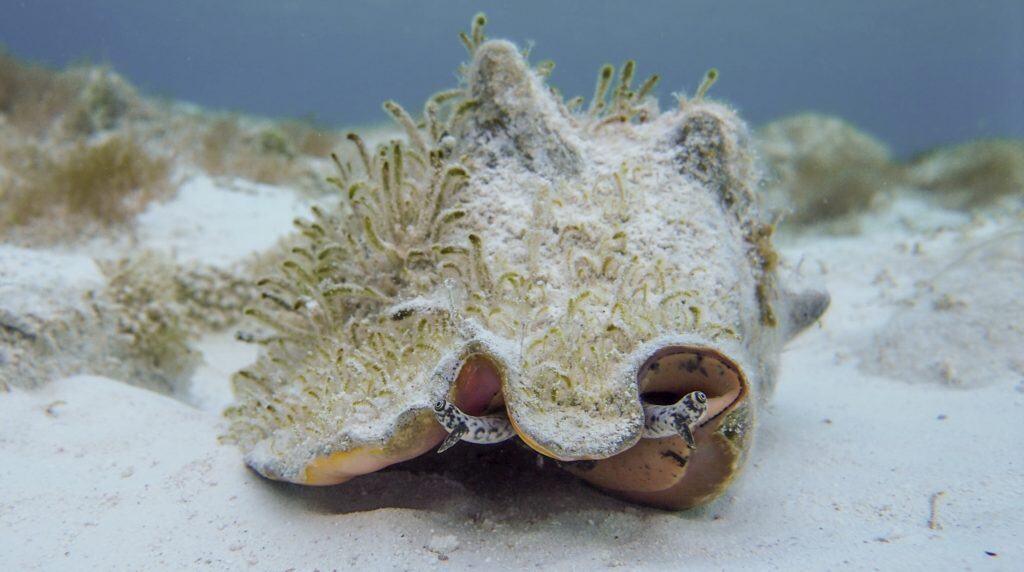
Queen conch are both a cultural symbol and a food source across the Caribbean.
Left unchecked, some surveys suggest that commercial queen conch fishing in the Bahamas could become unsustainable in the next decade or so. On Bonaire, harvesting queen conch became illegal in 1985.
A Solution on Wheels
One approach to restoring queen conch numbers is being led by a partnership between Florida Atlantic University‘s Harbor Branch Oceanographic Institute and The Island School’s Cape Eleuthera Institute (CEI). The project is supported by Chef José Andrés‘ Longer Tables Fund and the Moore Bahamas Foundation.
The centerpiece of the initiative is a fully self-contained conch hatchery on wheels. It’s approximately 26 feet by 8 feet, equipped with all the lab equipment required to hatch and raise queen conch eggs to a stage when they can be transplanted into suitable and protected ocean habitats.
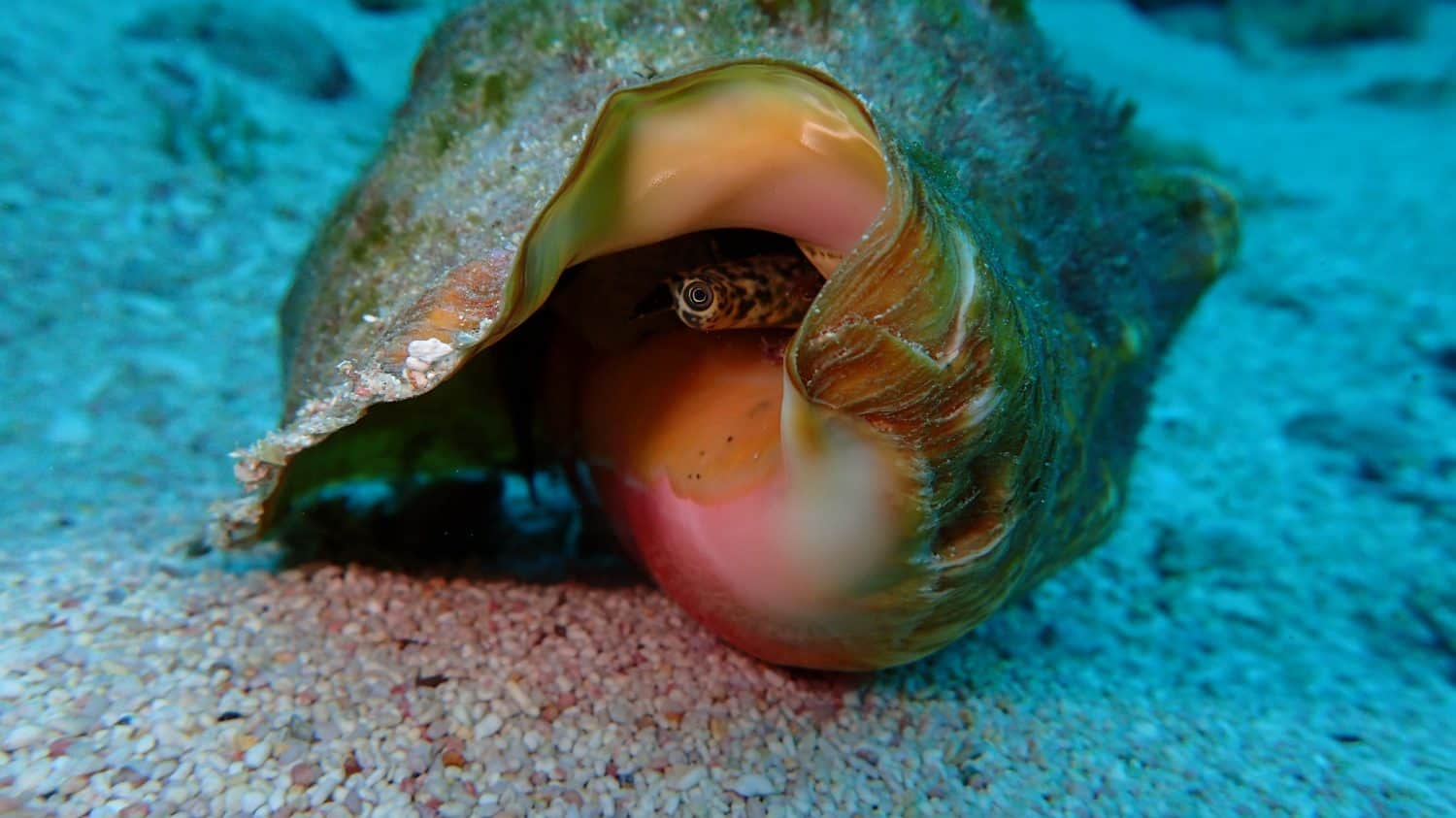
Queen conch are under threat across the Caribbean.
©George P Gross/Shutterstock.com
The goal of the project is to grow up to 2,000 juvenile queen conch each year for restoration efforts throughout the region. The project is based on the island of Eleuthera and is part of the Cape Eleuthera Queen Conch Conservancy, a community-based conservation initiative focused on restoring the species.
The Eleuthera mobile hatchery was deployed in April 2026.
The First Hatch
The first batch of egg masses were brought to the mobile facility in February 2026 and started hatching in April. That first egg mass resulted in about 200 queen conch larvae, followed by another 100 shortly after that. A second batch of eggs has also resulted in successful larvae.
After hatching, queen conch larvae undergo a 21-day development cycle before entering their juvenile phase. They’ll spend a year growing in the mobile lab before being released into the wild.
“We are incredibly excited to reach these milestones because it represents far more than the successful launch of a mobile hatchery,” Megan Davis, Ph.D., director of FAU Harbor Branch’s Queen Conch Lab and a research professor of aquaculture and stock enhancement, said in a news story announcing the project.
“It demonstrates what is possible when science, conservation and community come together with a shared purpose. Seeing the first egg masses and hatch in the mobile lab means we are now actively growing the next generation of queen conch for restoration, for healthy seagrass ecosystems and for the communities across The Bahamas. It’s a transformative and hopeful moment for conservation.”
The Importance of Queen Conch
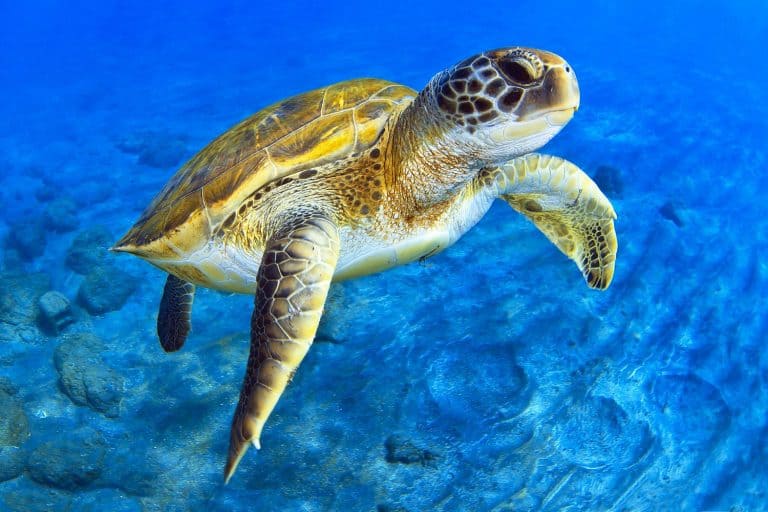
Besides their cultural status, the species provides a valuable and necessary service in its natural habitat. Conch graze on algae that builds up on and around sea grass beds. Eliminating the algae keeps the seabeds healthy. That, in turn, supports marine biodiversity and fisheries. Sea turtles, sea urchins, and other marine life depend on sea grass for food. Without healthy beds, marine species would suffer.
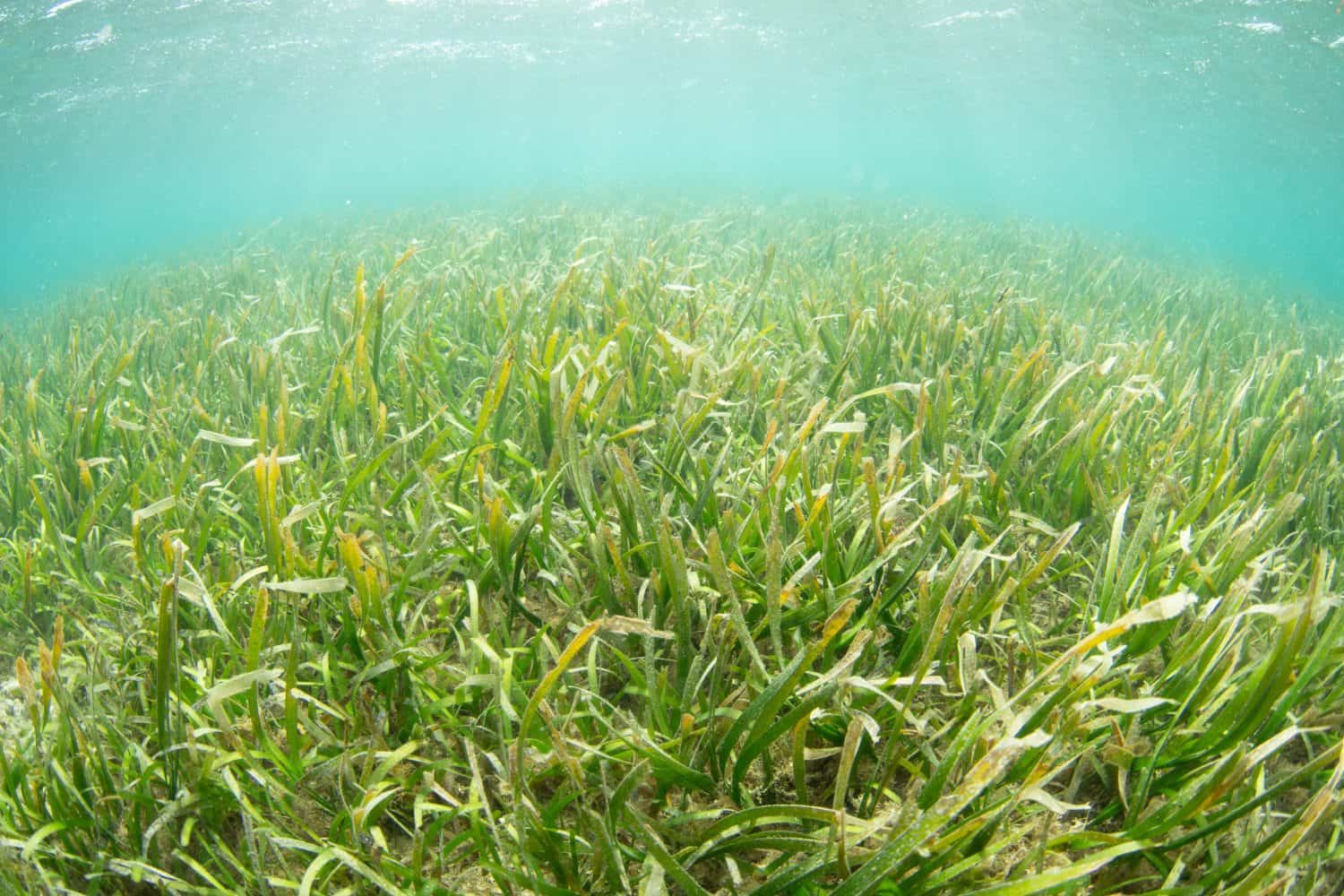
Sea grass is essential for a healthy marine ecosystem.
©Ethan Daniels/Shutterstock.com
Once the first batch of juvenile conch raised in the mobile hatchery is ready, they will be transplanted into Bahamian seagrass habitats. This is expected to occur in early 2027.
What’s Next for the Mobile Hatchery?
The nursery on wheels is about more than just raising the next generation of queen conch. There’s an educational side to the project, too. The lab itself is expected to attract and engage between 1,000 and 1,500 visitors each year. There will be two full-time staff members working there, along with interns.
The project will do outreach and education to local Bahamians, too. Those efforts build on CEI’s two decades of community-based science.
The Cape Eleuthera Queen Conch Lab is the initiative’s ninth mobile hatchery. There are currently mobile labs in other locations, including Puerto Rico, Jamaica, Curaçao, and other islands within the Bahamas. Turks and Caicos, Saint Vincent and the Grenadines, and Saint Lucia are also under consideration for future mobile conch labs.
The program also won the 2025 Responsible Seafood Innovation Award in Aquaculture from the Global Seafood Alliance.