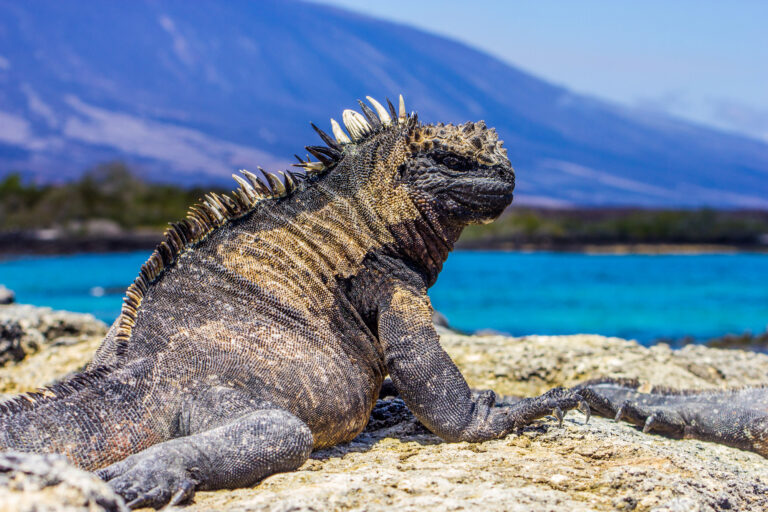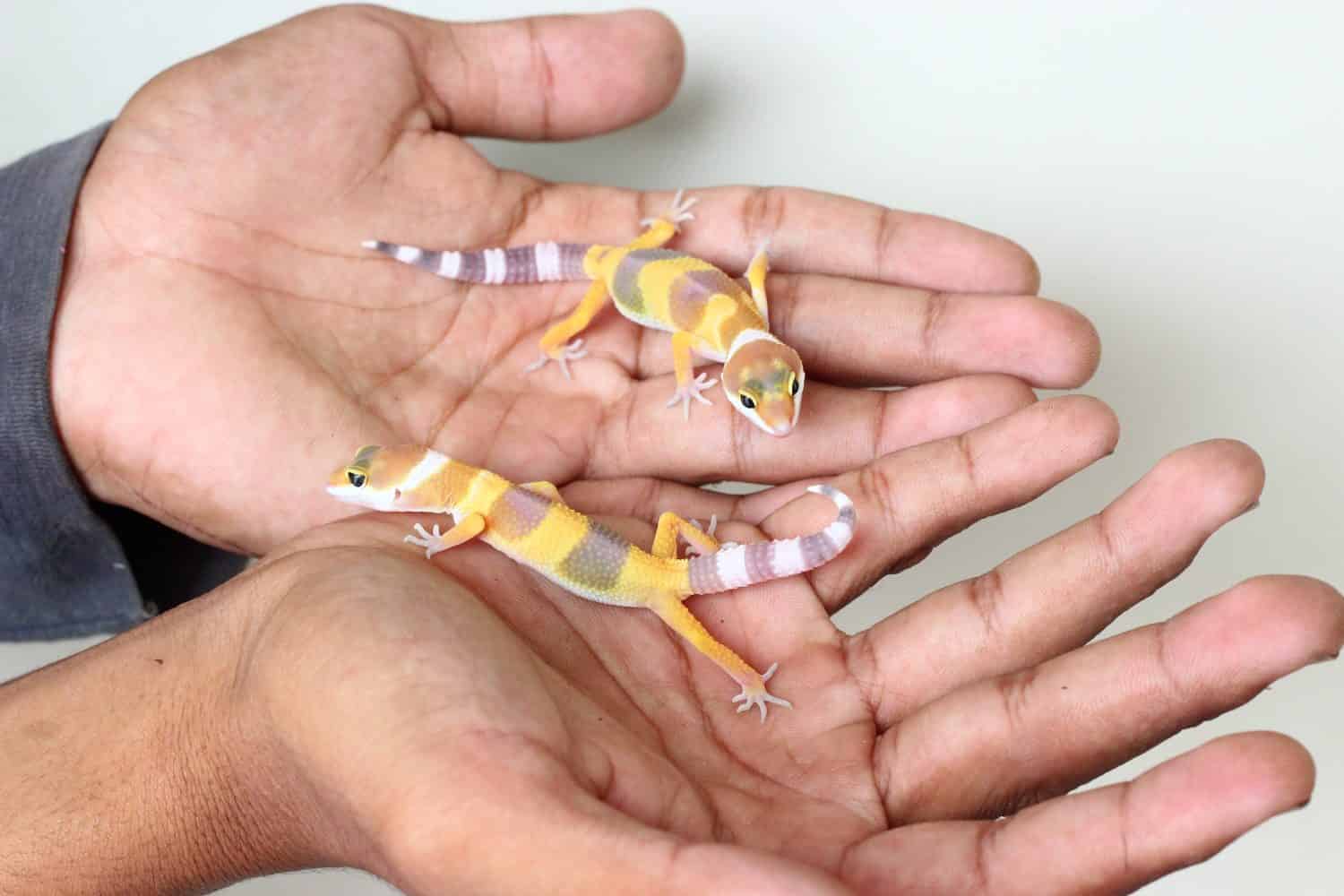

It can be an enjoyable and rewarding experience to keep a lizard as a pet. However, these little creatures require a lot of research to be sure they get everything they need to thrive. Each species may have different requirements for habitat, food, and environmental conditions. A lizard that is missing what it needs to not only survive, but also enjoy its life, may begin to show signs of stress. Lizards are different from pet dogs, which exhibit stress in ways we can easily recognize, such as whining or shaking. It may be more difficult to recognize when a lizard is stressed. However, keeping these little creatures requires a lot of research to ensure they get everything they need to thrive.
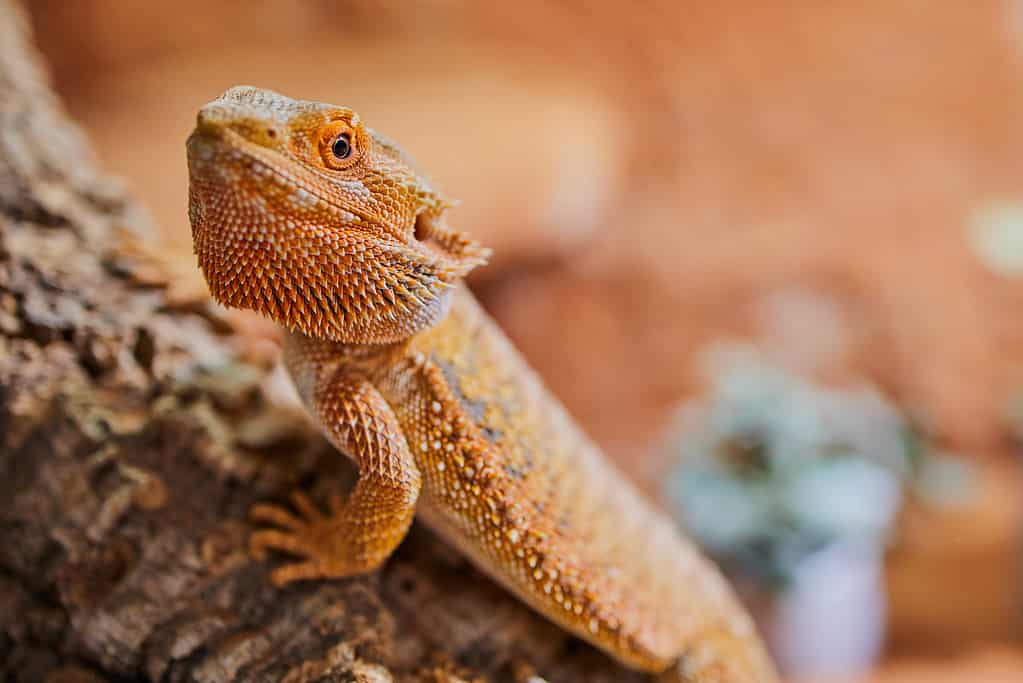
Bearded dragons are excellent pets due to their docile and friendly nature. However, they do have complex needs.
©Claudia Nass/iStock / Getty Images Plus via Getty Images
1. Unusual Behavior
This is where doing research on your particular species of reptile is beneficial. According to Evolution Reptiles, there are some sure signs your lizard is under stress. Is your lizard normally nocturnal, but you’re seeing it is active during the day? Or is it a diurnal lizard, but it’s sleeping all day? Is your arboreal lizard spending its day on the ground?
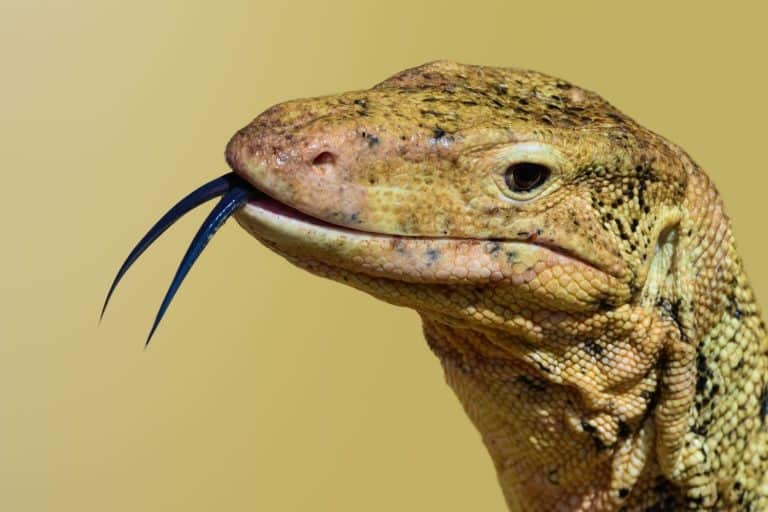
Another sign of unusual behavior is repeated attempts to escape. Does your lizard “glass surf?” This is when a lizard frantically tries to scale the walls of its enclosure. However, it can’t climb the slippery glass and will slide down. You may also want to keep an eye on your lizard’s tongue flicking. Lizards use their tongue to smell and explore the world around them. However, a stressed lizard may either show less frequent or more frequent tongue flicking. Other behavioral signs to watch for include increased aggression, erratic movement, hissing, or panting.
2. Physical Changes
Besides behavior, lizards can show their stress in physical changes. Watch for changes in the color of their skin or if their skin appears more dull. Some lizards may grow darkened skin when they are under stress. Again, it’s important to know what to look for in each species. For example, a bearded dragon may show stress marks, which appear as dark spots on the lizard’s neck, chin, or belly. Or a bearded dragon’s beard may turn dark. Other physical changes to watch for include weight loss or weight gain.
3. Lack of Appetite
When a lizard is stressed, it may show less interest in eating food. You may notice it strikes its food, but doesn’t actually eat it, or your lizard may eat its food but then regurgitate it. Any changes in eating habits can signal that your lizard is under stress. You can monitor your pet’s weight to get a better idea of whether your lizard is eating enough by using a small gram scale over time to track its weight.
Causes and Solutions
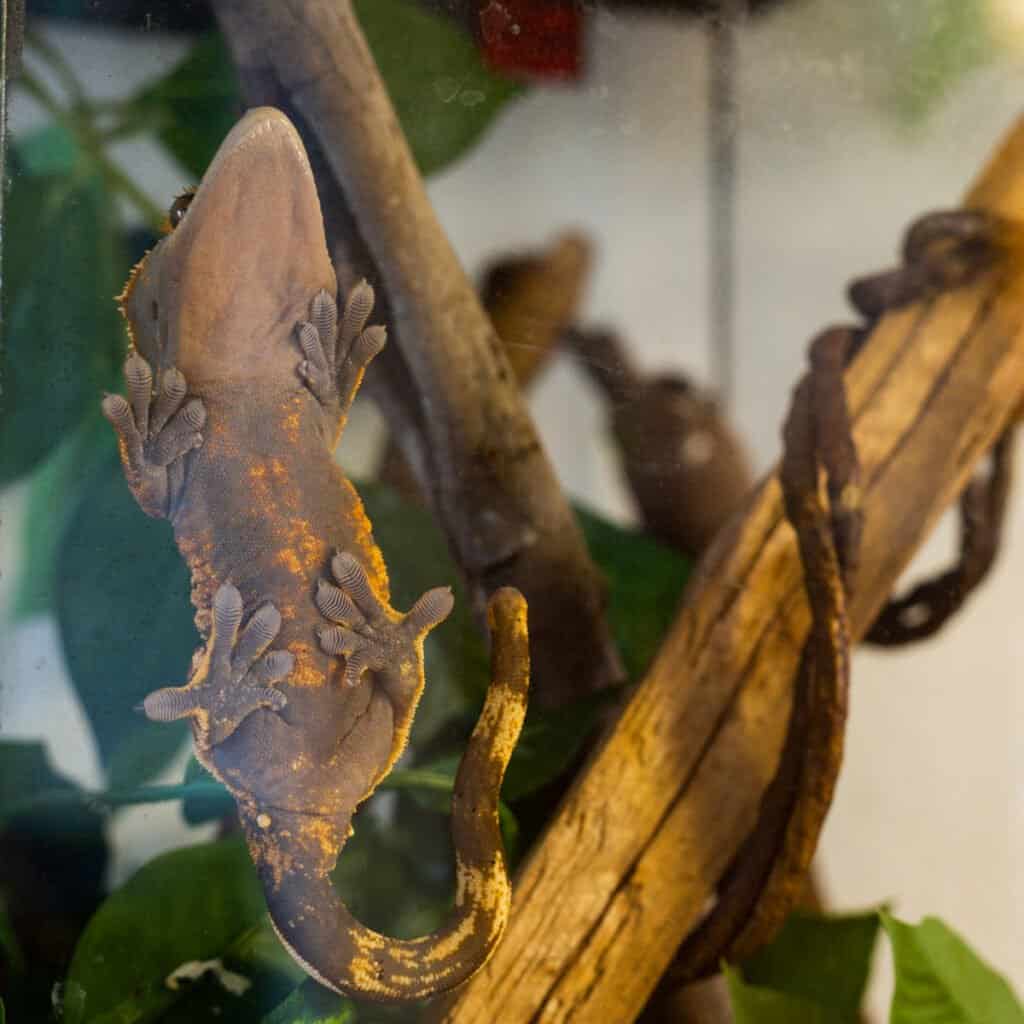
It’s important to create the proper enclosure for your pet lizard to decrease its anxiety and reduce stress.
©Logan Bush/Shutterstock.com
A lizard may be stressed for multiple reasons. For example, it may have recently arrived at a new home and needs time to adjust. Molting can be another time of stress for lizards. However, there are some common mistakes beginner reptile owners may make, which can also cause anxiety for the animal.
Enclosure Size
An enclosure that is too small can cause stress, which you may observe as glass surfing or attempts to escape.
Hides
One common mistake new owners may make is not giving their lizard enough spaces in their enclosure to hide. In the wild, lizards are in constant danger of becoming prey. They don’t know they are safe in their enclosure and need places where they can retreat and feel secure.
Lighting and Temperature
Evolution Reptiles explains that UV lighting is critical to simulate the natural sun your lizard would bask in out in the wild. Even nocturnal lizards may benefit from UV lighting. It’s important to find out what temperature and lighting requirements are needed for your species of lizard. It is also important to maintain the correct temperature for your reptile. You can use a digital thermometer to monitor the temperature in your lizard’s enclosure.
Substrate
Not providing a proper substrate is another beginner mistake that we often see. Many lizards like to burrow and will need a substrate that holds its shape when the lizard digs into it. Research your lizard’s natural habitat and try to replicate those conditions in its enclosure.. There are different types of substrates based on habitats. For example, lizards that live in the desert likely need a substrate with a mix of sand, clay, and dirt.
Overhandling
Handling your lizard too much, especially when you first get it, can cause stress. Research has shown that even gentle handling can cause stress in bearded dragons. Again, be sure to learn everything you can about your particular species and how much handling is recommended.