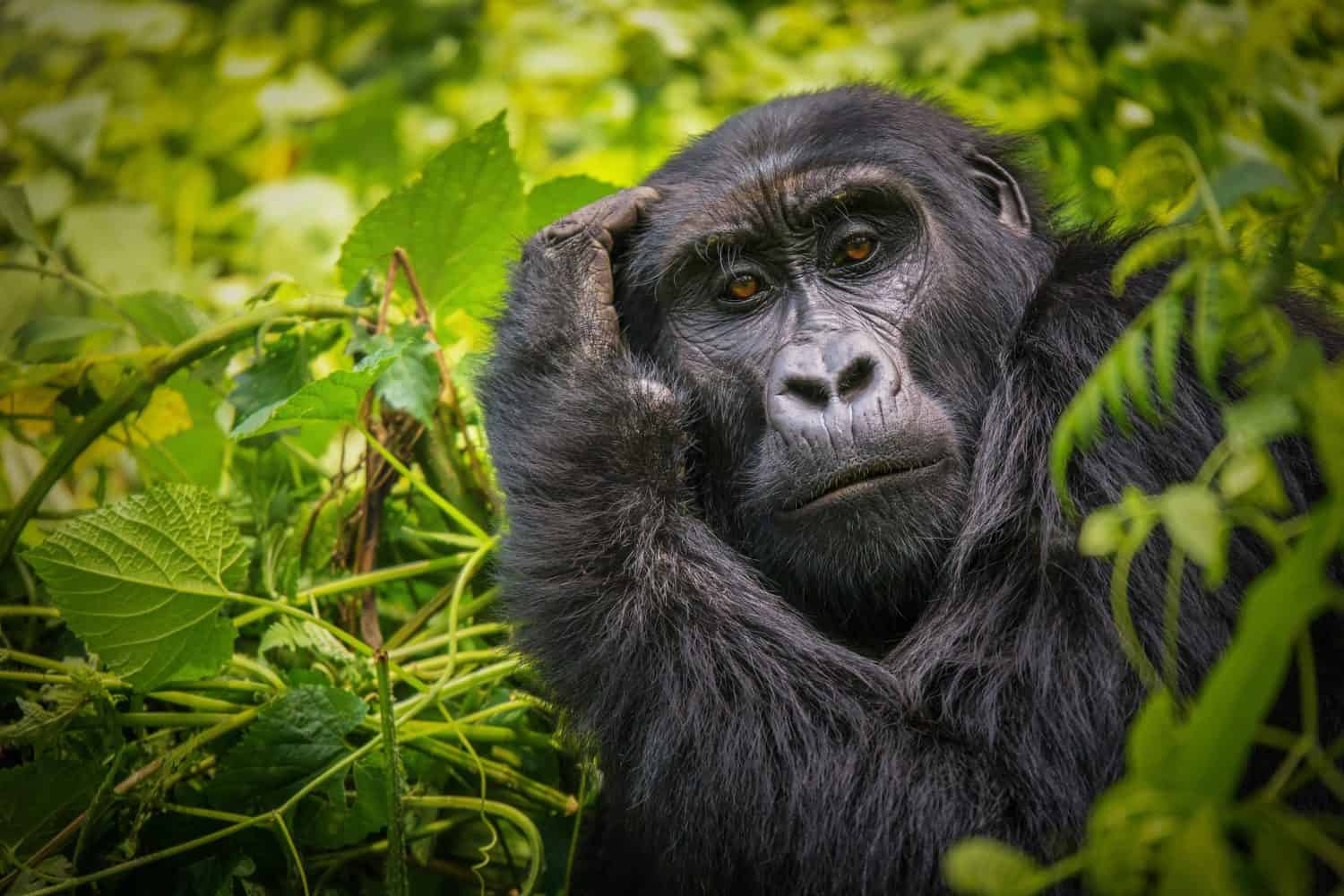

We have become so accustomed to hearing about tourism destroying natural habitats that it is a welcome surprise when tourism actually helps conservation efforts. In the Bwindi Impenetrable National Park in Uganda, tourism is being used to help rather than hinder conservation efforts with the assistance of the local population. Here, we share this positive story.
Mountain Gorillas in Uganda
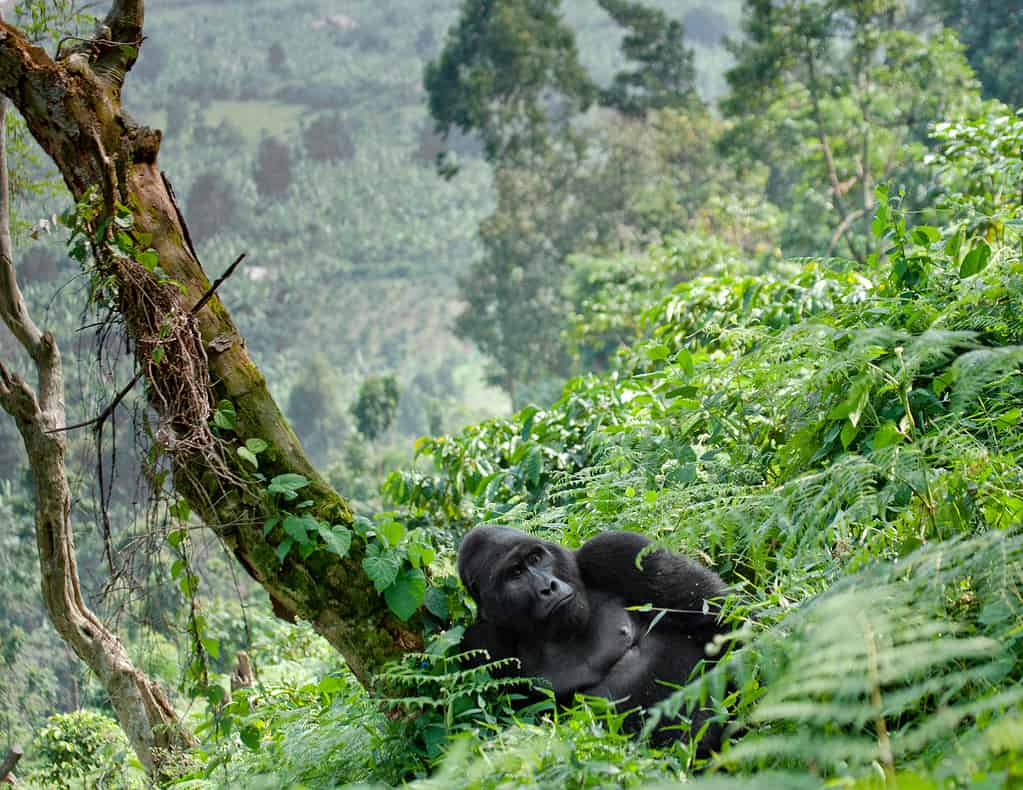
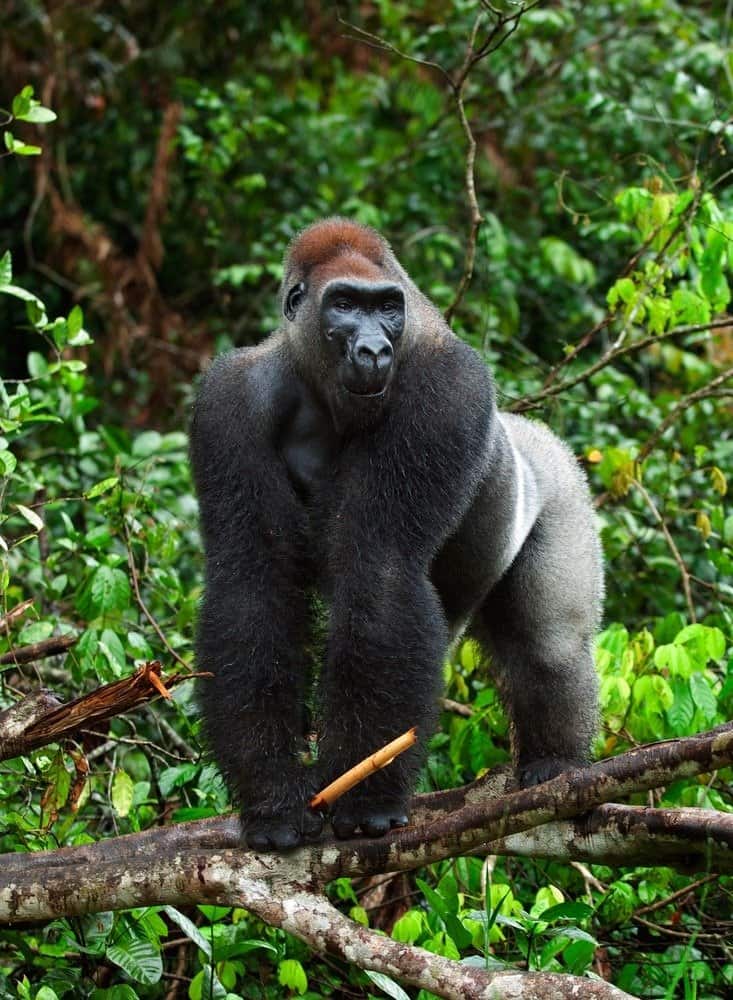
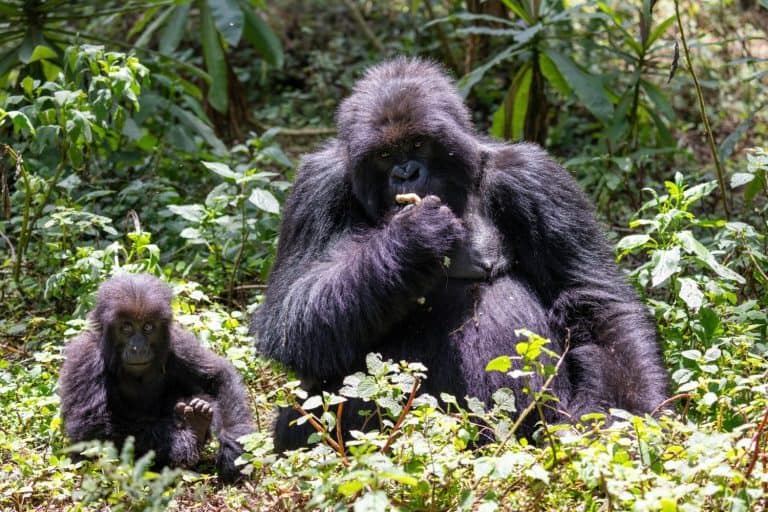
Habituated mountain gorillas are vulnerable.
©ANDREYGUDKOV/iStock via Getty Images
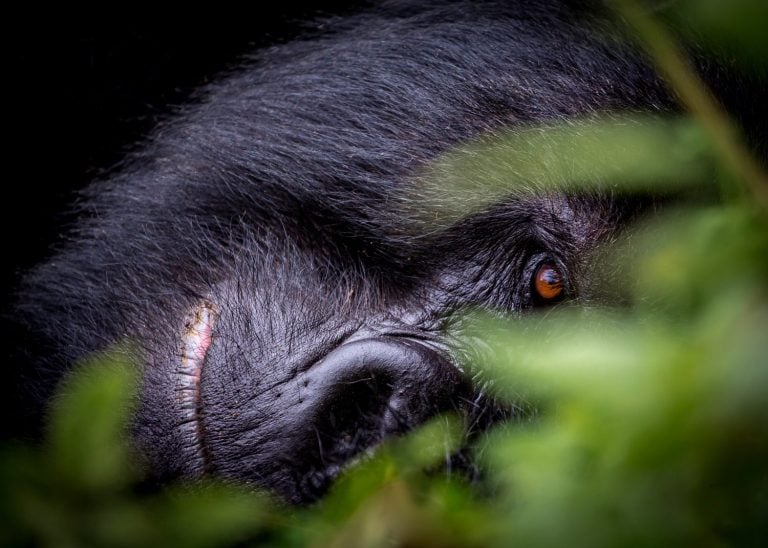
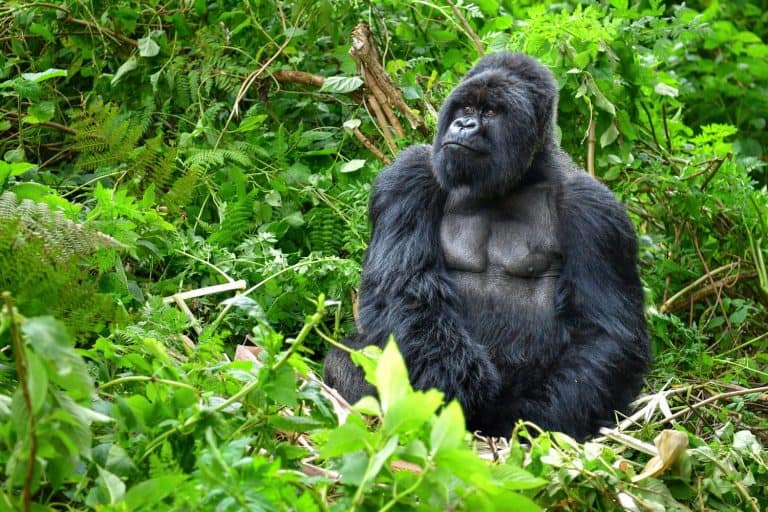
The mountain gorillas in Bwindi Impenetrable National Park are habituated, which means that they have become accustomed to the presence of humans. Habituation increases the gorilla’s vulnerability to poaching because they no longer see humans as a threat. The park is located in a remote area of southwestern Uganda, yet it is surrounded by regions with high population density.
Foreign non-residents (tourists) are willing to pay $800 to see the gorillas in their natural habitat. A small portion of the permit fee ($10) is forwarded to community leaders, who invest it in local projects such as health care.
Employment for Poachers
Some locals, including former poachers, now serve as watchdogs for the gorillas. They keep an eye on the primates’ habitat and work with the local armed rangers. The community still benefits financially from the gorillas, but in a different way.
Mountain gorillas are no longer classified as critically endangered by the International Union for Conservation of Nature. However, their status is still endangered. A 2018 survey found that there are over 1,000 mountain gorillas in the wild, with 604 in the Virunga Massif (covering parts of Congo, Rwanda, and Uganda) and the remainder in Bwindi Impenetrable National Park.
Local Tracker Guides
Tourists are led through their gorilla tracking experience by a guide. According to this article, “a group of ranger-guides and porters gathers each morning for the opportunity to earn generous tips from helping tourists navigate the forest.” In addition to guides, some locals also work as porters.