N S W E
Wildlife Expeditions

Wildlife of
Uganda

Uganda is one of Africa's most rewarding wildlife destinations, pairing once-in-a-lifetime mountain gorilla trekking with classic savanna safaris, Rift Valley landscapes, and world-class birding in a compact, varied country.
197 Species
241,038 km² Land Area
Overview

About Uganda

Uganda's wildlife character is defined by striking ecological variety packed into a relatively small, landlocked nation at the heart of the Great Lakes region. From the misty montane forests of the southwest to broad savannas, papyrus wetlands, and huge freshwater lakes, the country supports an exceptional mix of primates, big game, and birds. This natural richness is especially pronounced along the Albertine Rift-one of Africa's key biodiversity hotspots-where ancient landscapes and steep habitat gradients have helped generate high species diversity and endemism.

Key ecosystems shape the visitor experience. Bwindi Impenetrable Forest and Mgahinga Gorilla National Park protect critical montane forest refuges for endangered mountain gorillas alongside golden monkeys and a wealth of forest birds. In contrast, Queen Elizabeth National Park combines open plains, crater lakes, and wetland channels that sustain hippos, elephants, lions (including the famed tree-climbing population in Ishasha), and prolific birdlife. Murchison Falls National Park showcases the drama of the Nile forced through a narrow gorge, with river safaris revealing crocodiles, hippos, elephants, and dense riparian wildlife, while Kidepo Valley offers a remote, rugged savanna setting that feels distinctly "wild frontier."

Globally, Uganda plays an outsized role in great ape conservation, safeguarding some of the planet's most important remaining habitats for mountain gorillas and chimpanzees through protected areas and community-linked tourism models that help fund conservation. What makes wildlife experiences here unique is the ability to combine intimate primate encounters in lush forests with classic big-game drives and boat safaris-often in the same itinerary-plus exceptional birding around Lake Victoria shores, Rift Valley wetlands, and highland forests.

Physical Features

Geography

Uganda's wildlife diversity is strongly shaped by its position in the Great Lakes region and the Albertine Rift. Large freshwater systems (notably Lake Victoria and the Nile) create extensive wetlands and riparian habitats for birds, hippos, crocodiles, and fisheries. The western rift escarpments, volcanoes, and montane forests generate steep climatic and habitat gradients that support endemism (including mountain gorillas and many Albertine Rift birds). Broad savanna-woodland mosaics in lower elevations (north, northeast, and rift valley floors) underpin classic large-mammal communities, while patchy tropical forests in the southwest and around major lakes concentrate primates and forest specialists.

241,038 km² Land Area
~79th-80th largest country; about the size of Oregon (USA) Size Rank

Key Landscapes

  • Lake Victoria shoreline and lake-island systems (freshwater lacustrine habitats, wetlands, fisheries)
  • The Nile system: Victoria Nile → Murchison Falls → Albert Nile (major riparian corridors and floodplain habitats)
  • Albertine Rift Valley (western Uganda): rift escarpments, deep lakes (Albert, Edward, George), and strong altitudinal gradients driving endemism
  • Bwindi Impenetrable Forest and surrounding highlands (Afro-montane forest refugia for primates and endemic birds)
  • Rwenzori Mountains ("Mountains of the Moon") and glacial/alpine zones (high-altitude habitats and watershed headwaters)
  • Virunga volcanic highlands (Mgahinga area; montane forest and afro-alpine mosaics relevant to gorillas and golden monkeys)
  • Savanna plains and woodland mosaics (e.g., Murchison Falls, Queen Elizabeth, Kidepo landscapes) supporting grazers, predators, and fire-adapted habitats
  • Papyrus swamps and broad wetlands (notably around Lake Victoria, Lake Kyoga basin, and river floodplains) critical for waterbirds and specialist wetland fauna
  • Karamoja semi-arid savannas and rocky inselbergs (northeast; drier wildlife assemblages and drought-adapted species)
  • Crater lakes and rift valley basins (localized wetland/forest mosaics, important for birds and amphibians)

Ecoregions

  • Albertine Rift montane forests (key for gorillas, chimpanzees, and high endemism)
  • Rwenzori-Virunga montane moorlands (afro-alpine and high-altitude zones)
  • Victoria Basin forest-savanna mosaic (around Lake Victoria and central/southern Uganda)
  • Northern Congolian forest-savanna mosaic (northwestern transition zone)
  • East Sudanian savanna (northern Uganda savannas/woodlands)
  • Northern Acacia-Commiphora bushlands and thickets (drier northeast/Karamoja influence)
  • Northeastern Congolian lowland forests (Semliki Basin / western Uganda lowland rainforest)
Parks & Reserves

Protected Areas

Uganda's protected area network is anchored by Uganda Wildlife Authority (UWA), which manages a mix of National Parks, Wildlife Reserves, Wildlife Sanctuaries, and Community Wildlife Areas-covering much of the Albertine Rift, key savanna ecosystems, and primate-rich forests. In parallel, the National Forestry Authority (NFA) manages many Central Forest Reserves that protect additional biodiversity corridors, watersheds, and montane forests. Private and community initiatives (e.g., rhino and chimp sanctuaries, community conservancies and tourism concessions) complement the state system, especially where landscape connectivity and human-wildlife coexistence are priorities.

Protected Coverage

Approximately ~15% of Uganda's land area is under formal wildlife-focused protection (UWA-managed parks/reserves/sanctuaries/community wildlife areas). If major forest reserves are included, the share under some form of formal protection is higher (often cited in the ~20%+ range), depending on definitions and boundaries used.

Notable Parks & Reserves

Bwindi Impenetrable National Park

National Park; UNESCO World Heritage Site (Natural)

Globally renowned as one of the most important refuges for endangered mountain gorillas and for exceptionally high biodiversity in a compact montane forest landscape. It is also a premier site for forest birding and primate tracking.

Mountain gorilla
Mountain gorilla
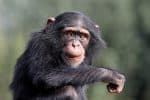
Chimpanzee
Chimpanzee
L'Hoest's monkey
African elephant (forest/savanna mosaic)
African green broadbill
Giant forest hog

Queen Elizabeth National Park

National Park

Uganda's classic savanna safari park, notable for very high habitat diversity (savanna, wetlands, forest edges, crater lakes) and strong predator and large-mammal viewing. The Kazinga Channel area is especially productive for boat-based wildlife viewing.

Murchison Falls National Park (Murchison Falls Conservation Area)

National Park (within the Murchison Falls Conservation Area, with adjacent wildlife reserves)

Famous for the Nile squeezing through a narrow gorge at Murchison Falls and for excellent big-game viewing on open savannas along the river. River cruises and delta areas are standout for waterbirds and crocodile/hippo concentrations.

Kibale National Park

National Park

Often considered East Africa's top chimpanzee-tracking destination, with one of the highest primate diversities on the continent. The forest-farmland edge and nearby wetlands also support strong birdlife.

Chimpanzee
Chimpanzee
Red colobus
L'Hoest's monkey
Black-and-white colobus
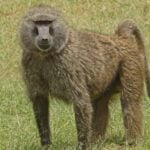
Olive baboon
Olive baboon
Blue monkey

Kidepo Valley National Park

National Park

A remote, scenic savanna system in the far northeast with some of Uganda's most rewarding classic safari experiences and relatively low visitor density. It supports wildlife communities that differ from the western parks due to its drier ecology.

Rwenzori Mountains National Park

National Park; UNESCO World Heritage Site (Natural)

A dramatic Afro-alpine and montane ecosystem protecting the 'Mountains of the Moon,' important for endemics, watershed values, and climate-sensitive habitats. Wildlife viewing is more specialized (montane species and birds) alongside world-class trekking.

Rwenzori duiker
Blue monkey
L'Hoest's monkey
Rwenzori turaco
Chameleon (montane species)
Various sunbirds (Afro-alpine)

Ziwa Rhino Sanctuary (Nakasongola District)

Private Wildlife Sanctuary / Rhino conservation area (not a National Park)

Uganda's flagship rhino reintroduction site and the only place in the country where white rhinos can be reliably tracked on foot under protection. It is strategically important for restoring rhinos to former range within Uganda's wider conservation landscape.

Southern white rhinoceros
Oribi
Oribi
Uganda kob
Bushbuck
Nile crocodile
Nile crocodile
Shoebill (area wetlands, occasional)

UNESCO World Heritage Sites

  • Bwindi Impenetrable National Park
  • Rwenzori Mountains National Park
Animals

Wildlife

Uganda packs an exceptional range of habitats into a relatively small, landlocked country: lowland and montane rainforests (Bwindi, Kibale), the Albertine Rift escarpments and lakes, papyrus swamps (Lake Victoria basin), and classic savanna systems (Murchison Falls, Queen Elizabeth, Kidepo). This mix yields one of Africa's strongest "all-round" wildlife experiences-globally important great ape tracking, very high bird diversity, and reliable big-game viewing in multiple savanna parks.

~340-350 species (notably primates and forest mammals in the Albertine Rift) Mammals
~1,050-1,090 species (among the highest national bird lists in Africa) Birds
~160-180 species Reptiles
~60-90 species (especially diverse in Albertine Rift forests and highlands) Amphibians

Iconic Species

Mountain Gorilla
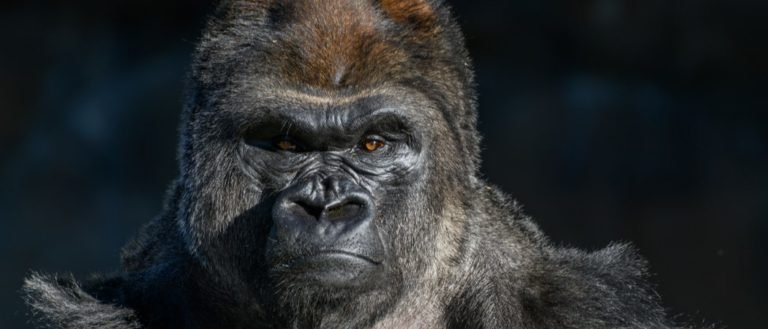
Mountain Gorilla Uganda is a premier destination for habituated mountain gorilla tracking, especially in Bwindi Impenetrable National Park (plus Mgahinga Gorilla NP). The country holds a major share of the world's remaining population and offers some of the most accessible trekking infrastructure.
Chimpanzee
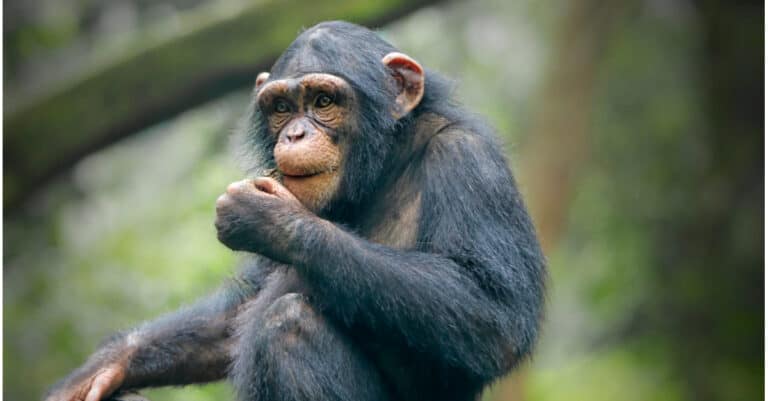
Chimpanzee Kibale National Park is famed for high chimpanzee encounter rates and exceptional primate diversity; additional strong sites include Budongo (near Murchison Falls) and Queen Elizabeth's Kyambura Gorge.
African Savanna Elephant
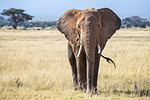
African Savanna Elephant Regularly seen in Queen Elizabeth and Murchison Falls National Parks, where elephants move between savanna, riverine woodland, and wetland edges-often viewed on game drives and boat cruises.
Lion
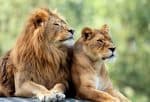
Lion Queen Elizabeth NP is well known for the Ishasha sector's tree-climbing lions; lions are also seen in Murchison Falls NP and Kidepo Valley NP in more open savanna settings.
Leopard
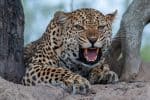
Leopard A coveted sighting on Uganda safaris, with consistent chances in Queen Elizabeth and Murchison Falls NPs (often best at dawn/dusk on savanna tracks and near riverine cover).
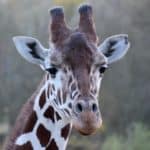
Rothschild's Giraffe Murchison Falls NP and Kidepo Valley NP are key viewing areas. Uganda is an important range state for this threatened giraffe, with conservation-focused translocations bolstering populations.
Shoebill
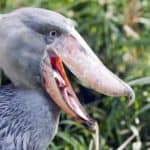
Shoebill Uganda is one of East Africa's most reliable countries for shoebill, particularly in papyrus swamps such as Mabamba Bay (Lake Victoria), plus wetland systems around Murchison Falls and the Albert Nile.
Hippopotamus
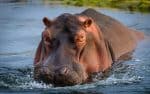
Hippopotamus Densities can be spectacular along waterways-especially the Kazinga Channel in Queen Elizabeth NP and the Nile in Murchison Falls NP-making boat cruises a signature Uganda experience.
Nile Crocodile
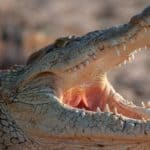
Nile Crocodile Frequently seen basking and hunting along the Nile (Murchison Falls) and Kazinga Channel (Queen Elizabeth), often alongside large congregations of hippos and waterbirds.
African Buffalo
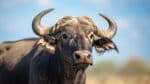
African Buffalo Common and often encountered in large herds in Queen Elizabeth and Murchison Falls NPs; a cornerstone species for classic savanna viewing and predator-prey dynamics.

Endemic Species

Fox's Weaver A range-restricted bird endemic to Uganda, localized around wetlands and papyrus/grassland mosaics in parts of north-central Uganda; highly sought-after by birders. Endemic

Notable Populations

  • Uganda holds about 40-45% of the world's remaining mountain gorillas, mainly in Bwindi Impenetrable National Park, with additional gorillas in Mgahinga Gorilla National Park (part of the Virunga Massif population).
  • Kibale National Park is among Africa's best-known chimpanzee viewing sites and supports one of the continent's richest primate communities.
  • Uganda's national bird list exceeds ~1,050 species-often cited among the highest in Africa-driven by the meeting of Congo Basin forests, Rift highlands, and Great Lakes wetlands.
  • Mabamba Bay and other papyrus swamps make Uganda one of the most reliable places in East Africa to see the Shoebill.
  • Murchison Falls and Queen Elizabeth National Parks provide two of Uganda's strongest multi-species savanna systems, combining classic game drives with world-class river/channel boat wildlife viewing.
Protection

Conservation

Primary Threats

  • Conversion of forests, wetlands, and savanna edges into smallholder farms and plantations (including encroachment around Kibale, Budongo, Mabira and the Albertine Rift), fragmenting habitat and severing wildlife corridors between protected areas (notably in the oil-rich Albertine landscape).
  • Broad loss and fragmentation from settlement growth, wetland drainage, shoreline development on Lake Victoria, and forest clearance for fuelwood/charcoal; this reduces connectivity for elephants, lions, and chimpanzees and squeezes primate habitats in the southwest and mid-west.
  • Illegal timber harvesting and unsustainable woodfuel/charcoal production in forest reserves and community lands (e.g., pressure on Budongo and other central forest landscapes), degrading chimpanzee habitat and diminishing watershed protection.
  • High conflict where people live densely along park boundaries: elephants raid crops around Queen Elizabeth, Murchison Falls and Kibale; carnivores (lions, hyenas, leopards) kill livestock in rangeland-park interfaces; retaliatory killings and snaring increase when crops/livestock losses go uncompensated.
  • Snaring for bushmeat around parks (often targeting antelope but incidentally catching lions, leopards and other non-target species), and localized illegal killing of problem animals following crop raids or livestock predation.
  • Trafficking in ivory and other wildlife products historically moved through the region; continued risks include illegal trade in pangolins/scales and live animal capture, requiring ongoing enforcement at borders and transport routes.
  • Overexploitation in Lake Victoria, Lake Albert and other fisheries driven by high demand and livelihoods dependence-manifesting as declining catches, illegal gear use, and pressure on spawning/nursery habitats in wetlands and nearshore zones.
  • Urban/industrial and agricultural runoff into Lake Victoria and other waters (nutrient loading, plastics, untreated sewage), oil/fuel contamination risks in the Albertine region, and localized mercury/chemical pollution associated with artisanal mining-degrading aquatic ecosystems and drinking-water sources.
  • Water hyacinth and other invasives in Lake Victoria and connected wetlands impede fishing and transport, alter water quality, and smother habitats; invasive plants also affect some rangelands and disturbed park edges.
  • Road upgrades, hydropower and transmission lines, and oil-related infrastructure (roads, facilities, pipelines) increase fragmentation, vehicle-wildlife collisions, access for illegal resource extraction, and disturbance-especially in the Albertine Graben near Murchison Falls and along corridor areas.
  • Artisanal and industrial exploration/extraction (including in the wider Albertine region) can drive habitat disturbance, sedimentation and pollution of waterways, and increased settlement/road access near sensitive landscapes.
  • More variable rainfall and extreme events (droughts/floods) affect wetland function and lake productivity, intensify human-wildlife conflict through crop failure, and threaten high-elevation ecosystems (e.g., long-term shifts in the Rwenzori Mountains) that support unique biodiversity and water supplies.
  • Wetland drainage, riverbank cultivation, altered fire regimes in savannas, and hydrological changes from dams/water abstraction modify ecosystems that underpin fisheries, birdlife, and flood regulation-particularly in Lake Victoria's wetlands and savanna-park mosaics.
  • Disease risks to great apes (respiratory infections linked to human contact/visitation and nearby settlements) require strict health protocols; outbreaks of zoonoses in the region can also disrupt conservation operations and tourism financing.
  • Chronic extraction of fuelwood, poles, thatch, and non-timber forest products around protected areas reduces forest quality, increases edge degradation, and drives repeated encroachment in community lands bordering parks.
  • High tourism visitation and dense settlement at park boundaries increase noise, off-trail pressure, and habituation risks-especially for gorillas and chimpanzees-necessitating strict guiding, distancing, and group-size controls.
  • Rapid growth of Kampala and secondary towns increases demand for charcoal, timber, and fish; expands waste streams into Lake Victoria; and drives peri-urban wetland conversion that removes critical flood buffers and bird habitat.
Visit

Wildlife Tourism

Uganda's wildlife tourism is built around exceptional primate encounters (especially mountain gorillas and chimpanzees) paired with classic savanna wildlife in the Albertine Rift. Tourism is a major foreign-exchange earner and supports thousands of jobs through guiding, lodging, transport, crafts, and park operations; gorilla permits in particular fund conservation, anti-poaching, research, and community revenue-sharing around protected areas. The modern safari era accelerated from the 1990s onward as security and infrastructure improved and the Uganda Wildlife Authority expanded park management and community benefit programs. Accessibility is straightforward: most trips start via Entebbe International Airport (near Lake Victoria), with overland transfers by 4x4 to major parks (often 4-8+ hours depending on routing). Domestic scheduled flights and charter planes link Entebbe/Kajjansi to airstrips near Bwindi, Queen Elizabeth, Murchison Falls, and Kidepo, letting visitors combine gorillas and savanna wildlife efficiently. Uganda is also one of Africa's best-value birding destinations, with high species diversity concentrated along the Albertine Rift forests and wetlands.

Best Time to Visit

Practical wildlife calendar (what to see when):

- January-February (dry season peak): Excellent for gorilla and chimp trekking (steadier trails), strong general game viewing as animals concentrate around water; clear views at Murchison Falls and good conditions for boat cruises.
- March-May (long rains, with April usually wettest): Lush landscapes and fewer visitors; birding is superb with breeding activity and vibrant plumage. Primate trekking still possible but trails can be muddy and hikes longer-good for travelers prioritizing value and photography of green scenery.
- June-August (dry season peak, busiest): Prime months for gorillas/chimps and big game viewing; reliable road access to more remote areas; strong predator and elephant viewing in Queen Elizabeth and Murchison Falls. Great for combining multiple parks.
- September-October (short rains, often intermittent): Still very good for wildlife with greener backdrops and fewer crowds than July-August; excellent for birding and primate trekking when rains are lighter.
- November-December (short rains tapering into dry): A strong shoulder season-good primate trekking, improving road conditions as December approaches, and productive boat safaris on the Nile and Kazinga Channel.

Notes for planners:
- Gorilla and chimp permits are capacity-limited year-round; booking early matters most for June-August and December-February.
- Kidepo Valley is best reached in the drier months (rough roads in heavy rains), though flights make it accessible year-round.

Top Wildlife Experiences

  • Mountain gorilla trekking in Bwindi Impenetrable Forest (choose a sector that matches your fitness and lodge location; expect a pre-trek briefing, a guided hike, then a focused one-hour viewing with a habituated family).
  • Gorilla habituation experience (where available) for extended time in the forest with researchers and trackers-more immersive than standard trekking and ideal for keen photographers and primate enthusiasts.
  • Chimpanzee trekking in Kibale Forest (often the best odds in East Africa), with an option for a chimp habituation day for longer, more behavior-focused viewing.
  • Boat safari on the Kazinga Channel (Queen Elizabeth area) for close-up hippos, crocodiles, and dense waterbird life-often one of Uganda's highest "animals-per-hour" activities.
  • Nile boat cruise below Murchison Falls to the base of the falls (or to the Delta): watch elephants and buffalo on the banks, plus massive crocodiles and prolific birdlife; pair it with the short hike to the top for thundering views.
  • Early-morning savanna game drive in the Kasenyi Plains (Queen Elizabeth) focusing on lions, Uganda kob, elephants, and hyenas-best done at first light for predator activity.
  • Tree-climbing lion search in the Ishasha sector (Queen Elizabeth): a specialized game drive that times the day for the best chance of seeing lions resting in fig trees.
  • Rhino tracking on foot at Ziwa Rhino Sanctuary (a key conservation success story), typically a guided walk with close but regulated viewing distances.
  • Birding walk through Mabamba Swamp (near Entebbe) by canoe for a high chance of seeing the shoebill, plus papyrus specialists-an ideal first or last day activity.
  • Remote wilderness safari in Kidepo Valley: long, scenic game drives with big herds, rugged landscapes, and a 'far-from-everywhere' feel-excellent for travelers who want low crowds and dramatic scenery.

Safari Types Available

  • 4x4 game drives (dawn/dusk drives for predators; full-day drives for remote sectors)
  • Guided primate trekking (gorilla and chimpanzee treks with park rangers and trackers)
  • Primate habituation experiences (longer, research-style encounters with stricter rules)
  • Boat safaris/river cruises (Kazinga Channel, Nile in Murchison; wildlife viewing from the water)
  • Walking safaris and guided nature walks (savanna walks where permitted; forest walks for birds and smaller primates)
  • Rhino tracking on foot (specialized, conservation-linked activity at Ziwa)
  • Birding safaris (wetlands, Rift Valley forests, savannas-often tailored by habitat and target species like shoebill or Albertine Rift endemics)
  • Community and cultural add-ons linked to conservation (village walks, community-run projects, craft markets-often integrated around Bwindi/Queen Elizabeth)
  • Fly-in safaris (scheduled/charter flights to reduce driving time and connect gorillas with savanna parks)
Fun Facts

Did You Know?

Uganda has tree-climbing lions: in Queen Elizabeth National Park's Ishasha sector, lions are regularly seen lounging in fig trees-behavior that's rare for lions and famously photogenic.

You can look for the "prehistoric" shoebill surprisingly close to the capital: Mabamba Swamp on Lake Victoria (near Kampala/Entebbe) is one of East Africa's most reliable places to spot it.

Despite sitting on the Equator, Uganda has (shrinking) tropical glaciers: the Rwenzori Mountains ("Mountains of the Moon") support icefields and surreal afro-alpine plants like giant lobelias.

Uganda is landlocked, yet it's a prime "water-and-wildlife" safari country: boat safaris on the Nile at Murchison Falls and on the Kazinga Channel routinely put you close to elephants, buffalo, hippos, crocodiles, and a huge variety of waterbirds in one outing.

One of only three countries on Earth with wild mountain gorillas (the others are Rwanda and the DRC).

The Bwindi-Sarambwe ecosystem (Bwindi Impenetrable National Park in Uganda plus the adjacent Sarambwe Reserve in the DRC) holds roughly 40-45% of the world's mountain gorillas (459 of 1,063 counted in the 2018 census).

Uganda has recorded 1,060+ bird species-around half of Africa's total bird list-making it one of the most species-rich birding destinations per square kilometer.

Kibale National Park packs 13 primate species into one protected area and is a major chimpanzee stronghold (often cited at ~1,500 chimpanzees), placing it among Africa's highest primate-density forests.

The 32-km Kazinga Channel (Queen Elizabeth National Park) is famous for an exceptionally dense congregation of hippos-commonly estimated at around 2,000 individuals-plus large Nile crocodiles in a narrow waterway.

The African country of Uganda is a treasure trove of unique wildlife. The African bush elephant, the mountain gorilla, the African lion, and the Cape buffalo are some of the most well-known animals living there. Furthermore, there are 142 reptile species, 501 fish species, 86 amphibian species, 345 mammal species, and 1,020 species of birds in Uganda. Last, but not least, there are 1,242 butterfly species in Uganda. No wonder it’s known as one of the most picturesque countries in the world.

The Official National Animal of Uganda

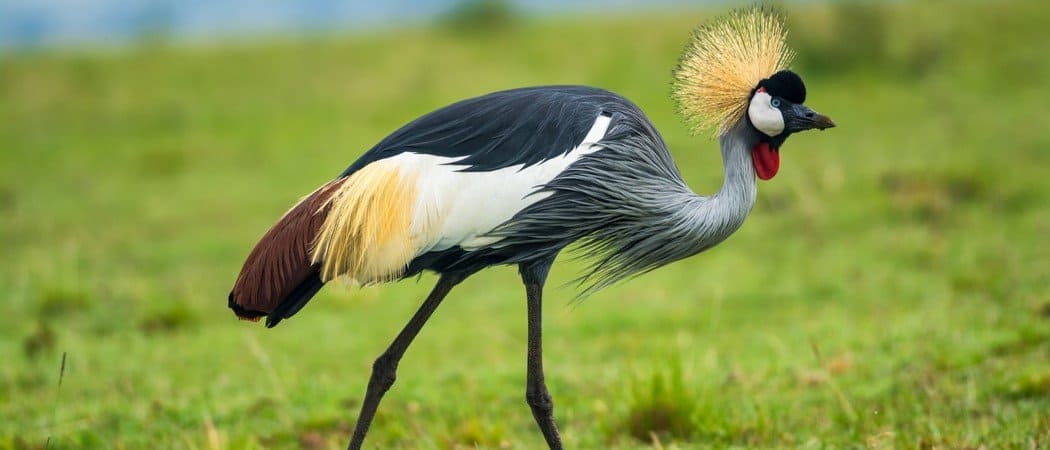
Among all of the wildlife in Uganda, the Crested Crane, aka the Gray-crowned crane, was chosen as the country’s national animal almost 100 years ago. This tall bird has sleek silver feathers, slender legs, and a crest of gold feathers. After observing the slow, graceful movements of this bird it will come as no surprise that Uganda chose this bird for its beauty and elegance. It is proudly displayed on Uganda’s flag.

The Most Dangerous Animals in Uganda Today

Uganda has many timid animals that stay hidden most of the time. Alternatively, there are many animals that can pose a threat. Look at some examples of the most dangerous wildlife in Uganda:

  • Hippopotamus – At first glance, hippos look fairly harmless. But these are powerful animals with jaws strong enough to break a canoe in half. Plus, when these animals stampede they can trample anything in their path. There are approximately 500 people killed each year in Africa by this large mammal.
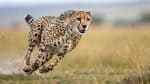
  • Cape Buffalo – This unique and weighty mammal definitely looks like more of a threat than a hippo. When it’s threatened this animal doesn’t back off. Instead, it becomes aggressive. This buffalo can charge a person or animal reaching speeds of 30 miles per hour. Not as fast as the world champion cheetah, but still very fast.
  • Puff Adder – These aggressive snakes are common in well-populated areas in Uganda. Not surprisingly, it becomes an issue when snakes and people populate the same small area. This snake can’t lift its head off the ground but can strike a person’s foot with its venomous fangs. When it comes to fatal snakebites, the puff adder leads the pack in Africa!
  • Mosquitoes – Mosquitoes dangerous? Yes. Uganda has a lot of low-altitude regions which are home to many mosquitoes. The danger comes if a person is bitten by a mosquito carrying malaria. Malaria is a deadly disease, especially for young people. This is why mosquito netting is so common in this region.

Where to Find the Top Wild Animals in Uganda

The list of unique animals living in Uganda is long. Some of these amazing animals keep hidden most of the time while others are a common sight to Ugandans. Look at where to find some of the top wild animals in Uganda.

  • African bush elephant – These elephants live in both the grassland and woodland areas of Uganda. Kibale National Park in Uganda is home to many African Bush elephants.
  • Cape buffalo – Whether they live in a dense forest or on the open plains, Cape buffalos look for habitat near water. Murchison Falls National Park and Lake Mburo National Park in Uganda are two places to see these unique animals.
  • Hippopotamus – Hippos live in rivers, lakes, and swampy areas surrounded by grass. Hippos can be seen near the Ntungwe River in Queen Elizabeth National Park as well as near the Nile River in Murchison Falls National Park in Uganda.
  • Crocodile – Crocodiles inhabit Murchison Falls National Park and can be seen on the shores of the Kazinga Channel in Queen Elizabeth National Park.
  • Leopard – The habitat of a leopard includes savannas and forest areas of Uganda. They can be seen in Kidepo Valley National Park and Lake Mburo National Park.
  • Giraffe -Giraffes live on savannas where they can find plenty of leaves and grass to eat. They are found in Murchison National Park as well as Kidepo National Park in Uganda. Living in the protected environment of these parks has helped this vulnerable animal from becoming extinct.

Endangered Animals in Uganda

Unfortunately, there are some animals in Uganda that are endangered. Loss of habitat through land development, loss of food sources, and disease are just some of the reasons why some animals become endangered and sometimes go extinct. Look at some of the endangered animals in Uganda.

Flag of Uganda

The flag of Uganda features several horizontal stripes in the colors black, yellow, and red, all of which hold meaning. The black represents the people of Uganda, while yellow stands for the life-giving sun. Red represents the blood that ties the people together. In the center of the flag is a crested crane, one of Uganda’s well-known birds and the nation’s national symbol.

Animals Found in Uganda

197 species documented in our encyclopedia

Thank you for reading! Have some feedback for us?